
A big paycheck does not always mean a good career move. Sometimes, stars protect their future by turning down a role, leaving a hit show, or refusing a deal that feels wrong.
Not every choice below was a full comeback, but each helped create space for a new chapter. Their stories show why saying no can sometimes open a better door.
1. Keanu Reeves Chose Something Beyond Speed
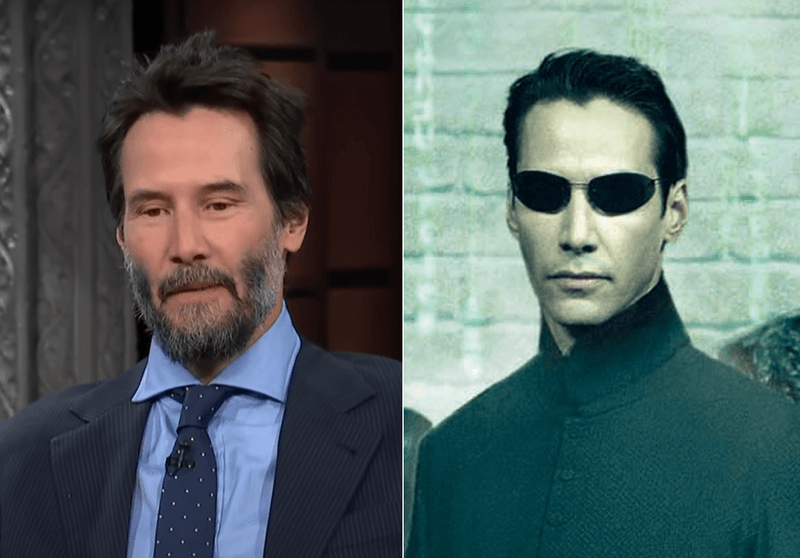
A cruise ship sequel was not the ride he wanted. After Speed became a hit, Keanu Reeves passed on Speed 2: Cruise Control because the script did not excite him.
His path included stage work, The Devil’s Advocate, and eventually The Matrix. The sequel struggled, while Reeves found a defining role as Neo.
His choice offers a reminder: repeating a success is not always better than taking a thoughtful risk on something entirely different instead.
2. Zendaya Stepped Away From the Aaliyah Biopic

Even early fame did not stop her from speaking up. Zendaya left Lifetime’s planned Aaliyah movie after concerns about the production, including its handling of music rights and contact with the singer’s family.
The finished film drew harsh reviews. She later built a stronger acting reputation through projects including Euphoria.
Her decision shows that leaving an uncertain project can protect your standards, especially when telling the story of someone whose legacy deserves care and respect.
3. Jon Favreau Took a Different Seat
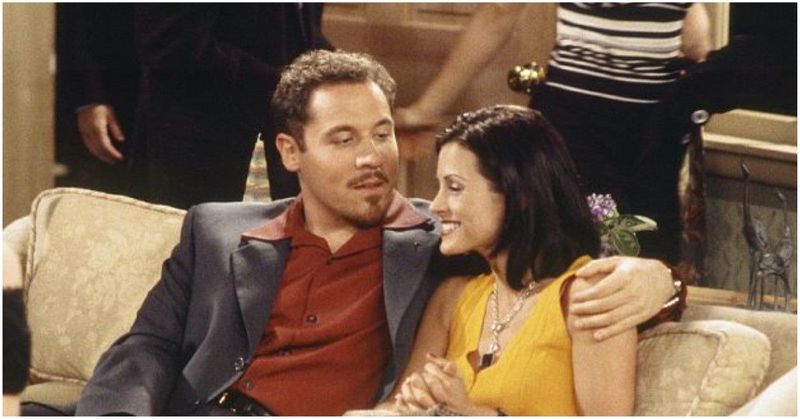
Imagine Friends with a different Chandler Bing. Jon Favreau has said he passed on the role, which eventually helped make Matthew Perry a household name.
Favreau instead developed a career that stretched beyond acting, writing Swingers and directing Elf and Iron Man. Friends was hardly a bad opportunity, but it was not his only possible future.
Sometimes the useful question is not whether an offer is impressive, but whether it leaves room for your ambitions.
4. Rob Lowe Found Laughs Instead of Scrubs
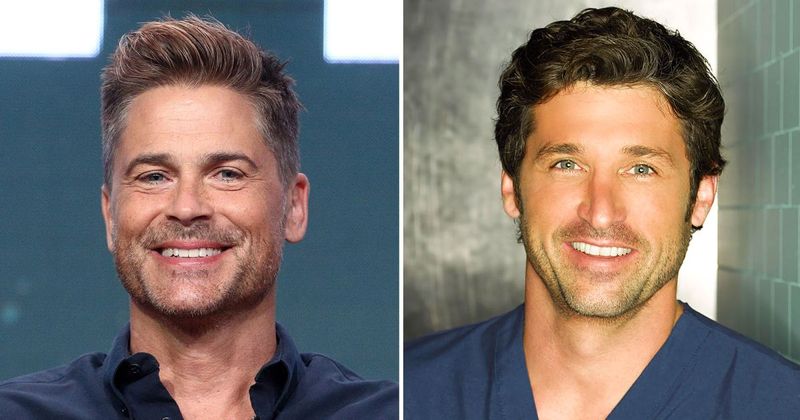
McDreamy could have looked very different. Rob Lowe turned down the role of Derek Shepherd on Grey’s Anatomy, choosing another television opportunity instead.
That immediate choice did not produce a lasting hit, but his career kept moving. He later found a memorable comic role as Chris Traeger on Parks and Recreation.
The lesson is refreshingly honest: a rejected offer does not guarantee instant success, and a satisfying new direction may take several turns to reach.
5. Tim Allen Kept His Santa Suit
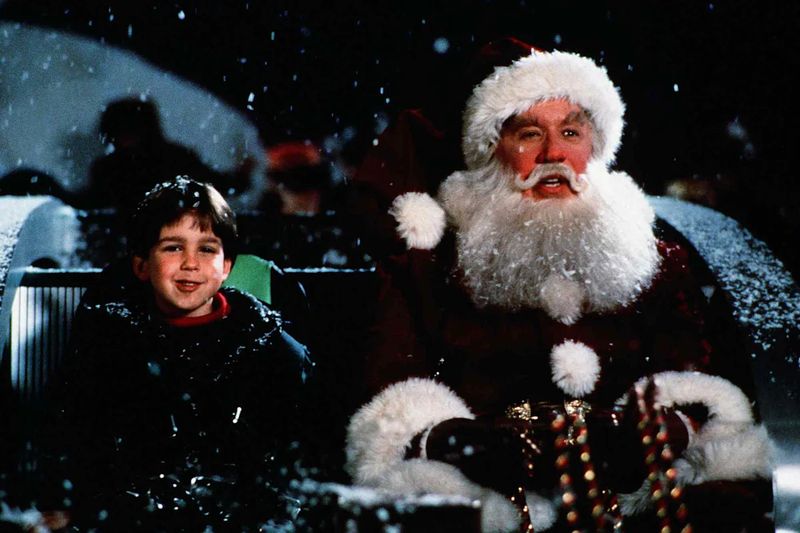
A giant striped hat nearly replaced his red Santa coat. Tim Allen was attached to play the lead in The Cat in the Hat but left amid scheduling conflicts with The Santa Clause 2.
Mike Myers took the cat role, and the movie received poor reviews. Allen continued a familiar family franchise instead.
His experience highlights a practical boundary: when commitments collide, protecting work already underway can make more sense than chasing another flashy new offer.
6. Mads Mikkelsen Walked Out of an Audition
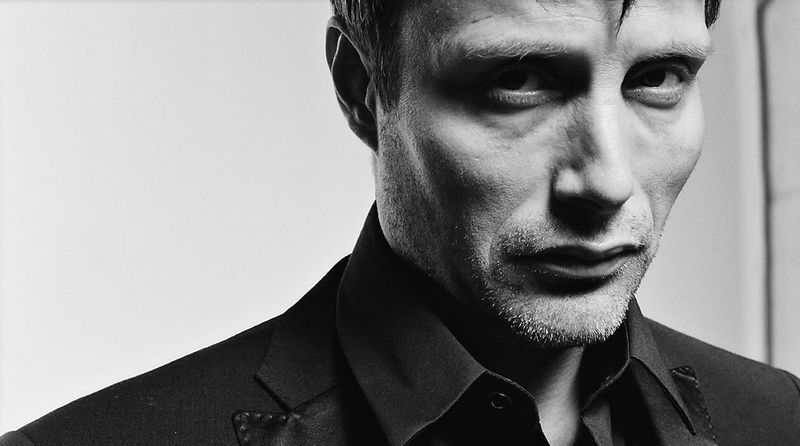
Stretching imaginary arms was a step too far. Mads Mikkelsen has described leaving a Fantastic Four audition after being asked to perform a movement that made him feel uncomfortable.
He did not receive and reject a finished offer; the boundary happened during casting. Later roles in Casino Royale and Hannibal showed his range.
His story offers a useful distinction: you can decline a process that feels wrong without knowing exactly what opportunity will come next.
7. Michael Keaton Hung Up the Cape
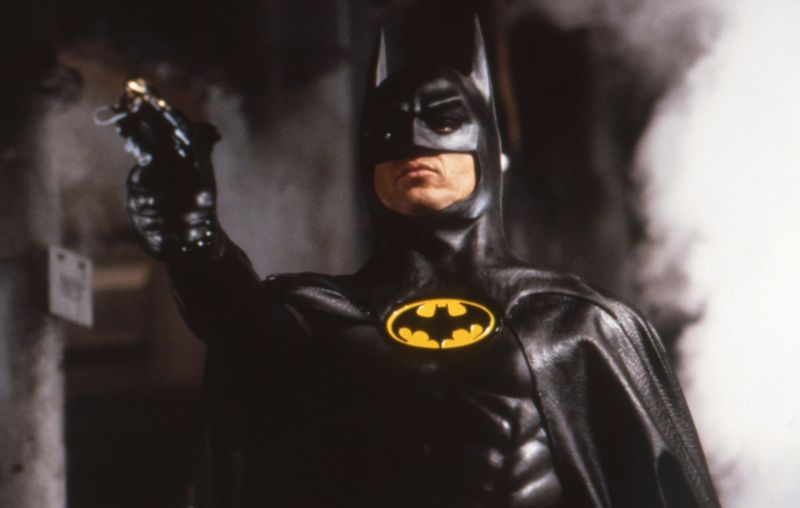
Gotham’s biggest paycheck could not settle his doubts. Michael Keaton declined to return for Batman Forever after disagreeing with the direction of the character and story.
His career later included acclaimed work in Birdman and Spotlight, followed by another turn as Batman years afterward. Leaving did not create an overnight comeback, but it preserved an artistic boundary.
You can value a role deeply and still decide that its next chapter no longer matches your judgment.
8. Matthew McConaughey Refused the Easy Repeat
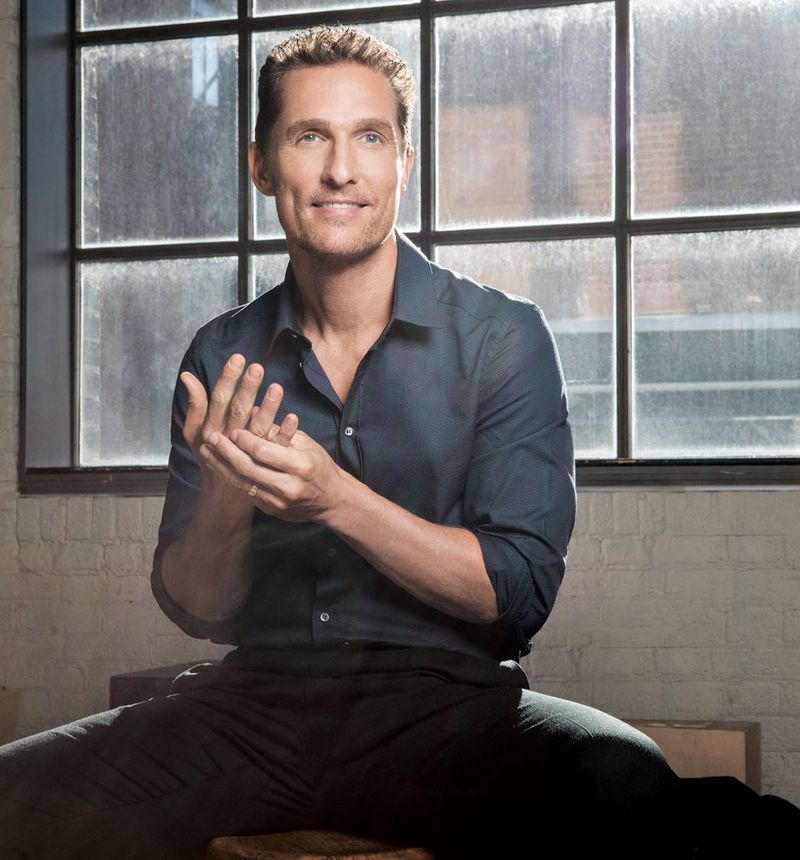
The romantic comedy offers kept coming, but he stopped accepting them. Matthew McConaughey took a career pause rather than keep playing the familiar charming lead, even turning down a huge payday.
Work initially dried up before darker, more demanding parts arrived. Dallas Buyers Club brought an Oscar, while True Detective widened his reputation.
His reset was risky, not magical. Changing how others see you may require refusing the work that keeps your old image alive.
9. Dave Chappelle Left a Hit Behind
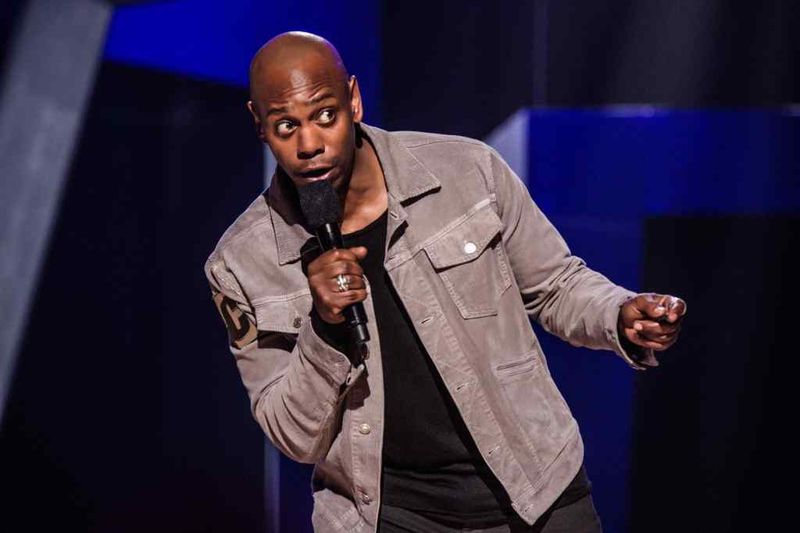
Walking away from a hit show shocked almost everyone. Dave Chappelle left Chappelle’s Show during its third season, stepping away from a major deal amid pressure and concerns about the work.
His return to standup eventually brought major specials and awards, alongside controversy over his material. The comeback does not erase those debates.
Still, his departure illustrates a powerful boundary: professional success can become unhealthy when the conditions stop matching what you need to keep creating.
10. Daniel Radcliffe Rejected the Safe Sequel Path

After playing Harry Potter, another blockbuster might have seemed obvious. Daniel Radcliffe instead pursued unusual films and stage work, resisting the idea that he needed to remain a traditional franchise star.
He has also said he declined a proposed Harry Potter and the Cursed Child return for the time being. Projects such as Swiss Army Man and his Tony-winning performance in Merrily We Roll Along built a broader identity.
Familiar success need not define every choice.
11. Will Ferrell Let Buddy Stay Home
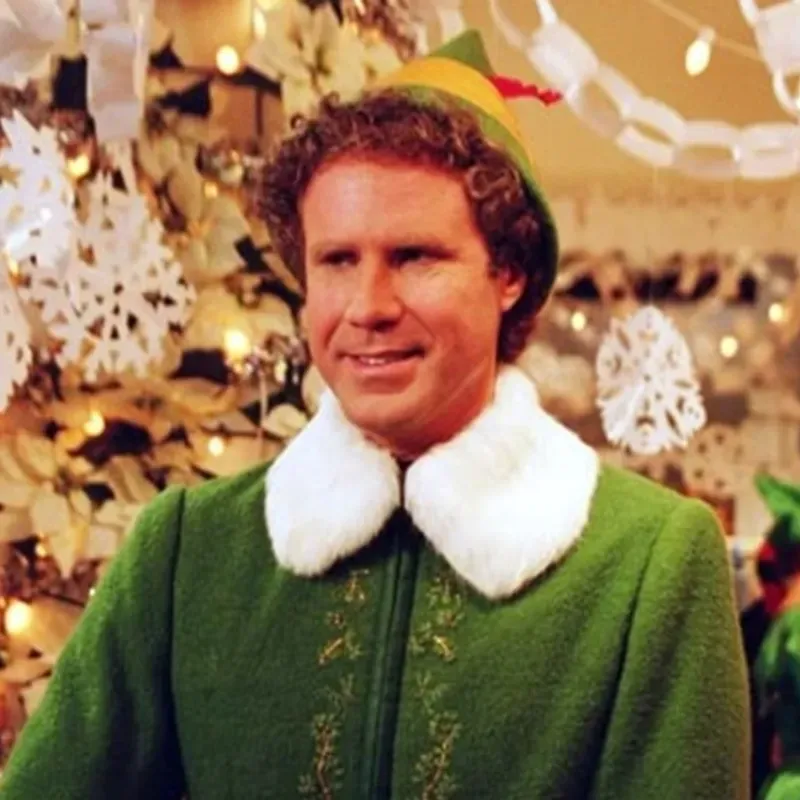
Buddy the Elf could have returned for another payday. Will Ferrell turned down a proposed Elf sequel because he did not believe in the script, despite a reported offer of $29 million.
He explained that promoting a movie he considered weak would have felt dishonest. His career continued across comedy, producing, and later projects including Barbie.
The takeaway is simple: a beloved success does not need a follow-up unless the new work earns its place.
12. Jim Carrey Looked Beyond the Mask
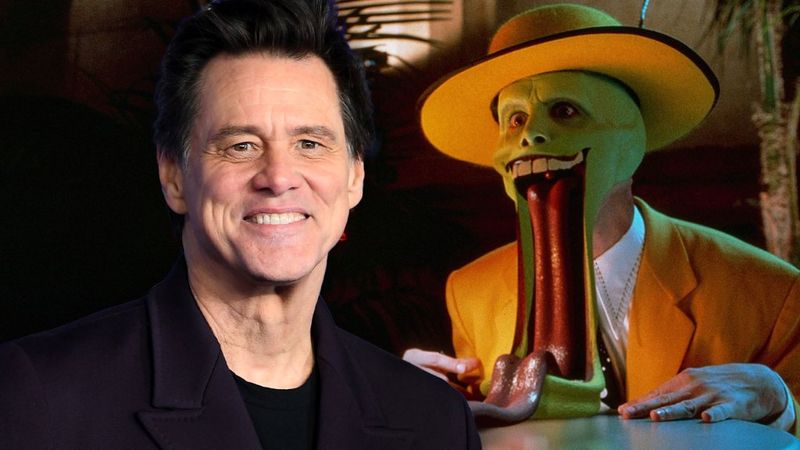
That green face could have become a comfortable trap. Jim Carrey did not return for a sequel to The Mask, choosing not to keep repeating the character after the original became a hit.
His later work included The Truman Show and Eternal Sunshine of the Spotless Mind, revealing more dramatic range. Son of the Mask eventually appeared without him and struggled.
One successful performance can open doors without becoming a job you must repeat forever.
13. Emma Watson Waited for a Different Fairy Tale

Not every glass slipper is the right fit. Emma Watson passed on Disney’s live-action Cinderella before later accepting the role of Belle in Beauty and the Beast.
She has described Belle as a character who connected more closely with her own interests and independence. Cinderella succeeded without her, so this was not about escaping disaster.
It was about choosing a better personal match, a useful approach whenever two attractive opportunities ask different things of you.
14. Sarah Michelle Gellar Chose an Ending
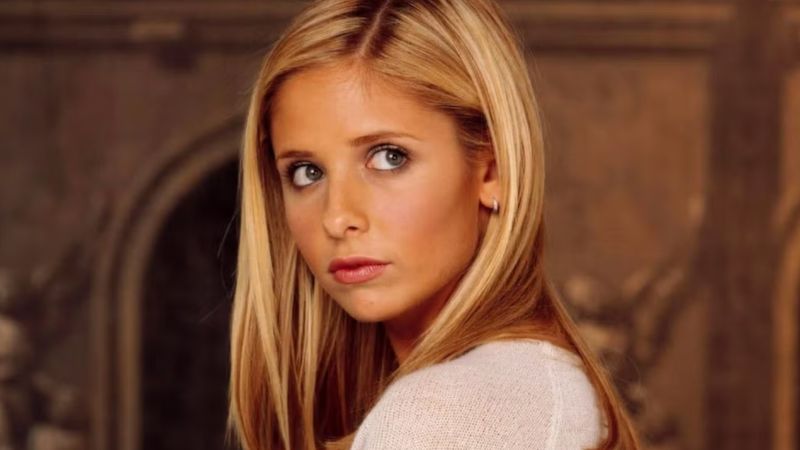
Saving the world every week was exhausting work. Sarah Michelle Gellar decided to leave Buffy the Vampire Slayer after its seventh season, helping bring the series to its planned television ending.
She later pursued other acting projects and business interests, while Buffy remained her signature role. Her choice was not a sudden career rescue.
It showed that even meaningful work can reach a stopping point, and ending a chapter can protect energy for life beyond it.
15. George Michael Challenged His Record Deal
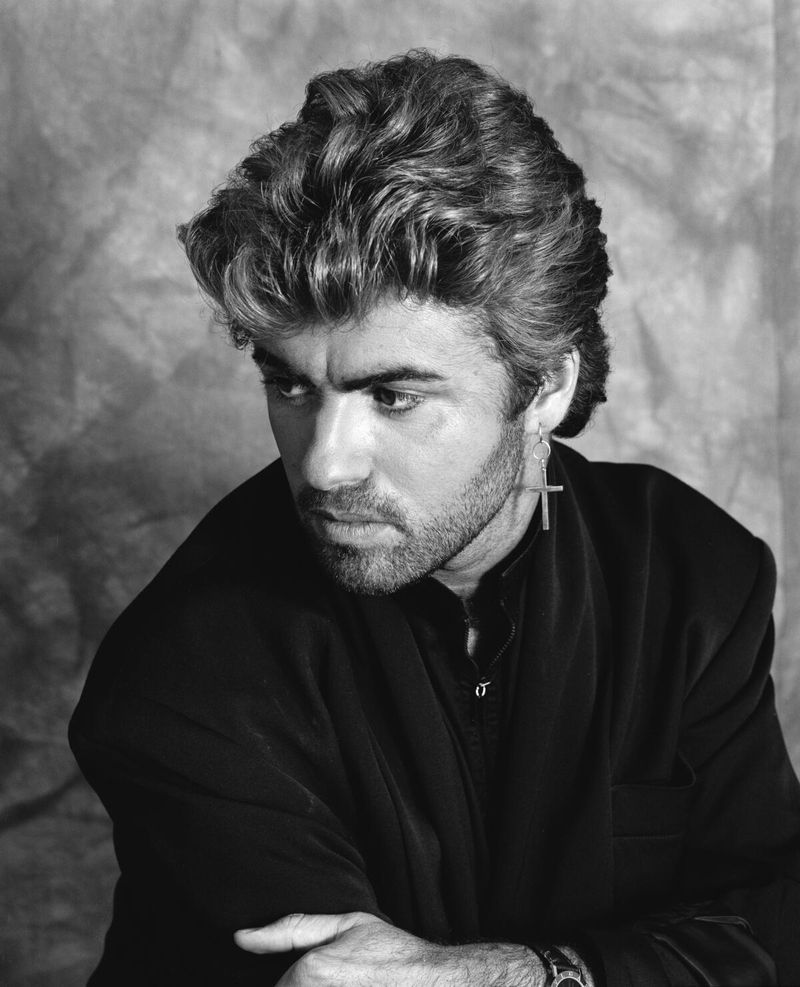
Behind the pop success, a contract battle was growing. George Michael challenged Sony in court, arguing that his recording agreement unfairly limited his freedom as an artist.
He lost the case, so this was no simple victory story. Yet he eventually moved to new labels and released Older, a major success in many countries.
His stand highlights the difference between popularity and control: having a successful career does not automatically mean owning its direction yourself.
16. Prince Made His Name a Protest
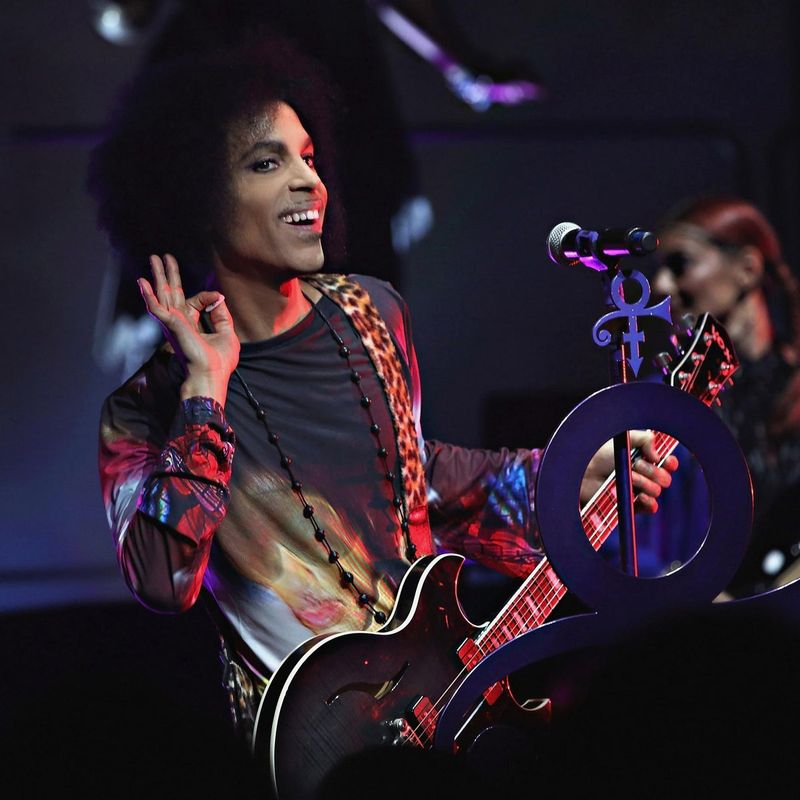
Even his name became part of the argument. Prince adopted an unpronounceable symbol during his dispute with Warner Bros., pushing back against limits he felt restricted his music and release schedule.
The move confused audiences, but it also drew attention to artists’ control over their work. He later released music through independent arrangements and reclaimed his original name.
His fight was complicated, yet its core lesson remains clear: ownership can matter as much as attention.
17. Tina Turner Refused to Go Back

Starting over meant leaving far more than a musical partnership. Tina Turner left her abusive husband and performing partner, Ike Turner, then rebuilt her career despite debt and years of difficult work.
Private Dancer eventually made her a global solo superstar in her forties. Her story deserves more care than a simple career tip.
Refusing abuse protected her life and freedom first; professional success followed through persistence, support, and opportunities that took time to arrive.
18. Adele Delayed the Spotlight
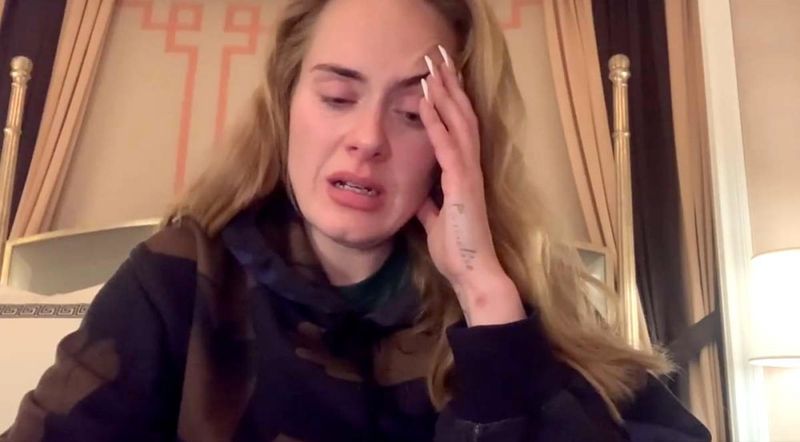
Hours before opening weekend, the curtain stayed down. Adele postponed her Las Vegas residency in January 2022, saying the show was not ready amid production problems and illness within her team.
Fans faced real disappointment and travel costs, making the decision far from painless. The redesigned residency opened later that year and earned strong reviews.
Her example shows both sides of a boundary: protecting quality can help your work, but others may bear immediate consequences.
19. Taylor Swift Pushed Back on Free Streaming
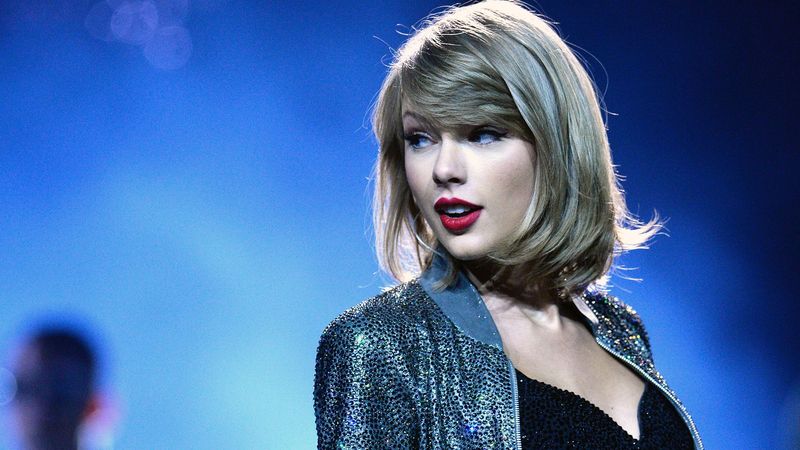
A public letter helped change a major company’s plan. Taylor Swift objected to Apple Music’s original policy of not paying rights holders during its free trial and withheld 1989 from the service.
Apple quickly changed course, and she agreed to make the album available. Her career did not need rescuing, but the refusal strengthened her role as an advocate for artists.
A clear objection can carry weight when it explains who gets hurt and why.