
Morning is a lot easier to face when something warm and flaky is waiting for you. All over the world, bakers wake up before sunrise to make pastries that families have loved for generations.
Each one tells a little story about the place it comes from and the people who enjoy it. Get ready to take a tasty trip around the globe, one bite at a time.
Croissant (France)
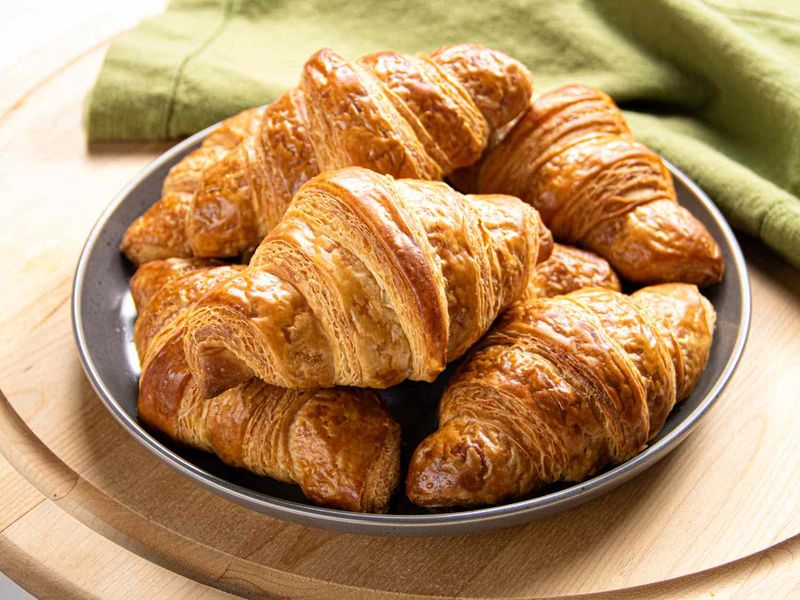
Peel back one buttery layer and you will find dozens more hiding inside. French bakers fold butter into dough again and again to create those thin, crispy sheets.
Fun fact: the croissant was likely inspired by the Austrian kipferl, a crescent-shaped bread. The French just made it fancier.
For the best experience, eat one warm with a little jam. Try tearing it by hand instead of slicing it to keep the flakes intact.
Pain au Chocolat (France)
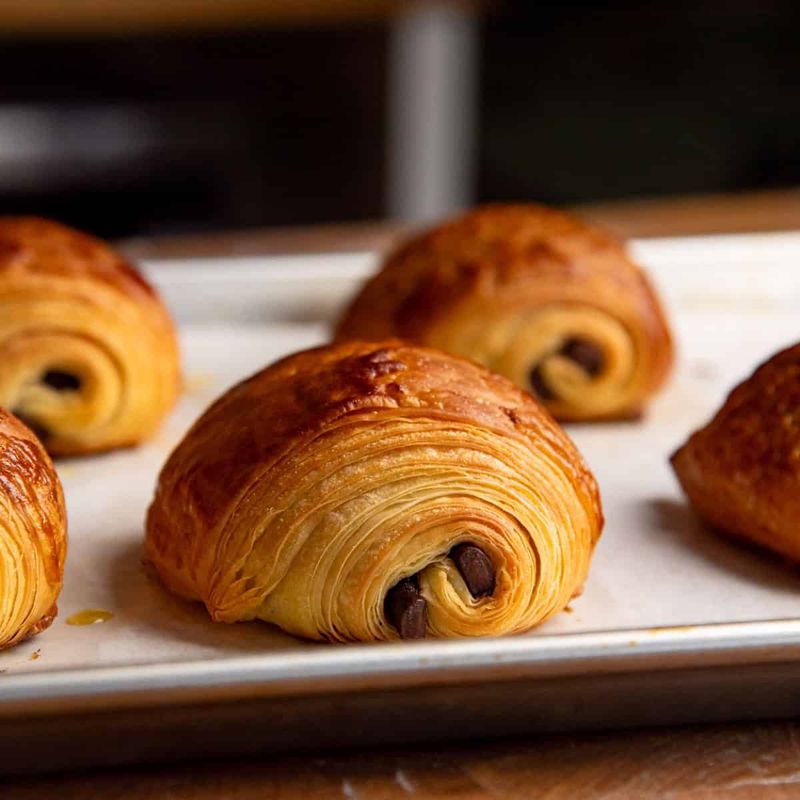
Chocolate for breakfast? In France, nobody even blinks.
This rectangle of flaky dough hides two sticks of dark chocolate tucked inside.
Kids in France often grab one on the way to school, sometimes with a glass of milk. In southwest France, people call it a chocolatine, and the name debate gets surprisingly heated.
Warm it in the oven for three minutes so the chocolate turns soft and melty again.
Pastel de Nata (Portugal)
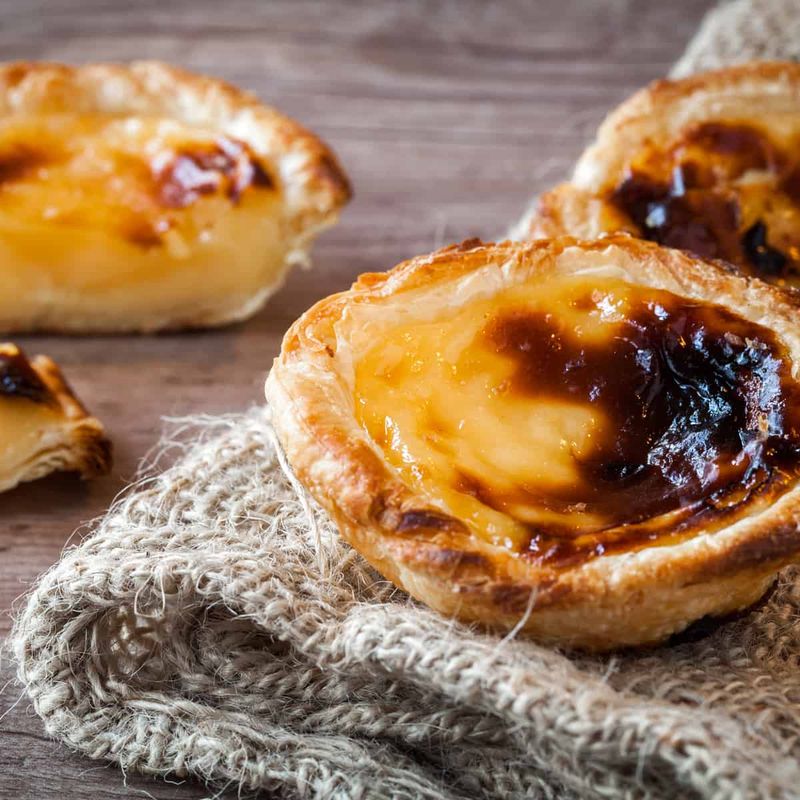
Monks in Lisbon created these little custard tarts over 200 years ago, using leftover egg yolks. Egg whites were used to starch clothes, so the yolks needed a delicious job.
Each tart has a crackly shell and creamy filling with dark, toasty spots on top. Those burnt bits are on purpose.
Locals sprinkle cinnamon and powdered sugar over them. Pair one with a tiny espresso, just like people in Portugal do.
Cornetto (Italy)
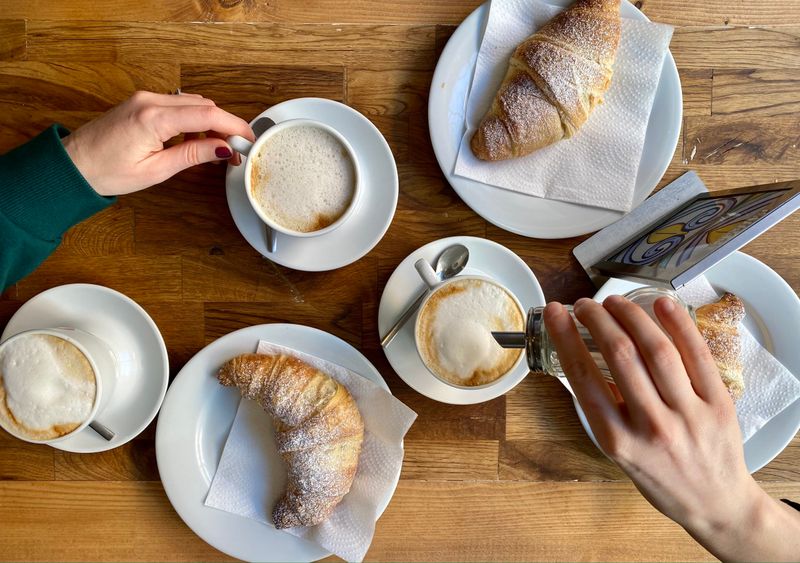
Walk into any Italian cafe at 8 a.m. and you will see people standing at the counter, cornetto in one hand and cappuccino in the other.
A cornetto looks like a croissant, but it is softer, sweeter, and often has orange or vanilla in the dough. Many come filled with apricot jam, custard, or Nutella.
Italians usually eat breakfast quickly and lightly, so this pastry fits right into their busy mornings.
Kanelbulle (Sweden)
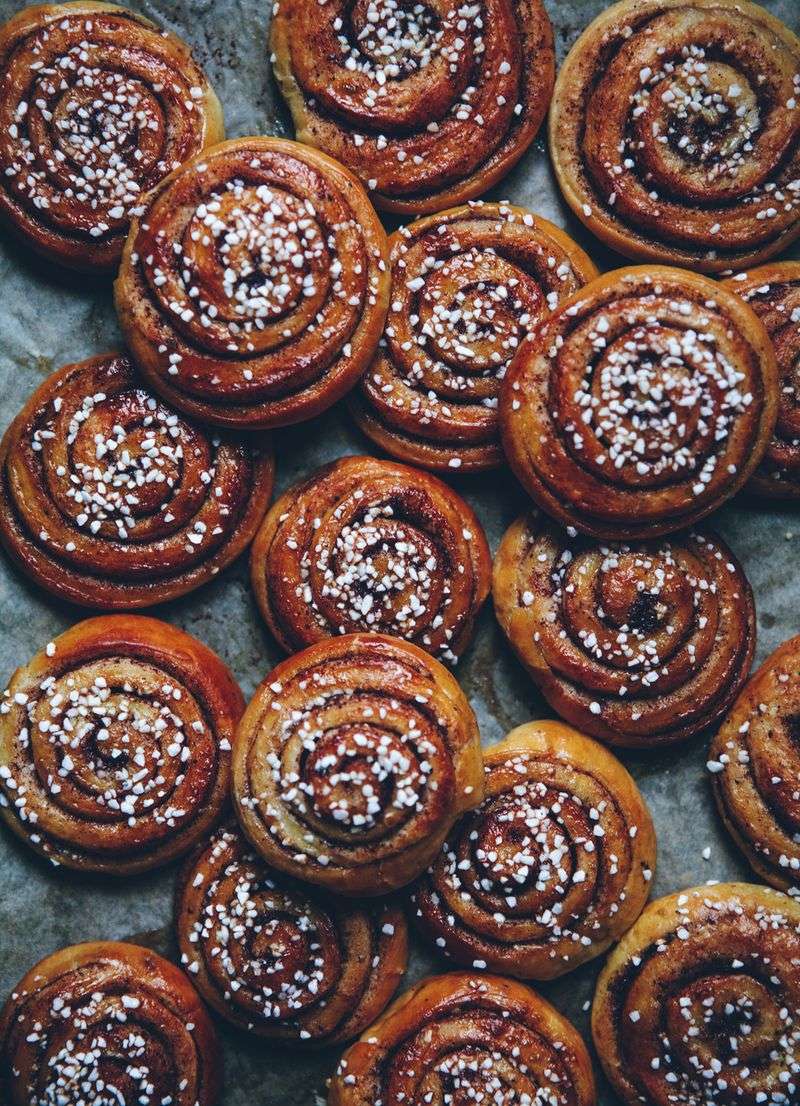
Sweden loves cinnamon buns so much that it gives them their own holiday. Kanelbullens dag happens every October 4th.
Unlike gooey American cinnamon rolls, Swedish kanelbullar are less sugary and flavored with cardamom, a warm and slightly lemony spice. They are topped with crunchy pearl sugar instead of frosting.
Swedes enjoy them during fika, a cozy coffee break with friends. Honestly, that sounds like a tradition worth borrowing.
Concha (Mexico)
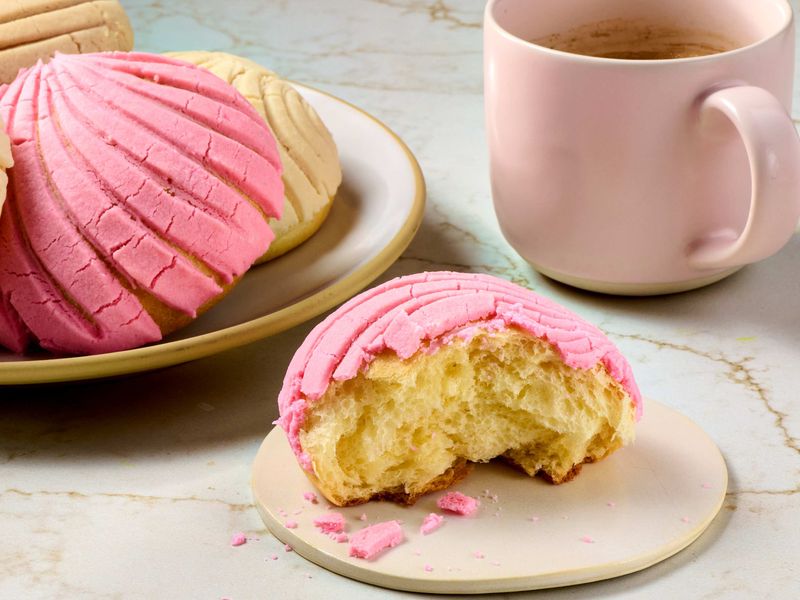
Picture a soft, fluffy bun wearing a crunchy sugar hat shaped like a seashell. That is a concha, the star of every Mexican panaderia.
The topping comes in vanilla, chocolate, and sometimes bright pink. The bread underneath is light and slightly sweet.
Families often dunk conchas into hot chocolate or cafe de olla, a cinnamon-spiced coffee. Grab a tray and tongs at the bakery and pick your favorite colors.
Danish Pastry (Denmark)
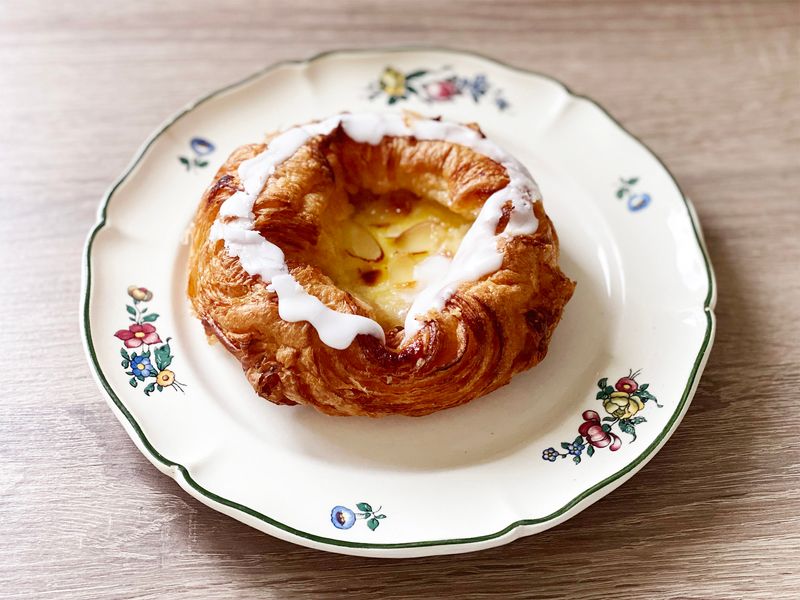
Here is a twist: in Denmark, people call these treats wienerbrod, meaning Vienna bread. Austrian bakers brought the technique there during a strike in the 1850s.
Danish pastries come in many shapes, like pinwheels, envelopes, and snails. Fillings include custard, berry jam, and almond paste.
Store-bought versions can taste dry, so look for a real bakery if you can. The fresh ones are crisp, buttery, and absolutely worth it.
Medialuna (Argentina)
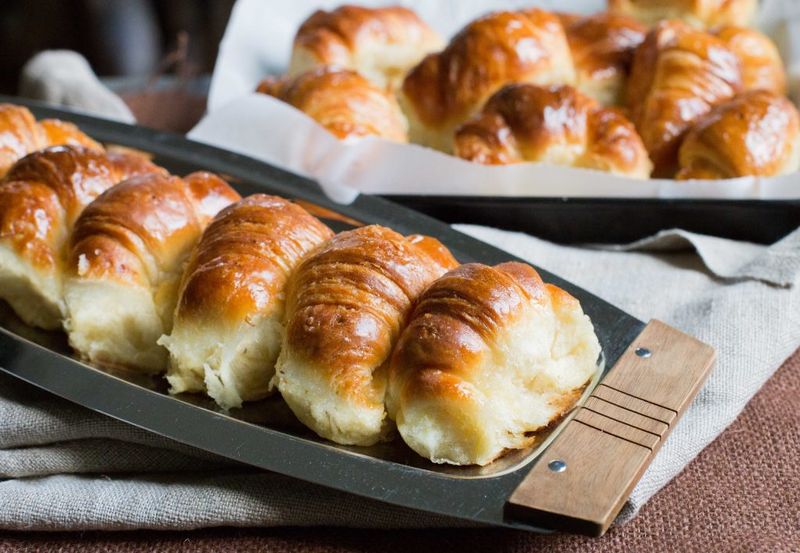
Argentines start their day with medialunas, which means half-moons. They are smaller and sweeter than croissants, with a shiny syrup glaze on top.
There are two kinds. Manteca versions are made with butter and taste sweet, while grasa versions use lard and are a bit saltier.
Order them by the dozen at a Buenos Aires bakery. Locals happily dip them in cafe con leche or fill them with ham and cheese.
Pao de Queijo (Brazil)
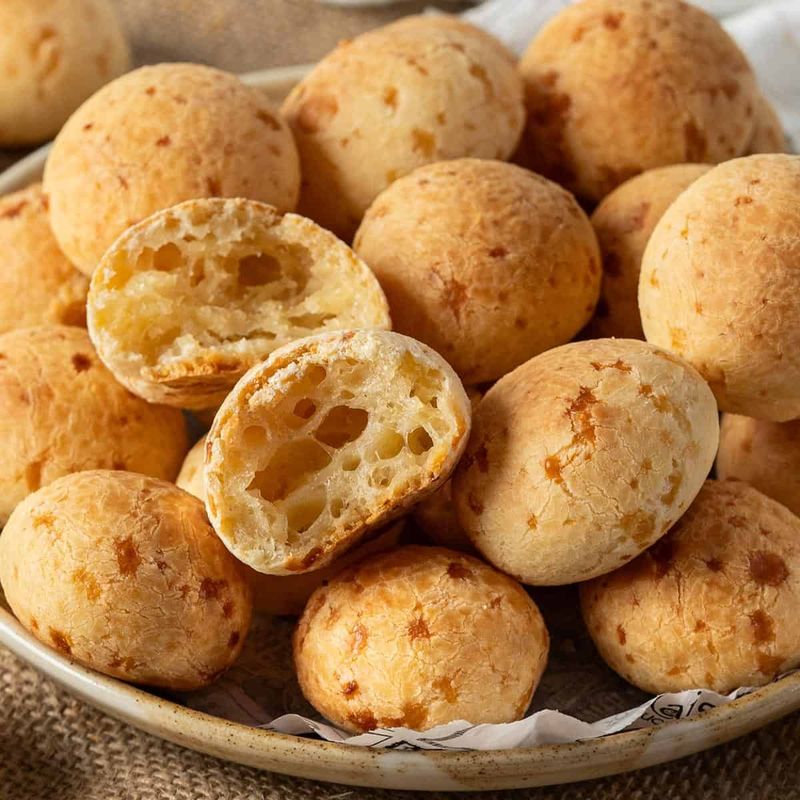
Crispy on the outside and stretchy on the inside, pao de queijo is basically a cheesy little cloud.
These Brazilian cheese balls use tapioca flour instead of wheat, so they are naturally gluten-free. That makes them a great pick for friends who cannot eat regular bread.
You can find frozen ones in many grocery stores. Bake them straight from the freezer for about 20 minutes and eat them while still warm.
Burek (Balkans)
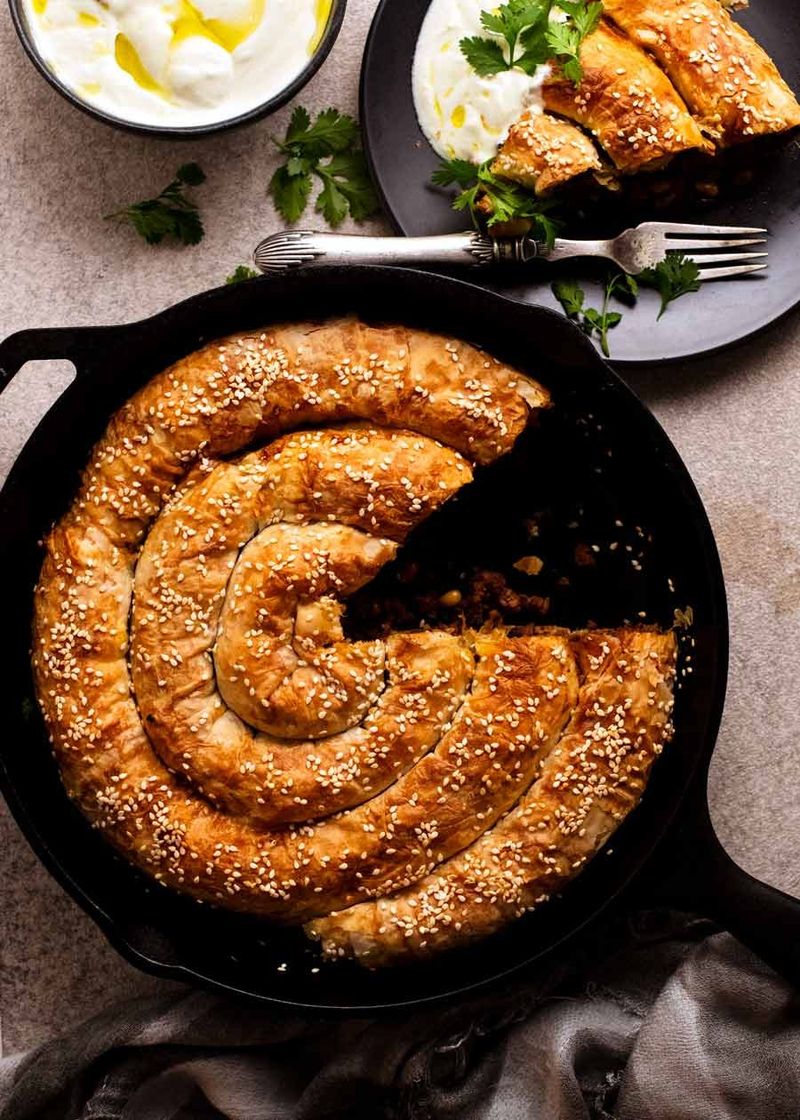
If you ever visit Bosnia or Serbia, follow the smell of baking dough at dawn. It usually leads to a burek shop.
Burek is made from paper-thin dough wrapped around meat, cheese, spinach, or potato. Bakers often roll it into a big spiral and cut it into wedges.
People commonly eat it with a glass of plain yogurt on the side. The cool, tangy drink balances the rich, savory pastry perfectly.
Simit (Turkey)
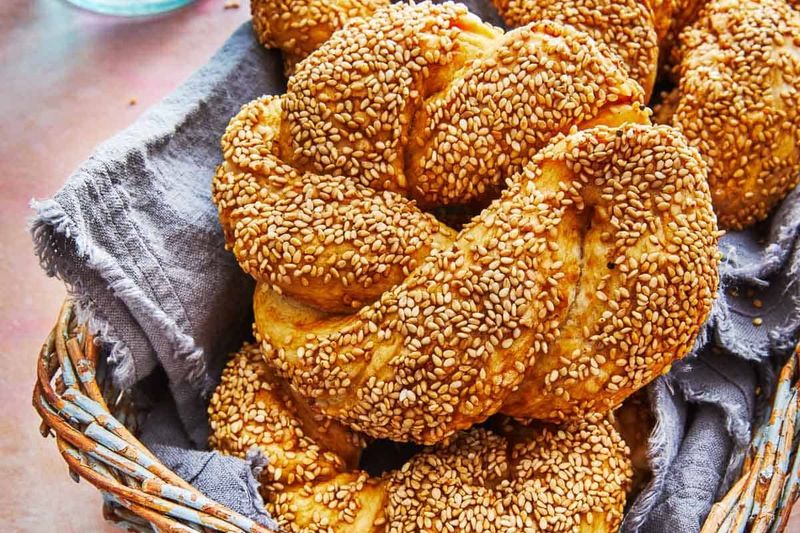
Street vendors in Istanbul balance huge trays of simit on their heads, selling them to busy people heading to work.
Simit is a ring of bread dipped in grape molasses and covered in toasted sesame seeds. It is crunchy outside and chewy inside, kind of like a skinny bagel.
Turkish families eat it with feta cheese, olives, tomatoes, and tea. It costs very little, so almost everyone can enjoy one.
Melonpan (Japan)
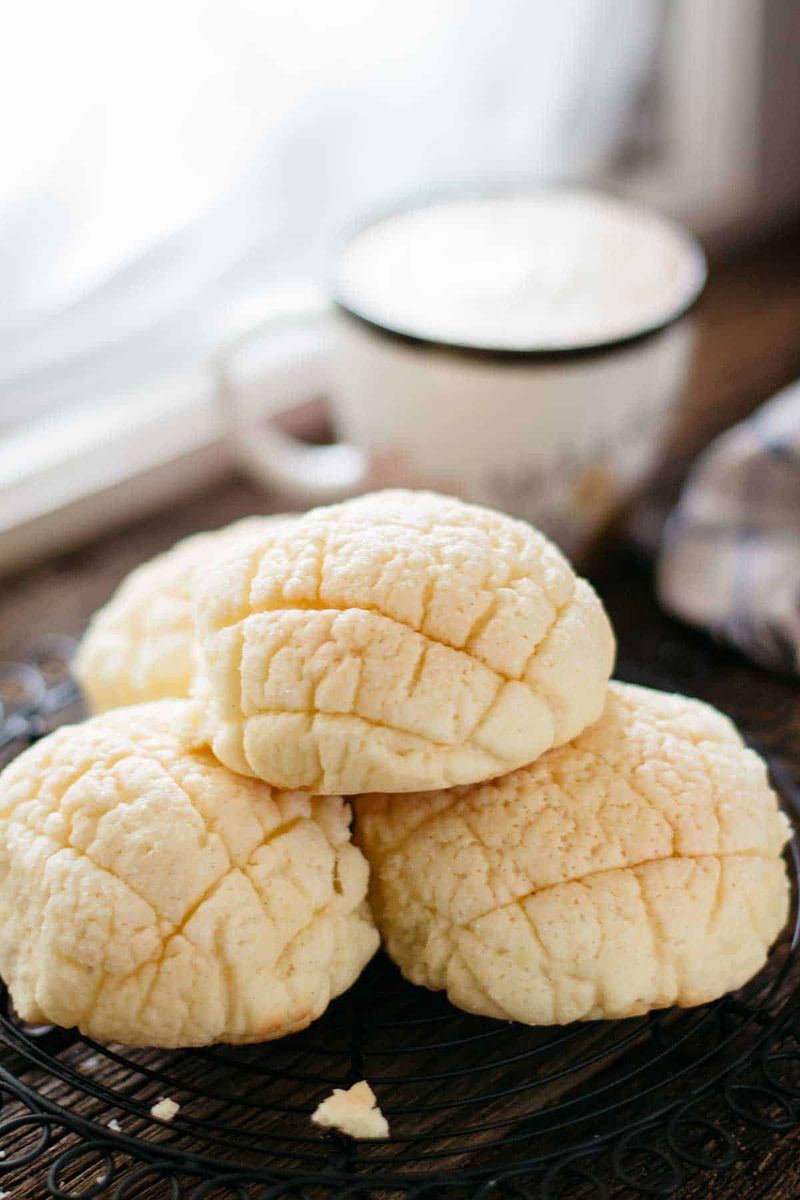
Surprise! Most melonpan has no melon in it at all.
The name comes from its crackly cookie top, which looks like a cantaloupe rind.
Underneath that crunchy shell is soft, fluffy bread. Some Japanese bakeries add melon flavor, chocolate chips, or even ice cream filling.
It shows up in anime and manga so often that fans visit Japan just to try it. Convenience stores sell decent ones, too.
Egg Tart (Hong Kong)
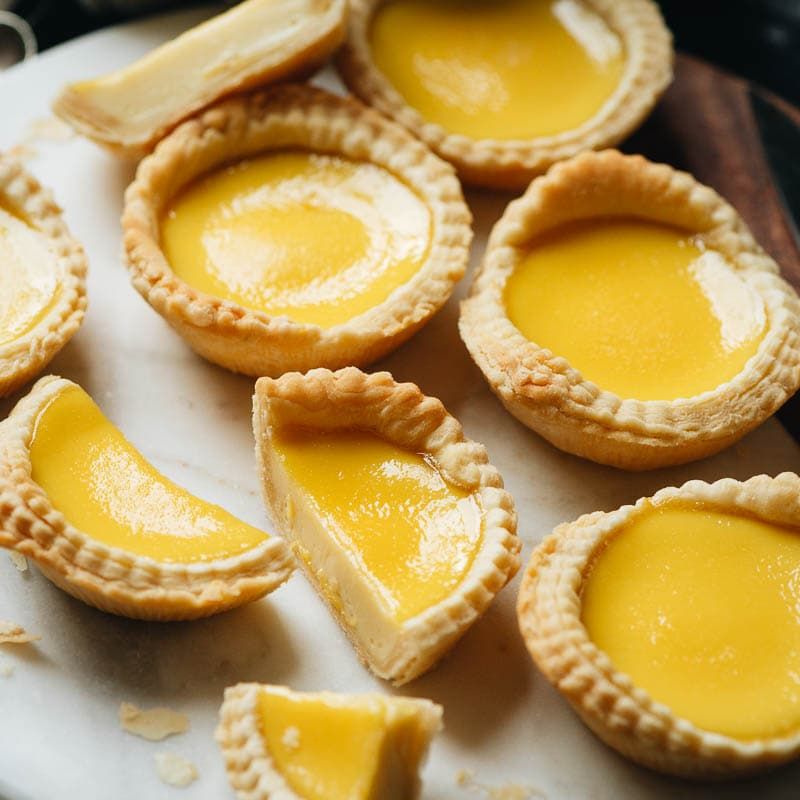
Smooth, wobbly, and bright yellow, Hong Kong egg tarts are the pride of local cafes called cha chaan teng.
Bakers make them with either a crumbly cookie crust or a flaky puff pastry shell. The custard is silkier and less sweet than the Portuguese version.
Hong Kong locals enjoy them with milk tea, a strong blend sweetened with condensed milk. Eat them fresh, since the crust loses its crunch quickly.
Ensaimada (Spain and Philippines)
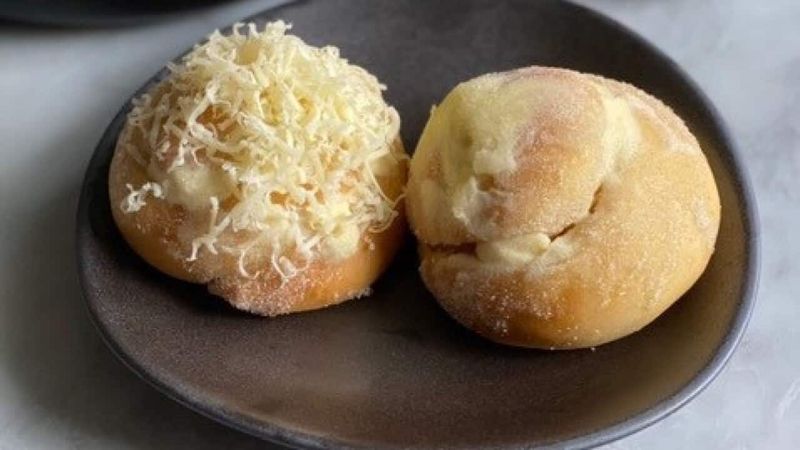
One pastry, two homes. Ensaimada began on the Spanish island of Mallorca, where it is a large spiral dusted with powdered sugar.
When it traveled to the Philippines, Filipino bakers made it their own. Their version is topped with buttercream, sugar, and grated cheese.
Sweet and salty together may sound strange, but the combo really works. Try both styles if you get the chance, then pick a winner.
Kolache (Czech Republic)
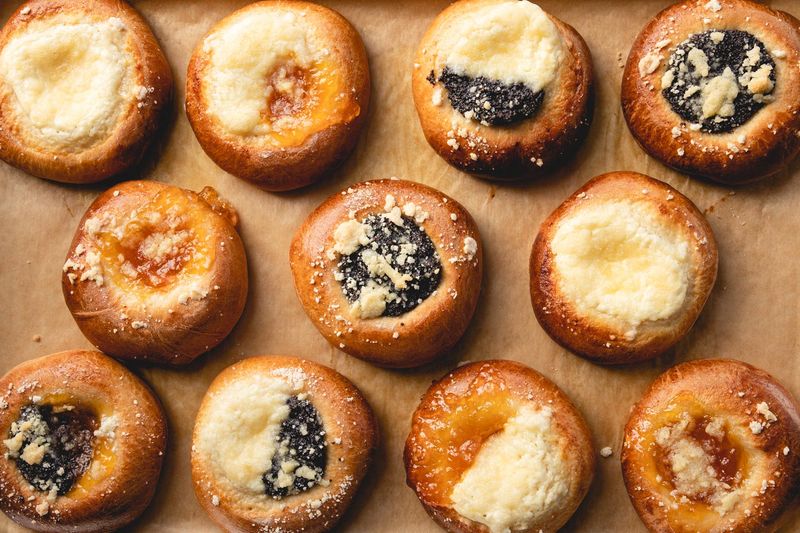
Grandmas in the Czech Republic have been baking kolaches for centuries, often for weddings and holidays.
Kolaches are soft, round buns with a dip in the center filled with fruit, sweet cheese, or poppy seeds. Apricot and prune are classic choices.
Czech immigrants brought them to Texas, where they became a breakfast favorite. Some Texas shops even make savory versions with sausage, though those are technically called klobasnek.
Paczki (Poland)
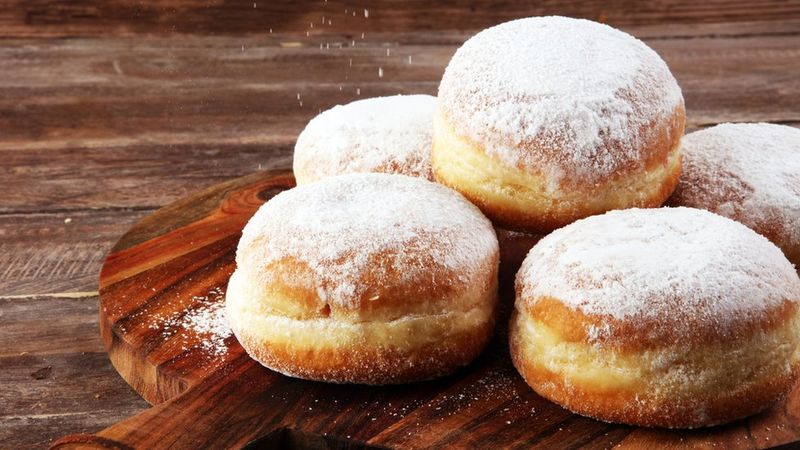
Polish families have a delicious excuse for eating doughnuts: Fat Thursday. On this day before Lent, people eat millions of paczki.
These are rich, round doughnuts made with eggs, butter, and sugar. Traditional fillings include rose jam and plum, though custard is popular now.
A splash of alcohol in the dough keeps them from soaking up too much oil while frying. Grab one early, because bakeries sell out fast.
Franzbrotchen (Germany)
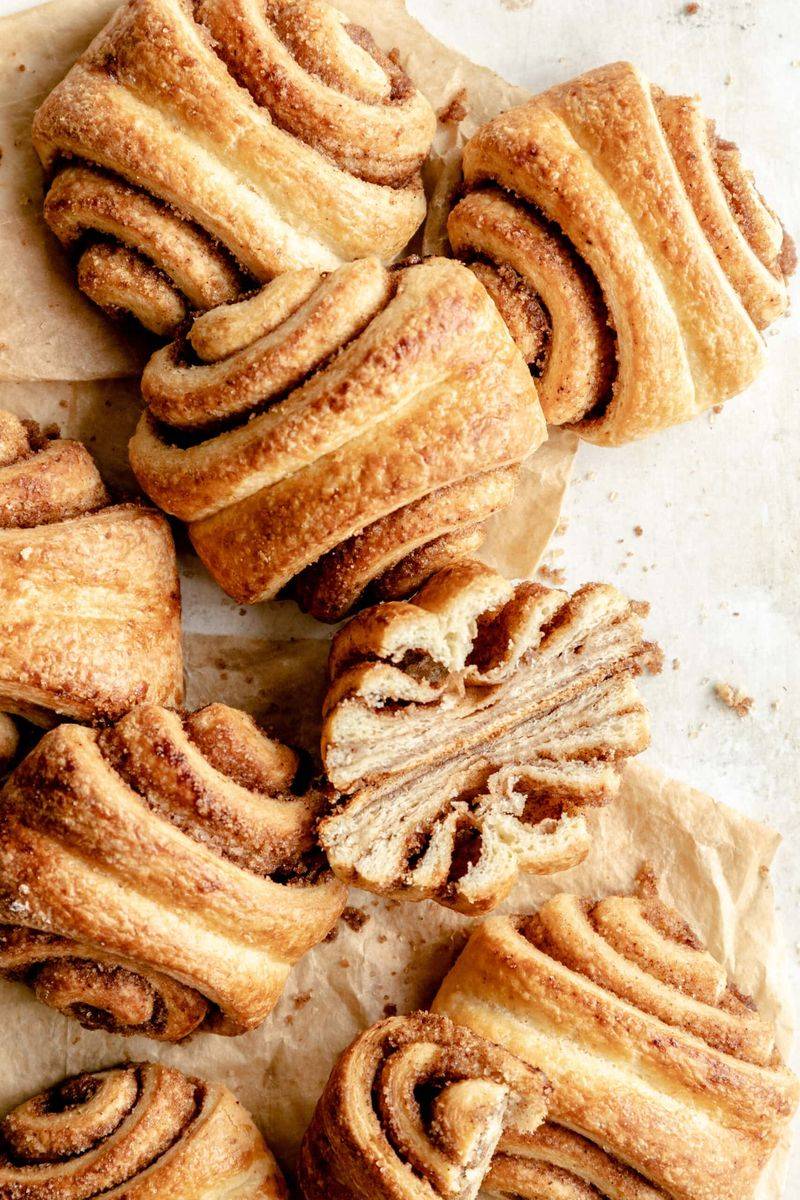
Think of a cinnamon roll that got squished, and you have a pretty good picture of a Franzbrotchen.
This pastry comes from Hamburg, a port city in northern Germany. Bakers roll buttery dough with cinnamon sugar, then press it down so the sugar caramelizes into sticky edges.
Locals buy them warm from neighborhood bakeries. They are less messy than frosted rolls, making them easy to eat on a morning walk.
Scone (United Kingdom)
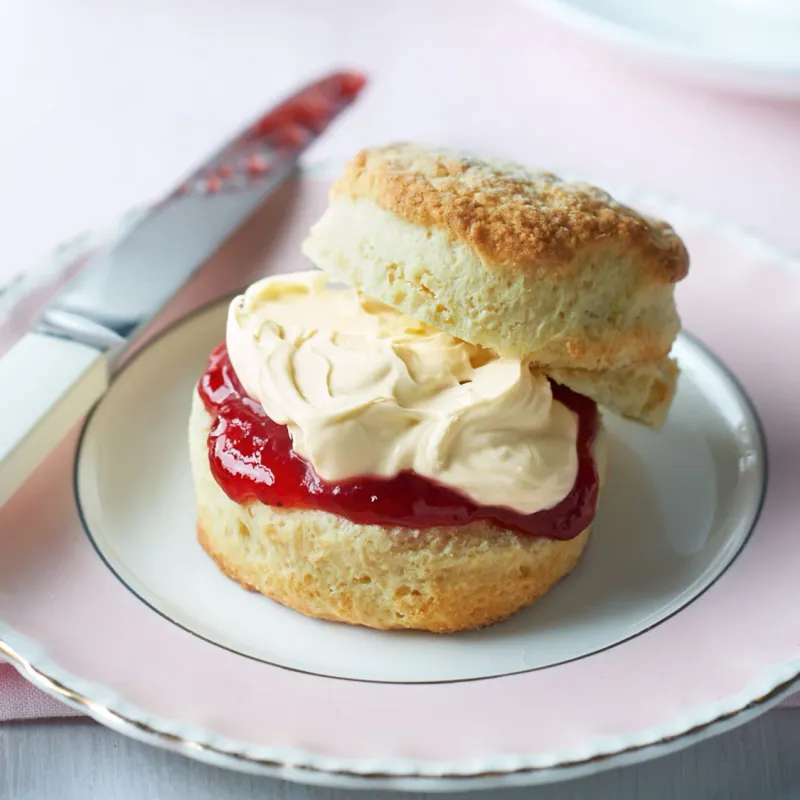
Jam first or cream first? In England, this question can start friendly arguments between neighbors.
People in Cornwall spread jam first, then add clotted cream. In Devon, the cream goes on first.
Either way, a warm scone tastes amazing.
British scones are less sweet and more crumbly than American ones. Bake a batch at home with plain or raisin dough, and serve them with tea for a cozy morning.
Baklava (Middle East)
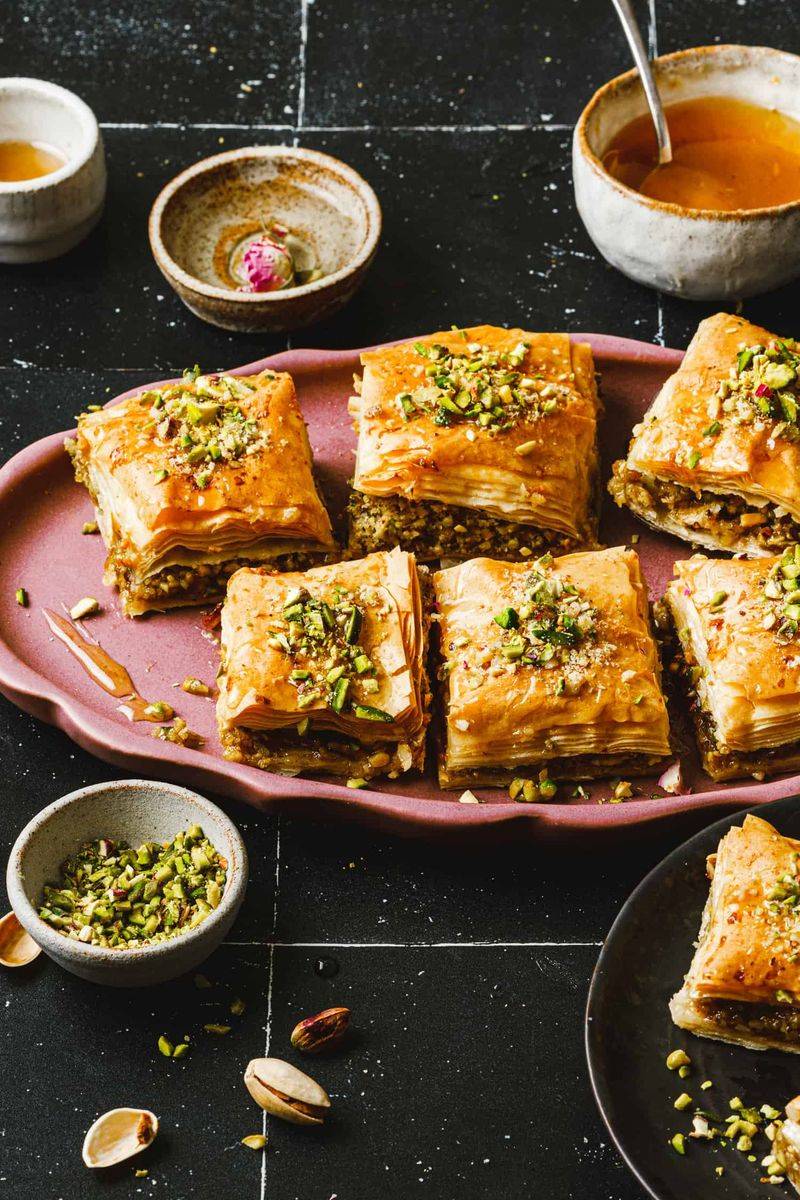
Layer after layer of crispy phyllo, chopped nuts, and sticky honey syrup make baklava a true showstopper.
Many countries claim it, including Turkey, Greece, and Lebanon. The pistachio version from Gaziantep, Turkey, is especially famous.
Baklava is very sweet, so one or two small pieces are plenty. In parts of the Middle East, people enjoy it with strong coffee or tea to balance all that sugar.
Bougatsa (Greece)
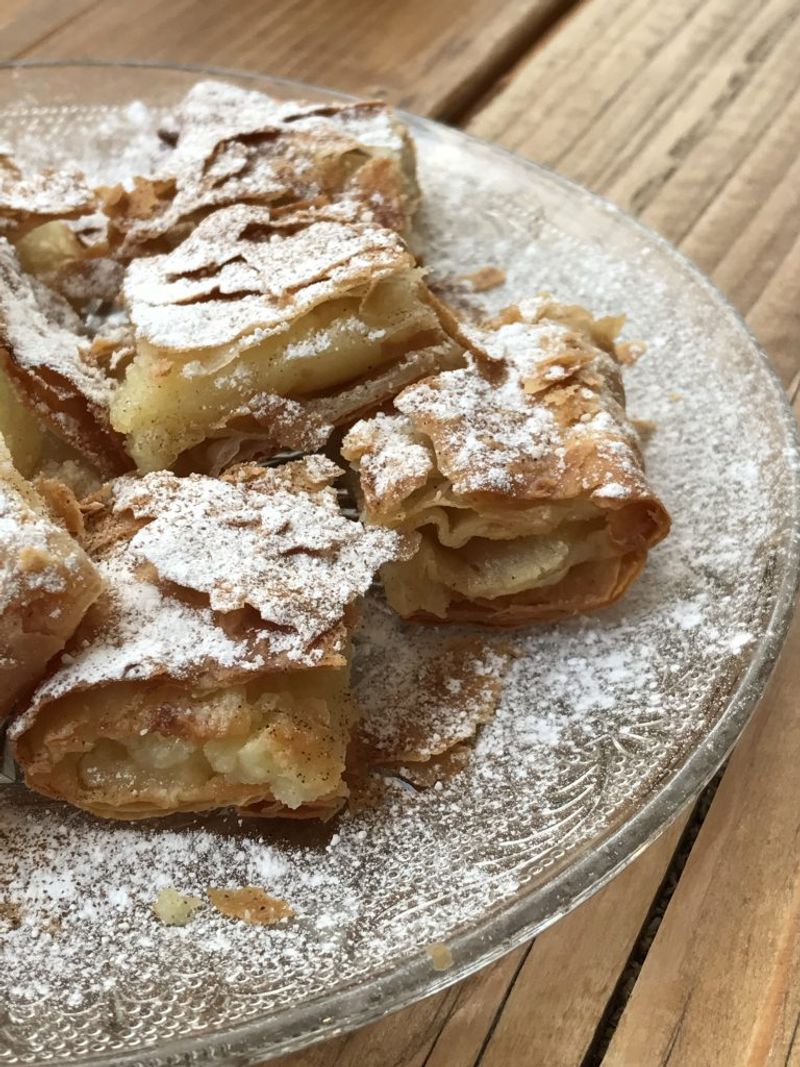
Thessaloniki, Greece, practically runs on bougatsa. Shops there open super early and stay busy all morning.
Crisp phyllo dough wraps around warm semolina custard, then gets cut into squares and dusted with cinnamon and powdered sugar. There are savory versions with cheese or spinach, too.
Ordering is simple: just point and say which filling you want. Eat it with a fork, because the flaky crumbs fly everywhere.
Malasada (Portugal and Hawaii)
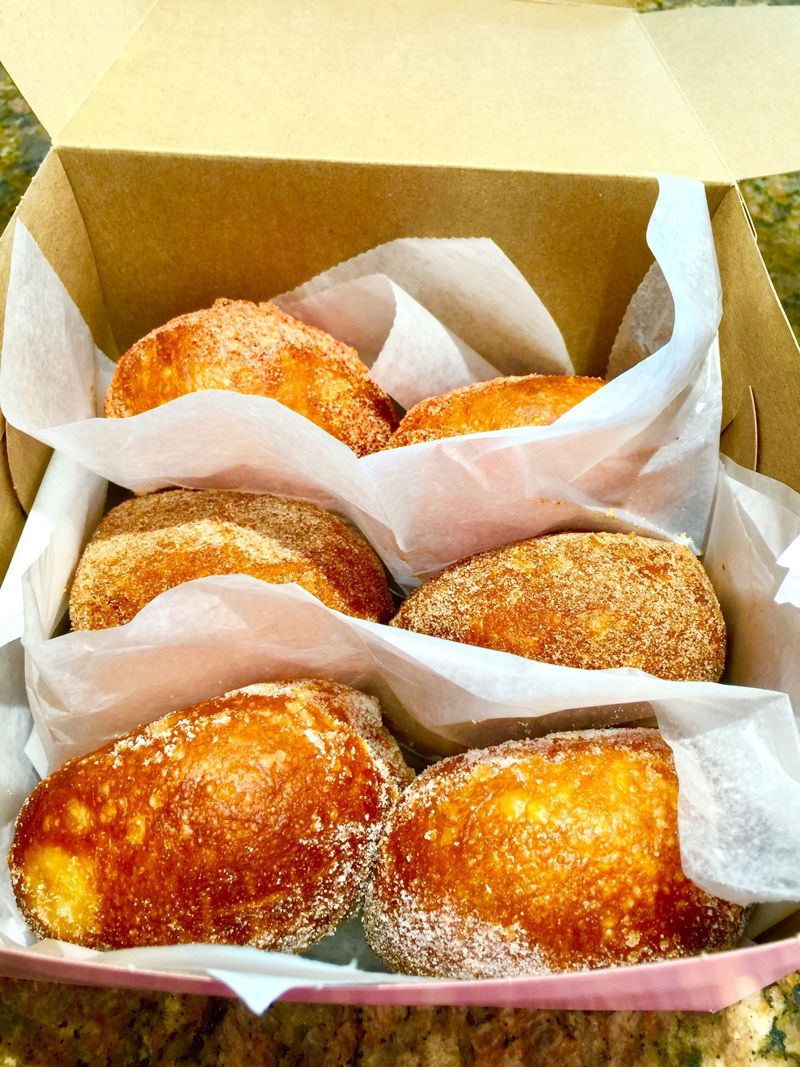
Portuguese workers sailed to Hawaii in the 1800s, bringing their favorite fried dough with them. Hawaii never let go.
Malasadas are pillowy, eggy doughnuts rolled in sugar. They have no hole in the middle, and some are stuffed with coconut or tropical fruit cream.
Leonard’s Bakery in Honolulu is legendary for them. Lines form daily, but locals swear the wait is worth every sugary bite.
Beignet (New Orleans, USA)
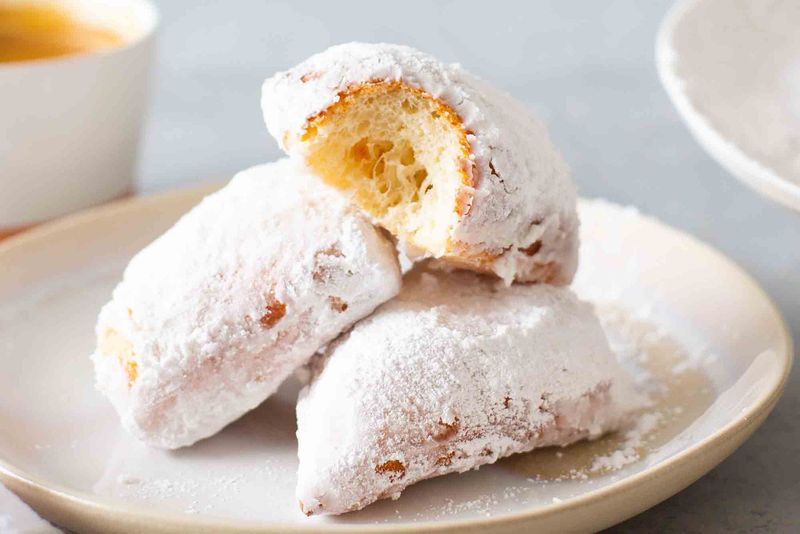
Warning: wear a dark shirt at your own risk. Beignets come buried under so much powdered sugar that it snows on everything.
French settlers brought these square doughnuts to Louisiana. Today, Cafe du Monde in New Orleans serves them around the clock.
Order three per plate, along with a cafe au lait made with chicory coffee. Kids usually go for hot chocolate instead, which works just as well.
Sfogliatella (Italy)
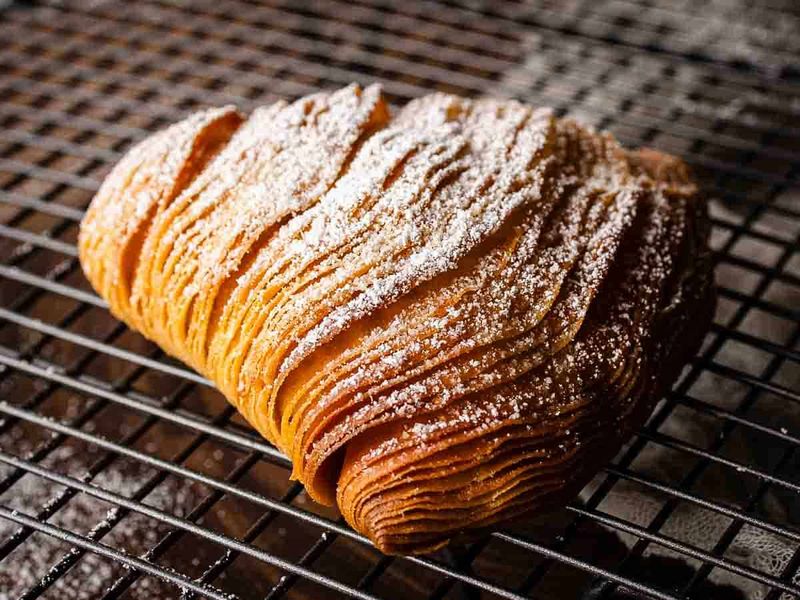
Crunch! That is the sound of a perfect sfogliatella, a shell-shaped pastry from Naples, Italy.
Its many thin, ridged layers look like a seashell or a stack of leaves. Inside is a sweet filling of ricotta, semolina, and candied orange peel.
Making one by hand takes serious skill and patience, which is why many bakers save them for special days. Enjoy one slowly and catch those crispy flakes.