
Most of us love sweet treats, but too much added sugar can leave you tired, cranky, and reaching for more. The good news is that nature already packs plenty of sweetness into fruits, spices, and other everyday foods.
Learning to use them can make your snacks and meals taste great while giving your body extra vitamins and fiber. Here are some tasty swaps you can start trying in your kitchen today.
1. Ripe Bananas
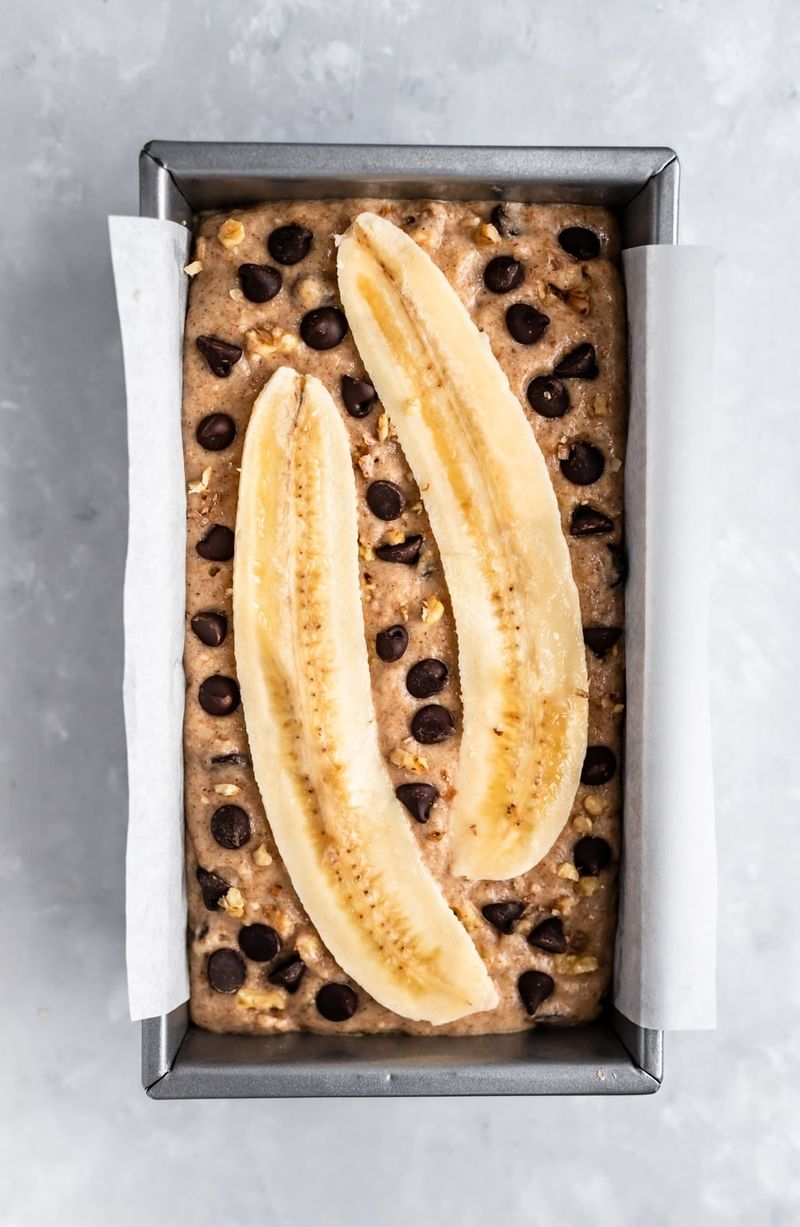
Those brown-spotted bananas sitting on your counter are secret weapons. As a banana ripens, its starches turn into natural sugars, so the spottier it gets, the sweeter it tastes.
Mash one into pancake batter, oatmeal, or muffins and you can skip most of the sugar. Frozen chunks blended alone make a creamy treat people call nice cream.
Bonus: bananas bring potassium, which helps your muscles work well.
2. Medjool Dates
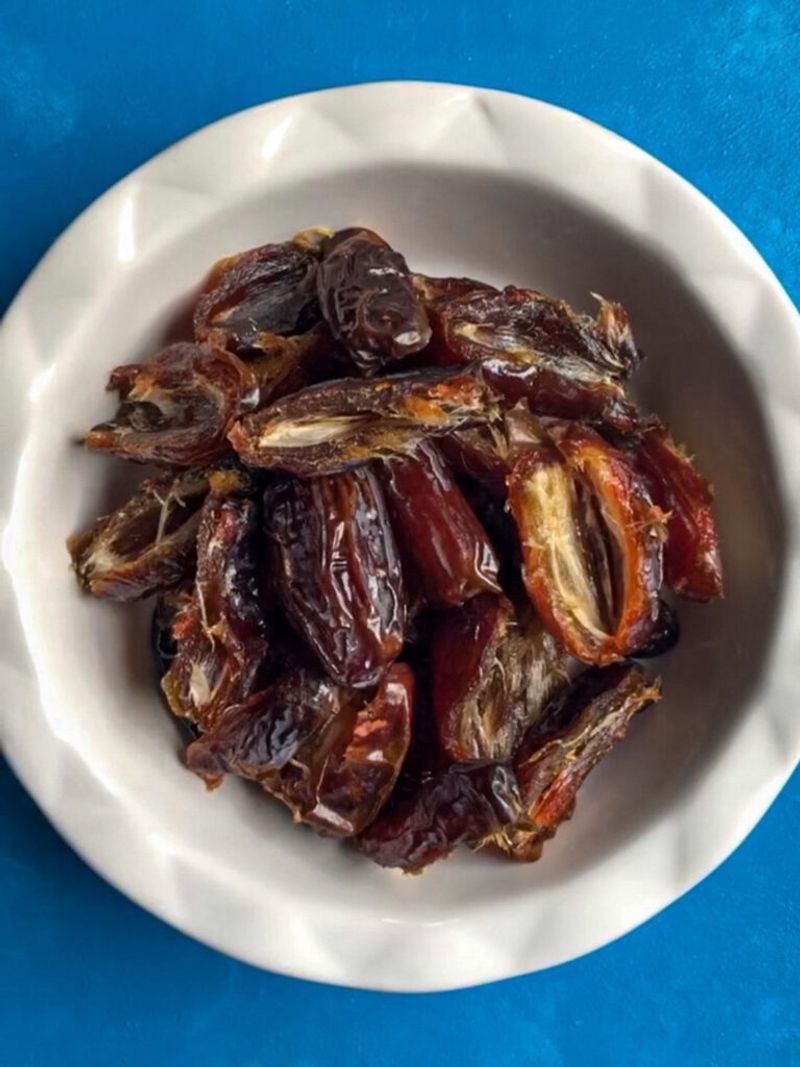
People sometimes call dates nature’s candy, and one bite explains why. Medjool dates are soft, sticky, and taste a little like caramel.
Soak a handful in warm water, then blend them into a smooth paste. That paste can replace sugar in brownies, energy bites, and smoothies.
Dates also carry fiber, which slows down how fast sweetness hits your blood. Just remove the pits first, because they are hard as pebbles.
3. Unsweetened Applesauce
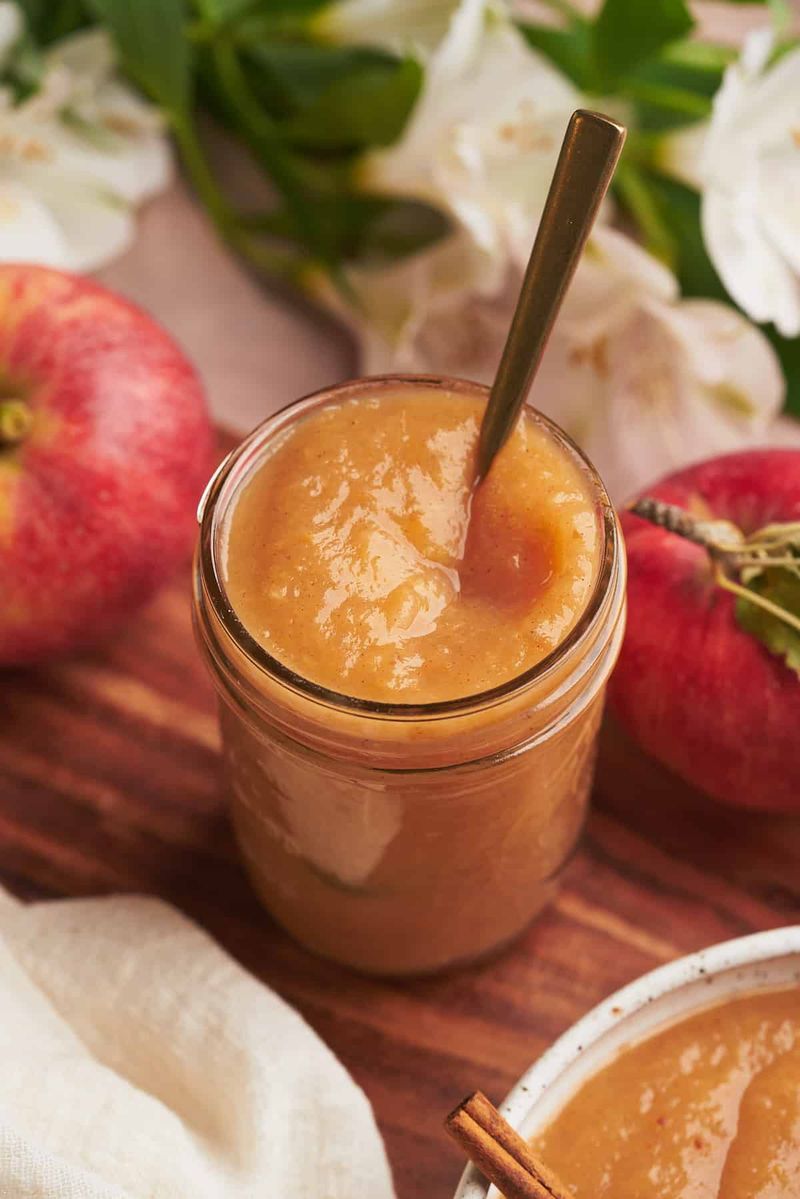
Grandma knew a trick or two, and baking with applesauce is one of the best. A cup of the unsweetened kind adds gentle fruitiness and keeps cakes moist.
Try swapping half the sugar in a muffin recipe with applesauce. You may also cut some oil, since it adds moisture.
Read labels carefully at the store. Many jars sneak in corn syrup, so look for ones listing only apples.
4. Cinnamon
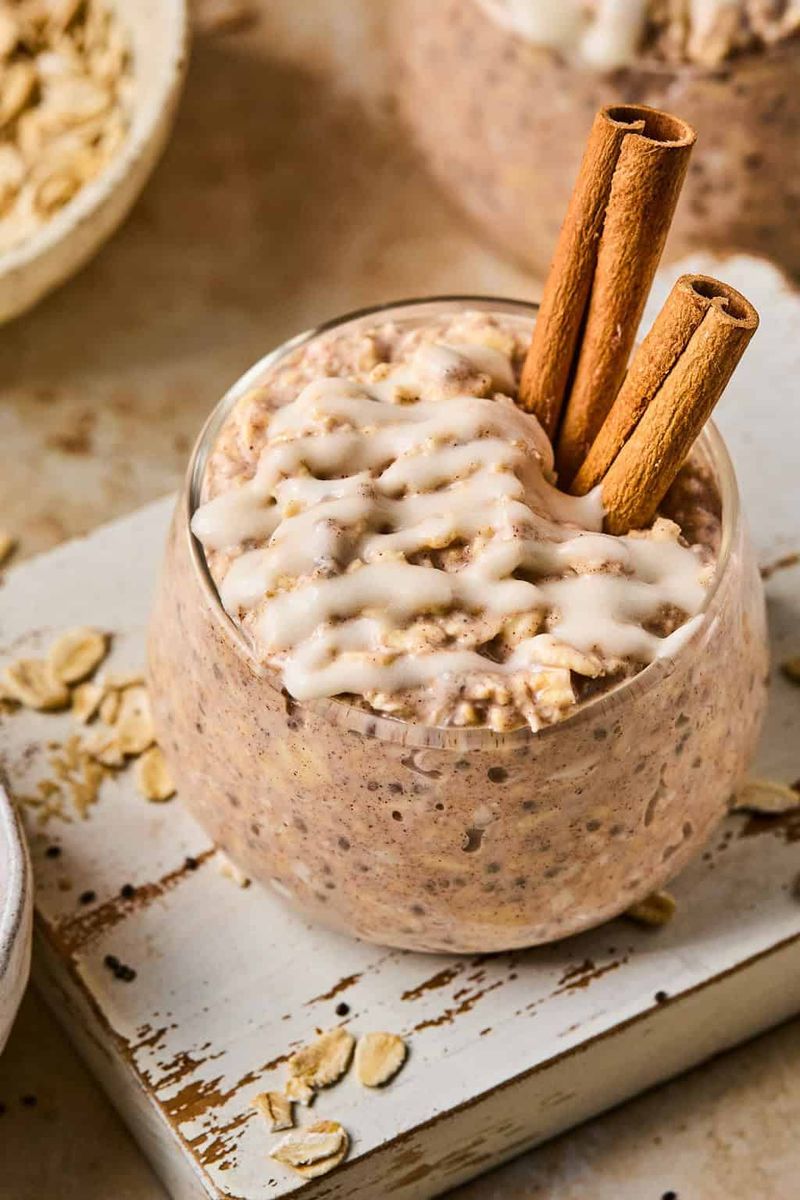
Here is a fun brain trick: cinnamon has no sugar, yet it makes food seem sweeter. Its warm smell reminds your brain of cookies and cinnamon rolls.
Sprinkle it on oatmeal, yogurt, apple slices, or even sweet potatoes. A little goes a long way, so start with a pinch.
Fun fact: cinnamon comes from the inner bark of trees and was once worth more than gold.
5. Pure Vanilla Extract
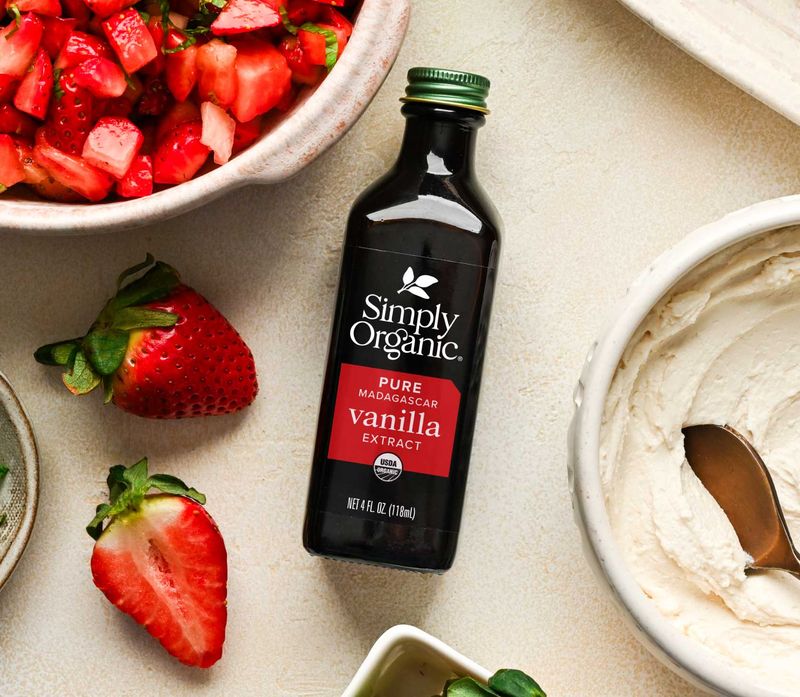
Close your eyes and smell vanilla. Feels like dessert, right?
That cozy scent tricks your taste buds into noticing more sweetness than is really there.
Add a splash to smoothies, plain yogurt, or homemade granola. You will barely miss the sugar.
Choose pure extract over imitation when you can. Vanilla comes from orchid pods grown mostly in Madagascar, and farmers often pollinate each flower by hand.
6. Sweet Potatoes
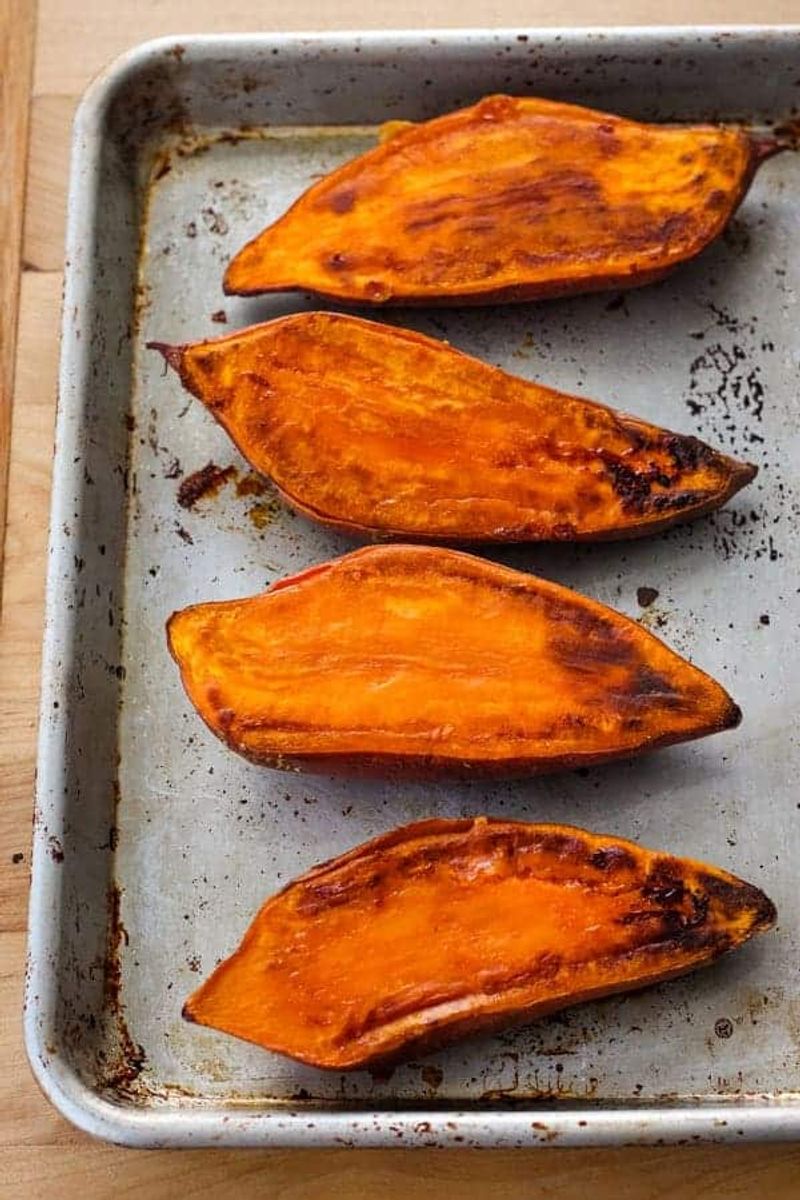
Roast a sweet potato and watch the magic happen. As it bakes, the heat turns starches into a sticky, caramel-like sweetness.
Mashed sweet potato works wonders in pancakes, muffins, and even brownies. Kids often love it mixed into chocolate treats without ever guessing it is there.
Each orange bite also delivers vitamin A, which helps keep your eyes healthy. Not bad for a humble root vegetable.
7. Coconut Flakes
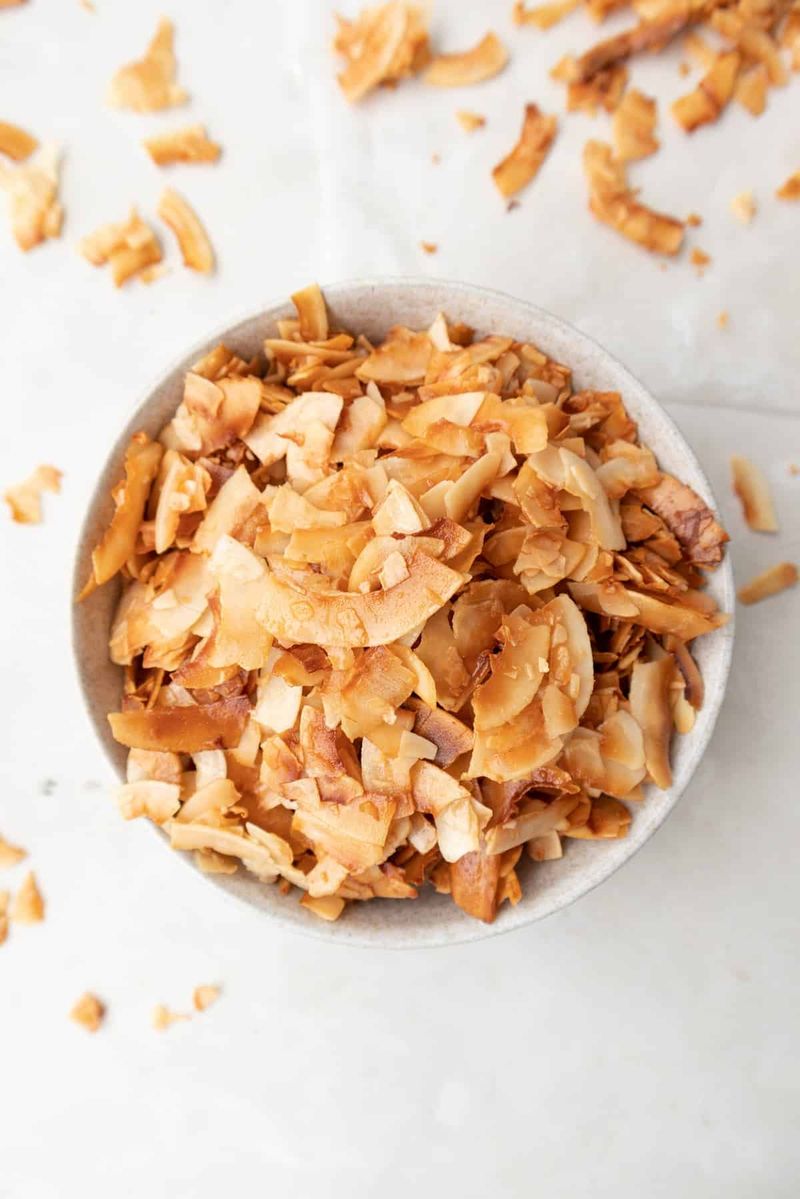
Picture a beach vacation in a spoonful. Unsweetened coconut flakes have a mild, nutty sweetness that gets even better when toasted.
Toss them on yogurt bowls, trail mix, or oatmeal. Toast them in a dry pan for two or three minutes, stirring so they do not burn.
They also add healthy fats that keep you full longer. Grab bags marked unsweetened to avoid hidden sugar.
8. Fresh Berries
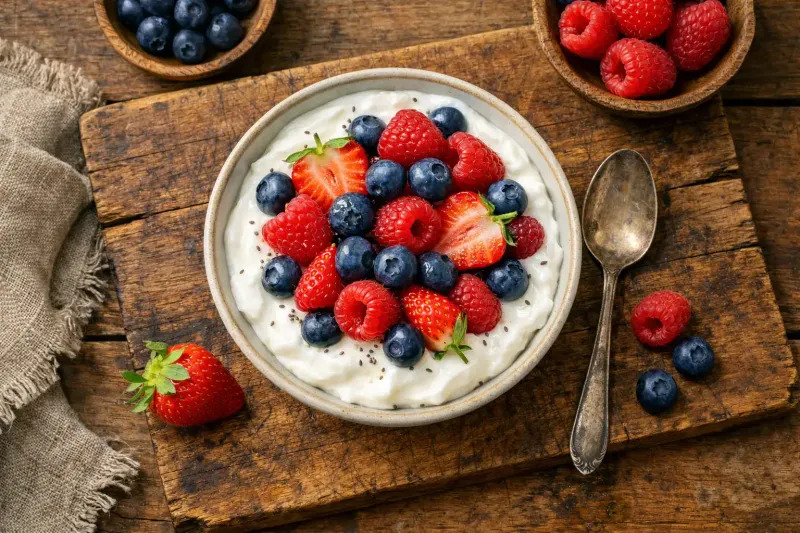
Strawberries in June taste like summer itself. Berries bring bright, juicy sweetness along with a little tang that wakes up your taste buds.
Smash a few into plain yogurt instead of buying the sugary kind. Or simmer frozen berries for ten minutes to make a quick jam for toast.
Blueberries, raspberries, and blackberries are packed with antioxidants, tiny helpers that protect your cells.
9. Carrots
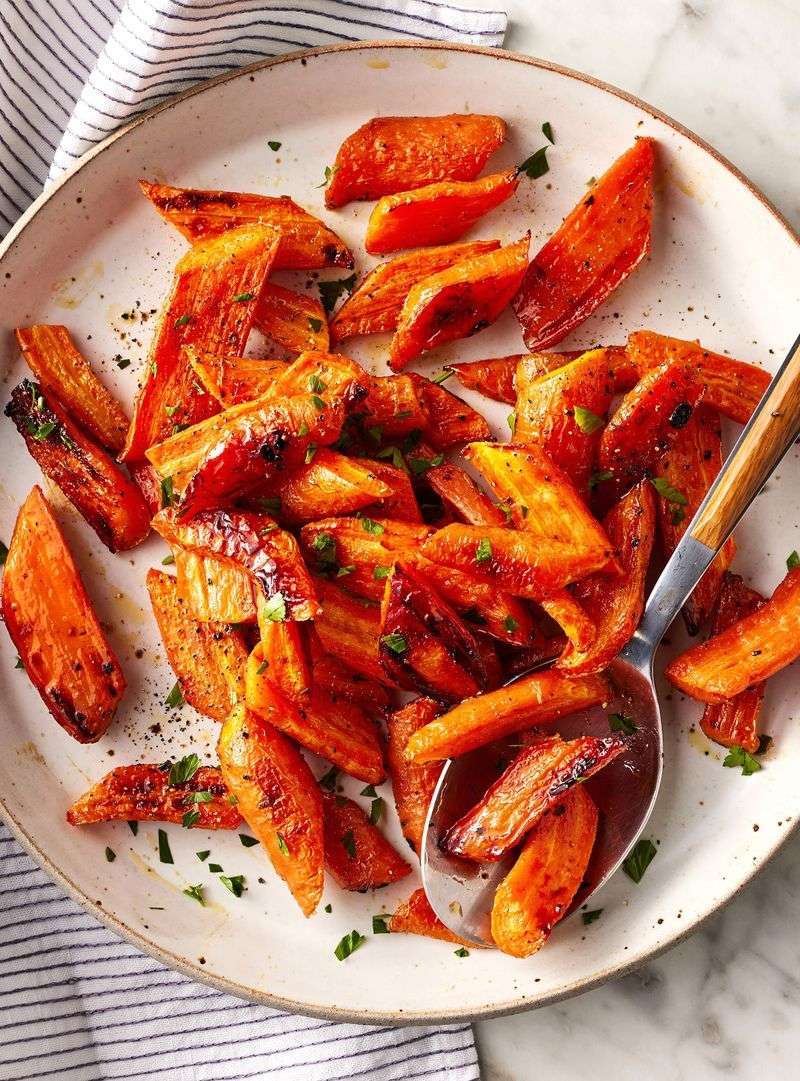
Ever wonder why carrot cake works? Carrots carry a natural sweetness that shines when they are cooked or grated finely.
Roasting carrots with a little olive oil brings out a candy-like flavor. Shredded carrots also add moisture and mild sweetness to muffins and pancakes.
Farmers in the 1600s in the Netherlands helped make the orange carrot popular. Before that, most were purple or yellow.
10. Monk Fruit
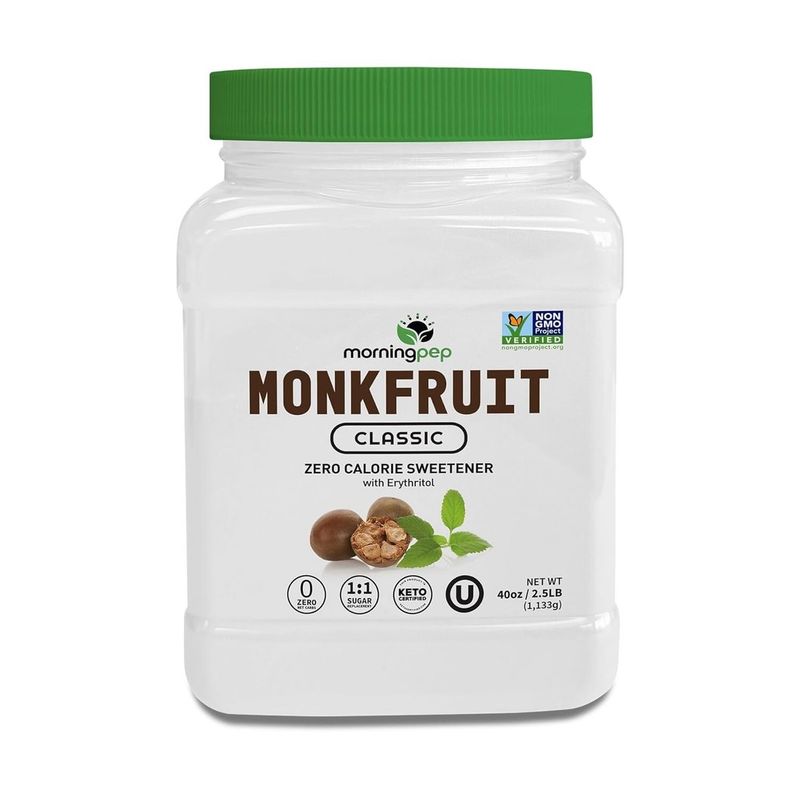
Buddhist monks in southern China grew this little green melon centuries ago, which gave it its name. Today it is a popular zero-calorie sweetener.
Monk fruit is about 150 to 200 times sweeter than sugar, so you need only a tiny amount. It works well in tea, coffee, and baking blends.
Check the label, since some brands mix it with other sweeteners you may not want.
11. Stevia Leaf
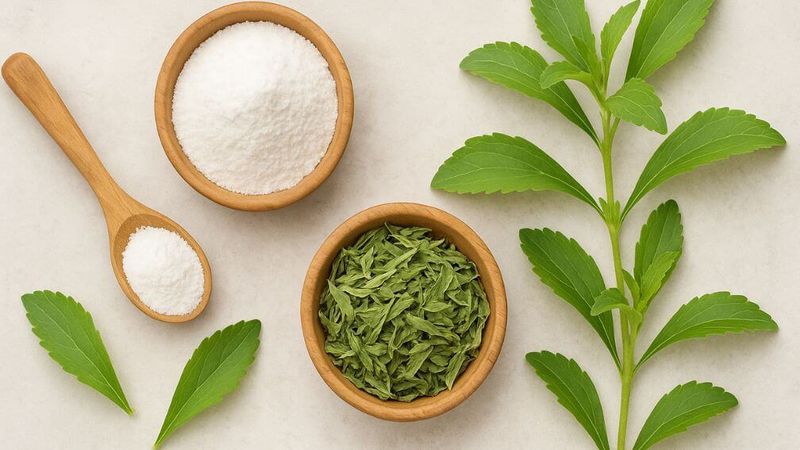
One leaf of this plant can make your whole glass of lemonade sweet. Stevia grows in Paraguay, where people have chewed it for hundreds of years.
It has no calories and does not raise blood sugar, which makes it popular with people watching their sugar.
Some folks notice a slightly bitter aftertaste. Start with just a few drops of liquid stevia and adjust slowly.
12. Raisins
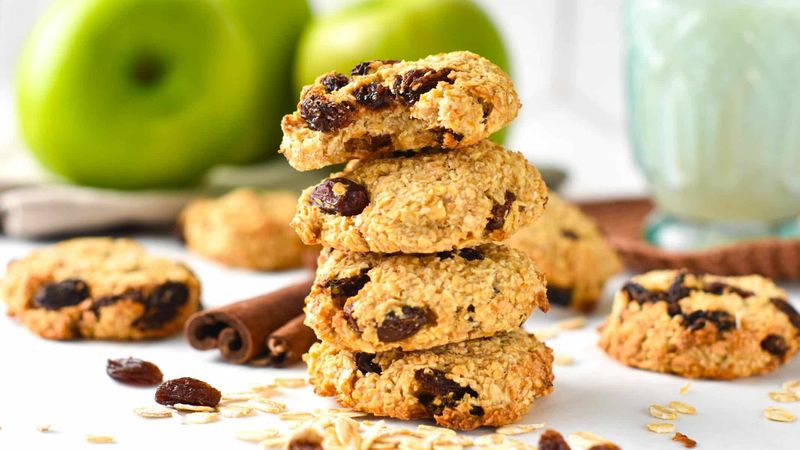
Tiny but mighty, raisins are just grapes dried in the sun until their sweetness becomes super concentrated.
Toss a handful into oatmeal, cookies, or salads for little bursts of chewy flavor. Soaking them in warm water first makes them plump and juicy.
Because they are so sweet, small portions are enough. A quarter cup also gives you some iron, which helps carry oxygen through your blood.
13. Roasted Butternut Squash
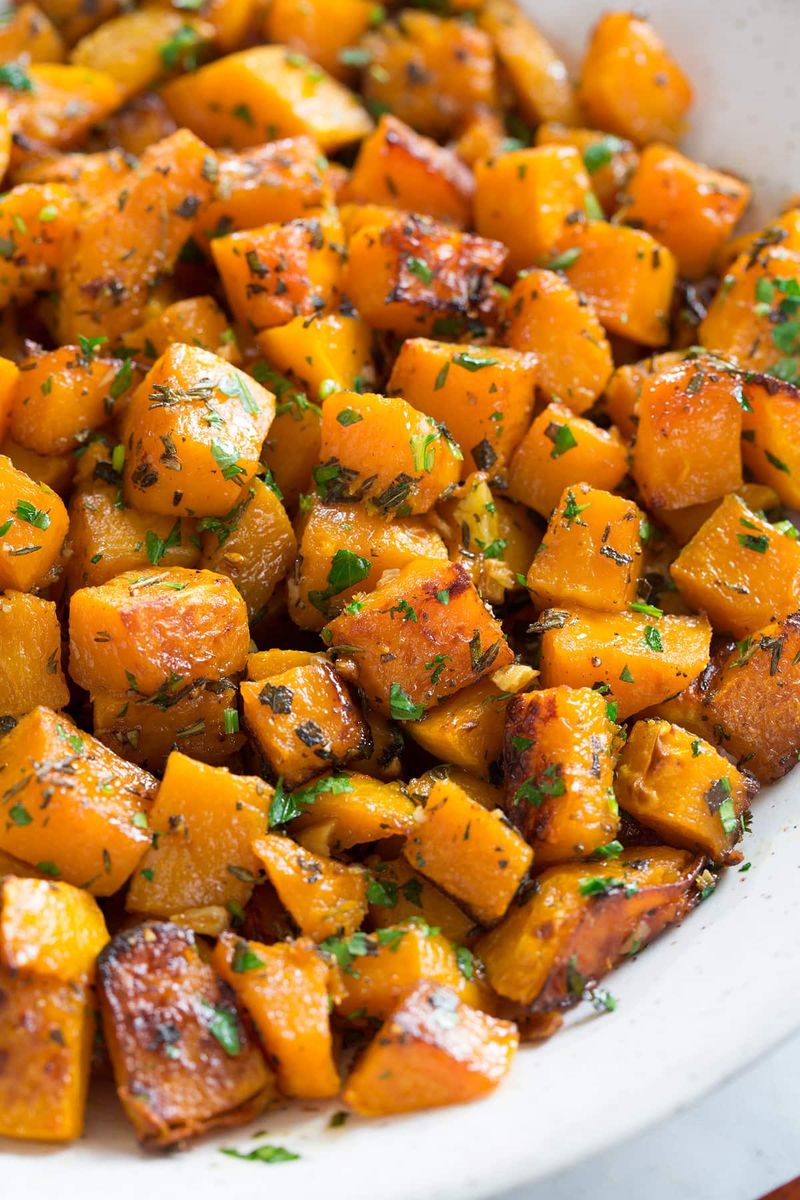
Fall flavor fans, this one is for you. Butternut squash has a buttery, nutty sweetness that deepens when roasted.
Puree it into soups, pasta sauces, or even muffins. Its smooth texture blends right in, and the color makes dishes look cheerful.
Cutting raw squash can be tough, so ask an adult for help. Microwaving it for two minutes first softens the skin.
14. Mango
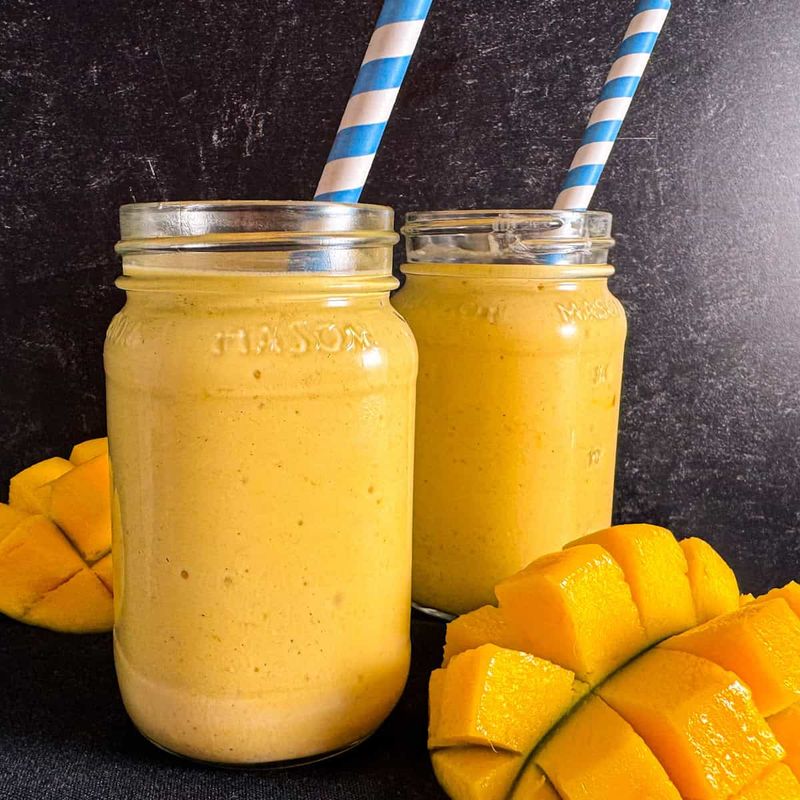
In India, the mango is called the king of fruits, and it is easy to see why. Ripe mangoes taste rich, tropical, and honey-sweet.
Blend frozen mango into smoothies or popsicles for a sugar-free treat. Diced mango also brightens up salsa and salads.
A ripe mango gives slightly when you press it gently. Smell the stem end too, since a sweet aroma means it is ready.
15. Caramelized Onions
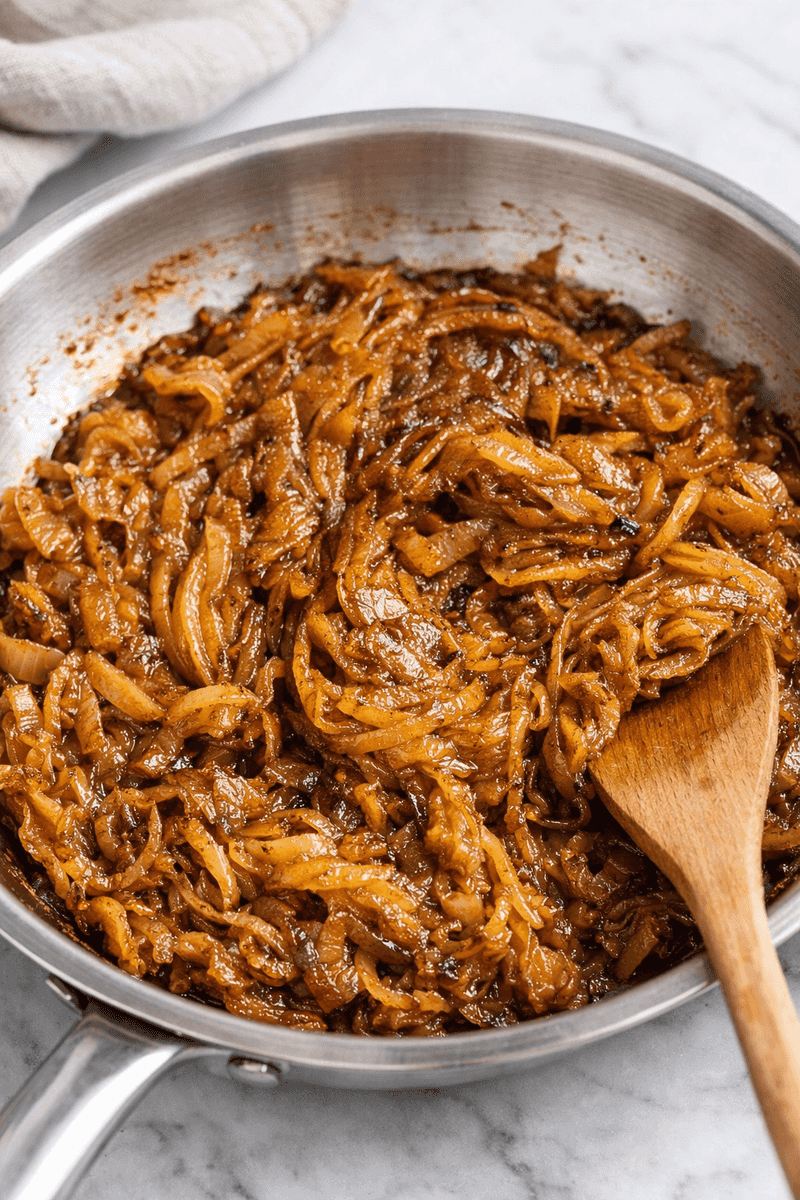
Surprised to see onions here? Cook them low and slow for about 30 minutes, and their sharp bite turns into deep, jammy sweetness.
Spread them on burgers, mix them into eggs, or pile them on homemade pizza. They make savory food taste rich without ketchup or sugary sauces.
Patience is the secret ingredient. Keep the heat medium-low and stir now and then so they brown evenly.
16. Nutmeg
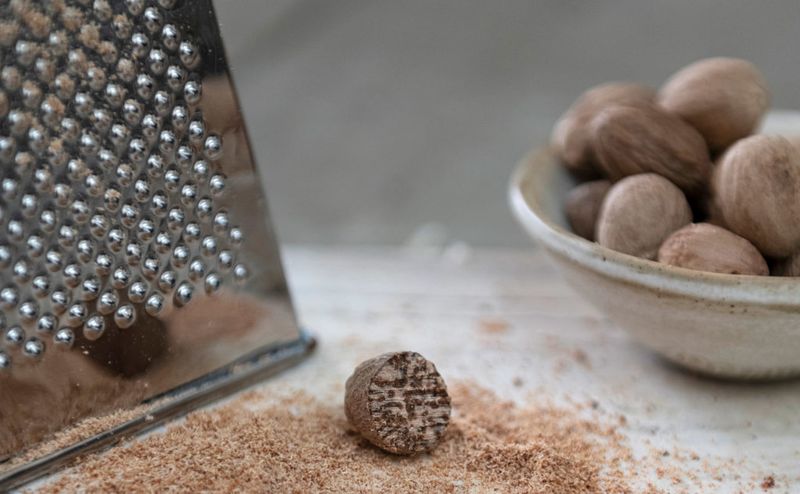
A single whole nutmeg seed can flavor dozens of recipes. This warm spice has a sweet, slightly woody taste that feels like the holidays.
Grate a pinch over oatmeal, warm milk, or pumpkin dishes. It pairs beautifully with cinnamon and vanilla.
History bit: nutmeg once came only from tiny islands in Indonesia, and countries fought wars to control it. Use it lightly, since too much tastes bitter.
17. Fresh Pineapple
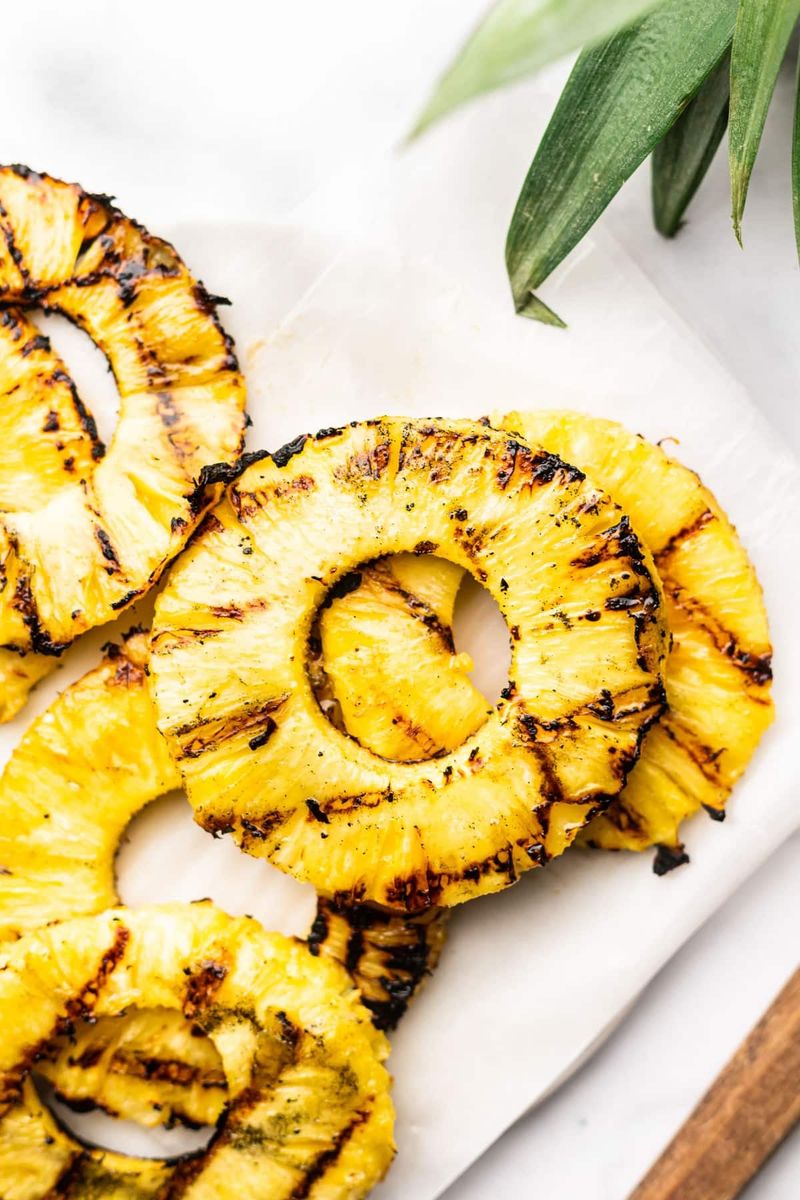
Grilled pineapple at a summer cookout is pure happiness. Heat caramelizes its juices, turning tangy fruit into something close to dessert.
Fresh chunks also sweeten smoothies, stir-fries, and plain cottage cheese. Canned pineapple works too if packed in its own juice, not syrup.
Pineapple contains an enzyme called bromelain. That is why your tongue sometimes tingles after eating a lot of it.
18. Unsweetened Cocoa with Cardamom
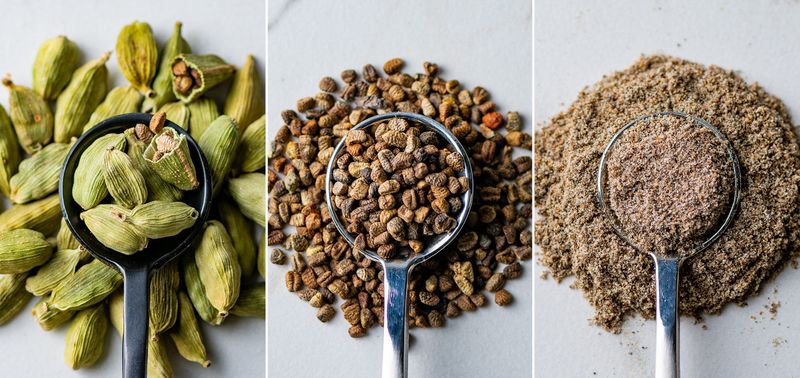
Swedish bakers adore cardamom so much that they put it in their famous buns. This fragrant spice tastes floral, citrusy, and lightly sweet.
Crush a pod into your tea or sprinkle ground cardamom on baked apples and rice pudding. It makes simple dishes taste fancy.
Store the pods whole, since they keep their flavor much longer than powder. Grind them right before cooking for the best taste.
19. Pears
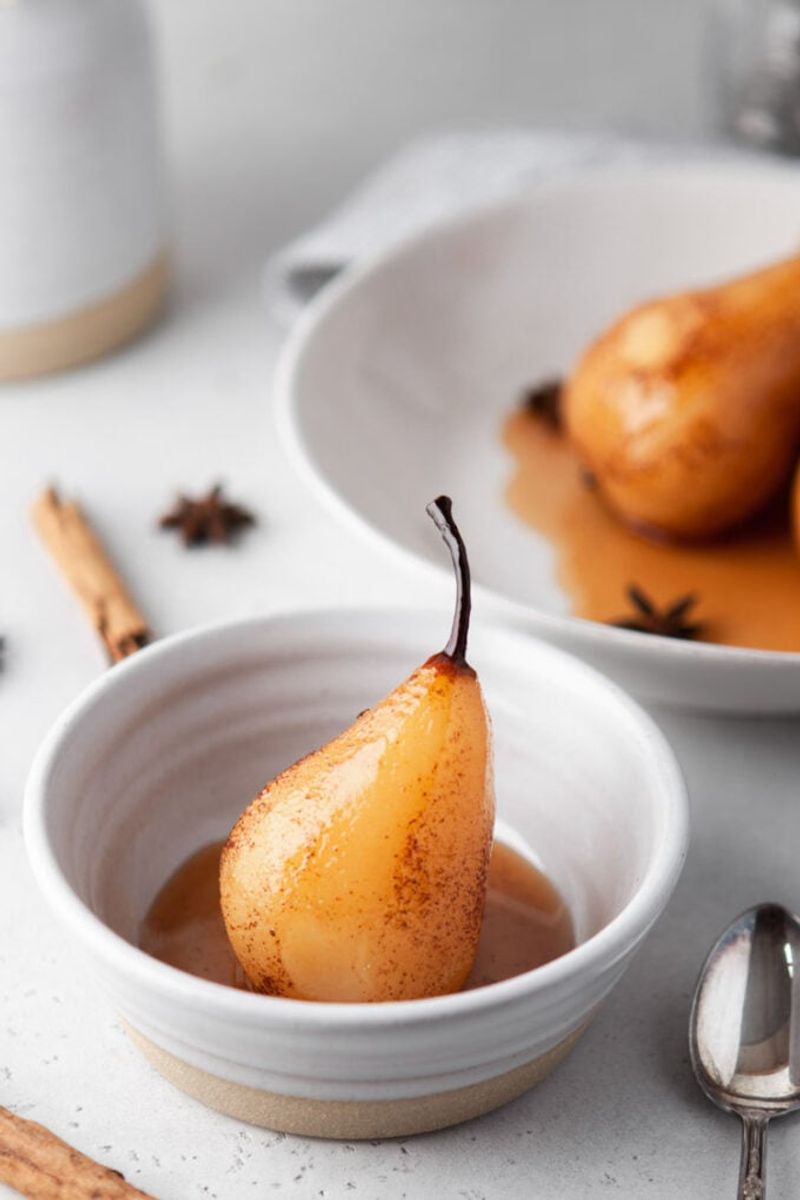
Juicy and soft, a ripe pear can drip down your chin. Its mellow, floral sweetness is perfect for anyone who finds apples too tart.
Poach pear slices in water with cinnamon for an easy dessert. You can also blend cooked pears into a smooth sauce for pancakes.
Pears ripen from the inside out. Press gently near the stem, and if it gives a little, it is ready.
20. Figs
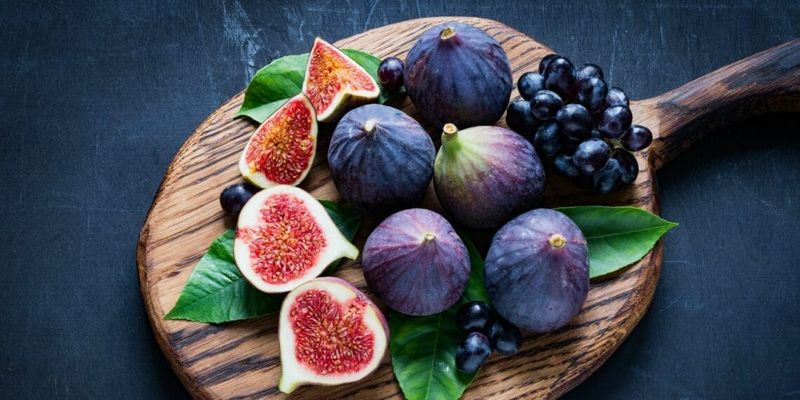
Ancient Romans considered figs a gift from the gods. Cut one open and you will find a jammy, honey-like center full of tiny crunchy seeds.
Chop dried figs into granola bars, or blend them into a paste for cookie fillings. Fresh figs taste wonderful sliced on toast with a little nut butter.
They spoil quickly when fresh, so enjoy them within a couple of days.
21. Beets
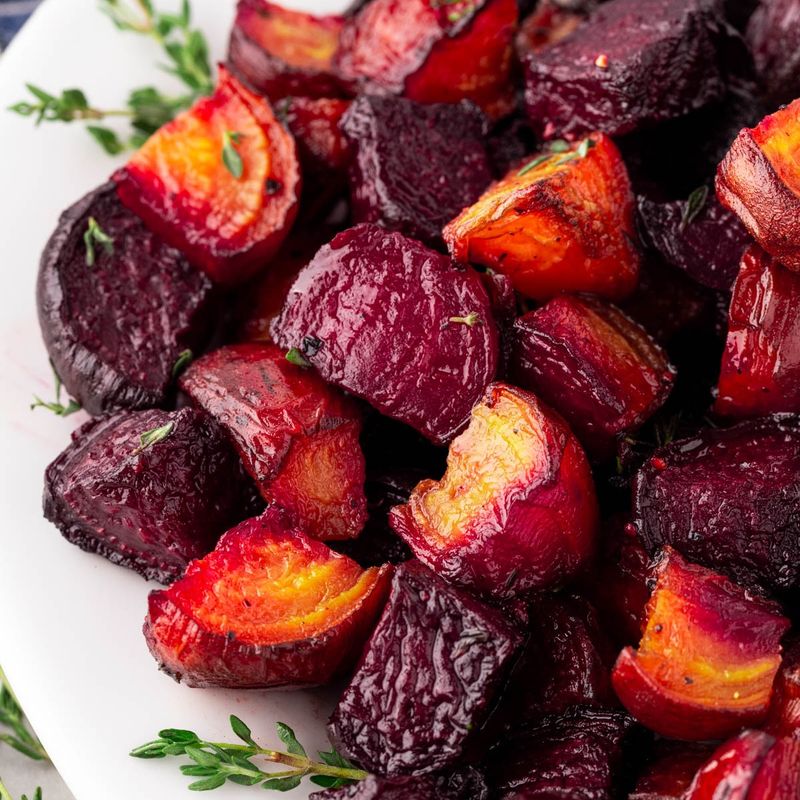
Believe it or not, much of the world’s table sugar comes from a type of beet. Regular red beets share that earthy sweetness too.
Roast them, then blend into smoothies, chocolate cake, or hummus for a bright pink surprise. The color alone makes kids curious.
Wear gloves when peeling, because beet juice stains hands and cutting boards. A little lemon juice helps wash it away.