
Music can bring people together before the rest of the world catches up. Across rock, soul, and hip-hop, musicians from different racial backgrounds shared stages and helped change who belonged in popular music.
Their songs challenged unfair rules and opened doors for new artists. Most groups here had multiracial lineups; Bad Brains, an all-Black band, belongs as a related trailblazer rather than a multiracial example.
1. Sly and the Family Stone: Funk Without Fences
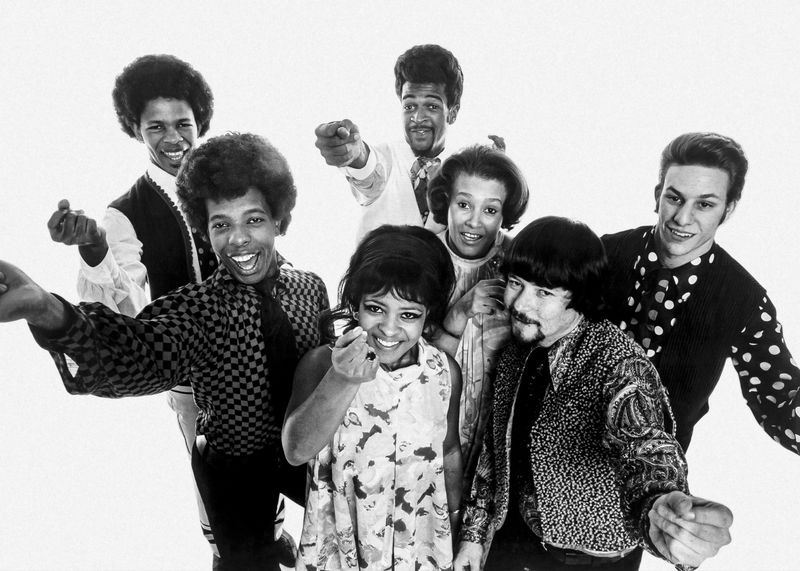
A dance floor could become a meeting place when Sly Stone took the stage. Formed in San Francisco in 1966, his band brought Black and white musicians, women and men, together in a striking lineup.
Their mix of funk, soul, and rock helped reshape popular music. Play Everyday People to hear a simple message about respect, then notice how the shared vocals make that message feel like a conversation everyone can join and enjoy together.
2. The Jimi Hendrix Experience: A Guitar Revolution
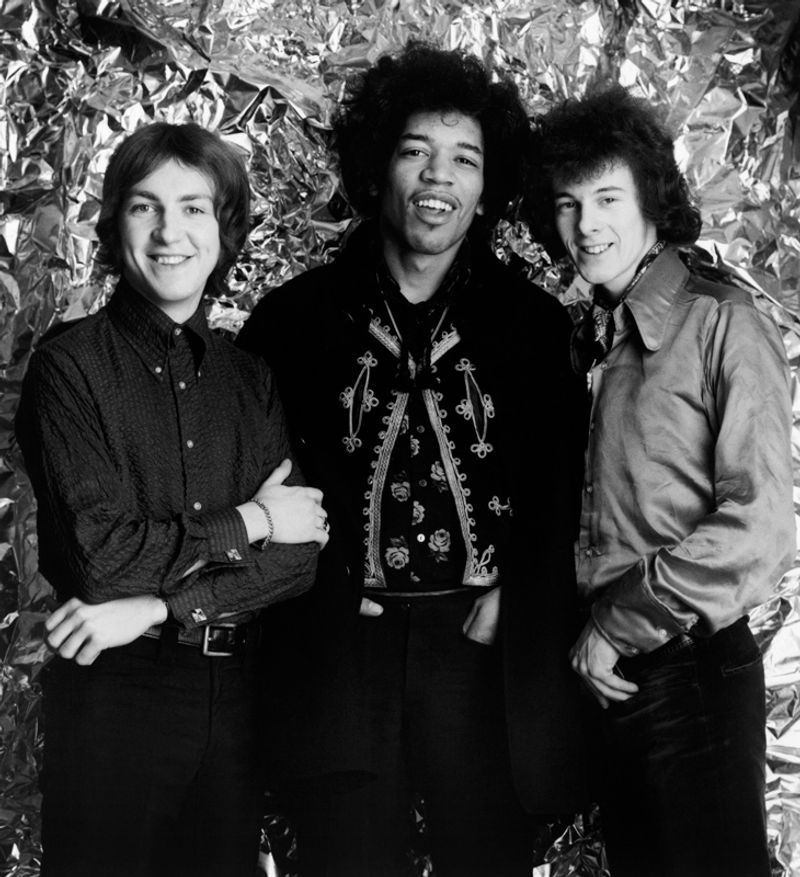
One guitar could sound like an entire storm in Jimi Hendrix’s hands. With British musicians Noel Redding and Mitch Mitchell, the American guitarist formed a trio that pushed rock into unfamiliar territory.
Feedback, bold rhythms, and surprising studio effects became tools rather than mistakes. Their 1967 debut, Are You Experienced, still rewards curious listeners.
Try Purple Haze with headphones and notice how the guitar seems to move around you, creating its own strange, colorful world.
3. Booker T. & the M.G.’s: Soul Behind the Scenes
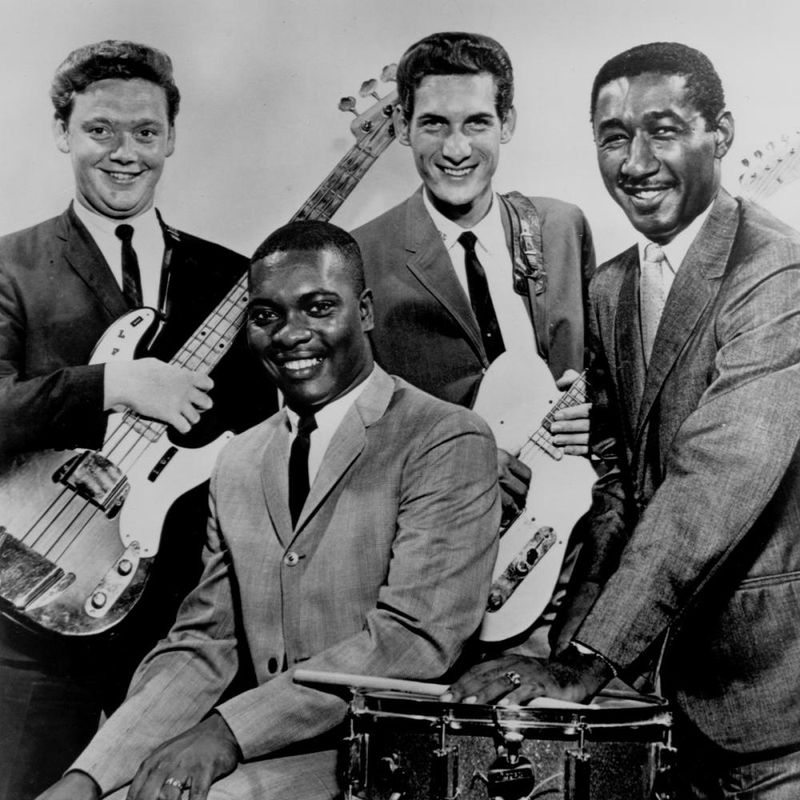
Behind many great soul singers stood four players who knew exactly when to leave space. At Stax Records in Memphis, Booker T. & the M.G.’s helped build Southern soul through tight rhythms and memorable grooves.
Their Black and white lineup challenged segregation through everyday collaboration. Green Onions, their famous instrumental, proves that a song needs no lyrics to tell a story.
Follow the organ melody, then listen for the steady teamwork supporting every playful turn.
4. The Allman Brothers Band: Southern Rock Opens Up
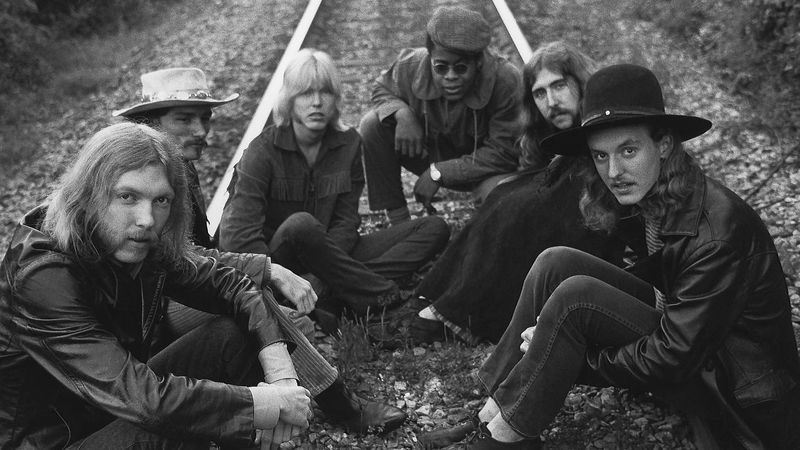
Two drummers gave this Southern band a heartbeat big enough for long musical adventures. Founded in 1969, the original lineup included Black drummer Jaimoe alongside white bandmates, challenging racial expectations in their region.
Blues, jazz, and country flowed through their sound without neat boundaries. Their live album At Fillmore East captures that freedom especially well.
Listen for the guitars answering each other, and remember that the group’s powerful identity depended on cooperation, not matching backgrounds.
5. Santana: Latin Rhythms Meet Rock
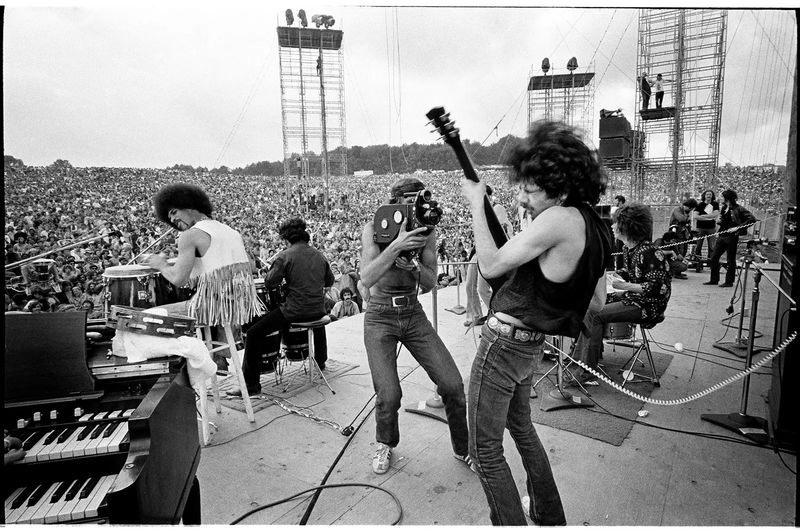
Congas and electric guitar made an unforgettable team when Santana reached the Woodstock stage in 1969. Led by Mexican-born Carlos Santana, the diverse San Francisco band brought Latin rhythms into a powerful rock setting.
Their breakthrough helped expand what mainstream rock could sound like. Put on Soul Sacrifice and follow the conversation between percussion and guitar.
Rather than treating one tradition as decoration, the musicians built a shared sound that depended on several traditions working together.
6. Love: Los Angeles Gets Dreamlike
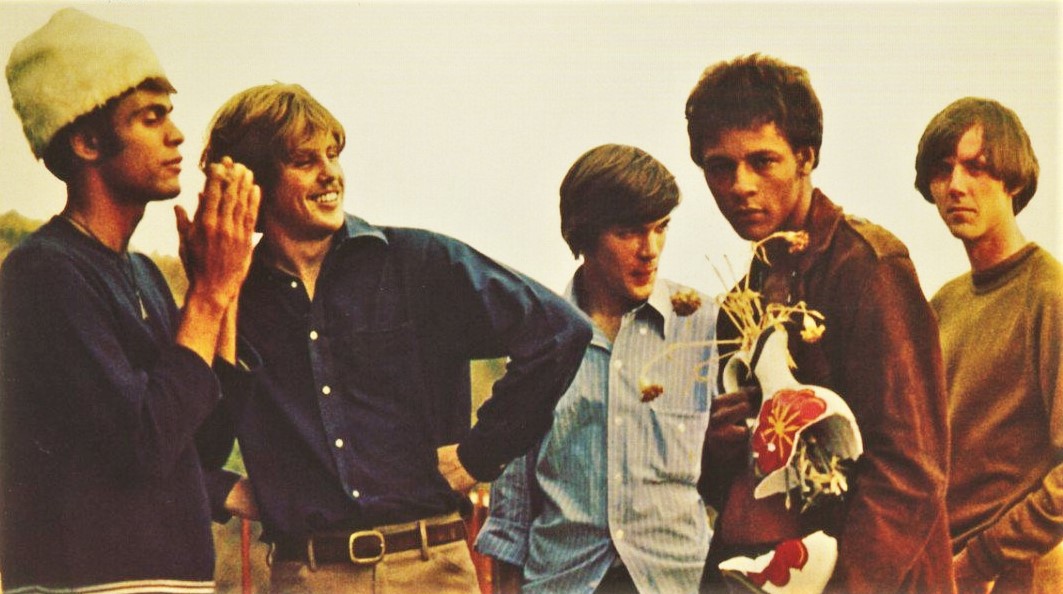
Beauty and worry share the same room on Forever Changes, Love’s celebrated 1967 album. Arthur Lee led this multiracial Los Angeles group through music that mixed folk, rock, and unexpected orchestral colors.
The record was not a huge commercial hit at first, but its reputation grew over time. Start with Alone Again Or and notice the bright trumpet against the uneasy mood.
Love showed that psychedelic music could be thoughtful and delicate, not simply loud or wild.
7. Bad Brains: A Crucial Related Trailblazer
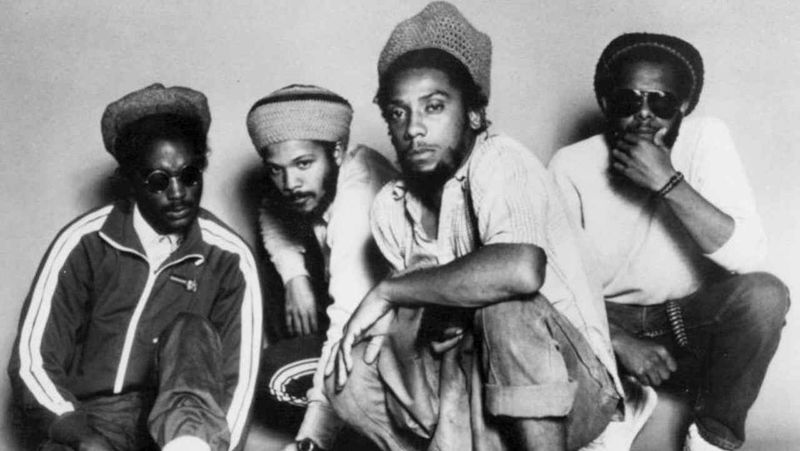
Speed was only part of the shock when Bad Brains entered the punk scene. These four Black musicians began with jazz fusion before becoming a major force in hardcore punk, also making room for reggae.
A necessary correction: their classic lineup was not multiracial. They appear here because their influence challenged racial stereotypes about who could play punk.
Hear their early recordings to discover how sharp musicianship, explosive energy, and rhythmic flexibility helped inspire generations of bands.
8. Thin Lizzy: Phil Lynott Takes Center Stage
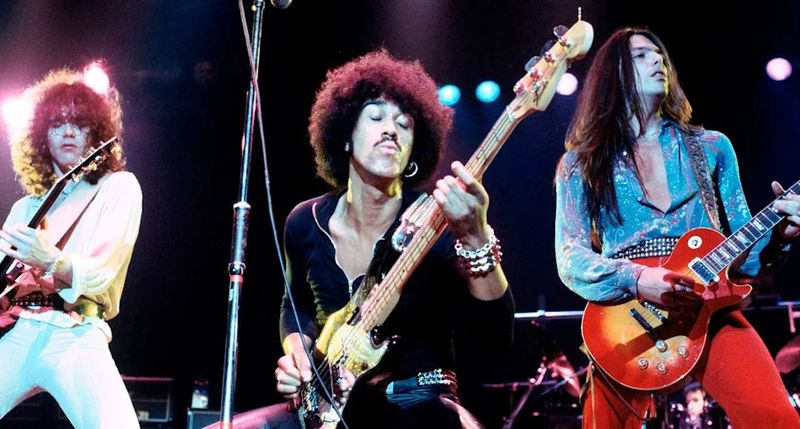
A Black Irish frontman was a rare sight in mainstream hard rock during the 1970s. Phil Lynott brought a distinctive voice, strong songwriting, and striking stage presence to Thin Lizzy, formed in Dublin in 1969.
The band became famous for guitar melodies played in harmony and stories filled with character. Try The Boys Are Back in Town for an inviting starting point.
Lynott’s visibility broadened ideas about Irish identity and who could lead a successful rock band.
9. The Specials: Ska With a Social Message
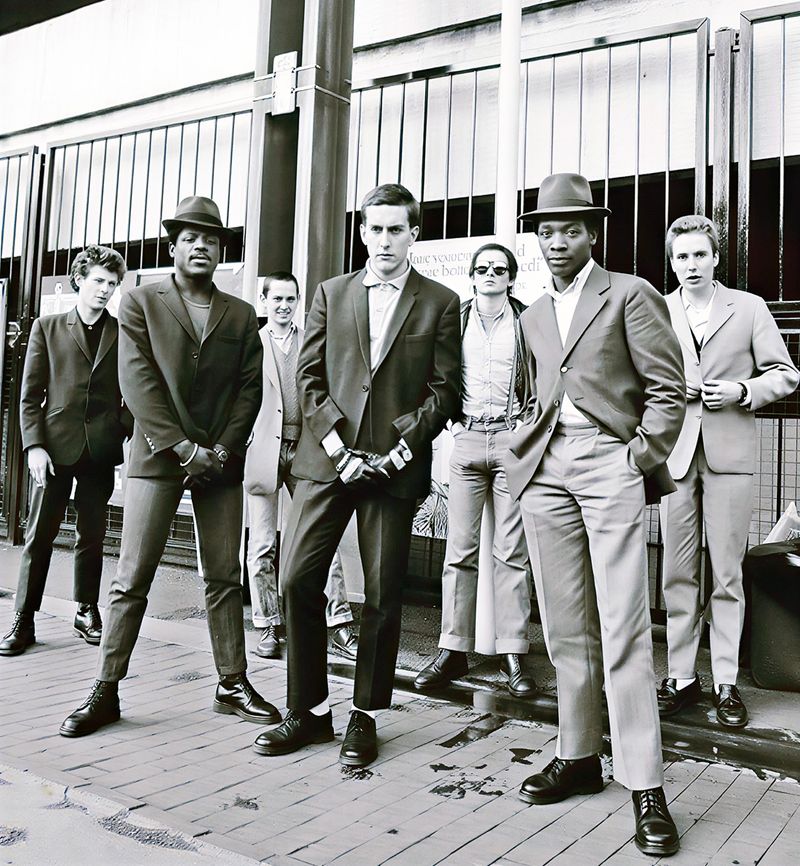
Danceable music carried serious warnings when the Specials emerged from Coventry, England, in 1977. Their Black and white lineup became central to the British two-tone movement, blending Jamaican ska with punk energy.
They were part of ska’s second wave, not its third, and addressed racism and social tension directly. Ghost Town captures the fear surrounding struggling British cities.
Listen beyond the catchy rhythm to hear how a pop single can also serve as a powerful social document.
10. TV on the Radio: Alternative Rock Reimagined
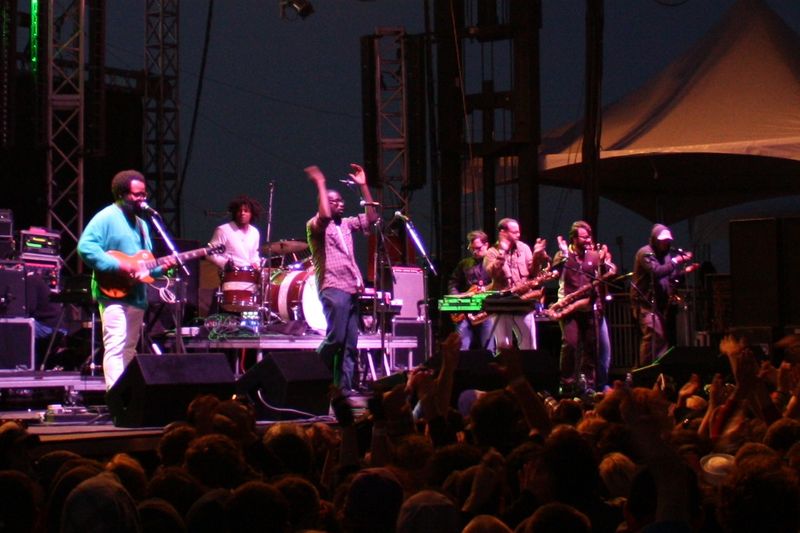
Strange textures can become surprisingly welcoming in the right hands. Brooklyn’s TV on the Radio combined electronic sounds, rock guitars, soulful singing, and restless rhythms into music that resisted easy labels.
Their classic lineup was predominantly Black and included white musician David Sitek, making the band genuinely multiracial. Dear Science offers a lively introduction to their range.
Pay attention to the layered voices: they helped widen the sound and public image of alternative rock during the 2000s.
11. Alabama Shakes: A Voice That Breaks Through
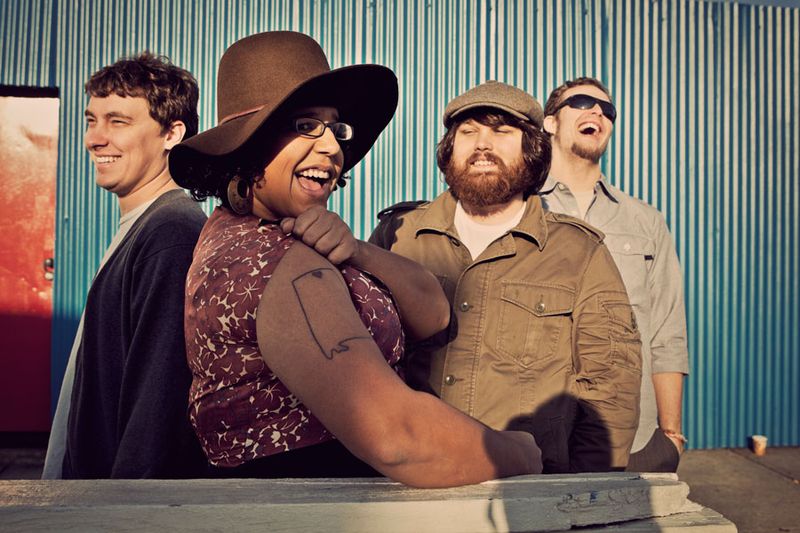
Some voices make you stop whatever you are doing. Brittany Howard’s singing gave Alabama Shakes that kind of pull, while the band’s multiracial lineup joined soul, blues, and rock with a fresh sense of purpose.
Formed in Athens, Alabama, the group reached a wide audience with Boys & Girls in 2012. Begin with Hold On, then explore Sound & Color.
Their growth shows how familiar musical roots can support bold experiments instead of keeping artists stuck in the past.
12. Run the Jewels: Friendship With Fierce Beats
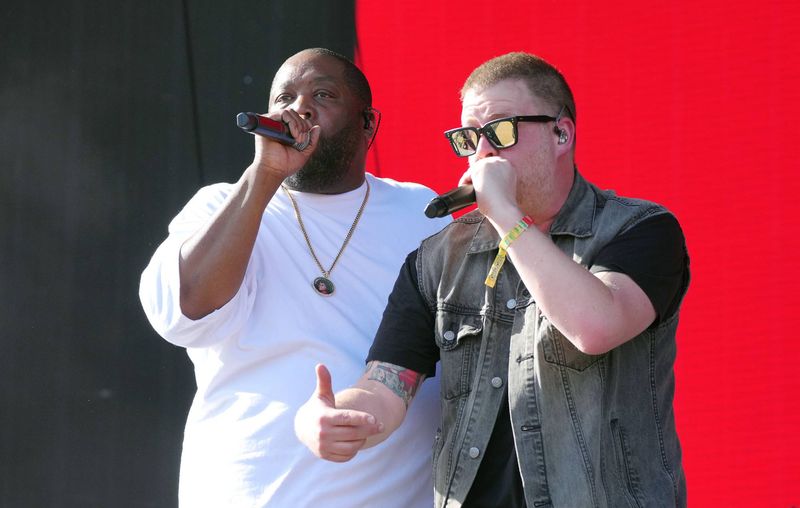
A friendship became a musical partnership with serious firepower. Killer Mike, a Black rapper from Atlanta, and El-P, a white rapper and producer from New York, launched Run the Jewels in 2013.
The duo pairs heavy beats with sharp humor and criticism of injustice. Their work shows that shared values can matter more than shared backgrounds.
For younger listeners, choose clean versions and discuss the lyrics with an adult, since many songs include strong language and difficult themes.
13. The Chambers Brothers: Soul Goes Psychedelic
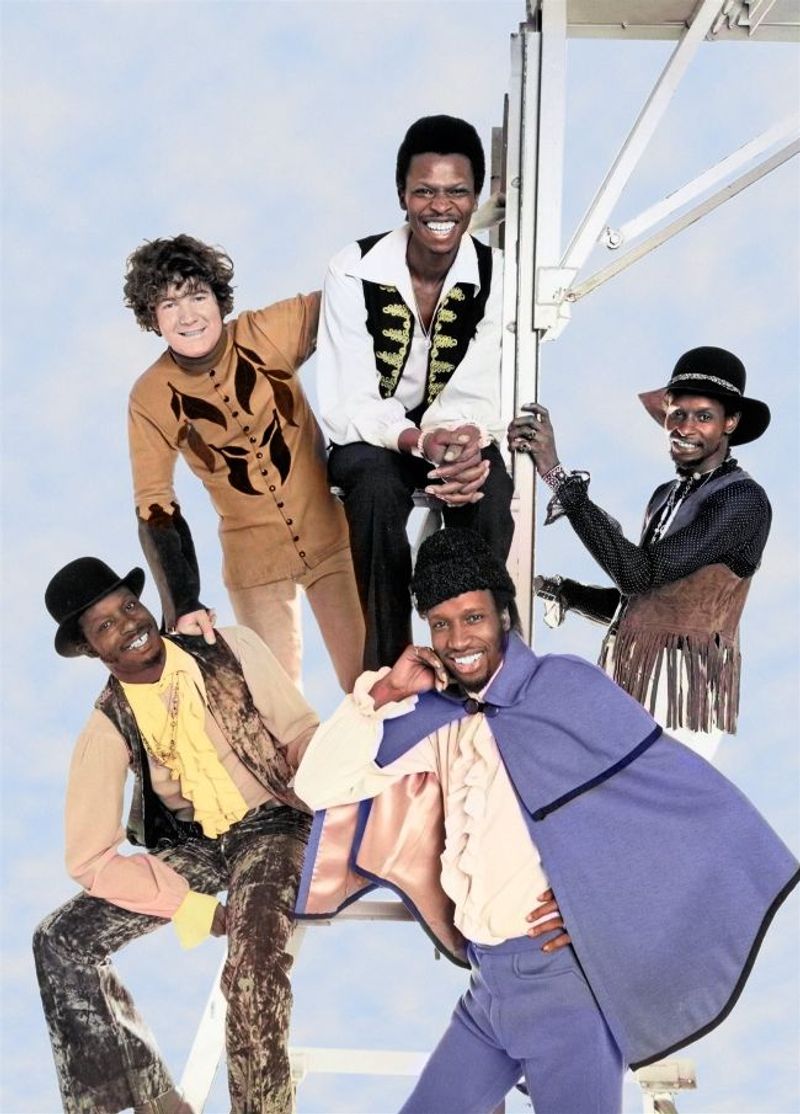
A ringing cowbell helped announce one of psychedelic soul’s great adventures. The Chambers Brothers grew from gospel roots into a band that crossed between soul, blues, and rock, with white drummer Brian Keenan joining the Black brothers.
Their signature recording, Time Has Come Today, became a defining sound of the late 1960s. Seek out the longer album version to hear its dramatic changes.
The performance reveals how musical patience and bold experimentation can turn a groove into a journey.
14. The Foundations: British Pop Finds Common Ground
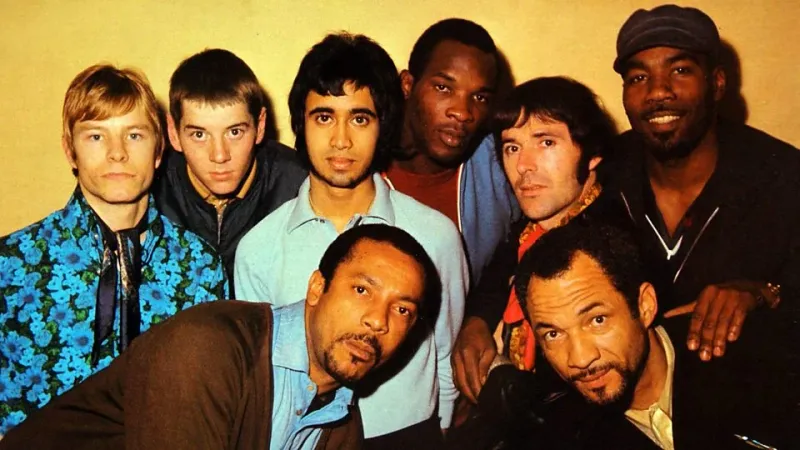
You may know the chorus before you know the band’s name. Build Me Up Buttercup made the Foundations a lasting favorite, but their place in British music also rests on their racially diverse lineup.
Formed in London in 1967, the group brought together musicians with Caribbean and British backgrounds. Their soul-pop hits reached listeners far beyond local clubs.
Compare Buttercup with Baby Now That I’ve Found You to hear how lively arrangements turn romantic frustration into cheerful singalong music.
15. The Equals: A Bright Sound With Lasting Reach
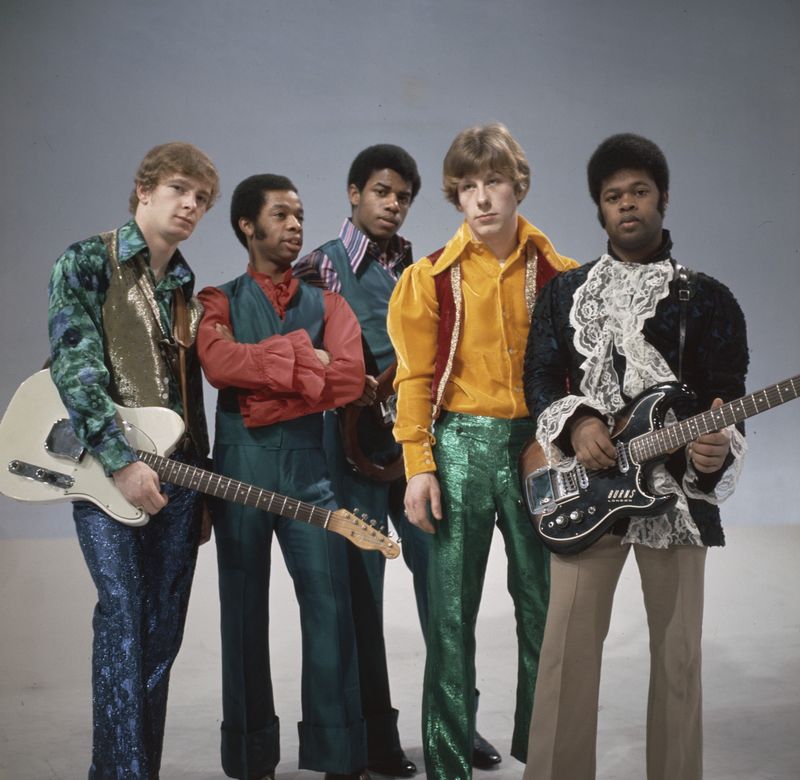
Bright clothes and bouncing rhythms helped the Equals stand out in 1960s Britain. Their multiracial lineup included Guyanese-born Eddy Grant, whose songwriting helped connect pop appeal with influences from rock, soul, and Caribbean music.
Baby Come Back became a major hit in 1968, while Police on My Back later gained another audience through the Clash. Playing both songs offers a useful surprise: a band remembered for catchy pop could also leave a strong mark on politically charged rock music.
16. Alphabet Rockers: Hip-Hop for Belonging
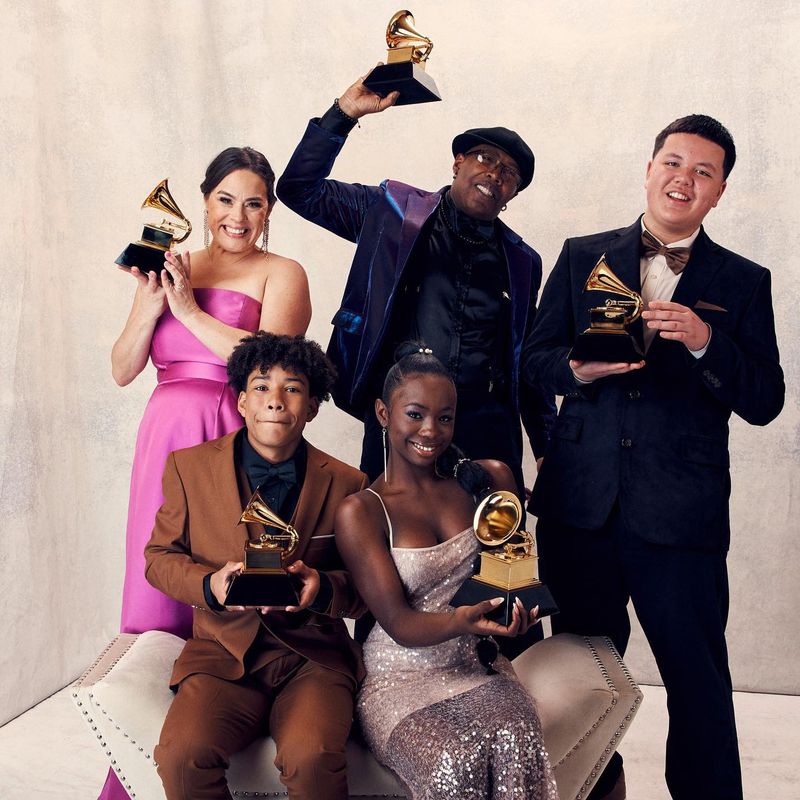
Children deserve music that helps them feel seen, not just entertained. Oakland’s Alphabet Rockers brings adults and young people together through hip-hop that encourages fairness, belonging, and speaking up when someone faces harm.
The multiracial group addresses racism and supports transgender and nonbinary youth through accessible songs and community work. Their album The Movement won a Grammy in 2023.
Families can listen together, then practice a simple next step: asking whose voice is missing and making room for it.
17. Frankie Lymon and the Teenagers: Young Voices Cross Barriers
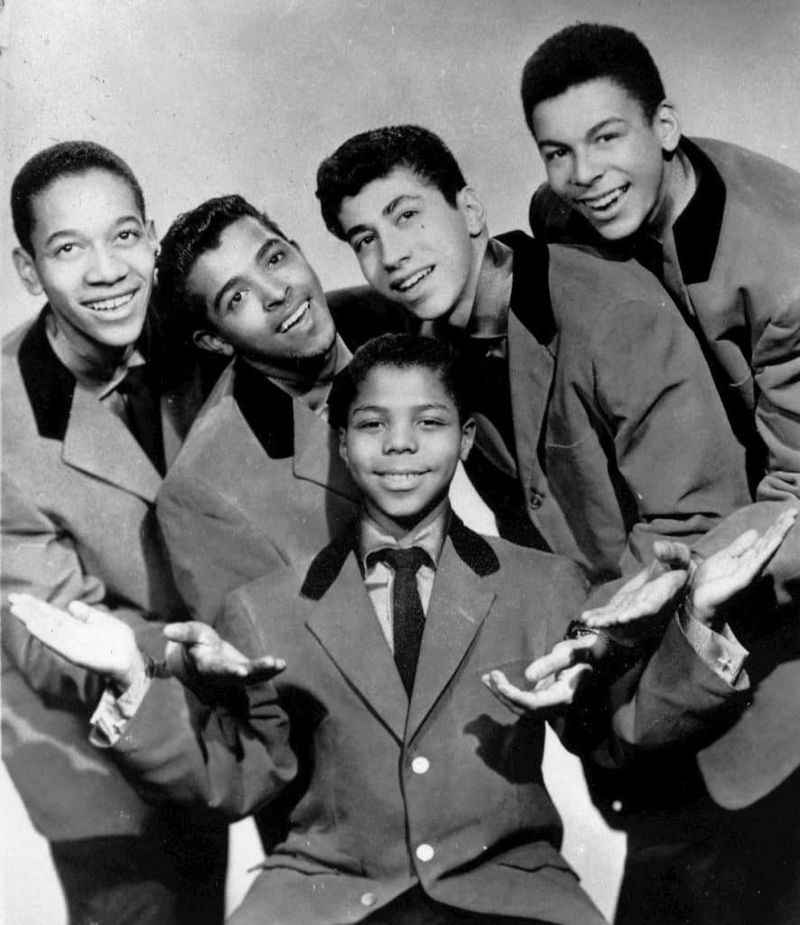
At just thirteen, Frankie Lymon helped turn a neighborhood vocal group into a national sensation. The Teenagers brought Black and Puerto Rican members together in New York, reflecting the city’s shared streets and musical friendships.
Their 1956 hit Why Do Fools Fall in Love carried doo-wop into the growing rock and roll audience. Hear how the lead voice rises above the harmonies.
Their success helped establish teenagers as major performers and listeners, while crossing racial boundaries on popular stages.