
Ever wonder what makes restaurant food taste so good? You might be surprised to learn that many chefs grab the same items you see at your local grocery store.
Plenty of famous dishes rely on simple, everyday products sitting right on supermarket shelves. Knowing these secrets can help you cook restaurant-style meals at home without spending a fortune.
1. Mayonnaise
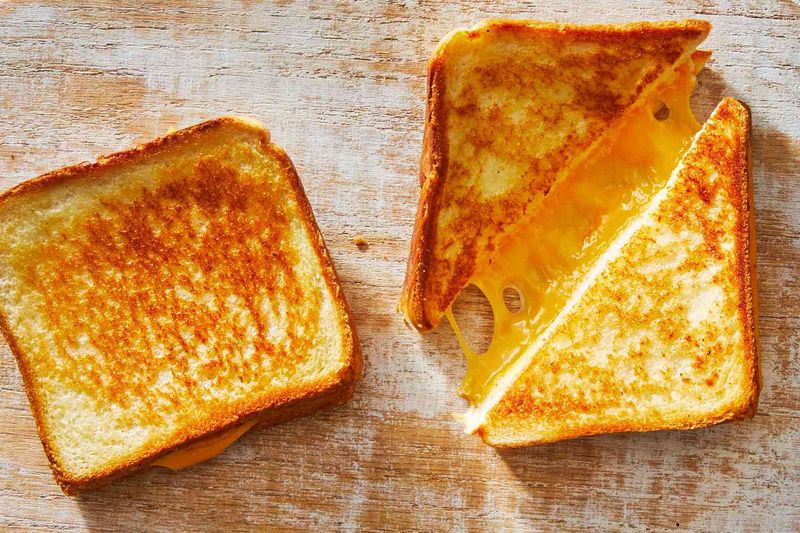
Spread mayo on the outside of a grilled cheese instead of butter, and watch the magic happen. Line cooks swear by this trick because mayo browns evenly and rarely burns.
Many chefs also whisk it into sauces, marinades, and even chocolate cake batter for extra moisture. It is basically eggs and oil, so it behaves like a ready-made emulsion.
Keep a jar handy and try it on your next sandwich.
2. Frozen Peas
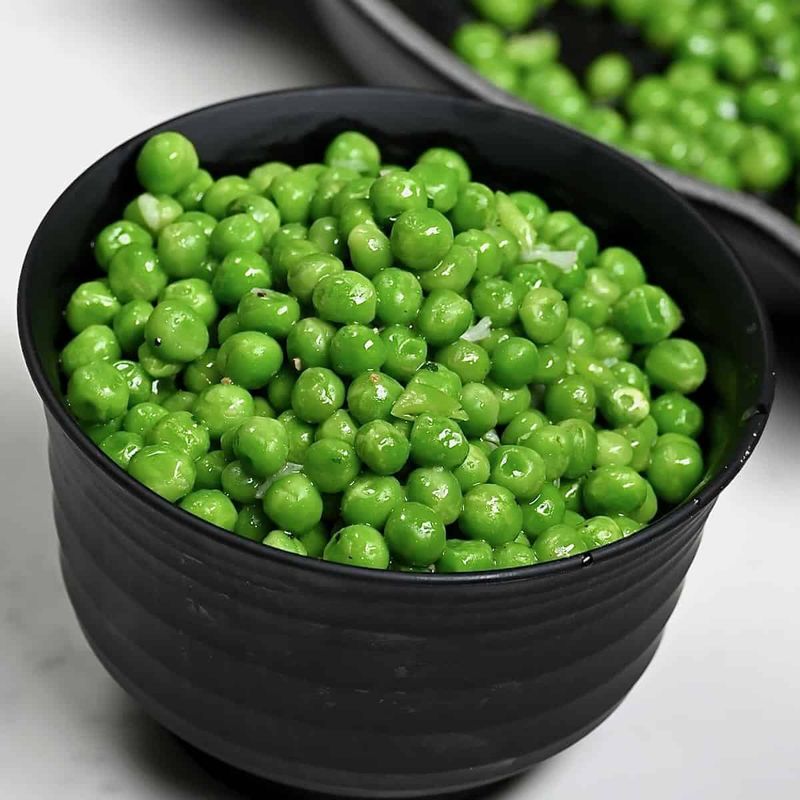
Fresh peas sound fancy, but here is a secret: frozen ones often taste sweeter. They get picked and frozen within hours, locking in sugar before it turns to starch.
Restaurant kitchens use them in risotto, pasta, soups, and bright green purees. They cook in about two minutes, which saves busy chefs precious time.
Toss a handful into fried rice or mac and cheese for an easy color and flavor boost.
3. Canned Tomatoes
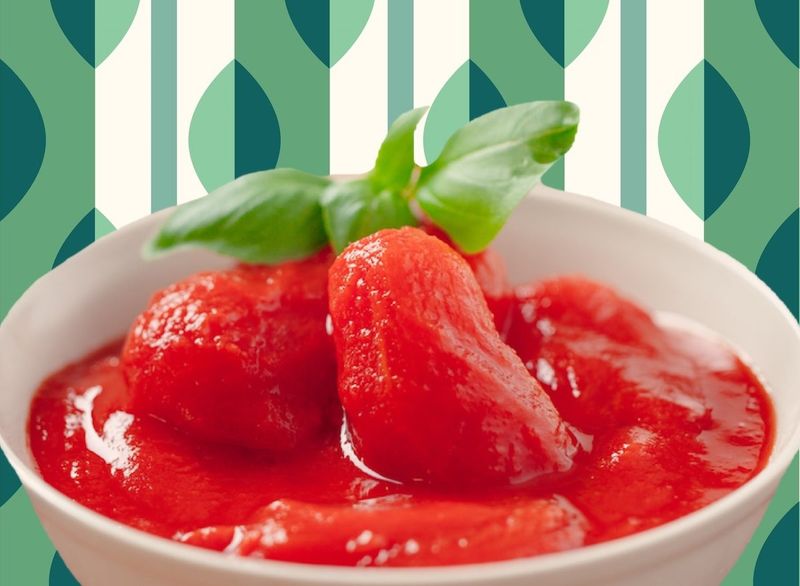
Italian grandmothers and top pizza makers agree on one thing: canned tomatoes beat most fresh ones. Tomatoes are canned at peak ripeness, so the flavor stays rich all year long.
Plenty of pizzerias use San Marzano style cans for their famous sauces. Chefs crush them by hand for a rustic texture.
Winter tomatoes at the store often taste watery. Grab a good can instead, and your pasta sauce will thank you.
4. Boxed Chicken Stock
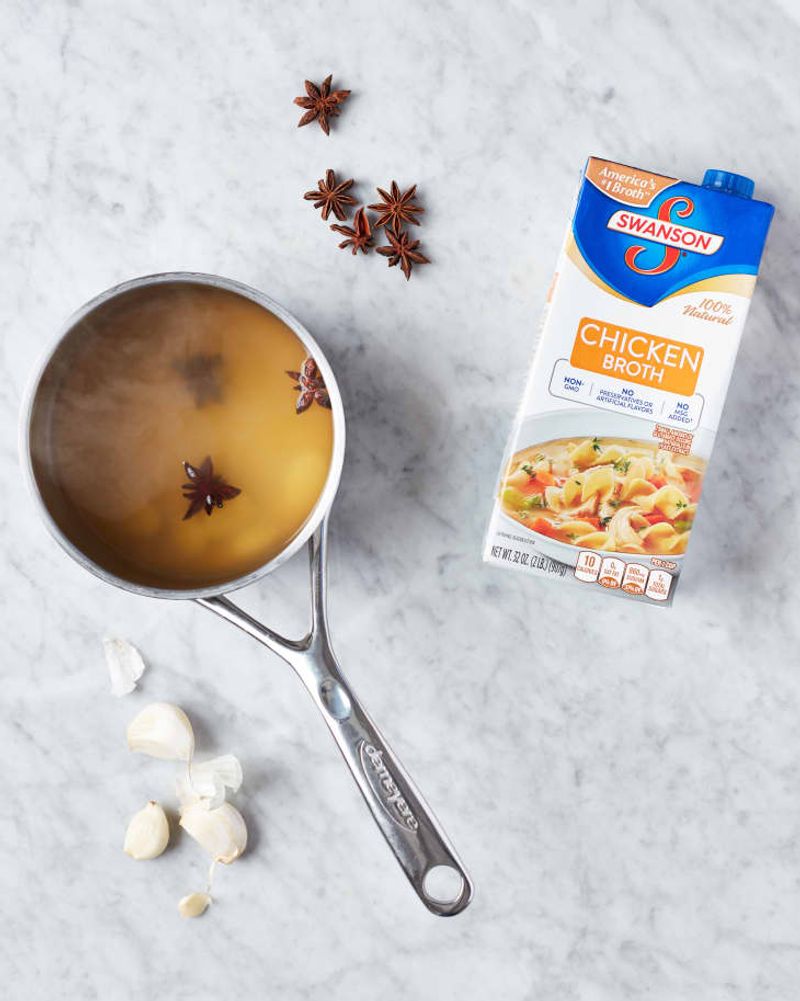
Making stock from scratch takes hours of simmering bones. Not every restaurant has that kind of time, especially smaller spots with tiny kitchens.
So many cooks quietly reach for boxed stock, choosing low-sodium versions to control salt. They boost it with herbs, onion scraps, or a parmesan rind for deeper flavor.
Try simmering your carton with a few extra veggies for twenty minutes. You will get a homemade taste with almost zero effort.
5. Better Than Bouillon
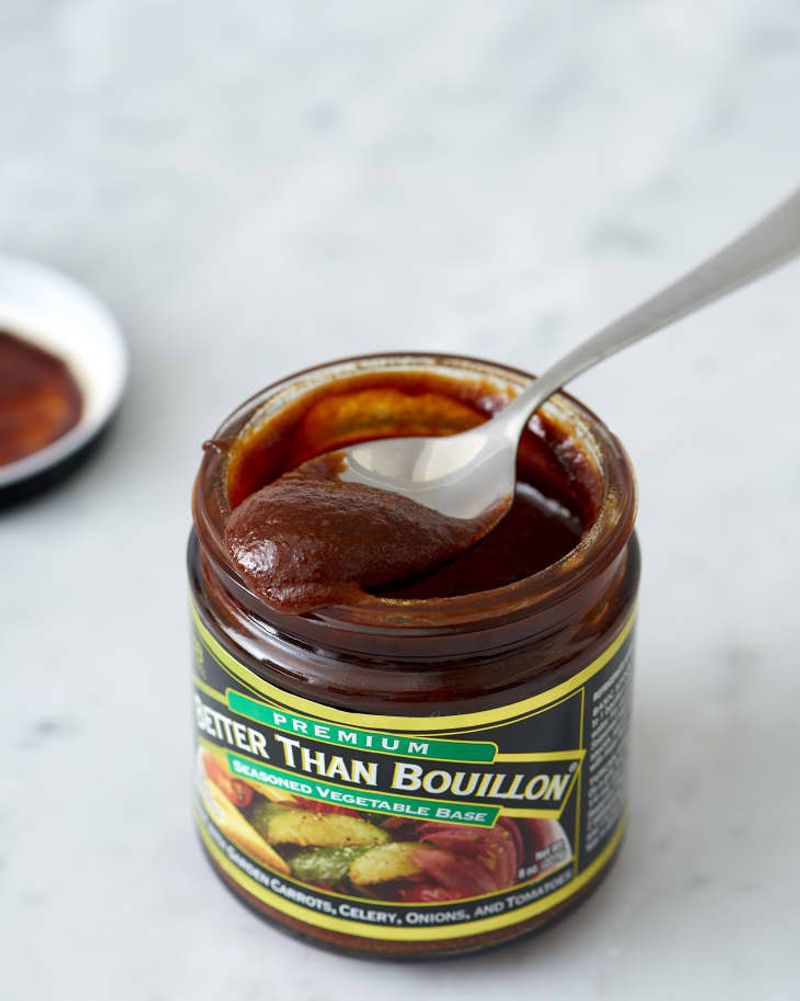
Talk to almost any line cook and this little jar will come up. Better Than Bouillon is a thick paste made from roasted meat or vegetables, and it packs serious punch.
Chefs stir a spoonful into gravies, soups, and pan sauces when flavor feels flat. One jar lasts for months in the fridge.
Fun fact: it is often cheaper per cup than cartons of broth. Your wallet and your stews both win.
6. Panko Breadcrumbs
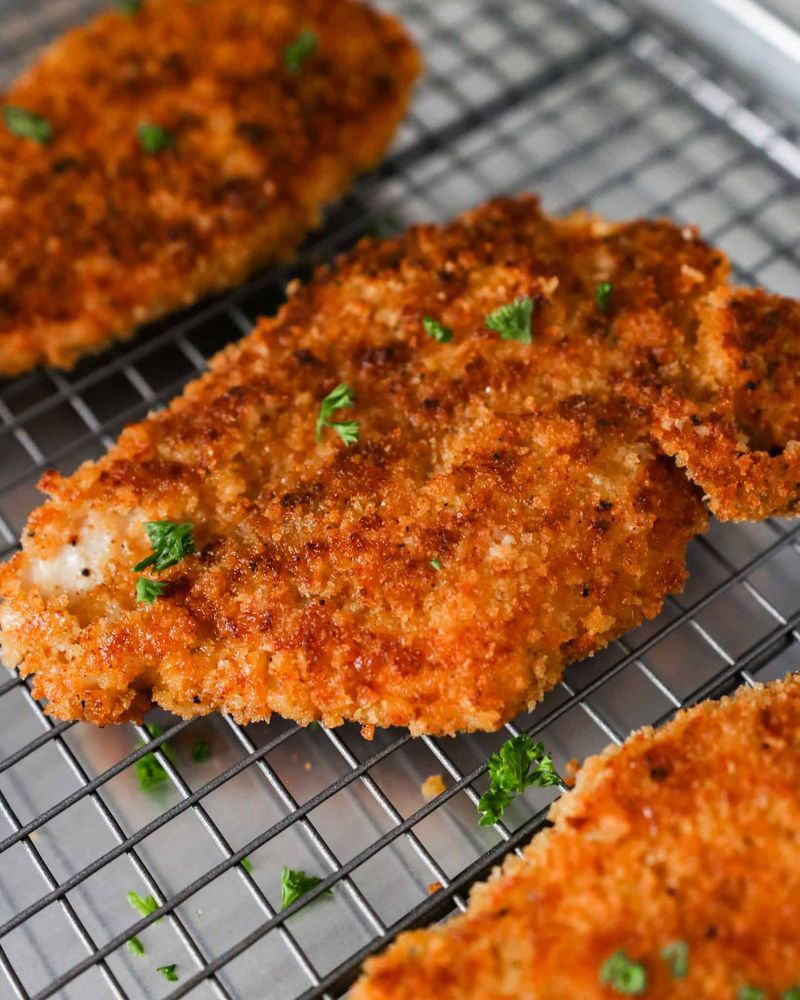
Crunch is king in restaurant food, and panko delivers it every time. These Japanese-style breadcrumbs are made from crustless bread, giving them light, airy flakes.
Because they absorb less oil than regular crumbs, fried foods stay crispy longer instead of turning soggy. Chefs use panko on fish, chicken cutlets, and baked mac and cheese toppings.
Toast some in a pan with butter and sprinkle over pasta. It adds instant texture.
7. Kosher Salt
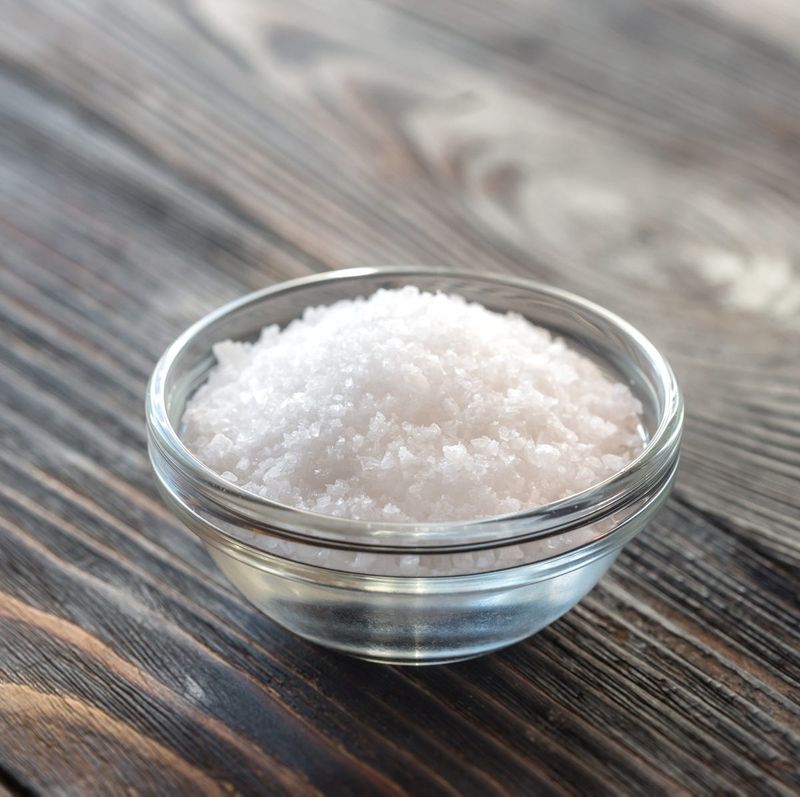
Watch a chef season food and you will see them pinch salt from a little bowl. That salt is almost always kosher salt, usually Diamond Crystal or Morton.
Its bigger flakes are easy to grab and sprinkle evenly. It also dissolves nicely and tastes cleaner than iodized table salt.
Switching at home makes seasoning feel more natural. Just remember brands differ in saltiness, so taste as you go and adjust slowly.
8. Frozen Puff Pastry

Folding butter into dough hundreds of times is exhausting. Even skilled pastry chefs sometimes skip it and grab a box from the freezer aisle.
Store-bought puff pastry, especially all-butter versions, puffs into gorgeous flaky layers. Restaurants use it for tarts, pot pie tops, appetizers, and fancy pastries.
Keep a box in your freezer for surprise guests. Wrap it around brie or sausages, and you have a party snack in minutes.
9. Sriracha
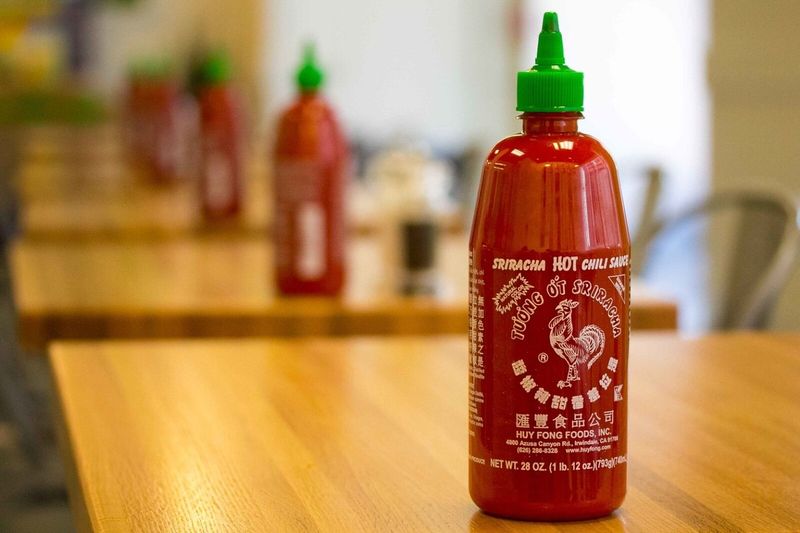
A rooster on a red bottle changed menus across America. Sriracha first became popular in Los Angeles in the 1980s, and now chefs everywhere keep it close.
They mix it into mayo for spicy dipping sauce, glaze wings with it, and stir it into marinades. The garlicky heat adds a little tang too.
Start small if you are spice shy. A few drops can wake up eggs, burgers, or ramen.
10. Heinz Ketchup
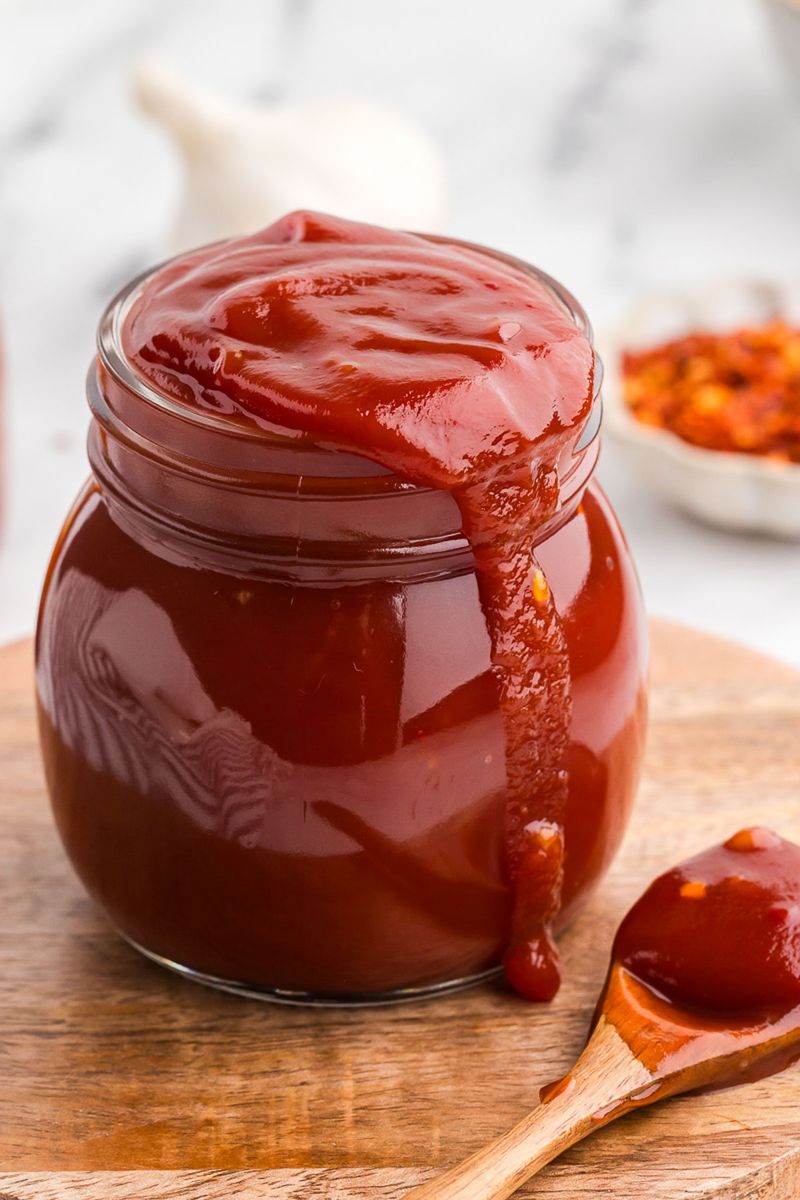
Laugh if you want, but ketchup hides in plenty of fancy sauces. Its blend of sweet, sour, and salty is hard to recreate from scratch.
Chefs use it as the base for barbecue sauce, cocktail sauce, and sweet and sour glazes. Some even add a squirt to meatloaf or chili.
Many burger joints refuse to make their own because customers expect that classic flavor. Sometimes the familiar bottle simply wins.
11. Instant Mashed Potato Flakes
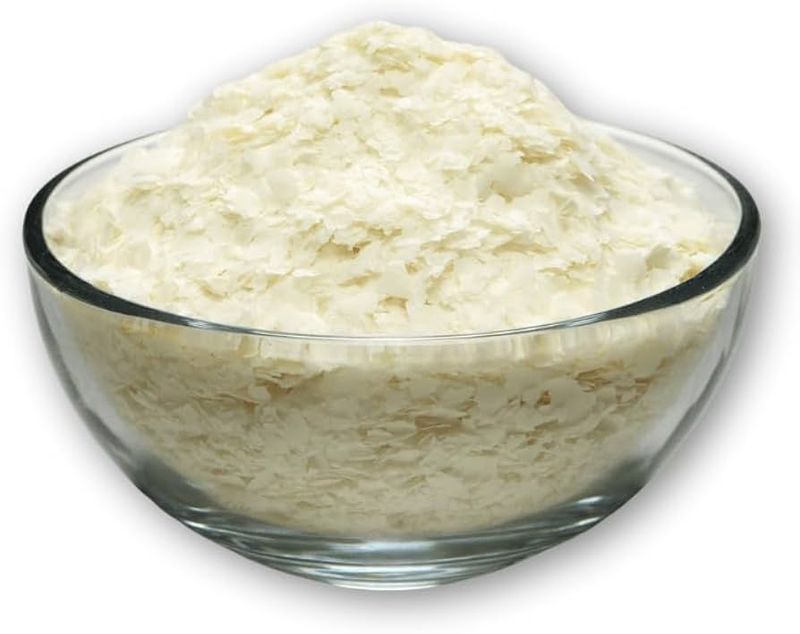
Here is a sneaky one. Instant potato flakes rarely end up as plain mashed potatoes in restaurants, but they work as a clever helper.
Cooks stir them into soups and stews to thicken them quickly without lumpy flour. Some coat fish or chicken with flakes for a crunchy crust.
Next time your potato soup looks thin, sprinkle in a spoonful. Stir, wait a minute, and enjoy a creamier bowl.
12. American Cheese
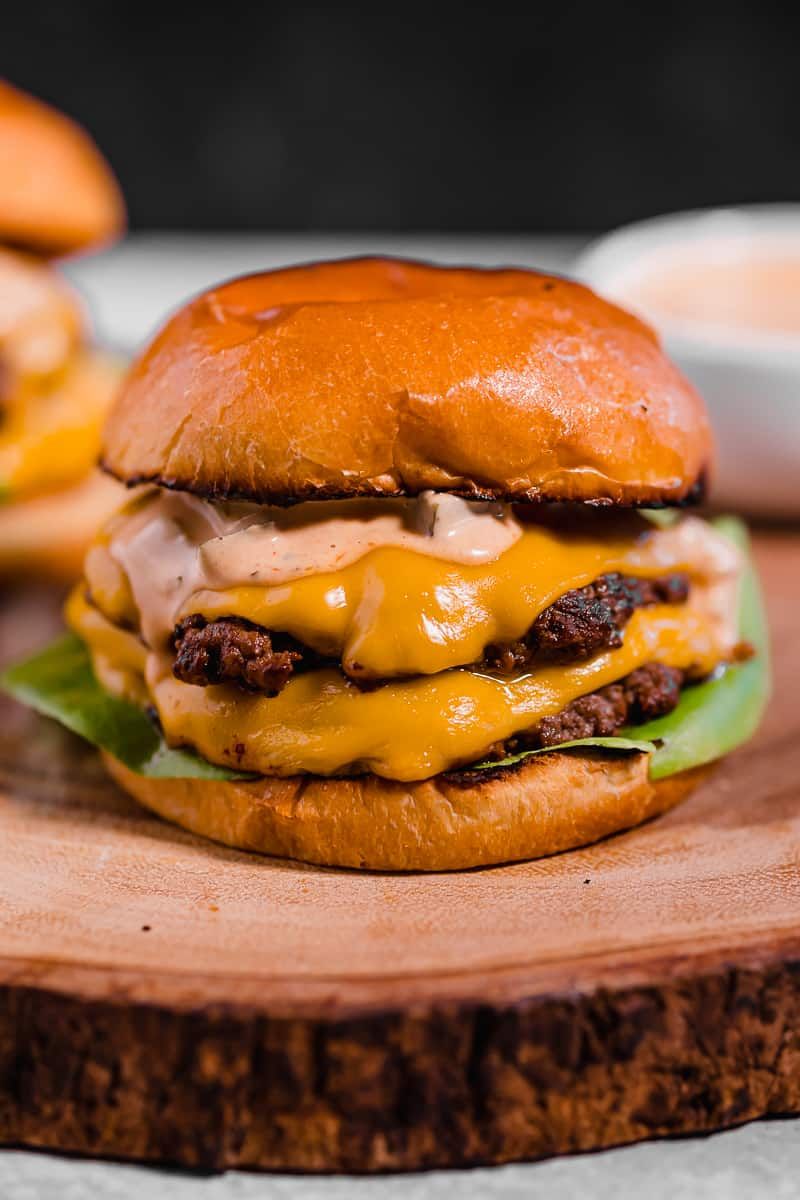
Food snobs may wrinkle their noses, but burger chefs love American cheese. It melts into a silky, gooey blanket that cheddar simply cannot match.
Why so smooth? It contains special salts that keep the cheese from getting greasy or stringy.
Some chefs even melt a slice into mac and cheese sauce for extra creaminess.
Many famous smash burger spots use nothing else. Give it a fair shot on your next homemade patty.
13. Fish Sauce
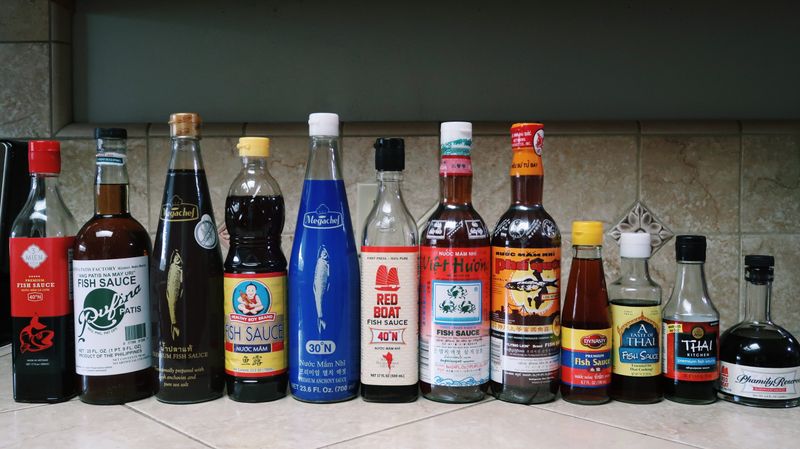
One sniff straight from the bottle might scare you away. Stay with it, though, because fish sauce is a flavor superhero.
Made from fermented anchovies and salt, it adds deep savory taste called umami. Chefs sneak a few drops into Caesar dressing, tomato sauce, and stews, not just Thai and Vietnamese dishes.
Nobody tastes fish when used correctly. They just notice your food tastes richer.
Start with half a teaspoon.
14. Dried Pasta
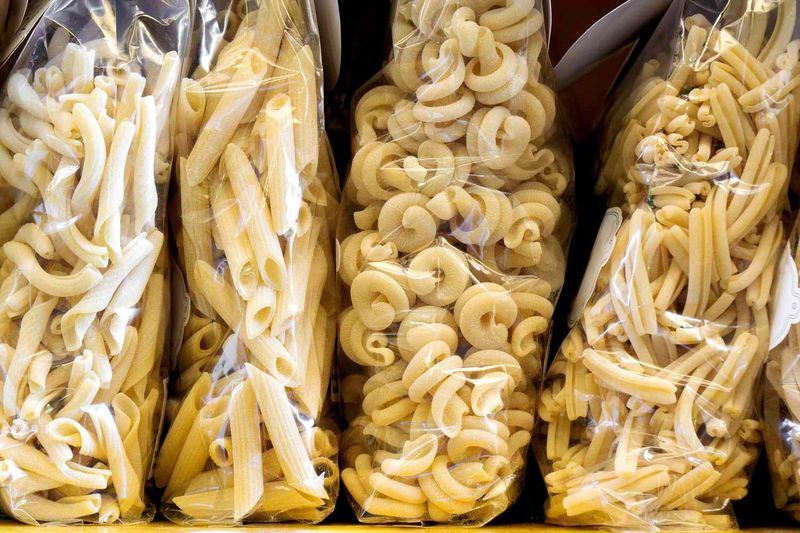
Fresh pasta is not always better. In fact, many Italian restaurants serve dried pasta for dishes like spaghetti, rigatoni, and penne.
Dried noodles hold their shape and stay pleasantly chewy, perfect for hearty sauces. Bronze-cut brands have a rough surface that helps sauce cling.
Pro tip from restaurant cooks: finish cooking the pasta in the sauce with a splash of starchy pasta water. That step makes everything glossy and delicious.
15. Unsalted Butter
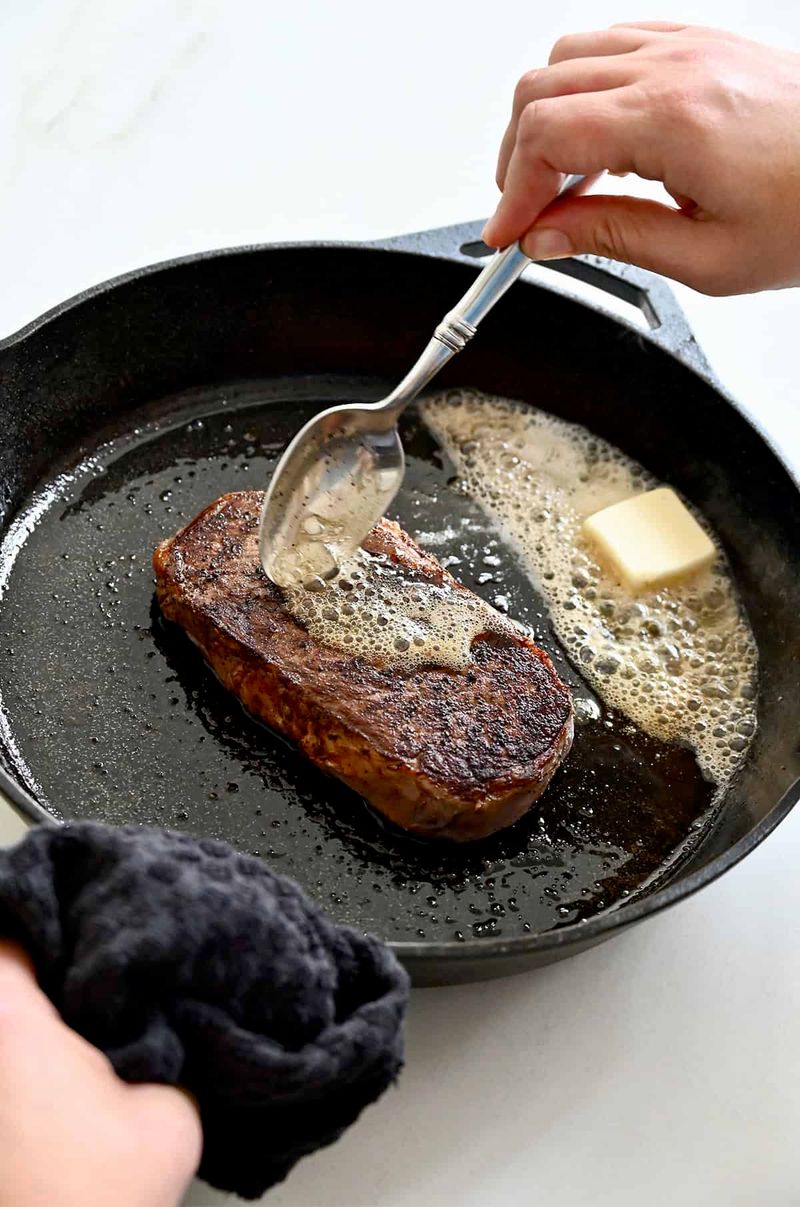
If you ever wondered why restaurant food tastes so rich, butter is usually the answer. Chefs use lots of it, and they almost always pick unsalted sticks.
Unsalted butter lets them control exactly how much salt goes into a dish. They baste steaks with it, swirl it into sauces, and finish vegetables with a shiny pat.
Try melting a spoonful into your pan sauce right before serving. The difference is huge.
16. Rice Vinegar
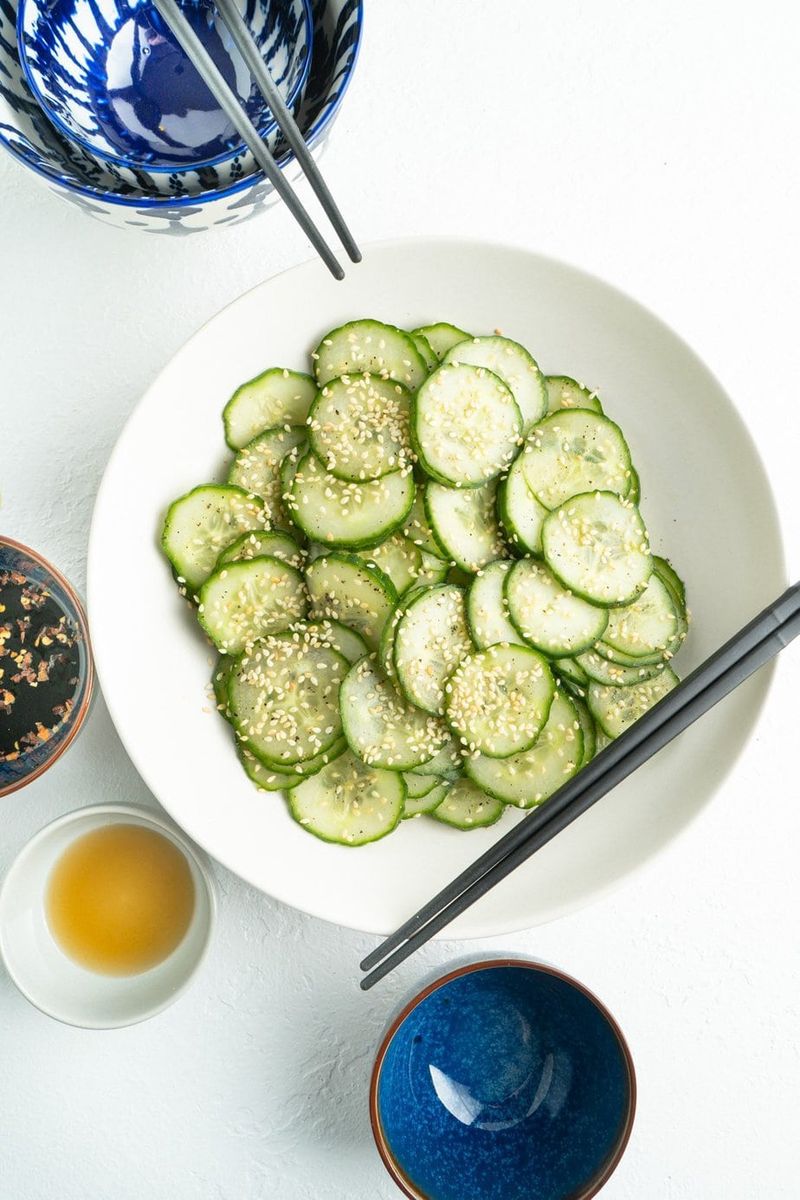
Bright, mild, and a little sweet, rice vinegar is a quiet star in many kitchens. It seasons sushi rice, of course, but chefs use it far beyond Japanese food.
A splash wakes up slaws, salad dressings, quick pickles, and stir-fry sauces. It is gentler than white vinegar, so it rarely overpowers other flavors.
Got a dish that tastes heavy or dull? A tiny drizzle of acid can make everything pop.
17. Frozen French Fries
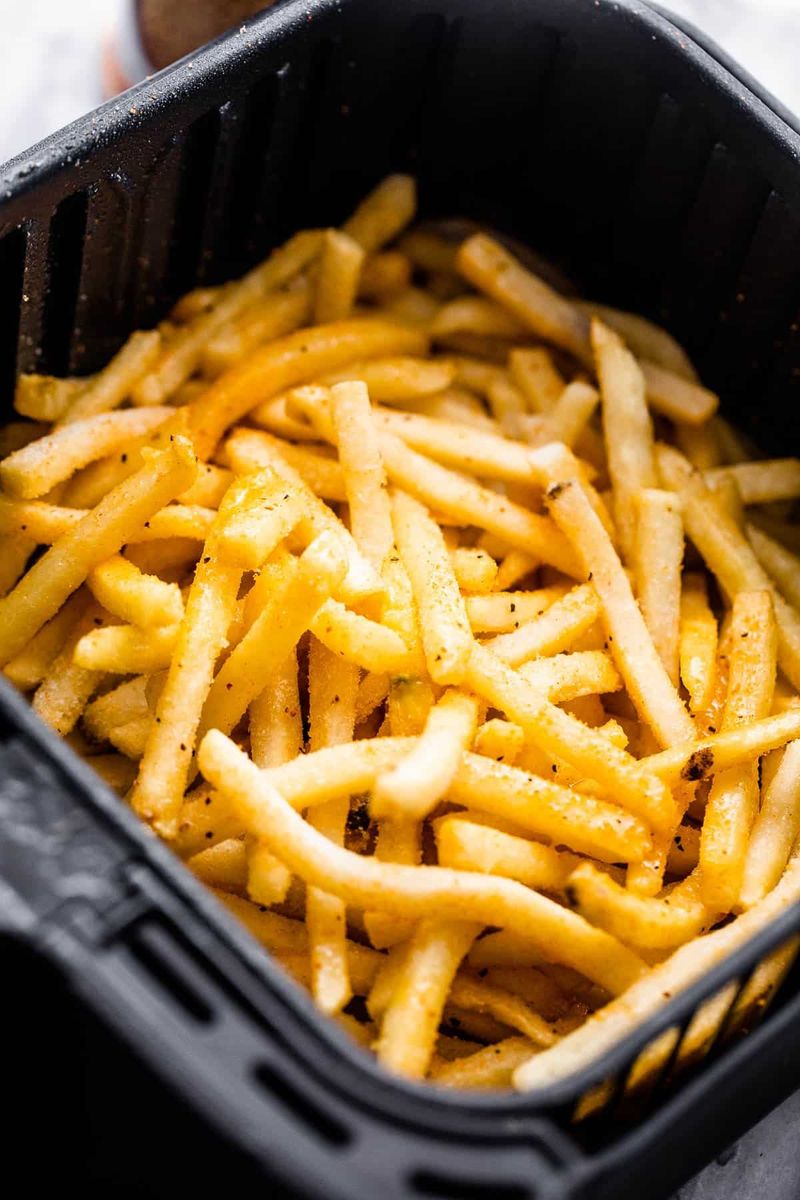
Plenty of diners and burger joints serve fries straight from a frozen bag. Surprised?
Making fresh fries takes cutting, soaking, and frying twice.
Frozen fries come par-cooked and often coated with a thin batter, so they turn crispy and golden every single time. Consistency matters when you serve hundreds of plates a night.
At home, try baking them in an air fryer. Toss with garlic salt and parmesan for a restaurant upgrade.