
Steakhouse menus once offered more than big steaks and baked potatoes. Creamy sauces, crisp breading, and even tableside flames turned dinner into a special event.
Many of those dishes are now harder to find, though some still survive in diners, regional restaurants, and fancy dining rooms. These old favorites show how tastes have changed and might inspire your next dinner.
1. Steak Diane: Dinner With a Little Drama
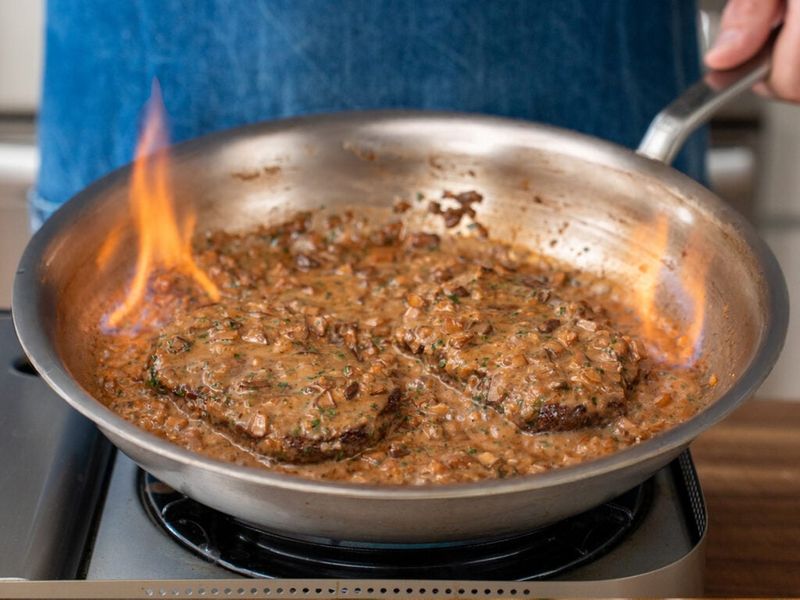
A flash of flame once made an ordinary steak dinner feel like theater. Tender beef medallions met a sauce of pan juices, Worcestershire, brandy, and often cream, sometimes finished beside the table.
Popular in upscale New York dining during the 1950s and 1960s, the dish now feels like a special discovery. Try making the sauce in a skillet at home, but skip the flames.
You can enjoy its rich flavor without putting on a fire show.
2. Chopped Steak Platter: The Budget-Friendly Favorite
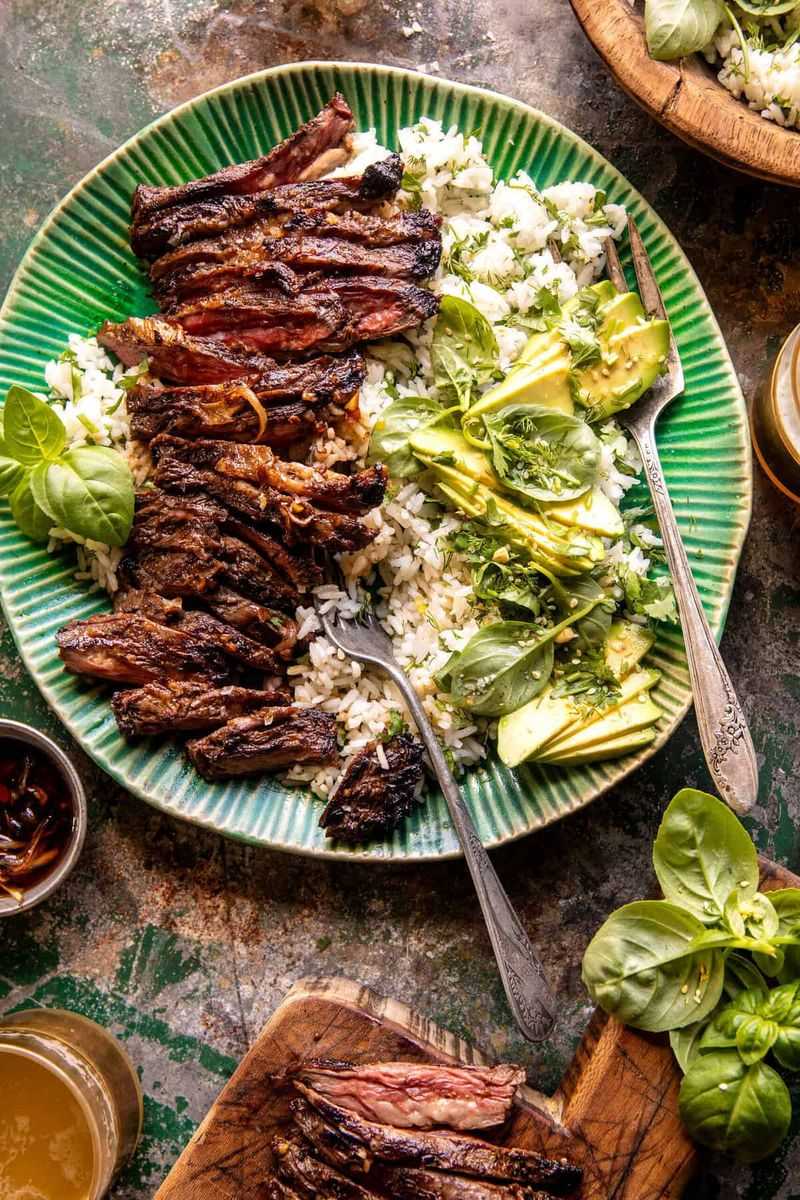
Not every steakhouse guest wanted a pricey cut of beef. A thick ground beef patty offered a filling alternative, usually paired with onions, gravy, and familiar sides like mashed potatoes.
Family steakhouses helped make this platter a familiar choice during the 1970s. Unlike a burger, it arrived without a bun and invited you to use a knife and fork.
For a home version, handle the meat lightly so the patty stays tender rather than becoming dense.
3. Chicken Fried Steak: Crunch Meets Cream Gravy
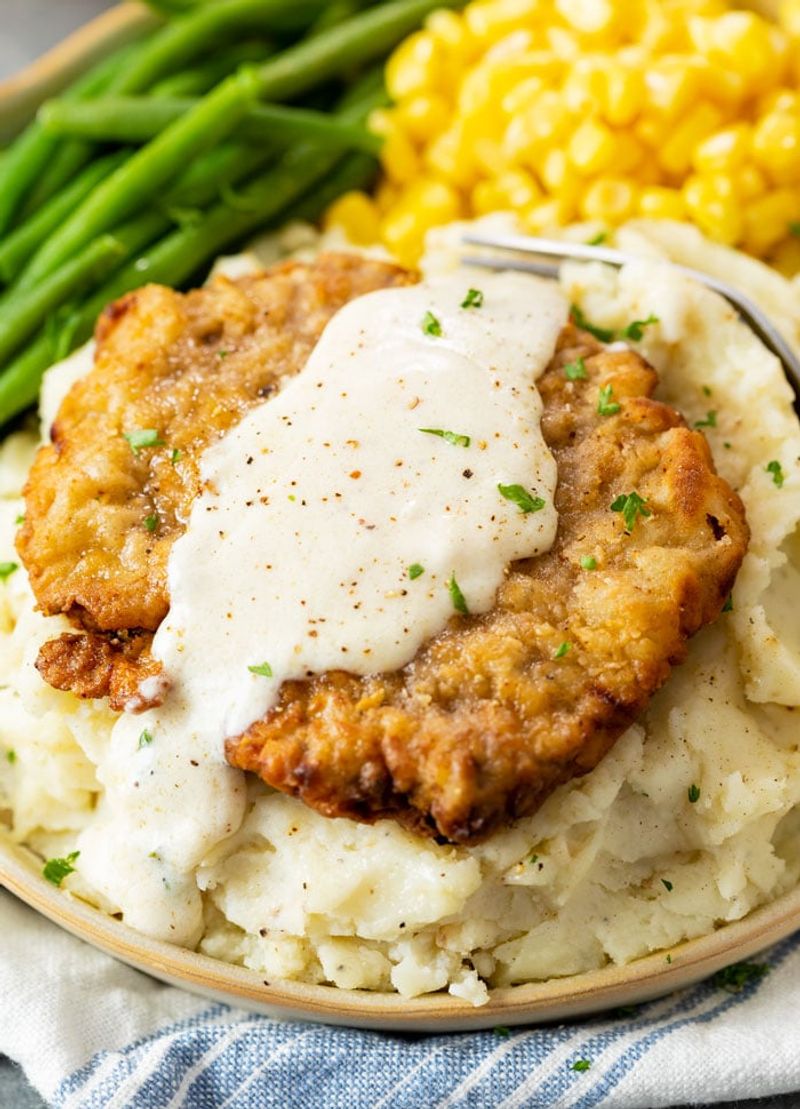
Despite the name, there is usually no chicken involved. A tenderized piece of beef gets a seasoned coating, a trip through hot oil, and a generous blanket of creamy gravy.
The dish remains a favorite in Southern restaurants and diners, so calling it gone would be misleading. It is simply less typical of many modern steakhouses.
When cooking it yourself, let the breaded meat rest briefly before frying to help the crust stay attached during cooking.
4. Salisbury Steak Platter: Gravy Takes Center Stage
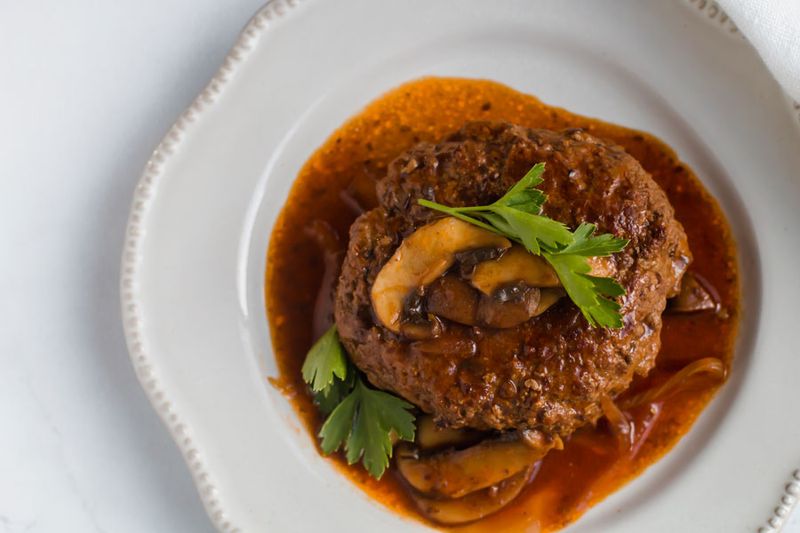
Brown gravy can turn a humble beef patty into a dinner worth remembering. Seasoned ground beef, often mixed with breadcrumbs and other ingredients, forms the base of this comforting platter.
It became familiar through restaurant meals, home cooking, and frozen dinners during the midcentury years. Mushroom sauce adds extra flavor without needing an expensive steak cut.
Serve a homemade version with mashed potatoes, and brown the patties first so the gravy catches those tasty pan bits.
5. Beef Kabobs: Steak on a Stick
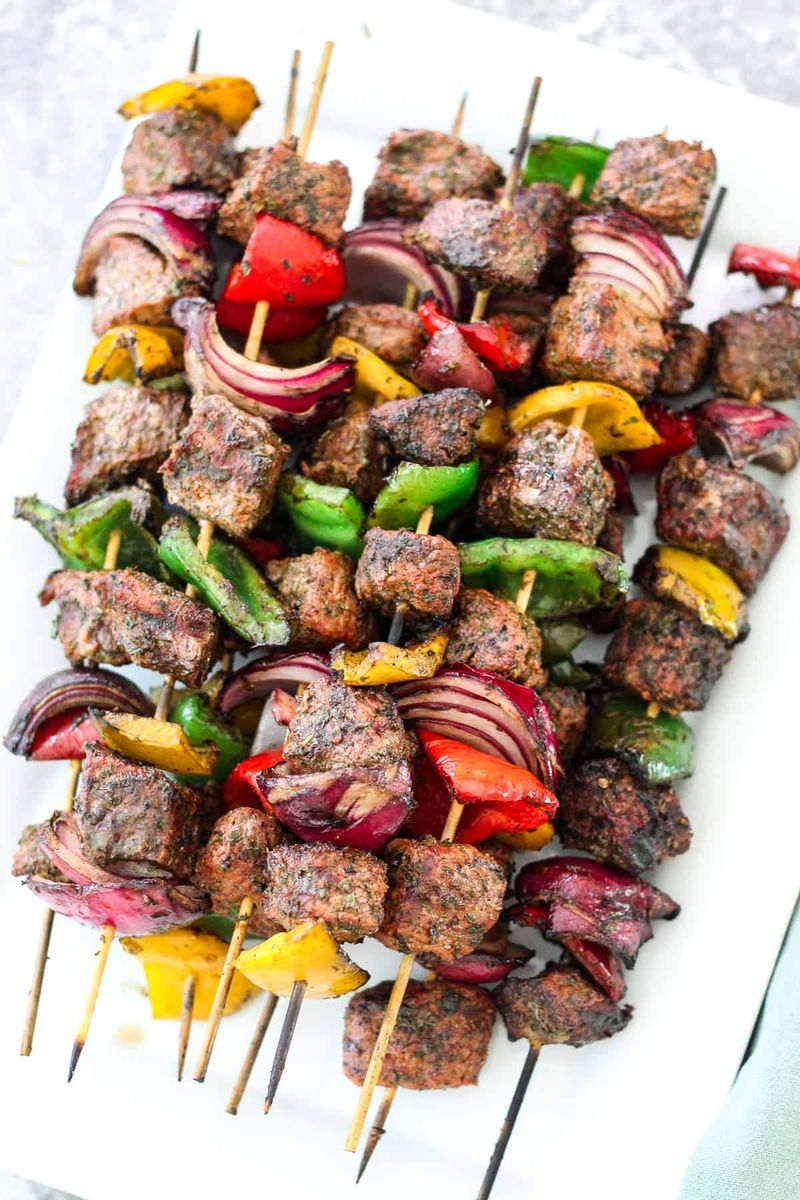
Colorful peppers and onions gave steak night a playful twist. Chunks of beef threaded onto skewers brought smoky edges, bright vegetables, and an easy way to serve smaller pieces of meat.
Kabobs appeared on some steakhouse menus in the 1970s, although they remain common in many other dining traditions. For better results at home, choose evenly sized beef pieces.
Cook vegetables on separate skewers when needed, since onions and peppers may soften at different cooking speeds.
6. Cube Steak: Little Dents, Big Savings
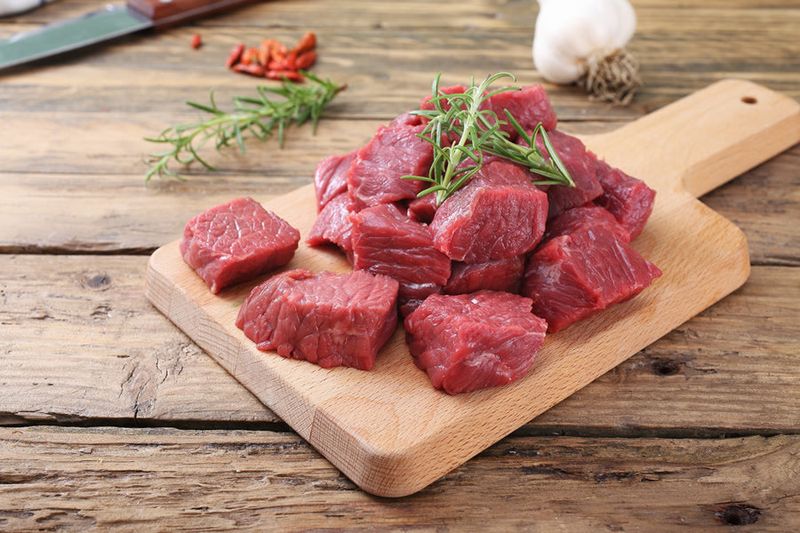
Those tiny dents are clues, not decoration. Mechanical tenderizing breaks up tough muscle fibers, turning an affordable beef cut into the familiar piece of meat called cube steak.
Older casual menus often treated it as a practical steak dinner, especially with onions or gravy. You can still find it at meat counters even when restaurants overlook it.
Avoid treating it like a thick ribeye: use a suitable quick cooking method or a gentle braise for tenderness.
7. Swiss Steak: Slow Cooking Wins
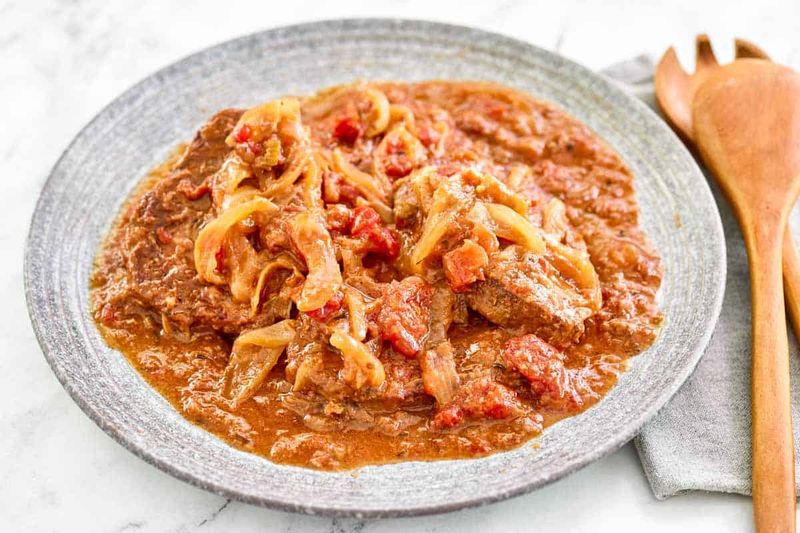
Patience does most of the work in this cozy beef dinner. Tough steak is tenderized, then slowly braised with a sauce often built from tomatoes, onions, and other vegetables.
The name refers to the tenderizing process rather than proving a Swiss origin. Familiar in midcentury home cooking and casual restaurants, it rewards anyone willing to wait.
Keep the heat low and the pan covered, then judge doneness by tenderness instead of watching the clock alone closely.
8. London Broil: The Slice Makes the Difference
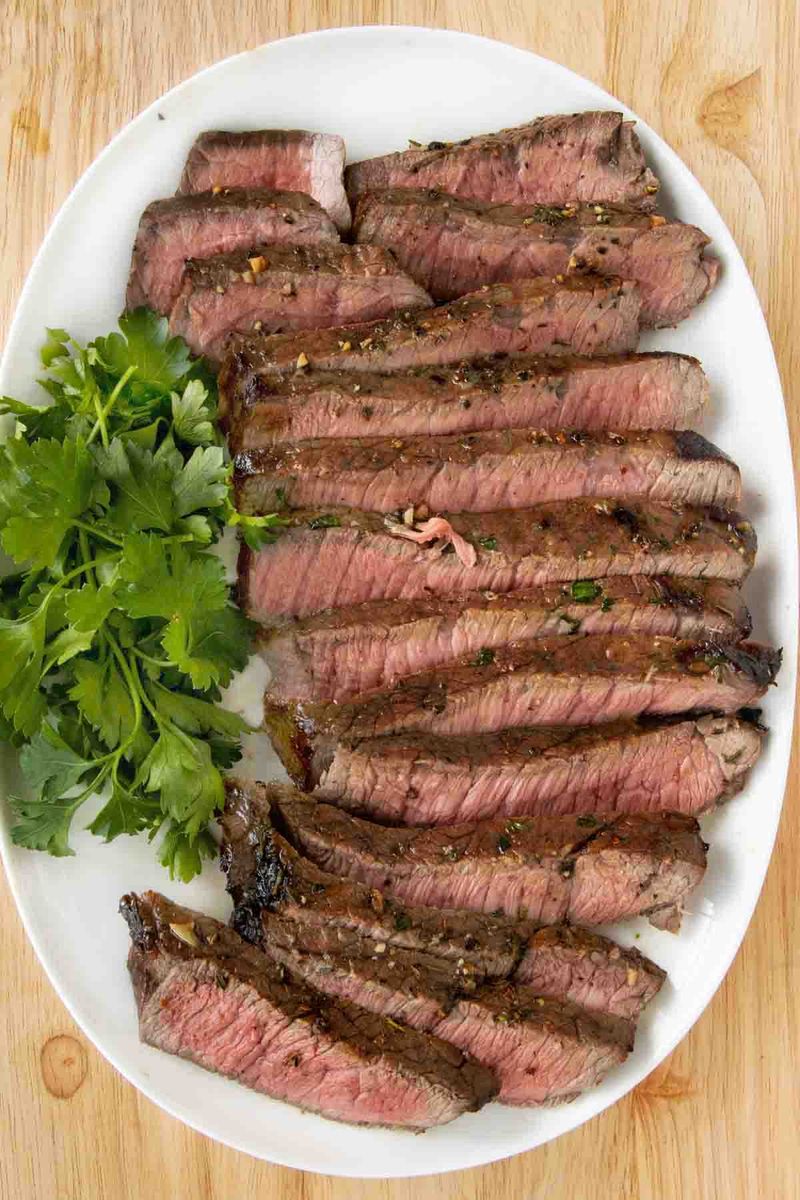
A sharp knife matters almost as much as the grill here. Traditionally, lean beef such as flank steak was marinated, broiled or grilled, and sliced thinly across the grain.
London broil describes a preparation, though stores also use the name for certain cuts. That can make shopping confusing, so ask which cut you are buying.
Let the cooked meat rest before slicing, and look for the direction of its fibers to avoid serving long, chewy strands.
9. Tournedos Rossini: A Truly Fancy Filet
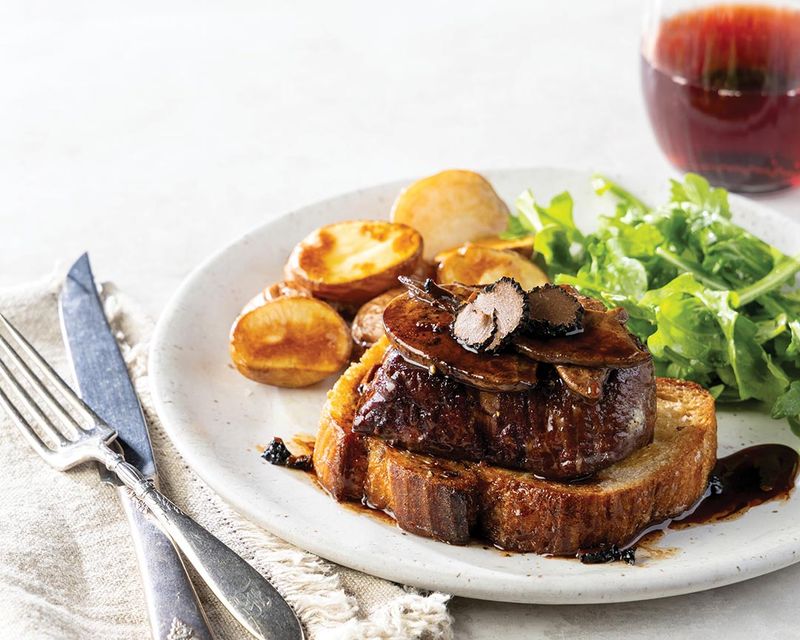
Few beef dishes dress up quite this much. A tender filet sits on a toasted bread base, topped with foie gras and finished with a rich Madeira sauce, sometimes with truffles.
Named for composer Gioacchino Rossini, it belongs to the grand style of classic restaurant cooking. Its costly ingredients help explain why it is not an everyday order.
Seek it at French restaurants, and expect a small portion whose richness matters more than its sheer size.
10. Steak Oscar: Surf and Turf in One Bite
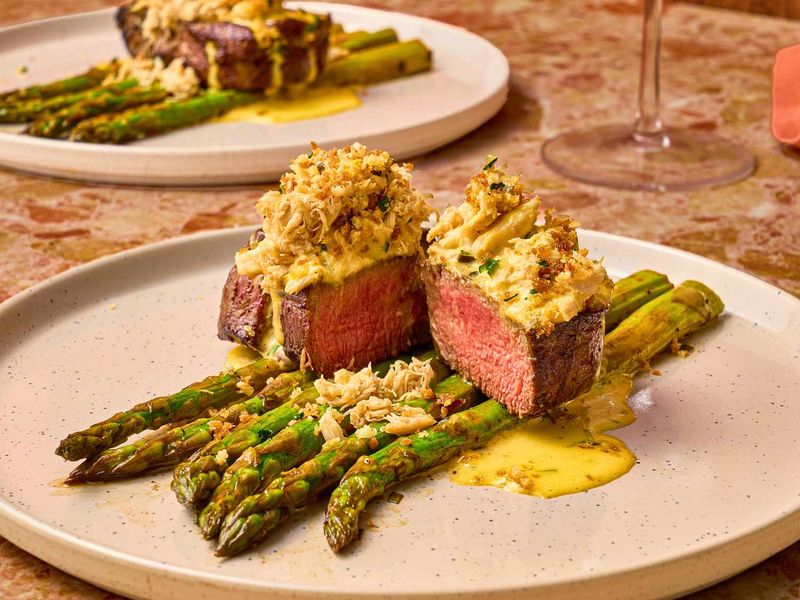
Crab, asparagus, and buttery sauce turn a steak into a celebration. The Oscar treatment usually tops beef with those extras, bringing seafood sweetness and a creamy finish to each bite.
Its name traces to an older veal dish associated with Sweden’s King Oscar II, not simply a steak invented for him. Some steakhouses still offer Oscar toppings today.
Ask whether the sauce is hollandaise or béarnaise, especially if you prefer a plain buttery flavor over herbs.
11. Minute Steak: Supper Without the Wait
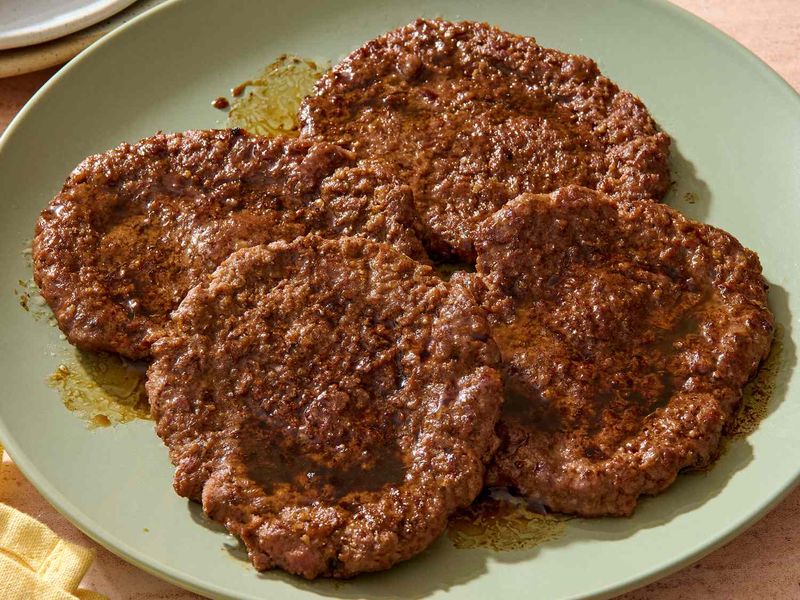
Speed was the selling point for this thin beef cut. A hot pan could produce dinner quickly, making it appealing for lunch counters, casual restaurants, and busy home cooks alike.
The name does not promise an exact cooking time, and the cut can vary. Thinness matters more than a fancy label.
Have your sides ready before the meat touches the skillet, because extra cooking can dry it out before you have even reached for your plate.
12. Delmonico Steak: A Famous Name With a Catch
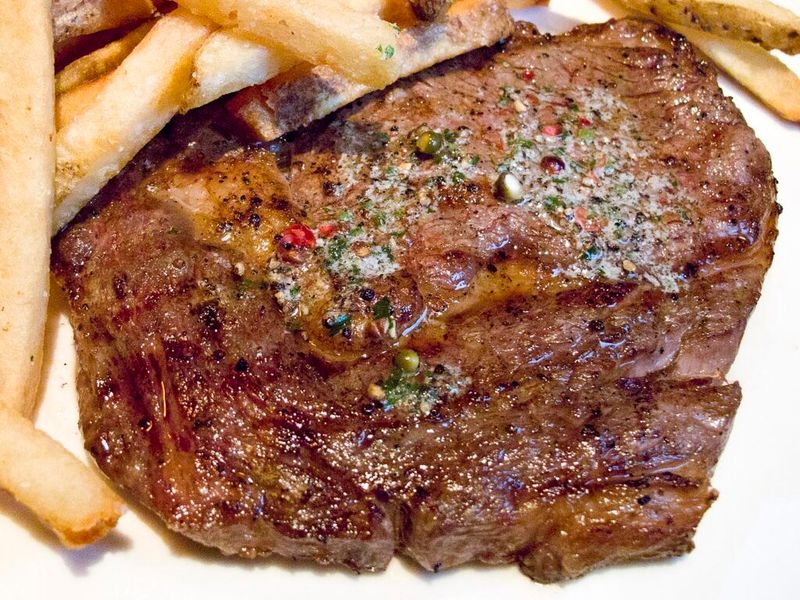
Ordering by a famous name does not always reveal the cut. Delmonico steak takes its identity from New York’s historic Delmonico’s restaurant, but its meaning has shifted across restaurants and decades.
Today, the label often points to a thick ribeye, although other cuts may carry it too. The name has not vanished entirely; its shared meaning is the slippery part.
Before paying a premium, ask your server which cut, thickness, and bone status the kitchen uses.
13. Chateaubriand: A Dinner Made for Sharing
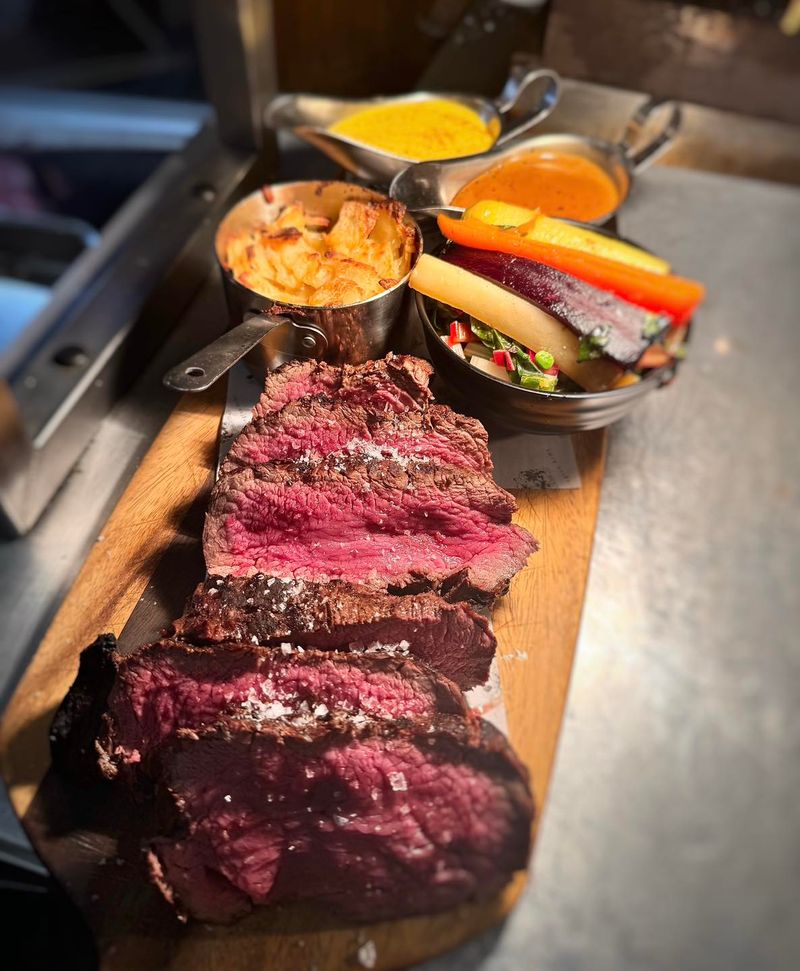
Sharing one beautiful roast once felt like the height of romance. A thick center portion of beef tenderloin, traditionally prepared for two, arrives with vegetables and a rich sauce such as béarnaise.
Chateaubriand still appears in some fine dining rooms, so it is better called uncommon than extinct. Its appeal lies in tender meat and careful service.
When ordering, agree on doneness with your dining partner first, since one shared piece limits how differently portions cook.
14. Beef Wellington: The Pastry-Wrapped Showstopper
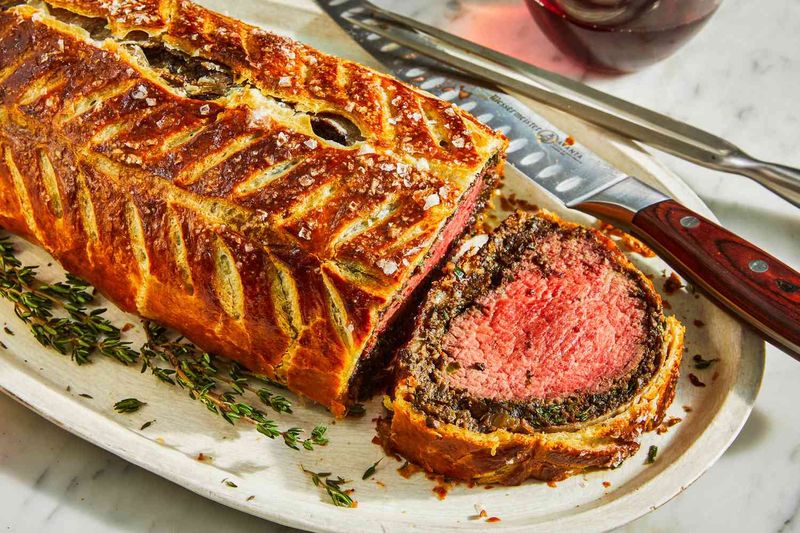
Cutting through golden pastry reveals the surprise inside: tender beef wrapped with a savory mushroom mixture. Many traditional versions also include pâté, adding another layer beneath the crisp outer shell.
Associated with British cooking, Wellington remains a restaurant showpiece rather than a lost recipe. It demands careful timing, which makes it less practical for everyday steakhouse service.
If trying it at home, cool the mushroom filling and remove excess moisture to keep the pastry from softening.