
Kindness should make you feel respected, not trapped or in debt. Sometimes, a person who seems caring uses favors, sweet words, or guilt to get their way.
Being shy or insecure does not make someone dangerous, but repeated pressure and disrespect deserve attention.
Watch how someone handles your boundaries, especially when you say no.
1. Favors That Come With a Hidden Bill

A ride home or a thoughtful gift should not become a debt you never agreed to owe. Watch for someone who later lists every favor as proof that you must give him attention, loyalty, or a date.
Real generosity leaves you free to choose. Thank him if you wish, but name the boundary clearly: accepting help does not promise a relationship.
If he keeps collecting emotional payments, step back and reconsider accepting favors from him.
2. Anger When You Say No

The sweetest smile can disappear fast after a rejected invitation. Disappointment is normal, but insults, angry messages, or claims that you led him on show trouble handling your right to choose.
Pay more attention to his response than his earlier charm. You do not need to explain your refusal until he approves it.
If his anger becomes threatening, stop arguing, save relevant messages, and reach out to someone you trust for support and safety planning.
3. Agreeing With Everything While Hiding the Truth

Perfect agreement can feel flattering until his story keeps changing. Someone who copies your opinions, hides important facts, or tells different people different stories may care more about looking good than being honest.
Changing an opinion is not automatically a lie, so ask calm questions before drawing conclusions. Look for clear answers and steady behavior over time.
Trust needs room for respectful disagreement, not a performance where you never learn who the other person is.
4. Saying Yes, Then Making You Pay for It

Imagine asking for a small favor, hearing an eager yes, then getting blamed for ruining his day. Trouble setting limits can become harmful when someone treats choices he freely made as your responsibility.
Encourage honest answers, including no, and avoid guessing what he secretly wants. His discomfort alone is not a warning of abuse.
The alarm is a repeated pattern of agreeing, building resentment, and using guilt instead of speaking openly about his own needs.
5. Punishment Hidden Behind a Polite Smile

Everything is supposedly fine, yet he keeps making sharp jokes or ignoring plans after a disagreement. Indirect punishment can leave you guessing what went wrong and working harder to win back basic warmth.
A cooling period is different when someone explains it and returns to talk. Ask for direct, respectful communication rather than chasing clues.
If he repeatedly uses silence, sarcasm, or broken promises to teach you a lesson, take that pattern seriously and firmly.
6. Playing the Hero Who Never Gets Enough Credit

Every story ends with him sacrificing everything while everyone else acts selfishly. A rough past deserves care, but constant martyr stories can pressure you to excuse hurtful behavior or provide endless thanks.
Listen with kindness without accepting blame for problems you did not cause. Notice whether he can name his own mistakes and work toward solutions.
When sympathy becomes a tool to silence your concerns, the conversation stops being fair to either person involved here.
7. Calling Control a Form of Care

Concern should not require handing over your passwords or getting permission to see friends. A partner may dress up rules as protection, claiming he only checks your location because he cares so much.
Healthy support offers choices instead of taking them away. Keep control of your accounts, plans, clothing, and friendships.
If saying no leads to threats or monitoring, seek trusted support and consider a safety plan rather than trying to prove you deserve privacy.
8. Turning Reassurance Into Your Full-Time Job

A little reassurance is part of caring for someone. The strain begins when every delayed reply triggers accusations, repeated tests of your feelings, or demands that you prove your affection again.
Insecurity deserves compassion, but you cannot manage another person’s confidence around the clock. Offer reasonable support and state when you are unavailable.
A healthy partner works on his worries without making you responsible for preventing every uncomfortable feeling he might have throughout the day.
9. Flooding You With Attention Before Trust Exists
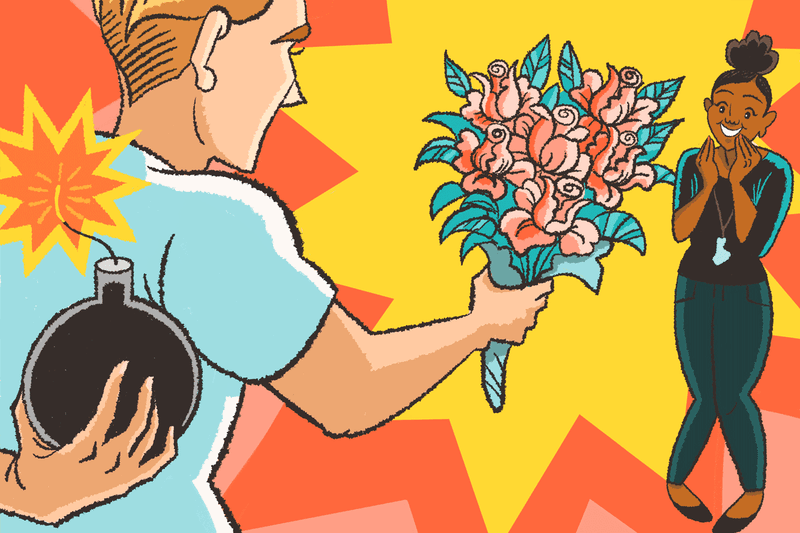
Flowers, nonstop messages, and huge promises can feel like a movie romance. They become concerning when the attention overwhelms you, demands quick commitment, or turns cold as soon as you ask to slow down.
Enjoy affection at a pace that feels comfortable, and keep your usual routines. Grand gestures alone do not prove manipulation.
The useful test is whether he respects your limits without sulking, arguing, or making you feel guilty for needing more time.
10. Expecting You to Be Available Every Minute

Fast replies are not a problem by themselves. Trouble starts when he drops his plans for you, then expects the same sacrifice and treats your work, hobbies, or friendships as rejection.
Separate lives help relationships breathe. Explain your normal schedule and keep time for activities that matter to you.
He can choose to be available, but that choice does not create a matching duty for you or justify anger when you need some personal space.
11. Treating Intimacy as a Thank-You Gift

Dinner is not a down payment on a kiss, sex, or another date. Any suggestion that you owe physical affection because he paid, helped, or waited patiently crosses a clear boundary.
Consent must be freely given, and you can change your mind at any time. State your limit without bargaining over what he spent.
If pressure continues, leave when safe and contact someone you trust; you never need to earn permission to refuse unwanted intimacy.
12. Dodging Responsibility With Excuses

Some apologies somehow leave you comforting the person who hurt you. He may blame stress, your tone, or his past instead of naming what he did and taking steps to repair it.
Everyone gets defensive sometimes, so look for what happens next. A useful apology includes responsibility, respect for your feelings, and changed behavior.
You can understand his struggles without accepting repeated harm or doing all the work needed to make things better between you.
13. Advertising His Goodness Instead of Showing It

A good character does not need a constant sales pitch. Repeated claims that he is different from other men mean little if he dismisses your feelings or breaks promises when nobody is watching.
Self praise alone is not proof of bad intentions. Compare his words with everyday actions, especially during disappointment.
Someone who uses his nice guy label to shut down criticism is asking you to trust a slogan instead of your own lived experience.
14. Bottling Up Feelings Until They Spill Onto You

Quiet does not always mean calm. When someone insists he never gets upset but later snaps, lashes out, or blames you for hidden feelings, honest conversation becomes hard to trust.
Having trouble naming emotions is common and can improve with practice or counseling. What matters is taking responsibility for how those emotions come out.
Encourage direct words and breaks during tense moments, but do not accept intimidation as the price of helping him open up.
15. Needing to Be Your Rescuer

Help feels different when it comes with the message that you cannot manage without him. A person who keeps choosing your solutions, speaking for you, or ignoring your strengths may be building dependence rather than offering support.
Accept assistance that matches what you actually asked for. Keep trusted connections and practice making your own decisions.
Caring partners celebrate growing confidence; they do not need you to stay helpless so they can keep feeling useful forever.
16. Pushing for a Deep Bond Before You Are Ready

By the second date, he is planning your future and asking for your deepest secrets. Early excitement can be genuine, but pressure to share, commit, or become his entire world deserves a pause.
Trust grows through steady experiences, not forced closeness. Share personal details when you feel ready and watch how he handles a slower pace.
Respectful interest leaves room for uncertainty, separate friendships, and getting to know each other without demanding instant emotional access.
17. Using Flattery to Talk Past Your Boundaries

Compliments lose their sparkle when they appear right after you say no. Calling you amazing, special, or perfect can become a distraction if he uses praise to keep pushing the same unwanted request.
Frequent compliments are not automatically suspicious, and some people are simply expressive. Notice their timing and purpose.
Genuine praise does not cancel your decision. Bring the conversation back to your boundary instead of debating whether his sweet words sound sincere to you.
18. Apologizing Until You Must Comfort Him

One mistake turns into a long speech about how terrible he is. Before you can explain your hurt, you are reassuring him, and the original problem quietly disappears from the conversation.
Frequent apologies can reflect anxiety rather than manipulation, so avoid guessing his motives. Still, you can redirect the discussion toward repair.
Ask what he will do differently, and remember that caring about his feelings does not require dropping your own concern or offering forgiveness.
19. Withholding Affection to Get His Way

Warmth should not operate like a reward card for obedience. If affection disappears whenever you disagree, see friends, or make an independent choice, you may start changing yourself just to keep the peace.
Everyone sometimes needs space, but a stated break differs from using distance to force compliance. Name the pattern and watch for lasting change.
If you feel frightened, isolated, or controlled, reach out to trusted people or a local relationship abuse support service.