
Your kitchen might be hiding some surprises you really don’t want to eat. Knowing how to spot bad food before it ends up on your plate can protect you and your family from getting seriously sick.
Food poisoning affects millions of people every year, and many cases happen simply because someone missed an obvious warning sign. Learning these clues is one of the smartest things you can do for your health.
1. An Unusual or Sour Smell
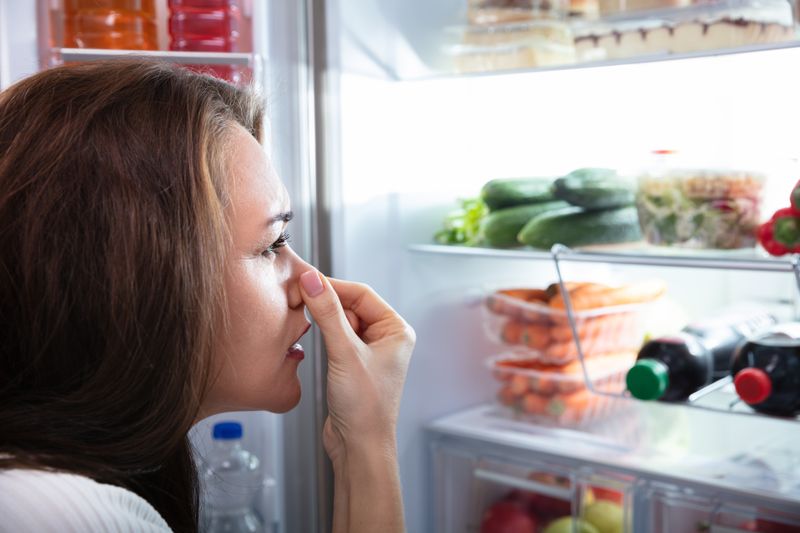
Your nose knows before your eyes do. If food smells sour, rotten, or just “off” in any way, that odor is your body’s built-in alarm system telling you to back away.
Bacteria and mold release gases as they break down food, and those gases are exactly what creates that unpleasant smell.
Trust your instincts here. Even if the expiration date looks fine, a bad smell means the food has gone bad.
Toss it without hesitation.
2. Visible Mold Growth
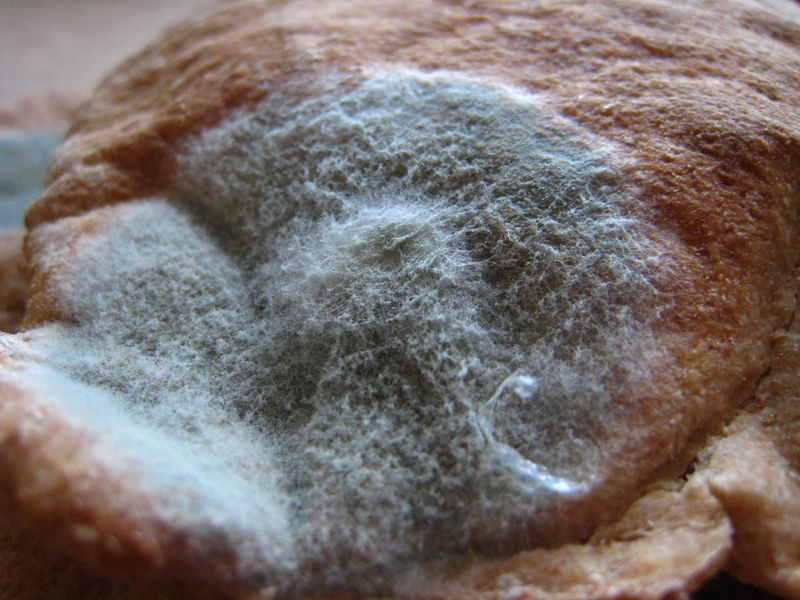
Spotting fuzzy green, black, or white patches on food is one of the clearest signs that something has gone very wrong. Mold is a living organism, and what you see on the surface is just the tip of the iceberg.
Its roots, called hyphae, can reach deep into soft foods like bread, fruit, and cheese.
Cutting off the moldy part is not always safe. Soft foods with mold should be thrown out completely to avoid hidden contamination.
3. Slimy or Sticky Texture
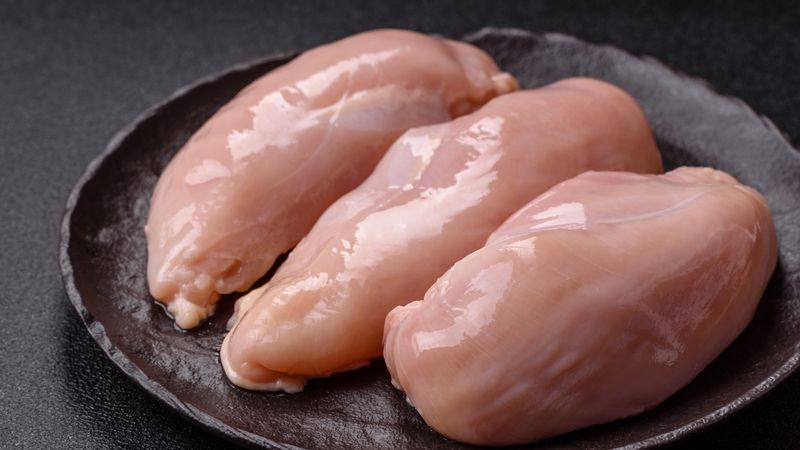
Fresh meat should feel firm and slightly moist, never slippery or sticky. A slimy coating on chicken, beef, or fish is a major red flag that bacteria have been multiplying on the surface.
This film is actually a byproduct of bacterial activity and signals serious spoilage.
No amount of cooking can fully fix meat that has reached this stage. The safest move is to throw it away immediately and wash your hands and any surfaces it touched.
4. Discoloration or Strange Color Changes
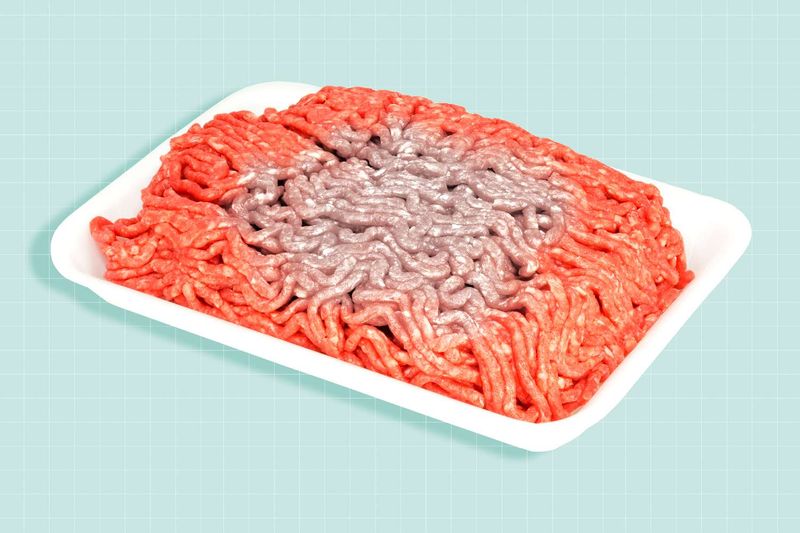
Color tells a powerful story about freshness. Ground beef that has turned gray or brown, chicken that looks greenish, or fish with a yellowish tint are all waving a big red flag at you.
While some color changes happen naturally from oxygen exposure, widespread or uneven discoloration often signals bacterial growth.
Always compare the food’s color to what it normally looks like when fresh. When the difference is obvious and paired with other warning signs, don’t risk it.
5. Bloated or Bulging Packaging
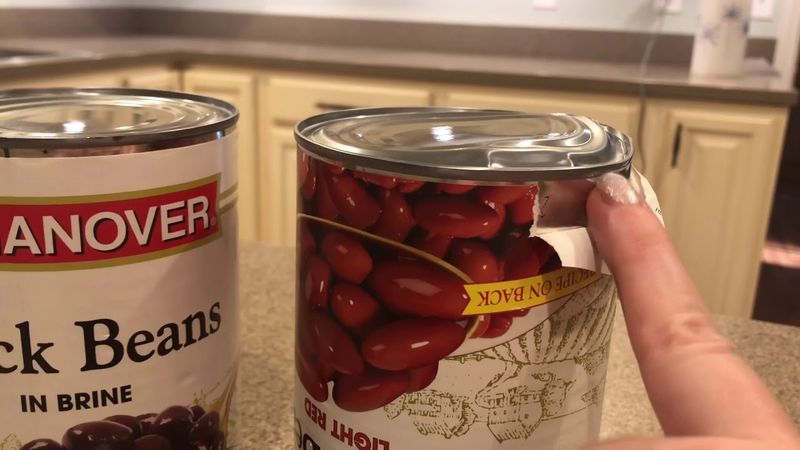
A can or sealed package that looks puffed up should never be opened or eaten. That bloating happens when bacteria inside the container produce gases, which is a classic sign of dangerous contamination.
Botulism, one of the most serious foodborne illnesses, is commonly linked to bulging canned goods.
Even if the product smells fine after opening, the risk is not worth taking. Bulging cans should go straight into the trash, handled carefully to avoid any leaks.
6. Crystals or Ice Chunks Inside Frozen Food
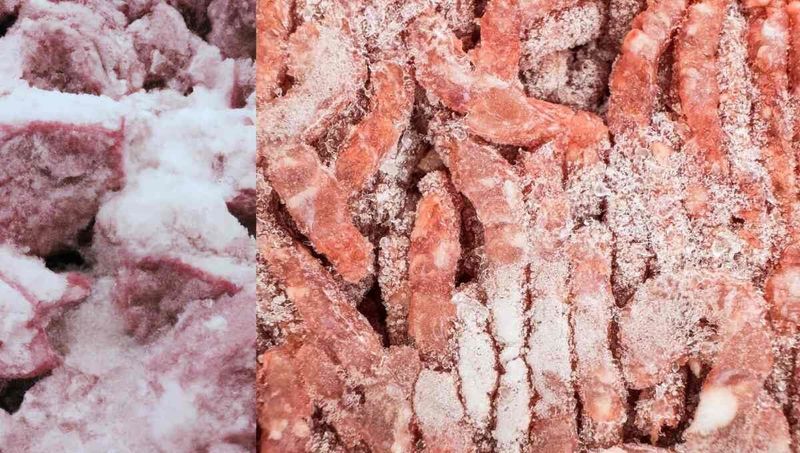
Freezer burn is something most people have seen but few take seriously. Those large ice crystals or white, dried-out patches inside frozen food mean the item has been exposed to air and has lost moisture.
While freezer-burned food is usually safe to eat, the quality drops significantly, often leaving a tough, flavorless texture.
More importantly, heavy ice buildup can sometimes mean the food thawed and refroze, which can encourage bacterial growth. Check for other spoilage signs before eating it.
7. Expiration Date Has Passed
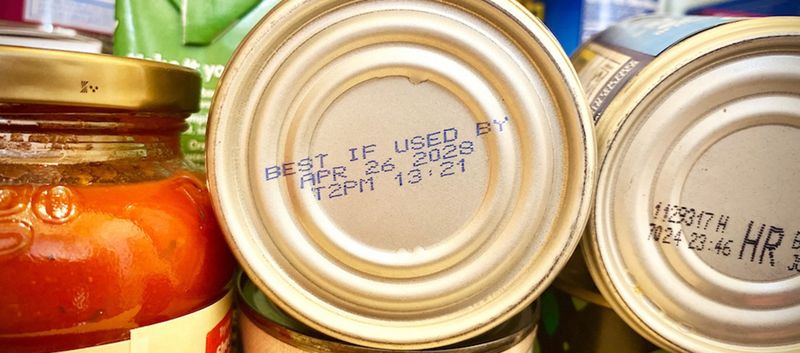
Expiration dates exist for a reason, and skipping past them is a gamble with your health. “Use by” dates are especially serious because they indicate the last day a manufacturer guarantees the product is safe to eat. “Best by” dates are more about quality, but even those deserve attention.
Dairy, meat, and prepared foods spoil fastest. When in doubt, check the date first before anything else.
A few saved dollars are never worth a trip to the doctor.
8. Liquid Leaking From Packaging
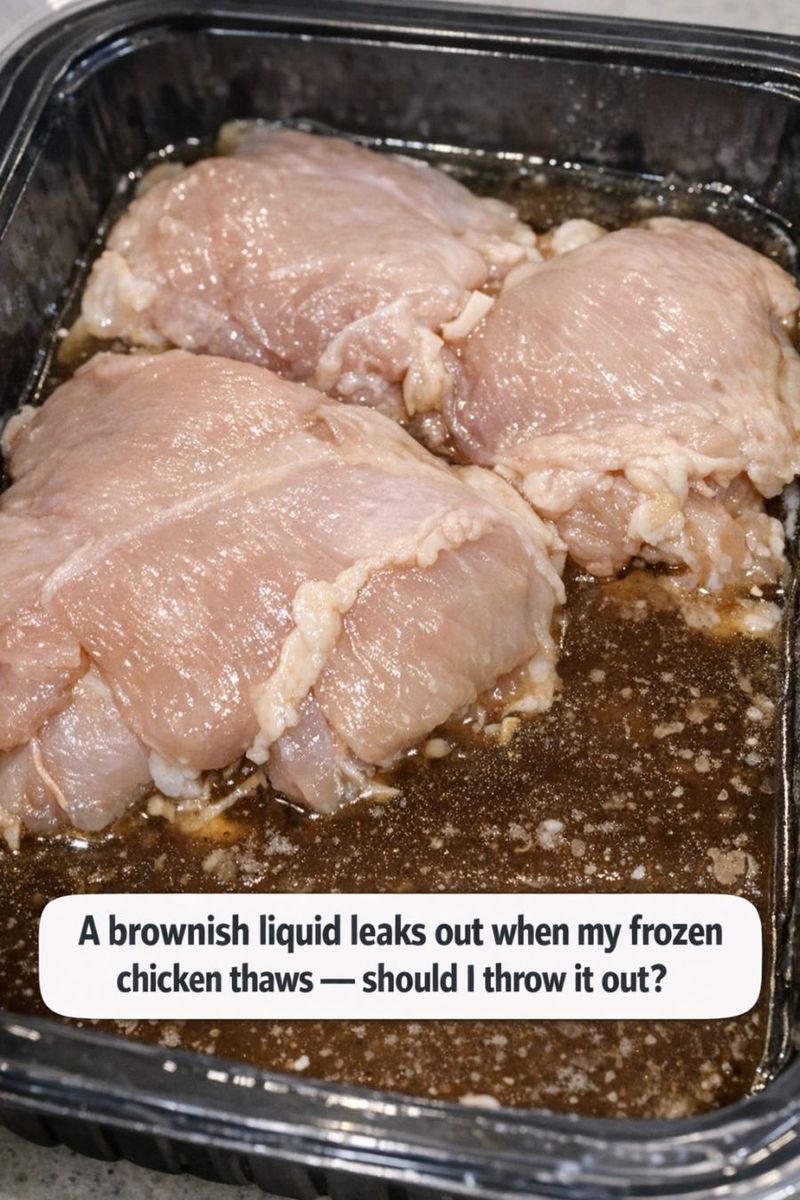
Liquid pooling at the bottom of a meat package or leaking from a sealed container is a sign you should take seriously. Some liquid in meat packaging is normal, but excessive amounts, especially if it looks cloudy or has a strange color, often point to spoilage.
Bacteria thrive in that liquid environment.
Beyond the safety concern, leaking packages can also cross-contaminate other foods in your fridge or grocery bag. Always handle them carefully and keep them separate from fresh produce.
9. Odd or Bitter Taste

Your taste buds are excellent detectors of trouble. If a bite of food delivers a sharp, bitter, or just plain wrong flavor that doesn’t match what you expected, stop eating immediately and spit it out.
Spoiled fats and oils often develop a rancid bitterness that’s hard to miss.
Some toxins produced by bacteria don’t have a smell or visible sign, but they can still produce an off taste. Never force yourself to finish food that tastes wrong, even if it looks fine.
10. Dented or Damaged Cans
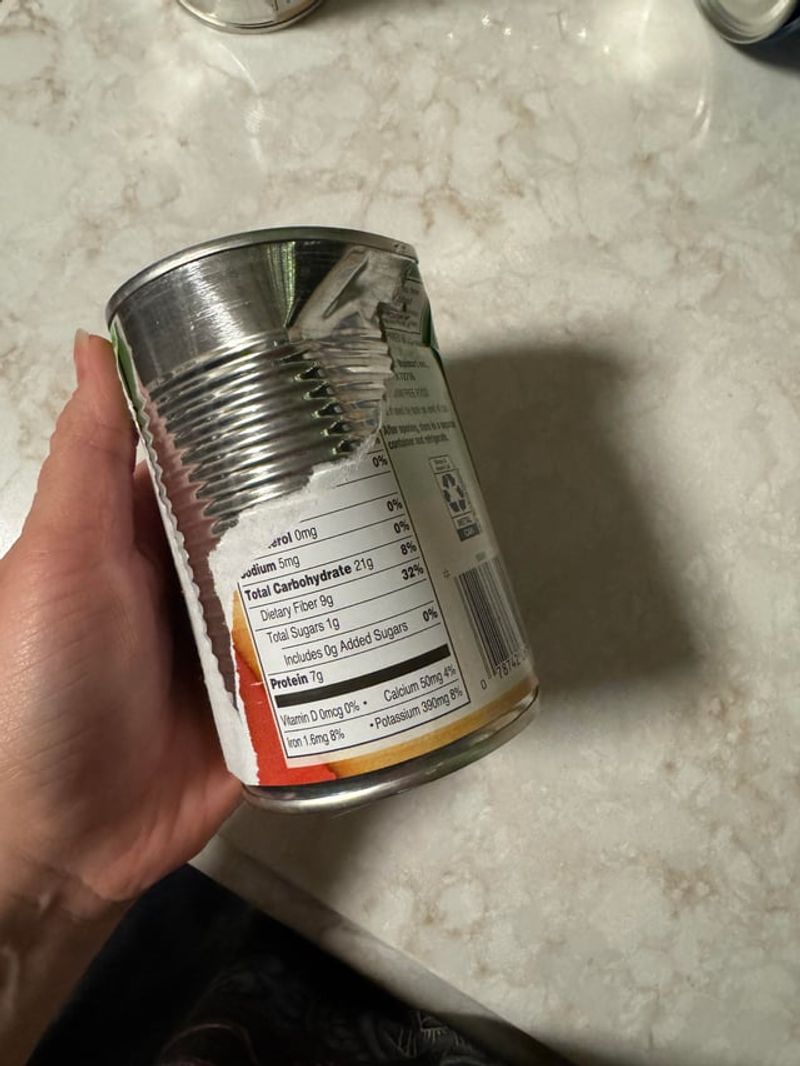
Not all dented cans are dangerous, but dents along the seam or lid are a completely different story. Those areas are the can’s structural weak points, and damage there can break the airtight seal, allowing bacteria to enter and contaminate the food inside.
Sharp dents are particularly risky.
Stores sometimes discount dented cans, which can be tempting. However, a can with seam damage is better left on the shelf.
The small savings are simply not worth the health risk.
11. Separation or Curdling in Dairy Products
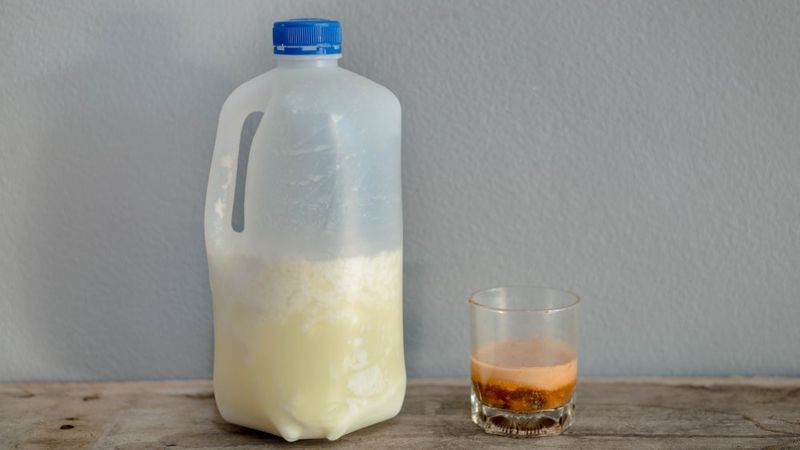
Fresh milk should be smooth and uniform, not chunky or separated. When milk, yogurt, or cream shows visible curdling, clumping, or watery separation that wasn’t there before, bacterial activity has likely already begun breaking down the proteins.
Curdled dairy can cause stomach upset and worse if consumed.
Separation in some products like yogurt is normal and can be stirred back in. But if the smell is sour and the texture is chunky, that dairy has crossed the line into unsafe territory.
12. Insects or Pest Activity Inside Packaging
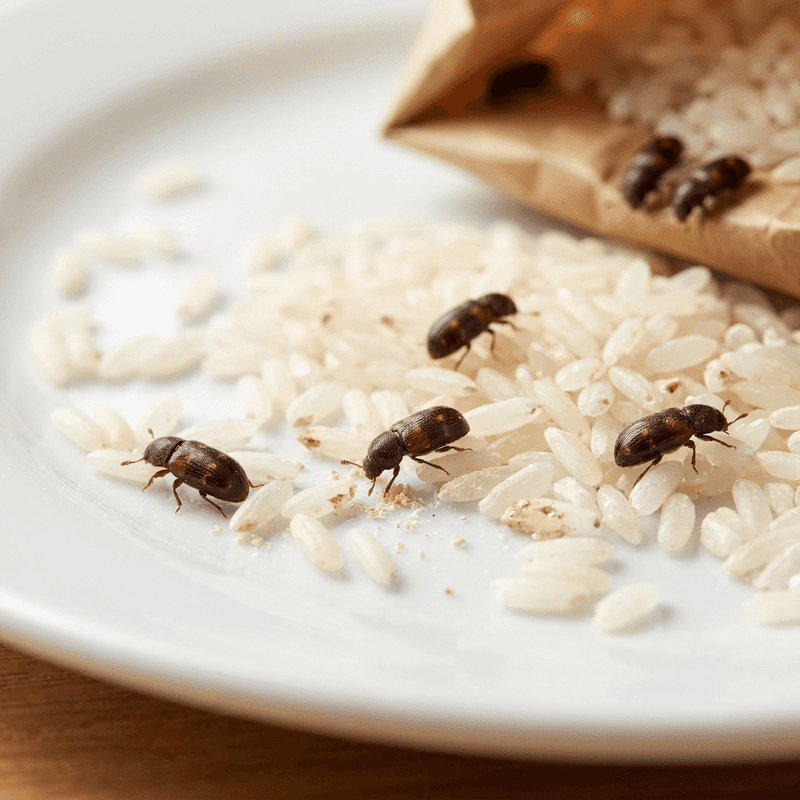
Opening a bag of flour or rice to find tiny bugs crawling around is every home cook’s nightmare. Weevils, pantry moths, and other pests can get into dry goods through microscopic holes or even through the packaging itself before you buy it.
Their presence means the food is contaminated.
Consuming food with insect activity can introduce allergens and bacteria into your body. Always inspect dry goods before storing them, and use airtight containers to keep pests out going forward.
13. Produce That Is Mushy or Shriveled
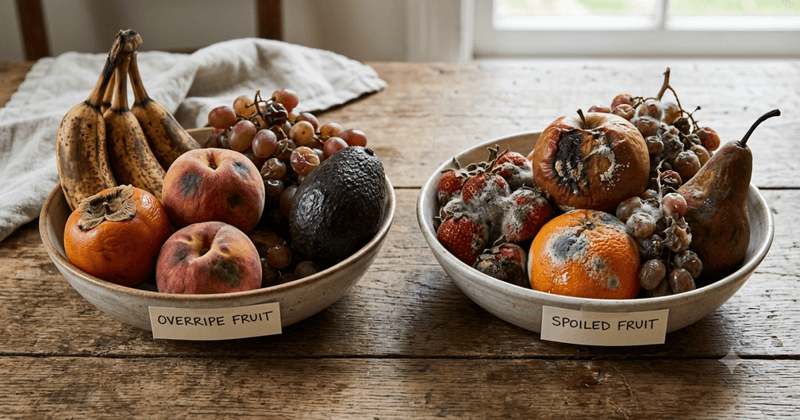
Fresh fruits and vegetables should feel firm and look vibrant. When produce turns mushy, wrinkled, or develops dark sunken spots, it’s breaking down rapidly.
Mushiness in berries or tomatoes often signals yeast and bacterial fermentation happening just below the surface, which can spread quickly to nearby produce.
Shriveled vegetables have lost most of their nutritional value as well. While some items like slightly soft apples can still be used in cooking, anything with mold or a foul smell should be tossed right away.
14. Rust on Canned Goods
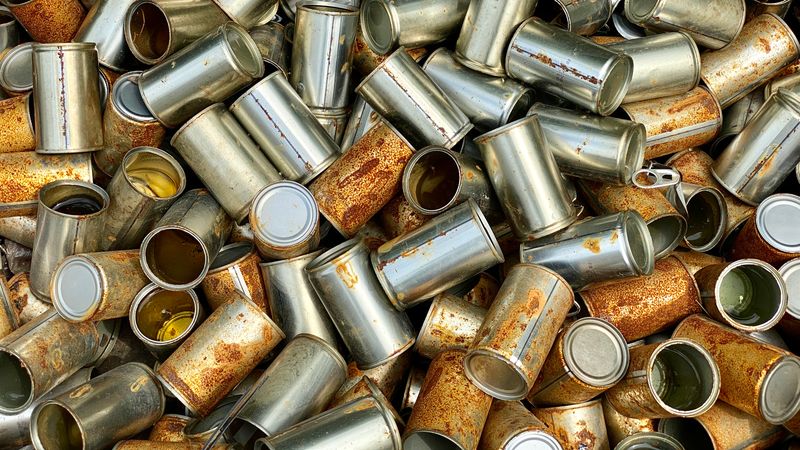
A rusty can is more than just an eyesore. Rust can create tiny holes or weaken the can’s metal walls, breaking the seal that keeps bacteria out.
Once that barrier is compromised, contaminants can enter and make the food inside unsafe to eat. Surface rust that wipes off easily is less concerning, but deep or widespread rust is a serious warning.
When shopping or organizing your pantry, inspect cans closely. A can that looks heavily rusted deserves to be replaced, not used.
15. Food Left Out Too Long at Room Temperature
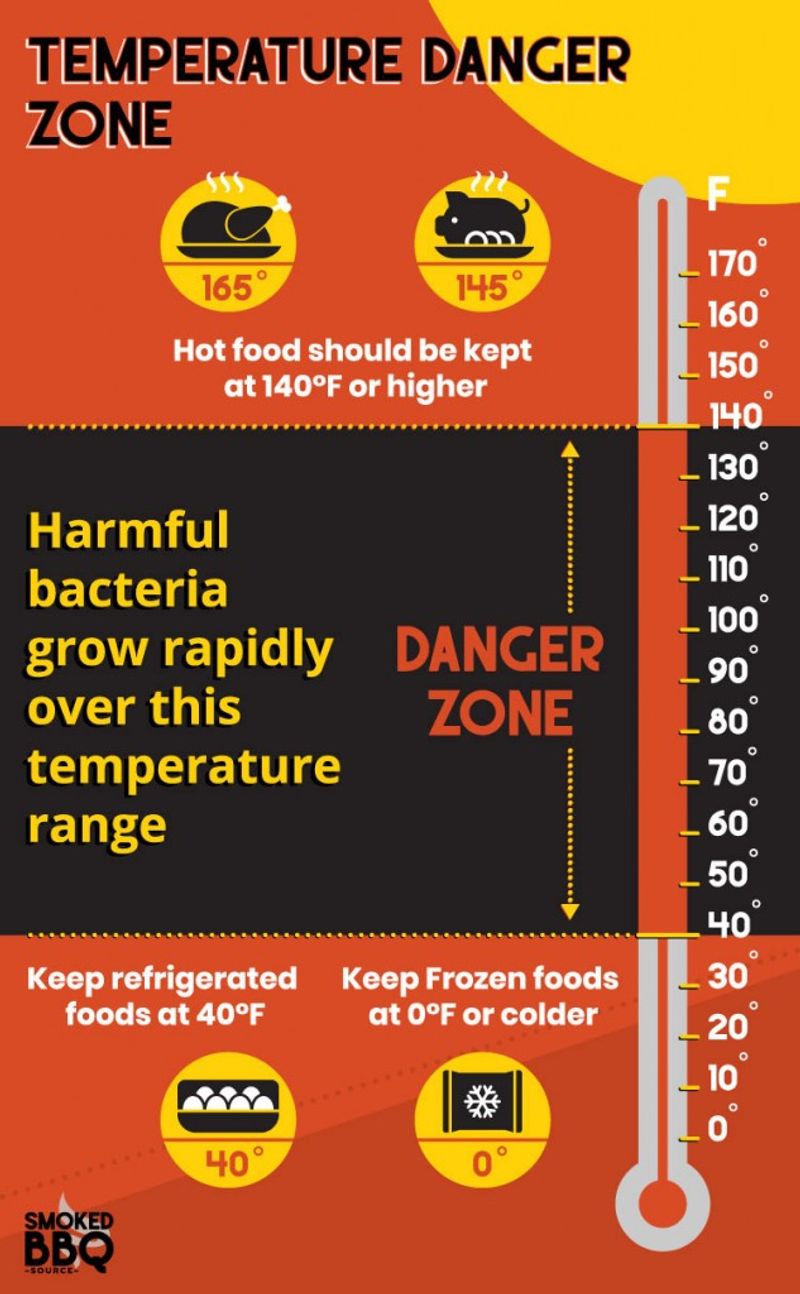
The two-hour rule is one of the most important food safety guidelines you can follow. Bacteria multiply at an alarming rate when food sits between 40 degrees and 140 degrees Fahrenheit, a range food safety experts call the “danger zone.” Cooked food, dairy, and cut produce left out longer than two hours should be thrown away.
On hot days above 90 degrees, that window shrinks to just one hour. When you are unsure how long something has been sitting out, the safest answer is always to toss it.