
Some movies leave you speechless the moment the credits roll, but the thought of watching them again feels almost impossible. These are films that are truly excellent, powerful, and unforgettable, yet so emotionally heavy or disturbing that once is usually enough.
Whether it is crushing sadness, graphic violence, or themes that hit way too close to home, these films earn their place in cinema history while also earning a permanent spot on your “never again” list.
1. Requiem for a Dream (2000)
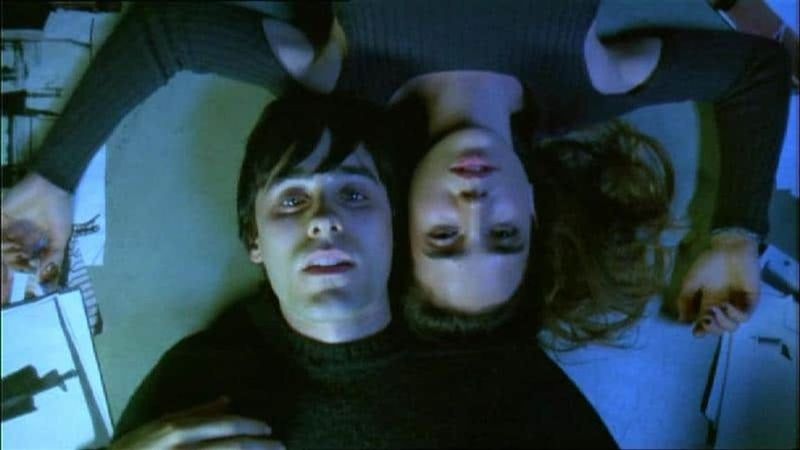
Few films destroy your hope as efficiently as Darren Aronofsky’s 2000 masterpiece. Following four characters spiraling into addiction, the movie never lets you look away from the wreckage.
Every scene feels like a punch to the stomach.
Ellen Burstyn’s performance as a lonely widow addicted to diet pills is heartbreaking and Oscar-worthy. The film is technically brilliant, using split screens and rapid editing to mirror the chaos of addiction.
Watching it once is more than enough for most people.
2. Grave of the Fireflies (1988)
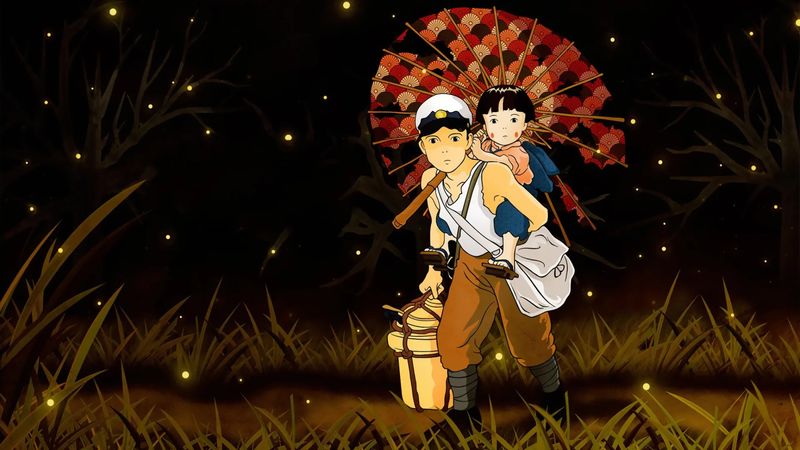
Studio Ghibli is known for magical stories, but this one is nothing like Totoro. Directed by Isao Takahata, it follows two orphaned siblings trying to survive in Japan during the final weeks of World War II.
The fireflies in the title are not just insects, they are a symbol of brief, fragile life.
Roger Ebert called it one of the greatest war films ever made. Most viewers admit they sobbed through the entire second half and refuse to revisit it.
3. Schindler’s List (1993)
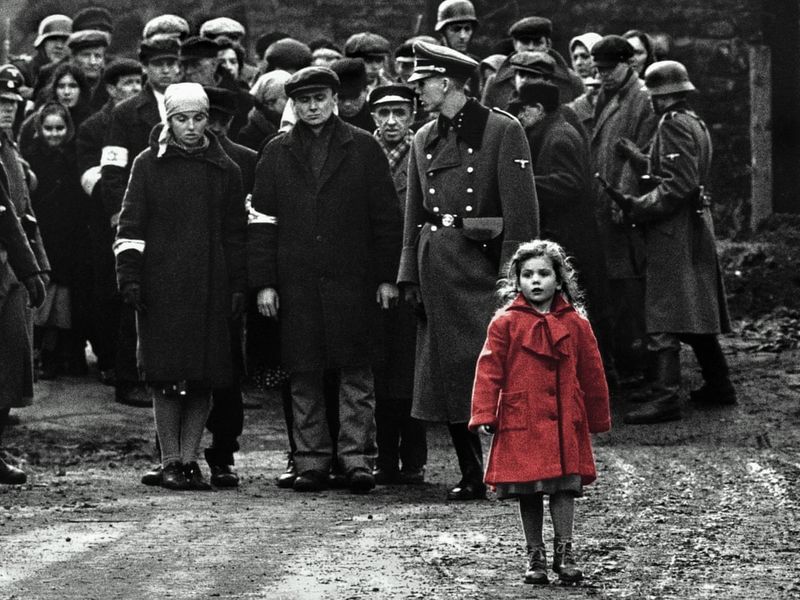
Steven Spielberg made this film in black and white on purpose, and the choice hits harder than color ever could. Based on a true story, it follows Oskar Schindler, a German businessman who saved over a thousand Jewish lives during the Holocaust.
The famous red coat scene is one of cinema’s most haunting images.
Winning seven Academy Awards including Best Picture, this film is considered essential viewing. Still, its raw depiction of genocide makes rewatching feel almost disrespectful to the weight of the subject.
4. 12 Years a Slave (2013)
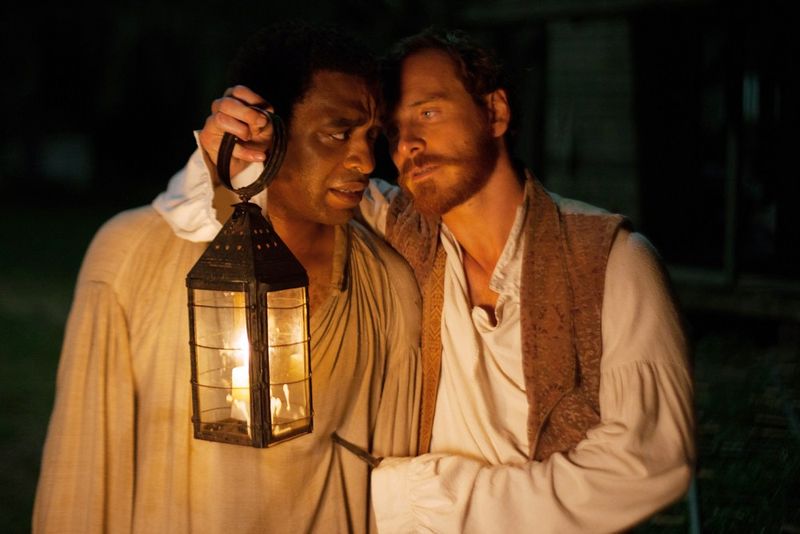
Based on the true memoir of Solomon Northup, this film does not soften a single moment. Director Steve McQueen forces viewers to sit with scenes of brutality long enough to feel genuinely uncomfortable, which is exactly the point.
Chiwetel Ejiofor delivers one of the most powerful performances in film history.
Winning Best Picture at the 2014 Oscars, the film is a vital piece of storytelling about American slavery. Most people agree it must be seen, but watching it twice takes a kind of emotional courage most do not have.
5. Martyrs (2008)

French horror rarely plays by the rules, and Martyrs is the ultimate proof of that. Directed by Pascal Laugier, the film starts as a revenge story and then transforms into something far darker and more philosophical.
By the final act, many viewers are left staring at the screen in stunned silence.
Critics debate whether it is art or torture, and honestly, it might be both. The film asks brutal questions about suffering and transcendence.
Once seen, the images stay with you permanently, which is exactly why most people never press play again.
6. Manchester by the Sea (2016)
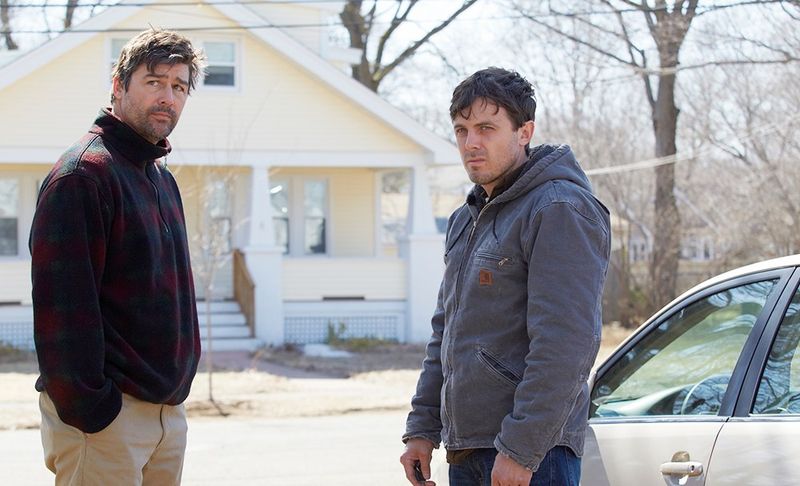
Casey Affleck plays Lee Chandler, a man carrying grief so heavy it has essentially shut him down as a human being. Writer-director Kenneth Lonergan captures how some tragedies do not get resolved, they just get carried.
There is no tidy redemption arc here, and that is what makes it so real.
The film won two Academy Awards, including Best Original Screenplay. Viewers frequently describe it as beautiful and devastating in equal measure.
Revisiting it means reliving a particular kind of quiet pain that most people prefer to experience only once.
7. Joker (2019)
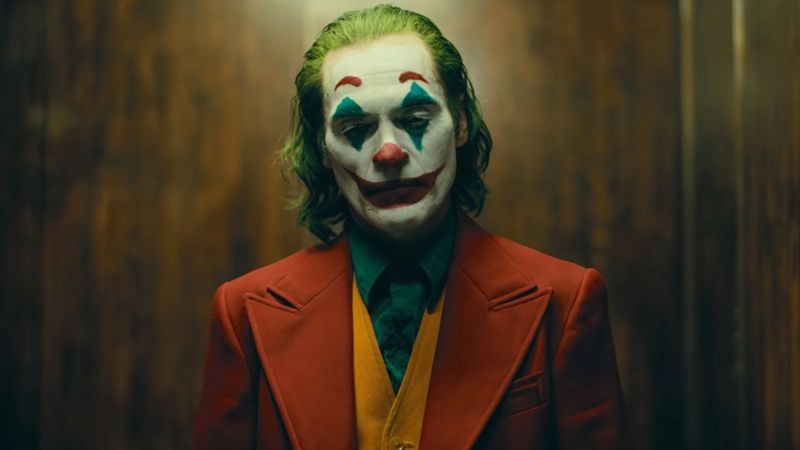
Joaquin Phoenix lost 52 pounds for this role, and that level of commitment shows in every frame. Todd Phillips crafted a film that feels less like a comic book movie and more like a tragedy about what society does to the people it ignores.
Arthur Fleck is disturbing precisely because he is so painfully human.
The film earned over a billion dollars worldwide and won Phoenix the Oscar for Best Actor. Many viewers found it brilliant but deeply unsettling, the kind of film that rattles around in your head long after it ends, making a second viewing feel daunting.
8. The Road (2009)
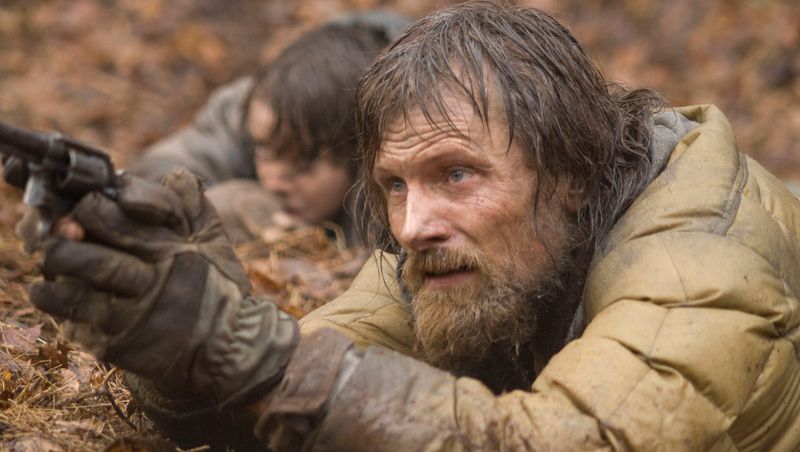
Cormac McCarthy’s novel was already bleak, and John Hillcoat’s film adaptation somehow captures every ounce of that bleakness on screen. A father and his young son walk through a burned, dead world where survival means facing things no parent should ever have to explain to a child.
Viggo Mortensen and Kodi Smit-McPhee share a bond that feels completely genuine, which makes the film’s emotional gut punches land even harder. The ending is both hopeful and heartbreaking at the same time.
Most viewers find one viewing is all they can manage.
9. Hereditary (2018)
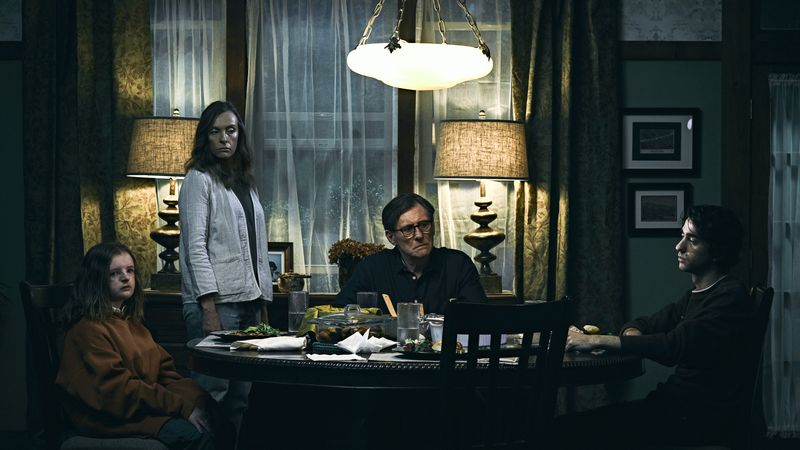
Ari Aster announced himself to the world with this film, and it left audiences shaken for days. What begins as a family grief drama quietly transforms into something terrifying, and the transition happens so smoothly you barely notice until it is too late.
Toni Collette’s performance is one of the most raw and fearless in recent horror history.
The film is full of images that are genuinely hard to shake. Horror fans call it one of the scariest movies of the 2010s.
Knowing what is coming in a second viewing does not make it easier, it actually makes it worse.
10. Irreversible (2002)
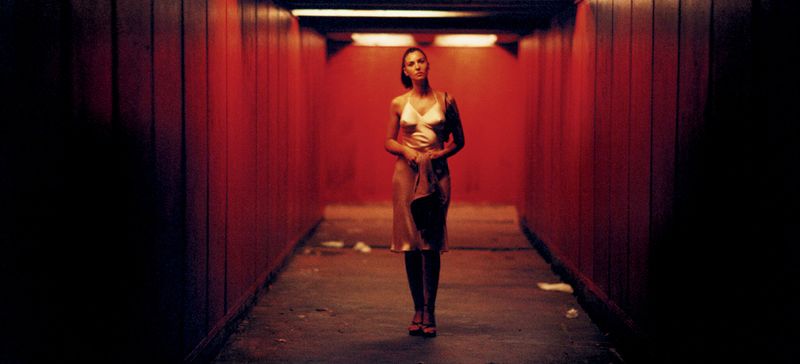
Gaspar Noe made this film in reverse chronological order, meaning you watch the aftermath of tragedy before you understand its cause. That choice makes the film even more agonizing.
By the time you reach the beginning, which is actually the end, you feel completely hollowed out.
The film contains one of the most notoriously difficult scenes in cinema history, a nearly nine-minute assault sequence filmed in a single unbroken shot. Critics acknowledge its artistic ambition while also warning viewers about its brutal content.
Almost no one watches it a second time willingly.
11. Million Dollar Baby (2004)
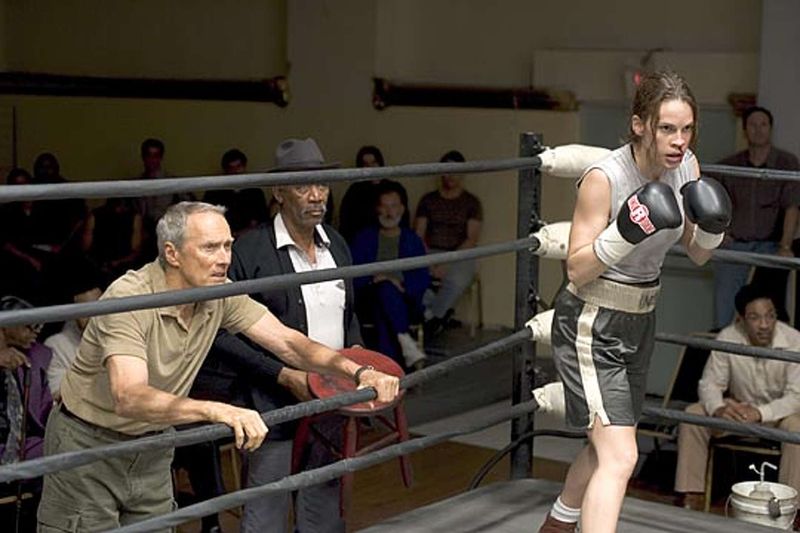
Clint Eastwood directed and starred in this film, and for the first hour it plays like a classic underdog sports story. Then it pivots into something entirely different, and the emotional ground shifts beneath you.
Hilary Swank won the Oscar for Best Actress, and it is easy to see why every single scene she is in feels completely lived-in.
The film won Best Picture in 2005. Audiences loved it deeply but rarely feel the urge to return to it, because knowing where the story ends makes the hopeful early scenes feel almost cruel in hindsight.
12. The Deer Hunter (1978)
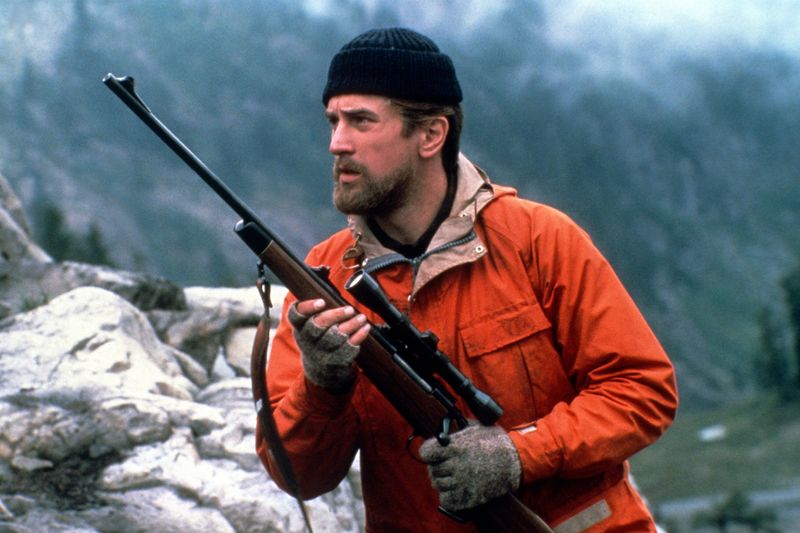
Michael Cimino’s Vietnam War epic runs nearly three hours, and every minute earns its place. The film follows a group of steel-mill workers from Pennsylvania before, during, and after the war, and the contrast between those three phases is utterly devastating.
The Russian roulette scenes are among the most tense in cinema history.
Winning five Academy Awards including Best Picture, the film is a towering achievement. Many viewers describe it as beautiful and horrifying at the same time.
The psychological damage it portrays lingers long after the credits roll, making a rewatch feel like reopening a wound.
13. Come and See (1985)
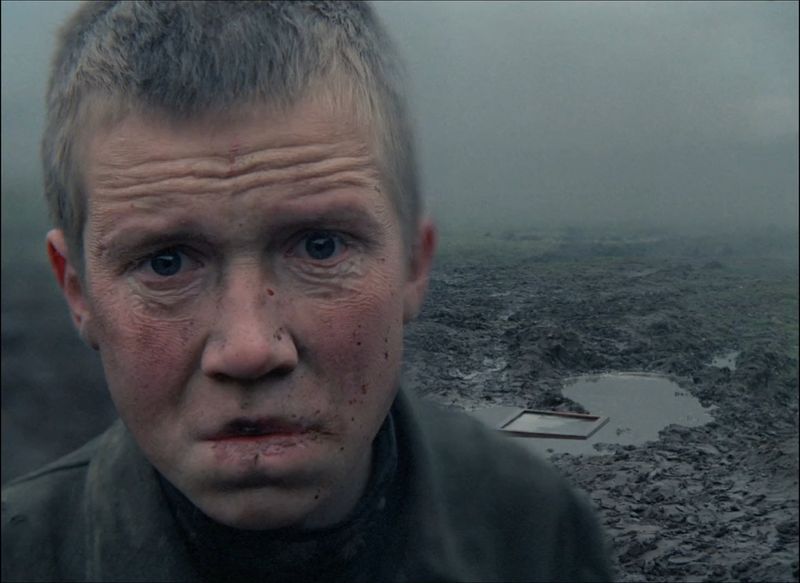
Made by Soviet director Elem Klimov, this film follows a young Belarusian boy who joins the resistance against Nazi forces during World War II. What he witnesses changes him completely, and the film makes you feel that transformation happening in real time.
Actor Aleksei Kravchenko was only 14 when filming began, and his face carries every horror the script demands.
Many film scholars consider it the greatest anti-war film ever made. Viewers frequently describe it as psychologically scarring.
Watching it once feels like a duty; watching it twice feels like an act of deliberate self-punishment.
14. Threads (1984)
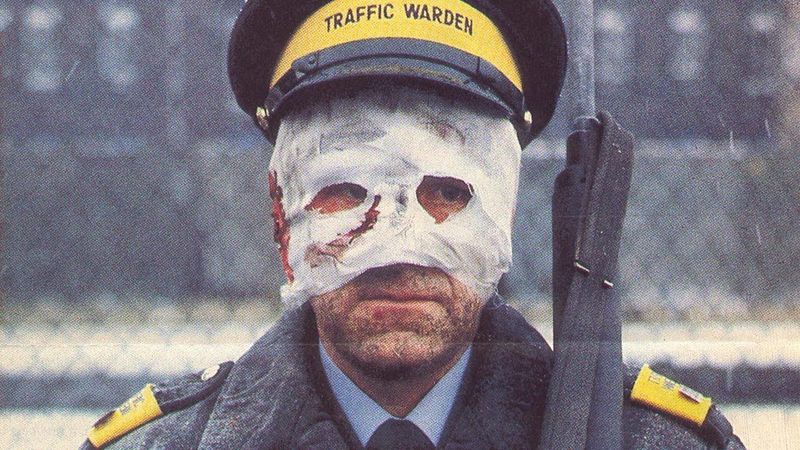
Originally broadcast on BBC television, Threads imagines what would happen to the city of Sheffield, England, after a nuclear war. The level of detail is so realistic and methodical that it feels less like fiction and more like a documentary about something that actually happened.
It reportedly caused widespread anxiety across the UK when it first aired.
Director Mick Jackson wanted viewers to feel the full weight of nuclear devastation, and he succeeded completely. The film gets bleaker with every passing minute.
People who have seen it once rarely describe any desire to experience that hopelessness again.
15. Kids (1995)
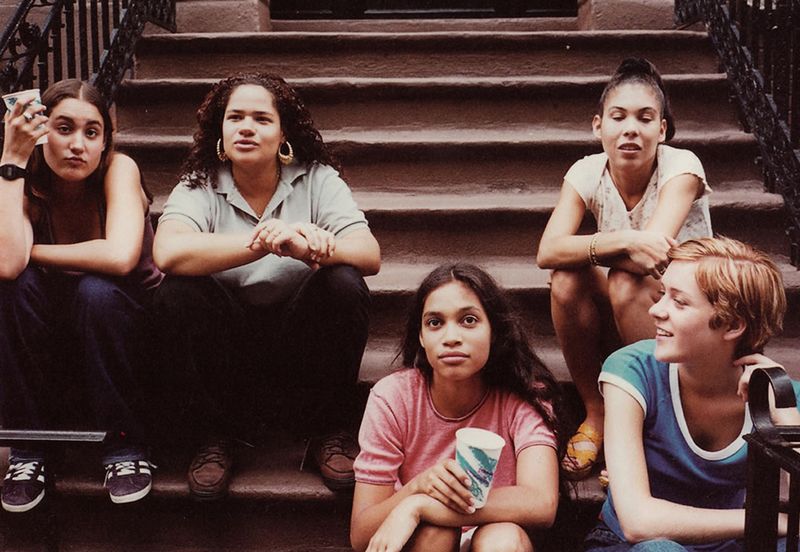
Larry Clark’s debut feature was controversial the moment it premiered at Sundance in 1995. Shot to look like a documentary, it follows a group of teenagers through a single day in New York City, exploring sex, drugs, and reckless behavior with zero filter or judgment.
Harmony Korine wrote the screenplay as a teenager himself, which explains why it feels so uncomfortably authentic.
The film was rated NC-17 and sparked major debate about youth culture and media responsibility. Most viewers find it deeply unsettling rather than enjoyable.
Watching it once feels like more than enough exposure to that world.
16. Wind River (2017)
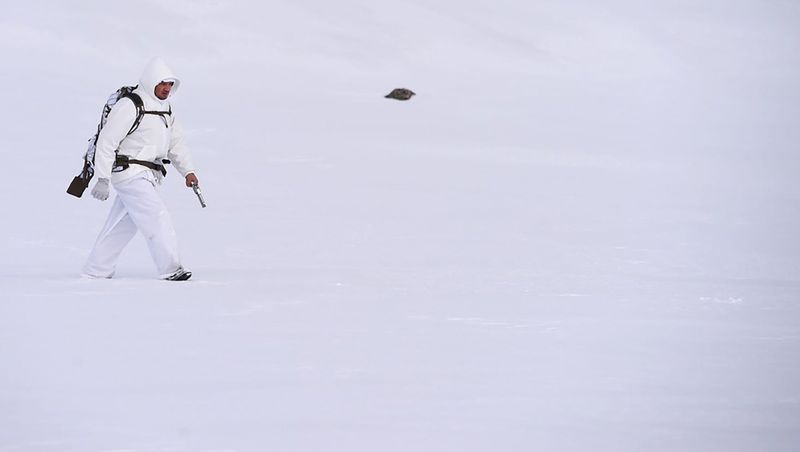
Taylor Sheridan wrote and directed this quiet, devastating thriller set on a Native American reservation in Wyoming. Jeremy Renner plays a wildlife tracker who helps investigate a young woman’s death in the brutal winter landscape.
The film treats its subject matter with genuine respect and refuses to look away from the injustice it portrays.
A title card at the film’s end reveals that missing Indigenous women in the United States are not even tracked as a statistic, which lands like a final gut punch. Wind River is gripping and important, but its most intense scenes make returning to it a difficult choice for most viewers.