
Some movies end in ways that stay with you long after the credits roll, and sci-fi films are especially good at delivering jaw-dropping final moments. Whether it’s a shocking plot twist, a heartbreaking sacrifice, or a mind-bending mystery left unsolved, these endings have sparked conversations for decades.
The films on this list are celebrated not just for their storytelling, but for the way they chose to say goodbye. Get ready to revisit some of cinema’s most legendary last scenes.
1. 2001: A Space Odyssey (1968)
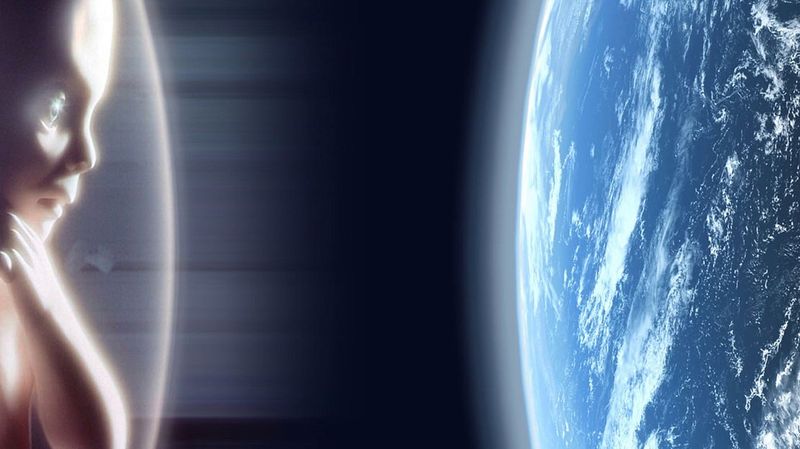
Few film endings have puzzled and amazed audiences quite like this one. Stanley Kubrick’s cosmic masterpiece closes with astronaut Dave Bowman transforming into a luminous “Star Child” after passing through a psychedelic light tunnel near Jupiter.
It’s one of cinema’s boldest visual statements, rejecting easy explanation in favor of pure wonder.
The image of the glowing infant orbiting Earth feels both haunting and hopeful. Even today, film students and fans debate what it all truly means.
2. Planet of the Apes (1968)
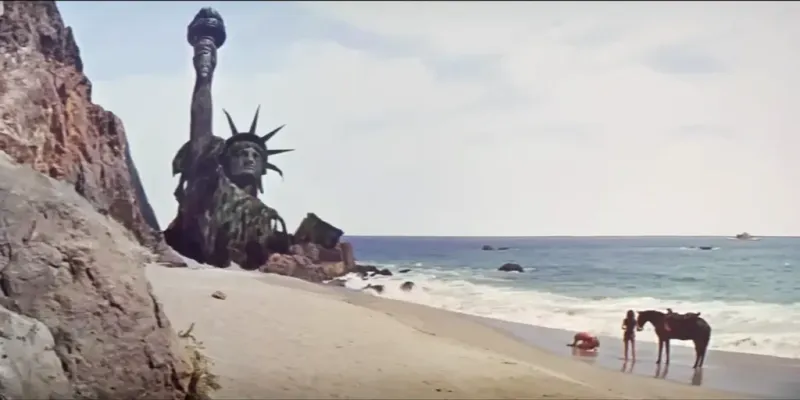
Charlton Heston’s desperate scream on that beach is one of the most quoted moments in movie history. After spending the entire film believing he’d crash-landed on a distant alien world, astronaut Taylor stumbles upon the shattered remains of the Statue of Liberty rising from the sand.
That single image rewrites everything the audience thought they knew. The planet was Earth all along, ravaged by war.
It’s a gut-punch ending that turned sci-fi storytelling on its head forever.
3. Star Wars: The Empire Strikes Back (1980)
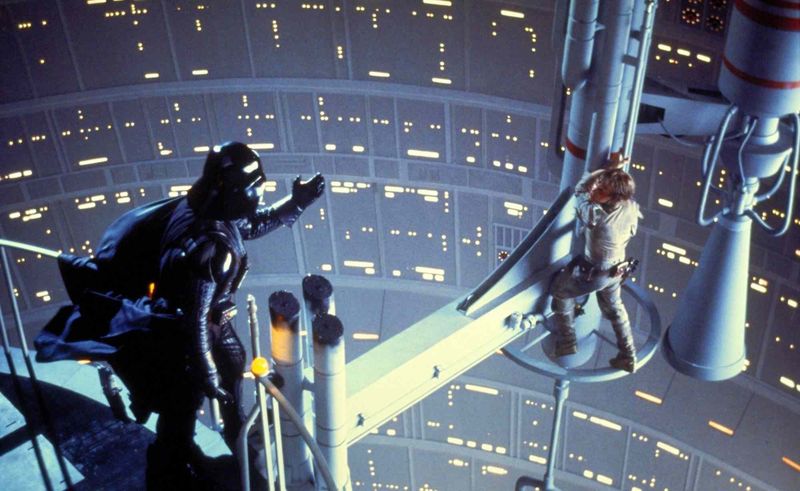
“No, I am your father.” Four words that broke the internet before the internet even existed. When Darth Vader drops this bombshell on Luke Skywalker during their duel on Cloud City, the entire Star Wars universe shifts in an instant.
Luke loses his hand, his mentor, and his certainty about who he is all in one scene. The rebels retreat battered and uncertain.
It’s a rare blockbuster ending that refuses to offer comfort, and audiences loved it for that honesty.
4. Blade Runner (1982)
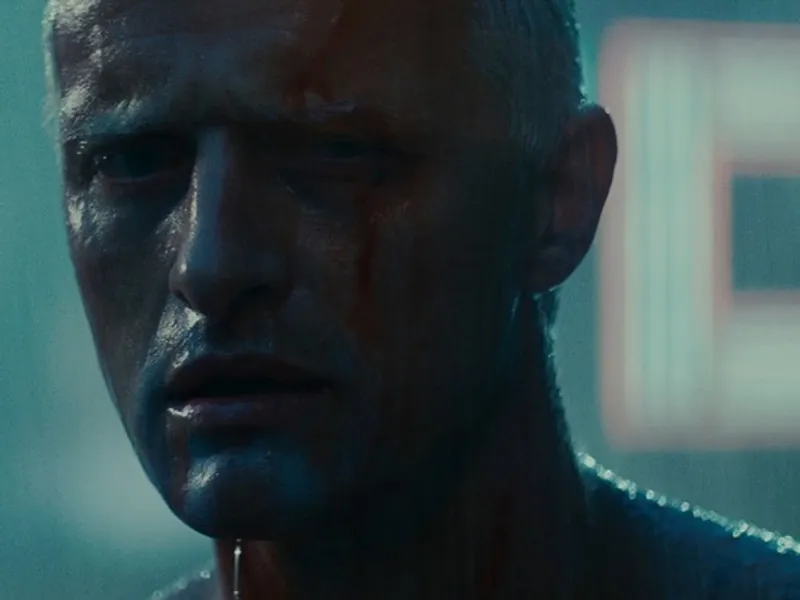
Roy Batty’s famous “tears in rain” speech is poetry wrapped inside a sci-fi thriller. As the replicant villain delivers his dying monologue about memories and mortality, something unexpected happens – you feel sorry for him.
Ridley Scott’s masterpiece then closes with a haunting question: is Deckard himself a replicant?
The Director’s Cut leans heavily toward yes, making the ending far more unsettling. Blade Runner dares you to question what it truly means to be human.
5. The Thing (1982)
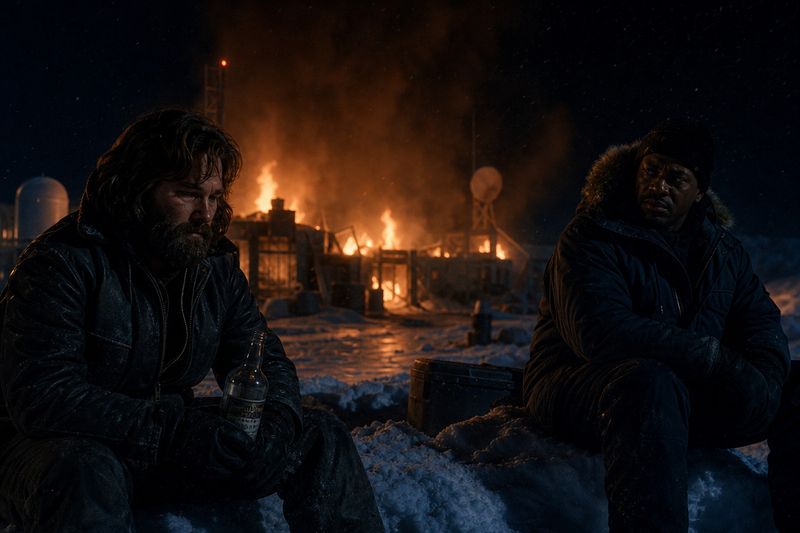
Cold, bleak, and brilliantly unresolved – John Carpenter’s The Thing ends with two survivors sitting in the frozen ruins of their Antarctic base, each silently wondering if the other is still human. MacReady and Childs share a bottle and wait for the cold to take them.
No rescue. No answers.
Just creeping paranoia until the screen goes dark. Horror fans often call it one of the most perfectly hopeless endings ever put on film, and it’s hard to argue otherwise.
6. The Terminator (1984)
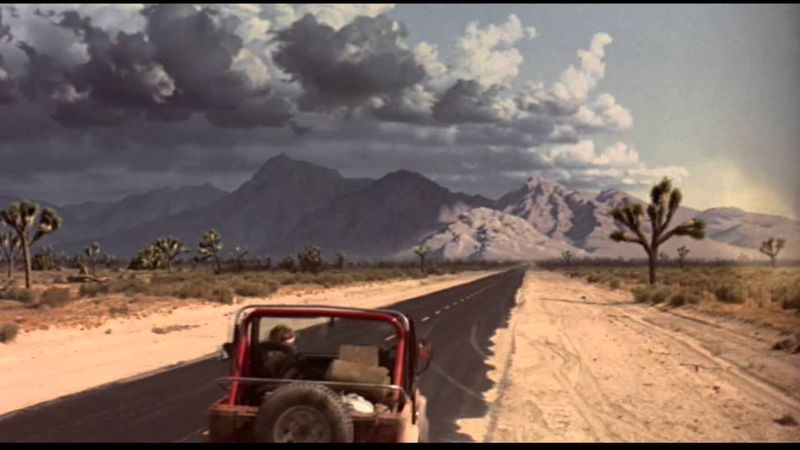
Sarah Connor’s journey from waitress to warrior wraps up with a quiet but powerful image. She drives into a gathering storm, pregnant with the future savior of humanity, recording messages for a son she hasn’t met yet.
James Cameron shoots it with an almost mythic quality.
A young Mexican boy snaps her photo – the same photo that John Connor will one day carry into battle. The storm on the horizon isn’t just weather.
It’s everything that’s coming, and Sarah is ready.
7. Aliens (1986)
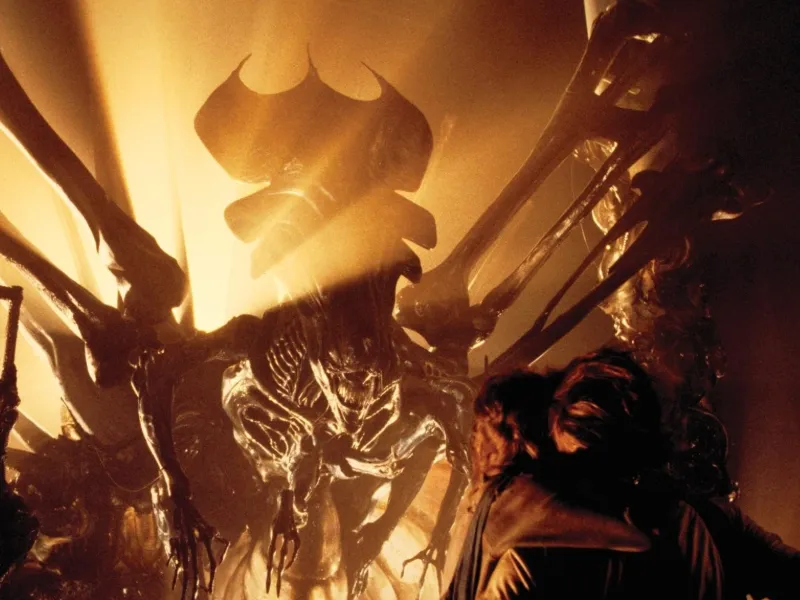
After surviving an entire film of relentless terror, Ripley still has one more fight left. The climax of James Cameron’s Aliens features one of action cinema’s greatest showdowns: Ripley suiting up in an industrial power loader to take on the massive Alien Queen face to face.
“Get away from her, you b**ch!” became an instant classic line. Ripley wins, blasting the Queen into space, and emerges as one of sci-fi’s most enduring heroes.
Few finales feel this earned after everything she’s been through.
8. The Abyss (1989)
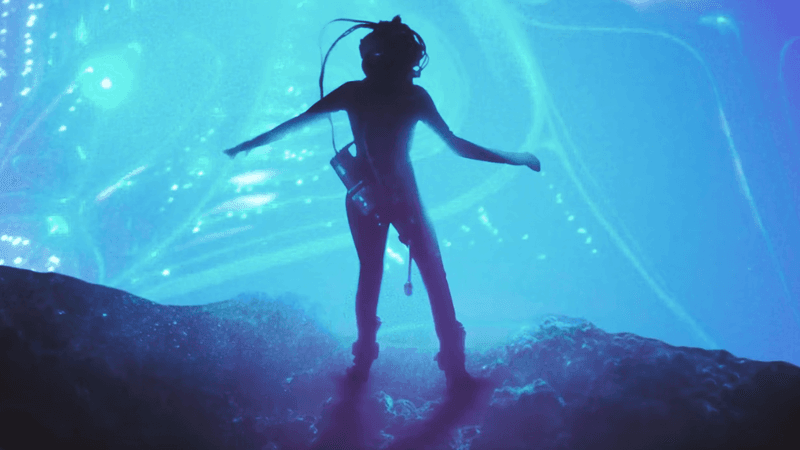
James Cameron went full spectacle for this underwater epic’s finale. After diving alone to disarm a nuclear warhead and nearly drowning, Bud Brigman is saved by a group of gentle alien beings living in the ocean’s deepest trench.
They lift him – and an enormous alien spacecraft – back toward the surface.
The Special Edition version adds context about why the aliens intervened. Either way, the sight of that massive ship breaching the ocean surface is genuinely awe-inspiring and deeply emotional after such a tense journey.
9. Dark City (1998)
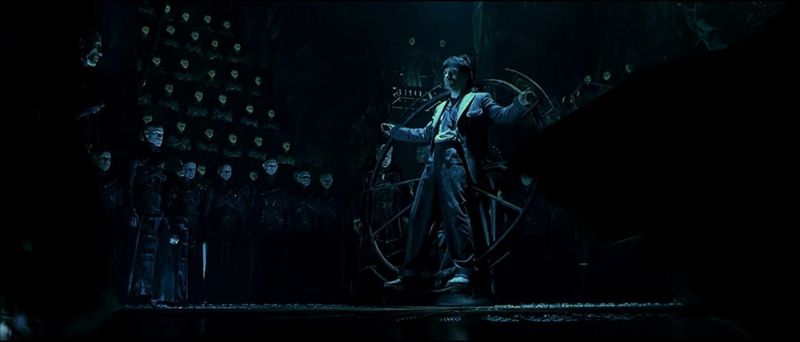
Dark City is one of the most underrated sci-fi films of the 1990s, and its ending is a huge reason why. John Murdoch, having discovered that his entire world is a giant spaceship controlled by alien beings called the Strangers, uses his newfound telekinetic powers to defeat them and reshape reality.
He creates a sun for the first time in his manufactured world and walks toward a shoreline he built from memory. It’s melancholy, triumphant, and quietly beautiful all at once.
10. The Truman Show (1998)
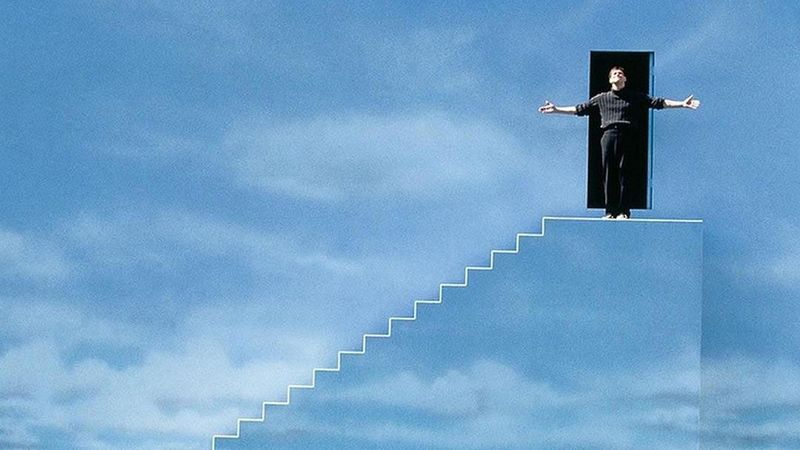
Truman Burbank has lived his entire life inside a massive television studio without knowing it. When he finally discovers the truth and sails to the edge of his world, he finds a staircase built into the painted sky and a door leading to reality.
The watching audience holds its breath.
His choice to walk through that door, despite fear of the unknown, resonates as a powerful statement about freedom. Jim Carrey plays the moment with quiet dignity, making it one of his career’s finest scenes.
11. Donnie Darko (2001)
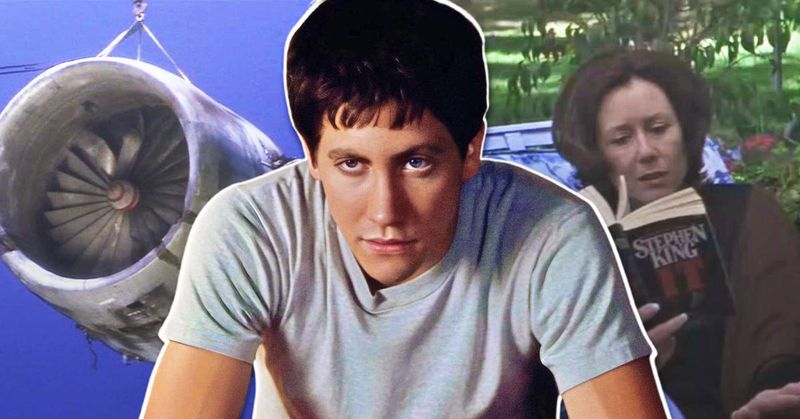
Richard Kelly’s cult classic wraps up with one of the strangest and most emotionally complex endings in sci-fi history. Donnie Darko chooses to stay in bed and allow the jet engine – the one that started everything – to fall on him.
By doing so, he closes a dangerous tangent universe and restores the original timeline.
Everyone whose life he touched during the film wakes up with a vague sense of loss they can’t explain. Donnie dies laughing.
It’s haunting, oddly peaceful, and unforgettable.
12. Eternal Sunshine of the Spotless Mind (2004)
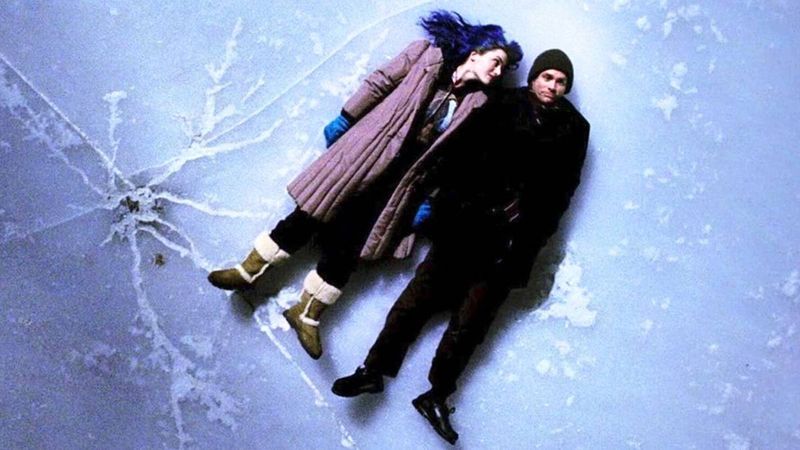
Memory erasure is the central concept here, but love proves stubbornly persistent. After Joel and Clementine have their memories of each other professionally wiped, they somehow meet again and feel the same pull.
Then they discover recordings revealing their troubled past – and choose each other anyway.
Charlie Kaufman and Michel Gondry turn heartbreak into something strangely hopeful. The final line, “Okay,” spoken by both characters, is deceptively simple but carries enormous emotional weight.
It’s a love story that earns its happy ending the hard way.
13. Primer (2004)
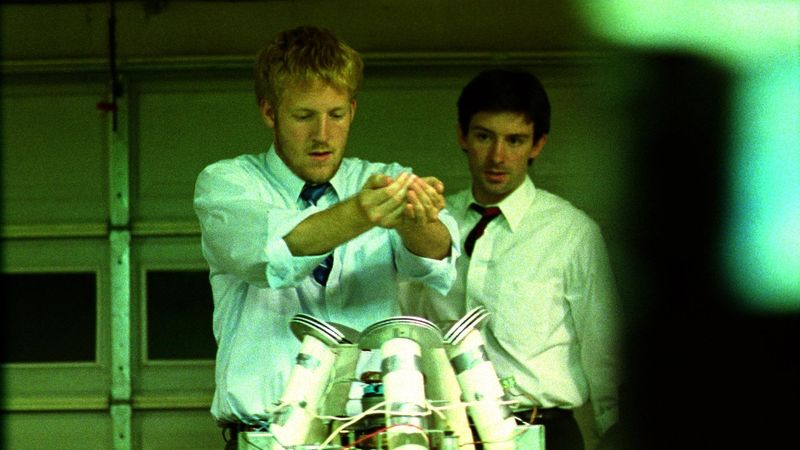
Shane Carruth made this time travel film for only $7,000, and its finale is as complicated as any big-budget blockbuster. By the end, multiple versions of the protagonists exist across overlapping timelines, each trying to fix mistakes made by earlier versions of themselves.
Nobody fully wins.
One character quietly works on building an even larger time machine abroad, suggesting the cycle will never truly end. Primer rewards patient viewers who enjoy piecing together a puzzle – and the ending is the most challenging piece of all.
14. Children of Men (2006)
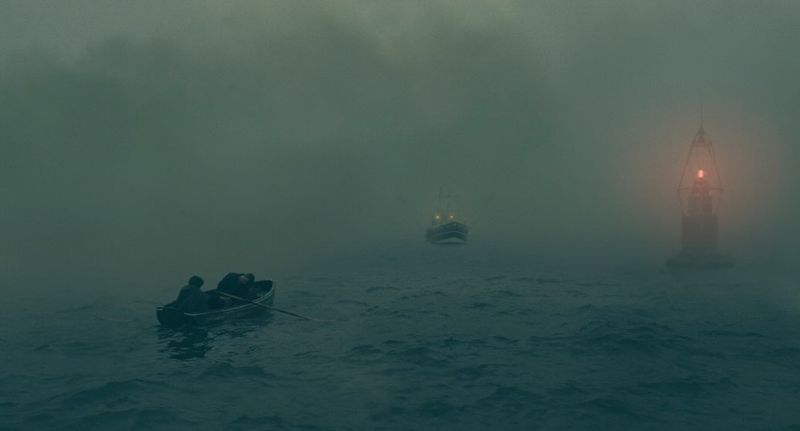
Alfonso Cuaron’s vision of a future where humanity has stopped having children reaches its emotional peak in the final minutes. Theo, battered and bleeding, manages to deliver Kee and her miraculous baby to a small boat before dying quietly from his wounds.
He never sees the rescue ship arrive.
The distant sound of the “Tomorrow” vessel’s horn cutting through the fog is one of cinema’s most moving sounds. Hope arrives, but it costs everything.
Few sci-fi films handle sacrifice with this much quiet grace.
15. The Prestige (2006)
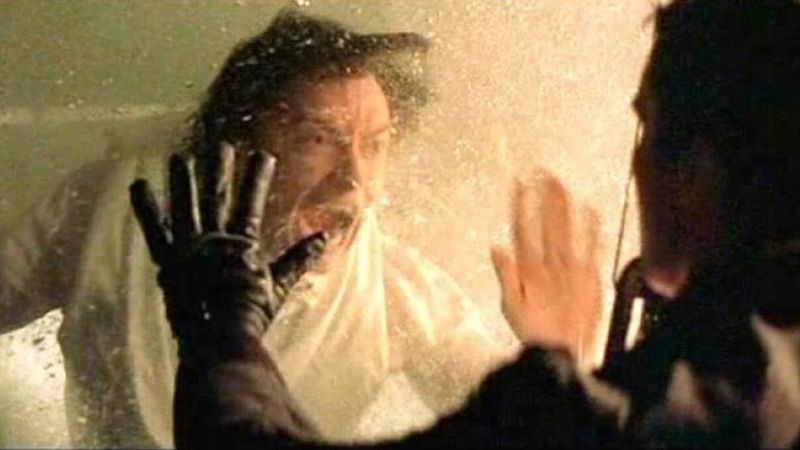
Christopher Nolan saved his biggest trick for last. The Prestige spends its entire runtime asking how two rival magicians perform their impossible acts, and the answer is genuinely disturbing.
Borden’s secret involves an identical twin brother living a divided life. Angier’s secret involves a cloning machine that creates a copy he then drowns beneath the stage with every single performance.
The final image of countless drowned Angiers floating in tanks is deeply unsettling. Nolan makes obsession look truly monstrous.
16. Inception (2010)
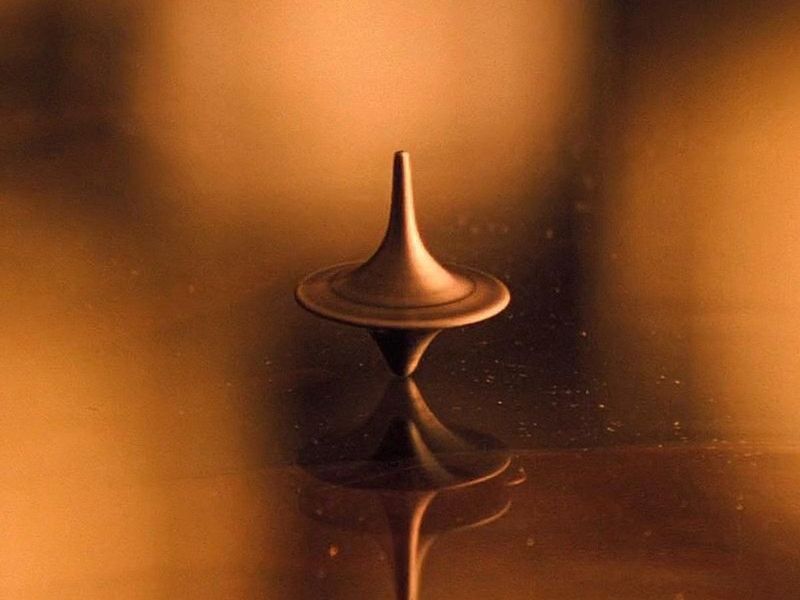
Christopher Nolan struck gold twice on this list. Inception’s final seconds are arguably the most debated ending of the 2010s.
Cobb finally returns home to his children, spins his totem top to check if he’s dreaming – and the screen cuts to black before anyone can tell if it falls.
Is he still inside a dream? Does it even matter if he’s happy?
Nolan refuses to answer, and that ambiguity is the whole point. Audiences have been arguing about it ever since, which is exactly what great filmmaking does.
17. Snowpiercer (2013)

Bong Joon-ho’s class-warfare thriller set aboard a perpetually moving train ends with the entire train derailing in a spectacular crash. It seems like total annihilation – until two survivors, young Yona and a child named Timmy, crawl out of the wreckage into the frozen world outside.
Then they spot it: a polar bear moving across the snow. Life exists beyond the train.
The frozen Earth is slowly warming. After so much brutality and sacrifice, that single bear feels like the most hopeful image in the film.
18. Interstellar (2014)
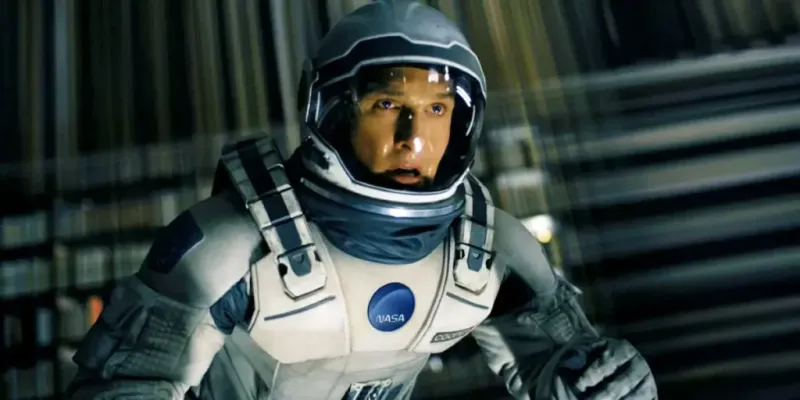
Christopher Nolan completes a remarkable hat trick on this list. Interstellar’s finale sends Cooper through a black hole and into a tesseract built inside it by future humans.
There, he communicates with his daughter Murph across time, providing the gravitational data she needs to save humanity.
He wakes up decades later on a space station orbiting Saturn, reunited briefly with an elderly Murph before setting off to find Brand on a distant world. It’s ambitious, emotional, and earns every tear it draws from the audience.
19. Arrival (2016)
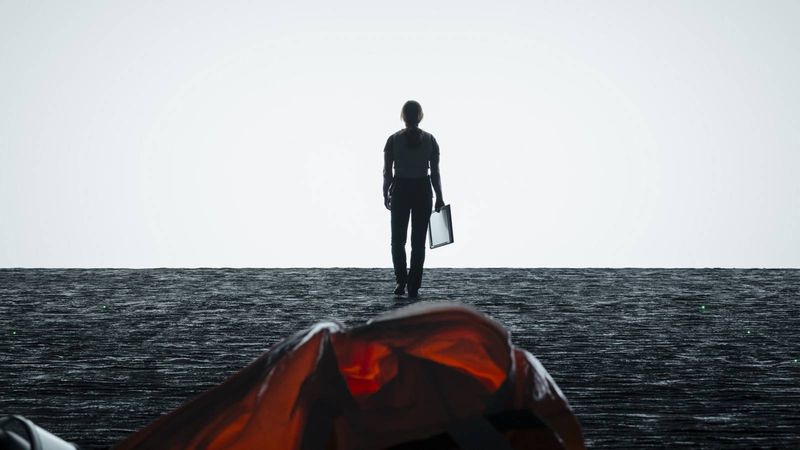
Arrival pulls off one of the cleverest structural reveals in recent sci-fi memory. Throughout the film, linguist Louise Banks experiences what appear to be flashbacks of her daughter’s short life and early death.
The ending flips everything: those aren’t memories. They’re visions of the future she is choosing to walk toward.
Learning the alien language has rewired how Louise experiences time itself. She knows joy and grief are both coming, and she says yes anyway.
Denis Villeneuve turns a first-contact story into a meditation on love and acceptance.