
Back in Hollywood’s golden age, being gay was not just socially risky, it could completely destroy a career. Studios had enormous power over their stars, and many used that power to force actors into fake marriages to hide their true identities.
These arrangements, known as lavender marriages, became a secret but surprisingly common part of old Hollywood life. The stories behind them are fascinating, heartbreaking, and sometimes surprisingly touching.
1. Rock Hudson and Phyllis Gates
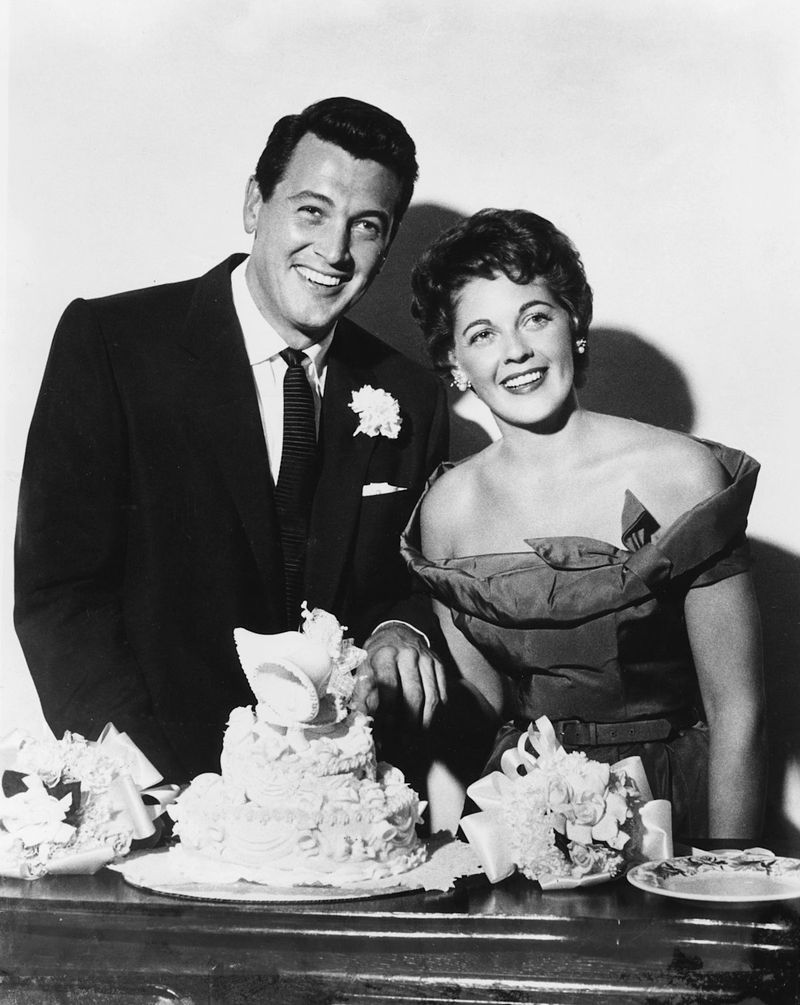
Few stories capture the pressure of old Hollywood quite like Rock Hudson’s. The ruggedly handsome leading man was one of the biggest box office draws of the 1950s, but rumors about his sexuality threatened everything he had built.
In 1955, his agent arranged his marriage to secretary Phyllis Gates, largely to quiet gossip and satisfy the studio. They divorced just two years later.
Hudson later became one of the first major celebrities to publicly announce an AIDS diagnosis in 1985.
2. Rudolph Valentino: The Silent Screen Idol
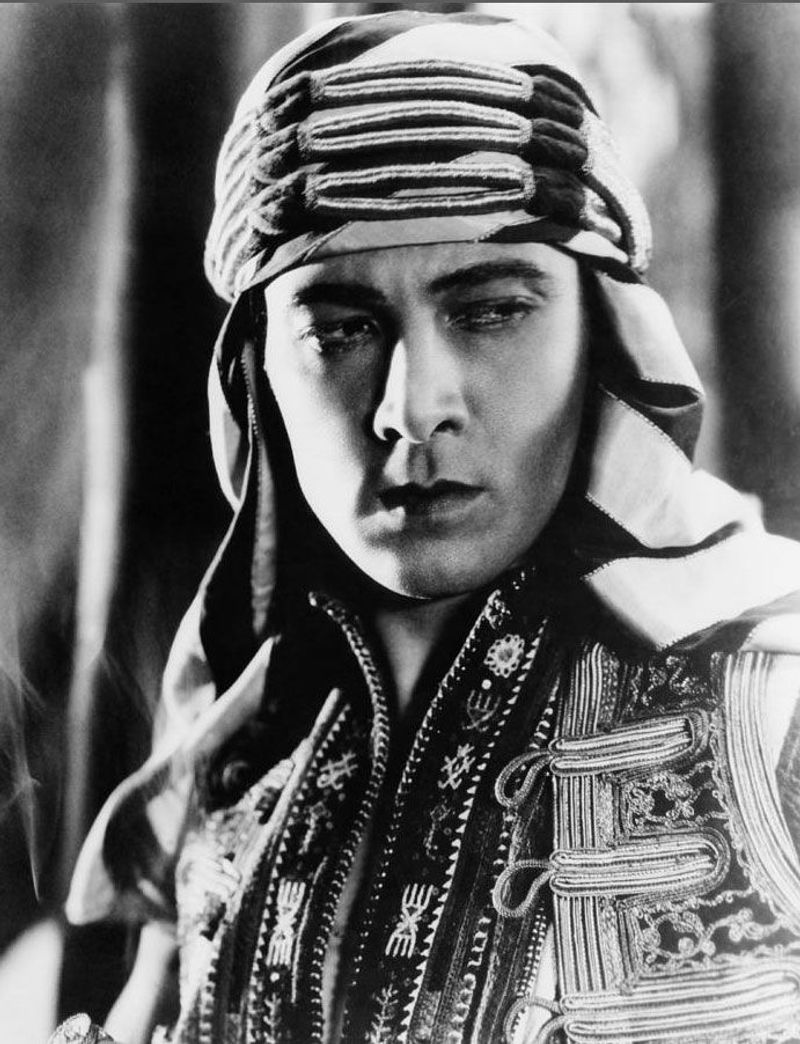
Rudolph Valentino made women swoon across America, yet whispers about his private life followed him everywhere. His 1919 marriage to actress Jean Acker is considered one of Hollywood’s earliest suspected lavender marriages, fueled by rumors of his bisexuality and Acker’s own rumored relationships with women.
Critics once mockingly called him a “pink powder puff.” He later married Natacha Rambova in 1923, another union believed by many to be more arrangement than romance.
3. Cary Grant and His Long Companionship With Randolph Scott
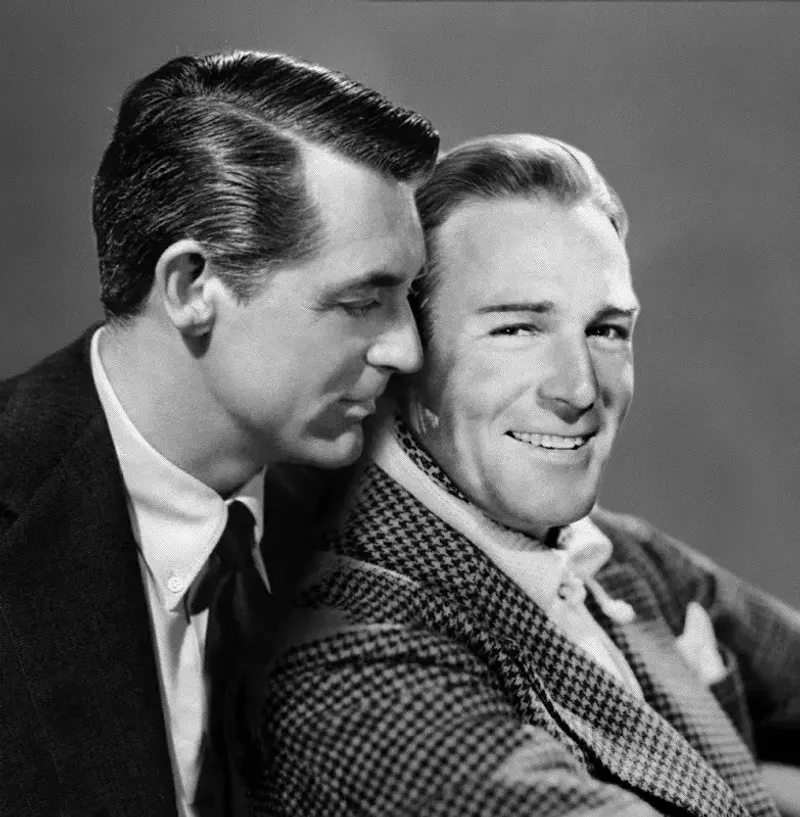
Cary Grant was the definition of Hollywood charm, with his sharp suits and easy smile. Yet for twelve years, he shared a home with fellow actor Randolph Scott, sparking decades of speculation about their true relationship.
Grant married five times, and some historians view several of those unions as cover for his private life. His 1942 marriage to heiress Barbara Hutton was widely seen as a publicity move that benefited both of their public images considerably.
4. Anthony Perkins and Berry Berenson
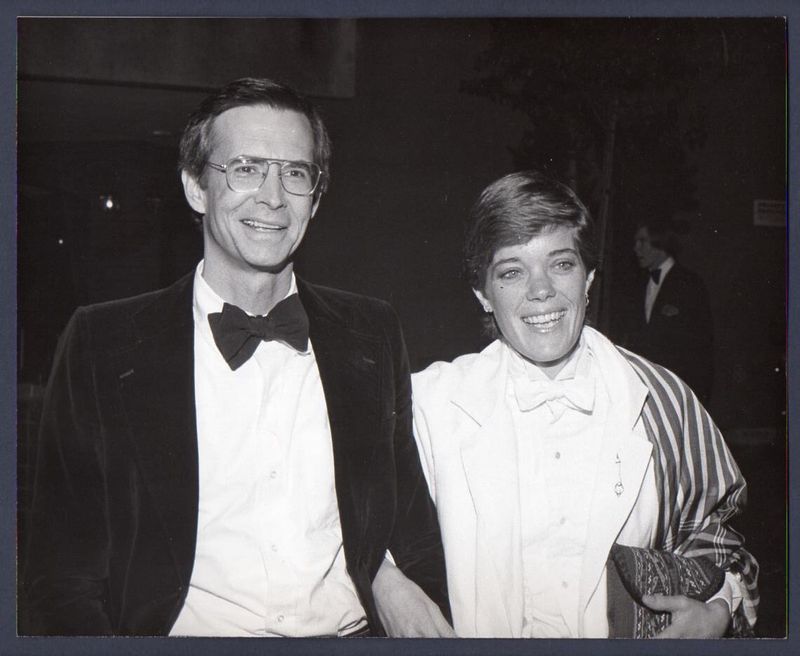
Anthony Perkins became forever linked to the role of Norman Bates in Psycho, but his personal story was just as layered. Before marrying photographer Berry Berenson in 1973, Perkins had well-documented relationships with men, including fellow actor Tab Hunter.
Their marriage produced two sons and lasted until his death in 1992 from AIDS-related complications. Many who knew them say the bond was genuinely warm, making it a complicated but deeply human story about love under social pressure.
5. Katharine Cornell and Guthrie McClintic
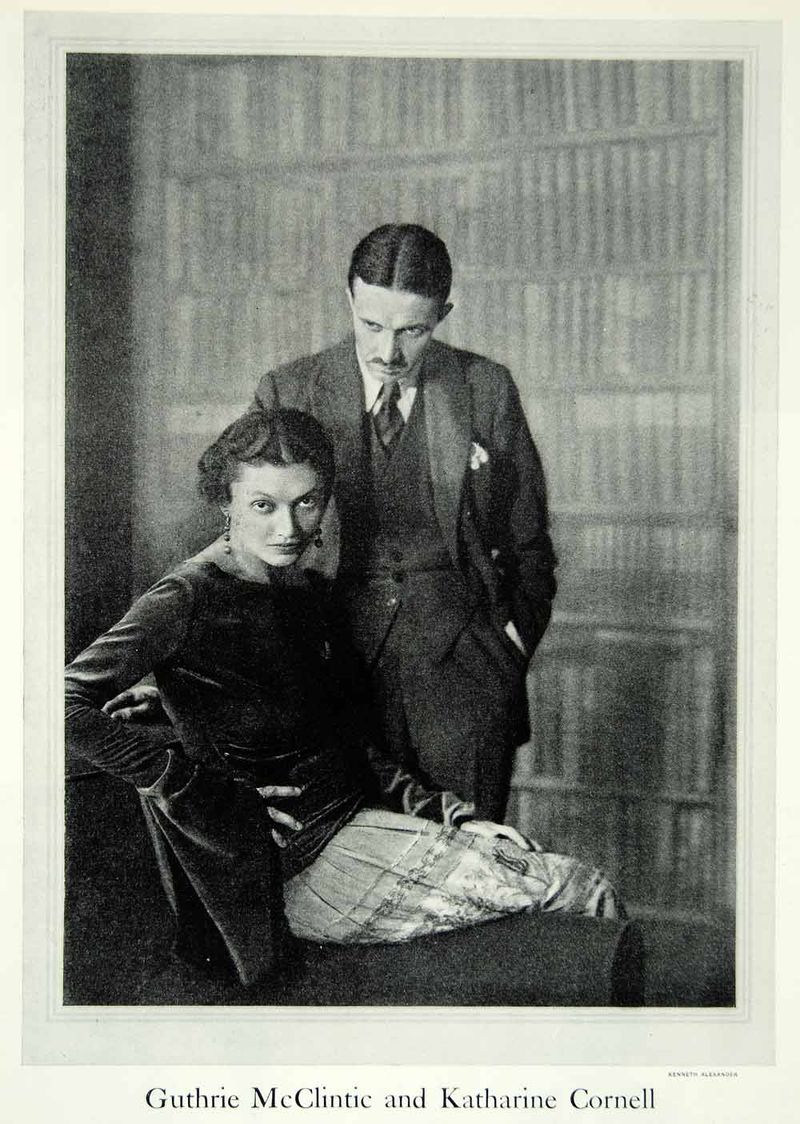
On Broadway, Katharine Cornell was practically royalty. Known as “The First Lady of the American Theater,” she married gay director Guthrie McClintic in 1921 in what historians now recognize as a classic lavender arrangement between two people navigating a world that had no space for them.
Their partnership lasted four decades, until McClintic’s death in 1961. Cornell only ever appeared in his productions, and by most accounts, the two genuinely cared for one another in their own unique way.
6. William Haines: The Man Who Chose Love Over Fame
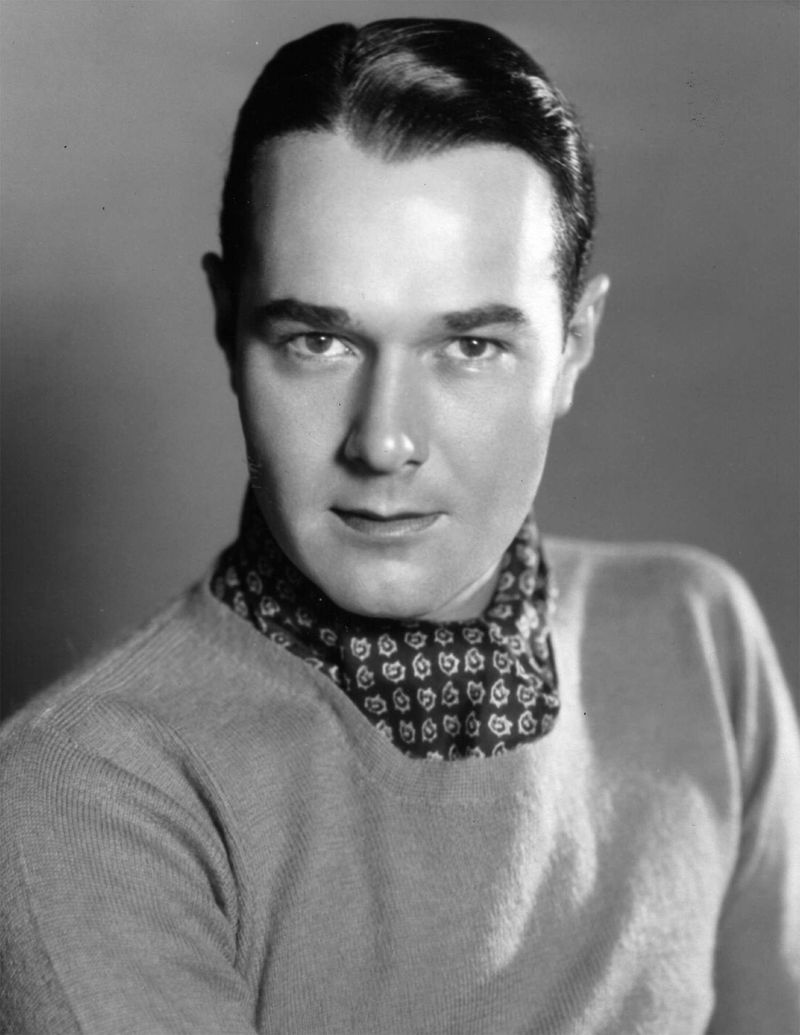
Most actors in old Hollywood quietly played along with studio rules, but William Haines refused. MGM gave him an ultimatum: end his relationship with partner Jimmy Shields or marry a woman.
Haines walked away from his acting career instead.
At just 35, one of Hollywood’s most popular leading men was finished on screen. He and Shields went on to build a hugely successful interior design business together.
Many now call Haines one of the first openly gay figures in Hollywood history.
7. Cole Porter and Linda Lee Thomas
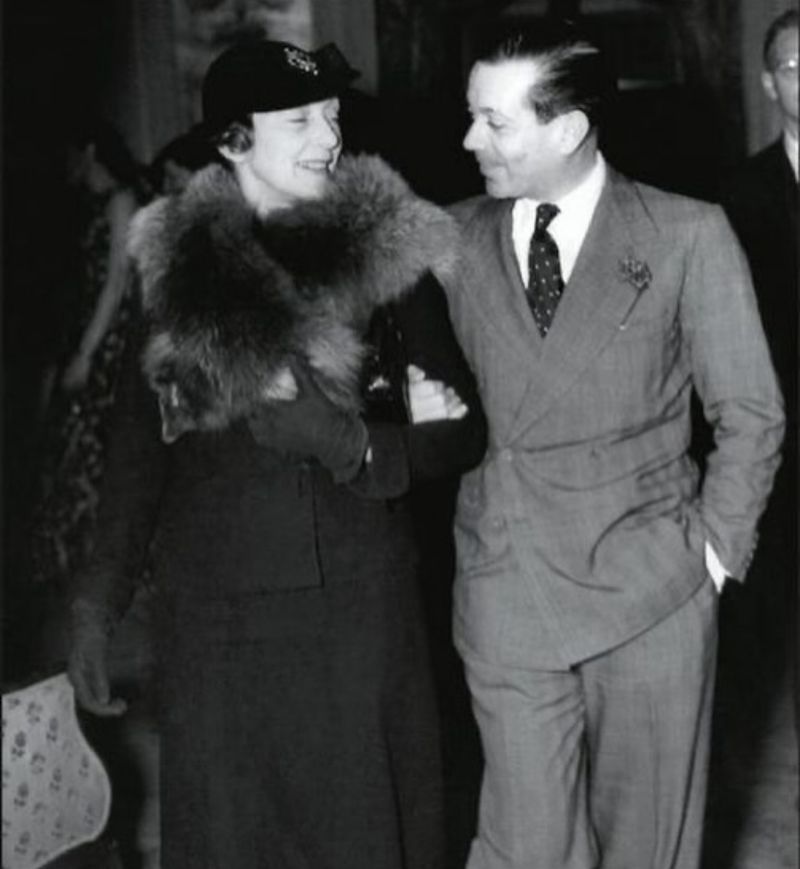
Cole Porter wrote some of the most witty and romantic songs in American history, and his marriage to wealthy socialite Linda Lee Thomas in 1919 was a relationship built on mutual affection and mutual benefit. Linda knew about his relationships with men and accepted them fully.
Their marriage lasted until her death in 1954, and by most accounts it was genuinely loving on its own terms. Porter later said she was the one person who truly understood and protected him throughout his life.
8. Charles Laughton and Elsa Lanchester
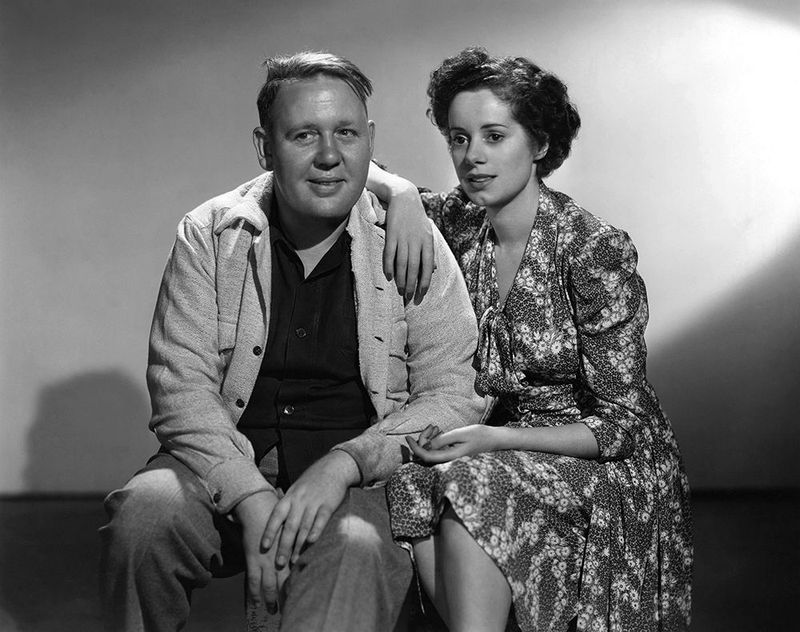
Charles Laughton was one of the most celebrated actors of his era, known for roles in The Hunchback of Notre Dame and Mutiny on the Bounty. His 1929 marriage to actress Elsa Lanchester raised few eyebrows at the time, but the truth was more complicated.
Laughton eventually told Lanchester he was homosexual. Rather than leave, she chose to stay, and their marriage lasted until his death in 1962.
Lanchester later wrote candidly about their arrangement in her memoirs, offering a rare insider account.
9. Marlene Dietrich and Rudolph Sieber
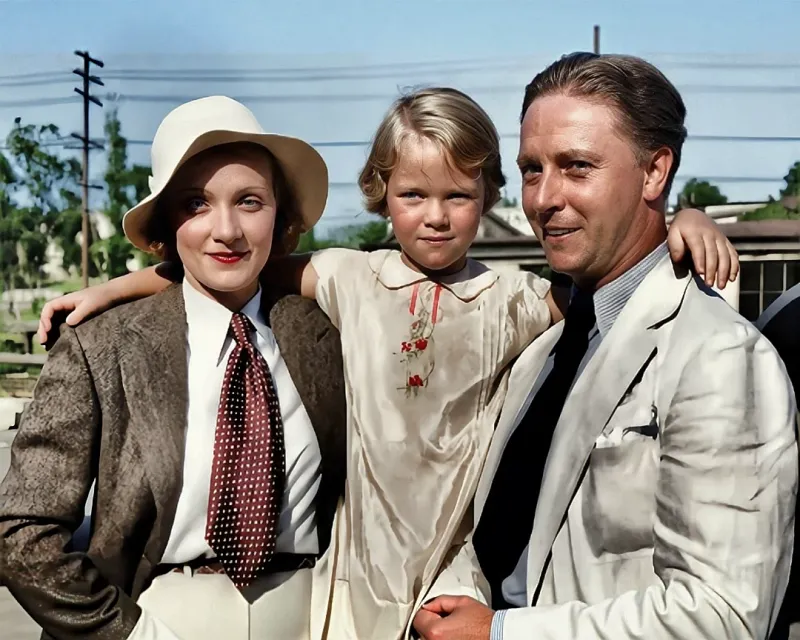
Marlene Dietrich was bisexual and made little effort to hide it from those close to her. Her 1923 marriage to assistant director Rudolph Sieber predated her Hollywood fame, but the two never divorced despite spending most of their lives apart.
After the birth of their daughter, the marriage became more of an enduring alliance than a romance. Sieber had his own long-term companion, while Dietrich pursued relationships with both men and women freely, making their arrangement unusually progressive for the era.
10. Sondra Locke and Gordon Leigh Anderson
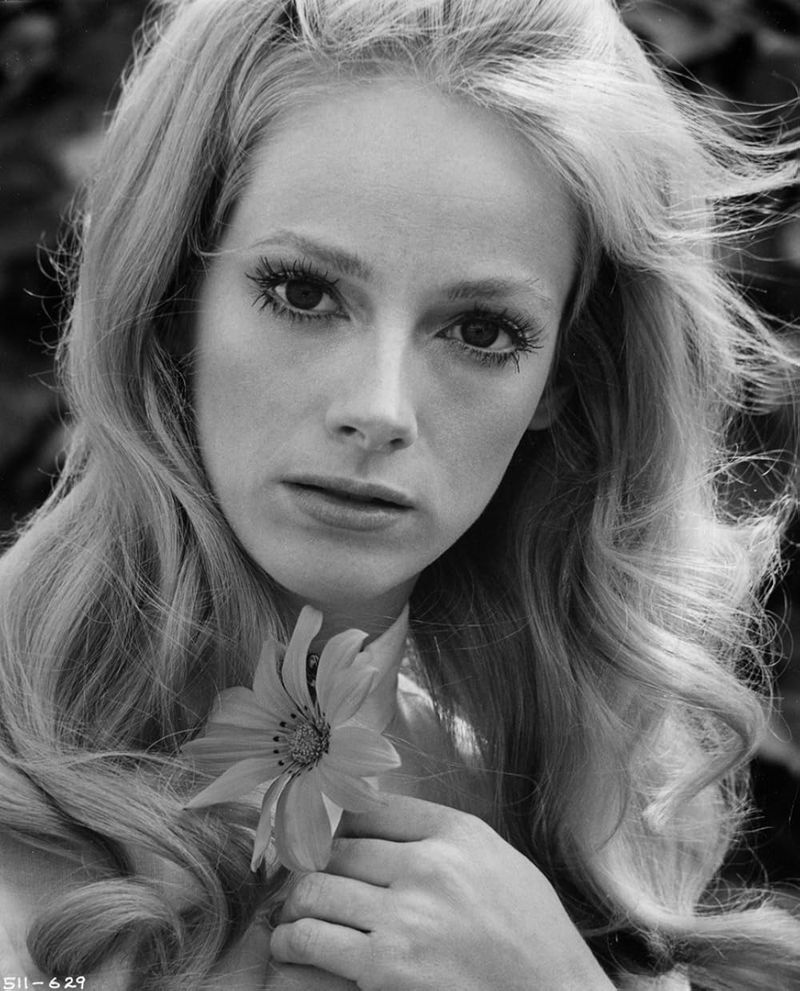
Sondra Locke is perhaps best remembered for her relationship with Clint Eastwood, but her legal marriage was to sculptor Gordon Leigh Anderson, whom she wed in 1967. Anderson was gay, and Locke later stated the marriage was never physically consummated.
Despite that, they remained legally married until her death in 2018, more than five decades later. Both had long-term relationships with other people throughout that time, making their bond one of Hollywood’s most quietly enduring and unconventional arrangements on record.
11. Nils Asther: Hollywood’s Forgotten Arrangement
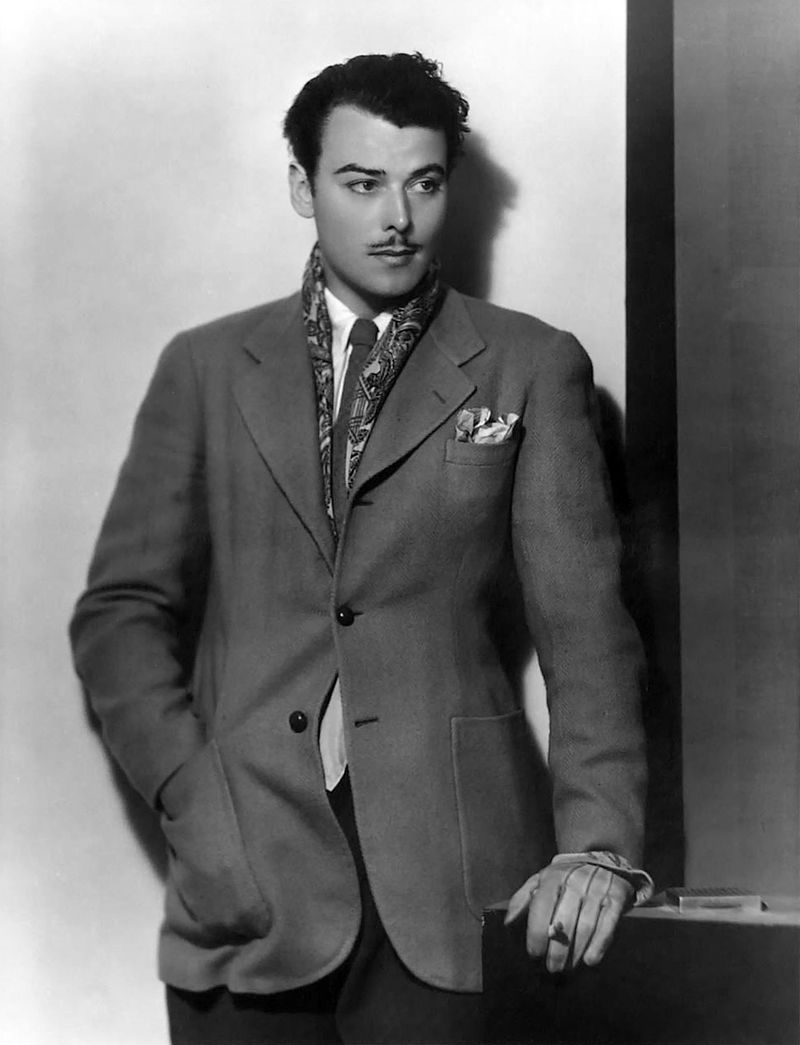
Swedish actor Nils Asther was a striking presence in late silent-era Hollywood, known for his exotic good looks and brooding screen appeal. Behind the scenes, he was in a relationship with actor and stuntman Kenneth DuMain.
To maintain appearances, Asther entered into a brief marriage of convenience with vaudeville entertainer Vivian Duncan. The union produced one child before ending.
His story is less well known today, but it reflects just how widespread these arranged unions were across every corner of the industry.
12. Barbara Stanwyck and Robert Taylor
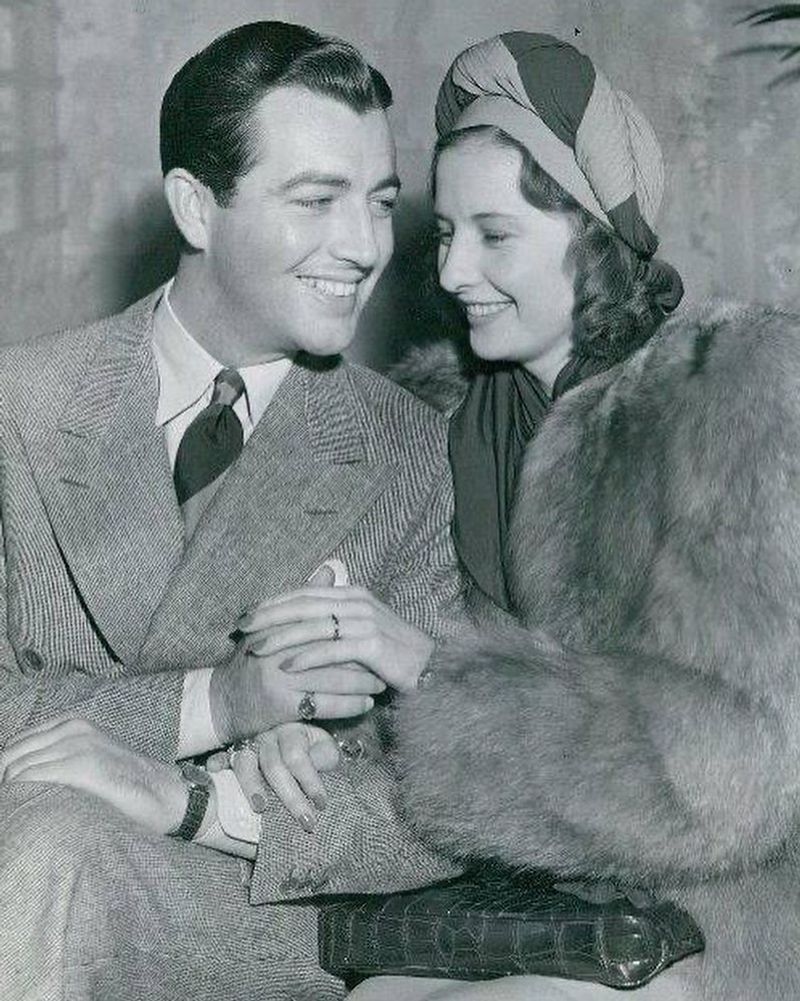
Barbara Stanwyck and Robert Taylor were one of Hollywood’s most photographed couples during the late 1930s and 1940s. Their 1939 marriage, however, is widely cited by historians as a carefully constructed arrangement designed to protect both of their reputations.
Stanwyck was rumored to prefer women, while Taylor faced his own whispers about his sexuality. The studio system encouraged the pairing as a clean, all-American image boost for both stars.
They divorced in 1952, with neither ever speaking candidly about the true nature of their union.
13. Raymond Burr’s Hidden Private Life
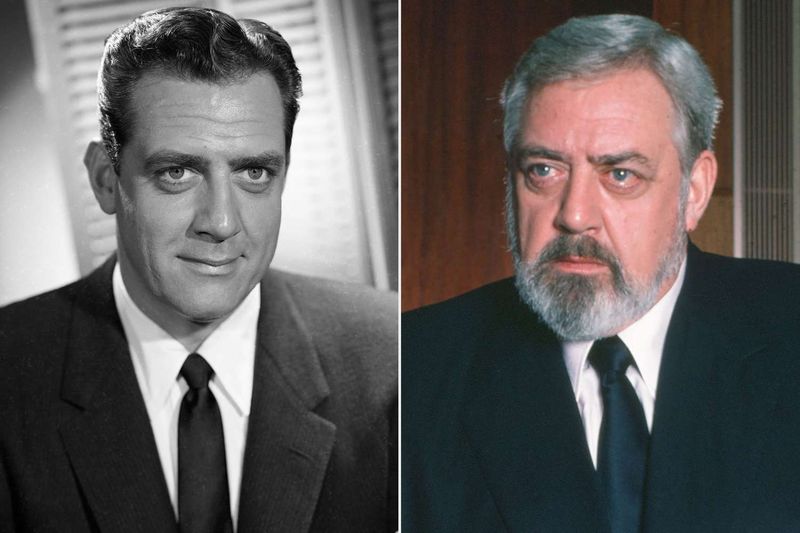
Raymond Burr was beloved by millions as Perry Mason, the unbeatable TV lawyer who never lost a case. Off screen, Burr was married three times, but historians and those who knew him agree his most meaningful relationship was with actor Robert Benevides.
The two men were together for over 30 years, until Burr’s death in 1993. Burr also fabricated details about a deceased wife and son to deflect curiosity about his personal life, a reminder of just how relentless the pressure to appear straight truly was.
14. Danny Kaye and Sylvia Fine
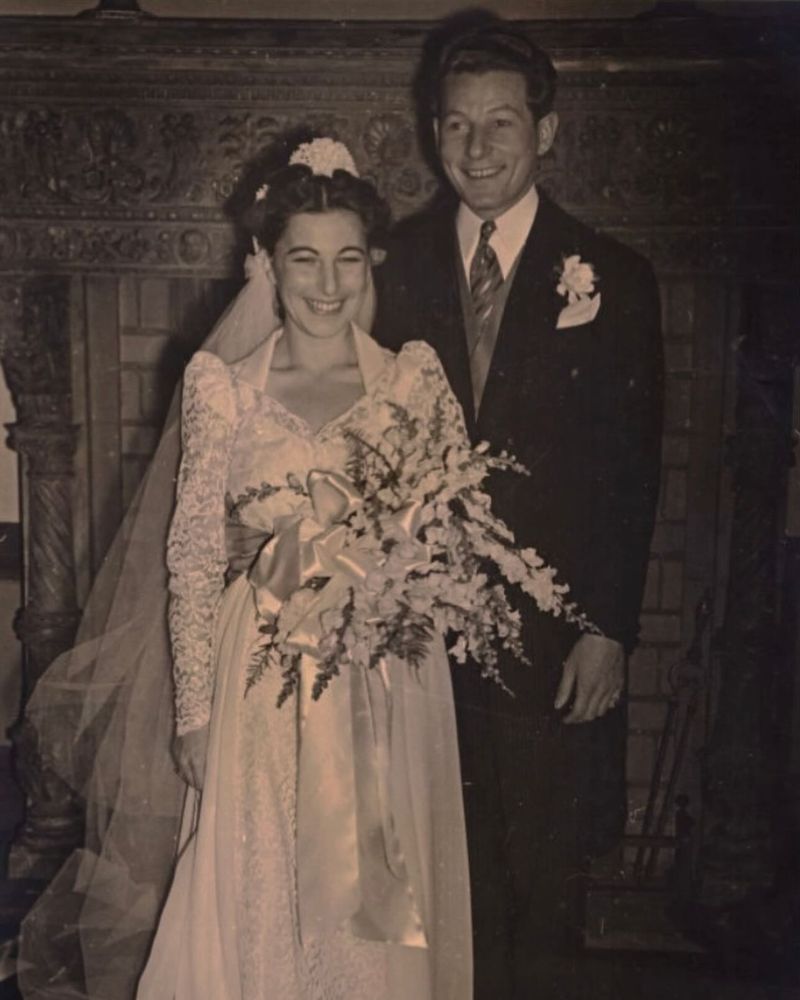
Danny Kaye was one of Hollywood’s most beloved comedic performers, famous for his rubbery face and lightning-fast wordplay. His marriage to lyricist and composer Sylvia Fine in 1940 lasted until his death in 1987, producing a daughter together.
Unlike many suspected lavender marriages, this one showed real signs of genuine partnership. Fine wrote material specifically tailored to showcase his talent.
Some historians suggest Kaye may have been bisexual rather than exclusively gay, making their story more nuanced than a simple label can capture.
15. Tab Hunter: The Manufactured Heartthrob
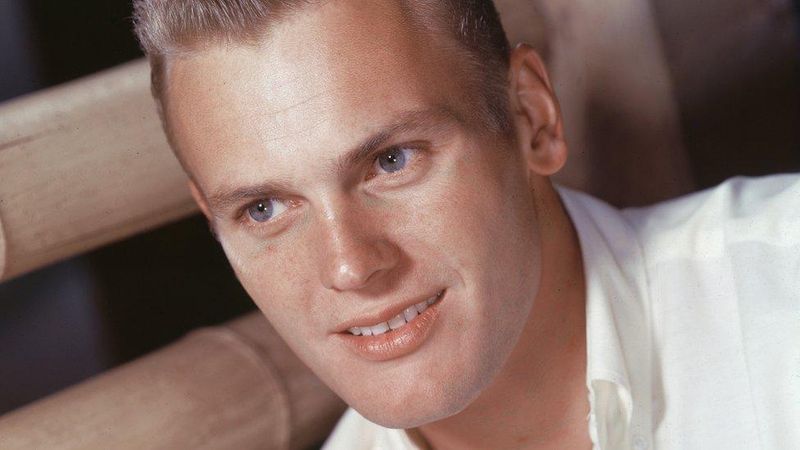
Tab Hunter was literally built for stardom. Warner Bros. marketed him as the all-American boy next door, with fan mail arriving by the truckload.
What the studio worked hard to hide was that Hunter was gay and had relationships with men, including Anthony Perkins.
The studio arranged public dates with actresses to keep his image clean. Hunter eventually wrote honestly about his experiences in his 2005 memoir, Tab Hunter Confidential, giving readers a candid look at the machinery behind old Hollywood’s manufactured romance culture.
16. Montgomery Clift: Too Sensitive for the System
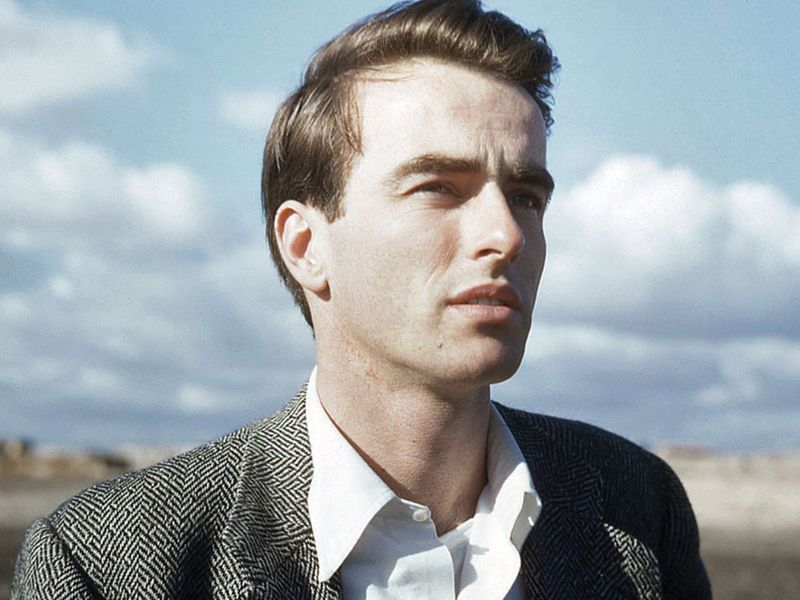
Montgomery Clift never entered a formal lavender marriage, but his story belongs in any honest discussion of Hollywood’s treatment of gay actors. Deeply private about his sexuality, he navigated a career full of intense, emotionally raw performances while keeping his personal life carefully guarded.
Close friends knew he was attracted to men, but the studio system discouraged any public acknowledgment. His struggles with identity, along with alcohol and prescription drugs, took a visible toll.
Clift died in 1966 at just 45 years old, leaving behind a legacy as rich as it was tragic.
17. What Lavender Marriages Tell Us About Old Hollywood
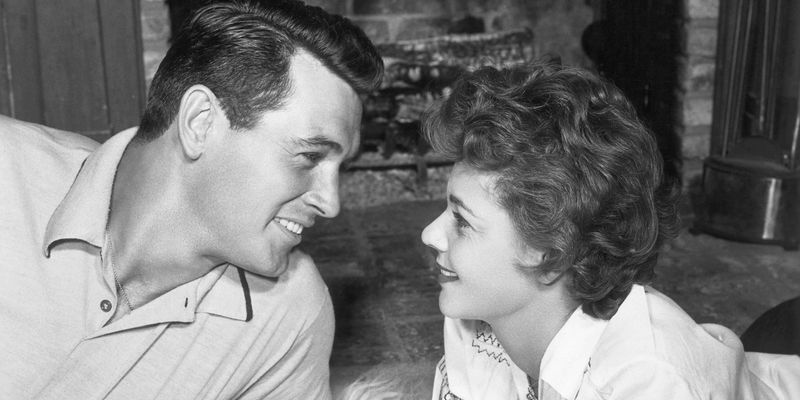
Looking back at lavender marriages reveals something important about the cost of fame in old Hollywood. Studios wielded enormous control over their stars, including who they could love and how they had to present themselves to the world.
For many LGBTQ+ actors, a fake marriage was simply the price of survival.
Today, these stories are told with more compassion and context. They remind us that behind the glamour were real people navigating impossible choices, often with quiet courage and a great deal of personal sacrifice.