
Sugar hides in some pretty surprising places. You might think you are making a healthy choice, but many everyday foods are secretly loaded with added sugar.
Food companies often add sugar to improve taste, texture, and shelf life, even in products that do not taste sweet at all. Knowing where hidden sugar lurks can help you make smarter choices for your health.
1. Bread
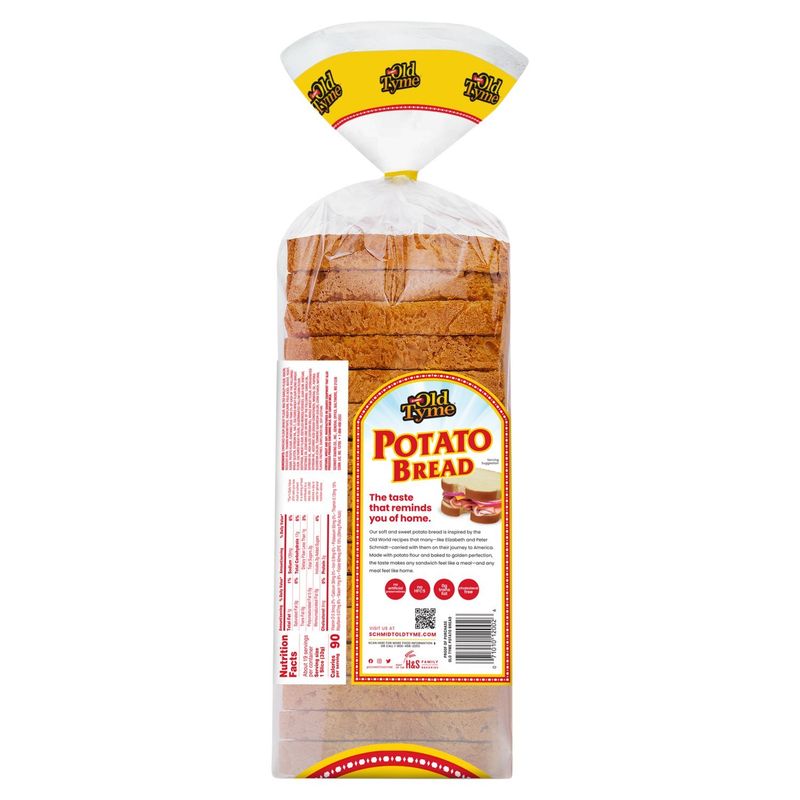
A sandwich seems like a simple, healthy meal, but the bread holding it together might be sneaking sugar into your diet. Most commercial breads, including whole wheat varieties, contain added sugar to improve flavor and help with browning during baking.
Check the ingredient list and you will often spot high-fructose corn syrup, honey, or plain sugar near the top. Choosing breads with fewer than 2 grams of sugar per slice is a smart move for cutting back.
2. Pasta Sauce
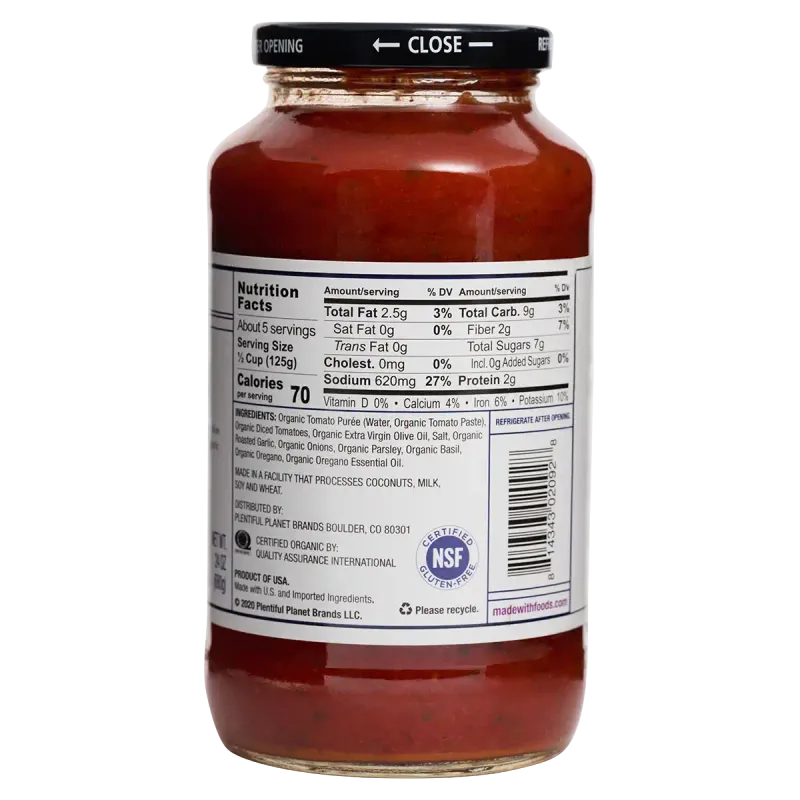
Tomatoes are naturally tangy, so manufacturers often add sugar to balance the acidity in jarred pasta sauces. Some popular brands pack as much as 12 grams of added sugar into a single half-cup serving, which is roughly the same as three teaspoons.
That adds up fast when you pour a generous amount over your pasta. Making sauce from scratch or choosing brands labeled “no added sugar” gives you much better control over what goes into your meal.
3. Flavored Yogurt
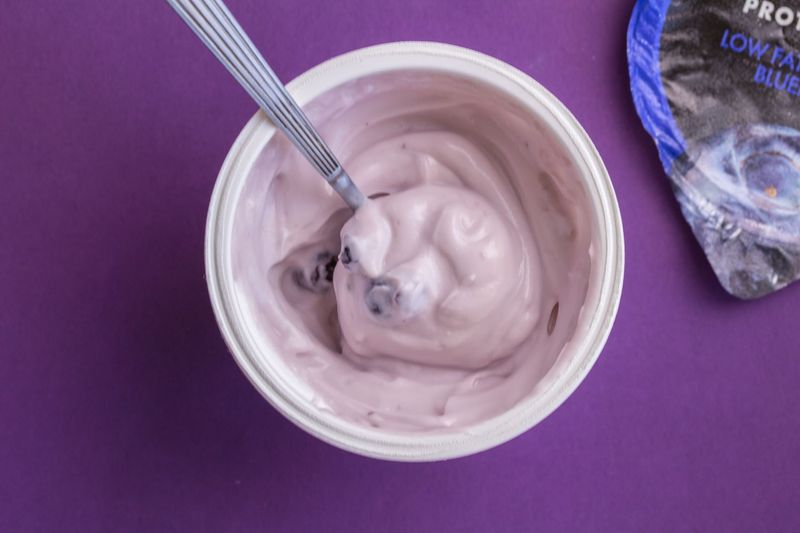
Yogurt has a reputation as a health food, and plain versions absolutely deserve it. The moment fruit, vanilla, or any flavoring gets added, though, the sugar count can skyrocket to 20 or more grams per small container.
Some flavored yogurts contain more sugar than a candy bar, which is a shocking comparison most people never consider. Opting for plain Greek yogurt and stirring in fresh fruit yourself keeps the sweetness real and the added sugar at zero.
4. Salad Dressing
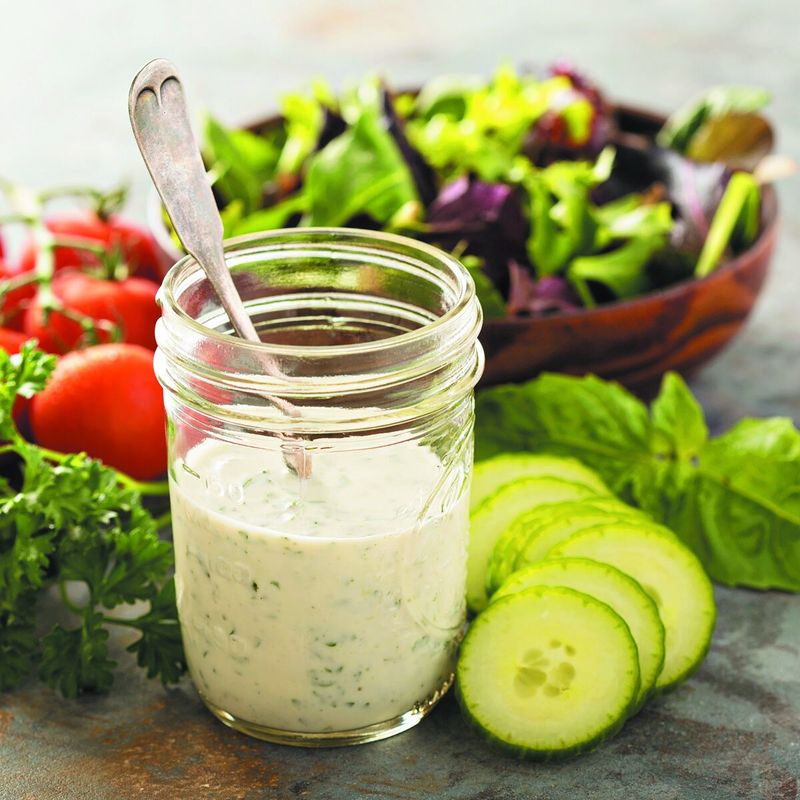
Pouring dressing over a salad feels like the healthy finishing touch, but many bottled dressings are surprisingly sugary. Low-fat versions are especially guilty because manufacturers replace the fat with sugar to keep the flavor appealing.
A single two-tablespoon serving of some fat-free raspberry vinaigrettes can contain 7 or more grams of added sugar. Making your own dressing with olive oil, lemon juice, and herbs takes just minutes and keeps your salad genuinely nutritious.
5. Granola Bars
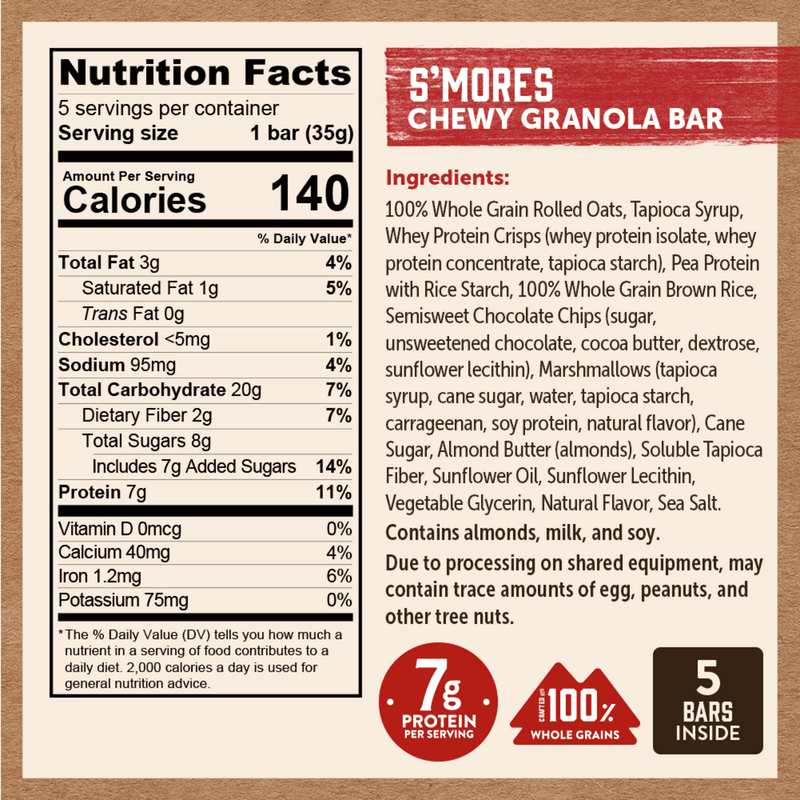
Granola bars are marketed as the go-to healthy snack for busy people, but many are essentially candy bars in disguise. Ingredients like corn syrup, brown sugar, honey, and chocolate chips push the sugar content well above what most people expect from a “healthy” snack.
Reading the label before buying can be eye-opening. Look for bars with whole food ingredients and fewer than 6 grams of added sugar per serving to find options that actually support your energy goals.
6. Ketchup
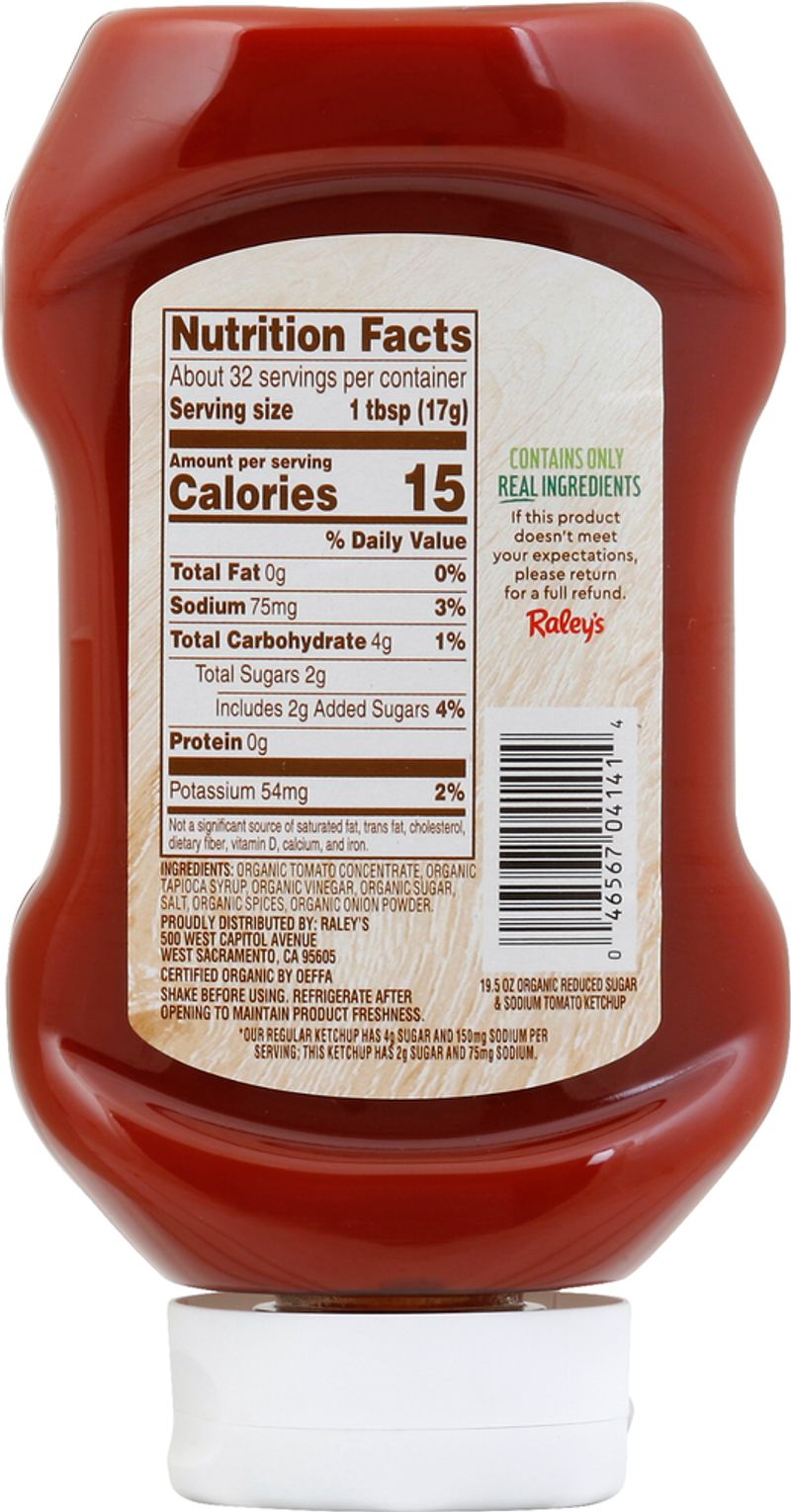
Ketchup is one of the most beloved condiments on the planet, but each tablespoon carries about 4 grams of added sugar. That might not sound like much, but most people use several tablespoons at a sitting without thinking twice.
Tomatoes already have natural sweetness, so the extra sugar added during processing is largely unnecessary. Mustard is a great low-sugar alternative, or you can find reduced-sugar ketchup options that still deliver that classic tangy flavor you love.
7. Coleslaw
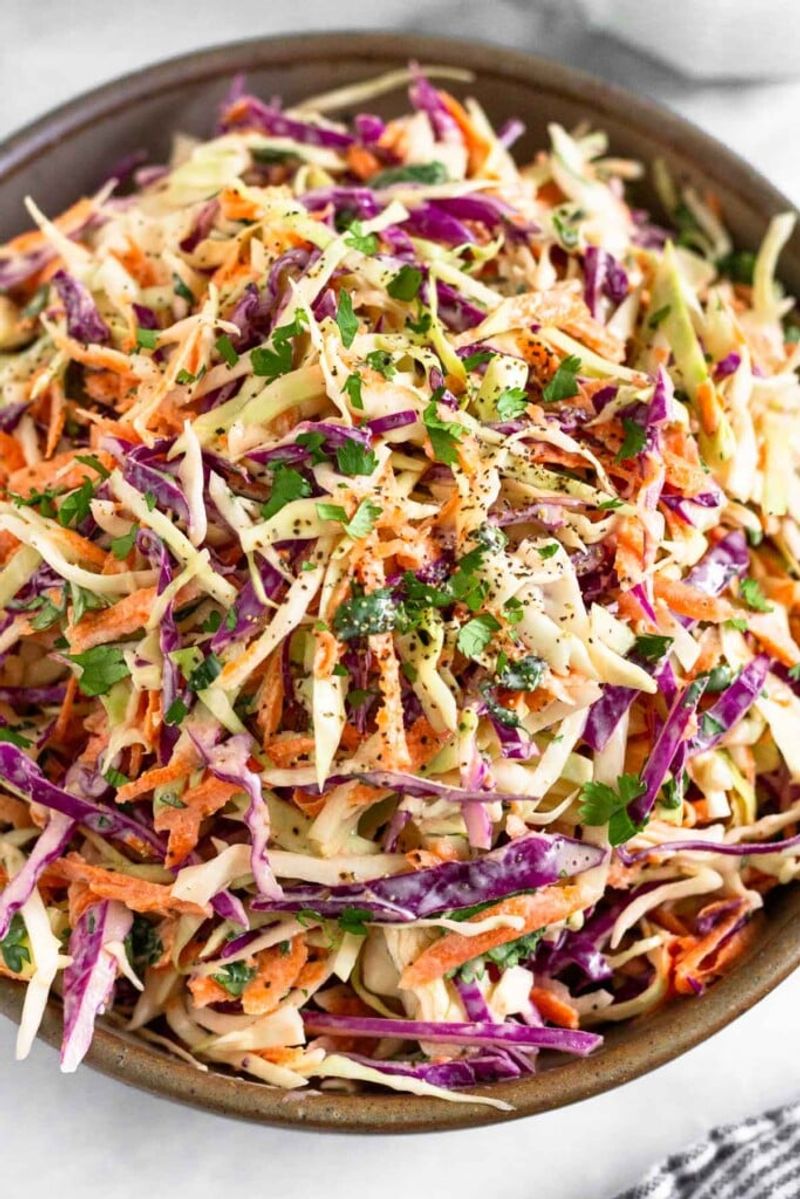
Coleslaw seems like a simple vegetable side dish, but the creamy dressing it is tossed in is often loaded with added sugar. Store-bought versions and restaurant coleslaws can contain anywhere from 8 to 15 grams of sugar per serving.
Cabbage on its own is a fantastic low-calorie vegetable, so it is a shame to drown it in sugary dressing. Making coleslaw at home with a light vinegar-based dressing lets you enjoy all the crunch without the hidden sweetness.
8. Canned Soup
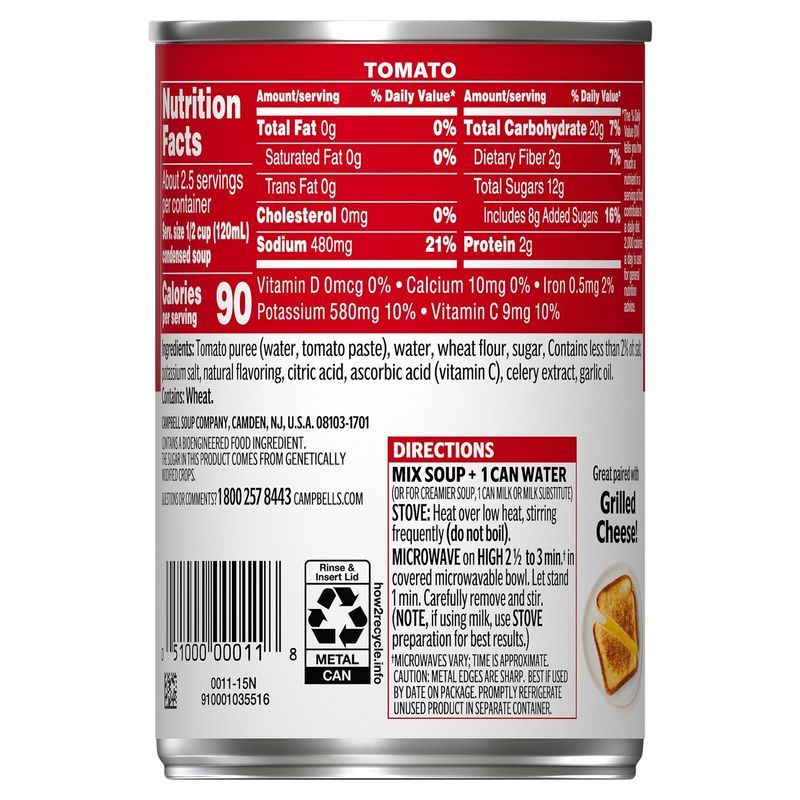
Soup feels like the ultimate comfort food, especially on a cold day. What most people do not realize is that canned soups, particularly tomato and vegetable varieties, often contain several grams of added sugar per serving.
Manufacturers add sugar to balance the saltiness and enhance overall flavor, making the product more appealing on the shelf. Checking the label for sugar content and choosing low-sodium, no-added-sugar versions can help you enjoy soup without the unnecessary extras.
9. Peanut Butter
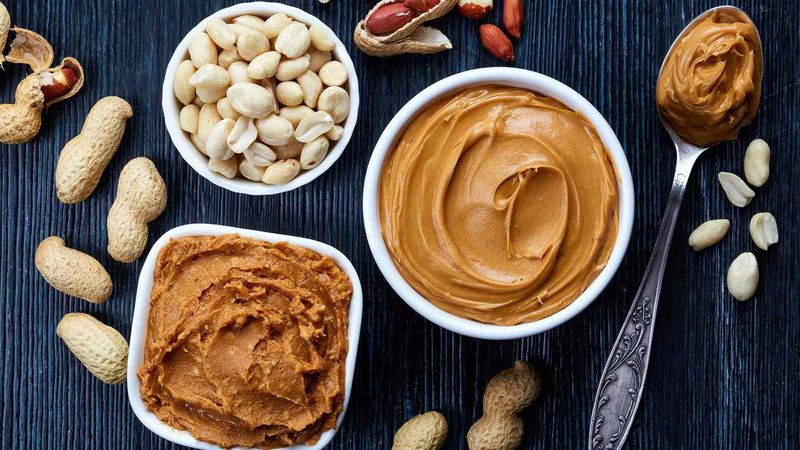
Natural peanut butter contains just two ingredients: peanuts and maybe salt. But the popular commercial brands lining grocery store shelves often sneak in added sugar and partially hydrogenated oils to improve taste and texture.
Some brands contain up to 3 grams of added sugar per tablespoon, which adds up quickly when you spread it generously. Choosing “natural” peanut butter where the oil separates at the top is a simple swap that cuts out that unnecessary sweetness entirely.
10. Breakfast Cereal
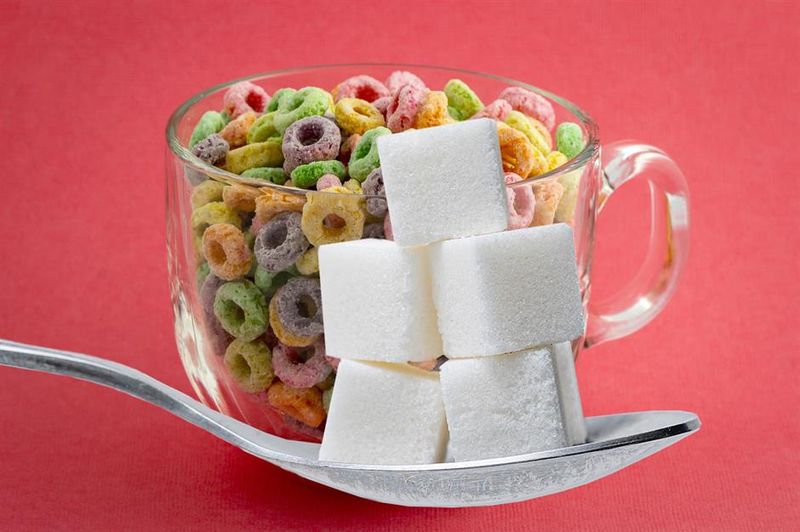
Many breakfast cereals aimed at adults, not just kids, are surprisingly high in added sugar. Even cereals marketed as “heart-healthy” or “high-fiber” can contain 10 to 15 grams of added sugar per serving, before you even add any milk.
Starting the day with that much sugar sets off energy spikes and crashes that affect your focus and mood. Oatmeal with fresh fruit or a lower-sugar cereal with at least 5 grams of fiber per serving is a far better morning option.
11. Sports Drinks

Sports drinks are designed to replenish electrolytes after intense exercise, but most people reach for them during everyday activities when water would work just fine. A standard 20-ounce bottle can contain 34 grams of sugar, which is nearly as much as a can of soda.
Unless you are an athlete training hard for over an hour, the sugar in sports drinks is more harmful than helpful. Coconut water or plain water with a pinch of sea salt provides hydration without the sugar overload.
12. Barbecue Sauce
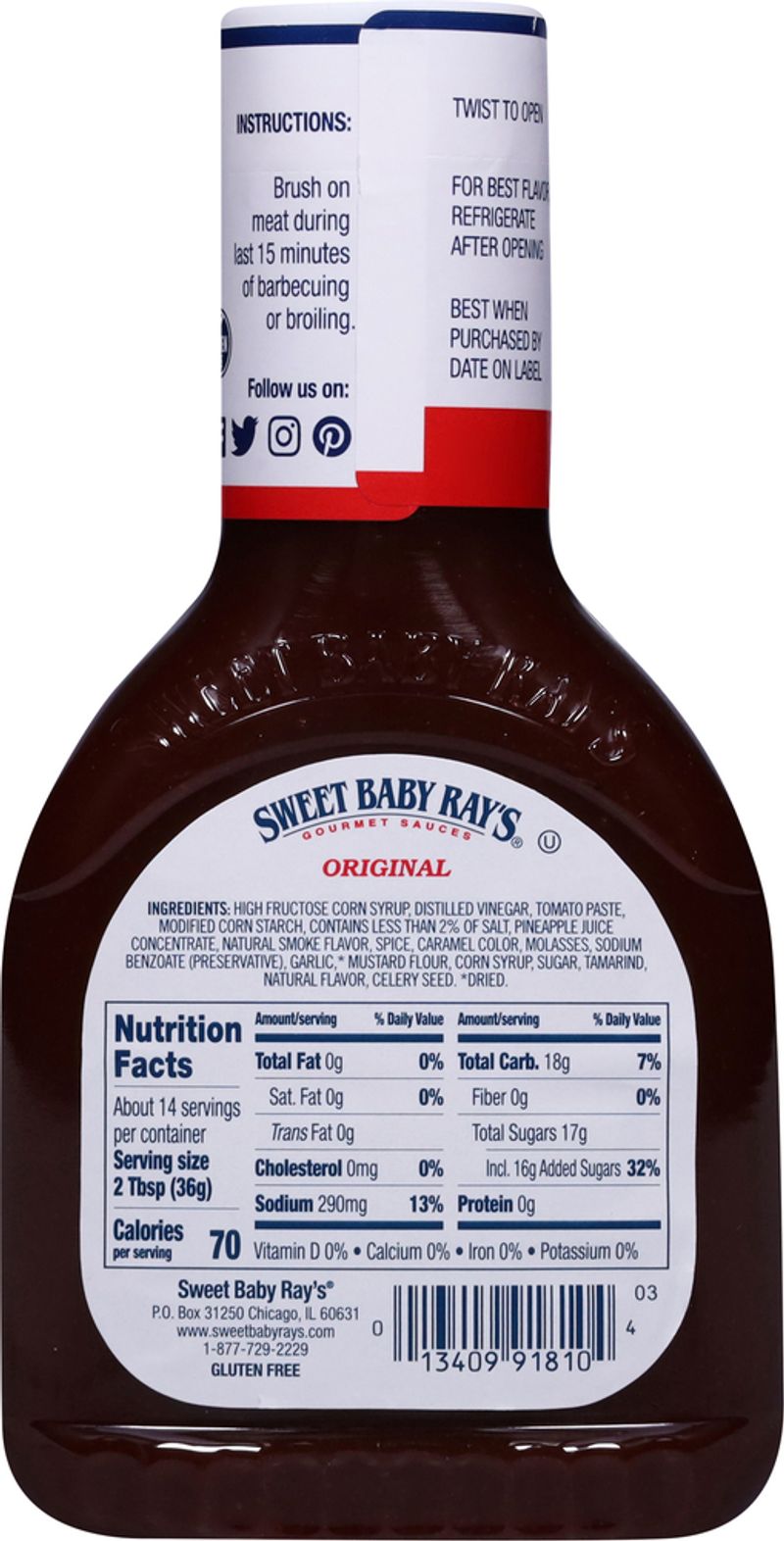
Nothing says summer quite like barbecue, but that sticky, finger-licking sauce is one of the biggest sugar traps in the condiment aisle. Some barbecue sauces contain as much as 16 grams of sugar in just two tablespoons, making them more like dessert than a savory topping.
Brown sugar, molasses, and corn syrup are common culprits listed in the ingredients. Using a light hand with the sauce or making a homemade version with less sweetener lets you enjoy the smoky flavor without the sugar spike.
13. Flavored Oatmeal Packets
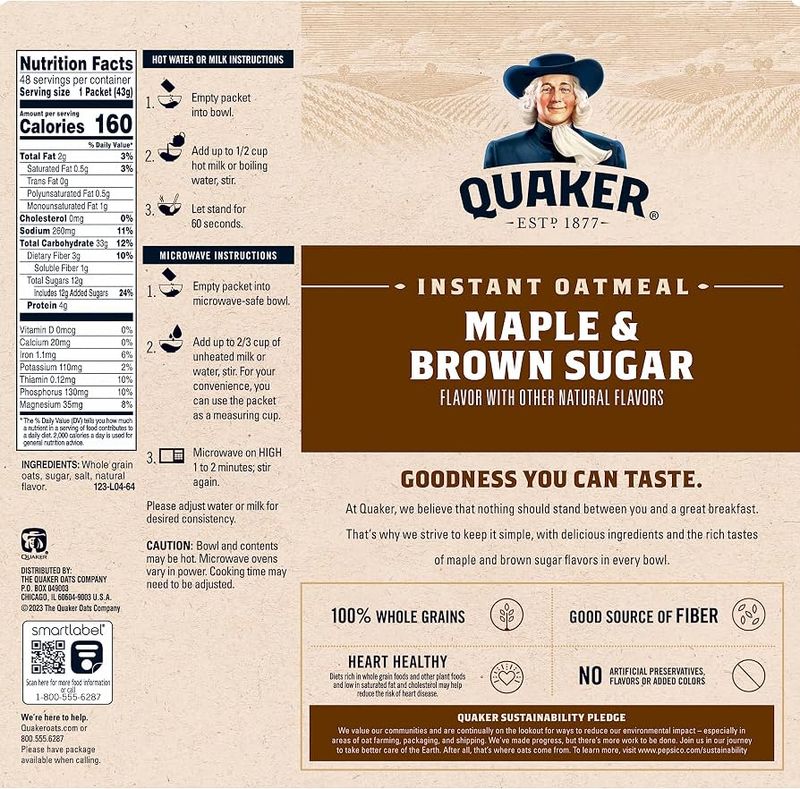
Plain oats are one of the most nutritious breakfast foods you can eat, packed with fiber and slow-releasing energy. The moment you grab a flavored instant packet, though, you are likely adding 10 to 15 grams of sugar before your day has even started properly.
Flavors like “Maple and Brown Sugar” or “Peaches and Cream” sound wholesome, but they rely heavily on added sweeteners. Cooking plain oats and adding a banana or a drizzle of real maple syrup gives you control over exactly how sweet your breakfast gets.
14. Fruit Juice
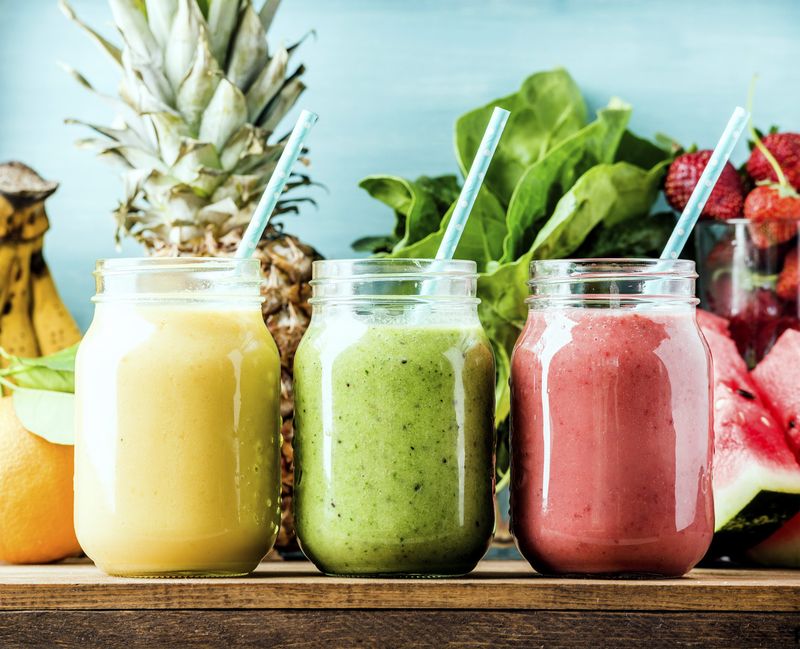
Fruit juice sounds like a healthy choice, but even 100 percent fruit juice contains a concentrated amount of natural sugar with very little of the fiber found in whole fruit. Many juice blends also include added sugar on top of that, pushing the total even higher.
A single 8-ounce glass of apple juice can have around 26 grams of sugar. Eating whole fruit instead gives your body fiber that slows sugar absorption, keeping your blood sugar more stable throughout the morning.
15. Frozen Meals
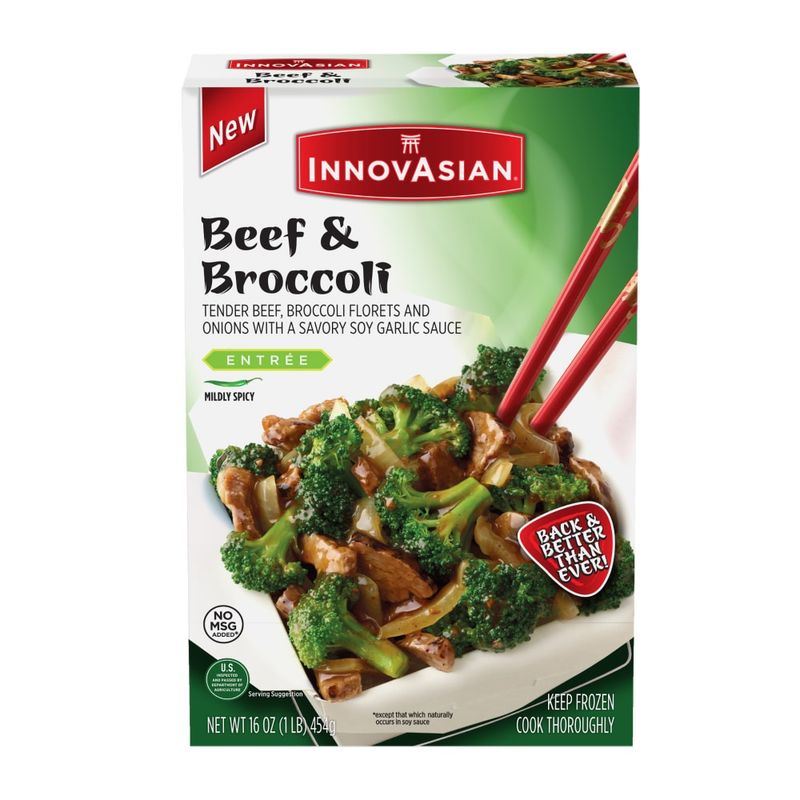
Frozen meals are a lifesaver on busy weeknights, but convenience often comes at a nutritional cost. Sugar is frequently added to frozen entrees, particularly teriyaki, sweet and sour, and tomato-based dishes, to enhance flavor and make them more appealing after reheating.
Even savory-sounding options like frozen stir-fry or pasta bakes can contain 8 to 12 grams of added sugar per serving. Scanning the nutrition label before tossing a box in your cart takes only seconds and can save you from a surprising sugar hit.
16. Canned Baked Beans
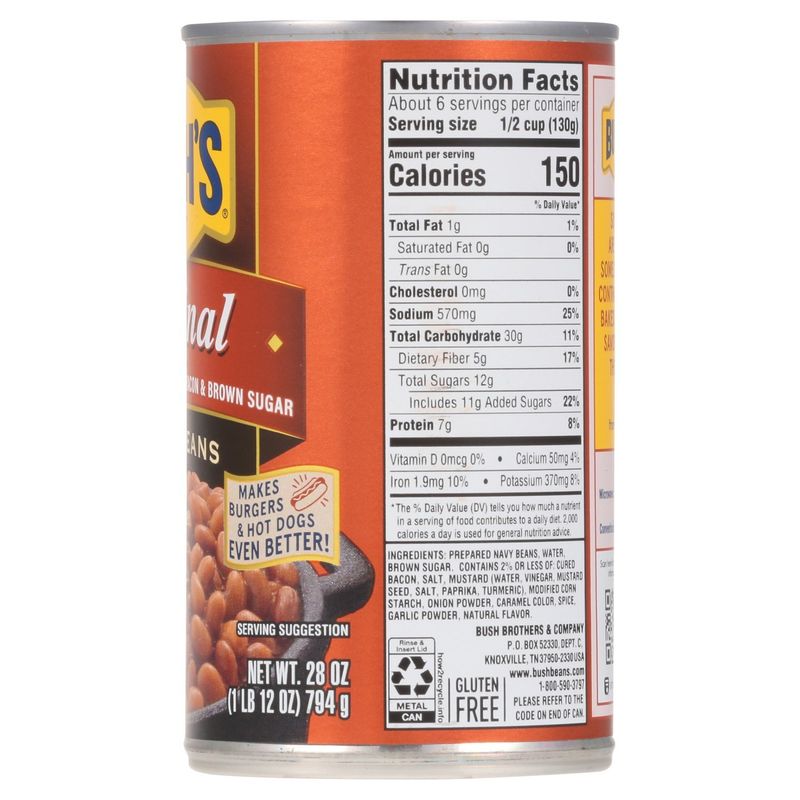
Baked beans are a classic comfort food that most people associate with protein and fiber, not sugar. Yet a standard half-cup serving of canned baked beans can contain anywhere from 10 to 18 grams of added sugar, depending on the brand.
The sweet, thick tomato sauce is the main culprit, made with molasses, brown sugar, or corn syrup. Rinsing canned beans and making your own quick sauce with tomatoes and spices is an easy way to slash that sugar count significantly.
17. Protein Bars
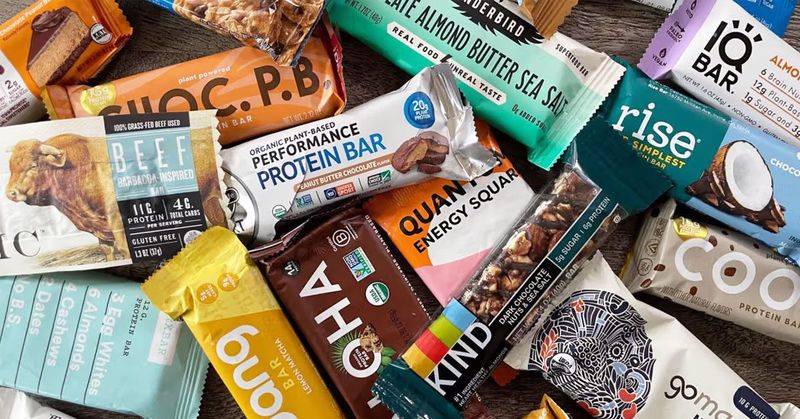
Protein bars are sold as a fitness-friendly snack, but a closer look at the ingredient list often tells a different story. Many popular brands load their bars with sugar, sugar alcohols, and syrups to make the high-protein content taste less chalky and more like a treat.
Some bars contain over 20 grams of sugar, which essentially cancels out the health benefits of the protein. Bars made with minimal ingredients and fewer than 8 grams of added sugar are worth seeking out if you want a genuinely supportive post-workout snack.
18. Teriyaki Sauce
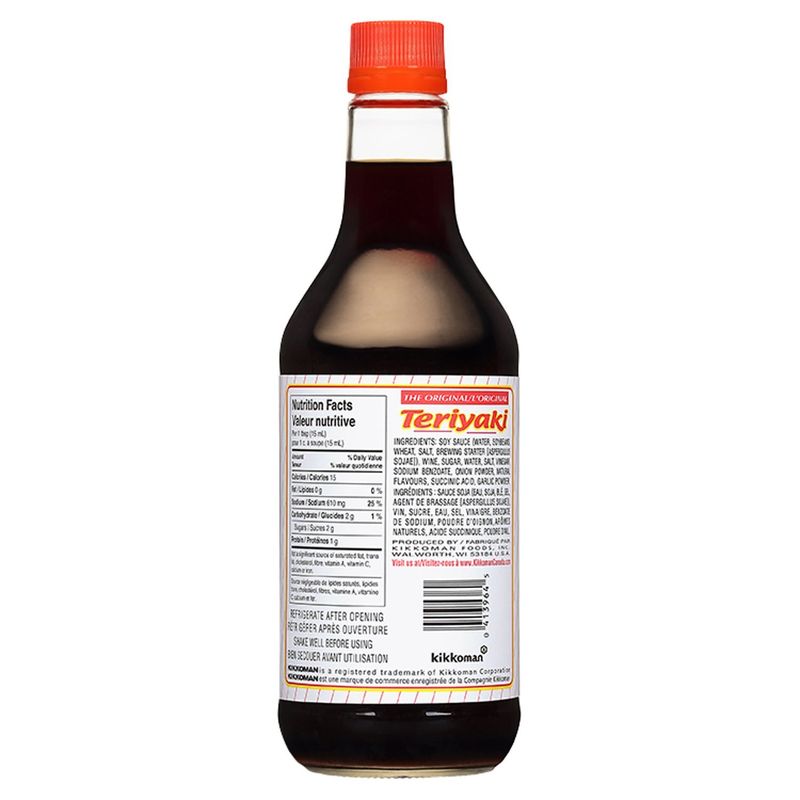
Teriyaki sauce gives chicken, beef, and tofu that irresistible sweet-savory glaze, but the sweetness comes at a price. A single two-tablespoon serving of most commercial teriyaki sauces contains between 8 and 12 grams of added sugar, often from corn syrup or refined cane sugar.
When you marinate meat in it and then add more during cooking, those grams stack up fast. A homemade version using low-sodium soy sauce, garlic, ginger, and just a small amount of honey delivers great flavor with far less added sugar overall.
19. Coleslaw Dressing and Mayonnaise

Mayonnaise and salad cream seem like purely fatty condiments, but many commercial brands quietly include added sugar in their recipes. Salad cream in particular can contain up to 5 grams of sugar per tablespoon because of its tangy-sweet flavor profile.
Light and low-fat versions often compensate for reduced fat by adding even more sugar, which makes them a less healthy swap than they appear. Plain Greek yogurt mixed with a squeeze of lemon and a little mustard makes a surprisingly tasty, low-sugar alternative spread.
20. Vitamin Water and Flavored Waters
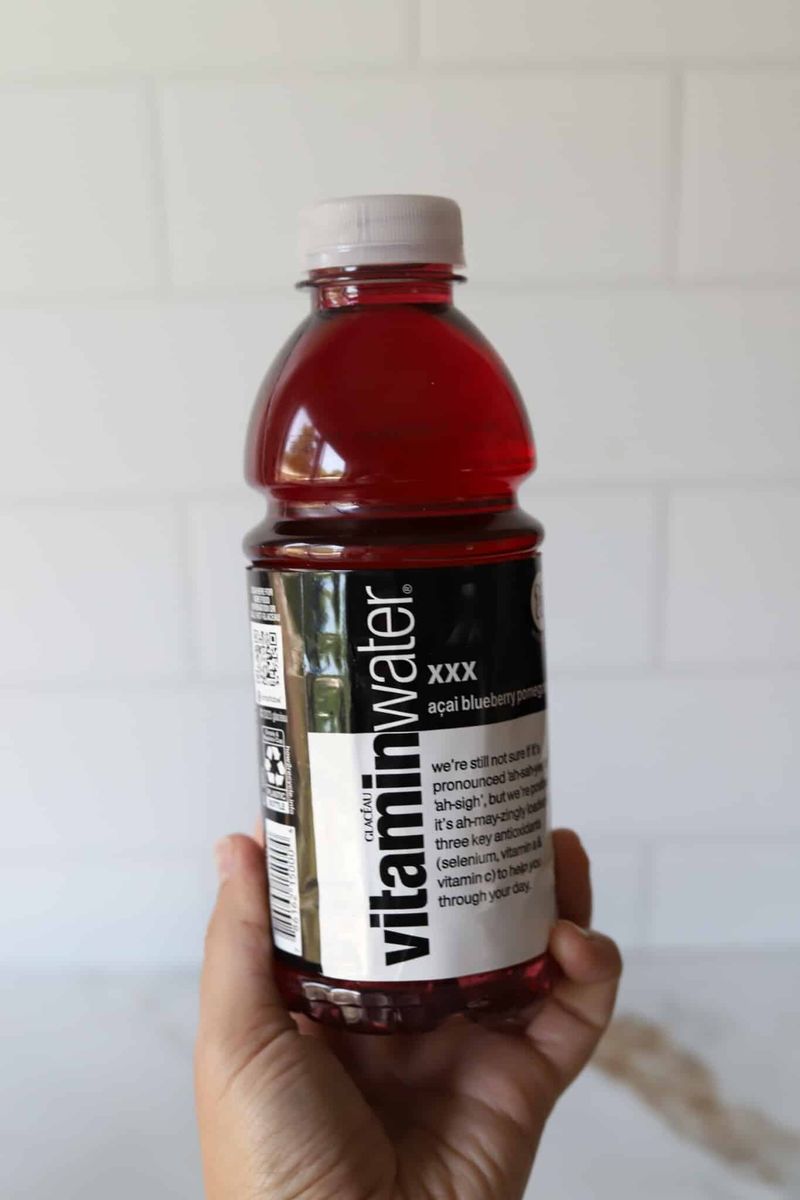
Anything with “water” in the name sounds refreshingly innocent, but vitamin waters and flavored water drinks are often packed with added sugar. A standard 20-ounce bottle of a popular vitamin water brand contains around 32 grams of sugar, which is close to the amount in a soda.
The vitamins added to these drinks are usually in amounts too small to make a real nutritional difference. Plain sparkling water with a slice of lemon or a few crushed mint leaves gives you a satisfying flavored drink with zero added sugar.
21. Cooked and Packaged Sushi Rolls
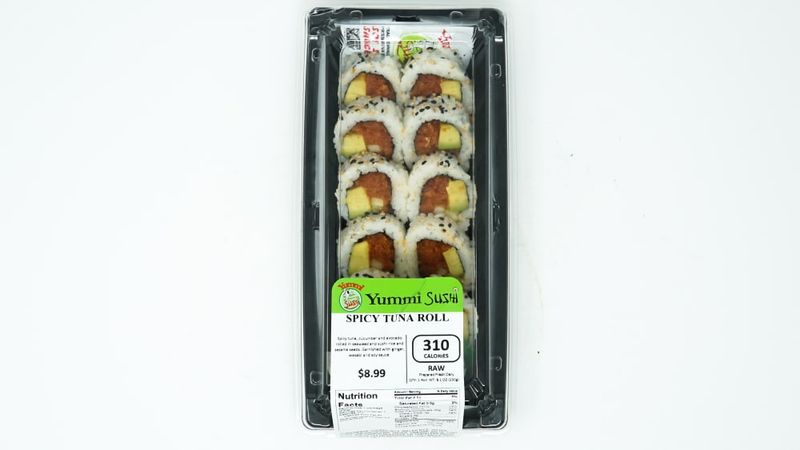
Sushi rolls look like a light, balanced meal, and plain nigiri or sashimi genuinely are. Packaged sushi rolls from grocery stores and food courts, however, are a different story.
The rice used in sushi is traditionally seasoned with rice vinegar, salt, and sugar, meaning every roll already has added sugar built in.
Rolls filled with teriyaki, spicy mayo, or sweet sauces add even more. Choosing simpler rolls with fresh fish and vegetables, and using soy sauce sparingly, keeps your sushi meal on the healthier side.