
Some books have been pulled from library shelves, banned in schools, and debated in courtrooms, yet they keep finding their way into readers’ hands. Challenged books often tackle the toughest topics in life, from racism and identity to love and freedom, which is exactly why they matter so much.
Reading a book that someone tried to silence is a powerful act of curiosity. Here are 20 of the most challenged books worth picking up at least once.
1. Fahrenheit 451 by Ray Bradbury
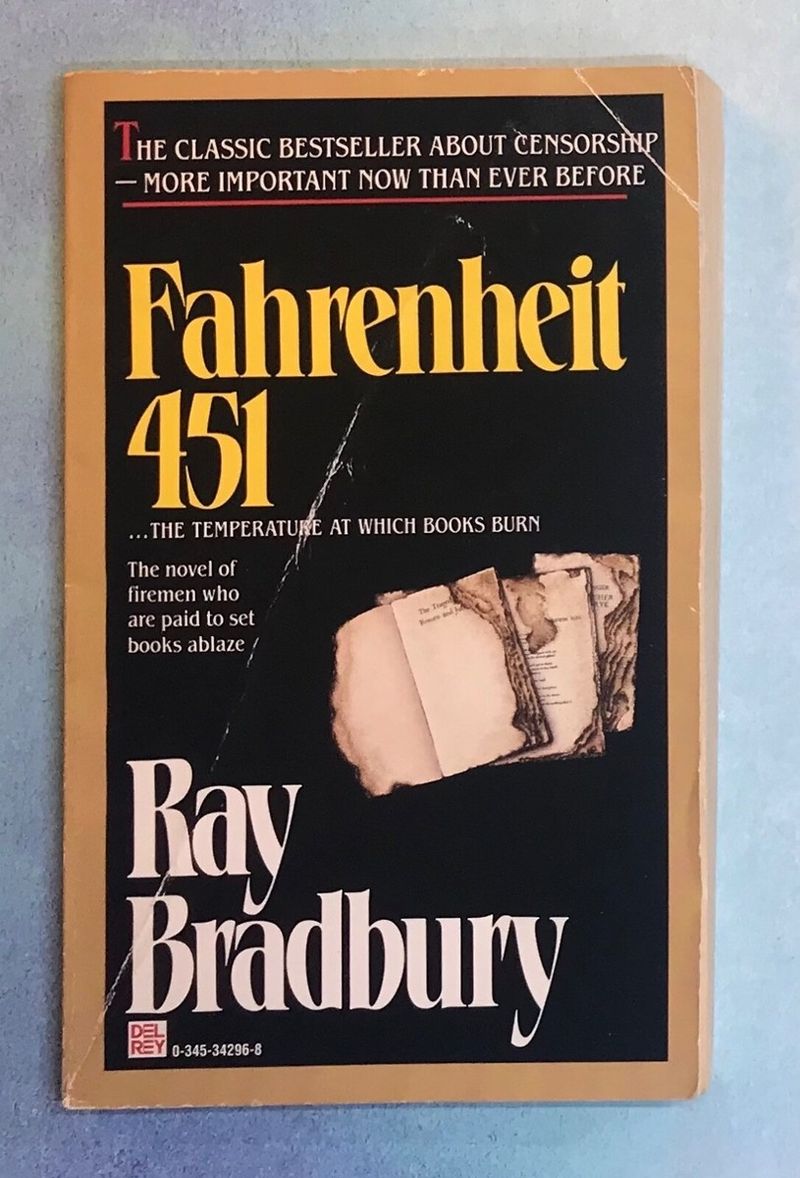
Here is a strange twist: a book about burning books has itself been challenged and restricted in schools. Ray Bradbury wrote this story to warn readers about what happens when governments control information and silence free thought.
Firefighter Guy Montag lives in a world where books are illegal, but he slowly begins to question everything.
This classic pushes readers to think hard about censorship, knowledge, and the courage it takes to speak up. A must-read for anyone who loves books.
2. Captain Underpants Series by Dav Pilkey
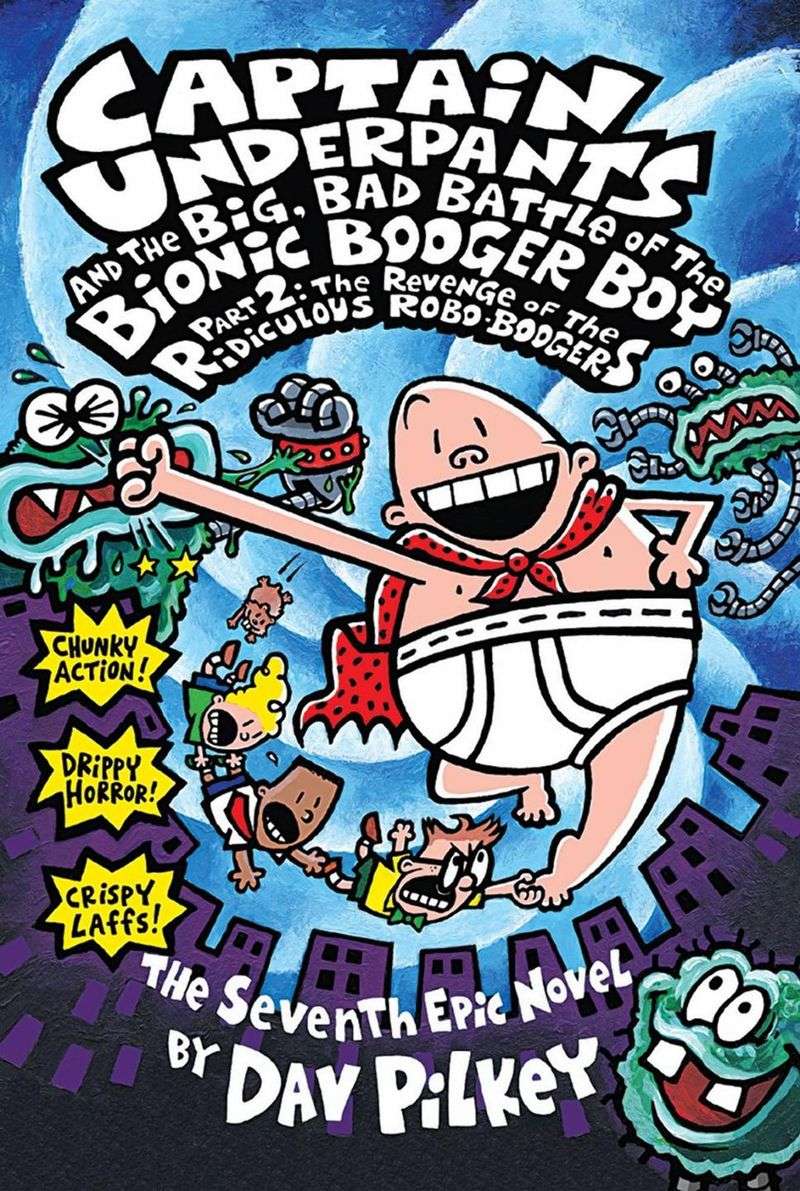
Two kids, one hypnotized principal, and a whole lot of potty humor, that is the recipe for one of the most challenged children’s book series in history. Dav Pilkey created Captain Underpants partly from his own childhood struggles with ADHD and dyslexia, making the story deeply personal.
Critics say the books are too silly or inappropriate, but millions of kids say they are the reason they fell in love with reading. Sometimes laughter is the best classroom lesson.
3. The Absolutely True Diary of a Part-Time Indian by Sherman Alexie
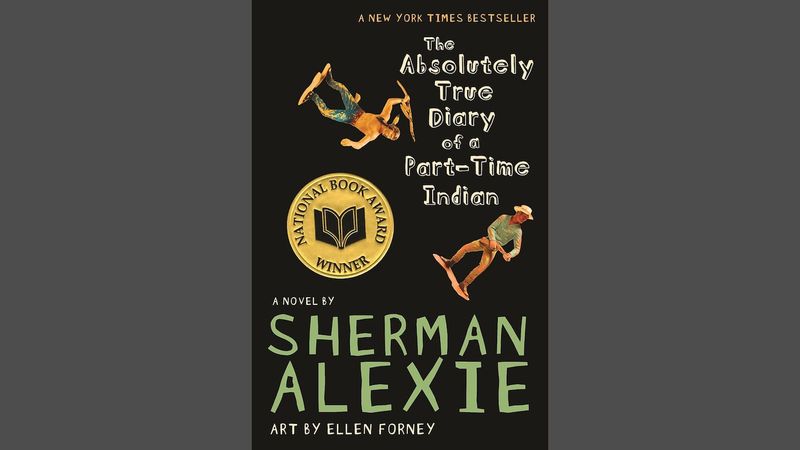
Arnold Spirit Jr. is a Native American teenager who decides to leave his reservation school and attend an all-white school miles away, and almost nothing goes smoothly. Sherman Alexie based much of this story on his own life, filling it with humor, heartbreak, and hard truths.
The book has been challenged for language and mature content, but its honest look at identity, poverty, and belonging is exactly what makes it so powerful. Readers who stick with Arnold will not regret it.
4. Thirteen Reasons Why by Jay Asher
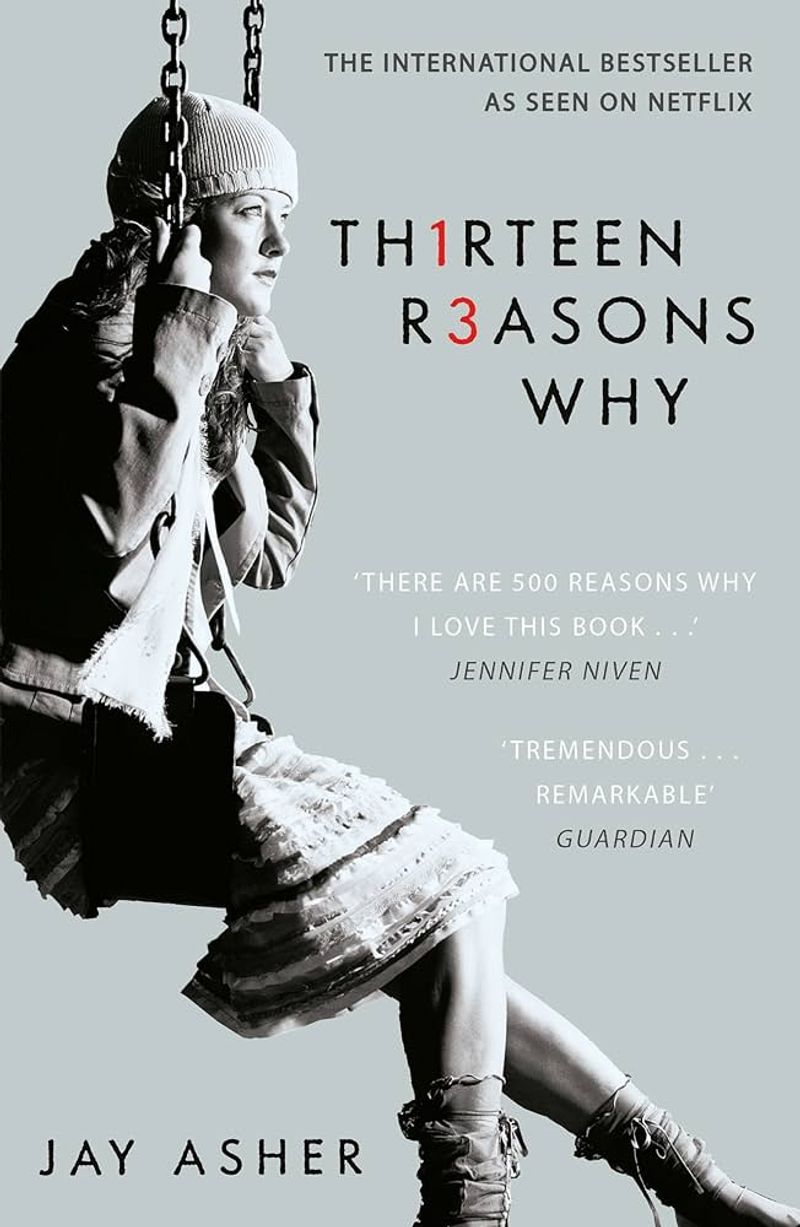
Few books have stirred as much debate in schools and homes as this one. Jay Asher tells the story of Hannah Baker, a teenager who leaves behind 13 recorded tapes explaining the events that led to her death by suicide.
The subject matter is heavy, but the story is told with care.
Schools have challenged it for how it handles suicide, yet counselors and teens alike say it opens up conversations that might otherwise never happen. It is a hard read with real value.
5. Looking for Alaska by John Green
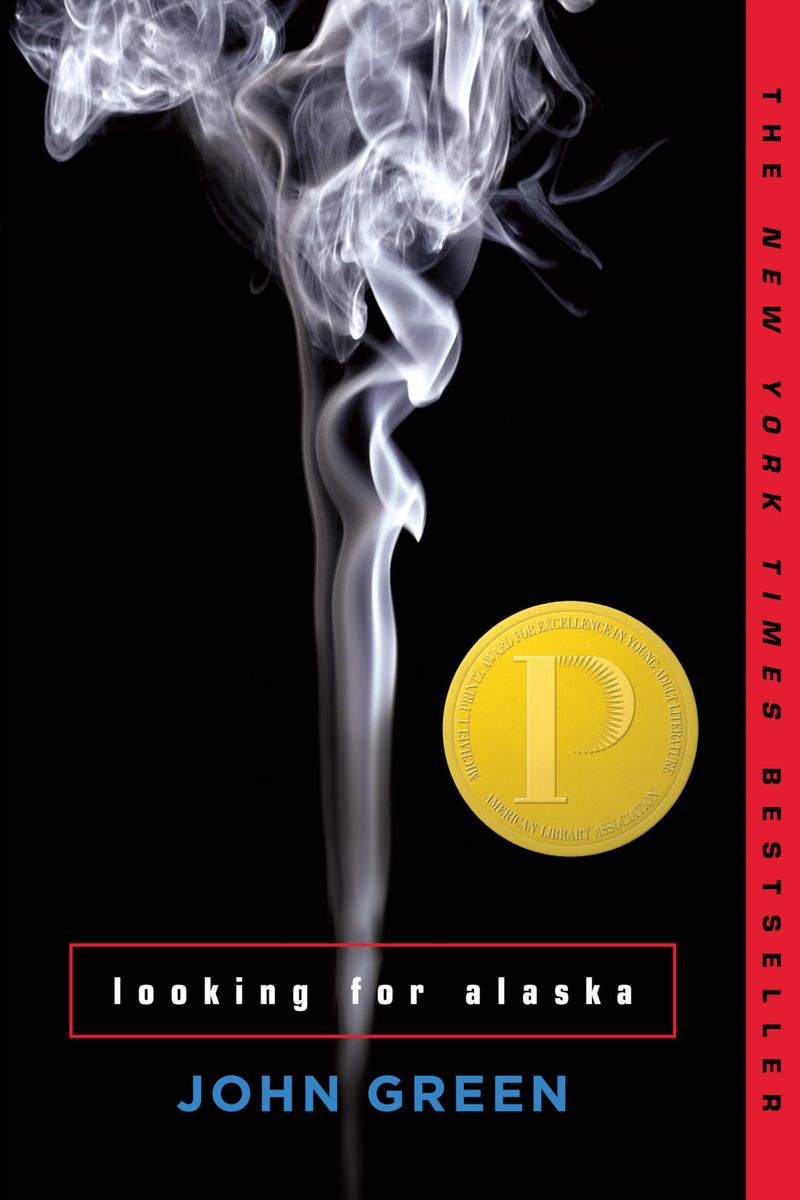
John Green’s debut novel follows Miles Halter as he transfers to a boarding school and becomes completely captivated by the mysterious Alaska Young. The story explores friendship, grief, and the search for meaning in ways that feel raw and real for teenage readers.
It has been challenged repeatedly for sexually explicit scenes and strong language, but underneath all of that is a story about loss and how we carry the people we love. Green fans consider this one of his most emotional and honest works.
6. George by Alex Gino
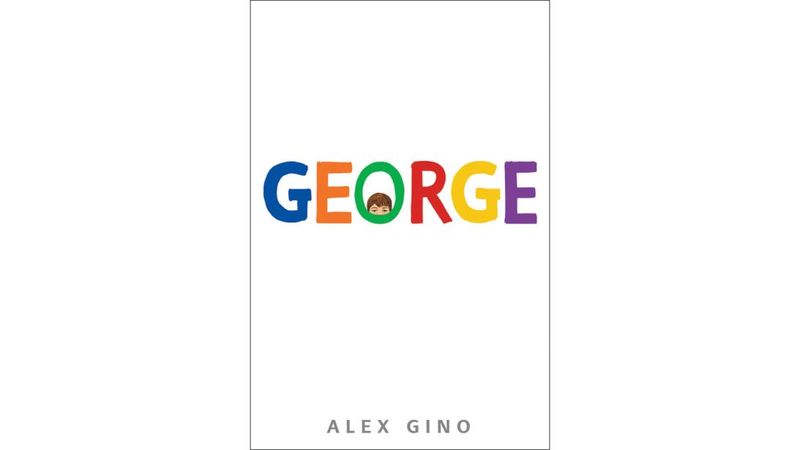
Melissa knows who she is, even if the world around her keeps calling her by the wrong name. Alex Gino’s book, now republished under the title Melissa, follows a young transgender girl navigating school, friendship, and family while trying to play Charlotte in the class play.
It has been one of the most challenged books in recent years due to its transgender themes, yet LGBTQIA+ youth and their allies celebrate it for showing that every kid deserves to see themselves in a story. Heartfelt and quietly brave.
7. And Tango Makes Three by Justin Richardson and Peter Parnell
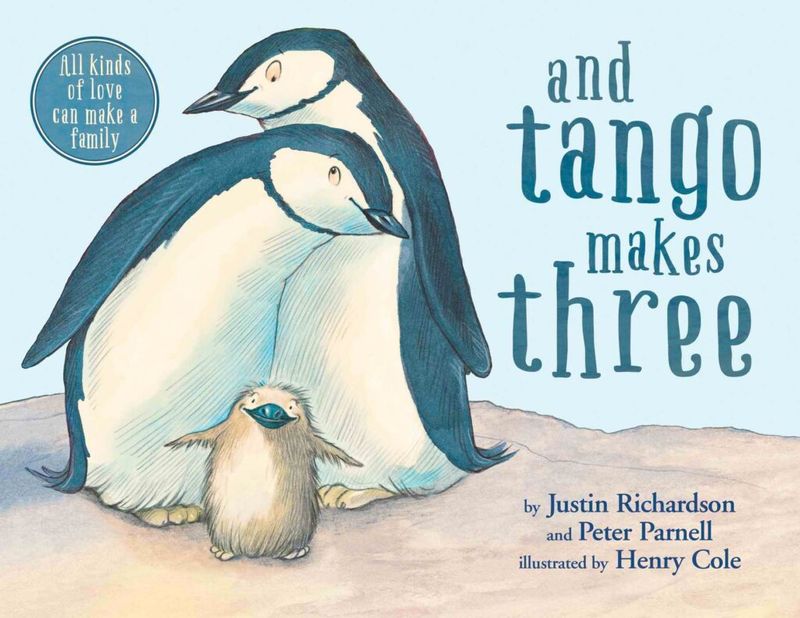
Based on a true story from New York’s Central Park Zoo, this picture book tells the tale of two male penguins named Roy and Silo who raise a chick named Tango together. It is warm, simple, and written for young children, yet it has topped banned book lists for years.
Critics challenge it for depicting a same-sex penguin family, but the story is really just about love and caring for one another. Real penguins, real zoo, real heart.
A genuinely sweet read for all ages.
8. The Bluest Eye by Toni Morrison
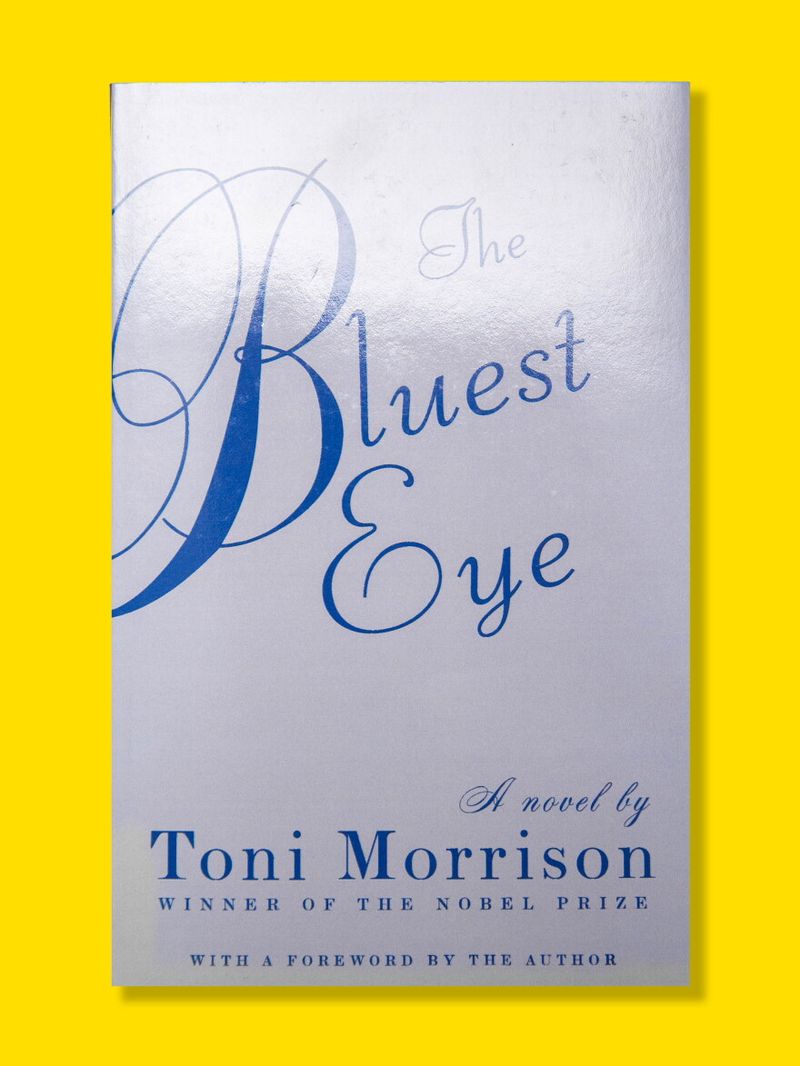
Toni Morrison wrote her first novel about a young Black girl named Pecola who believes that having blue eyes will make the world treat her better. Published in 1970, the book is a searing look at racism, beauty standards, and the damage they cause to a child’s sense of worth.
Schools have challenged it for disturbing content, but Morrison’s writing is widely taught in colleges for good reason. Few books cut as deep or ask as much of the reader’s empathy.
A challenging read that genuinely changes perspective.
9. The Kite Runner by Khaled Hosseini
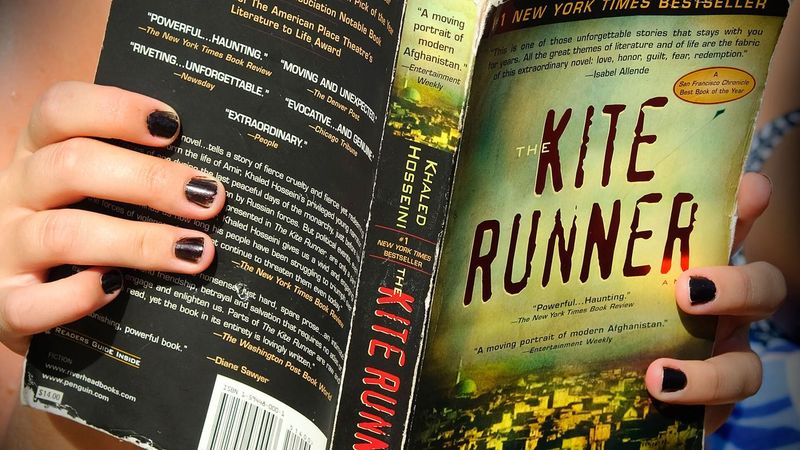
Set against the backdrop of Afghanistan from the 1970s through the Taliban era, Khaled Hosseini’s debut novel follows Amir and his childhood friend Hassan across decades of war, guilt, and redemption. It is an emotional journey that pulls readers across continents and generations.
The book has been challenged for violence and mature content, but its themes of forgiveness and loyalty make it deeply human. Hosseini based parts of the story on his own Afghan childhood, which gives every page an aching sense of truth.
10. The Perks of Being a Wallflower by Stephen Chbosky
Charlie writes anonymous letters to a stranger, and through those letters readers get a painfully honest look at teenage life, trauma, and what it means to feel invisible. Stephen Chbosky wrote this book in the form of letters, which makes it feel like reading someone’s private diary.
Challenged for its content involving drugs, abuse, and LGBTQIA+ themes, it remains one of the most beloved coming-of-age novels of its generation. Teens who feel like outsiders often say this book made them feel seen for the very first time.
11. To Kill a Mockingbird by Harper Lee
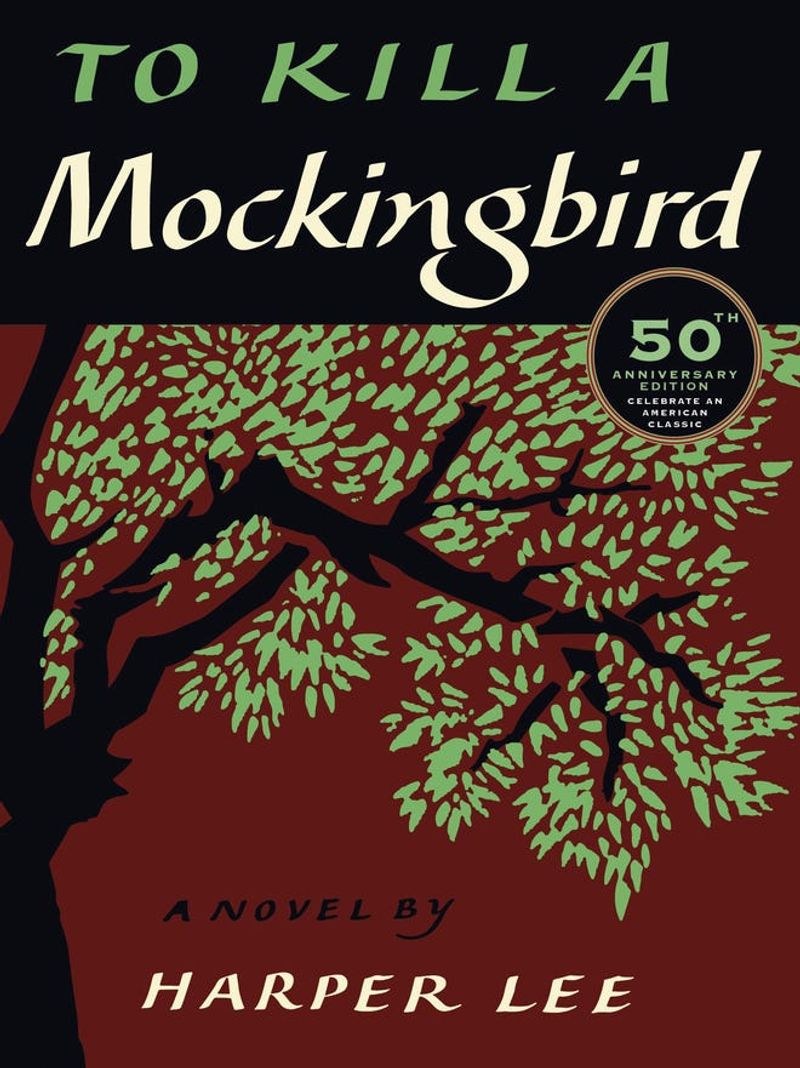
Atticus Finch defending Tom Robinson in a racially divided Alabama town is one of the most iconic courtroom scenes in all of American literature. Harper Lee published this novel in 1960, and it won the Pulitzer Prize the very next year.
Despite its celebrated status, it has been challenged repeatedly for racial slurs used in the text. Many educators argue that removing it would erase an honest conversation about America’s history.
Scout’s voice remains one of the most memorable in fiction, young, curious, and unafraid to ask hard questions.
12. Sold by Patricia McCormick
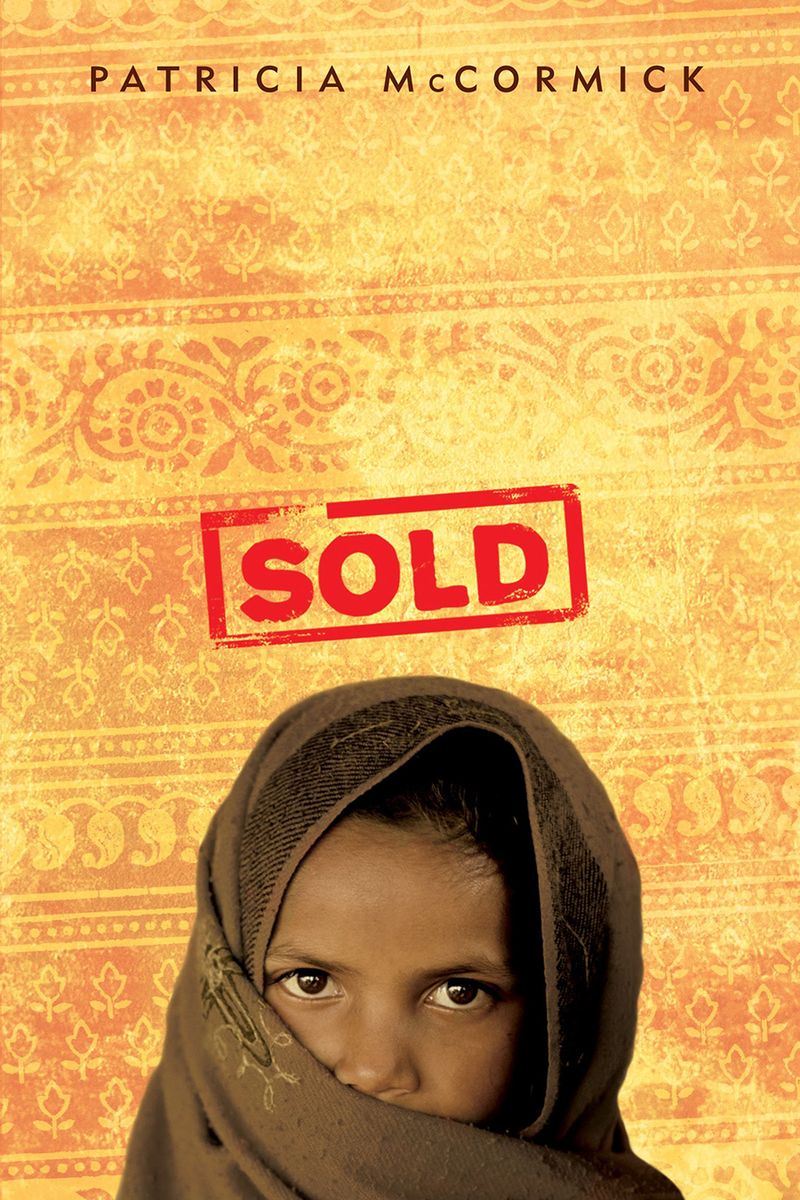
Told entirely in short, poetic chapters, Sold follows Lakshmi, a 13-year-old girl from Nepal who is sold into sex trafficking under the false promise of a better life. Patricia McCormick spent time in India and Nepal researching the story, and that groundwork makes every page feel devastatingly real.
Schools have challenged it for its subject matter, but advocates argue it is one of the most important books teens can read. Knowing this happens in the real world is the first step toward caring enough to change it.
13. Gender Queer by Maia Kobabe
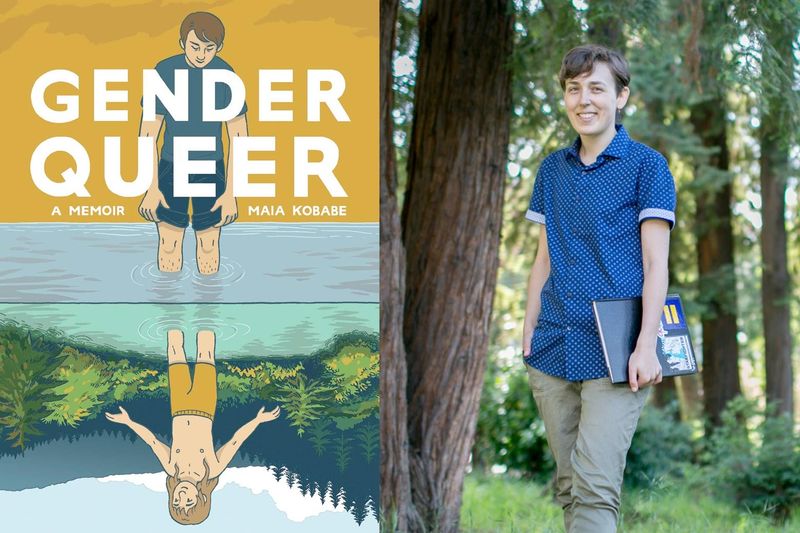
Maia Kobabe’s graphic memoir explores gender identity and sexuality in a way that is both personal and visually expressive. Using the pronouns e/em/eir, Kobabe shares the journey of figuring out a sense of self that does not fit neatly into existing categories.
It became the most challenged book in the United States in both 2021 and 2022, primarily for its LGBTQIA+ content and illustrations. For many readers, especially those questioning their own identity, it offers something rare: a mirror that finally reflects their experience back at them.
14. All Boys Aren’t Blue by George M. Johnson
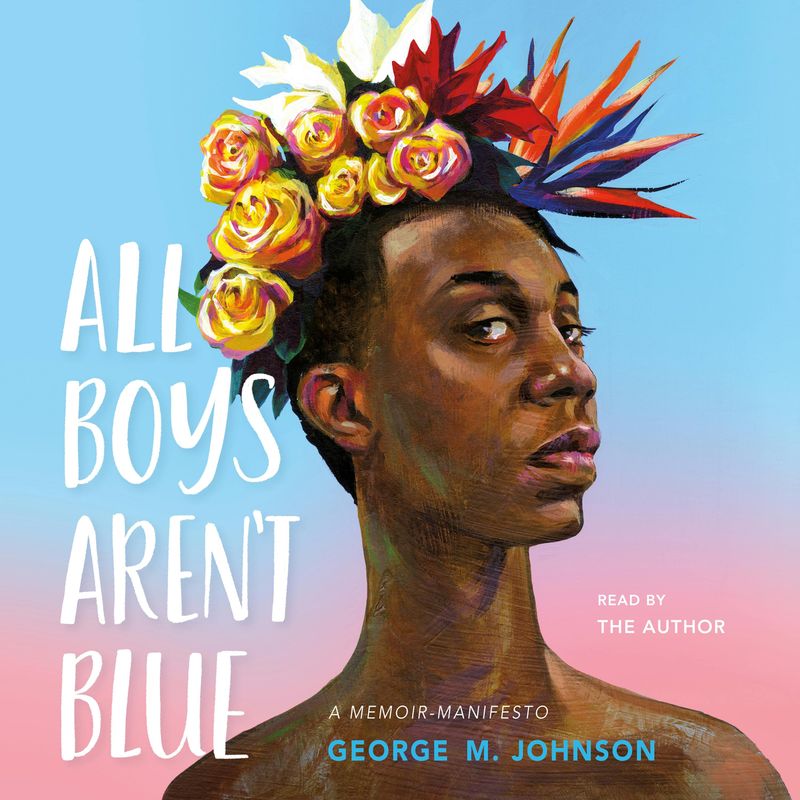
George M. Johnson wrote this memoir-manifesto as a love letter to Black queer youth who rarely see themselves in books.
Drawing from childhood memories and young adult experiences, Johnson covers topics like masculinity, family, identity, and first love with refreshing honesty.
The book has faced challenges across multiple states for its LGBTQIA+ content, but readers who find it often describe it as life-changing. Johnson’s voice is bold, tender, and completely unapologetic, which is precisely why it matters so much on a shelf near you.
15. The Hate U Give by Angie Thomas
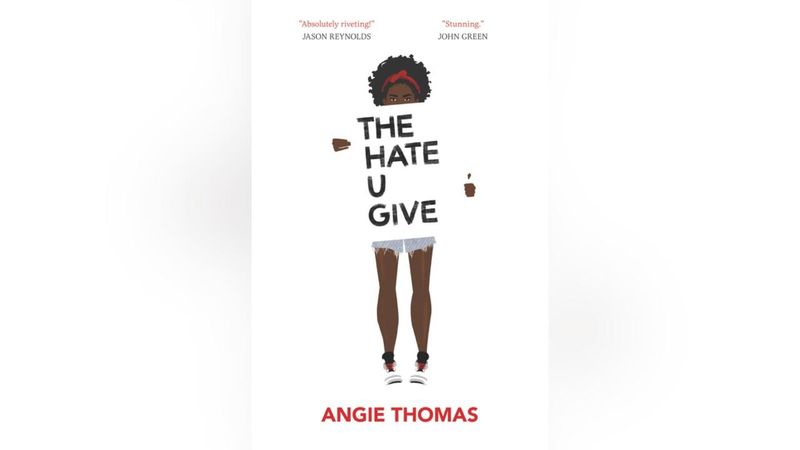
Starr Carter watches her unarmed childhood friend get shot by a police officer, and then must decide whether to speak up in a world that may not listen. Angie Thomas wrote this novel inspired by the Black Lives Matter movement, and it arrived like a thunderclap in young adult fiction.
Challenged for its themes of racism, violence, and drug references, it has also won dozens of awards. Readers say it builds empathy in a way that no news broadcast ever quite manages to achieve.
16. This Book Is Gay by Juno Dawson
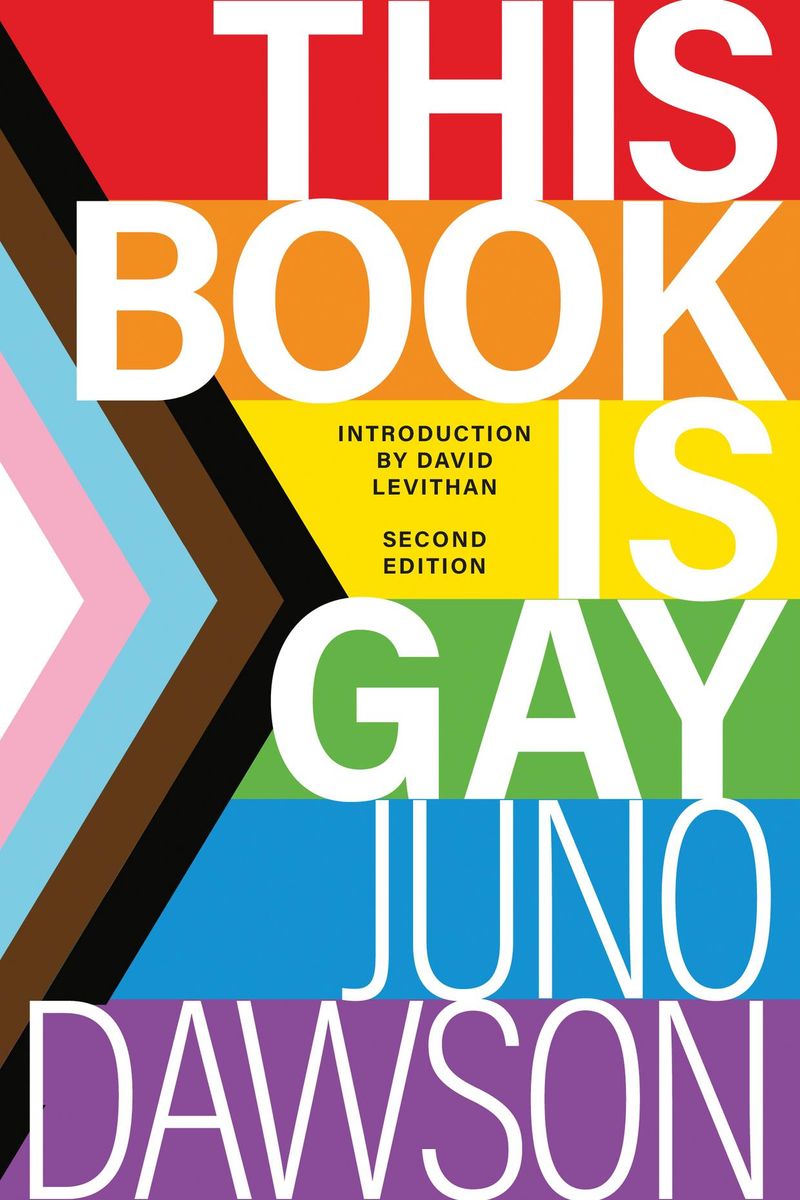
Part guide, part conversation starter, Juno Dawson’s nonfiction book addresses questions that LGBTQIA+ teens often have but feel too nervous to ask out loud. Written with humor and warmth, it covers everything from coming out to relationships to finding community.
It has been challenged in schools for its content, but librarians and counselors frequently point to it as a genuinely helpful resource for young people navigating their identity. Dawson writes like a knowledgeable older friend rather than a textbook, which makes a world of difference for a teenager reading alone at night.
17. 1984 by George Orwell
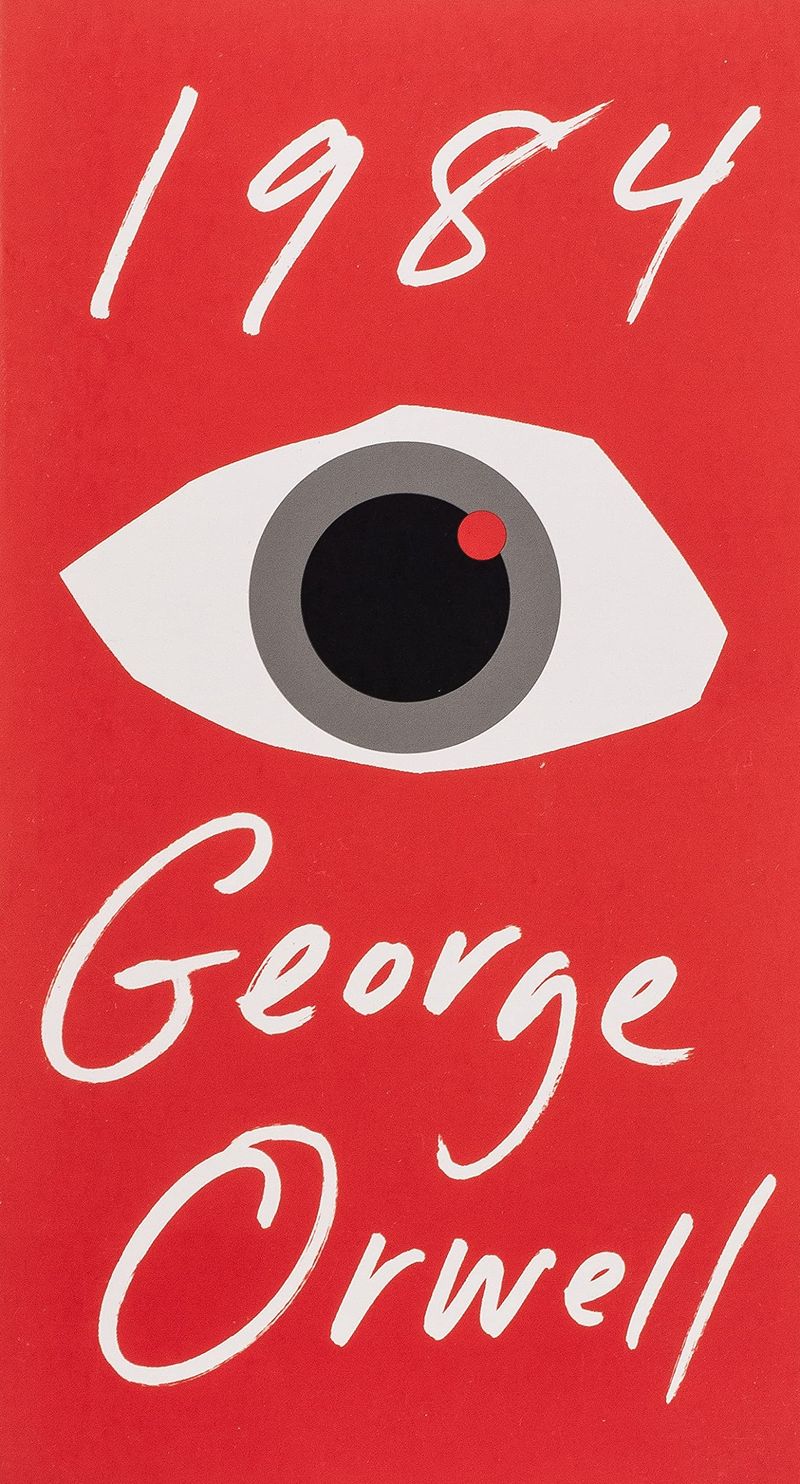
Published in 1949, George Orwell’s chilling vision of a totalitarian future where “Big Brother” watches every move and the government rewrites history still feels unsettlingly relevant today. Winston Smith’s desperate search for truth in a world built on lies is one of literature’s most gripping stories.
The book has been challenged for its political themes and bleak outlook, but students who read it often say it changed how they think about power and privacy. Orwell coined terms like “doublethink” and “Newspeak” that people still use in everyday conversation.
18. Beloved by Toni Morrison
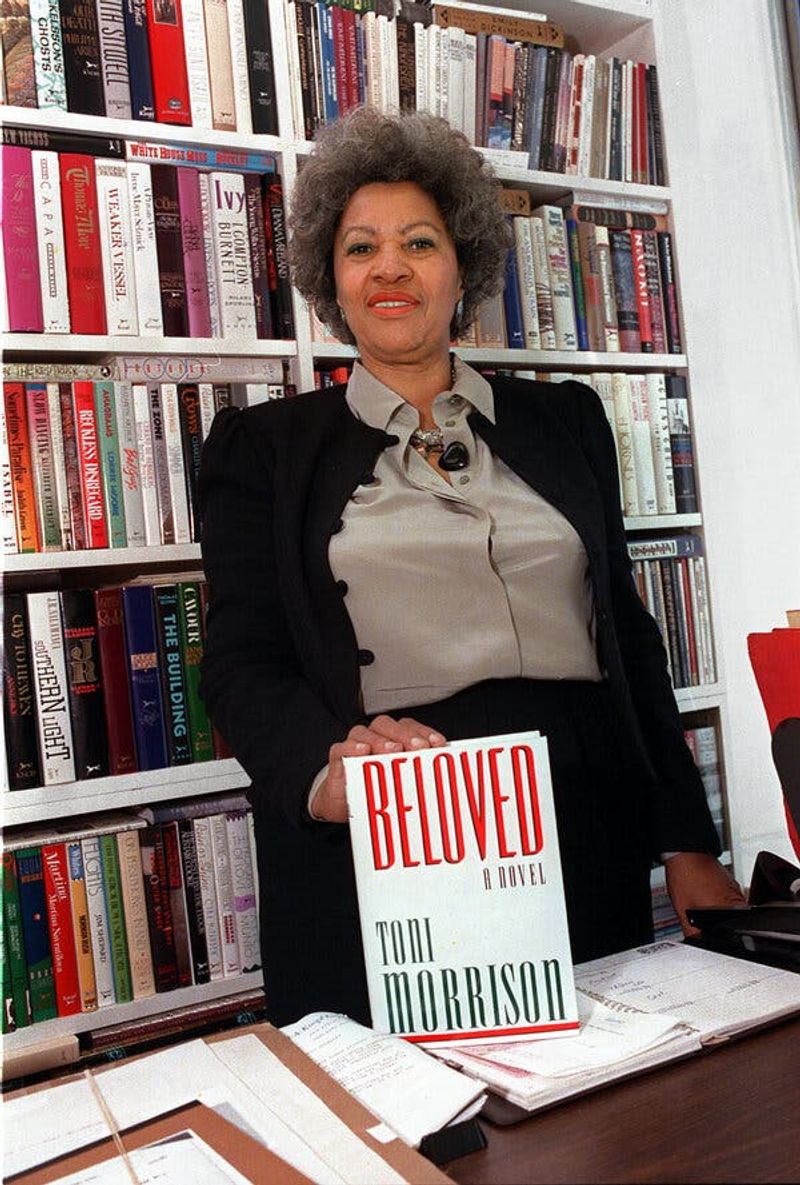
Winner of the Pulitzer Prize and a cornerstone of American literature, Beloved tells the story of Sethe, a formerly enslaved woman haunted, literally, by the ghost of her dead daughter. Toni Morrison based the novel on the real story of Margaret Garner, a woman who escaped slavery in 1856.
Challenged for its graphic depictions of slavery and violence, it is also one of the most taught novels in universities across the country. Reading it is uncomfortable by design, because Morrison believed readers needed to feel the weight of history to truly understand it.
19. The Catcher in the Rye by J.D. Salinger
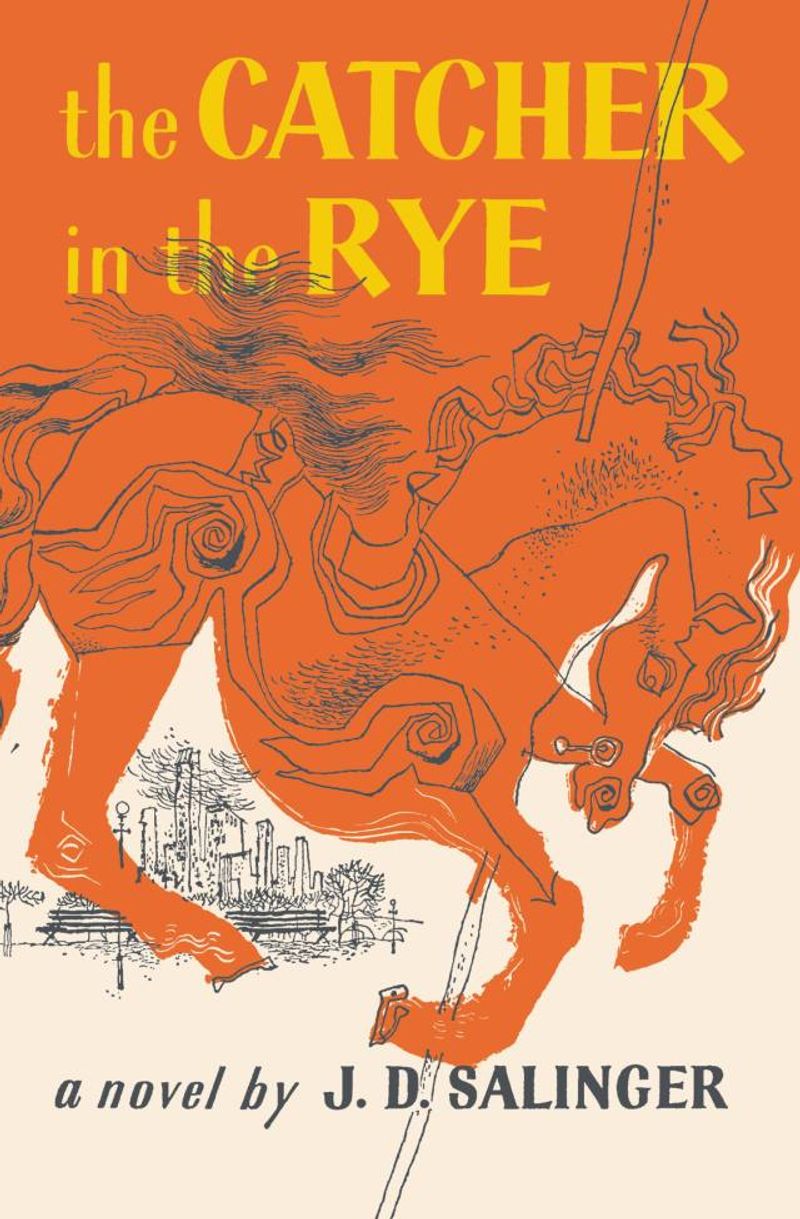
Holden Caulfield has been calling people “phonies” since 1951, and somehow he still feels like someone you might know. J.D.
Salinger’s novel about a teenage boy wandering New York City after being expelled from school became an instant lightning rod when it was published.
Challenged for its language and mature content, it has also been one of the best-selling novels of the 20th century. There is something about Holden’s mixture of cynicism and loneliness that teenagers across generations have quietly recognized in themselves.
20. The Handmaid’s Tale by Margaret Atwood
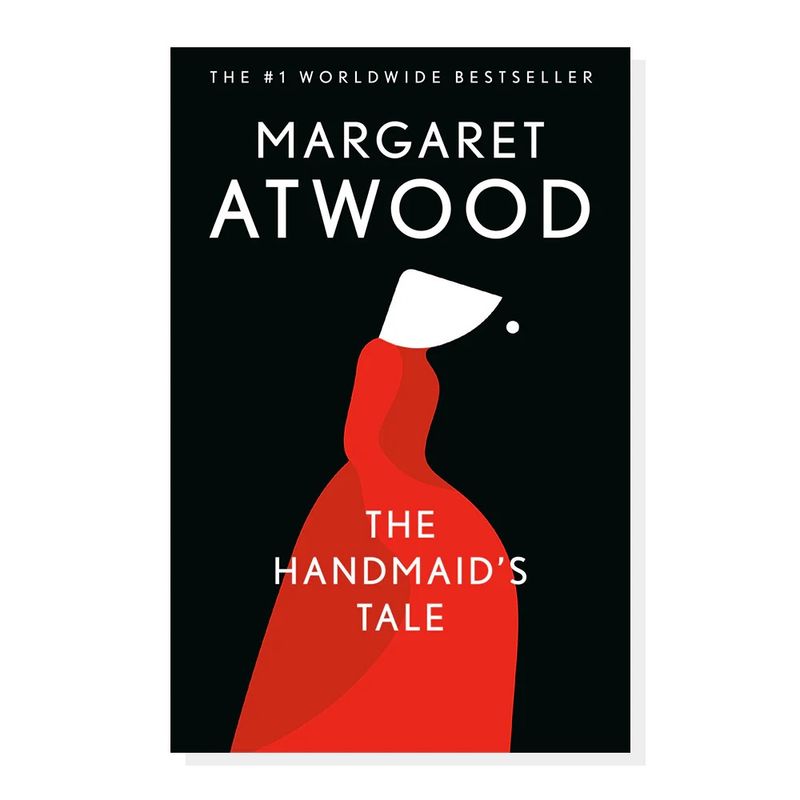
Margaret Atwood imagined a future America called Gilead where women have lost all rights and are forced into roles based purely on what their bodies can do. She published the novel in 1985, and somehow it feels more talked about now than ever before.
Challenged for sexually explicit content, anti-religious themes, and disturbing imagery, it has also been praised as one of the most important feminist novels ever written. Atwood has said she only included things in the book that humans have already done to each other somewhere in history, which makes it all the more haunting.