
Back in the early 2000s, food rules were everywhere. Magazines, TV shows, and well-meaning relatives handed out nutrition advice like it was fact, but a lot of it was just plain wrong.
Many of those myths have quietly stuck around, shaping the way people eat today. Time to set the record straight on some of the biggest ones.
1. Eating Fat Makes You Fat
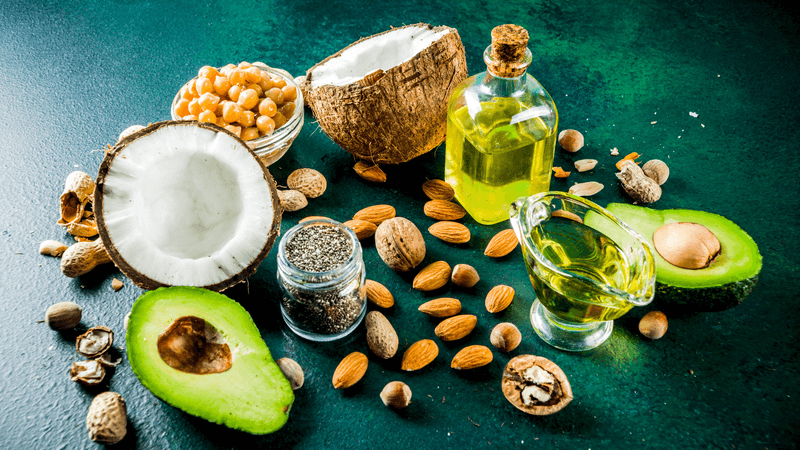
Fat got a terrible reputation in the late 1990s and early 2000s, and low-fat products flooded every grocery store shelf. People genuinely believed that eating fat meant gaining fat, which is not how the body works at all.
Healthy fats from foods like avocados, nuts, and olive oil actually support brain function and keep you full longer. The real culprit behind weight gain is excess calories, not fat itself.
Cutting fat often meant eating more sugar instead, which caused more harm.
2. Carbs Are the Enemy
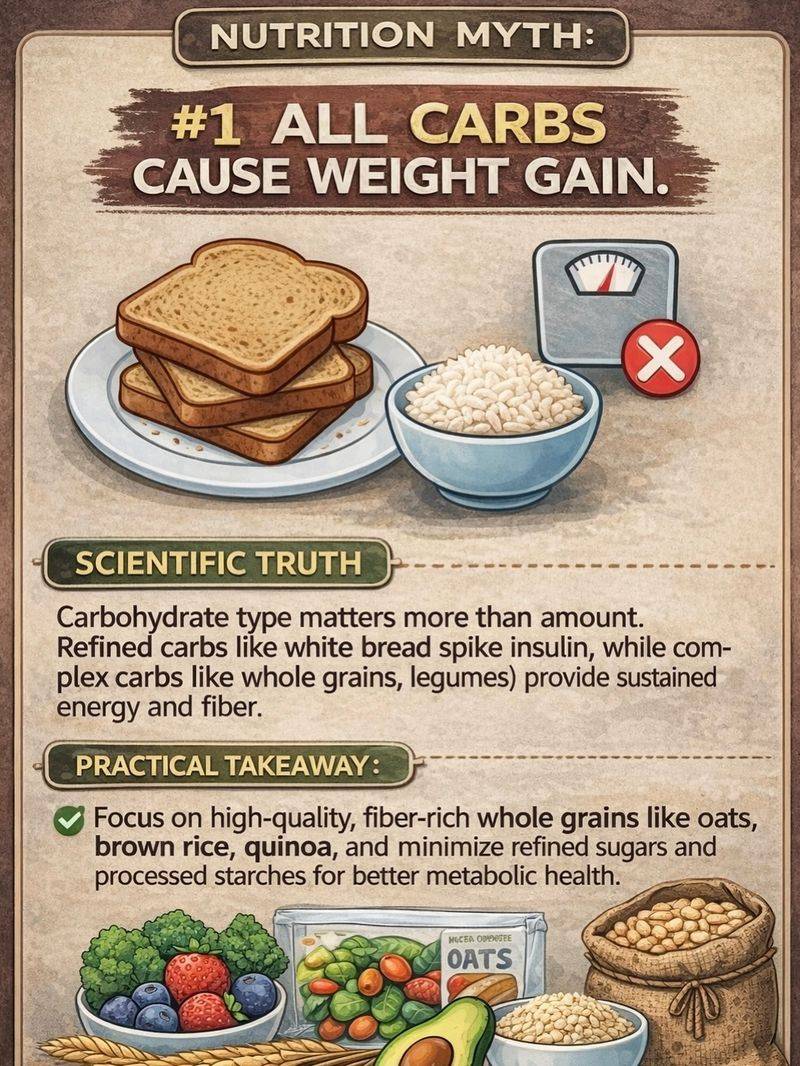
Around 2002, low-carb diets like Atkins became wildly popular, and suddenly bread was treated like poison. Carbohydrates were blamed for everything from weight gain to sluggishness, and people started avoiding them completely.
The truth is that not all carbs are created equal. Whole grains, fruits, and legumes provide fiber and energy your body genuinely needs.
Refined carbs like white bread and sugary snacks are worth limiting, but ditching all carbs is unnecessary and can leave you feeling drained.
3. You Must Drink 8 Glasses of Water a Day

The “8×8 rule” became one of the most repeated health tips of the early 2000s. Everyone seemed to carry a giant water bottle and felt guilty if they did not hit exactly eight glasses by bedtime.
Hydration needs actually vary from person to person based on body size, activity level, and climate. You also get water from the food you eat, especially fruits and vegetables.
Listening to your thirst is a perfectly reliable guide for most healthy people.
4. Skipping Breakfast Slows Your Metabolism
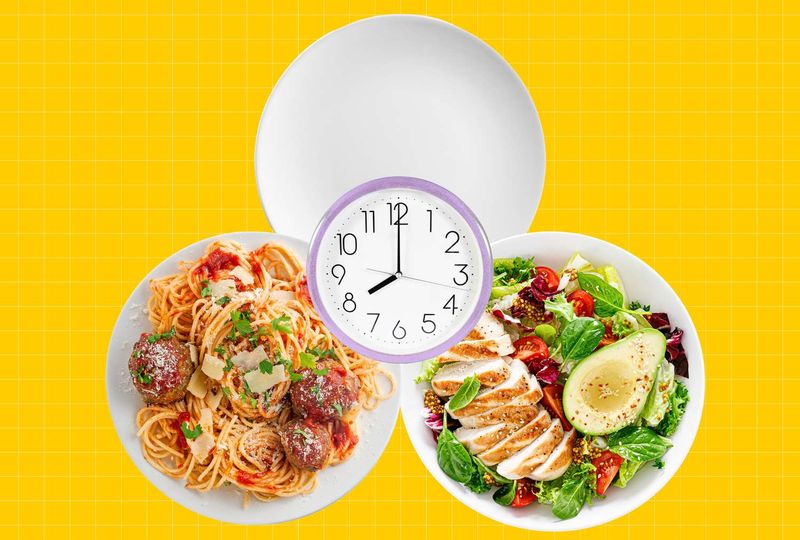
Breakfast was crowned the most important meal of the day, and skipping it was said to crash your metabolism for the rest of the day. Cereal commercials reinforced this idea constantly throughout the early 2000s.
Research has since shown that skipping breakfast does not automatically slow metabolism or cause weight gain. What matters more is your overall eating pattern throughout the day.
Some people genuinely perform better eating breakfast, while others feel fine starting their first meal at noon.
5. Eating After 8 PM Causes Weight Gain

Late-night snacking became a fitness taboo in the early 2000s. People believed that food eaten after a certain hour would automatically turn into fat because the body supposedly shuts down digestion at night.
Your body does not have a clock that decides when to store calories. Total calorie intake across the whole day is what influences weight, not the specific hour you eat.
Eating a sensible snack at 9 PM is not going to derail your health goals.
6. Fresh Produce Is Always Healthier Than Frozen
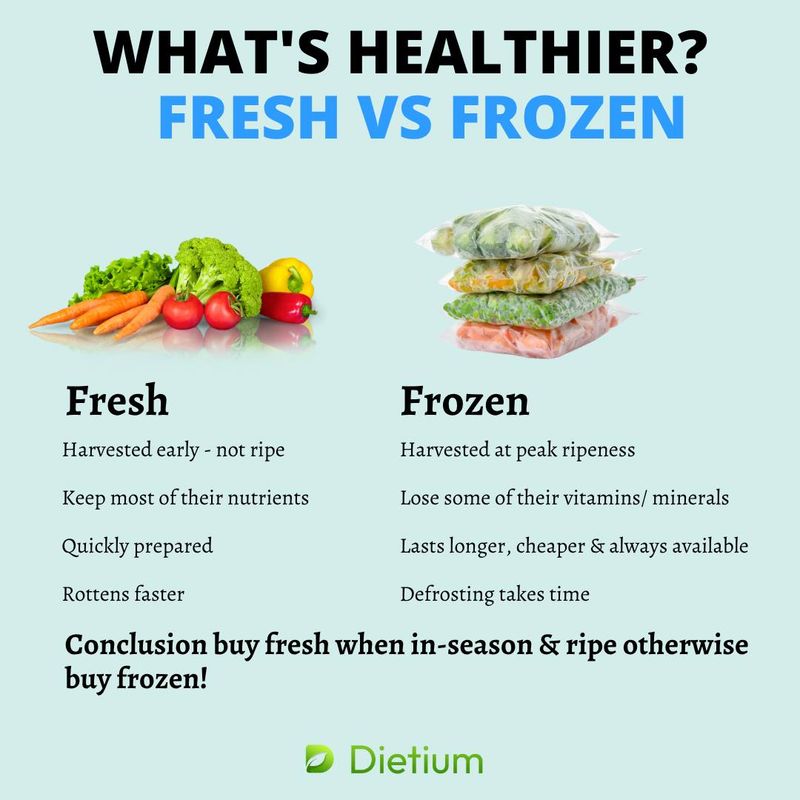
Fresh always seemed better, and frozen vegetables were treated like a lazy, inferior option back in the day. People assumed that freezing destroyed all the good nutrients and left behind something barely worth eating.
Frozen produce is actually picked at peak ripeness and flash-frozen quickly, which locks in vitamins and minerals. Fresh produce can lose nutrients during long shipping and storage times.
Frozen vegetables are an affordable, nutritious option that deserves a permanent spot in your freezer without any guilt attached.
7. Microwaving Food Destroys Its Nutrients

Microwaves had a shady reputation in the early 2000s. People were convinced that zapping food with radiation was stripping away every last vitamin and turning meals into nutritional wastelands.
Cooking methods that use less heat and shorter cooking times tend to preserve more nutrients, and microwaving actually fits that description well. Boiling vegetables in water for a long time causes far more nutrient loss than a quick microwave session.
The microwave is actually one of the gentler cooking methods available in your kitchen.
8. Sugar-Free Products Are Automatically Healthy

When low-sugar and sugar-free labels started appearing everywhere in the early 2000s, people grabbed those products thinking they had found a guilt-free shortcut. The word “free” made it feel like a win.
Sugar-free products often replace sugar with artificial sweeteners or extra fat to maintain flavor. Some artificial sweeteners have been linked to digestive issues and increased cravings for sweet foods over time.
Reading the full ingredient list matters far more than trusting a single bold claim on the front of a package.
9. Protein Bars Are a Healthy Snack
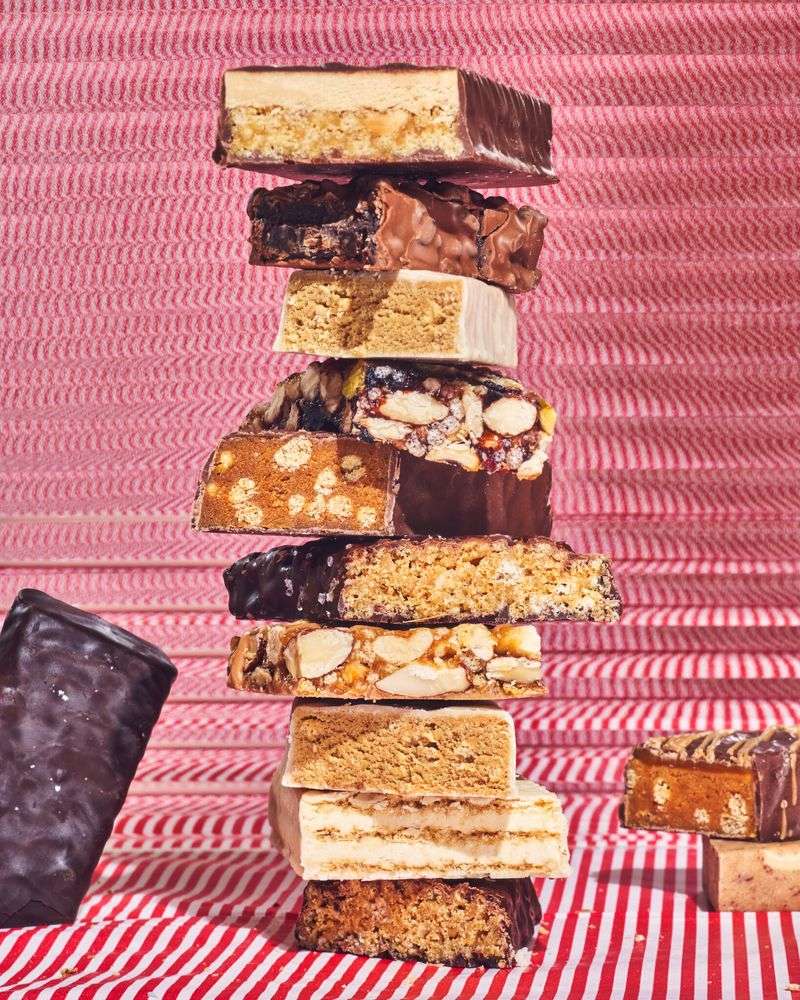
Protein bars exploded in popularity during the early 2000s fitness boom. They were marketed as the smart, healthy alternative to candy bars, and gym bags everywhere were stuffed with them.
Many protein bars contain as much sugar as a candy bar, along with artificial ingredients, preservatives, and unhealthy fats. A handful of nuts or a boiled egg delivers quality protein without the long list of additives.
Not every bar with the word “protein” on it is actually doing your body a favor.
10. Detox Diets Cleanse Your Body
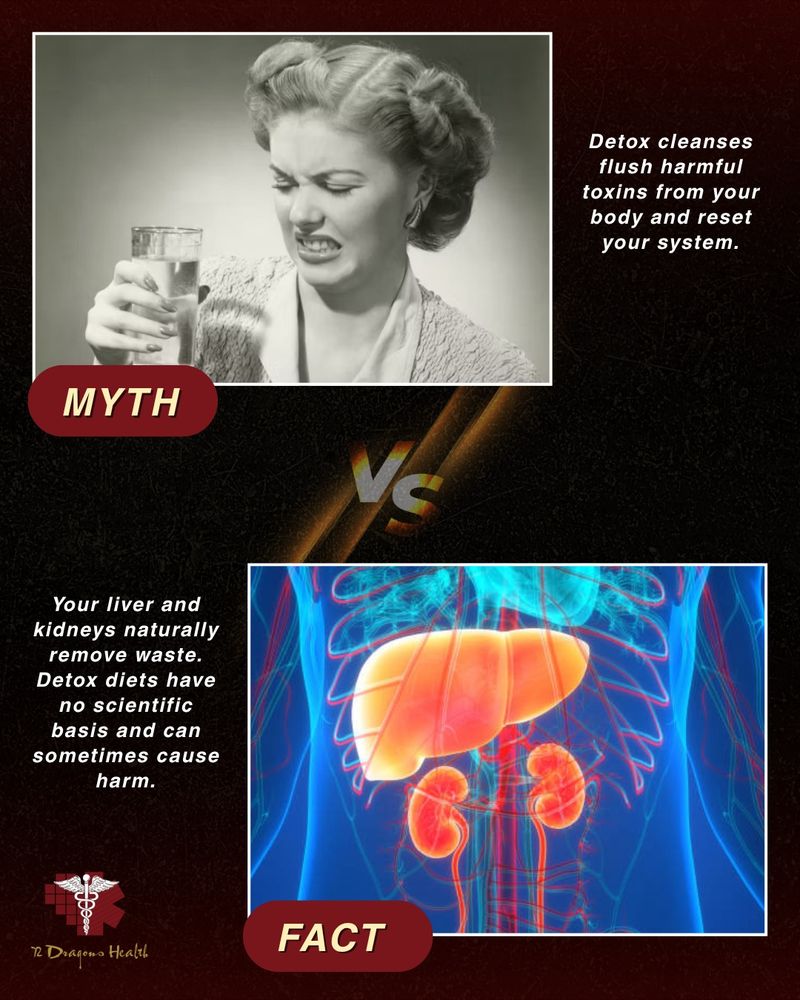
Juice cleanses and detox diets were everywhere in the early 2000s wellness world. Celebrities swore by them, and people paid serious money for kits promising to flush toxins from their bodies.
Your liver and kidneys already do an impressive job filtering waste and harmful substances every single day without any special juice. There is no scientific evidence that detox diets remove toxins faster or more effectively than your organs already do.
Staying hydrated, eating fiber-rich foods, and sleeping well supports your body far better than any cleanse.
11. Eating Small Meals All Day Boosts Metabolism
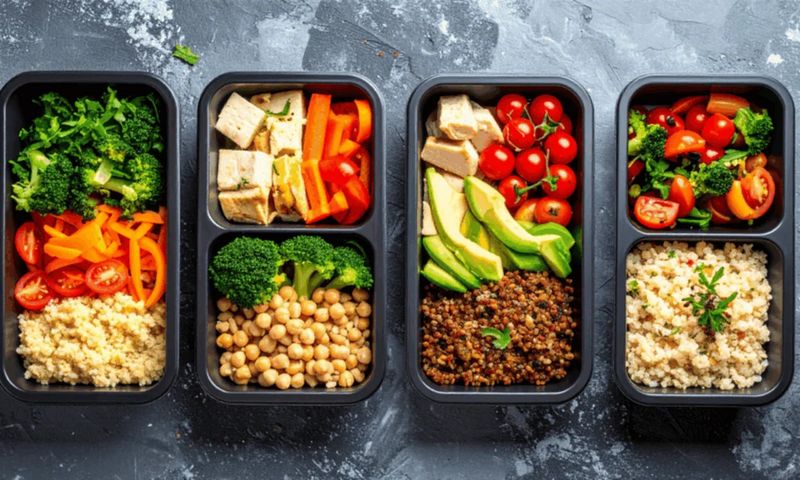
Fitness magazines in the early 2000s pushed the idea of eating six small meals a day to keep metabolism revved up constantly. People set phone alarms just to make sure they never went more than two hours without eating.
Studies have not found solid evidence that meal frequency significantly speeds up metabolism. What truly matters is the quality and total amount of food consumed throughout the day.
Eating patterns should match your lifestyle and hunger cues, not a rigid schedule pulled from a fitness magazine.
12. All Calories Are Equal
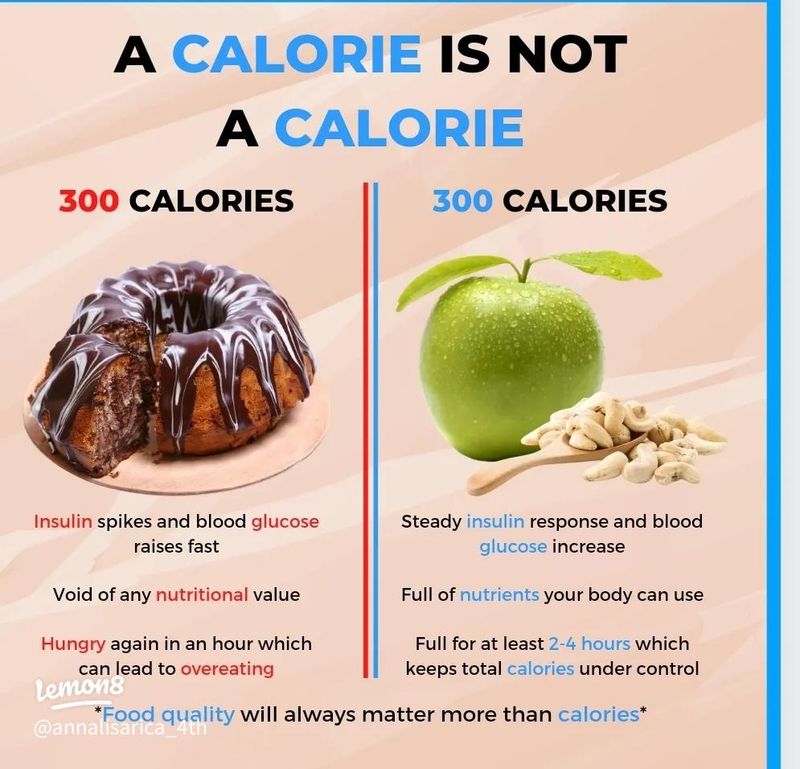
The calorie-counting craze of the early 2000s led many people to believe that a calorie is just a calorie, no matter where it comes from. As long as the number fit the daily budget, the food choice did not matter.
Two hundred calories from almonds affects your body very differently than two hundred calories from a sugary soda. Nutrients, fiber, and protein influence hunger, energy levels, and overall health in ways that raw calorie counts simply cannot capture.
Food quality genuinely matters alongside quantity.
13. Eggs Are Bad for Your Heart

Eggs got a rough deal for decades, and the early 2000s were no exception. Dietary cholesterol in eggs was blamed for raising blood cholesterol and increasing heart disease risk, leading many people to ditch the yolk entirely.
Research now shows that for most healthy people, eating whole eggs does not significantly raise harmful cholesterol levels. The yolk contains important nutrients like choline and vitamin D that the white alone cannot provide.
Enjoying eggs in moderation is considered perfectly fine for the majority of adults.
14. Sports Drinks Are Necessary After Every Workout

Neon-colored sports drinks were heavily marketed during the early 2000s as essential recovery tools for anyone who exercised. Commercials made it look like you were putting yourself at risk by rehydrating with plain water.
Sports drinks are designed for endurance athletes doing intense exercise for over an hour, not for a casual 30-minute gym session. For most everyday workouts, plain water does the job perfectly well.
Sports drinks often contain significant amounts of sugar and sodium that the average exerciser simply does not need.
15. Organic Food Is Always More Nutritious
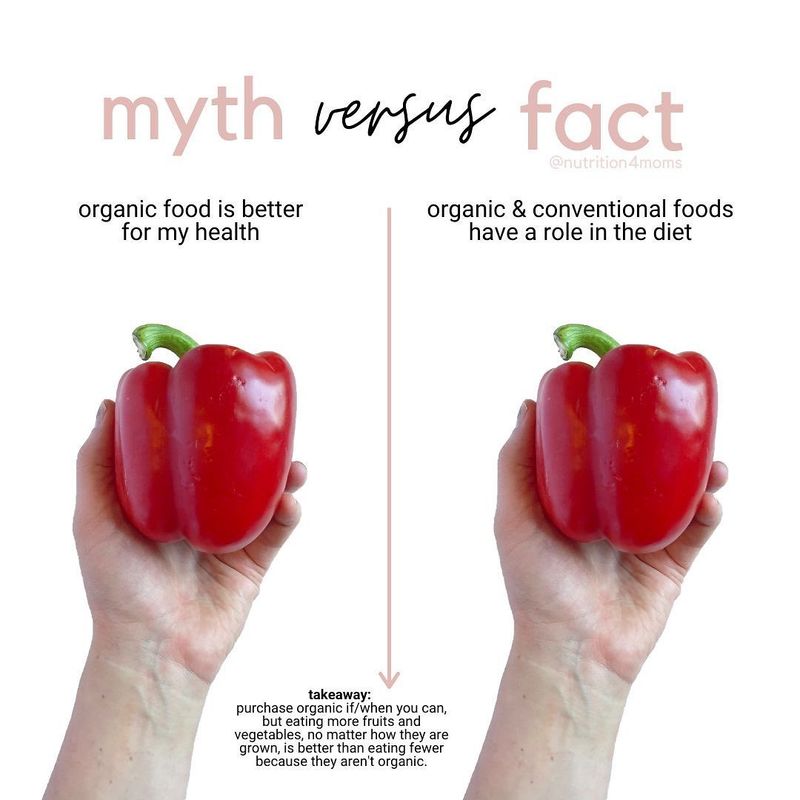
Organic food became a status symbol in the early 2000s, and many people assumed that the organic label automatically meant superior nutrition. Paying more felt like investing in better health.
Studies comparing organic and conventional produce have found minimal differences in actual nutrient content. Organic farming primarily reduces pesticide exposure, which is a legitimate benefit but not the same as being nutritionally superior.
Eating a wide variety of fruits and vegetables, whether organic or conventional, matters far more than the label on the bag.
16. Dairy Is the Only Way to Get Enough Calcium
Growing up in the early 2000s, milk commercials made it very clear that strong bones required dairy, and lots of it. The “Got Milk?” campaign was basically everywhere you looked.
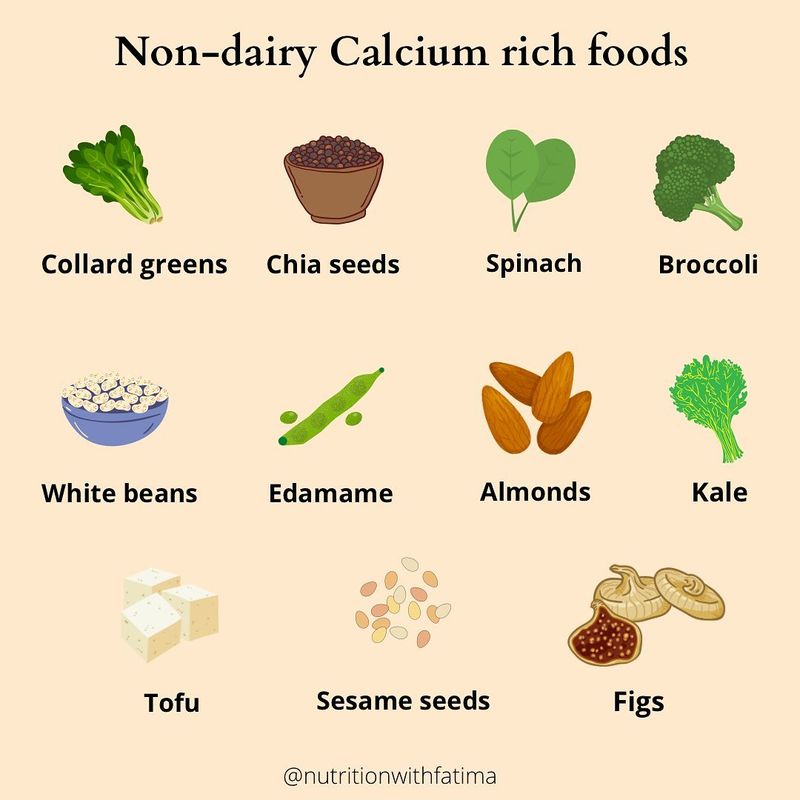
Calcium is found in a surprising number of non-dairy foods, including kale, broccoli, tofu, almonds, and fortified plant-based milks. Many people around the world maintain strong bones without consuming dairy at all.
Vitamin D and regular weight-bearing exercise also play crucial roles in bone health that calcium alone cannot replace.
17. Brown Bread Is Always Whole Grain
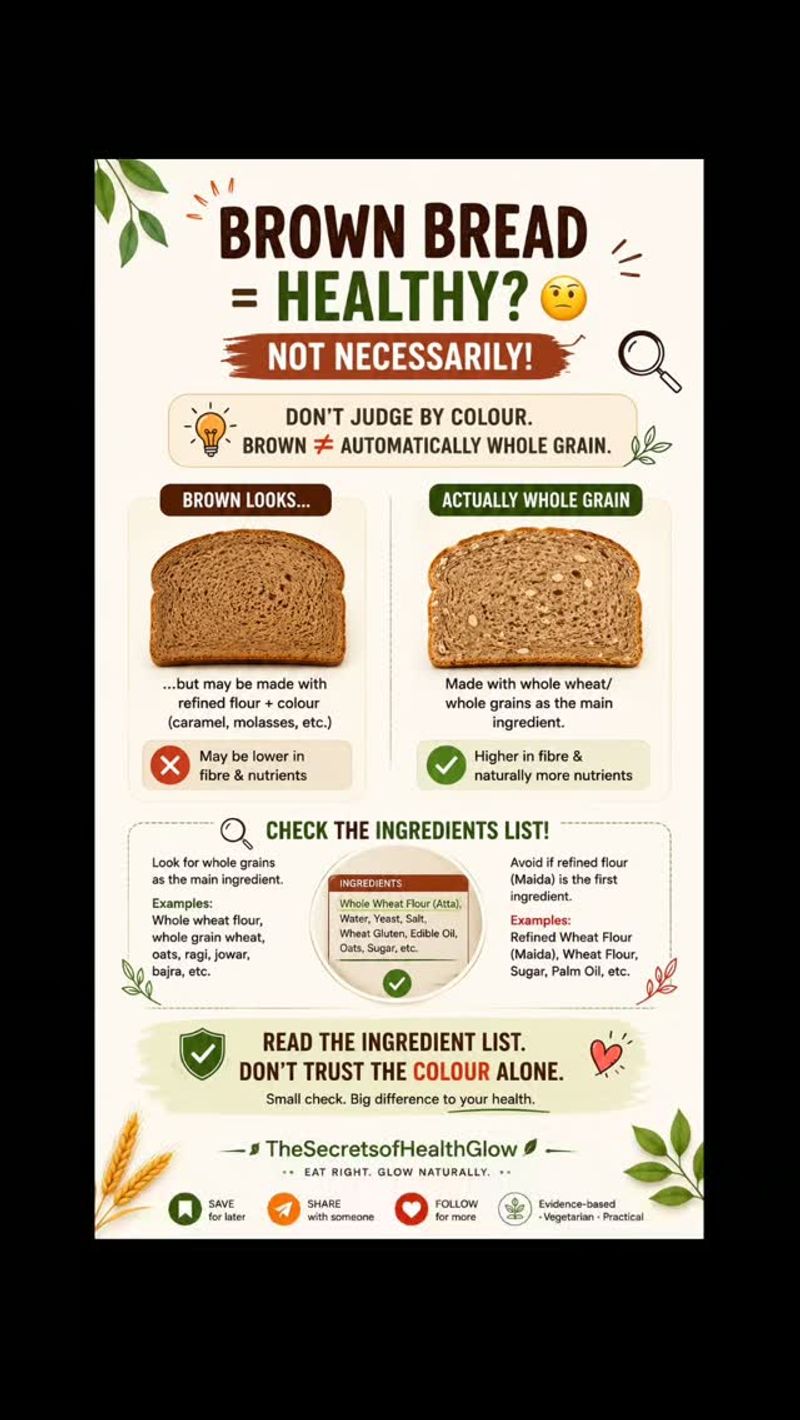
Brown bread looked healthier, and that was enough for most shoppers in the early 2000s. The color alone suggested wholesomeness, and many people switched from white to brown without reading a single label.
Many brown breads are simply white bread dyed with molasses or caramel coloring to appear healthier. The only reliable way to know if bread is truly whole grain is to check that whole wheat or whole grain flour appears as the first ingredient.
Color is not a nutrition guarantee.
18. Natural Sugar Is Fine in Unlimited Amounts

Honey, agave, and fruit juice were celebrated as guilt-free sugar alternatives throughout the early 2000s health scene. Since they came from nature, people assumed they could be consumed without any real concern.
Your body processes natural sugars much the same way it handles refined sugar, especially when those sugars are consumed in large amounts or outside of whole foods. Eating a whole apple is different from drinking three glasses of apple juice.
Context and quantity matter, even when the sugar source sounds wholesome and natural.