
Some foods have a reputation that arrives before they ever hit the table. Their smell alone is enough to make people wrinkle their noses, back away slowly, or refuse to take even one bite.
Whether it is a fermented delicacy from another country or something your coworker heats up in the office microwave, strong food smells can be surprisingly powerful. Here are 19 foods whose aromas many people find hard to handle.
1. Durian
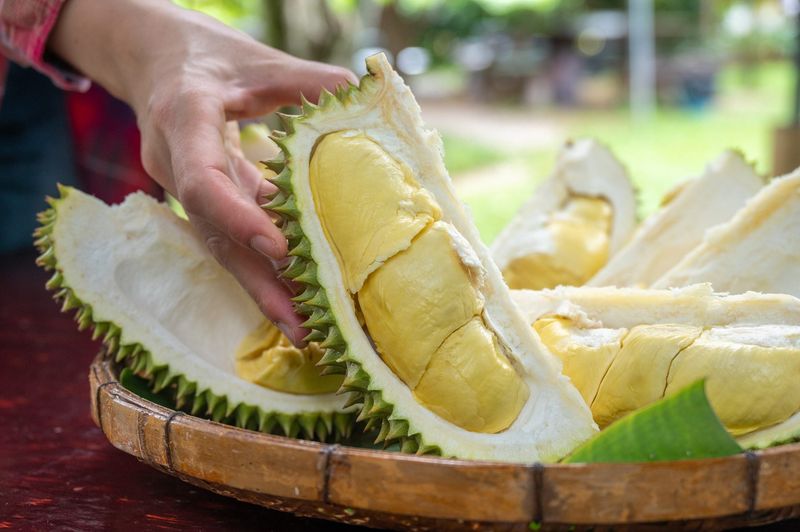
Called the “king of fruits” in Southeast Asia, durian has a smell so intense that it is banned in many hotels, airports, and public transit systems across the region. Some people compare it to a mix of gym socks, rotting onions, and overripe custard all at once.
Fans, however, swear the creamy, sweet flavor inside is worth every bit of the challenge. It is truly a food that splits opinions right down the middle.
2. Surströmming
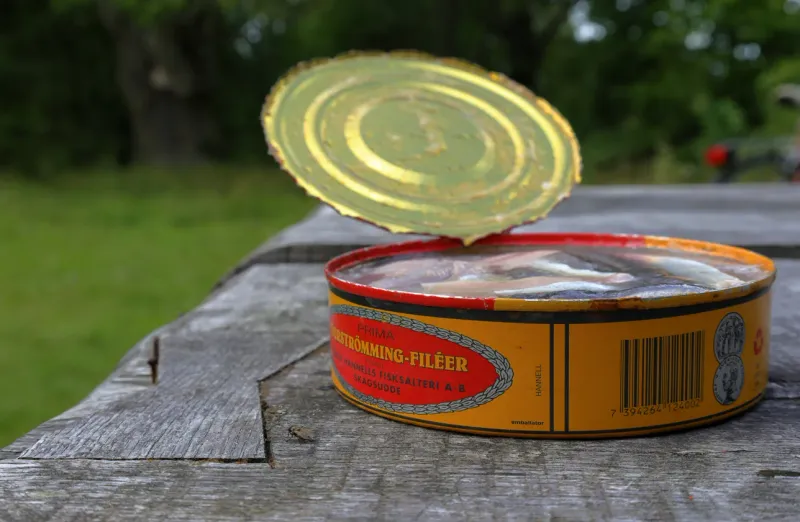
Surströmming is a Swedish fermented herring that holds a legendary status among the world’s most pungent foods. The fermentation process takes months, and the resulting smell has been described as something between ammonia and rotting fish left in the sun.
Opening a can is often recommended outdoors, and some countries have even restricted it from being opened inside apartment buildings. Despite all that, Swedes have enjoyed it for centuries as a cultural tradition.
3. Limburger Cheese
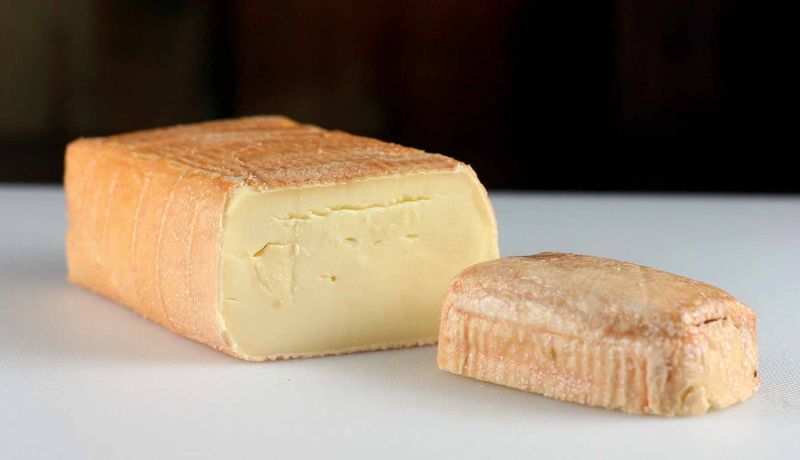
Limburger cheese is famous for smelling remarkably similar to human feet, and that comparison is not an exaggeration. The same bacteria responsible for foot odor, Brevibacterium linens, is used during the aging process of this Belgian cheese.
Despite its alarming aroma, the flavor is actually quite mild and creamy. Many cheese lovers argue that once you push past the smell, Limburger is surprisingly enjoyable on a good rye cracker.
4. Natto
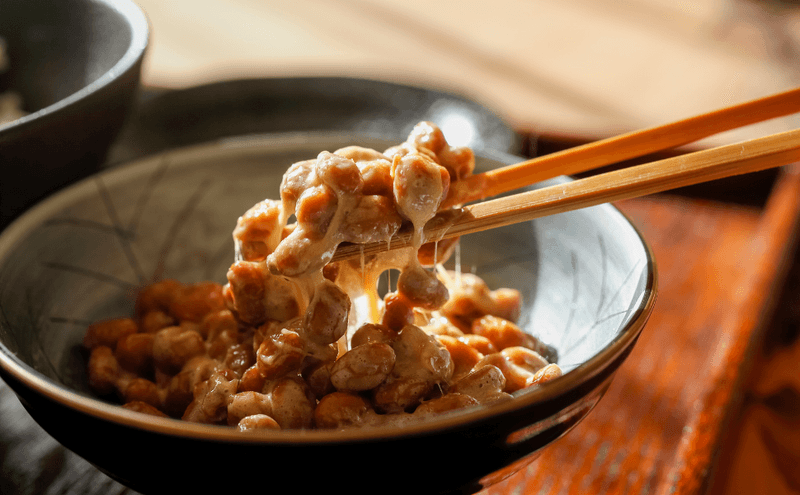
Natto is a traditional Japanese breakfast staple made from fermented soybeans, and its sticky, stringy texture is only half the battle. The smell is sharp, earthy, and deeply funky in a way that catches first-timers completely off guard.
Even many Japanese people who grew up with it either love it or avoid it entirely. Packed with protein and probiotics, natto is nutritionally impressive, though convincing someone new to try it can take some serious persuasion.
5. Stinky Tofu
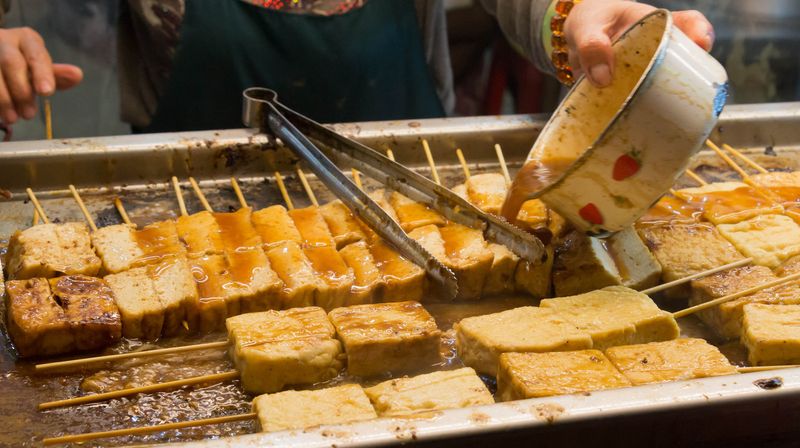
Walk through any Taiwanese night market and you will smell stinky tofu long before you see it. Fermented in a brine that can include vegetables, shrimp, and even meat, the tofu develops a powerful odor that draws strong reactions from visitors and locals alike.
Those brave enough to try it often find the flavor far milder than the smell suggests. It is a beloved street food with a loyal fanbase that considers the scent part of the whole experience.
6. Fish Sauce
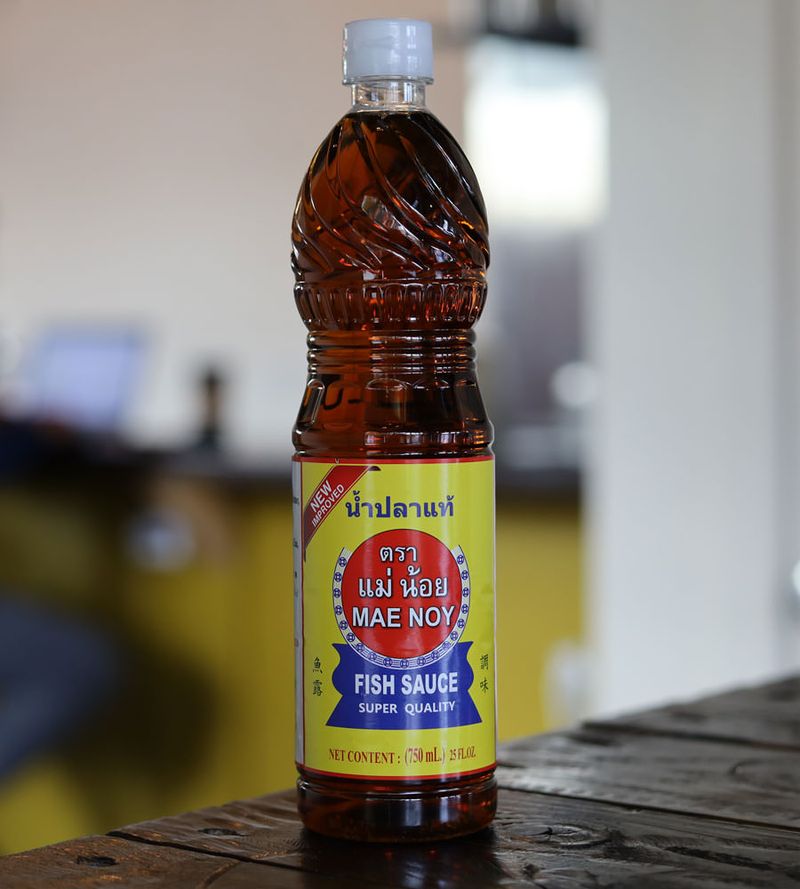
A tiny splash of fish sauce can transform a dish, but smelling it straight from the bottle is a very different story. Made from fermented fish and salt, the raw smell is intensely salty, fishy, and pungent in a way that can clear a room.
Once it hits the heat of a pan or gets mixed into a sauce, though, it mellows beautifully and adds a deep, savory complexity. It is a backbone ingredient in Thai, Vietnamese, and Filipino cooking.
7. Blue Cheese
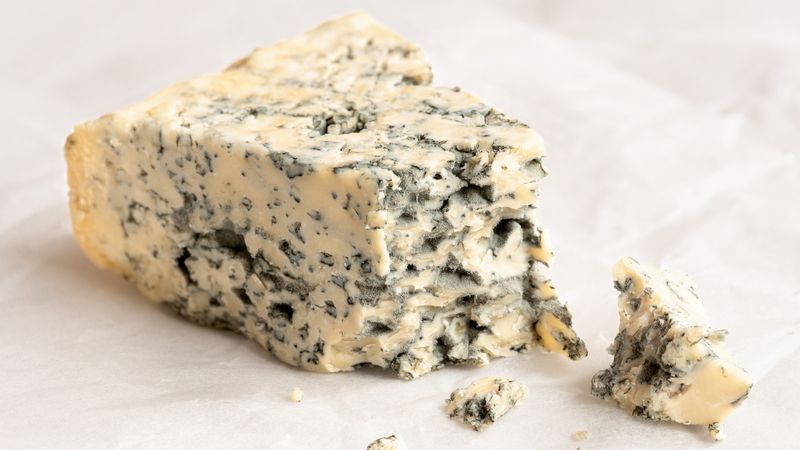
Blue cheese gets its distinctive blue-green veins from mold cultures intentionally introduced during production, and its smell reflects that process boldly. Sharp, tangy, and a little musty, the aroma can be off-putting to anyone not already accustomed to aged cheeses.
Varieties like Roquefort, Gorgonzola, and Stilton all carry that recognizable punch. Paired with honey or fruit, though, blue cheese becomes a completely different experience, and many reluctant first-timers end up becoming devoted fans.
8. Hákarl

Hákarl is fermented Greenlandic shark that has been cured underground for months, then hung to dry for several more. The result smells powerfully of ammonia, so much so that first-time visitors to Iceland are often warned to breathe through their mouth when tasting it.
Even Anthony Bourdain, a man who ate adventurously across the globe, called it one of the worst things he had ever tasted. Still, it remains a proud part of Icelandic culinary heritage.
9. Kimchi
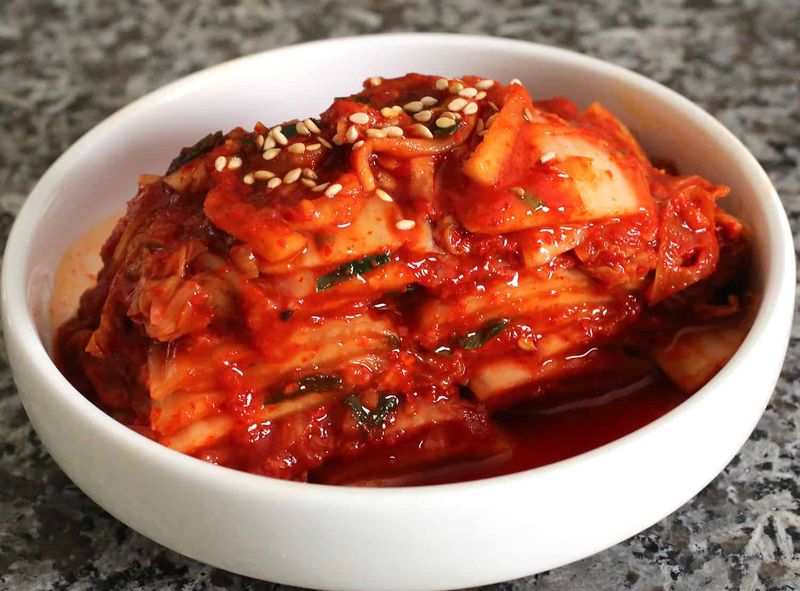
Kimchi is a Korean staple made from fermented vegetables, most commonly napa cabbage, seasoned with garlic, ginger, and chili. The fermentation process creates a sour, garlicky, funky smell that fills a room quickly, which is why many Korean households store it in dedicated kimchi refrigerators.
For those unfamiliar, the smell can be overwhelming at first. But kimchi lovers know the bold, tangy flavor that follows is absolutely worth the initial nose-wrinkling moment at the fridge door.
10. Anchovies

Anchovies have a reputation for being intensely fishy, and opening a tin of them in a small kitchen is a commitment everyone in the building will notice. Salt-cured and packed in oil, they carry a briny, concentrated fish smell that many people find overwhelming.
Used sparingly in pasta sauces, pizza, or Caesar dressing, however, anchovies dissolve into the dish and add a rich, savory depth without any obvious fishiness. They are a secret weapon in many great recipes.
11. Camembert
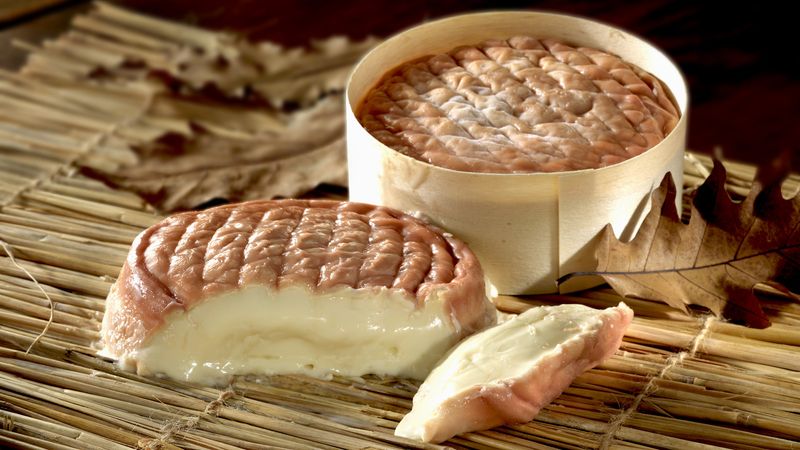
Ripe Camembert can smell like a barnyard, wet earth, and something vaguely mushroomy all at the same time. As it ages, the white rind develops more complex and pungent aromas that some people find delightful and others find deeply unpleasant.
The key is timing: a perfectly ripe Camembert is creamy and bold, while an overripe one can smell strongly of ammonia. Many cheese newcomers are surprised to find the flavor far more buttery and mild than the smell ever suggested.
12. Fermented Skate (Hongeo-hoe)
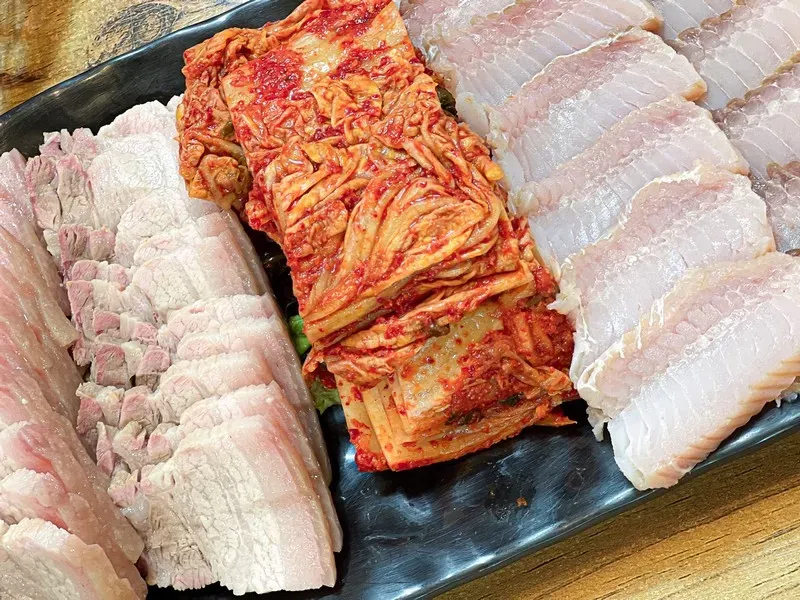
Hongeo-hoe is a Korean delicacy made from fermented skate fish, and it is considered one of the most pungent foods on the planet. Because skate fish urinate through their skin, the fermentation process concentrates ammonia in the flesh, creating a smell that is aggressively sharp.
It is traditionally eaten wrapped in kimchi and pork at celebratory meals. Even adventurous eaters often find this one genuinely challenging, but devoted fans consider it a mark of culinary bravery.
13. Truffles
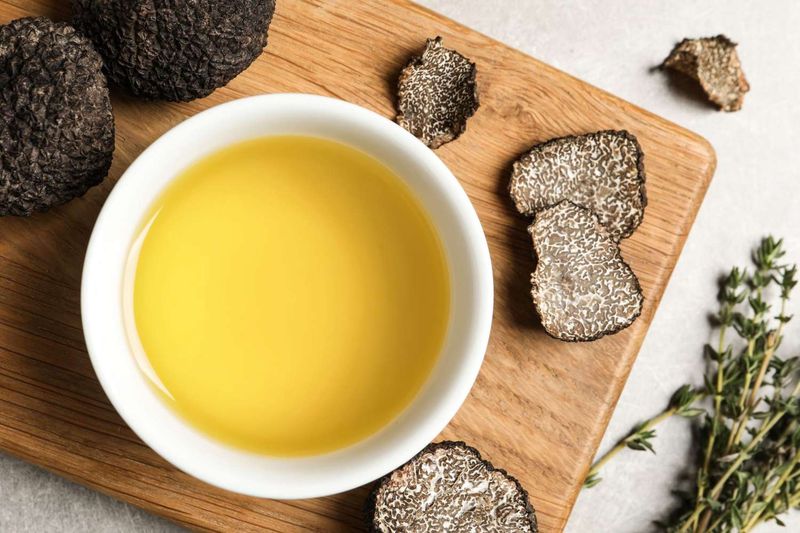
Truffles are among the most expensive ingredients in the world, and their smell is polarizing in a surprisingly high-end way. Rich, earthy, musky, and faintly reminiscent of gasoline or dirty socks to some noses, the aroma is unmistakably powerful and fills a room fast.
Truffle lovers find the scent intoxicating and deeply complex. Those who dislike it often struggle to understand how something so expensive can smell so strange, yet restaurants around the world charge premium prices for even a light shaving.
14. Marmite

Marmite is a British yeast extract spread with a smell so intense and polarizing that the brand built its entire marketing campaign around the idea that you either love it or hate it. The aroma is deeply savory, salty, and almost fermented, with a thick richness that hits you the moment the jar opens.
Spread thinly on buttered toast, many people find it surprisingly satisfying. But for those who dislike it, even a small amount can seem overwhelming and hard to ignore.
15. Shrimp Paste
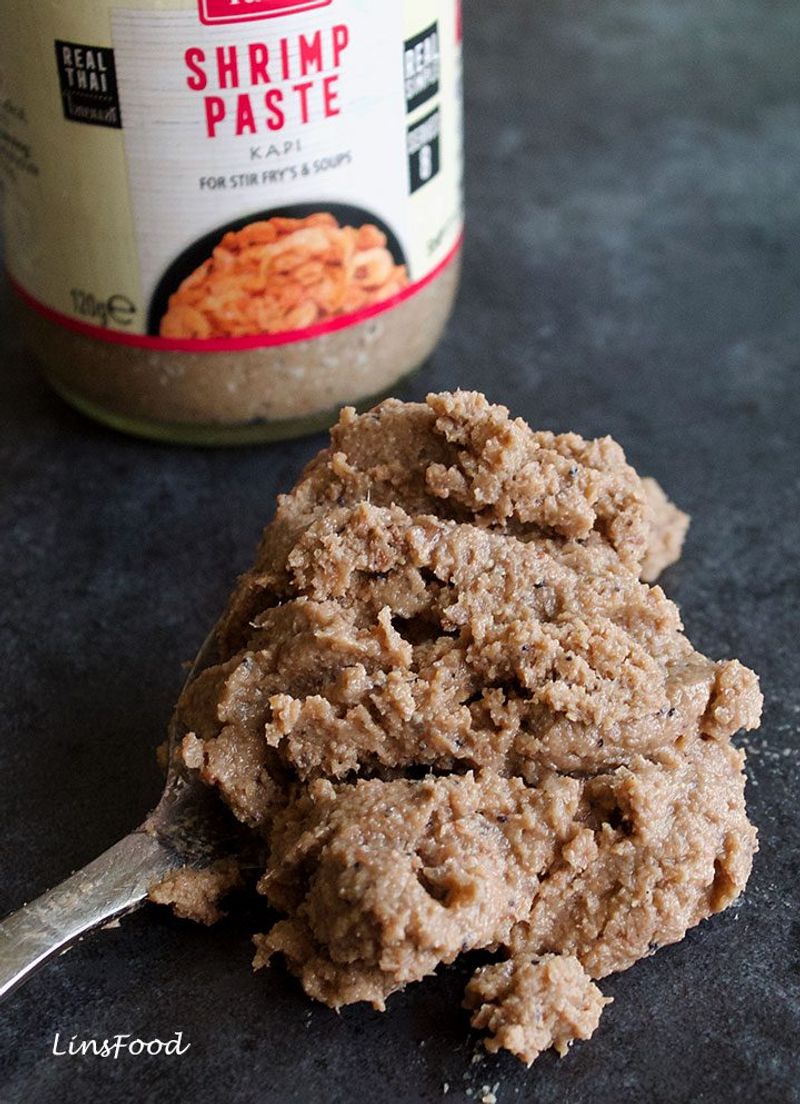
Shrimp paste is a foundational ingredient in many Southeast Asian cuisines, made from fermented ground shrimp and salt. The raw smell is extraordinarily pungent, salty, and fishy in a way that can make uninitiated cooks step back from the jar instinctively.
Once cooked into curries, stir-fries, or sambal, the smell transforms and adds a deep umami backbone that is almost impossible to replicate with other ingredients. It is one of those foods where cooking makes all the difference.
16. Lutefisk
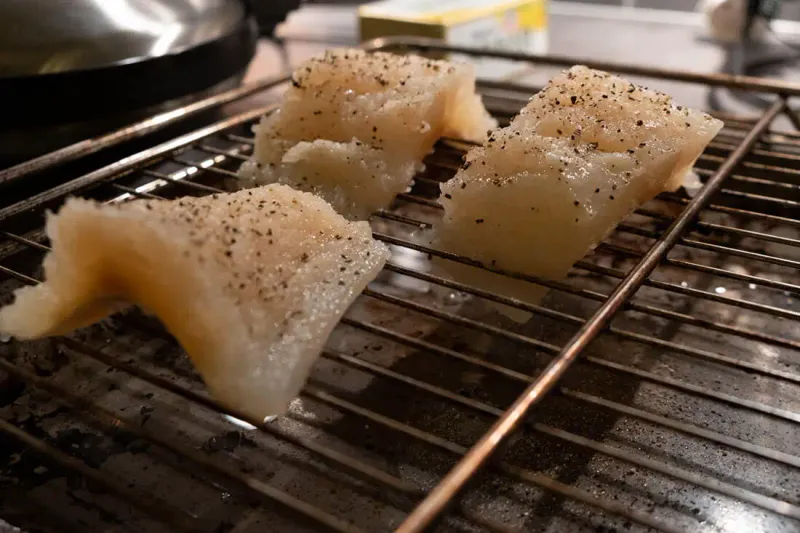
Lutefisk is a traditional Scandinavian dish made from dried whitefish that has been soaked in lye, a strongly alkaline solution, before being cooked. The lye treatment gives the fish a gelatinous texture and a sharp, chemical-like smell that many people find off-putting even before tasting it.
It carries deep cultural significance in Norway and among Scandinavian communities in the United States. Those who grew up eating it at holiday dinners often feel a strong nostalgic attachment that outsiders rarely understand.
17. Époisses Cheese

Époisses is a French washed-rind cheese so pungent that it has reportedly been banned from French public transportation. The rind is washed with Burgundy marc, a type of brandy, during aging, which encourages the growth of bacteria responsible for its bold, barnyard aroma.
The interior is soft, creamy, and surprisingly rich in flavor. Food adventurers who get past the smell often describe it as one of the most rewarding cheese experiences they have ever had.
18. Dried Shrimp
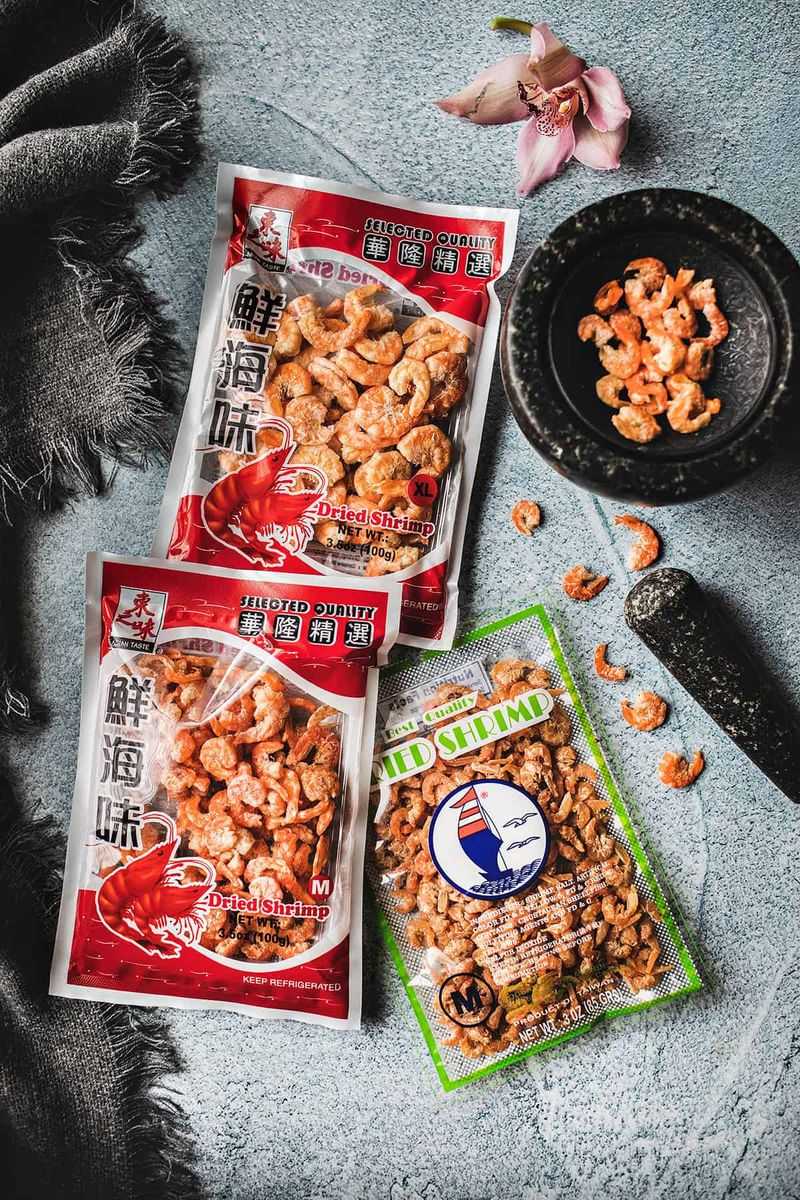
Dried shrimp are a common pantry staple in many Asian and Latin American kitchens, but opening a bag of them for the first time can be a shocking sensory experience. The concentrated, briny, fishy smell is much more intense than fresh shrimp, and it tends to linger noticeably in a kitchen.
Used in soups, rice dishes, and stir-fries, dried shrimp add a savory, ocean-forward flavor that fresh versions cannot quite replicate. A little goes a very long way.
19. Reblochon Cheese
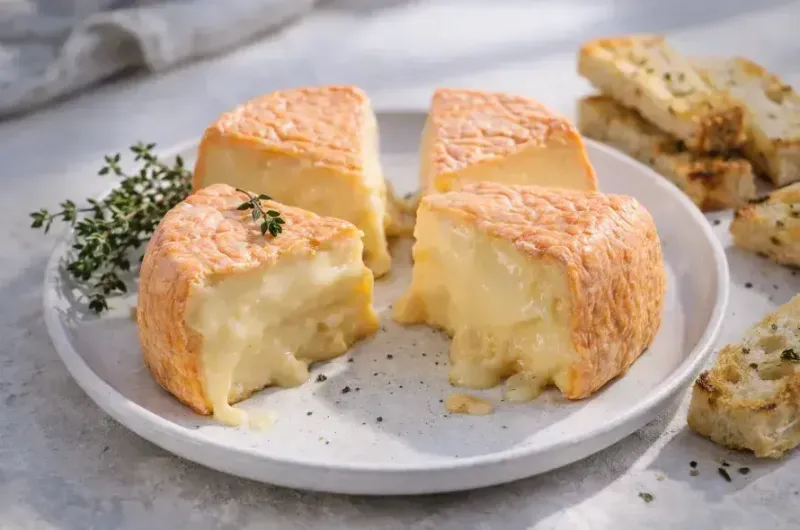
Reblochon is a soft French Alpine cheese with a washed rind that gives off a smell many describe as funky, earthy, and barn-like. Made from raw cow’s milk in the Savoie region of France, it carries the kind of aroma that announces itself well before anyone has opened the packaging.
Melted into the classic French dish tartiflette, it becomes irresistibly creamy and rich. Its flavor is far gentler than the smell implies, making it a pleasant surprise for the brave and curious.