
Seeing someone like you on screen can make the world feel a little more welcoming. For years, LGBT actors faced pressure to hide who they were or risk losing work.
The performers below challenged those limits through memorable roles, public honesty, and powerful firsts. Their stories show how courage can change both entertainment and everyday life.
1. William Haines Chose Love Over Hollywood
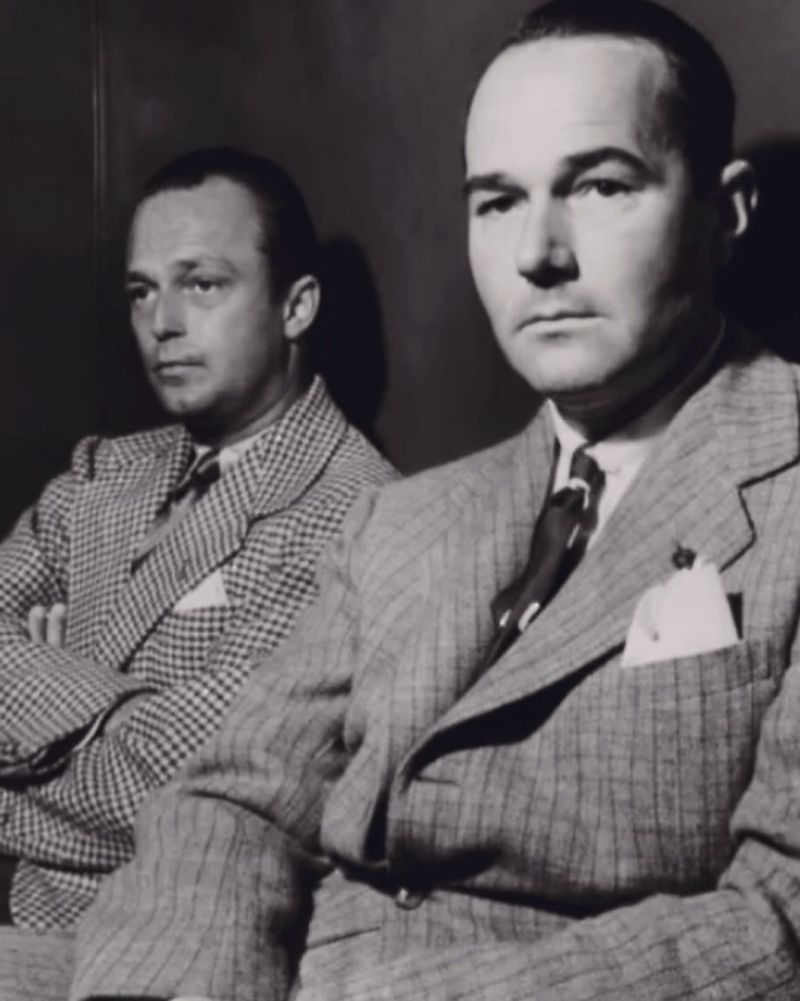
Fame came with a price in early Hollywood, and one popular leading man refused to pay it. William Haines lived with his partner, Jimmy Shields, despite an industry that expected gay stars to hide.
His film career ended in the early 1930s.
Accounts often connect that ending to his refusal to accept a studio arranged marriage. He later built a successful interior design business, leaving a lasting example of choosing personal dignity over studio demands.
2. Rock Hudson Made a Hidden Crisis Visible
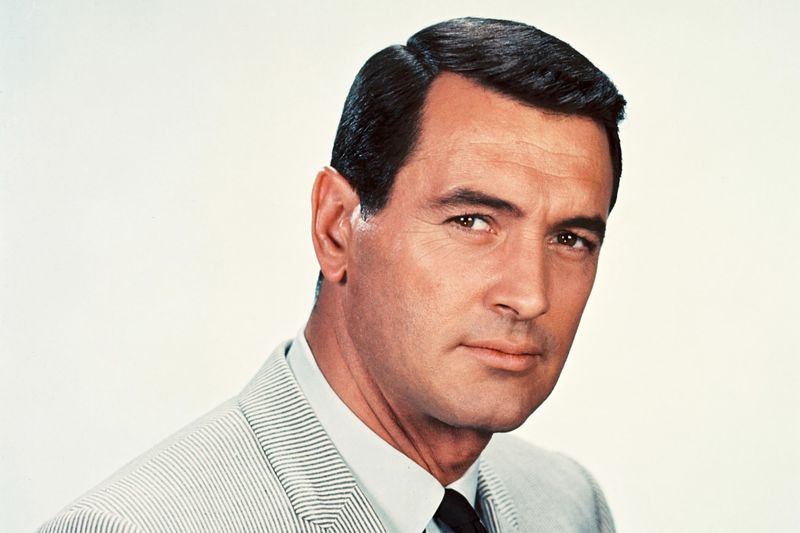
Behind the charming smile was a life shaped by Hollywood’s demand for secrecy. Rock Hudson became a major romantic star while keeping his sexuality private.
Films such as Pillow Talk made him a familiar face to millions.
In 1985, his public AIDS diagnosis brought new attention to an epidemic surrounded by fear and stigma. His story helps explain why accurate health information and compassion matter, especially when public judgment makes people afraid to seek support.
3. Ian McKellen Turned Visibility Into Action
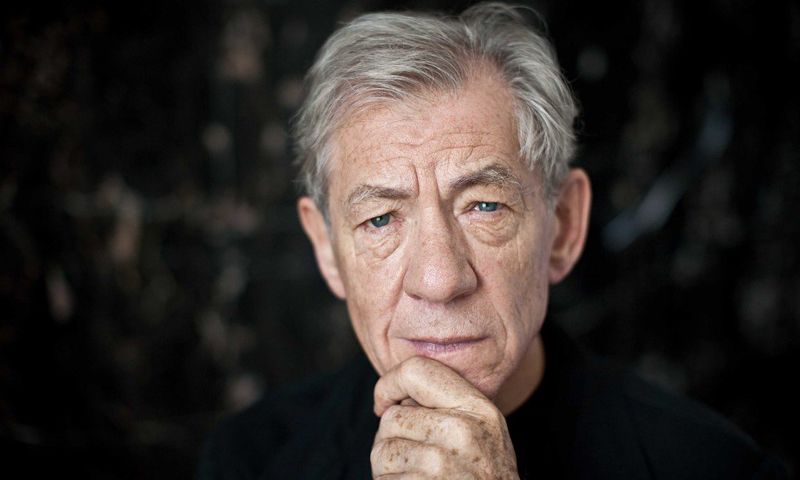
Long before many viewers knew Gandalf, a respected British actor decided silence was no longer enough. Ian McKellen came out publicly in 1988 while opposing Section 28, a law restricting how local authorities addressed homosexuality.
He later helped found Stonewall.
His roles in The Lord of the Rings and X-Men brought an openly gay performer to huge audiences. Look across his career to see how public activism and imaginative storytelling can strengthen each other beautifully.
4. George Takei Took His Voice Beyond the Stars
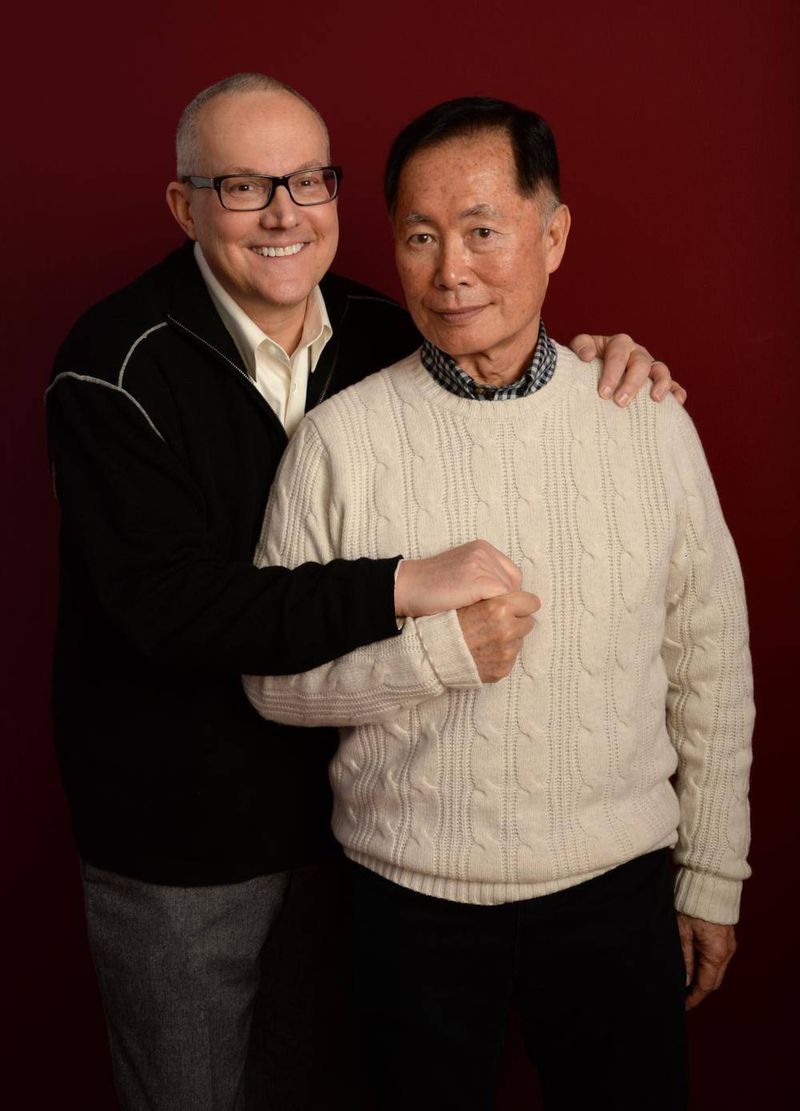
Space offered a hopeful future, but life on Earth still demanded secrecy. George Takei played Hikaru Sulu on Star Trek while keeping his sexuality private for decades.
He publicly came out in 2005.
Since then, he has supported marriage equality and spoken about the imprisonment of Japanese Americans during World War II, which he experienced as a child. His journey connects different struggles for fairness and reminds fans that progress should include everyone, without exceptions.
5. Ellen DeGeneres Changed Sitcom History
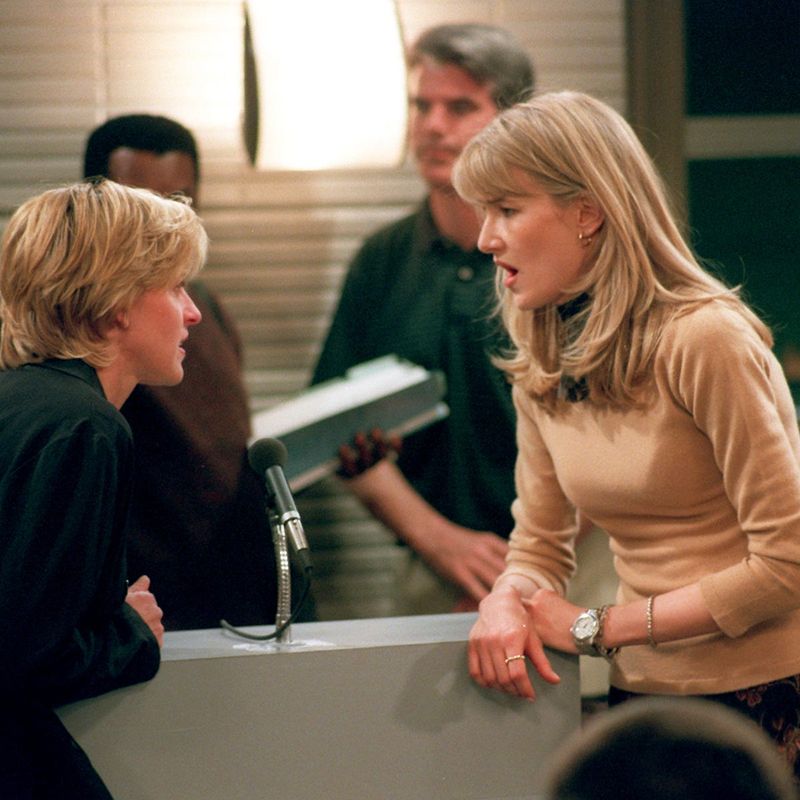
A sitcom confession became a national conversation in 1997. Ellen DeGeneres came out publicly, and her character on Ellen came out too.
The episode placed a gay lead at the center of a major American network sitcom.
Backlash followed, and the series ended the next year. Her later daytime success did not erase that difficult period, but her breakthrough gave viewers a clear example of someone choosing honesty despite the possibility of losing her career.
6. Neil Patrick Harris Defied Casting Expectations
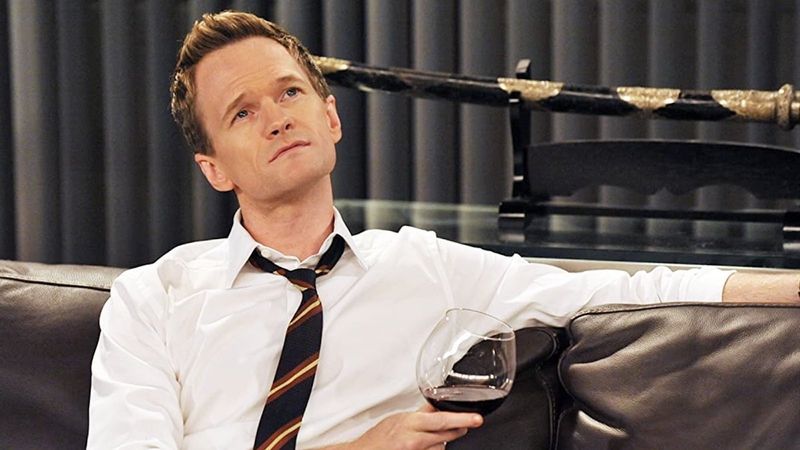
Playing a womanizing sitcom character while openly gay challenged a stubborn Hollywood assumption. Neil Patrick Harris came out in 2006 during his run as Barney Stinson on How I Met Your Mother.
Audiences kept embracing his performance.
His success showed that an actor’s real identity need not limit the characters he plays. Alongside television, theater, and hosting work, his public family life has offered another welcome image: a gay husband and father enjoying ordinary milestones.
7. Laverne Cox Opened an Emmy Door
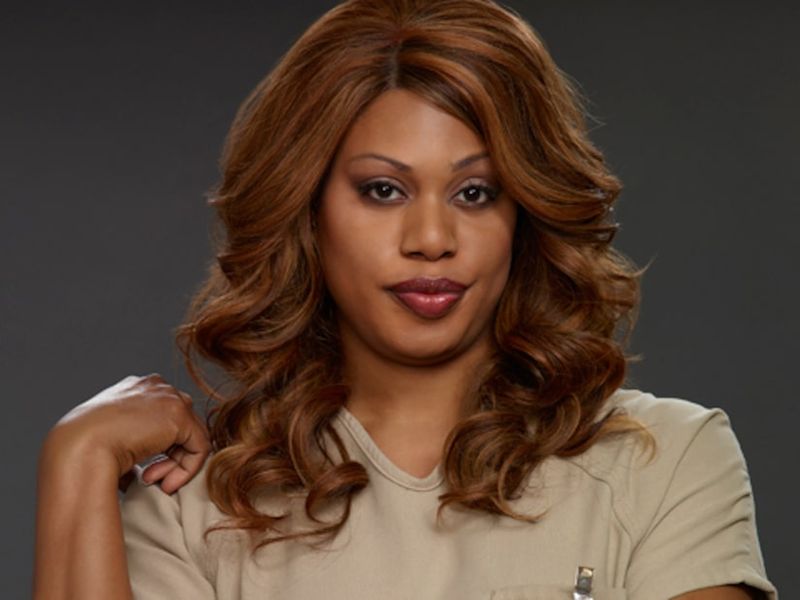
Recognition at television’s biggest awards can change who gets seen and hired. In 2014, Laverne Cox became the first openly transgender person nominated for a Primetime Emmy in an acting category.
Her role was Sophia Burset in Orange Is the New Black.
Sophia had skills, family ties, and struggles beyond her gender identity. Cox also speaks about violence and discrimination facing transgender people, encouraging audiences to move beyond curiosity toward respect, understanding, and meaningful support.
8. Zachary Quinto Spoke Up for Young People
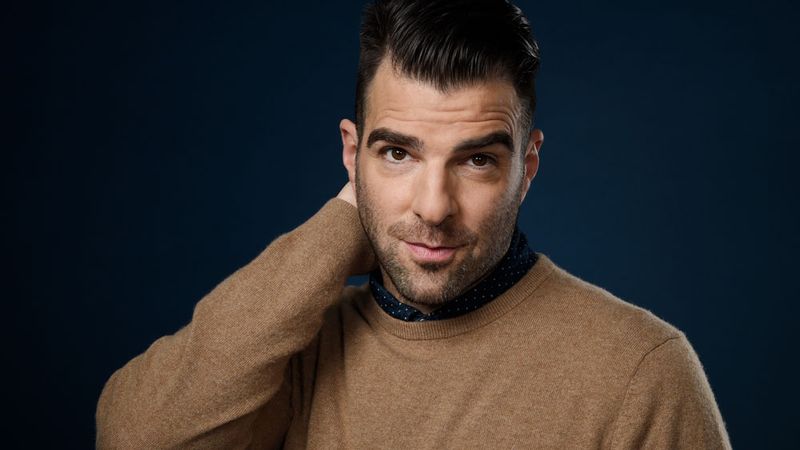
Sometimes a personal announcement carries a message for people who feel alone. Zachary Quinto publicly came out in 2011, explaining that news of a gay teenager’s suicide helped move him to speak.
He wanted visibility to mean something useful.
Known for Heroes and for playing Spock in the Star Trek films, he continued working across major franchises and smaller projects. His example invites fans to take bullying seriously and offer support before someone reaches crisis.
9. Jim Parsons Let His Work Challenge Limits
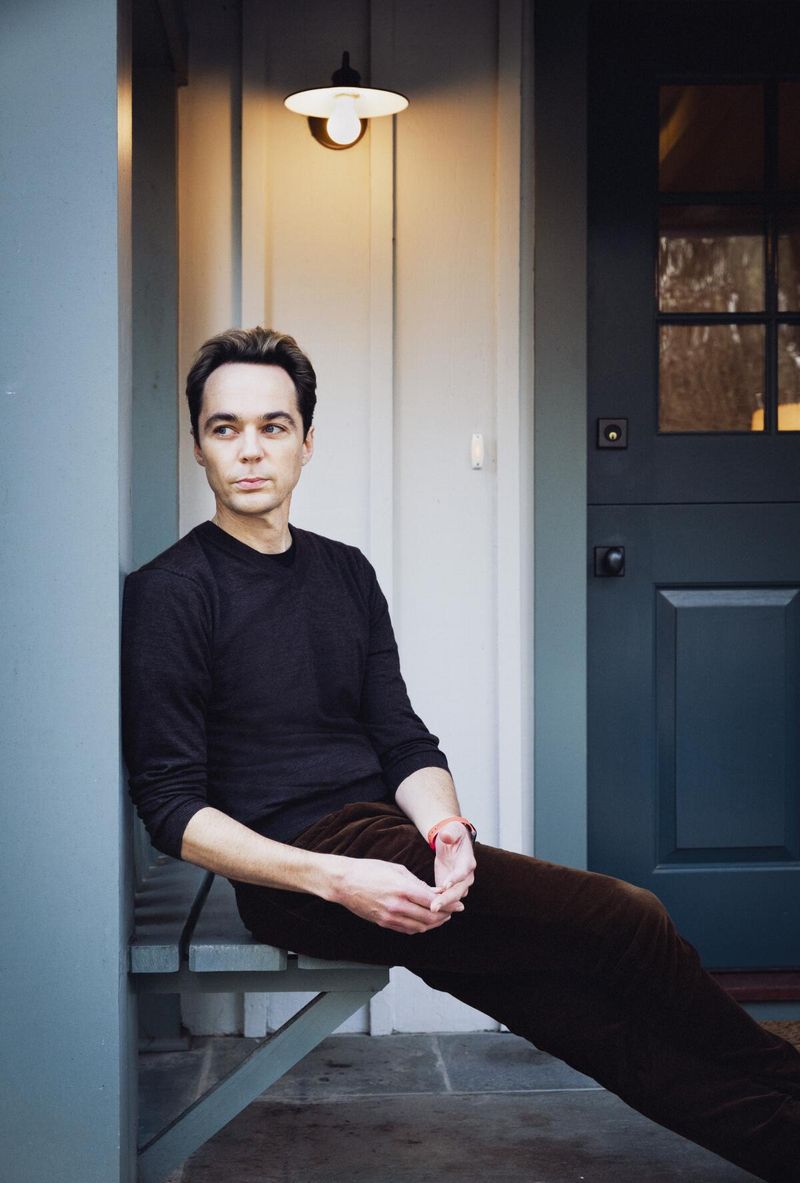
Millions knew Sheldon Cooper before learning much about the actor behind him. A 2012 New York Times profile publicly acknowledged that Jim Parsons was gay and in a long relationship.
His place on The Big Bang Theory remained secure.
That quiet visibility offered a different kind of breakthrough, without a dramatic television announcement. Later work, including The Normal Heart and The Boys in the Band, also connected his career with stories about gay lives and history.
10. Elliot Page Brought His Whole Self Forward
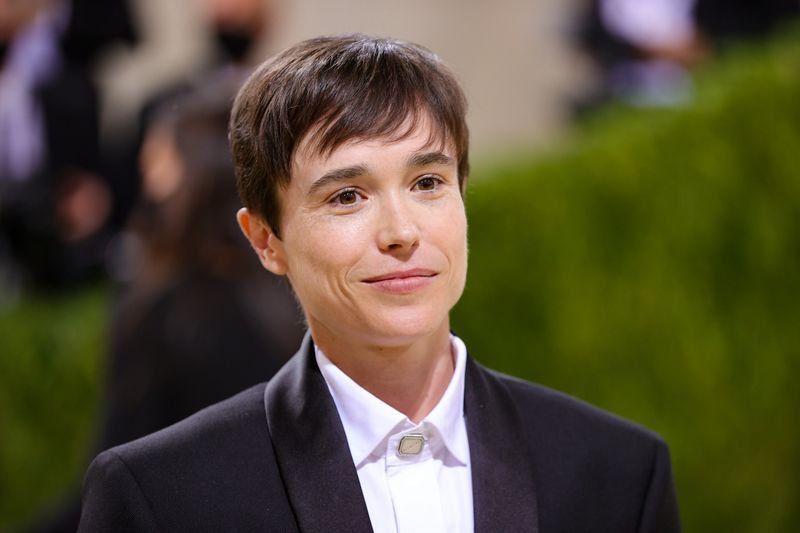
Honesty became a powerful new chapter for a performer audiences already knew. Elliot Page came out as transgender in 2020 after acclaimed work in Juno and other films.
In 2021, he became the first openly transgender man on Time’s cover.
The Umbrella Academy later incorporated his character Viktor’s transition into its story. Page’s visibility offers a useful reminder that transgender actors can continue growing within established careers, rather than being defined only by coming out.
11. Billy Porter Claimed Space With Style
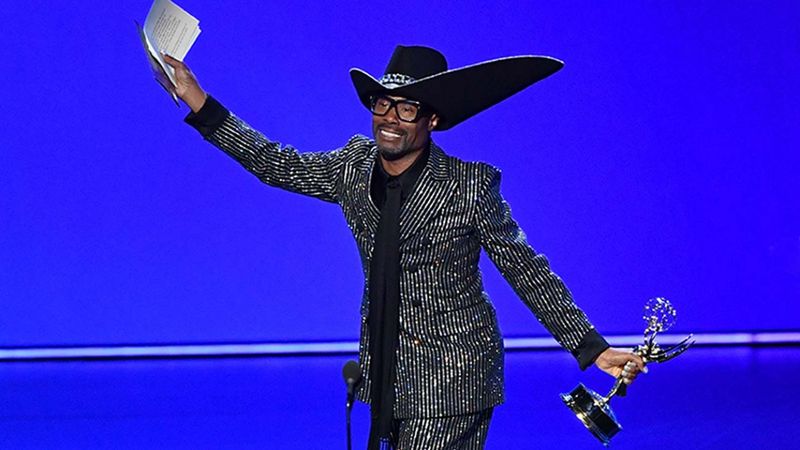
Bold clothes may catch the eye, but the performance holds it. Billy Porter brought humor, authority, and heartbreak to Pray Tell in Pose.
In 2019, he became the first openly gay Black man to win the Emmy for lead actor in a drama.
His achievement challenged narrow ideas about who could carry a major television story. Off screen, his fashion choices question gender rules, showing how personal style can become another way to claim space.
12. Hunter Schafer Made Room for Complexity
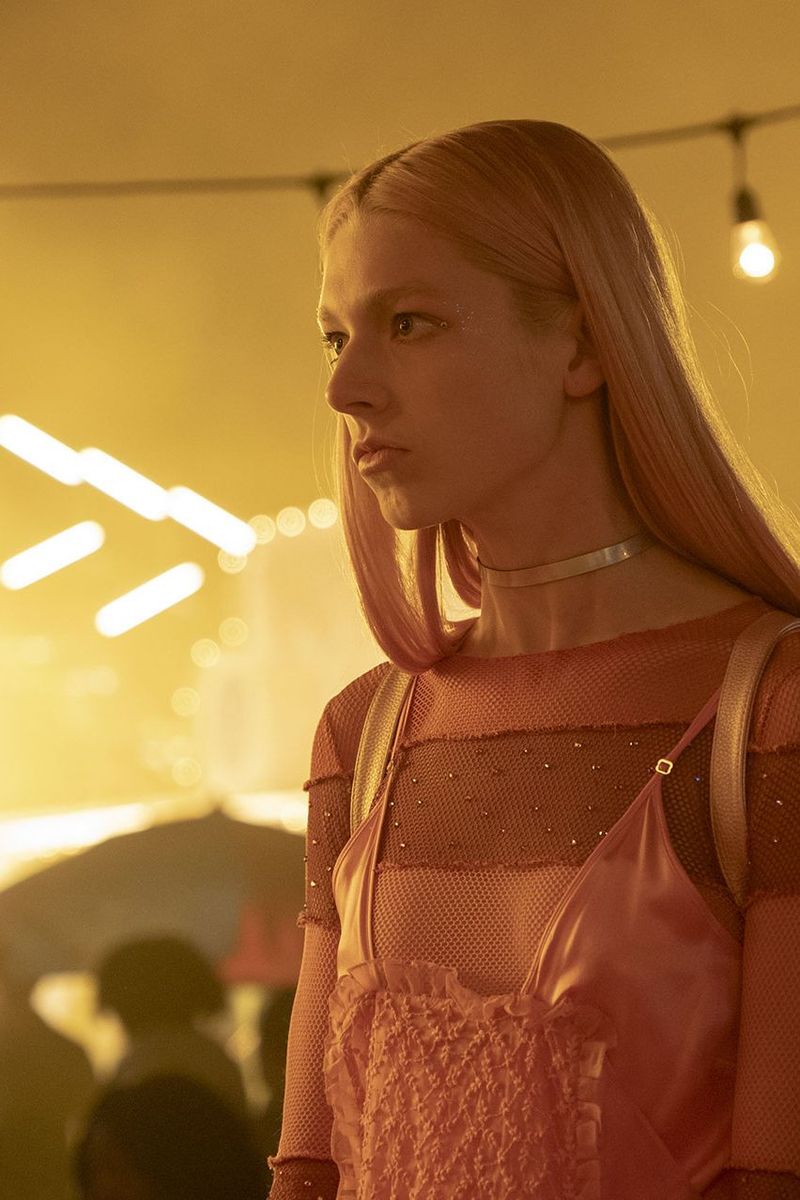
Teen characters deserve more than a single label. Hunter Schafer brought that depth to Jules in HBO’s Euphoria, her acting debut.
As a transgender performer playing a transgender girl, she helped give the role a personal sense of truth.
Jules experiences friendship, desire, confusion, and conflict, rather than existing only to explain gender to others. For mature viewers, the performance offers a chance to notice how richer writing creates people instead of relying on stereotypes.
13. Michaela Jaé Rodriguez Put Care at the Center
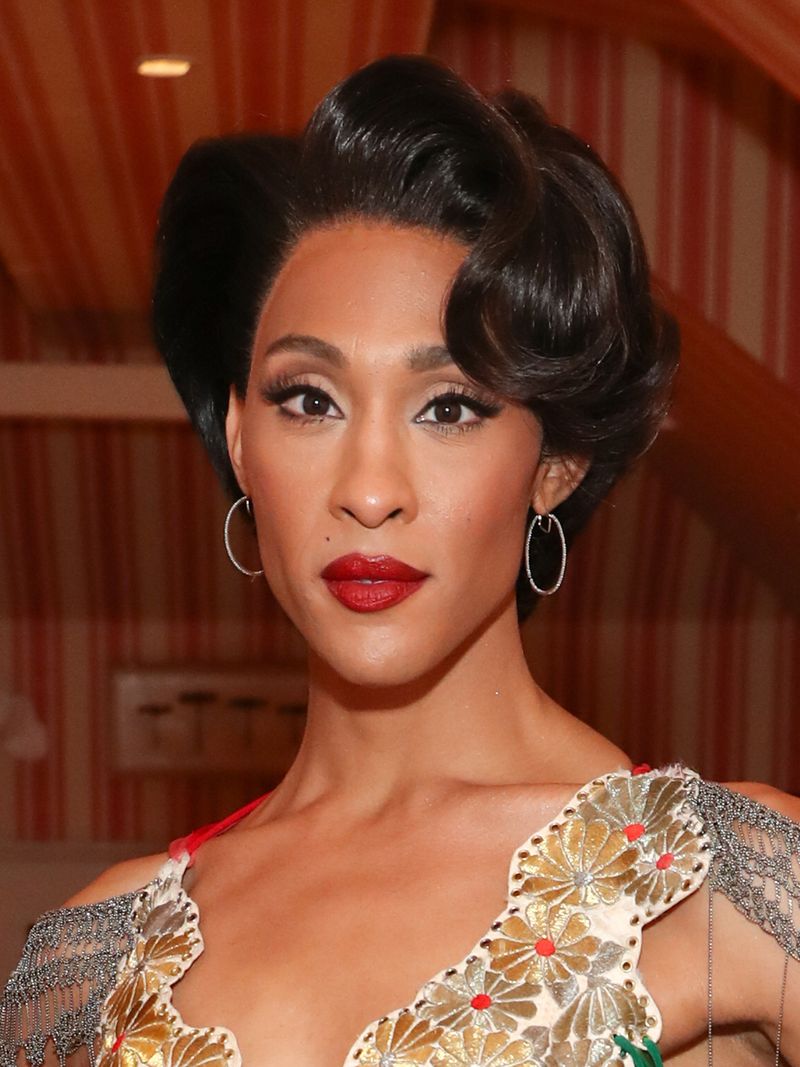
A chosen family’s steady heart helped reshape television. As Blanca in Pose, Michaela Jaé Rodriguez played a mother figure building safety and hope amid hardship.
Her performance balanced fierce determination with warmth.
In 2022, she became the first transgender actor to win a Golden Globe, earning best television actress in a drama. That milestone recognized more than visibility: it honored the emotional range of a leading performance and widened expectations for who deserves major awards.
14. Nicole Maines Gave a Superhero New Meaning

Saving the day gained a fresh face when Dreamer arrived on Supergirl. Nicole Maines played Nia Nal, widely recognized as television’s first transgender superhero.
Her character combined extraordinary abilities with the everyday challenge of finding confidence.
Before acting, Maines was involved in a landmark Maine case about access to school bathrooms. Bringing that background to a heroic role added meaning without replacing the adventure, letting transgender viewers see someone like themselves protecting others on screen.
15. Kristen Stewart Refused a Narrow Script
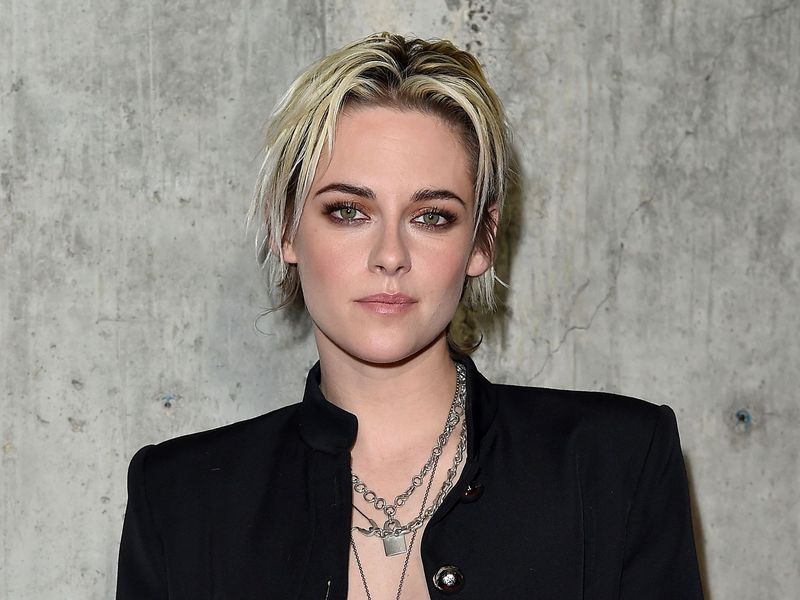
Global fame can make every personal choice feel public. Kristen Stewart rose through the Twilight films, then built a career filled with independent projects and unexpected roles.
During her 2017 Saturday Night Live opening, she openly described herself as gay.
Her frankness challenged pressure on leading actresses to maintain a straight public image. Films such as Happiest Season also placed queer romance in familiar movie territory, making room for love stories that mainstream audiences rarely received.
16. Brian Michael Smith Expanded the Hero Mold
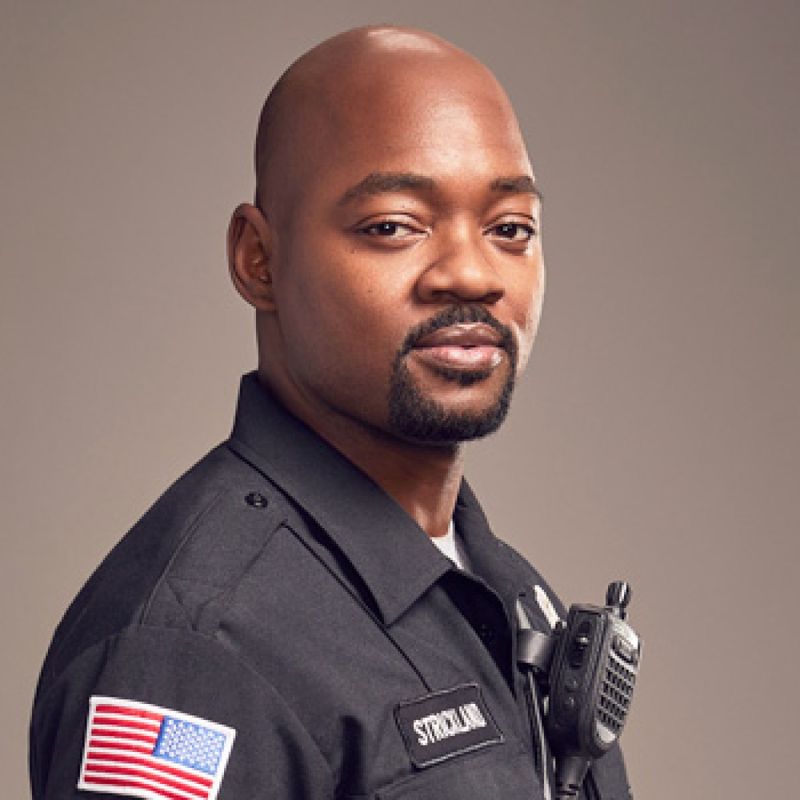
A firefighter can be brave, complicated, and transgender without becoming a lesson instead of a person. Brian Michael Smith brought that balance to Paul Strickland on 9-1-1: Lone Star.
The role placed an openly transgender man within a major network ensemble.
Paul’s work, friendships, and instincts matter alongside his identity. Smith’s career helps challenge the habit of casting transgender performers only in stories about transition, opening possibilities for action, workplace drama, and everyday character development.
17. Indya Moore Brought Angel’s Dreams to Life

Dreaming of love and a modeling career made Angel more than a supporting presence. Indya Moore gave the Pose character vulnerability, wit, and determination.
Their performance helped center a transgender woman within a story about ambition and belonging.
Moore is transgender and nonbinary, and uses their public platform to address discrimination and unequal access to opportunity. Watching Angel’s journey invites viewers to consider both personal resilience and the unfair barriers that talent alone cannot always overcome.
18. Conrad Ricamora Broadened the Picture of Romance
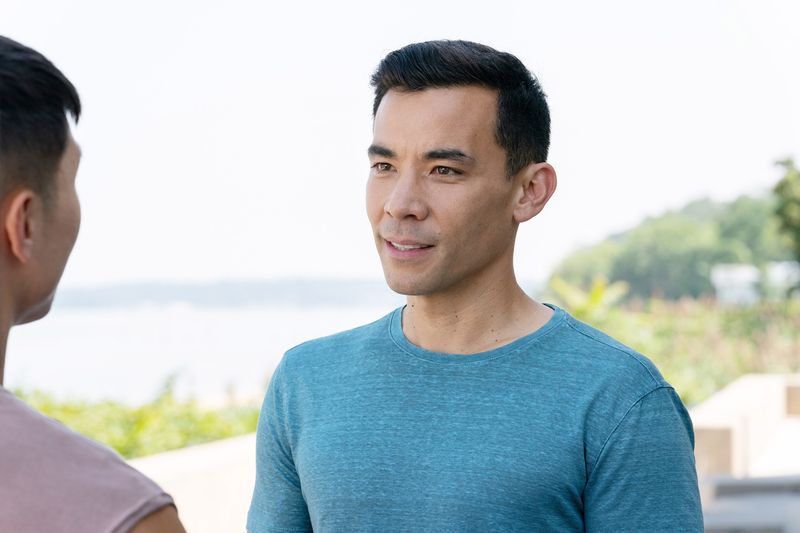
A computer expert became part of a television romance that many viewers rarely saw. Conrad Ricamora played Oliver Hampton on How to Get Away with Murder, giving a gay Asian character intelligence, desire, humor, and flaws.
His relationship with Connor became central to the series.
As an openly gay actor of Filipino heritage, Ricamora also broadened representation behind the role. His work in Fire Island further challenged limited ideas about whose friendships and romances deserve attention.