
Long before fridges and microwaves, people found clever ways to cook and save their food. Many of those old tricks worked so well that families still use them today, from busy city kitchens to quiet mountain villages.
Learning about them shows how smart our ancestors were and might even inspire you to try something new at home. Get ready to meet some tasty traditions that have lasted thousands of years.
1. Fermenting Vegetables
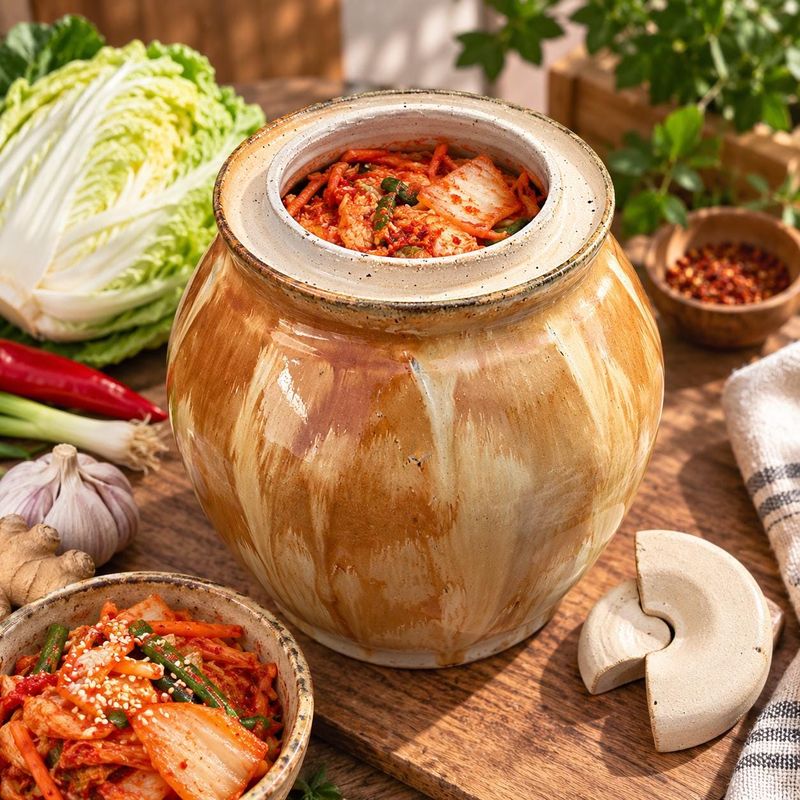
Picture a Korean grandmother packing cabbage, garlic, and chili into a clay pot every fall. That yearly ritual, called kimjang, has fed families for centuries.
Fermenting lets friendly bacteria turn sugars into tangy acids that keep food safe for months. Sauerkraut in Germany and pickles in India work the same way.
Want to try it? Salt shredded cabbage, press it into a jar, and wait about a week.
Your gut will thank you.
2. Smoking Meat and Fish
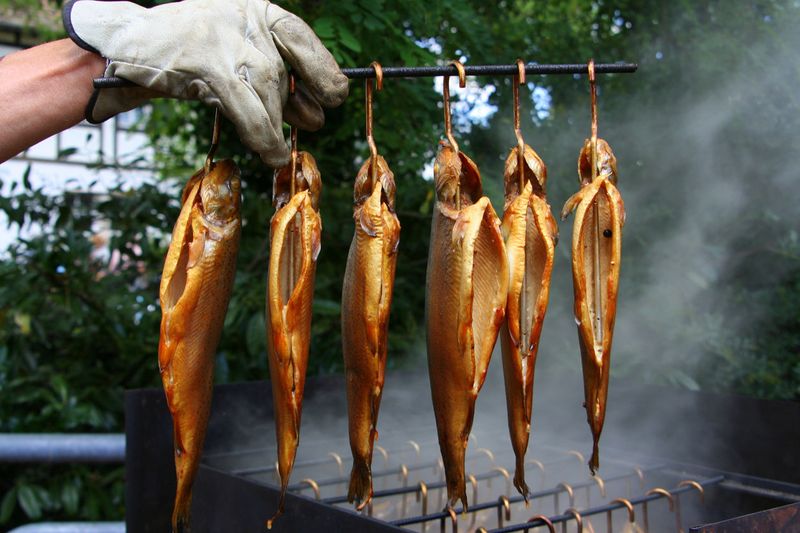
Smoke does more than smell amazing. Thousands of years ago, people noticed that meat hung near a fire lasted much longer.
Native peoples of the Pacific Northwest still smoke salmon in wooden smokehouses, while Texas pitmasters slow-smoke brisket for hours. The smoke dries the surface and adds natural compounds that slow spoiling.
Fun fact: different woods create different flavors. Hickory tastes bold, while apple wood is sweeter and milder.
3. Sun Drying Fruits
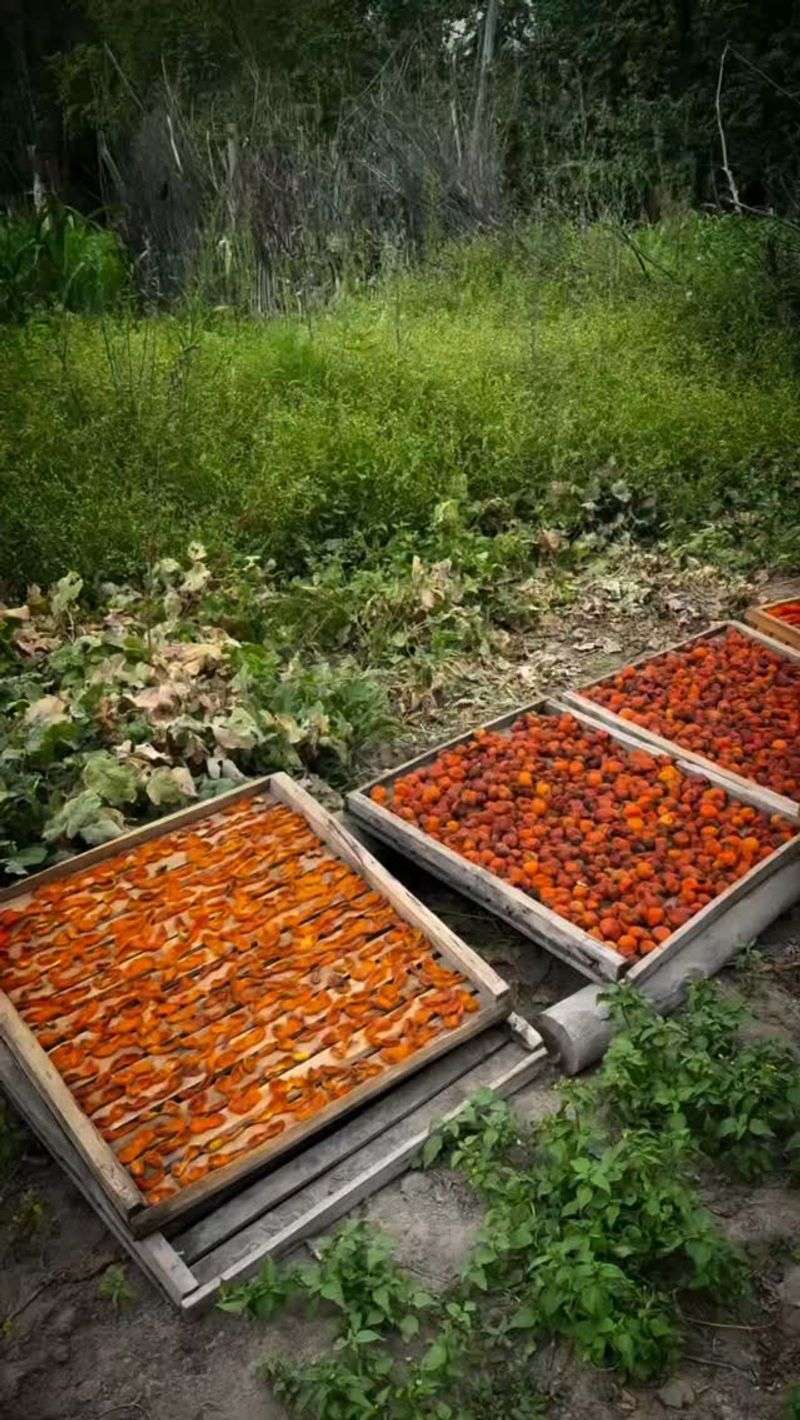
Raisins were probably discovered by accident when grapes shriveled on the vine. Lucky mistake, right?
Sun drying is one of the simplest preservation tricks ever. In Turkey, apricots bake on rooftops, and in Italy, tomatoes dry on wooden boards under summer heat.
Removing water stops mold and bacteria from growing.
You can copy this at home with sliced apples on a screen in a sunny, breezy spot. Just cover them to keep bugs away.
4. Salt Curing
Ancient Romans valued salt so highly that soldiers were sometimes paid with it. Part of that value came from its power to preserve food.
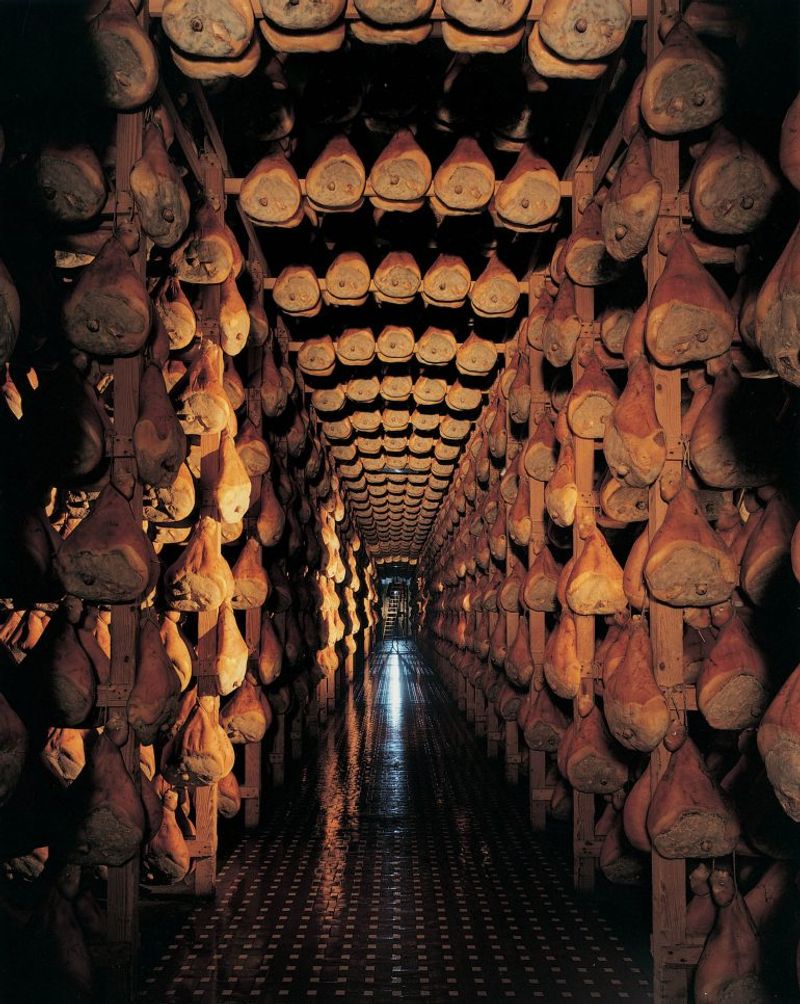
Salt pulls moisture out of meat and fish, making it hard for germs to survive. Spanish jamón and Italian prosciutto hang for months, sometimes years, while flavor deepens.
Norway’s salted cod, called bacalao in many countries, once traveled across oceans on ships without spoiling. Pretty impressive for a simple mineral.
5. Pit Cooking Underground
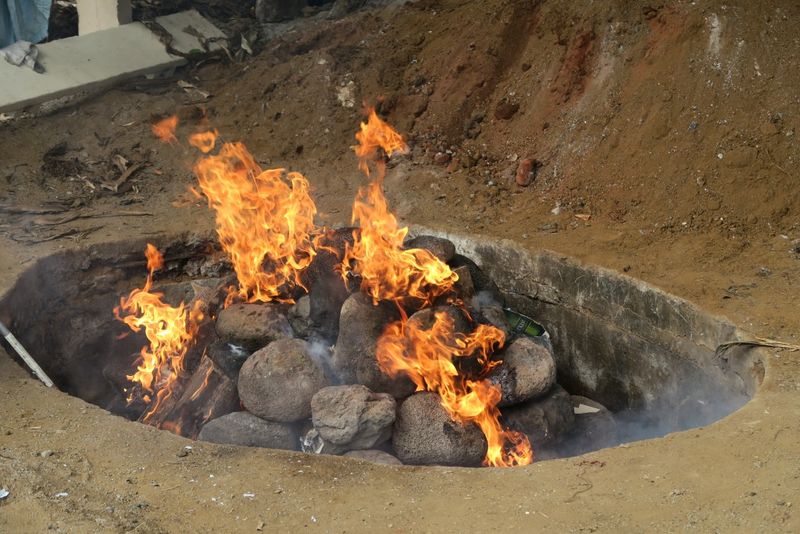
Imagine digging a hole, filling it with hot rocks, and burying dinner. Sounds wild, but it works beautifully.
Hawaiians cook kalua pork in an imu pit, New Zealand’s Maori prepare a hāngi, and Mexican cooks make barbacoa underground. Leaves and earth trap heat and steam, so food cooks slowly for hours.
The result is incredibly tender and smoky. It also turns any meal into a big community celebration, since everyone helps dig.
6. Stone Grinding Grain
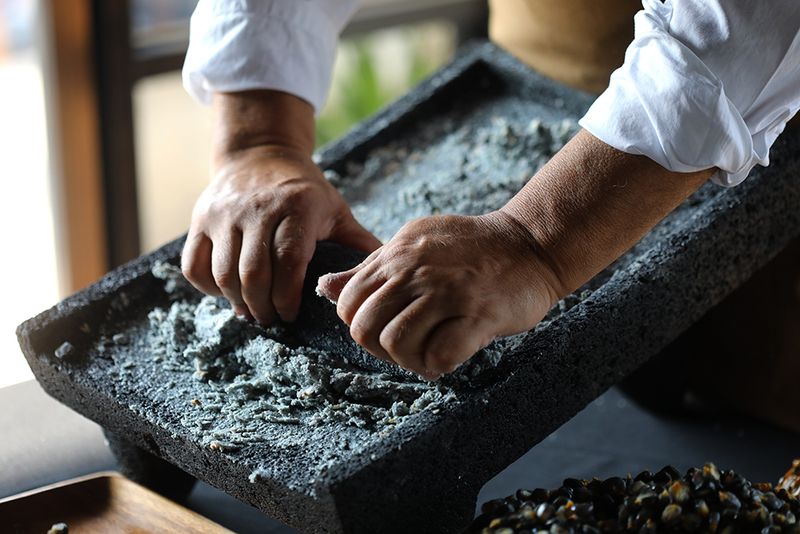
Long before electric blenders, there was the mortar, the metate, and plenty of elbow grease.
In Mexico, cooks still grind soaked corn on a sloped volcanic stone called a metate to make masa for tortillas. Thai kitchens rely on heavy mortars for curry pastes.
Stone grinding crushes ingredients instead of chopping, releasing richer oils and aromas.
Try making pesto with a mortar sometime. You might notice the flavor tastes brighter and fresher.
7. Clay Pot Cooking
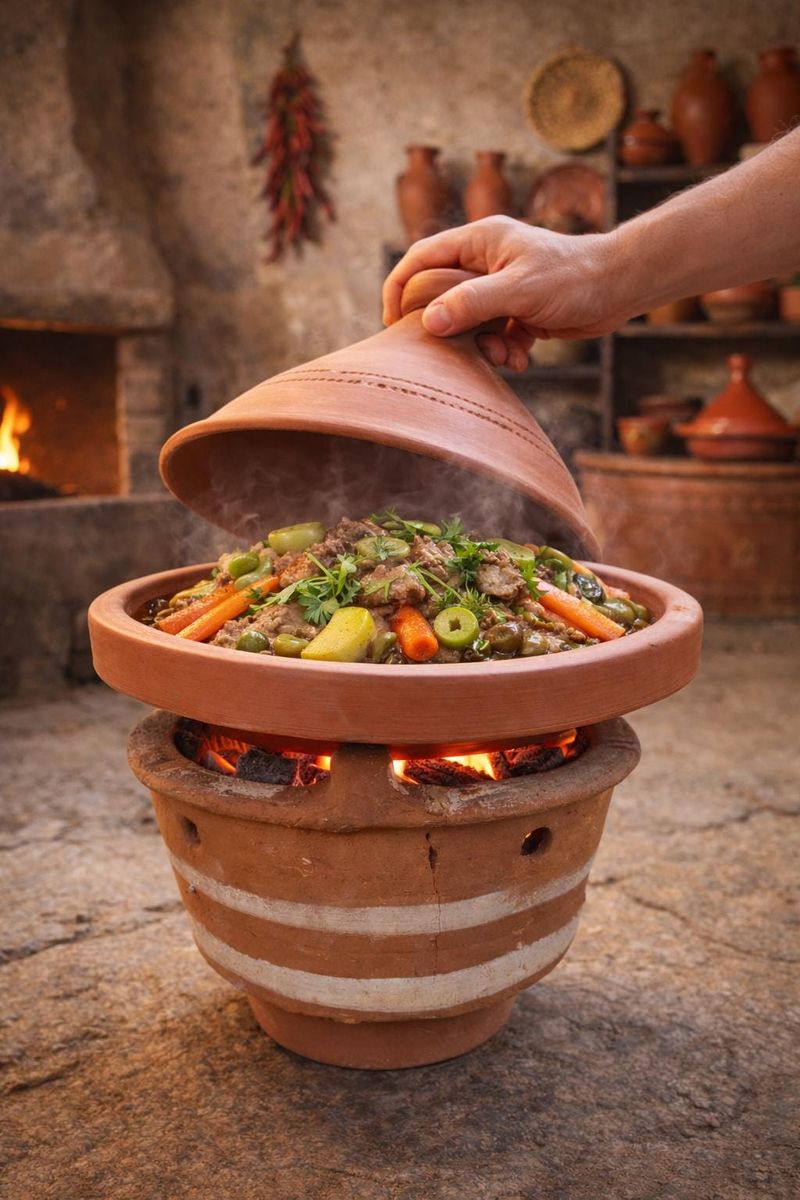
Clay was one of humanity’s first cooking tools, and honestly, it still holds up.
Morocco’s cone-shaped tagine lets steam rise, cool, and drip back onto the food, keeping stews juicy. Indian cooks use clay handis, and Spanish kitchens love terracotta cazuelas.
Clay heats slowly and evenly, so dishes rarely burn.
One tip from experienced cooks: soak unglazed clay pots in water before using them. They release gentle moisture as they warm.
8. Nixtamalization of Corn
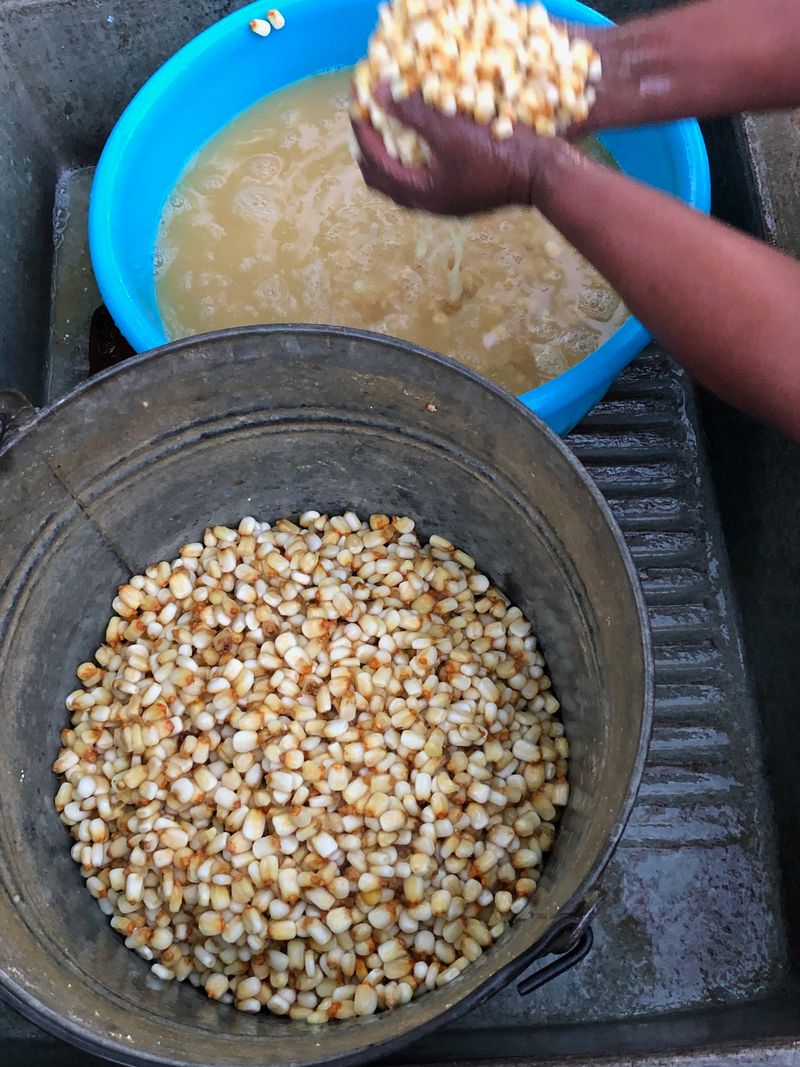
Here is a science secret about three thousand years old. Ancient Mesoamericans soaked corn in water mixed with lime or wood ash.
That process, called nixtamalization, softens the kernels and unlocks vitamin B3, which plain corn keeps hidden. Without it, people who ate lots of corn could get sick.
Every real tortilla, tamale, and bowl of pozole still depends on this step. Your taco night owes a big thank-you to the Aztecs and Maya.
9. Bread Baking in Earth Ovens
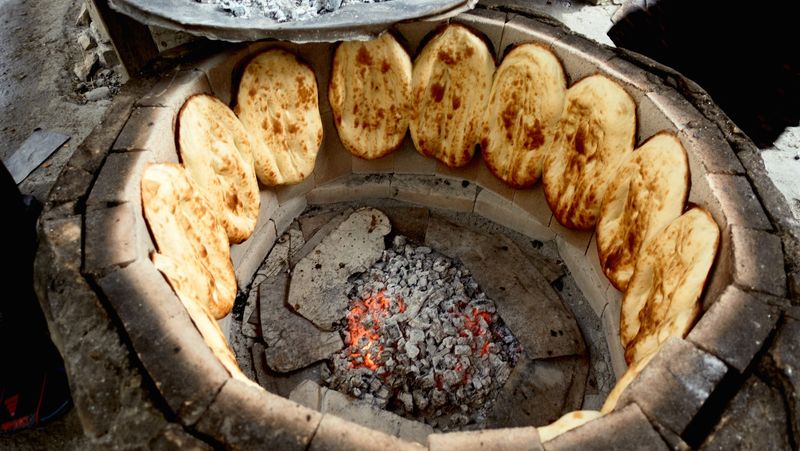
Bread has been baked in clay ovens for at least six thousand years. Some of those ovens look almost exactly the same today.
Indian tandoors reach blazing heat, so naan puffs up in about a minute. Middle Eastern bakers stick flatbread to hot oven walls, and Italian wood-fired domes turn out crispy pizza.
That intense heat creates a charred, chewy crust no regular oven can fully match. Fresh bread really is timeless comfort.
10. Steaming in Bamboo
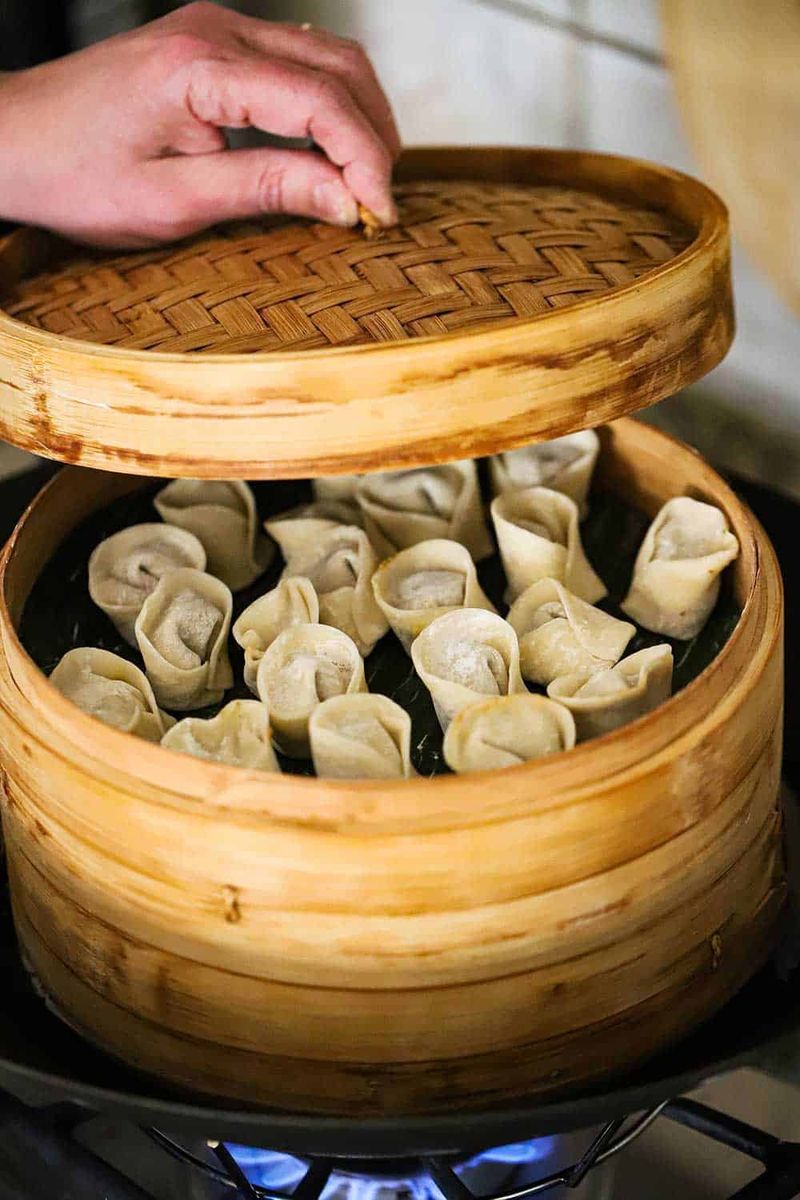
Lift the lid on a bamboo basket and a cloud of fragrant steam rushes out. Dim sum lovers know that moment well.
Chinese cooks have steamed food for thousands of years. Stackable bamboo baskets let several dishes cook at once over one pot of boiling water, saving fuel.
Steaming keeps vitamins inside food and needs zero oil. Grab an inexpensive bamboo steamer and try veggies or dumplings for an easy, healthy dinner.
11. Making Cheese and Yogurt
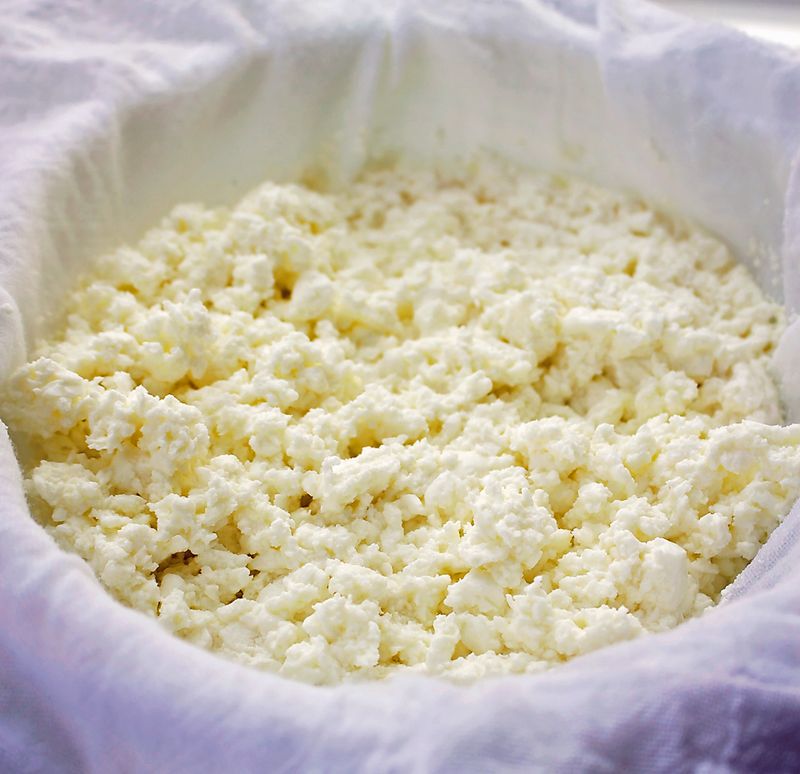
Legend says cheese was invented when a traveler stored milk in a pouch made from an animal stomach. Hours later, it had turned into curds.
Whether or not that story is true, people have cultured milk for over seven thousand years. Yogurt in Turkey, cheese in France, and skyr in Iceland all began as ways to keep milk from spoiling.
Bonus: the live cultures in yogurt help support healthy digestion.
12. Freeze Drying Potatoes
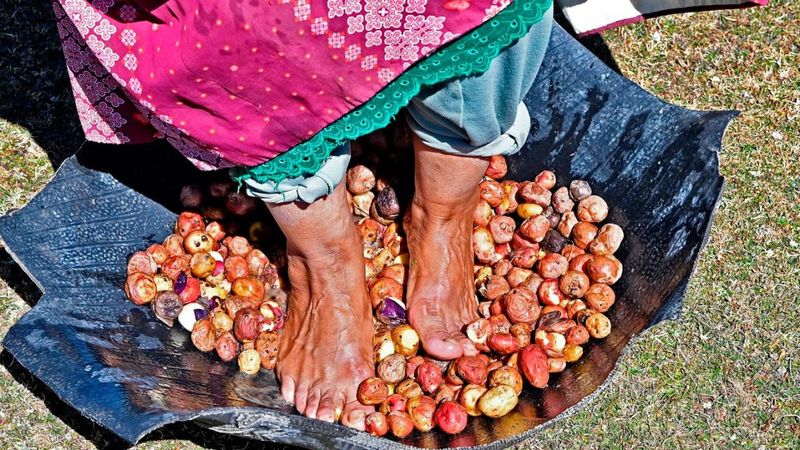
Way before astronauts ate freeze-dried snacks, the Inca had it figured out.
High in the Andes, farmers leave potatoes outside on freezing nights, then let the sun warm them by day. Next, they stomp out the water with bare feet.
After a few days, the result is chuño, a light potato that can last for years.
Peruvian and Bolivian families still make it this way, a true mountain survival skill.
13. Roasting Over Open Fire
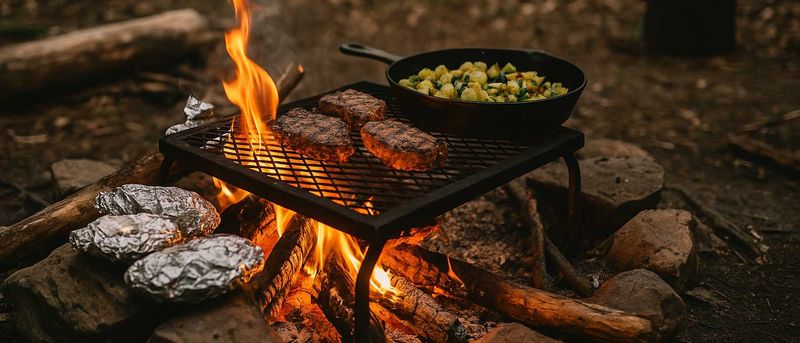
Gather around a campfire with marshmallows and you are doing what humans did almost a million years ago.
Fire roasting is the oldest cooking method we know. Argentina celebrates it with the asado, where gauchos slowly roast meat beside glowing embers.
South African families gather for a braai on weekends.
A useful tip: cook over coals rather than tall flames. Steady heat browns food evenly instead of scorching the outside.
14. Pickling in Vinegar
Cleopatra supposedly credited pickles for part of her beauty. Whether that helped or not, she clearly loved them.
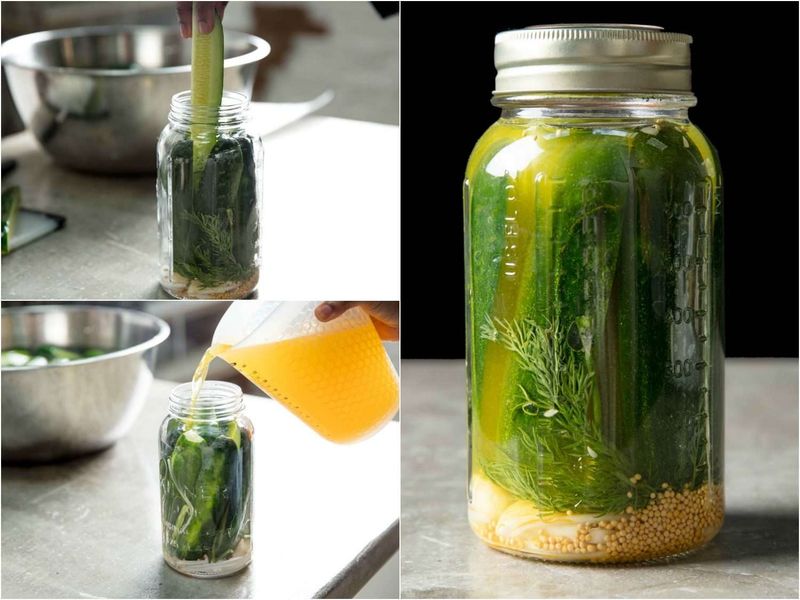
Pickling in vinegar goes back about four thousand years to ancient Mesopotamia. The sour liquid creates conditions where harmful germs cannot grow.
Japanese tsukemono, Polish beets, and Mexican pickled jalapeños all use this idea.
Quick pickles are super easy. Pour hot vinegar, water, salt, and sugar over sliced onions, then chill overnight.
15. Wrapping Food in Leaves
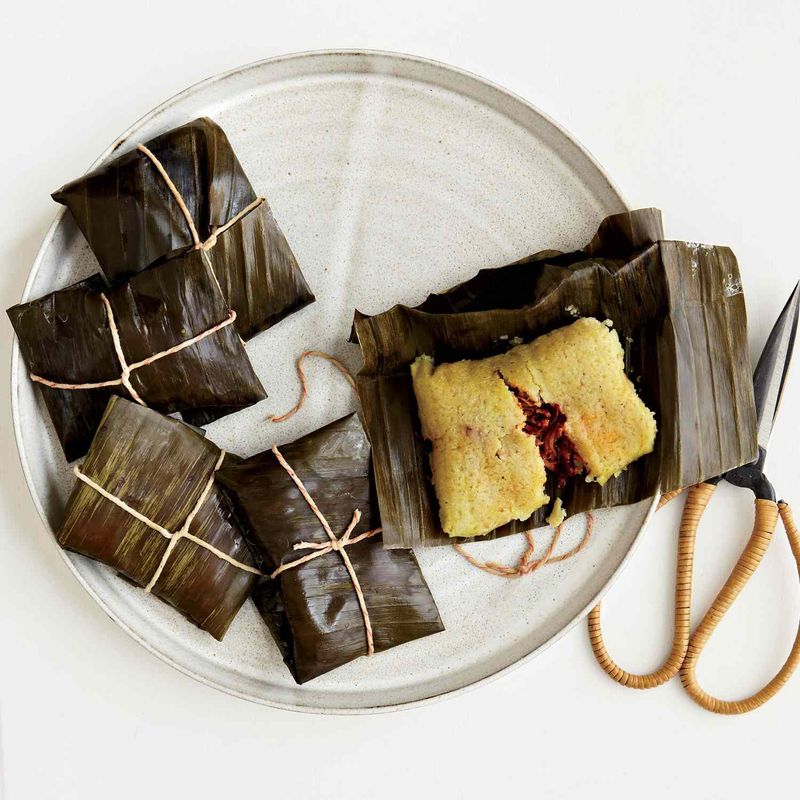
Nature makes pretty great wrapping paper. Ancient cooks noticed leaves could protect food while adding flavor.
Mexican tamales cook in corn husks, Greek dolmades use grape leaves, and Southeast Asian dishes steam inside banana leaves. Leaves seal in moisture so food stays soft and juicy, and some even give off a light, earthy aroma.
Best part? Cleanup is easy, since the wrapper simply goes into the compost after dinner.