
The smell of fresh bread can bring back memories of flour-covered counters and butter melting on a warm slice. Grandma’s kitchen often turned simple ingredients into something worth gathering around.
From everyday sandwich loaves to sweet weekend treats, these classic breads keep that homemade comfort alive. A few useful baking tips can help you bring those familiar flavors to your own table.
1. Homemade White Bread, the Everyday Favorite
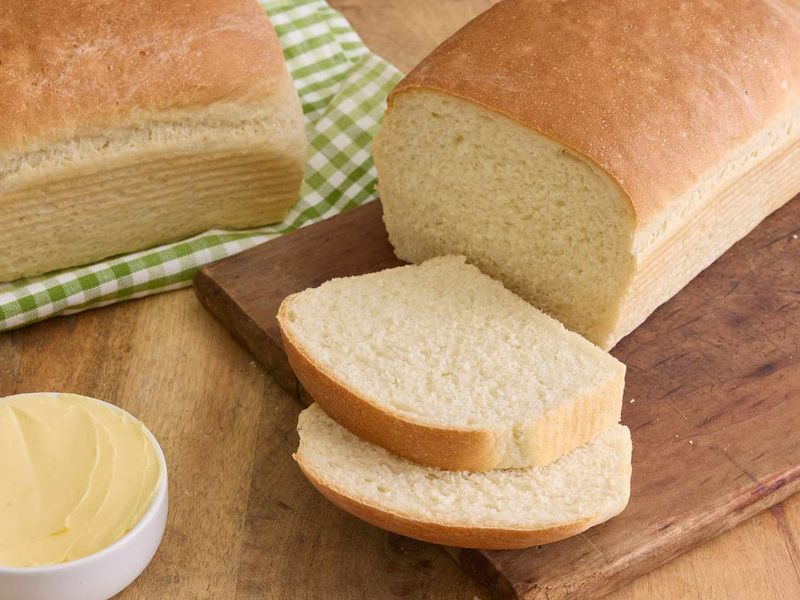
A warm slice with melting butter needs very little introduction. Plain white bread turns flour, yeast, water, and salt into something soft and familiar, with some recipes adding honey or a little fat.
Keep the dough slightly tacky rather than burying it in extra flour. Let it rise until puffy, and allow the baked loaf to cool before slicing.
Tomorrow’s leftovers make excellent toast, grilled cheese sandwiches, or breadcrumbs for a favorite family casserole recipe.
2. Whole Wheat Bread With Hearty Flavor
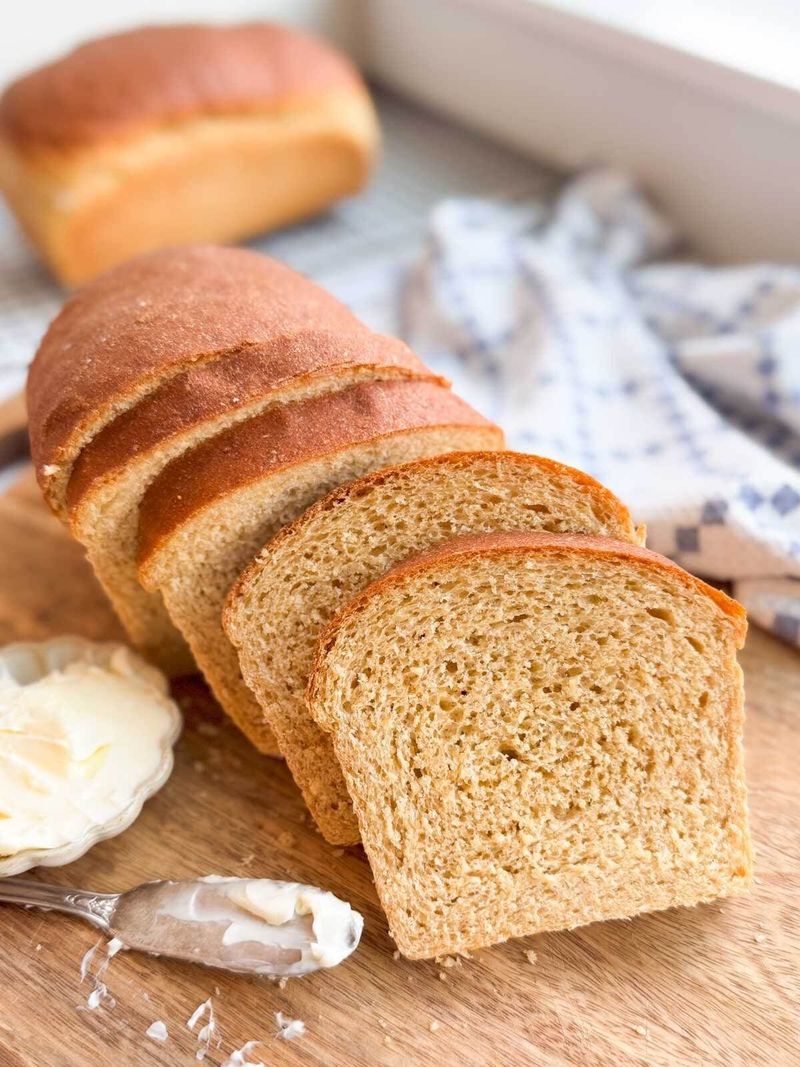
Nutty flavor gives this lunchbox staple a character all its own. Whole wheat flour includes the grain’s bran and germ, bringing more fiber and a heartier bite than white flour alone.
A spoonful of honey or molasses can balance its earthy taste. For a lighter first attempt, choose a recipe that mixes whole wheat and white flour.
Give the dough enough rising time, then enjoy thick slices with peanut butter, soup, or sharp cheddar cheese.
3. Amish White Bread With a Sweet Side
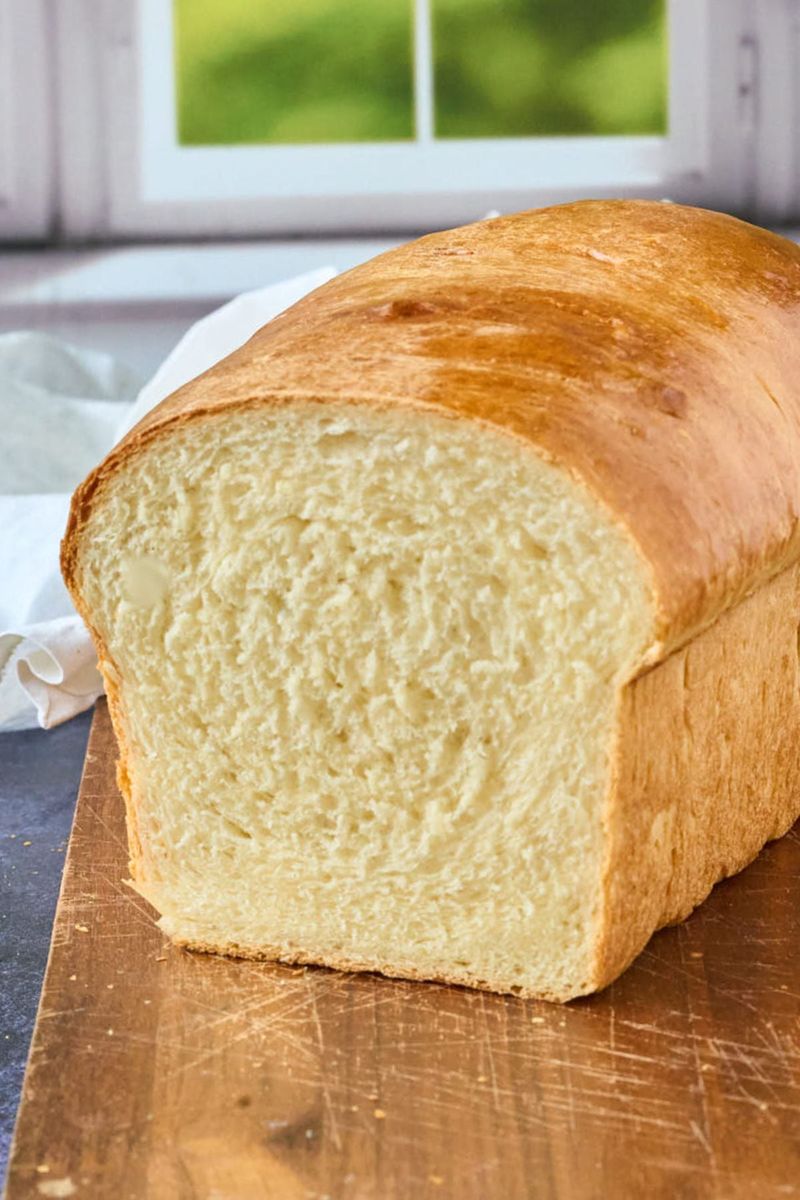
Some loaves seem made for sneaking a second slice. Amish white bread usually has a sweeter flavor and a soft, close crumb that holds up well to sandwiches and generous spreads.
Recipes vary, but many use sugar and oil for richness. Measure carefully, since adding too much flour can make the finished bread heavy.
Brush the warm crust with butter if you prefer a softer top, and save a few slices for weekend French toast.
4. Irish Soda Bread Without the Wait
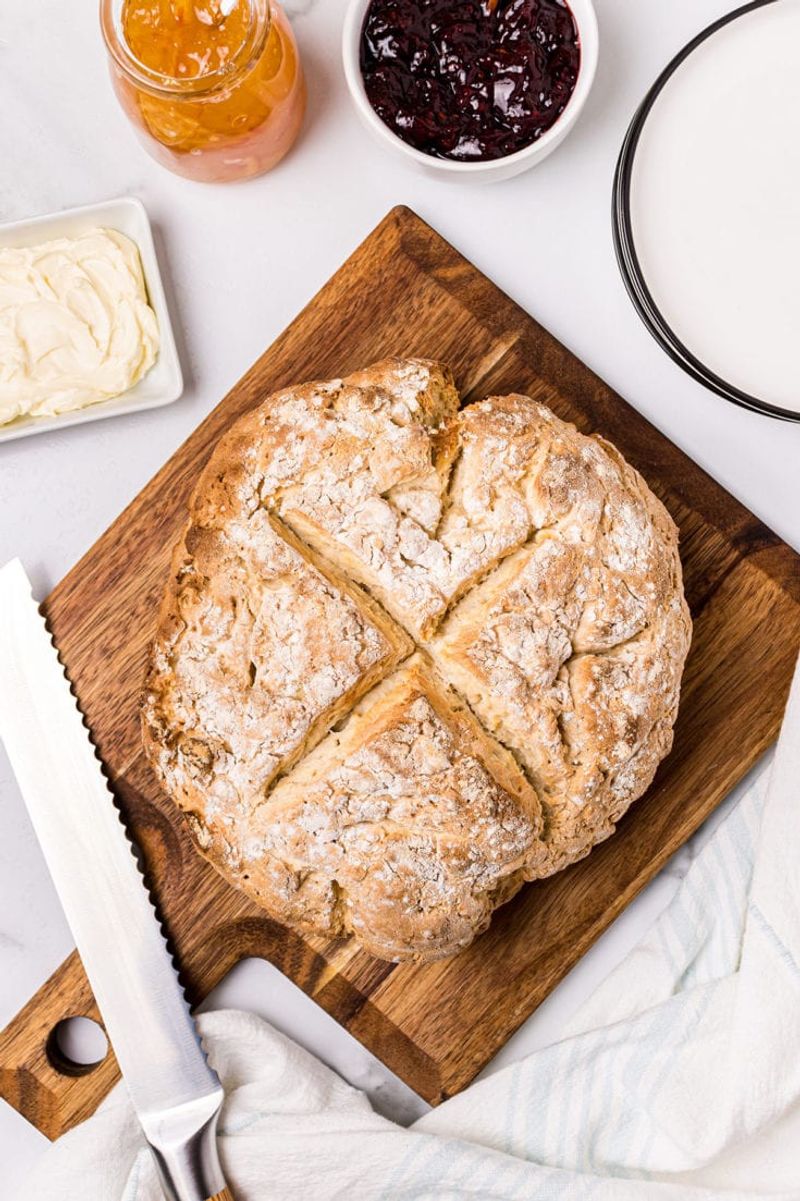
No yeast? The bread basket can still be full.
Irish soda bread rises when baking soda reacts with acidic buttermilk, so there is no long wait for dough to double.
Mix only until the ingredients come together, because too much handling can toughen the loaf. A cross cut into the top helps the center bake through.
Serve wedges beside stew, or spread them with butter and jam while they are still a little warm inside.
5. Cinnamon Rolls Worth Waking Up For
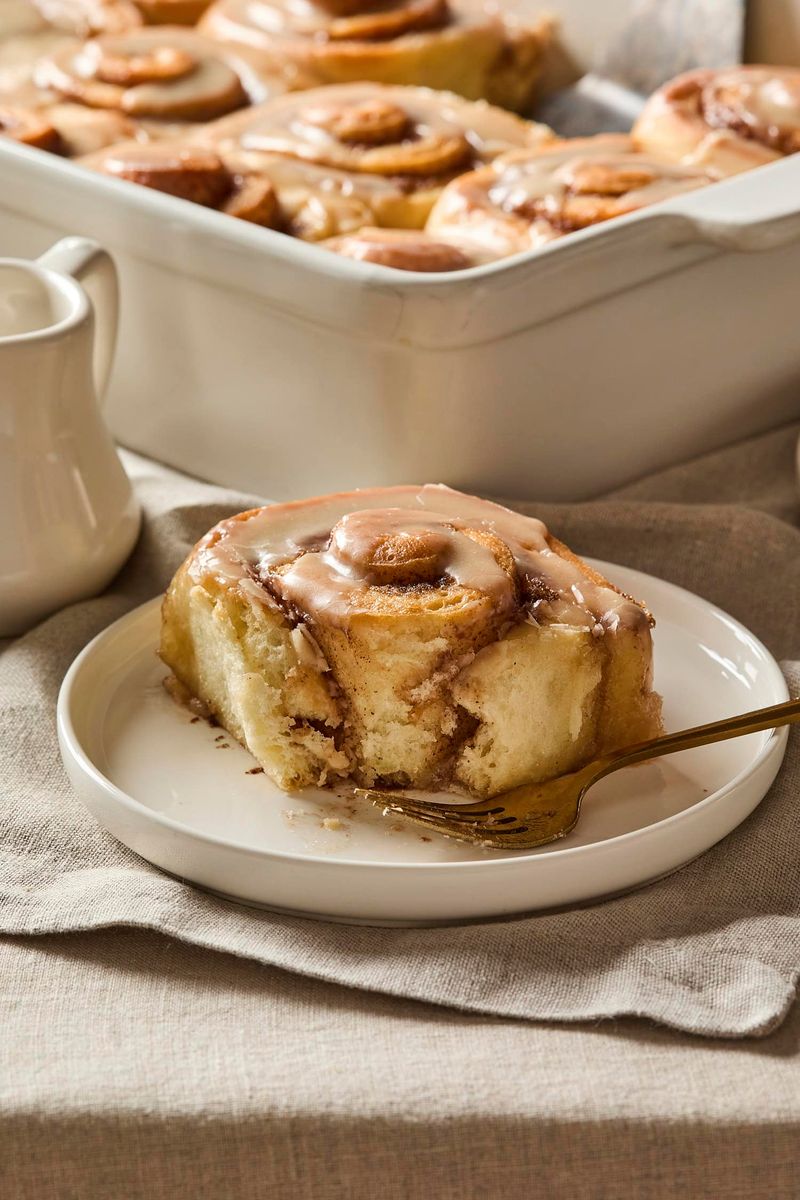
Follow that cinnamon smell, and breakfast suddenly feels like a holiday. Soft spirals of yeast dough hold a buttery sugar filling, while a simple glaze adds just enough sweetness on top.
Roll the dough evenly so the centers bake at the same pace as the edges. For easier mornings, use a recipe with an overnight refrigerator rise.
Let the rolls cool briefly before glazing, unless you want the icing to melt into every little swirl.
6. Banana Bread That Rescues Ripe Fruit
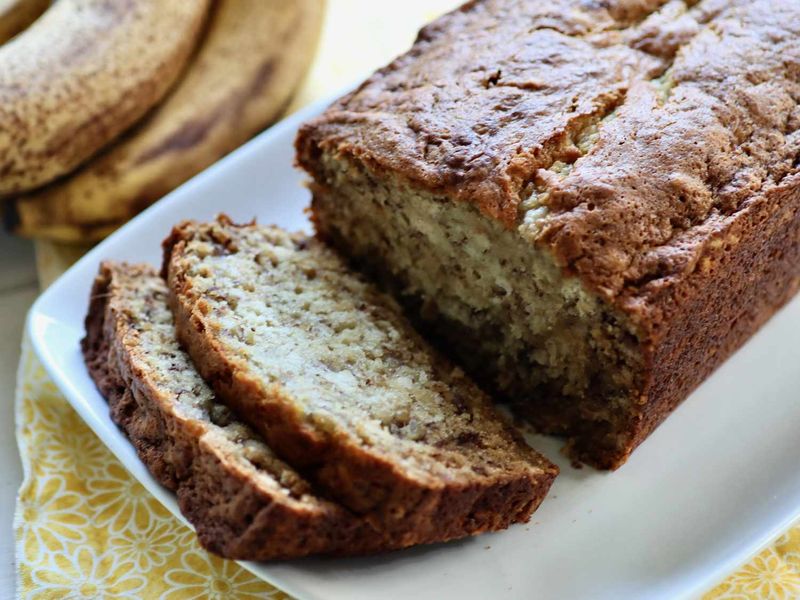
Those spotted bananas on the counter still have a delicious job to do. Their soft texture and strong sweetness make them ideal for a loaf that needs no yeast or kneading.
Mash the fruit well, then stir the batter only until the flour disappears. Walnuts add crunch, while chocolate chips make each slice feel like dessert.
Check the center before removing the pan from the oven, and cool completely before wrapping to keep moisture balanced.
7. Zucchini Bread From the Summer Garden
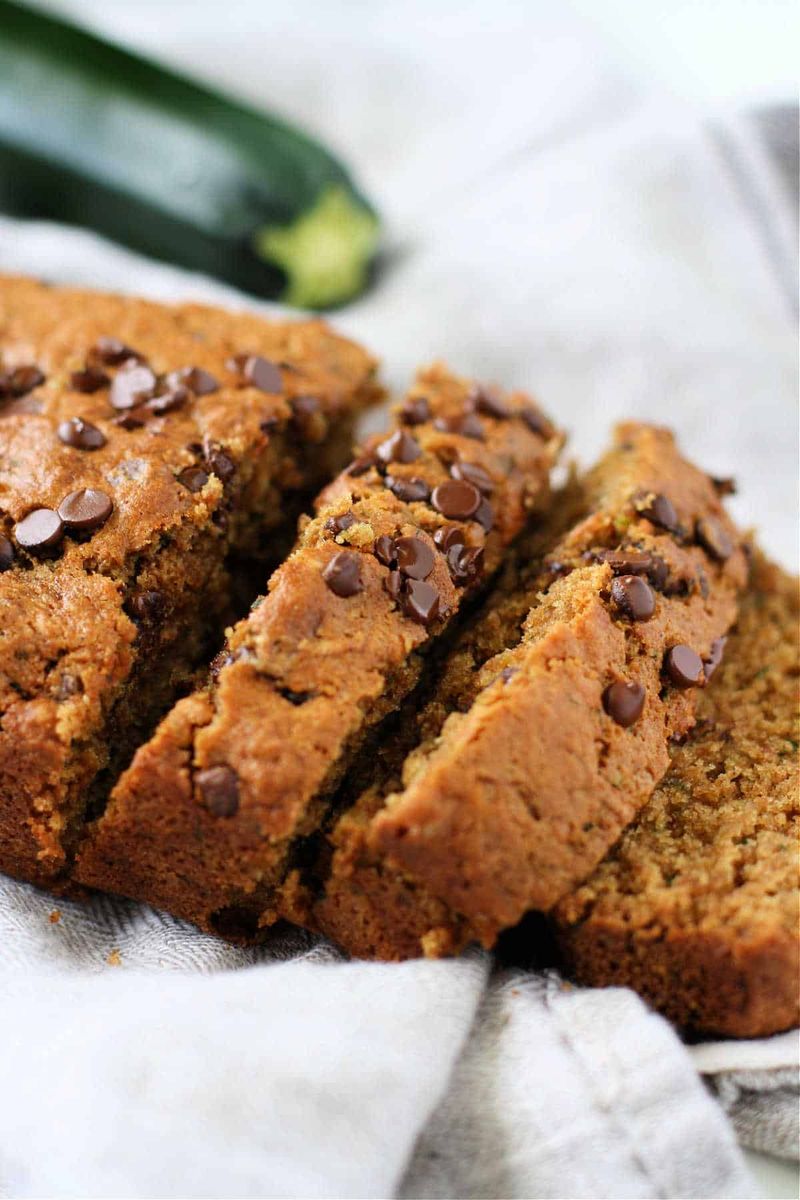
A garden overflowing with squash calls for a clever baking plan. Grated zucchini adds moisture to this quick bread, while cinnamon, nuts, or chocolate chips provide most of its familiar flavor.
Small zucchini usually have tender skins that need no peeling. Follow your recipe’s directions about squeezing out liquid, since moisture needs differ.
Fold the shreds into the batter gently, and freeze extra slices individually for an easy snack long after the summer harvest ends.
8. Applesauce Bread With Cozy Spice
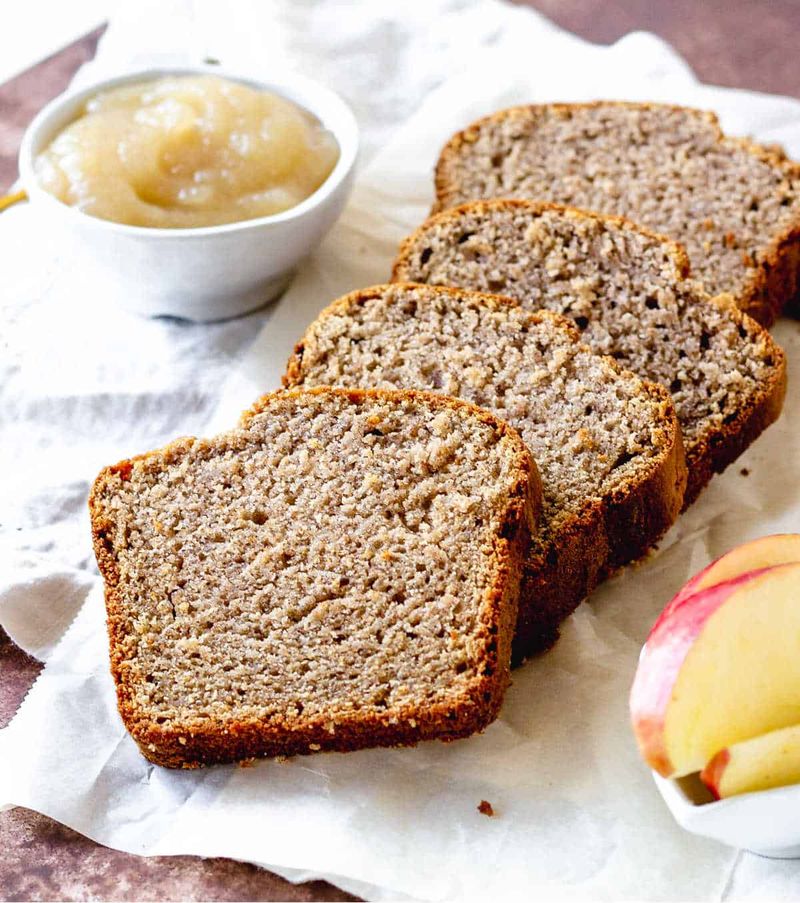
Apple season can linger in the kitchen even after the orchard trip ends. Applesauce brings moisture and mild fruit flavor to a simple loaf, especially when paired with cinnamon or nutmeg.
Choose unsweetened applesauce when the recipe calls for it, so the sugar stays balanced. A handful of raisins or chopped walnuts adds texture without much extra work.
Wrap the cooled bread overnight before serving if you enjoy slices with an even softer, settled crumb.
9. Sourdough Bread That Rewards Patience
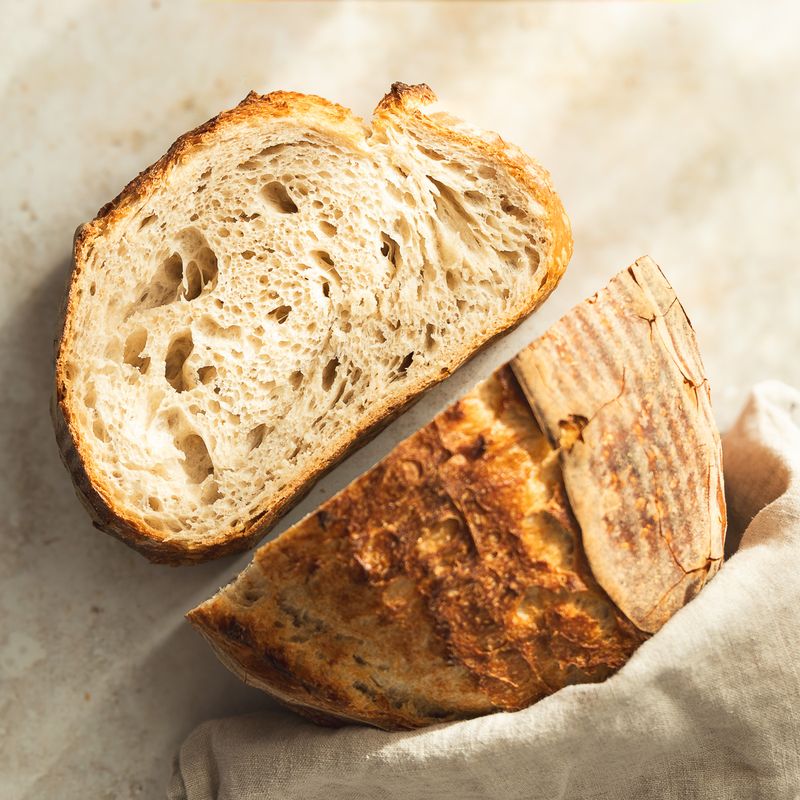
Slow baking has its own kind of magic. A living starter of flour and water supplies the yeasts and bacteria that help sourdough rise and develop its pleasantly tangy taste.
Watch the dough rather than relying only on a clock, because room temperature changes fermentation speed. A strong, active starter makes a real difference.
Let the loaf cool fully before cutting, then use sturdy slices for open sandwiches or toast topped with tomatoes and salt.
10. Cornbread and Johnnycakes, Cornmeal Comfort
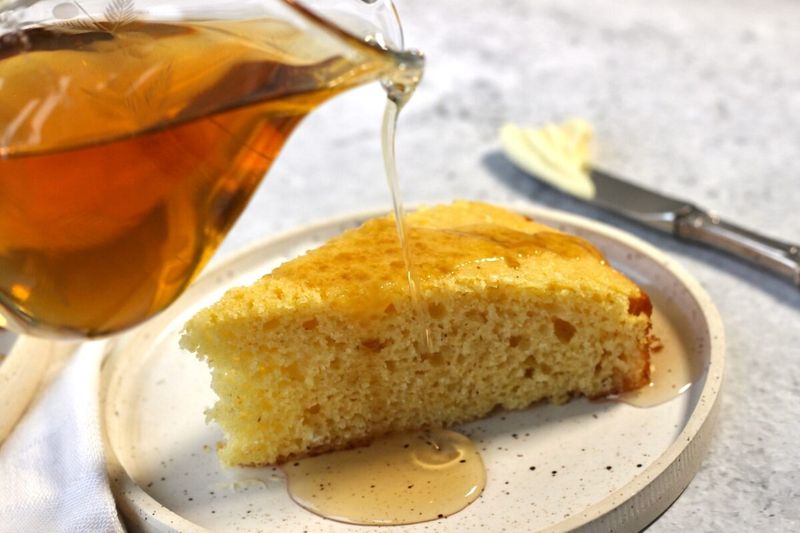
Cornmeal has filled family tables in more than one form. Skillet cornbread bakes into golden wedges, while johnnycakes, especially associated with New England, are commonly cooked as flat cakes on a griddle.
For crisp cornbread edges, carefully pour batter into a properly heated, greased skillet. Sugar preferences vary by family and region, so follow the flavor you love.
Serve either version with beans or soup, or enjoy a warm piece with butter and maple syrup.
11. Focaccia With Golden Dimples
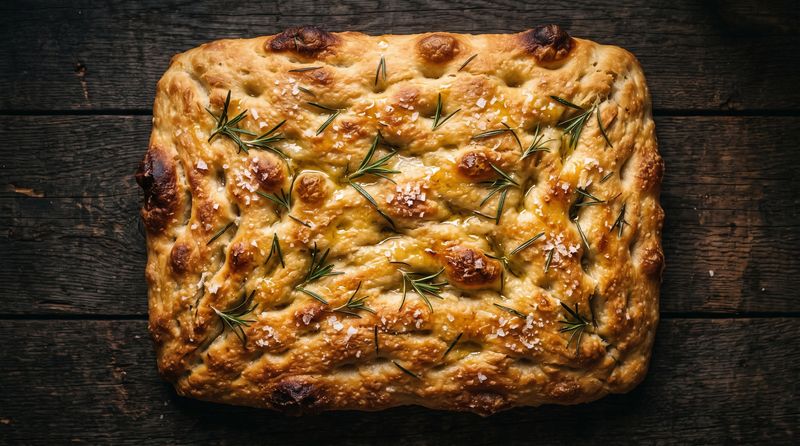
Pressing fingertips into pillowy dough might be the happiest baking chore. Focaccia uses olive oil for flavor and a crisp base, with dimples that catch little pools of oil and seasoning.
Keep the dough moist, and resist adding flour just because it feels sticky. Rosemary and coarse salt make a classic topping, though olives work nicely too.
Give the dough time to rise in its pan, then cut the finished bread into squares for sharing.
12. Brioche for a Buttery Treat
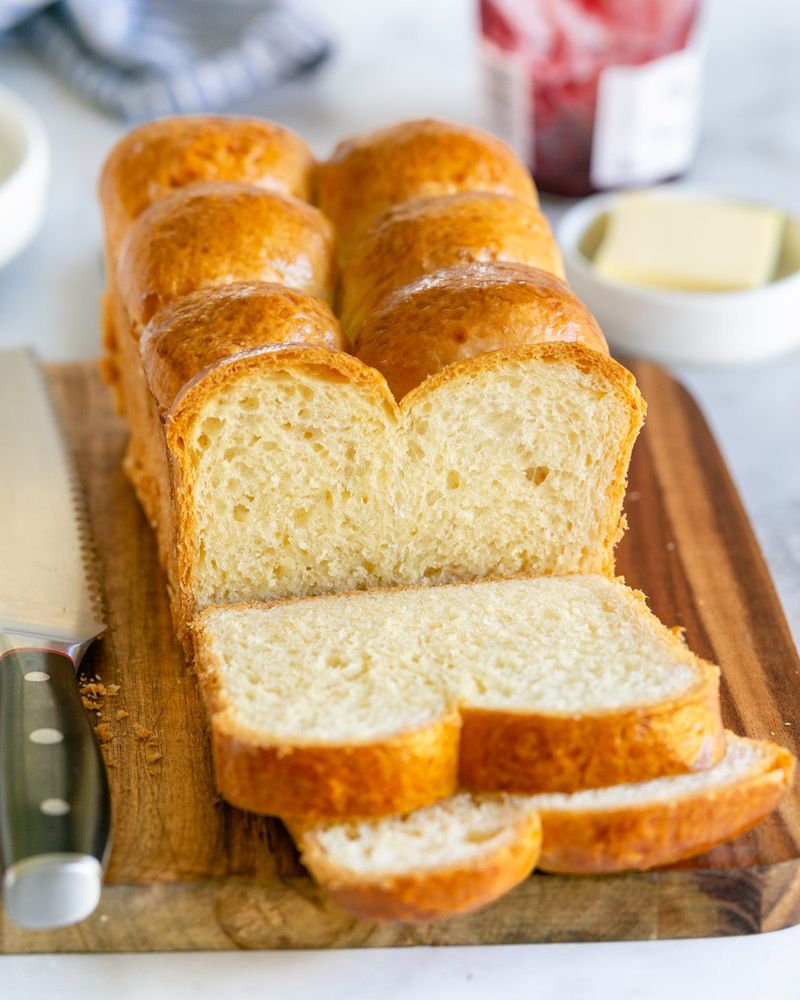
Butter and eggs turn ordinary dough into something almost cake-like. French brioche has a tender, rich interior and a beautifully browned crust, making even plain toast feel a little fancy.
Its dough can seem sticky before it becomes smooth, so follow the mixing directions patiently. Chilling often makes shaping easier and helps develop flavor.
Serve modest slices with fruit preserves, or turn bread from the previous day into French toast with crisp edges and custardy centers.
13. Rye and Pumpernickel With Deep Flavor
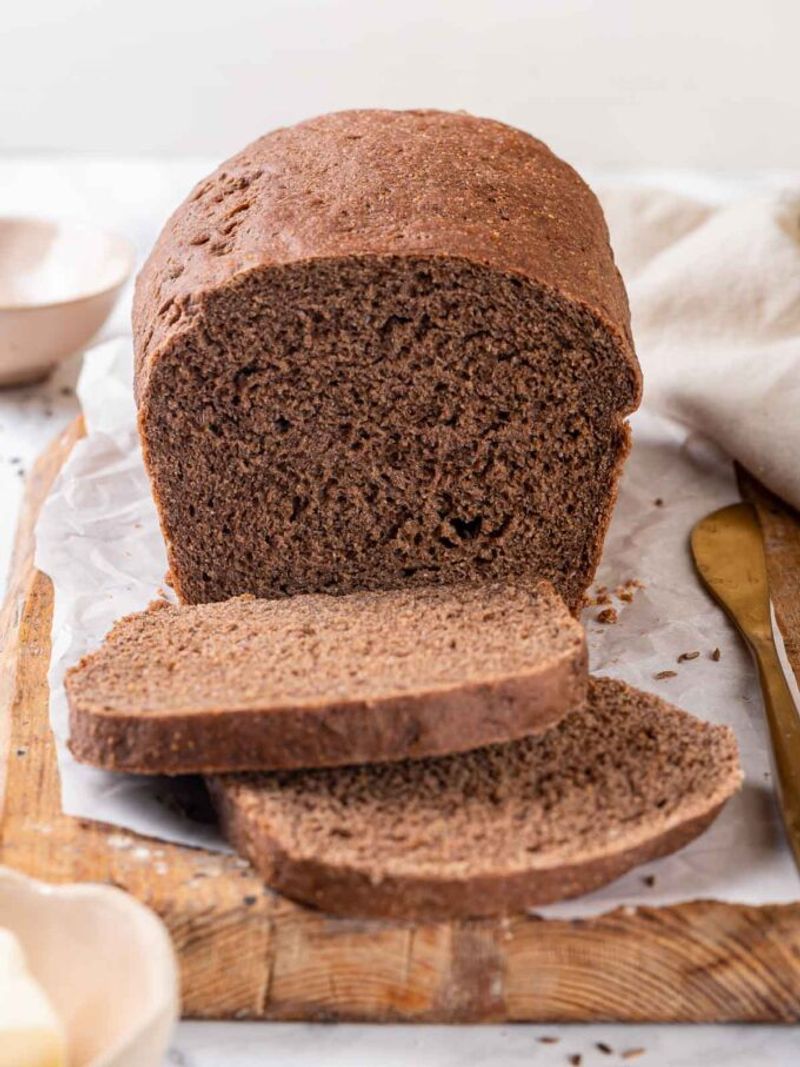
A bold sandwich deserves bread with something to say. Rye brings an earthy taste, while pumpernickel offers a darker, often denser loaf rooted in German baking traditions.
Traditional German pumpernickel gets its color largely from long baking, though some other versions use molasses or coloring. Rye dough behaves differently from wheat dough, so use a tested recipe instead of swapping flours freely.
Thin slices pair nicely with mustard, cheese, smoked fish, or a bowl of soup.
14. Challah Braided for the Table
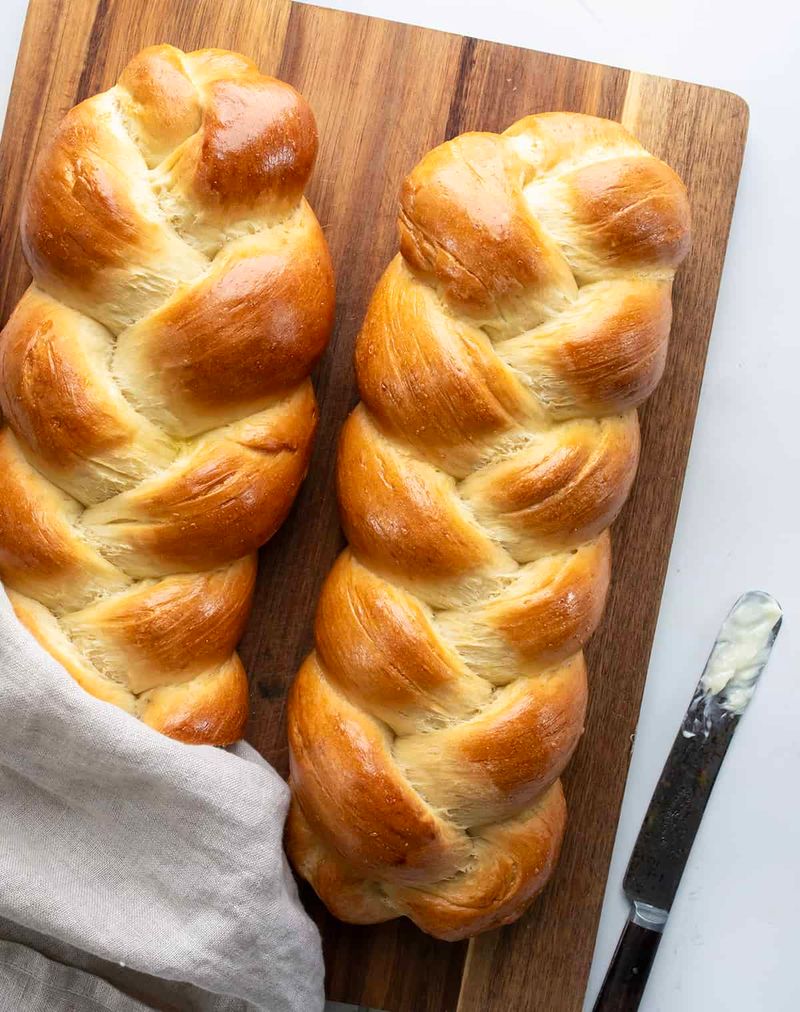
Few loaves make an entrance quite like a glossy braid. Challah holds a special place at Jewish Sabbath and holiday meals, with many familiar versions using eggs for color and richness.
Start with a simple three-strand braid if shaping feels new. Keep the strands equal in length, and avoid pulling them too tightly as you work.
An egg wash gives the crust its shine. Leftover slices are wonderful toasted or baked into a comforting bread pudding.
15. Drop Biscuits for Busy Evenings
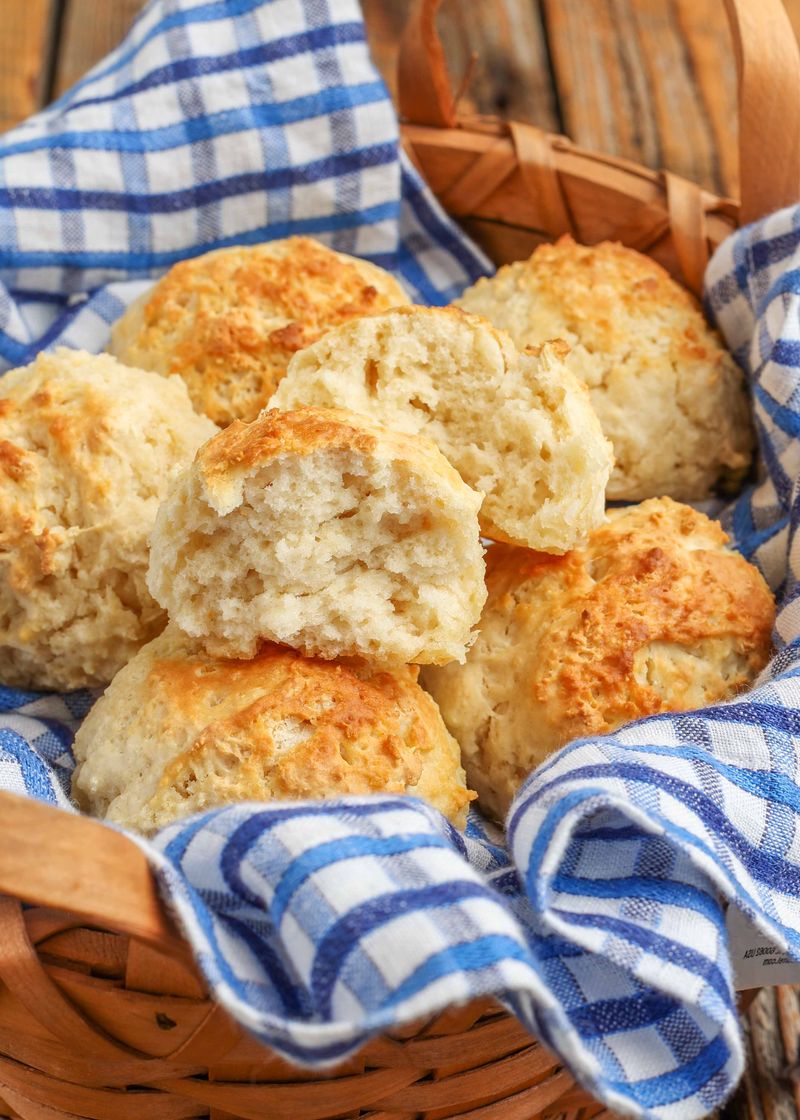
Supper needs bread, but nobody wants to find the rolling pin. Drop biscuits solve that problem with spoonfuls of dough that bake into rough, golden mounds with soft centers.
Use cold butter if your recipe calls for it, and stir lightly to avoid a tough texture. Leave space between portions so heat reaches the sides.
They taste best fresh from the oven, especially beside chicken soup, scrambled eggs, or a spoonful of homemade berry jam.
16. Monkey Bread Made for Sharing
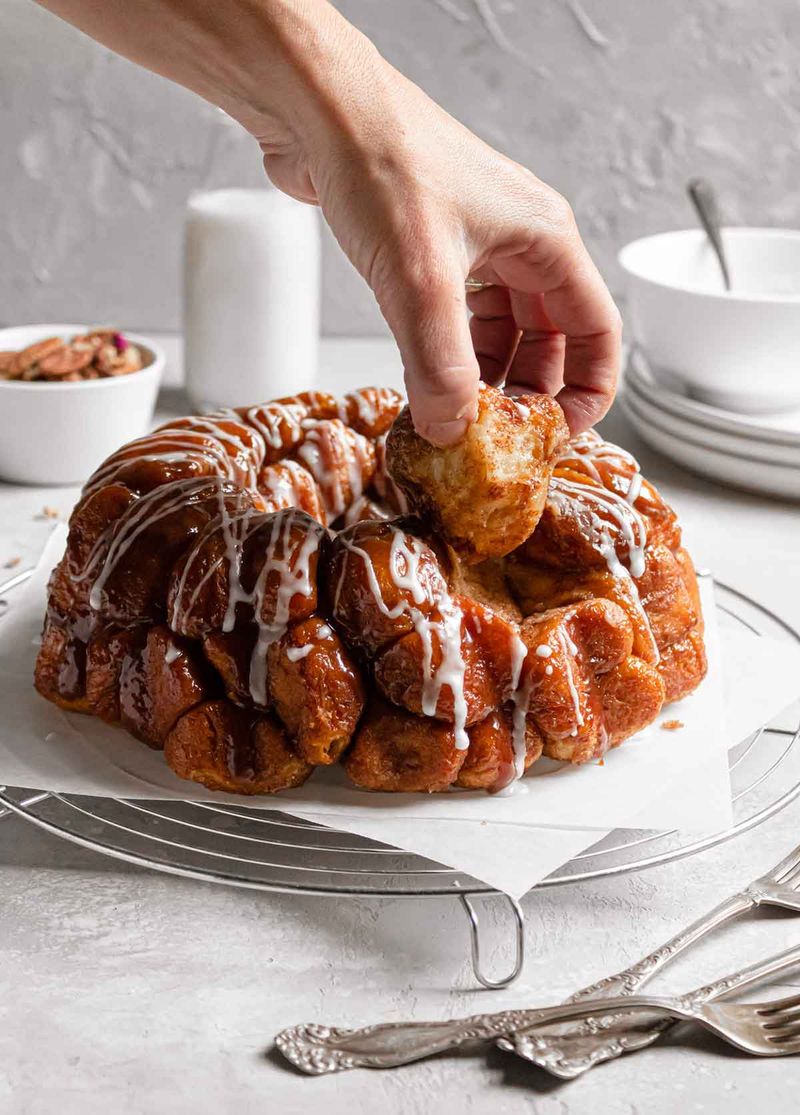
Pull off one sticky piece, and another usually follows. Monkey bread gathers small dough balls into a sweet loaf, often coated with cinnamon sugar and baked in a ring pan.
Some family recipes begin with biscuit dough, while others use yeast dough. Either way, avoid packing the pieces too tightly.
Let the baked bread rest for the time your recipe recommends before turning it out, and use a large plate to catch the buttery syrup.
17. Boston Brown Bread, Steamed and Sweet
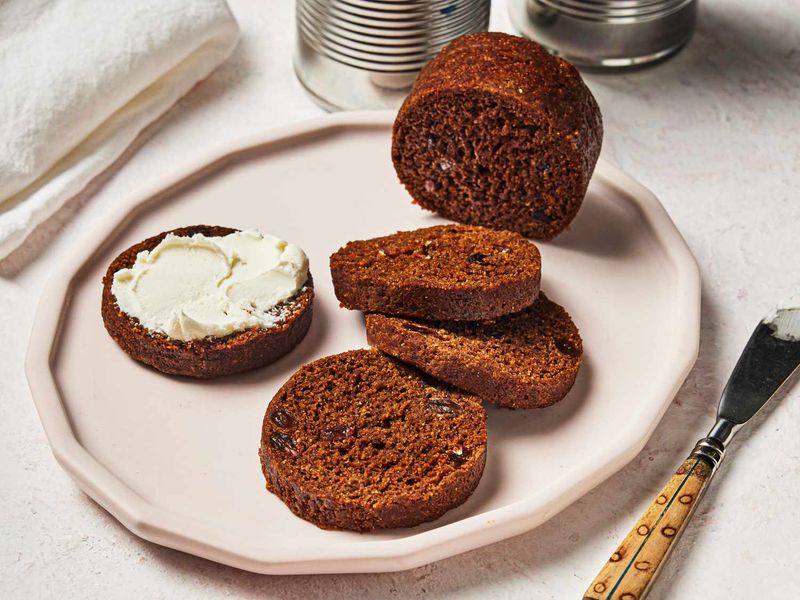
A loaf cooked with steam sounds unusual until you taste it. Boston brown bread traditionally combines grains such as cornmeal, rye, and wheat with molasses for a moist, dark bread.
Raisins appear in many versions, adding small bursts of sweetness. Use a suitable heatproof mold and follow steaming directions carefully, keeping enough water in the pot throughout cooking.
Serve round slices with baked beans for a classic New England pairing, or toast them gently with butter.
18. Cottage Cheese Crescent Rolls, a Clever Favorite
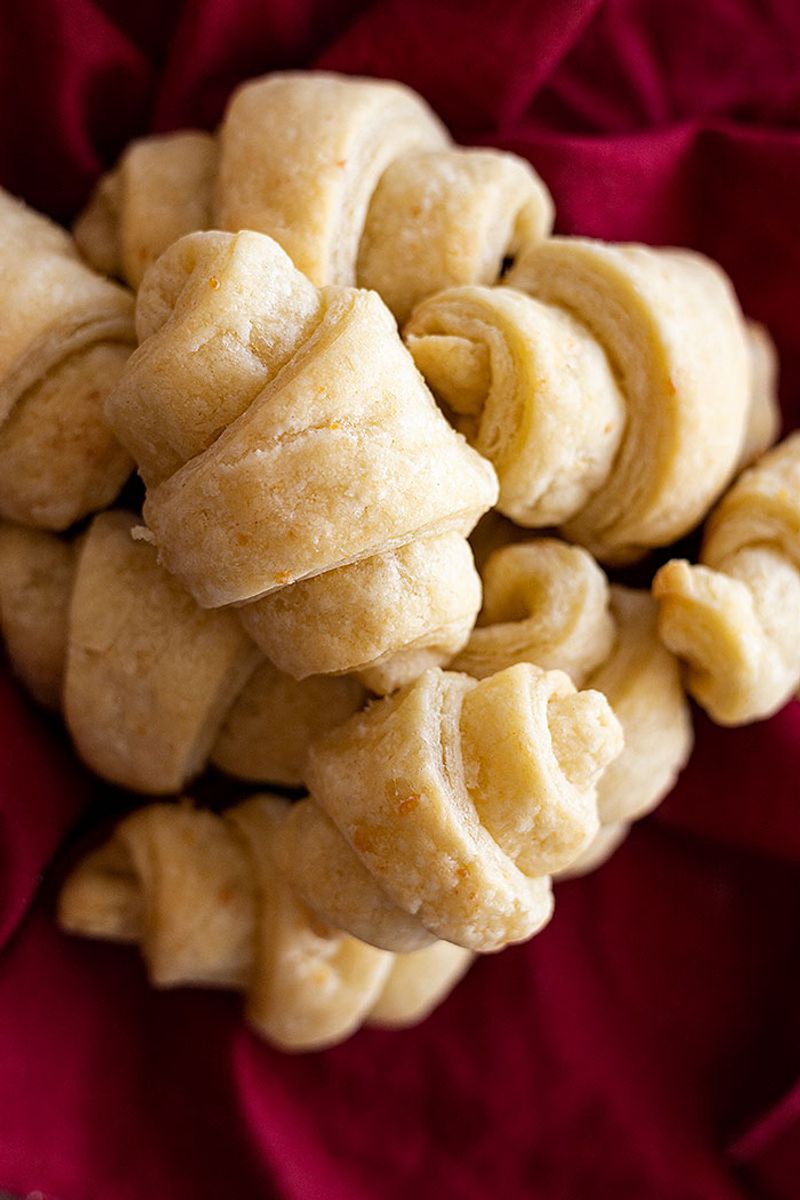
The surprise ingredient is sitting in the dairy drawer. Cottage cheese can help create tender crescent rolls, adding moisture to dough that bakes into buttery curves with a delicate bite.
Recipes differ, and some use no yeast, so check the method before planning your baking time. Chill the dough when directed to make rolling easier.
Cut even triangles, roll from the wide end, and bake until golden. Offer them with dinner or a little fruit jam.