
A great voice can grab your attention, but the right guitar part can make a song unforgettable. Some of music’s biggest moments came from singers and guitarists who brought out the best in each other.
From bluesy rock to heavy metal, these partnerships helped shape sounds that fans still love. Their stories show how two different talents can build something neither could create alone.
1. Mick Jagger and Keith Richards: The Rolling Stones’ Glimmer Twins
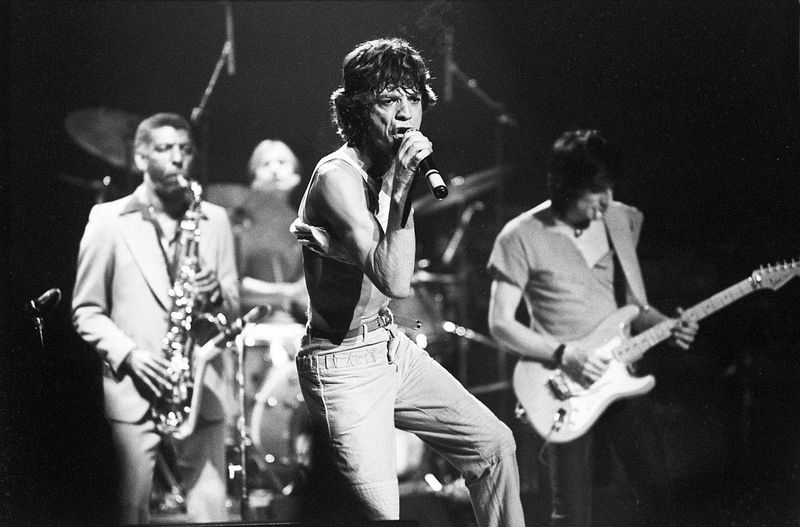
A swaggering voice meets a guitar riff that seems to lean backward without losing its balance. That push and pull helped Mick Jagger and Keith Richards give the Rolling Stones their unmistakable groove.
Known as the Glimmer Twins, they built a songwriting partnership rooted in blues and rhythm. Play Satisfaction, then Gimme Shelter, and notice how Richards leaves room for Jagger’s delivery.
Their magic often comes from feel rather than flashy musical tricks or speed.
2. Robert Plant and Jimmy Page: Led Zeppelin’s Light and Thunder
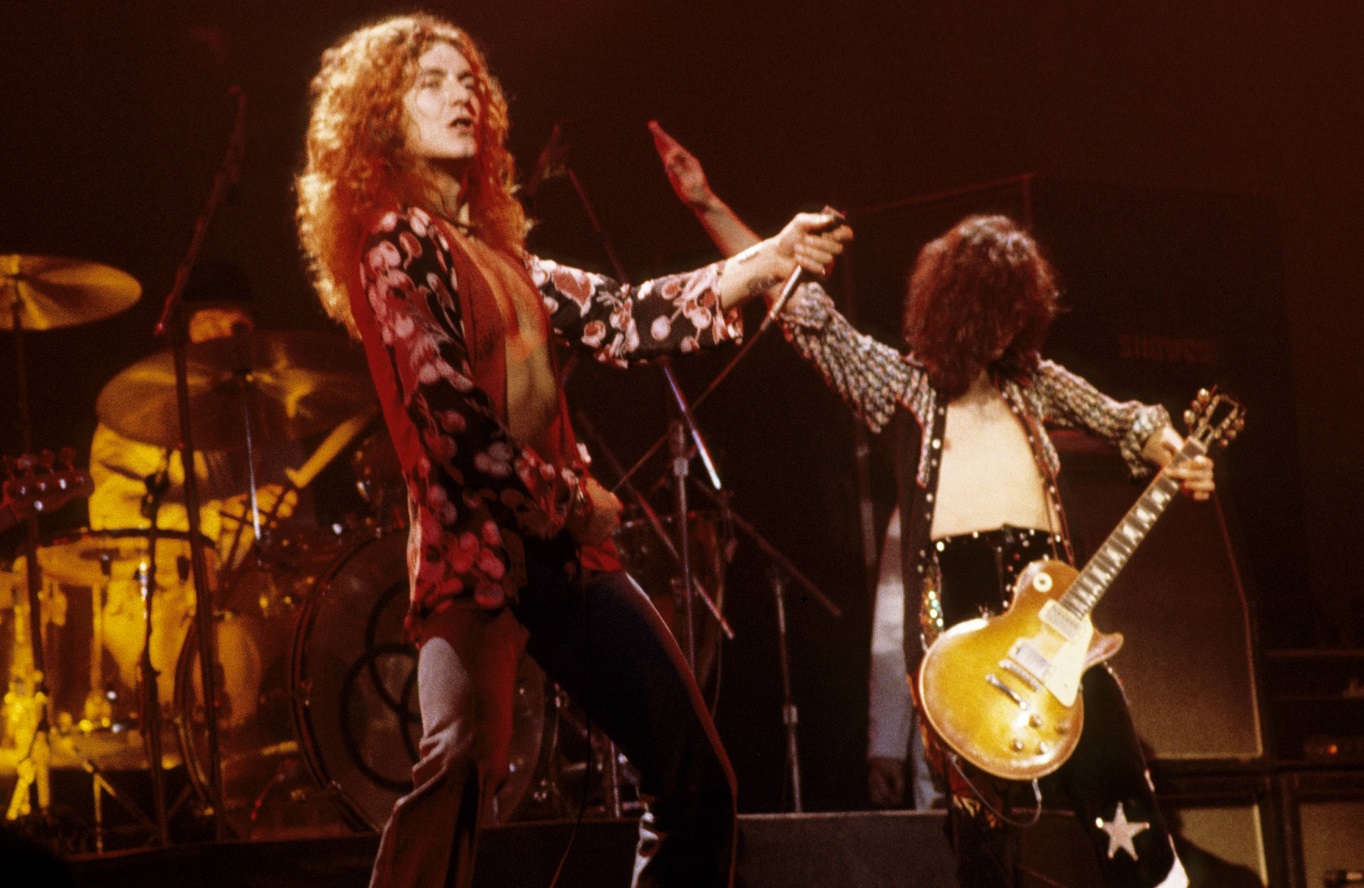
Few sounds announce a rock band like Robert Plant’s soaring cry over a Jimmy Page riff. In Led Zeppelin, their musical conversations could feel huge, mysterious, or surprisingly gentle.
Page mixed blues ideas with acoustic textures and thunderous electric guitar, while Plant drew from blues and folk singing. Compare Black Dog with Going to California to hear their range.
The contrast explains why their partnership offered much more than loud guitars and high notes alone.
3. Freddie Mercury and Brian May: Queen’s Grand Sound
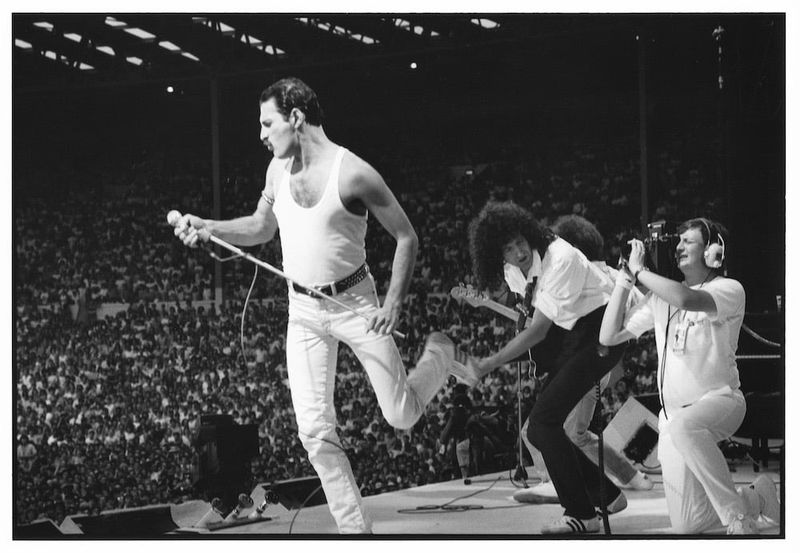
Big emotions needed a big musical canvas, and Queen had both. Freddie Mercury could turn a phrase into theater, while Brian May made his homemade Red Special guitar sing with a rich, layered tone.
Their strengths met beautifully in Somebody to Love and Bohemian Rhapsody. Listen for how May’s guitar answers the mood of Mercury’s voice instead of merely filling space.
Their partnership shows that dramatic singing and thoughtful guitar parts can share the spotlight.
4. Ozzy Osbourne and Tony Iommi: Black Sabbath’s Heavy Foundations
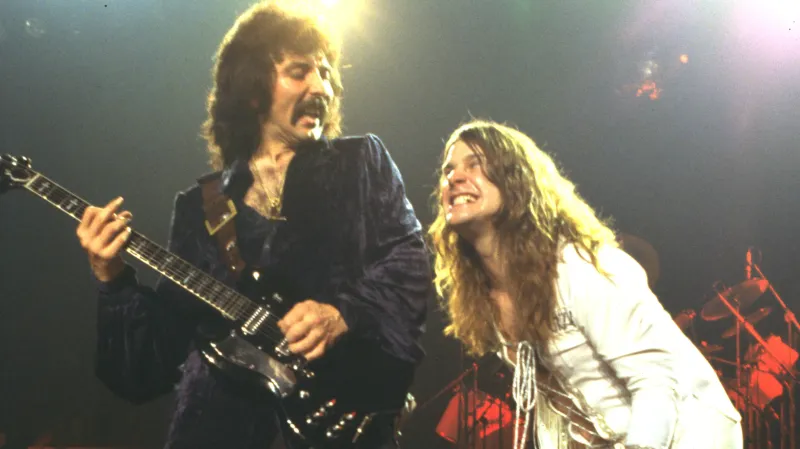
Darkness became a musical tool when Black Sabbath paired an eerie voice with crushing guitar riffs. Ozzy Osbourne sounded like a worried guide through Tony Iommi’s shadowy musical world.
On Black Sabbath and Iron Man, simple patterns carry enormous weight. Iommi’s playing helped establish heavy metal, while Osbourne made those sounds feel human and unsettling.
Start with Paranoid for a shorter introduction, then explore the slower songs to hear how carefully they build their tension.
5. Brian Johnson and Angus Young: AC/DC’s Powerful New Chapter
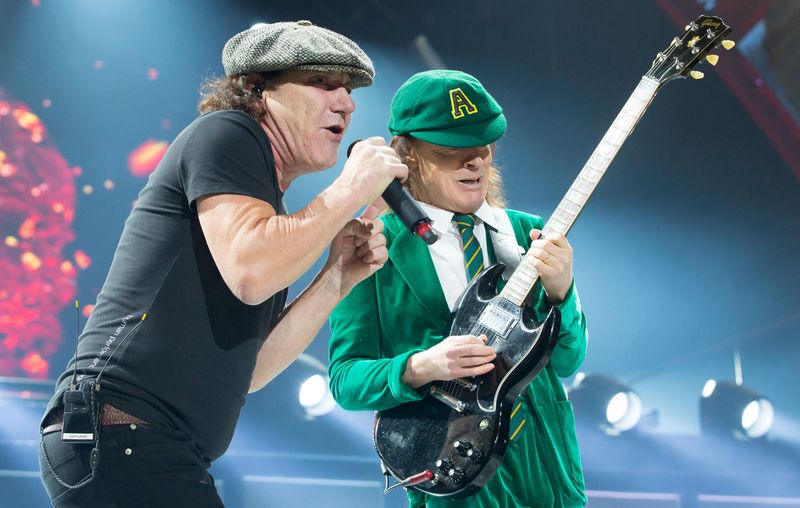
Replacing a beloved singer is a huge challenge, but AC/DC found a powerful new chapter with Brian Johnson. He joined in 1980 after Bon Scott’s death, bringing a raspy voice that matched Angus Young’s sharp guitar attack.
Back in Black became their landmark opening statement together. Try You Shook Me All Night Long and follow the steady beat beneath the fireworks.
Their appeal rests on clear hooks, strong rhythm, and an impressive commitment to simplicity.
6. Steven Tyler and Joe Perry: Aerosmith’s Bluesy Spark
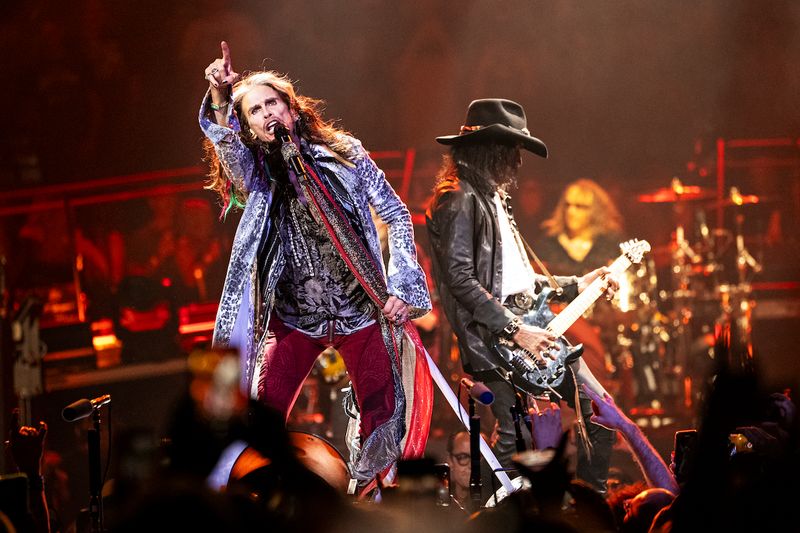
Scarves, swagger, and a riff you can recognize in seconds: Aerosmith made attitude sound musical. Steven Tyler’s flexible voice and Joe Perry’s gritty guitar helped turn blues influences into radio favorites.
Walk This Way is a useful starting point because its guitar rhythm and rapid vocal lines fit together like puzzle pieces. Their history includes serious friction, yet their strongest work shows close musical awareness.
Notice how Perry’s short phrases support Tyler without crowding him.
7. David Lee Roth and Eddie Van Halen: Showmanship Meets Invention
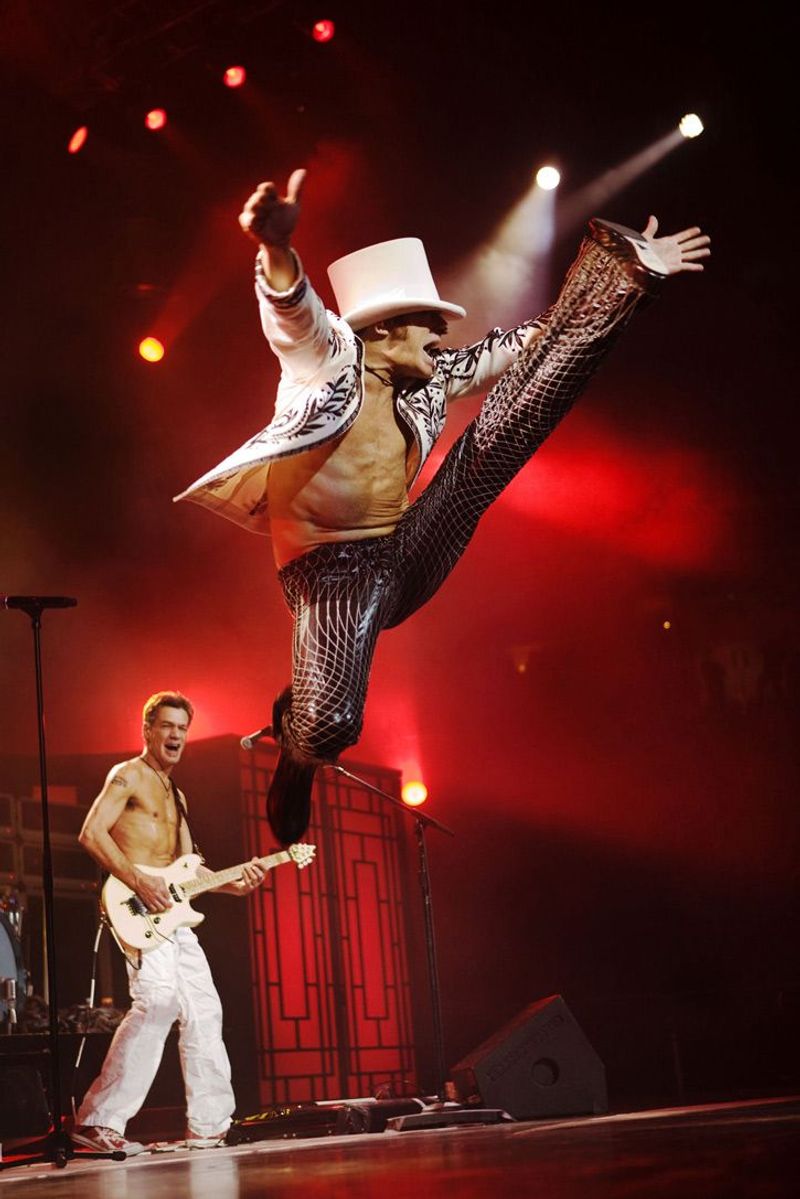
Imagine a circus ringmaster sharing the stage with a restless inventor. David Lee Roth brought jokes, leaps, and bold personality, while Eddie Van Halen expanded what rock guitar could do.
Their chemistry powered Van Halen’s early albums, even when their personal relationship grew difficult. Hear Panama for the full band connection, then explore Eddie’s instrumental Eruption separately.
His dazzling technique mattered, but the songs also depended on rhythm, memorable hooks, and Roth’s sense of fun.
8. Bono and The Edge: U2’s Wide-Open Sound
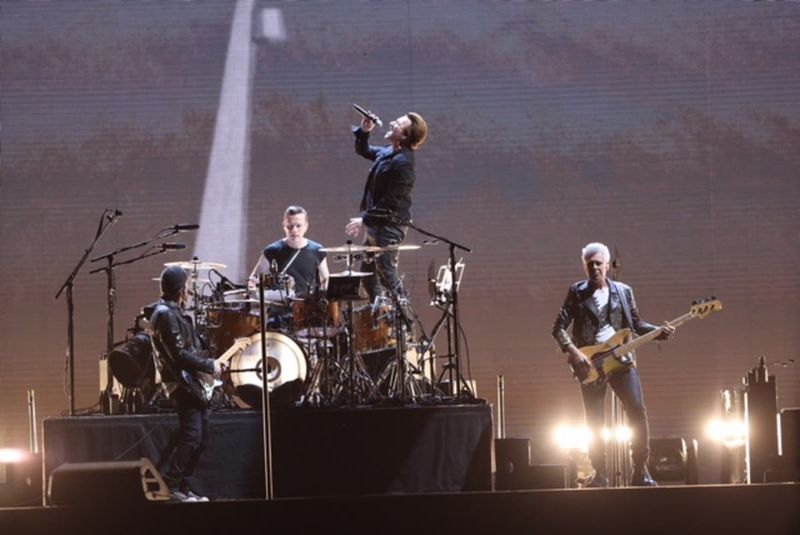
A few ringing notes can make a song feel as wide as a city skyline. The Edge built that spacious guitar style with delay effects, giving Bono room for urgent, searching vocals.
U2’s partnership began during their school years in Dublin and grew into a distinctive stadium sound. Listen to Where the Streets Have No Name through headphones.
Follow the repeating guitar notes as the voice enters, and hear how patience can make an entrance.
9. Roger Daltrey and Pete Townshend: The Who’s Dramatic Force
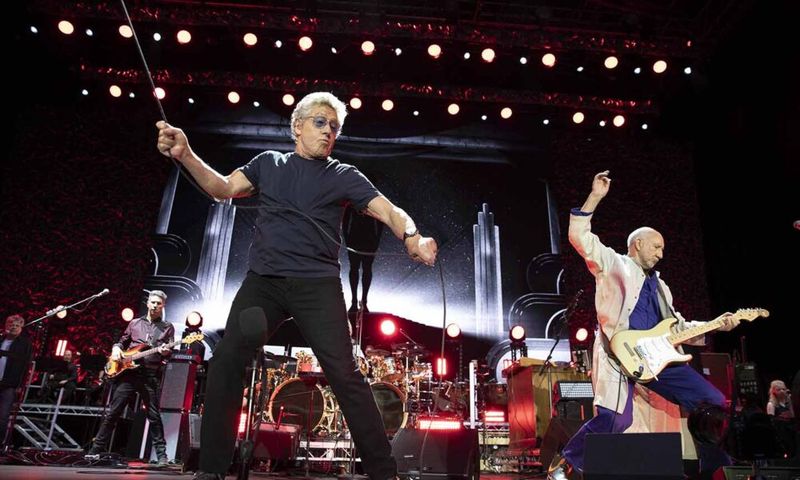
Powerful songs need someone who can make their feelings believable. Roger Daltrey gave Pete Townshend’s writing a bold public voice, turning doubt, anger, and hope into gripping performances with the Who.
Townshend supplied forceful rhythm guitar and ambitious stories, while Daltrey delivered them with growing dramatic skill. Try Behind Blue Eyes beside Won’t Get Fooled Again.
Their different moods reveal a partnership that could handle quiet hurt as convincingly as a huge, room shaking release.
10. Axl Rose and Slash: Guns N’ Roses’ Dangerous Edge
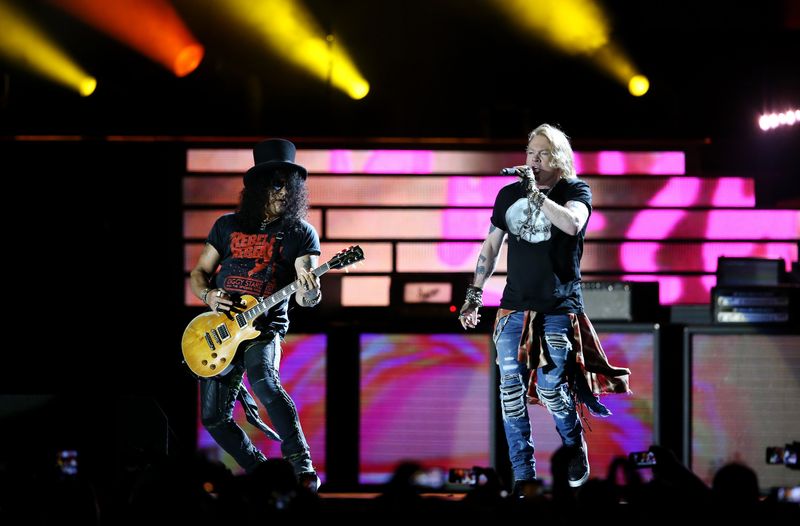
That sweet opening guitar line almost feels too gentle for the storm that follows. Sweet Child O’ Mine captures the balance between Slash’s melodic instincts and Axl Rose’s fierce, changeable voice.
Guns N’ Roses broke through with Appetite for Destruction in 1987, mixing hard rock punch with bluesy feeling. Their long separation and later reunion added another chapter to the story.
For a deeper listen, notice how Slash’s solos build melodies rather than simply displaying speed.
11. Layne Staley and Jerry Cantrell: Alice in Chains’ Haunting Blend
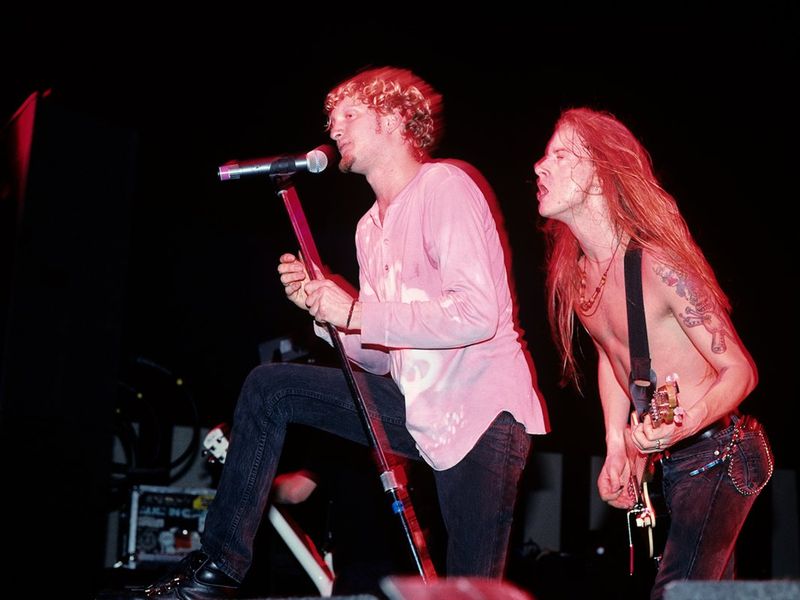
Two voices can sound beautiful without sounding comfortable. Layne Staley and Jerry Cantrell created haunting harmonies that became a defining feature of Alice in Chains, adding emotional depth to heavy guitar music.
Cantrell served as guitarist, songwriter, and vocalist, making their connection more than a simple frontman partnership. On Man in the Box, his music meets Staley’s lyrics and commanding delivery.
Compare that weight with Down in a Hole to hear their quieter emotional shades.
12. Zack de la Rocha and Tom Morello: Rhythm With a Message
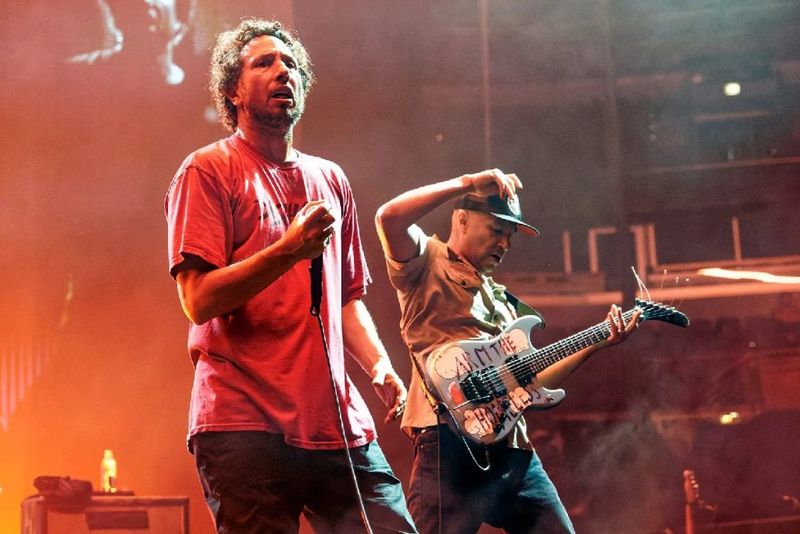
Was that sound really made by a guitar? Tom Morello made listeners ask that question while Zack de la Rocha delivered fierce verses about power, injustice, and resistance in Rage Against the Machine.
Their mix of rap, rock, and inventive playing gave political songs a physical punch. Listen to Bulls on Parade for guitar sounds that resemble record scratching.
Morello’s unusual effects work because the rhythm stays strong, leaving de la Rocha’s words a clear path.
13. Liam Gallagher and Noel Gallagher: Oasis’ Brotherly Friction
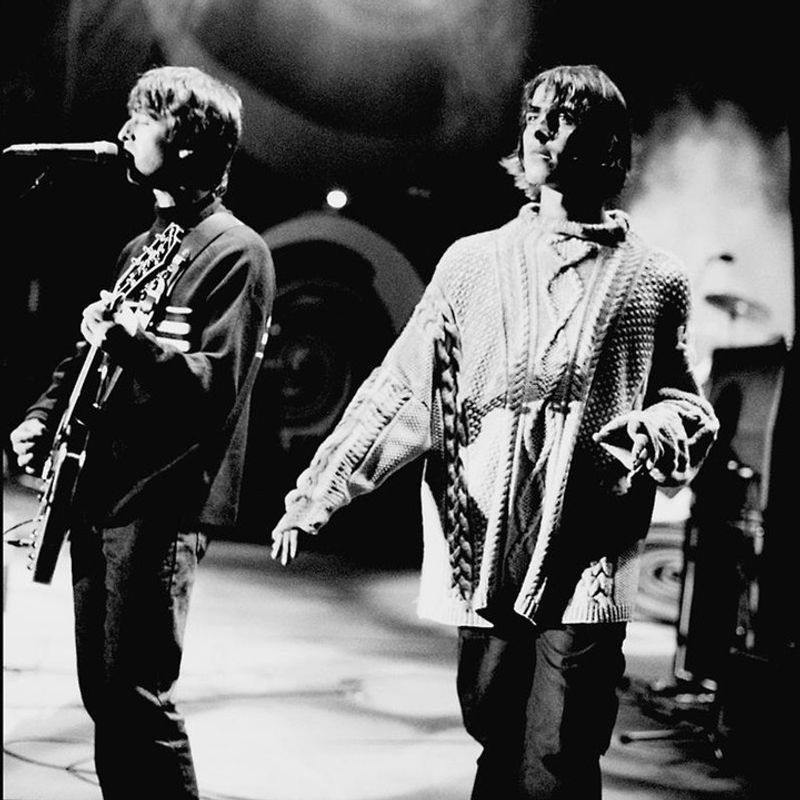
Brotherly tension rarely sounds this catchy. Liam Gallagher’s sharp, nasal delivery gave Noel Gallagher’s songs a stubborn confidence that helped Oasis connect with enormous crowds during the 1990s.
Noel wrote most of the band’s best known material and also sang lead on selected tracks, including Don’t Look Back in Anger. For their singer and guitarist chemistry, try Live Forever.
Listen for the contrast between Liam’s direct phrasing and the hopeful lift built into Noel’s melody.
14. Ann Wilson and Nancy Wilson: Heart’s Acoustic Firepower
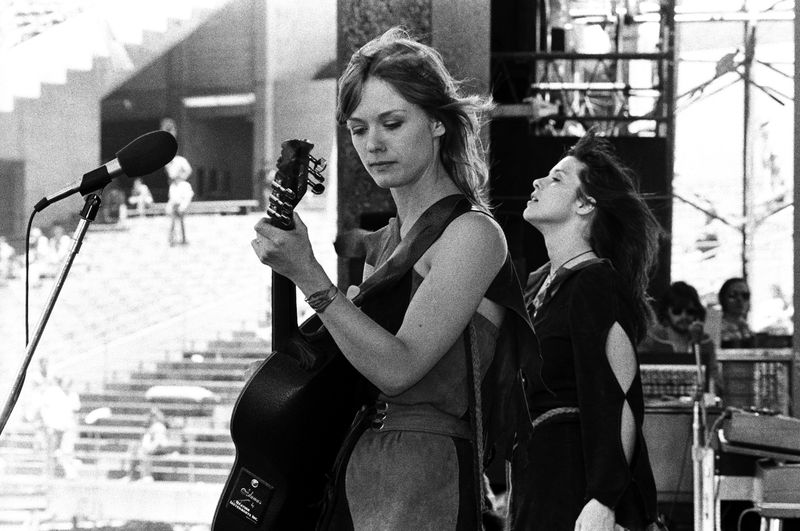
Before the heavy guitars arrive, a delicate acoustic passage can command a whole room. Nancy Wilson’s playing brought that range to Heart, alongside her sister Ann’s powerful, expressive singing.
Crazy on You offers an ideal introduction, opening with Nancy’s acoustic work before the band surges forward. Their partnership helped challenge narrow ideas about women’s roles in rock.
Beyond the history, hear how carefully they control the movement between softer moments and full force musical release.
15. Gregg Allman and Duane Allman: Southern Soul in Conversation
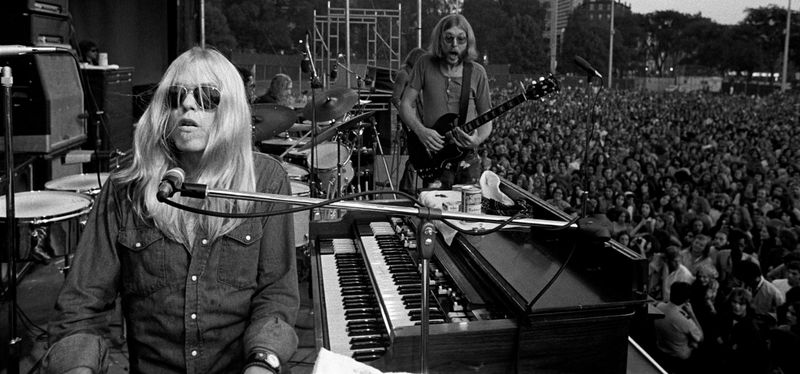
A slide guitar can seem to cry, and Duane Allman knew how to give it a voice. Beside Gregg Allman’s soulful singing and organ playing, that sound helped shape the Allman Brothers Band.
Their music drew on blues, jazz, country, and extended group improvisation. Hear Statesboro Blues from At Fillmore East for a lively starting point.
Duane died in 1971, cutting their partnership short, but those recordings preserve the brothers’ remarkable ability to answer each other.
16. Ozzy Osbourne and Randy Rhoads: A Fresh Metal Beginning
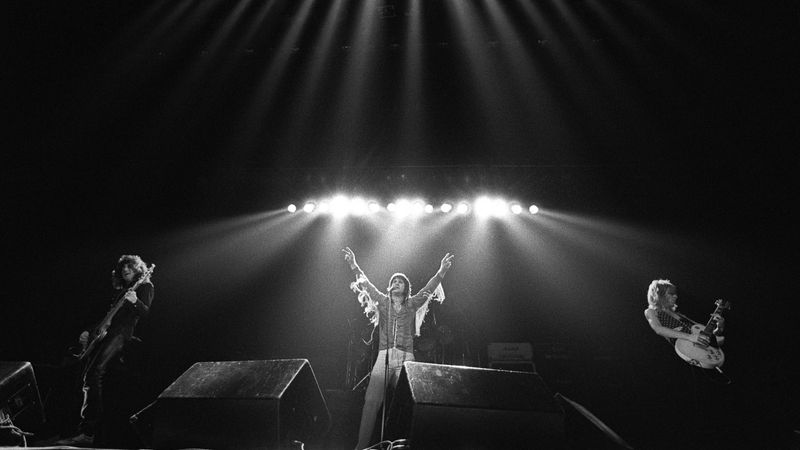
A fresh guitar voice helped turn a career setback into a major comeback. After leaving Black Sabbath, Ozzy Osbourne teamed with Randy Rhoads, whose playing mixed metal power with classical influences.
Blizzard of Ozz introduced their partnership in 1980, followed by Diary of a Madman. Start with Crazy Train, then hear Mr. Crowley for Rhoads’s carefully shaped solos.
His death in 1982 ended their collaboration, yet its blend of drama and precision influenced generations of guitarists.