
Most of us learned to cook by watching family or guessing our way through recipes. That works fine, but a few small habits can quietly ruin good food.
A soggy pan of vegetables or a rubbery egg is often caused by one simple mistake. The good news is that fixing these habits is easy, and your meals will taste better right away.
1. Scrambled Eggs
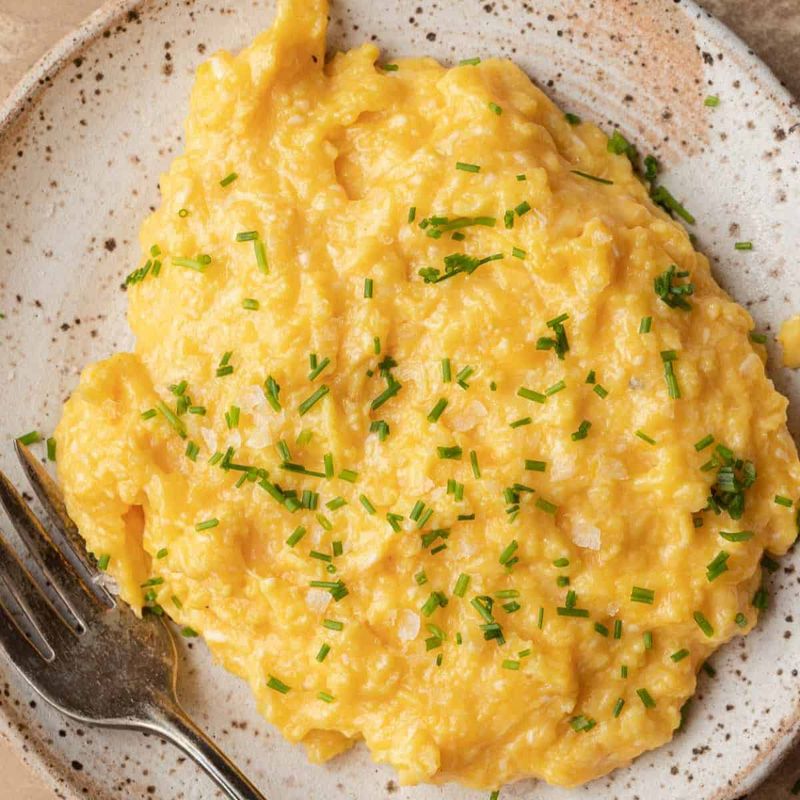
Picture a fluffy pile of eggs at a fancy brunch spot. Their secret is patience, not magic.
Most home cooks blast the heat on high, which squeezes water out of the eggs and leaves them dry and rubbery.
Try cooking them over medium-low heat instead. Stir gently and often with a spatula.
Pull the pan off the stove while the eggs still look a little wet, since leftover heat will finish them perfectly.
2. Pasta
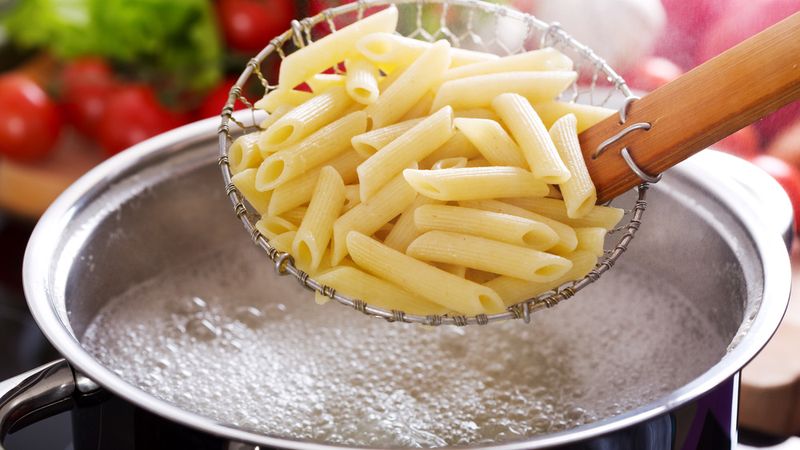
Ever notice how restaurant spaghetti just tastes better? Salt is a big reason why.
Pasta soaks up water as it cooks, so plain water means bland noodles no matter how good the sauce is.
Add about a tablespoon of salt to a big pot of boiling water. Skip the oil, because it makes sauce slide right off.
Save a cup of starchy pasta water too, since it helps sauce cling beautifully.
3. Steak
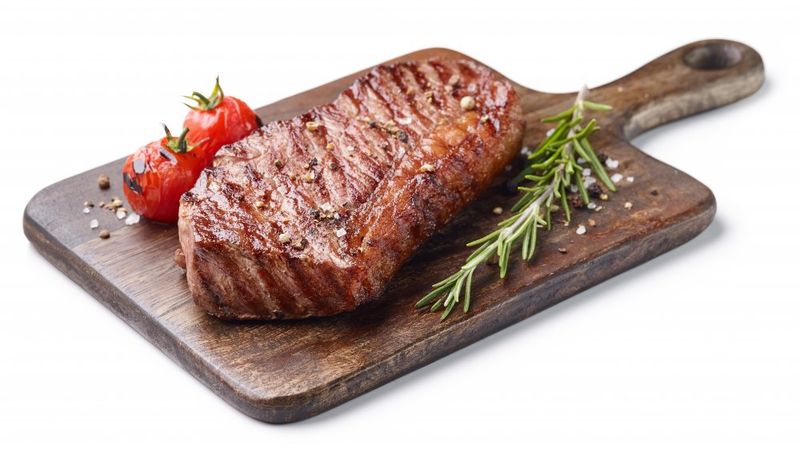
Cutting into a steak the second it leaves the pan feels natural. Sadly, that is how all the juice ends up puddled on your plate instead of in your mouth.
Let cooked steak rest for five to ten minutes before slicing. The juices settle back into the meat during that time.
Also, pat it dry before cooking and start with a very hot pan. A dry surface creates that tasty brown crust everyone loves.
4. Rice
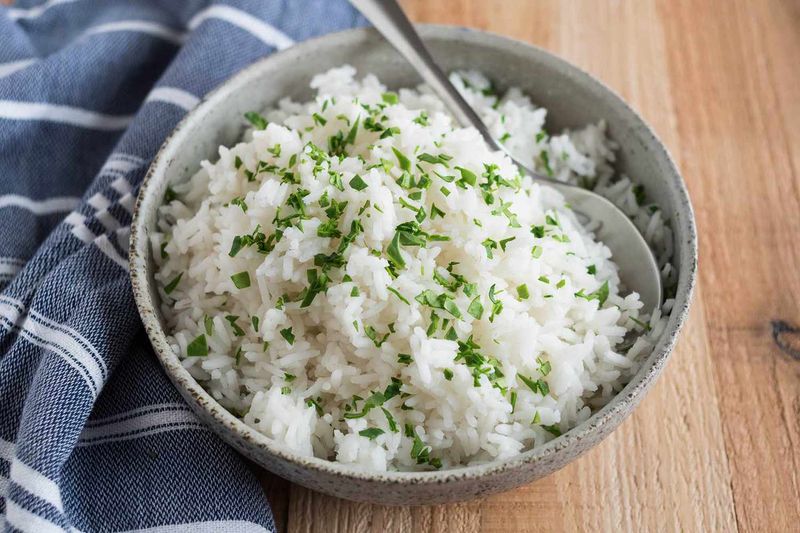
Gummy, sticky rice is a classic kitchen headache. Here is the fix most people skip: rinse it first.
Dry rice is coated in loose starch, and that starch turns into glue in the pot.
Run the grains under cold water until it looks mostly clear. Then cook with the lid on and resist peeking.
When it is done, let it sit covered for ten minutes before fluffing with a fork.
5. Bacon
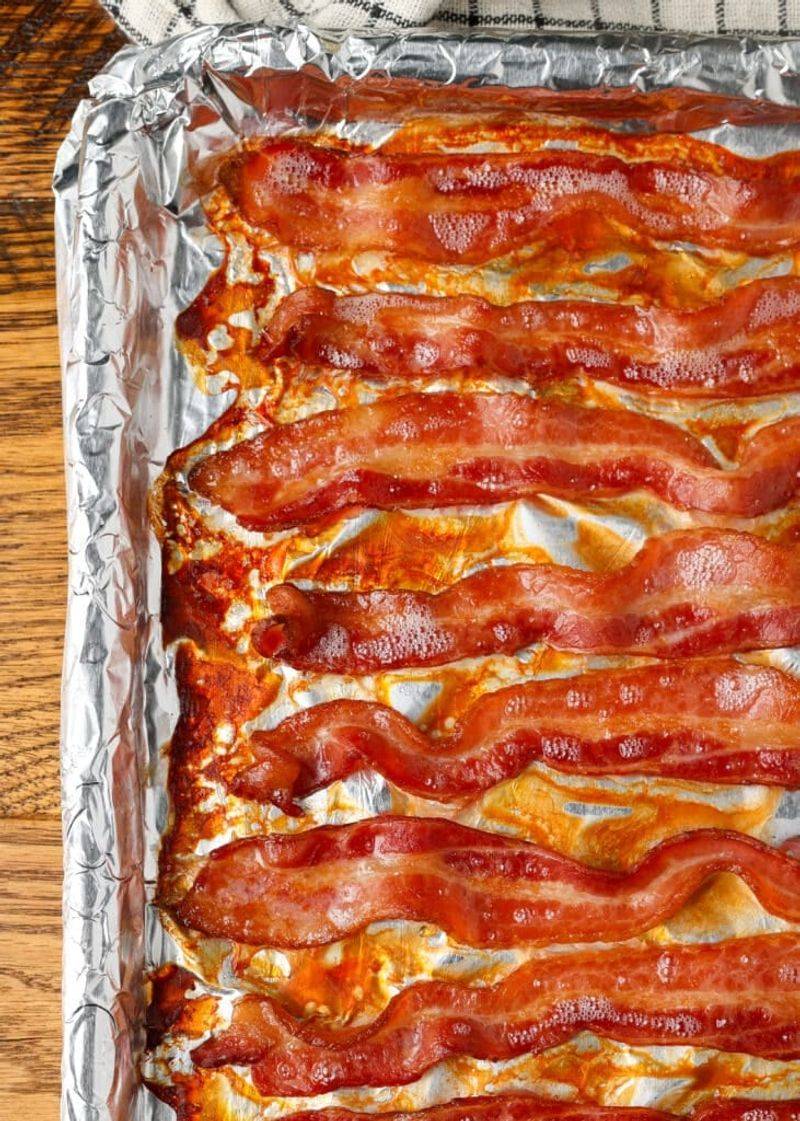
Splatter burns, curled edges, and half-raw middles. Sound familiar?
Frying bacon in a crowded skillet causes all of that trouble.
Try the oven instead. Lay strips flat on a foil-lined baking sheet and bake at 400 degrees for about 15 to 20 minutes.
Every slice cooks evenly with almost no mess. Bonus tip: if you do use a pan, start the bacon in a cold one so the fat melts slowly.
6. Roasted Vegetables
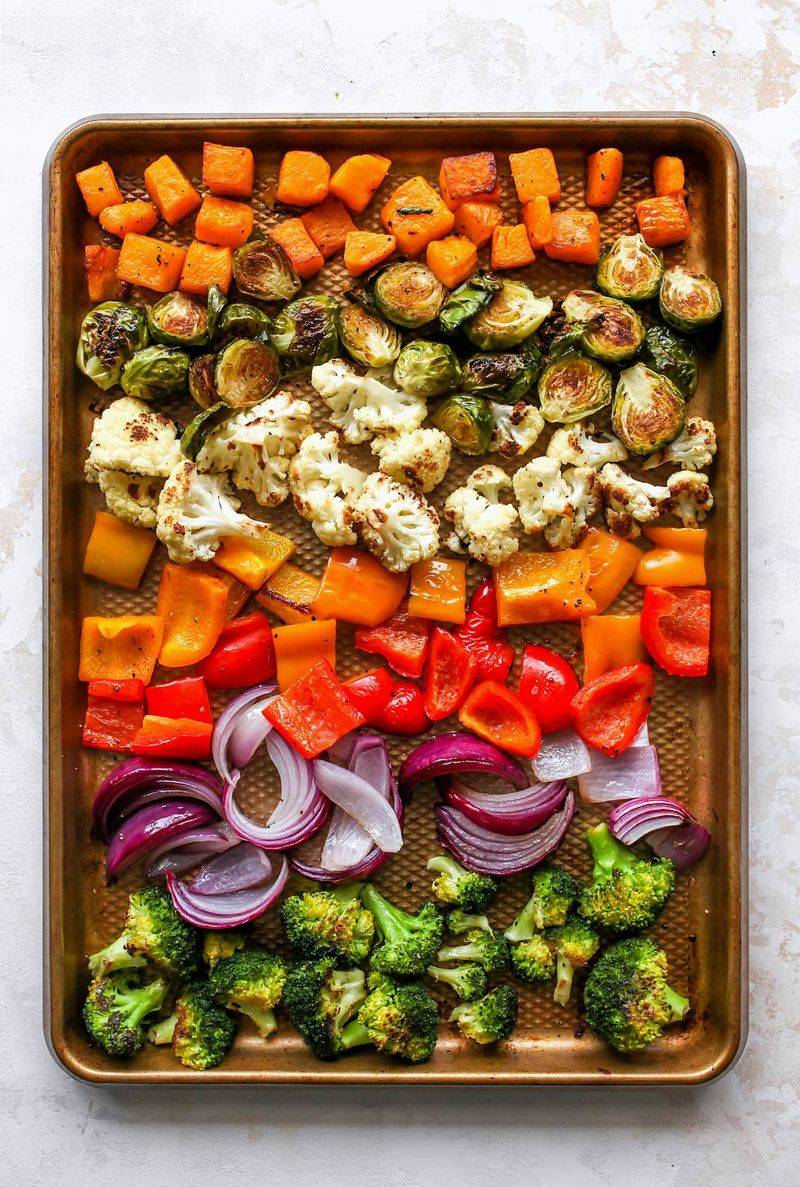
My first roasted veggies came out pale and mushy, and I could not figure out why. The culprit was a packed pan.
When vegetables touch each other, they trap steam and basically boil. Spread them out in a single layer, using two pans if needed.
Crank the oven to around 425 degrees and toss them with enough oil to coat. Those crispy, golden edges are worth the extra dish to wash.
7. Chicken Breast
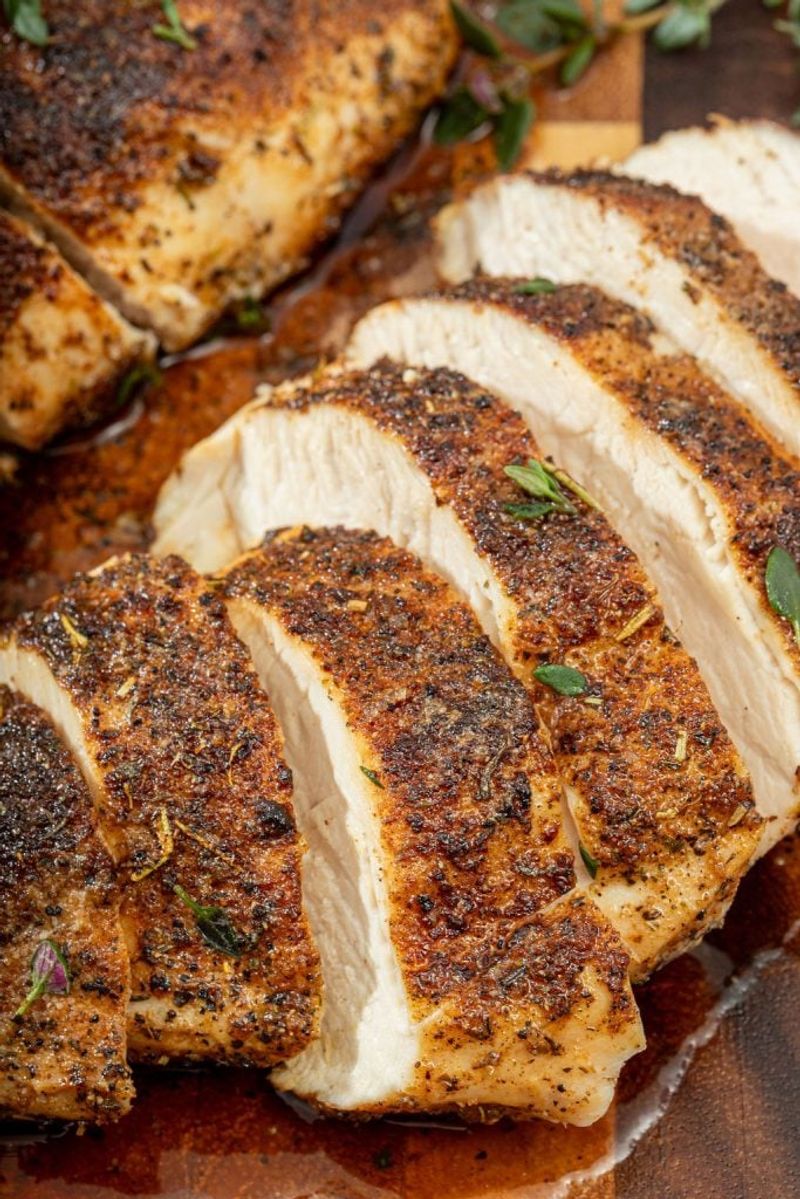
Chicken breast has a reputation for being dry and boring. Honestly, it is usually just overcooked out of fear.
A cheap meat thermometer changes everything. Pull the chicken off the heat at 160 degrees, and it will climb to a safe 165 while resting.
Pounding thick breasts to an even thickness helps too, so one end does not burn while the other stays raw. A quick salt brine adds extra juiciness.
8. Garlic
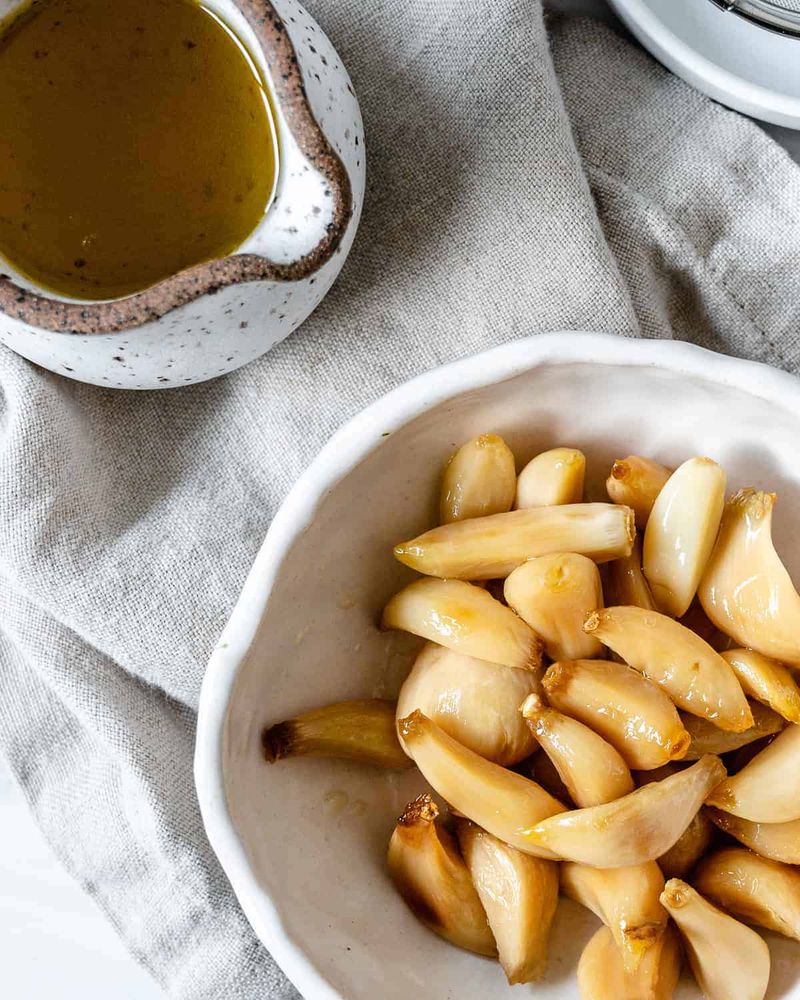
Garlic goes from golden to bitter in seconds. Tossing it into a hot pan first, before onions or other veggies, is a common way to burn it.
Add minced garlic near the end of cooking, usually for just 30 to 60 seconds. You want it fragrant and lightly golden, never dark brown.
Fun fact: crushing or chopping garlic and waiting ten minutes before cooking can boost its flavor and healthy compounds.
9. Hard-Boiled Eggs
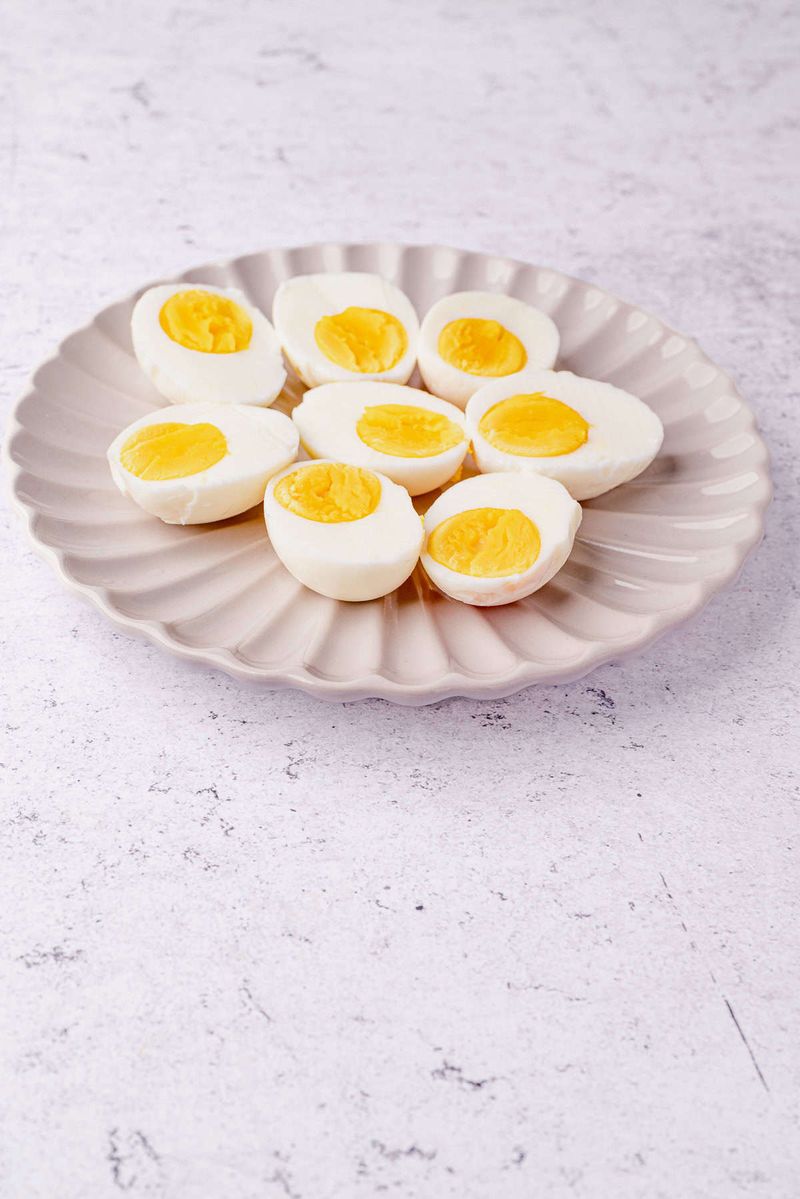
That gray-green ring around a yolk is not dangerous, but it is a sign of overcooking. It also comes with a slightly sulfur smell nobody enjoys.
Bring water to a boil, gently lower the eggs in, and cook for about 10 to 12 minutes. Then move them straight into an ice bath.
The cold stops the cooking and makes the shells peel off much more easily too.
10. Burgers
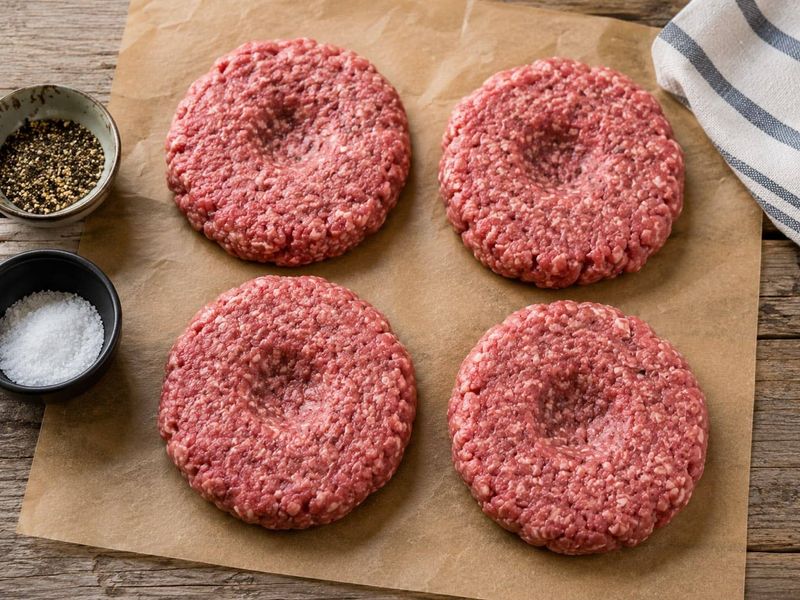
Pressing a burger with a spatula feels satisfying. That loud sizzle, though, is the sound of flavor escaping into the flames.
Leave patties alone and flip them only once. Before cooking, press a small dent into the center of each one with your thumb.
This keeps them from puffing into little balls. Handle the meat lightly when shaping, since overworking it makes burgers tough and dense.
11. Mushrooms
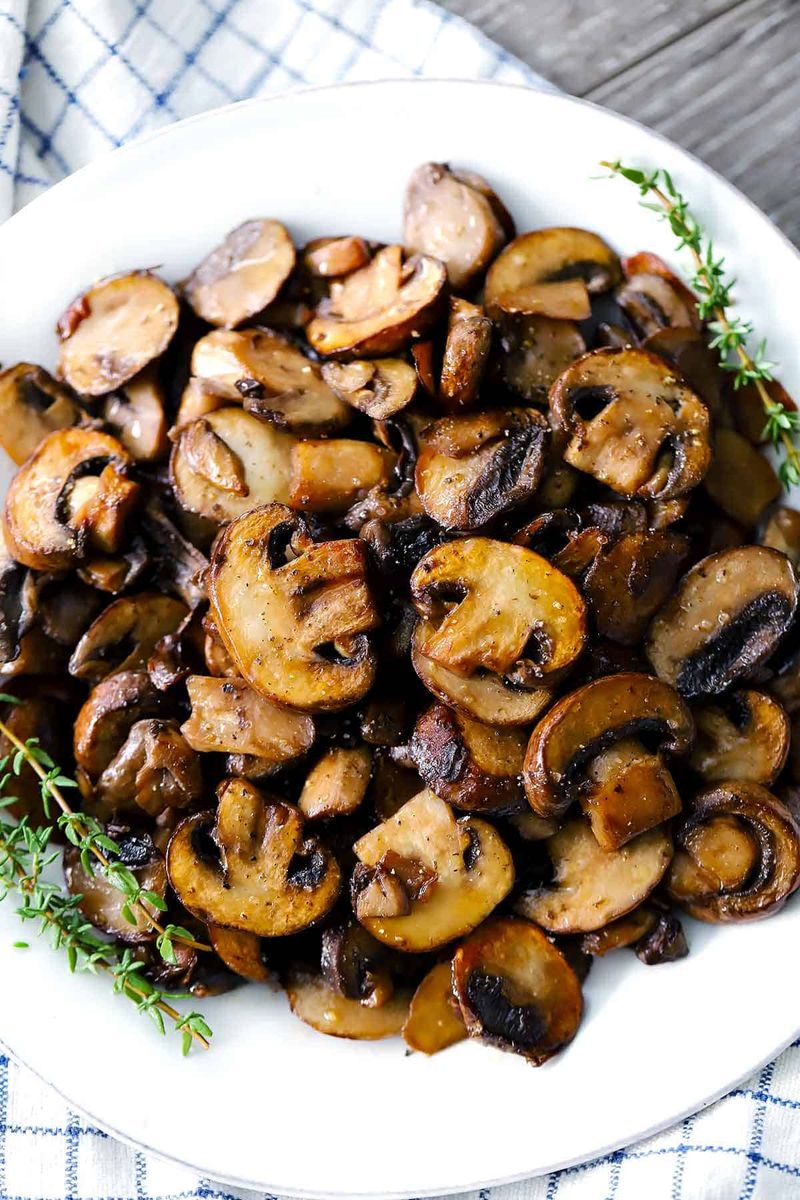
Mushrooms are like little sponges filled with water. Salt them too early or pile them into a pan, and they release liquid and turn slimy.
Cook them in a hot pan with plenty of room. Let them sit without stirring for a few minutes so they can brown.
Add salt only at the end. Also, a quick wipe with a damp towel cleans them better than a soak in the sink.
12. Pancakes
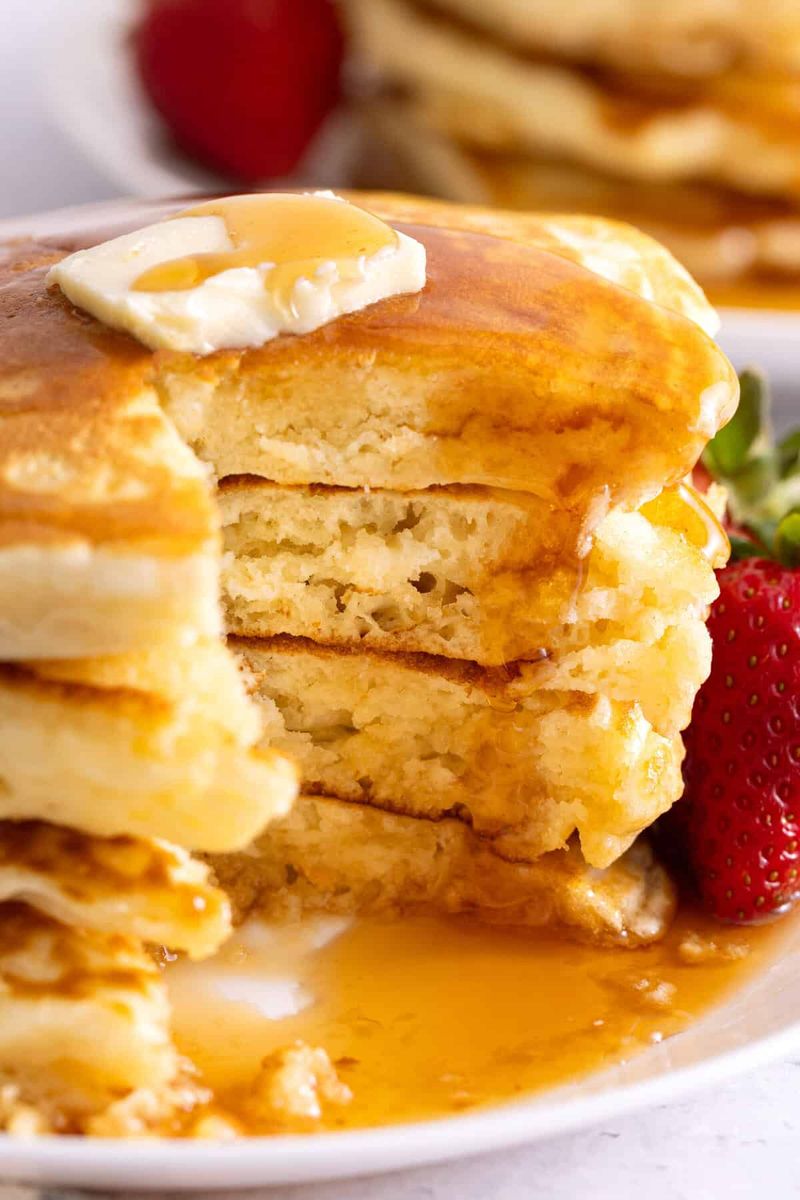
Smooth batter seems like the goal, right? Surprisingly, it is not.
Whisking until every lump disappears builds gluten, and that makes pancakes flat and chewy.
Mix just until the flour is wet, leaving small lumps behind. Let the batter rest for five minutes.
Cook on medium heat and flip when bubbles pop on top. And skip patting them down with the spatula, which squishes out all that lovely fluffiness.
13. Broccoli
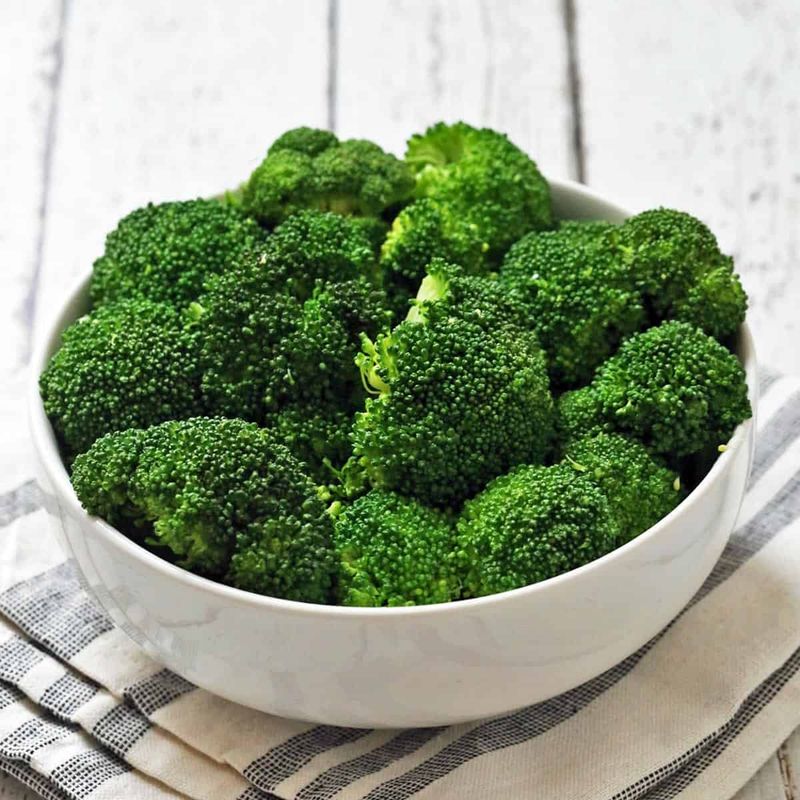
Grandma’s broccoli may have been boiled until it was army green and soft. Many of us still cook it that way without thinking.
Overcooking drains the color, the crunch, and some of the vitamins. Steam it for just three to five minutes until it turns bright green and is tender but still firm.
Or roast it until the tips get crispy. Kids who hate broccoli often change their minds after trying it roasted.
14. Salmon
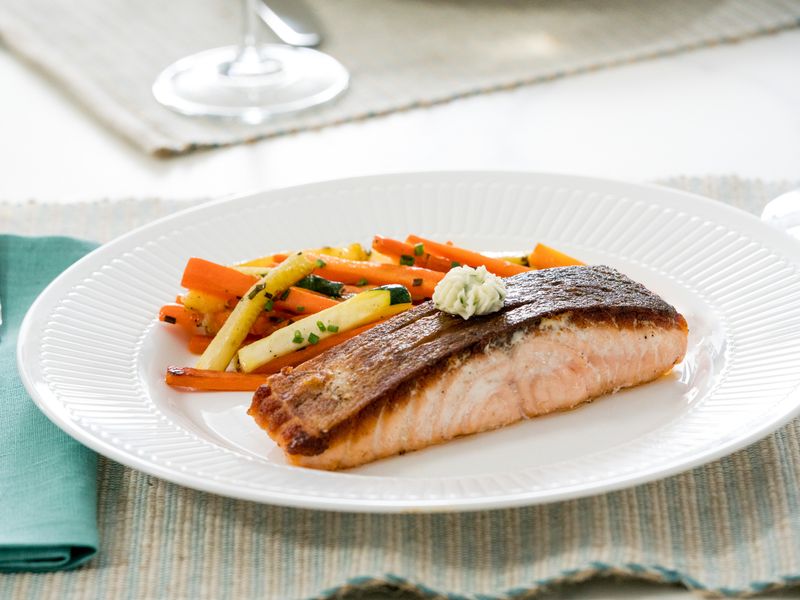
Salmon cooks faster than most people expect. Leave it on the heat a few extra minutes and it goes chalky and dry.
For crispy skin, pat the fillet dry and place it skin-side down in a hot oiled pan. Let it cook most of the way there before flipping briefly.
The fish is ready when it flakes easily and the center still looks slightly glossy. A squeeze of lemon finishes it nicely.
15. Potatoes for Mashing
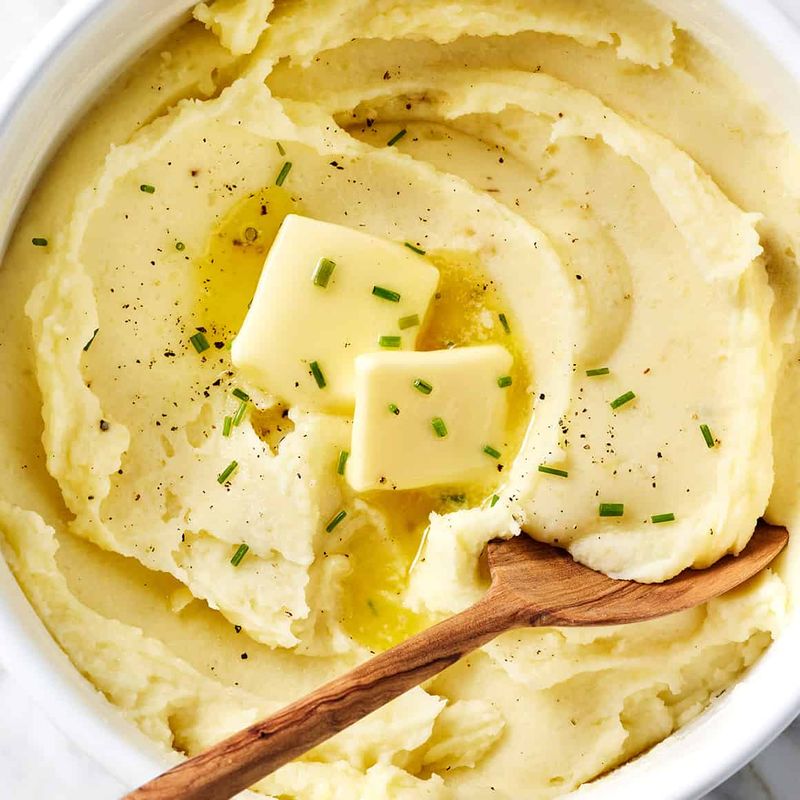
Here is a sneaky mistake: dropping potatoes into already boiling water. The outsides turn mushy before the centers soften.
Start them in cold, salted water and bring everything to a boil together. That way they cook evenly.
Drain well and let them steam dry for a minute. Warm your milk and butter before mixing them in.
And never use a blender, unless you want something closer to glue than mash.
16. Grilled Cheese
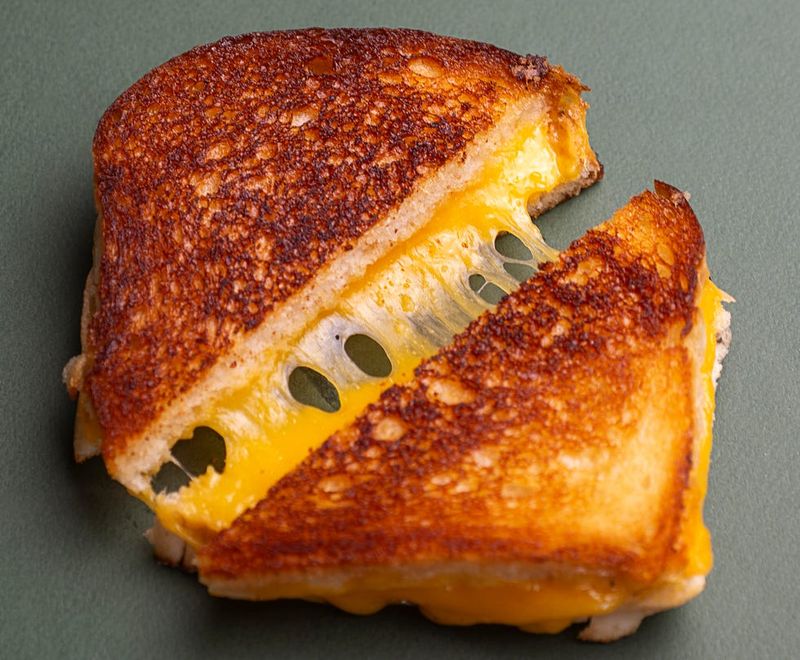
A burnt outside with cold, unmelted cheese inside is the grilled cheese heartbreak. High heat is almost always to blame.
Cook the sandwich low and slow over medium-low heat. Covering the pan with a lid for a minute helps the cheese melt faster.
Here is a fun trick: spread mayonnaise on the outside instead of butter. It browns evenly, spreads easily straight from the fridge, and gives a wonderful crunch.
17. Onions
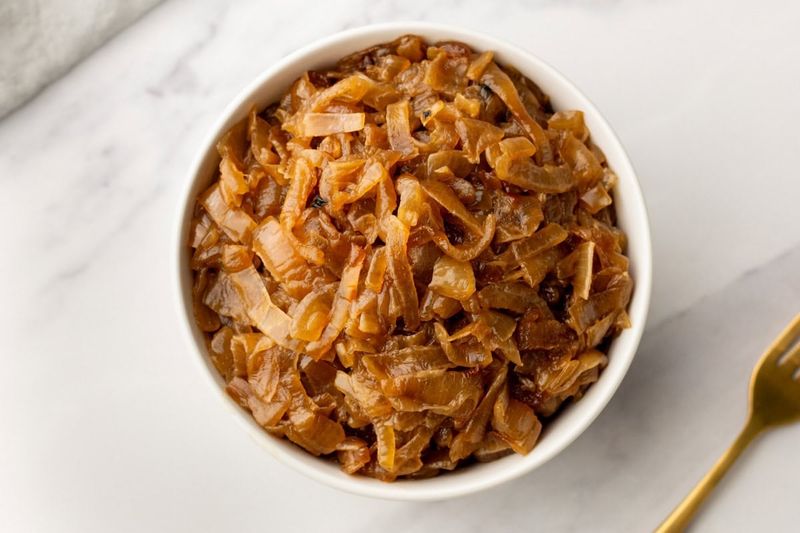
Recipes often say onions caramelize in ten minutes. That is one of the biggest fibs in cooking.
Truly sweet, jammy, deep brown onions take 30 to 45 minutes over medium-low heat. Rushing them on high just burns the edges while the middles stay sharp.
Stir every few minutes and add a splash of water if they stick. The slow wait pays off on burgers, soups, and sandwiches.
18. Frozen Pizza
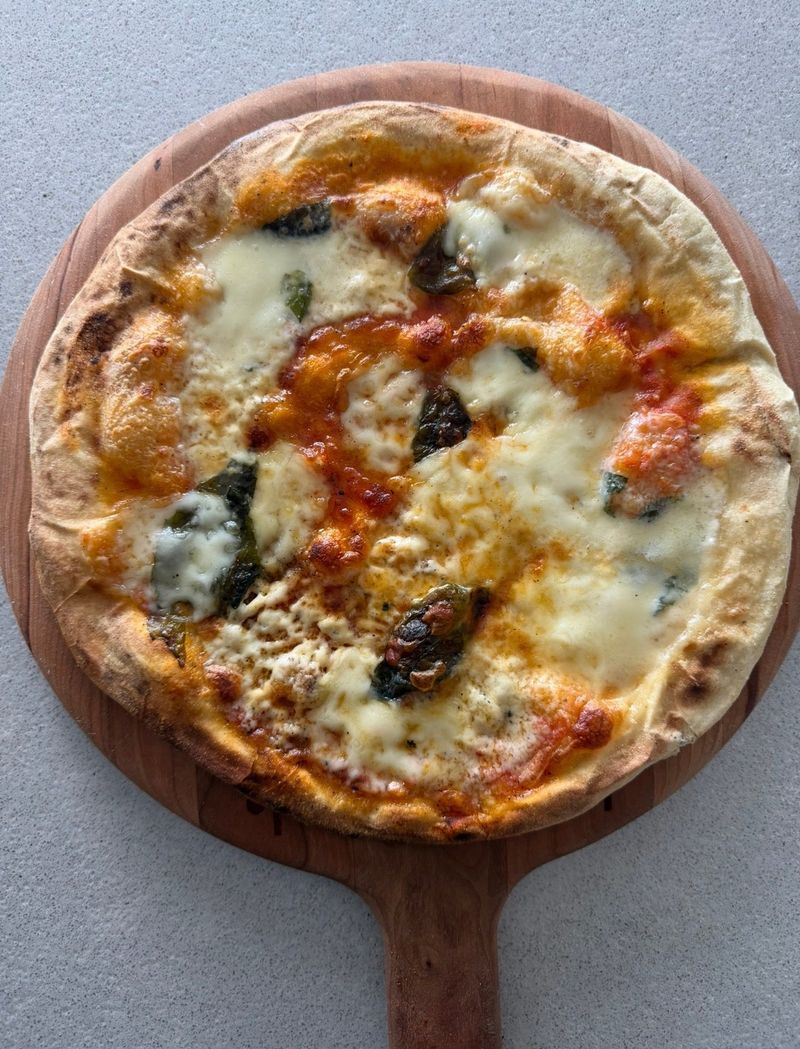
Soggy crust ruining your pizza night? Many folks bake frozen pizza on a flat sheet pan, which traps moisture underneath.
Place it directly on the oven rack instead, or on a preheated pizza stone. Hot air flows all around the crust and crisps the bottom.
Always fully preheat the oven first. Adding a sprinkle of extra cheese, fresh basil, or chili flakes can make a cheap pizza taste almost homemade.
19. Popcorn
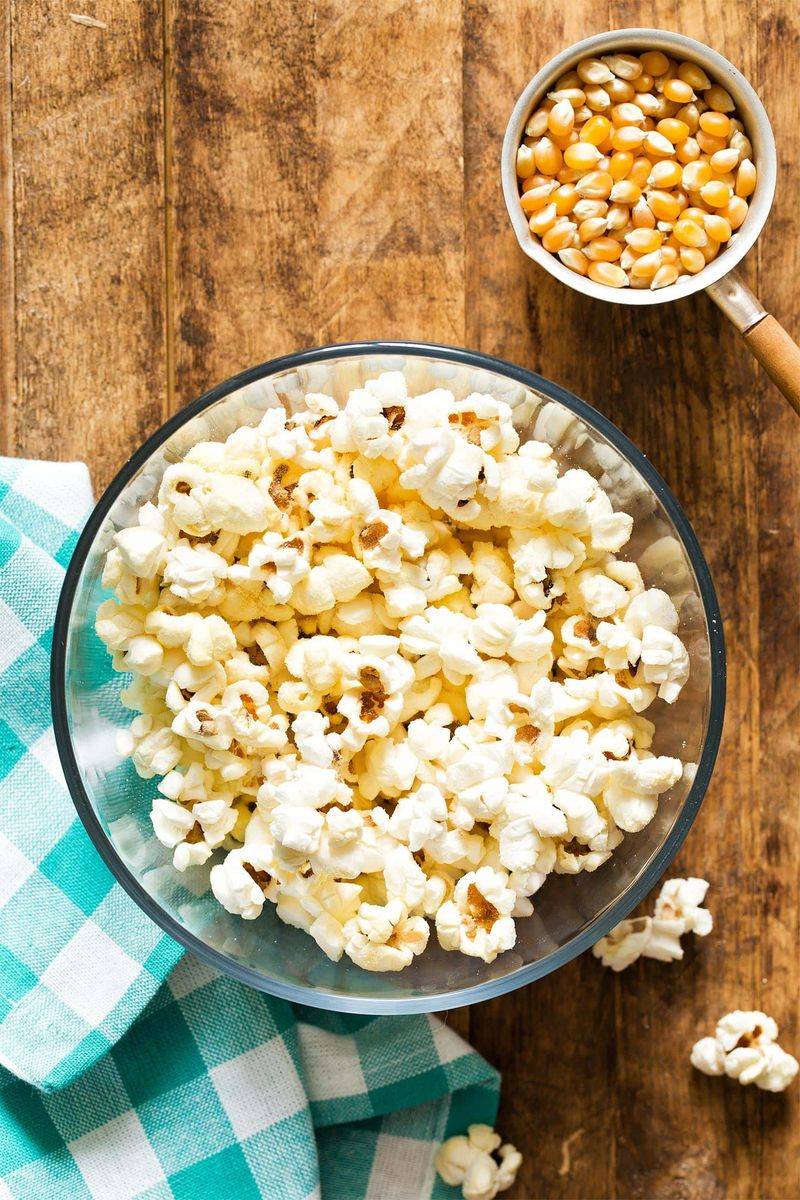
Did you know people have been popping corn for thousands of years? Even so, many of us still end up with burnt bits and lots of unpopped kernels.
On the stove, heat oil with just three kernels. Once they pop, add the rest and cover the pot.
Shake it often and crack the lid slightly so steam escapes. Take it off the heat when popping slows to two seconds between pops.
20. Tofu
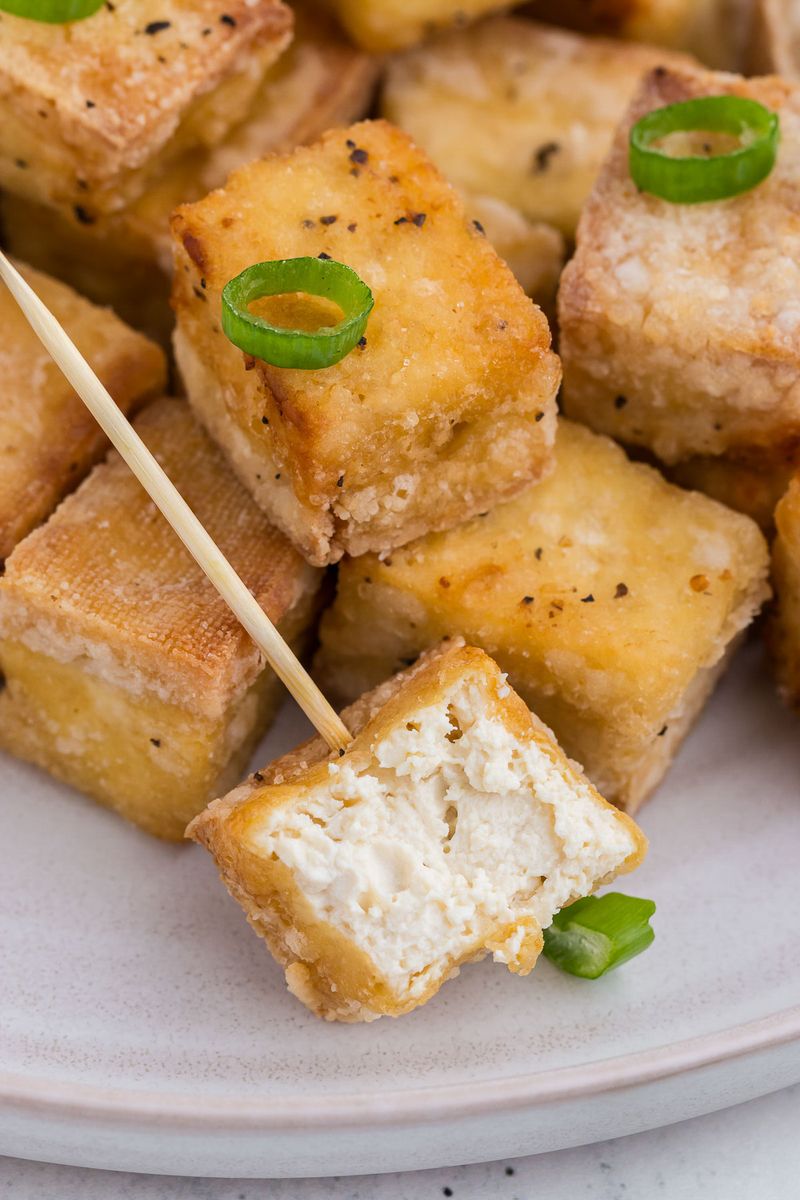
Tofu gets called bland and spongy, but that is not really its fault. Cooks just forget it is packed with water.
Wrap the block in a towel and set something heavy on top for 20 minutes. Pressing out the liquid lets it brown and soak up sauces.
Tossing cubes in a little cornstarch before frying makes them extra crispy. Suddenly, tofu becomes the star of the stir-fry.
21. Toast
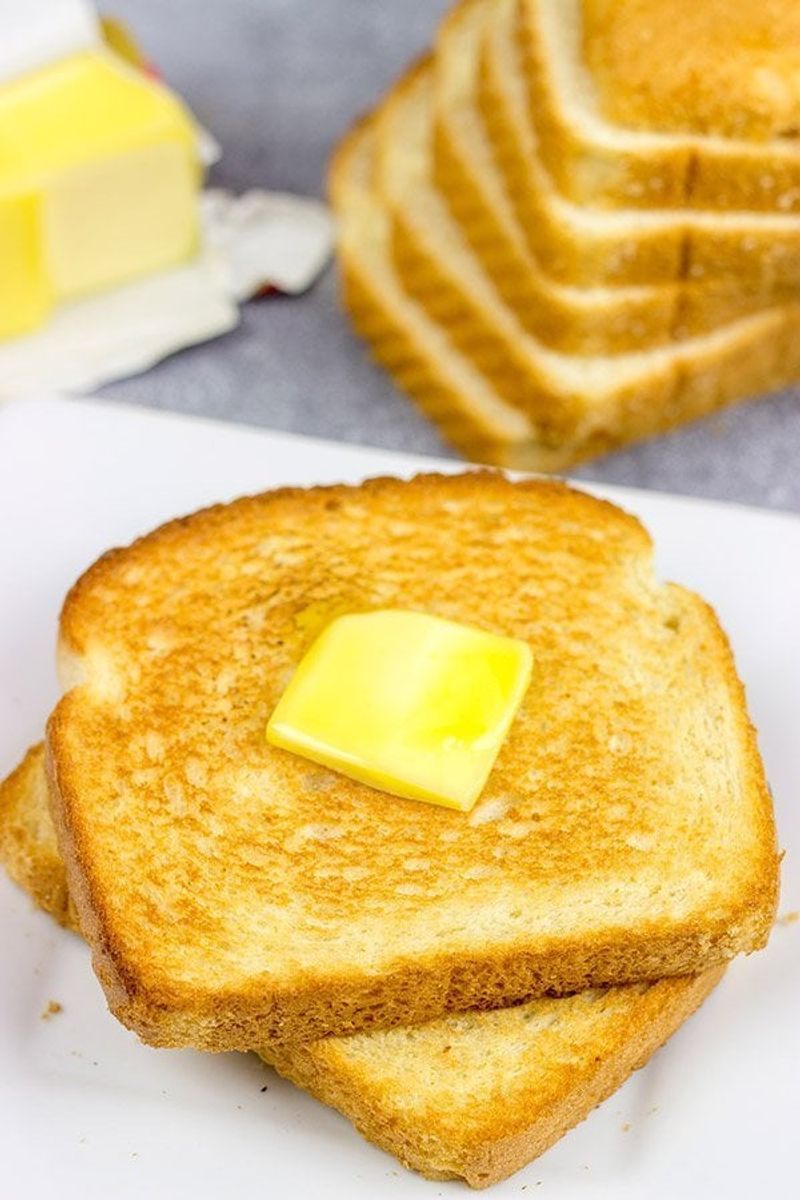
Toast seems foolproof, yet plenty of slices still end up burnt on one side and pale on the other. The toaster setting is only part of the story.
Thick or fresh bread needs more time than thin, older slices. Watch the first round and adjust.
For the best buttered toast, spread soft butter right away while the bread is hot so it melts in. Cold butter just tears holes in your breakfast.