
People have always wanted to look and feel their best, but some of the ways they tried were truly strange. Long before nutrition labels and health classes, folks ate worms, chewed food for hours, and even swallowed things that could hurt them.
Learning about these odd eating plans shows how far science has come. It also reminds us to think carefully before trying the next weird food trend online.
1. The Tapeworm Diet
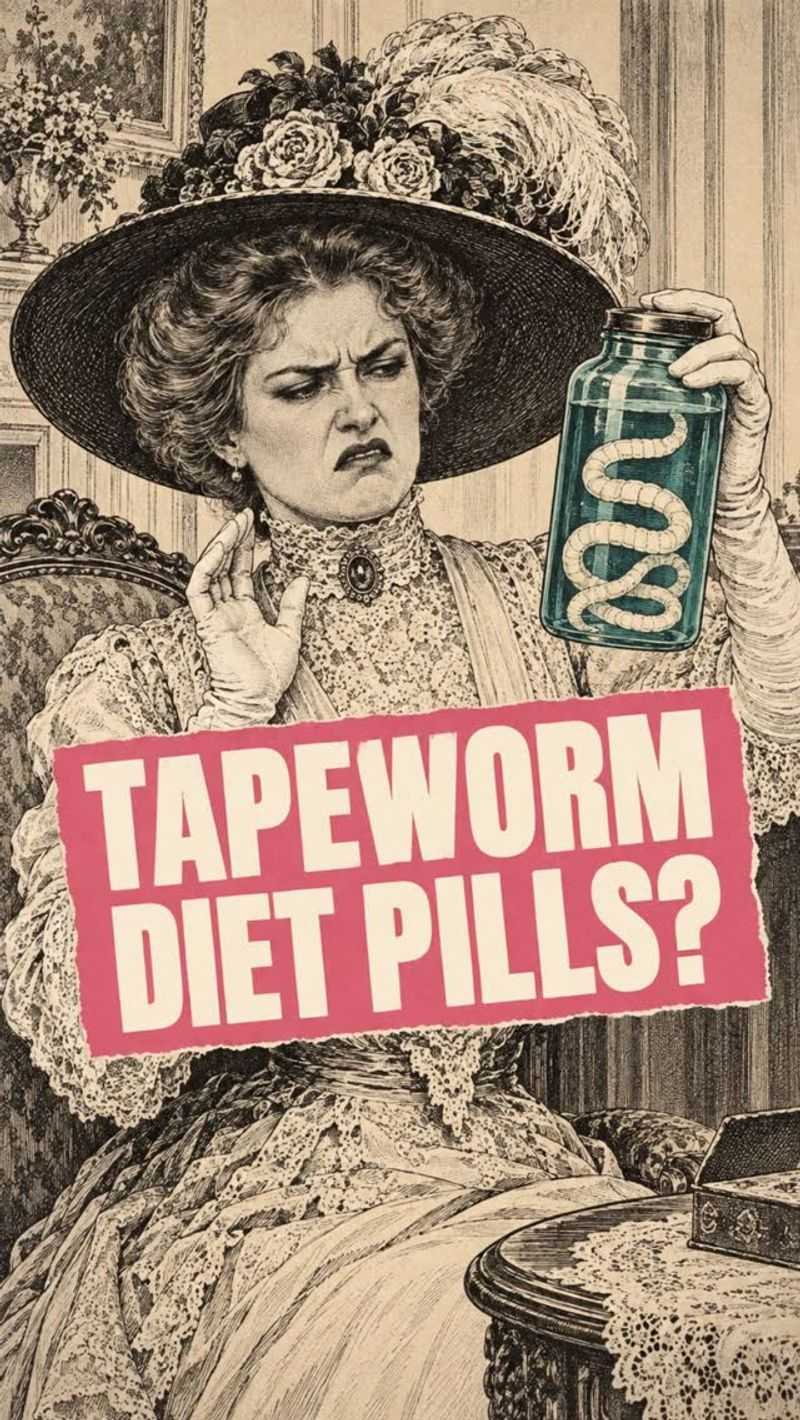
Picture swallowing a pill with a worm egg inside on purpose. Around the early 1900s, some ads claimed tapeworms could eat your extra food so you would slim down.
The worms caused stomach pain, weakness, and serious illness. Getting them out was another nightmare entirely.
Historians still debate how many people actually tried it, but the ads were real. Today, doctors treat tapeworms as a health problem, never a weight loss tool.
2. Chew Until It Disappears
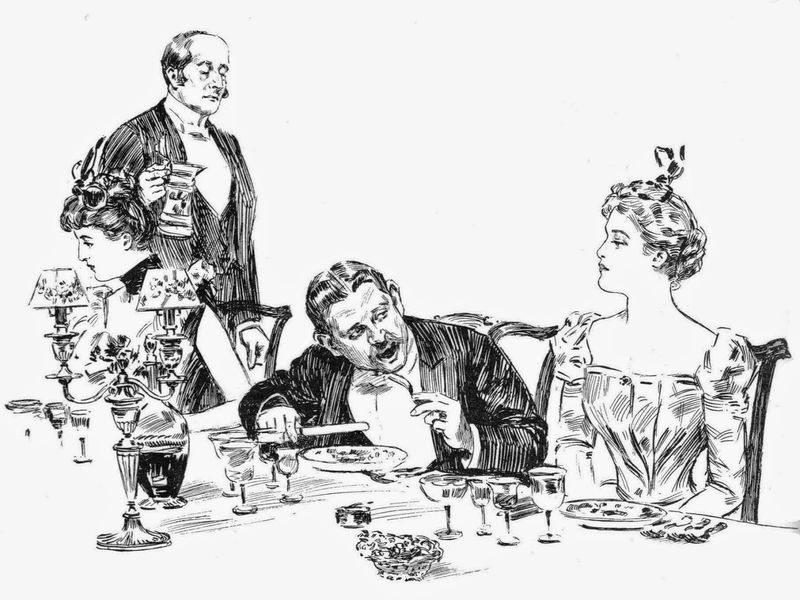
Horace Fletcher, nicknamed The Great Masticator, told people to chew every bite about 100 times. Even liquids were supposed to be chewed!
His fans believed this trick helped them eat less and stay healthy. Dinner parties became long, quiet, and pretty awkward.
Here is the useful part, though. Chewing slowly really can help you notice when you feel full, so a little of his idea still holds up today.
3. Lord Byron’s Vinegar Plan

Famous poets are known for beautiful words, not sour drinks. Yet Lord Byron, a British writer in the 1800s, sipped vinegar mixed with water to stay thin.
He also ate potatoes soaked in vinegar. Fans copied him because he was a celebrity, much like influencers today.
Too much vinegar can harm your teeth and upset your stomach. Copying a famous person’s eating habits was a bad idea then and still is now.
4. The Cigarette Swap
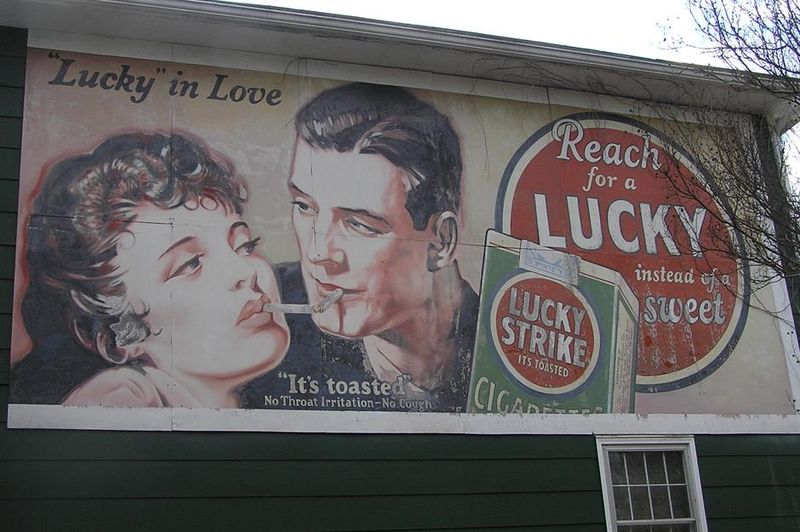
Reach for a smoke instead of a sweet. That was an actual slogan used by a cigarette company in the late 1920s.
Ads told people, especially women, to light up whenever they felt hungry. Doctors even appeared in some tobacco commercials back then.
We now know smoking causes cancer, heart disease, and lung problems. Swapping candy for cigarettes traded a small treat for a huge health risk.
5. Arsenic Wafers
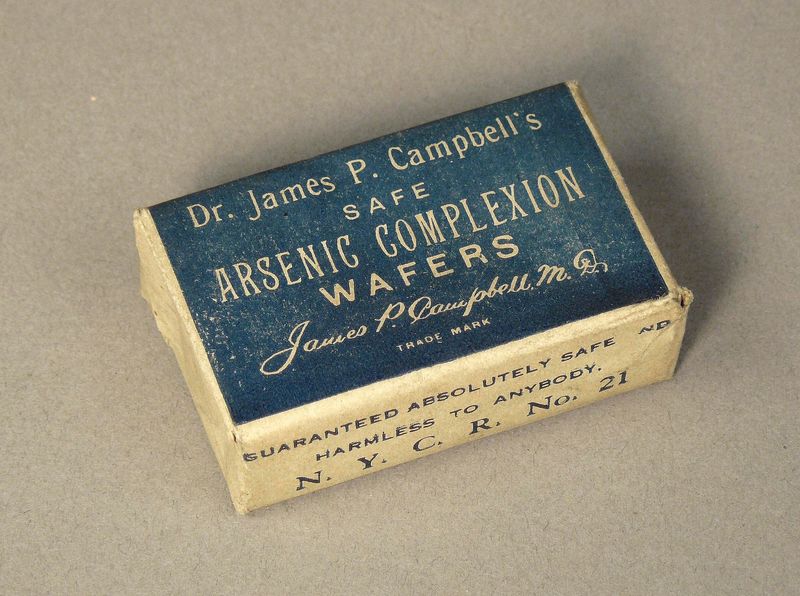
Yes, arsenic, the poison from mystery novels. In the Victorian era, small arsenic wafers were sold to improve skin and help with weight.
Some people believed tiny doses gave them a glowing look. In reality, arsenic slowly damaged their bodies, causing hair loss and organ harm.
The lesson is simple. If a product contains something famous for being deadly, no beauty promise is worth the danger.
6. The Grapefruit Craze
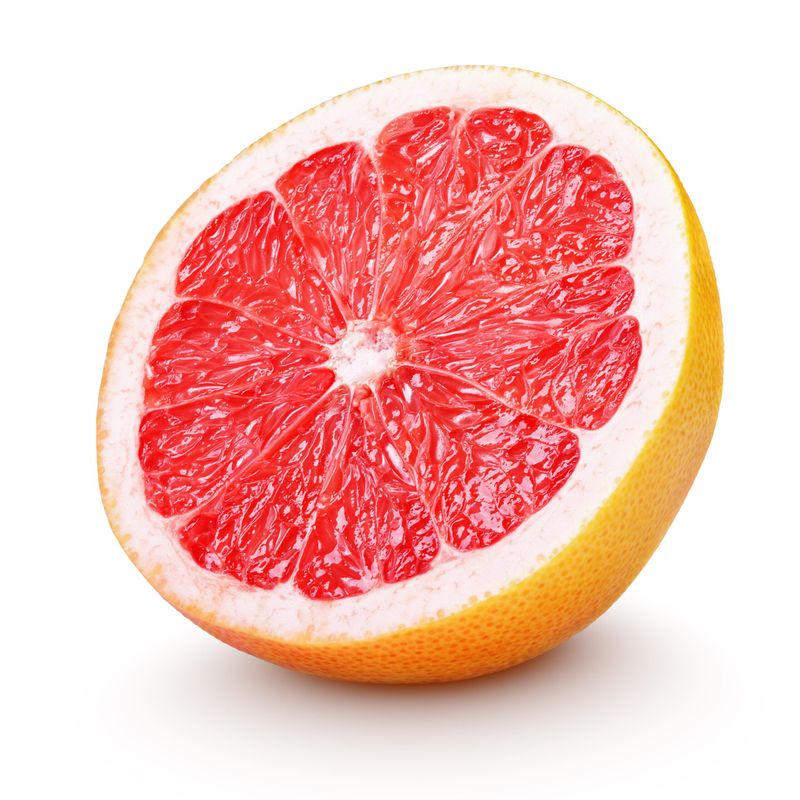
Back in the 1930s, the Hollywood Diet promised that grapefruit had magic fat-burning powers. Followers ate it with nearly every meal.
Plates were also tiny, often only around 800 calories a day. People felt hungry, cranky, and tired.
Grapefruit is a healthy fruit full of vitamin C. No single food melts fat away, though.
Balanced meals with lots of variety work far better than one sour superstar.
7. William the Conqueror’s Liquid Lunch

Kings could have any feast they wanted, so this one is surprising. William the Conqueror grew so heavy that he struggled to ride his horse.
His answer around 1087 was to stay in bed and drink mostly alcohol instead of eating food.
Did it work? He did lose some weight, but he died soon after a riding accident.
Skipping real meals for drinks is never a smart royal decree.
8. Sleeping Beauty Diet
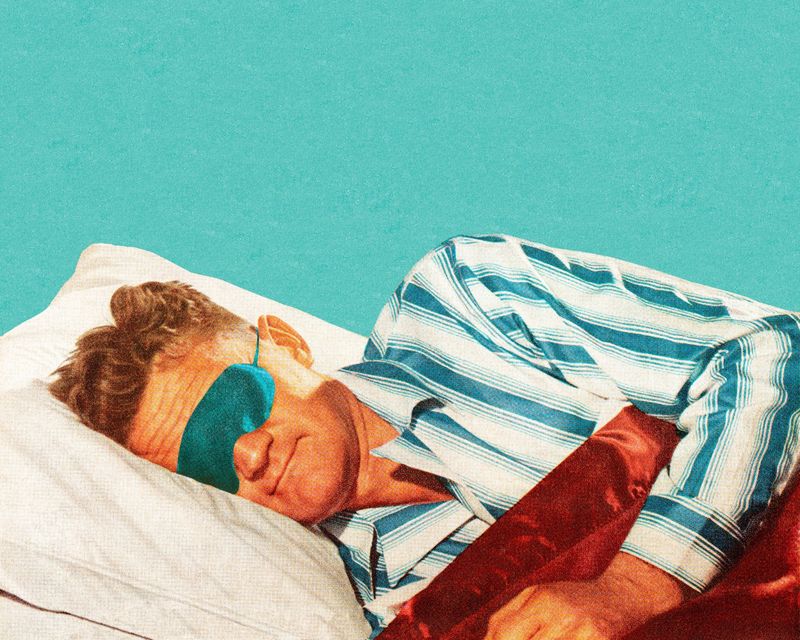
Can you snooze the pounds away? During the 1960s and 70s, some people took strong sleeping pills so they would sleep through meals.
The idea was that you cannot eat while unconscious. Rumors even linked it to famous stars.
Doctors warn this habit is extremely dangerous and can lead to addiction or worse. Good sleep does support health, but natural rest is the goal, not medicine-forced naps.
9. Cabbage Soup Marathon

Your kitchen would smell like cabbage for a week straight. This diet had people eating huge bowls of cabbage soup every day for seven days.
It spread in the 1980s through photocopies passed between friends and coworkers. Weight dropped fast, but mostly water.
Many dieters complained of gas, weakness, and boredom. Vegetable soup can be part of a healthy menu, just not the whole menu.
10. Graham’s Bland Food Rules
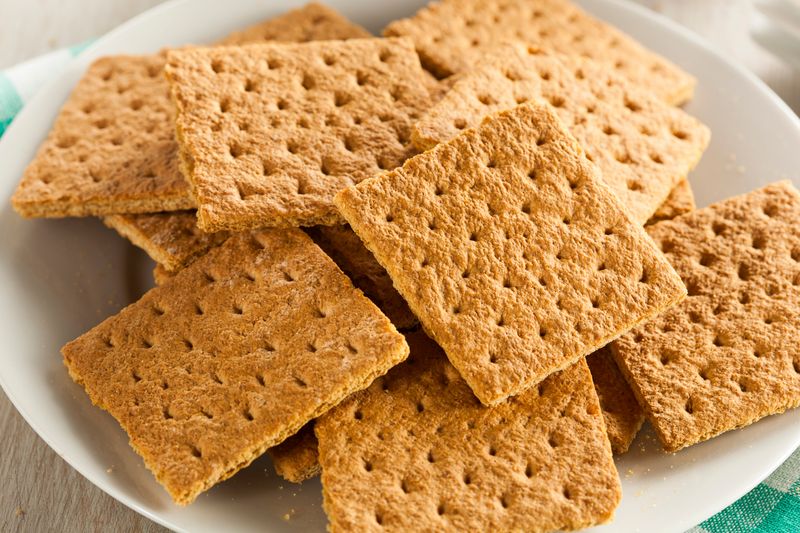
Ever wonder where graham crackers came from? Sylvester Graham, a preacher in the 1830s, believed spicy and tasty foods made people behave badly.
He pushed plain bread, vegetables, and water while banning meat, spices, and coffee. Some angry bakers reportedly protested his ideas.
His original crackers tasted nothing like the sweet snack today. Fun fact: the s’mores we love would have shocked him completely.
11. Breatharian Living

Some folks claim they survive on sunlight and air alone. Known as breatharianism, this belief has popped up in different forms over many years.
Followers say food is not needed at all. Science strongly disagrees, since the human body cannot last long without nutrients.
Sadly, people have become very sick or died trying it. Your body needs fuel, plain and simple, so treat meals like the gift they are.
12. Raw Meat and Hot Water
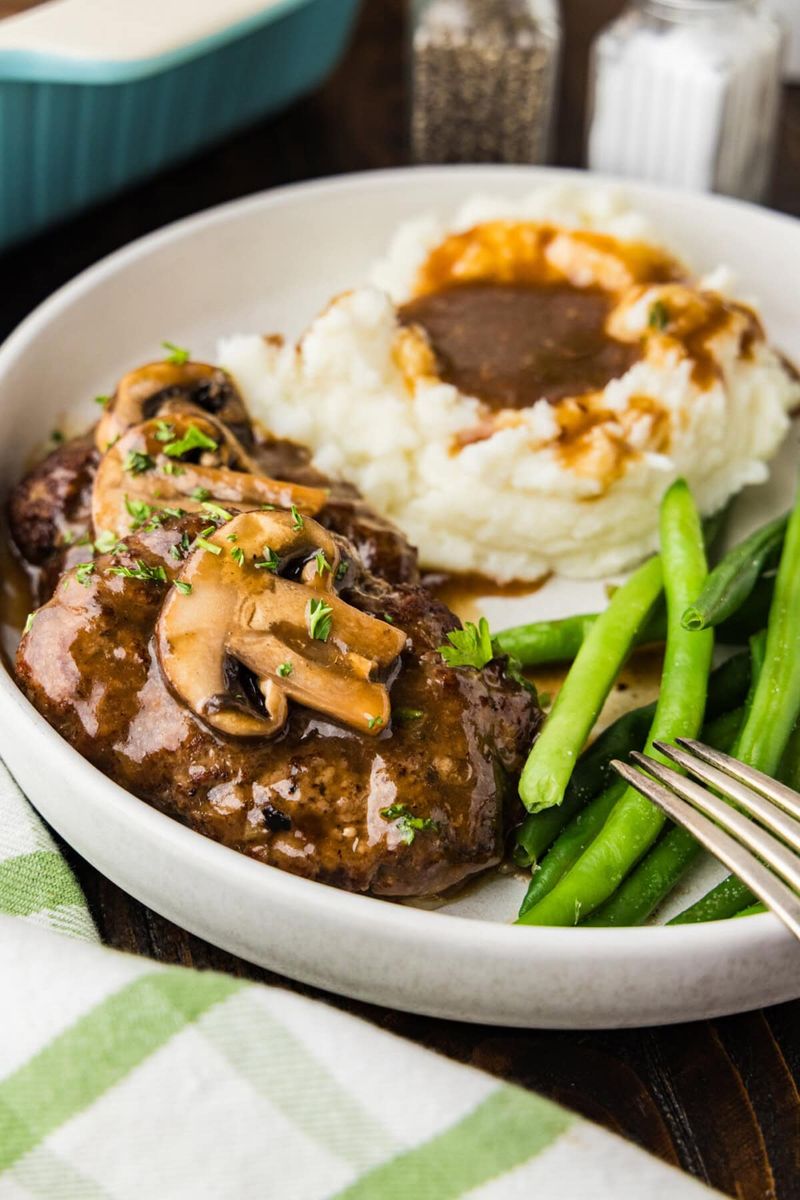
Dr. James Salisbury had a meaty plan in the 1800s. He told patients to eat ground beef three times a day and drink hot water.
Vegetables were blamed for illness in his theory. Funny enough, his name lives on in the Salisbury steak.
Eating only one kind of food leaves big gaps in vitamins and fiber. Next time you see that frozen dinner, you will know its strange backstory.
13. Eat Clay
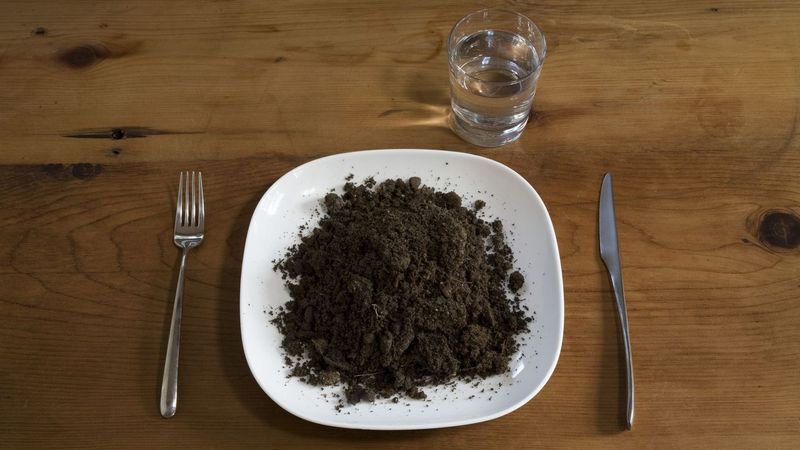
Dirt for dinner sounds like a dare. Still, people in many cultures have eaten clay over the centuries, a habit called geophagy.
Some believed it soothed stomachs or filled them up. In more recent times, clay was sold as a detox trend too.
Certain clays may carry metals or germs that cause harm. Talk to a doctor if you ever crave non-food items, since it can signal missing nutrients.
14. The Cotton Ball Trick
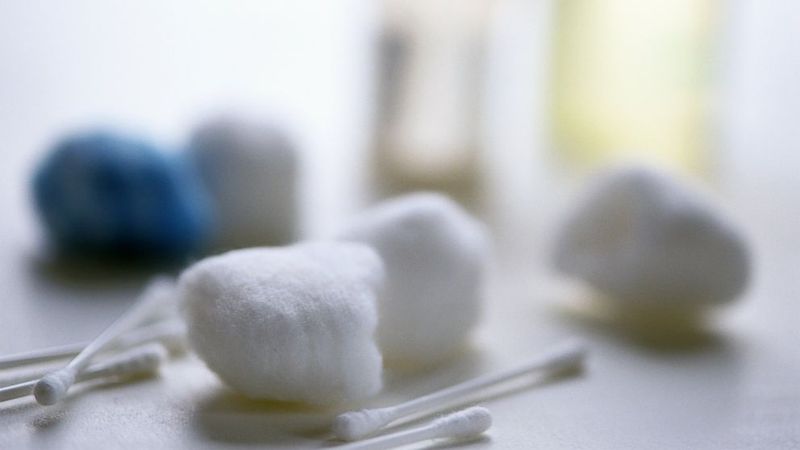
Believe it or not, some dieters soaked cotton balls in juice and swallowed them. The goal was to feel full without eating real calories.
Cotton balls are often made from processed fibers that the body cannot digest. They can clump together and block the stomach or intestines.
That kind of blockage may need surgery. Feeling full should come from fiber-rich foods like apples, beans, and oats instead.
15. Kellogg’s Yogurt Cleanse
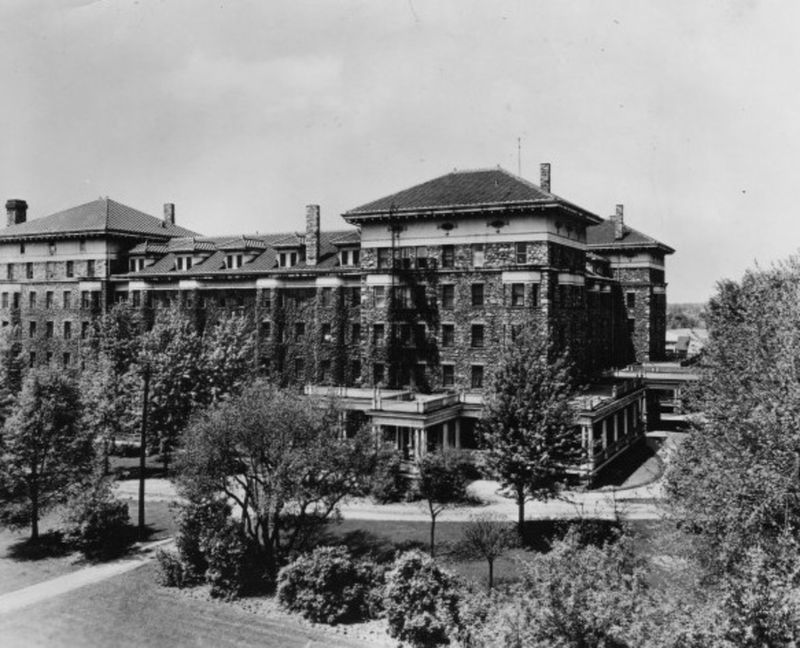
Before cereal made him famous, Dr. John Harvey Kellogg ran a health resort in Michigan. Guests followed strict plans, including eating plenty of yogurt.
He believed bad bacteria caused most illnesses. Some treatments involved yogurt used in ways far stranger than spooning it from a bowl.
Gut health really matters, and yogurt can help. Thankfully, modern advice keeps it as a tasty snack rather than a wild medical procedure.