
Sometimes a great recording happens before anyone gets a second chance. A rough voice, a bold choice, or years of practice can turn one performance into music history.
These songs are known for single-take stories, though some accounts refer to a vocal or basic track rather than the entire finished record. Listen closely, and you can hear why those moments were worth keeping.
1. Twist and Shout – The Beatles Push Through
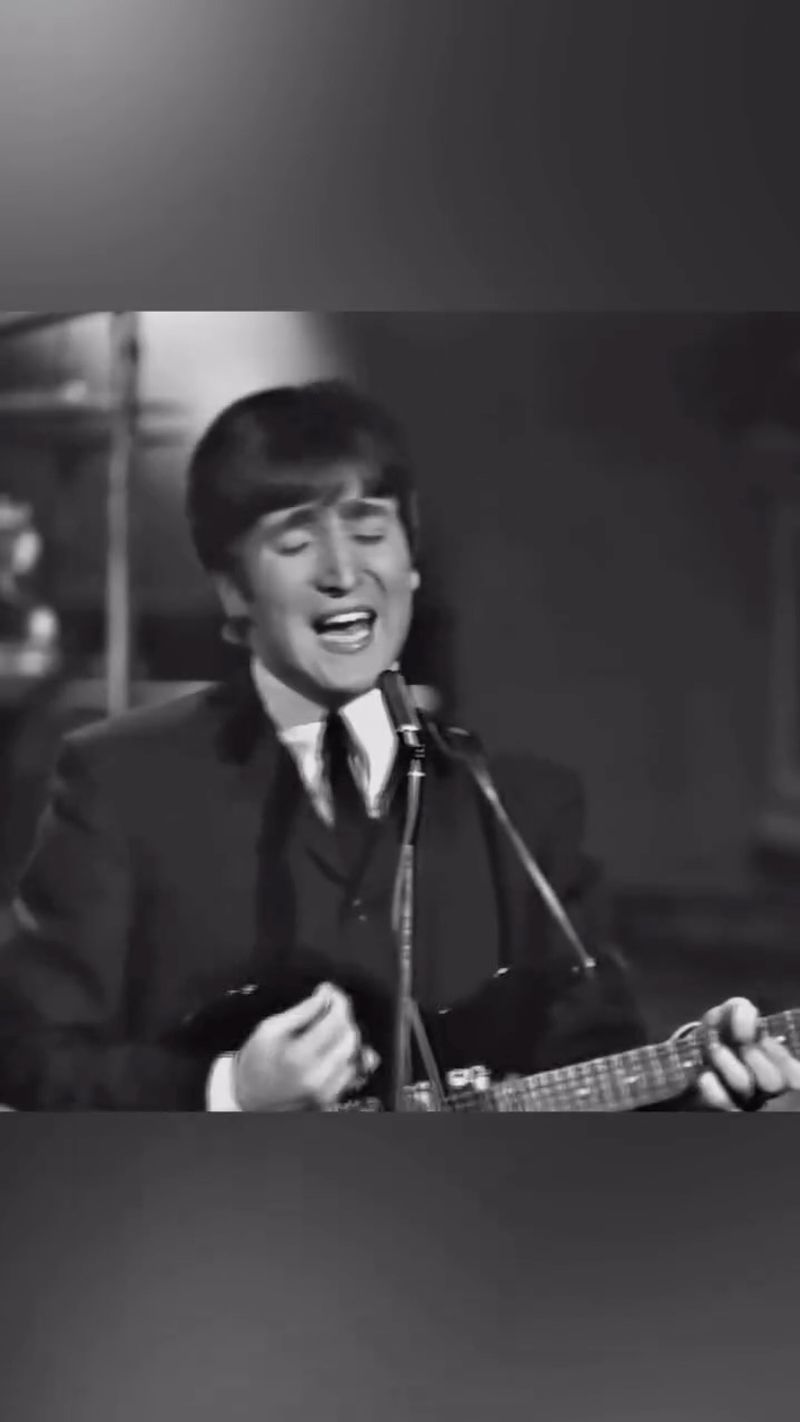
A sore throat became part of rock history when John Lennon tackled this song in February 1963. The Beatles saved it for the end of their long recording day because its shouting would punish his already strained voice.
The first complete take supplied the master; another attempt broke down as his voice failed. Listen for the rough edges rather than smooth perfection.
They help explain why the performance still sounds so exciting after all these years.
2. House of the Rising Sun – The Animals Arrive Ready
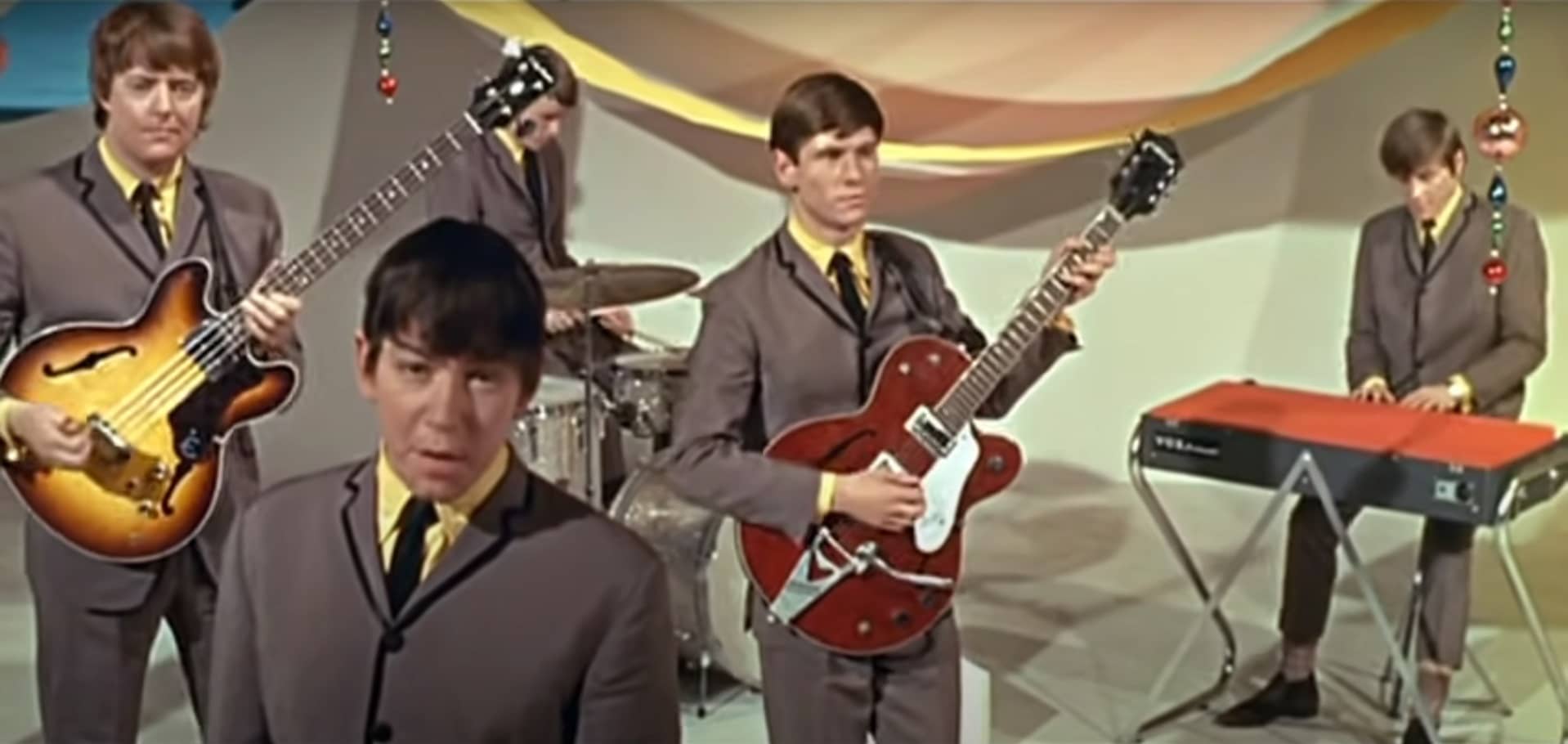
Weeks onstage did the homework before The Animals entered the studio in 1964. Their dramatic version of this traditional song reportedly needed just one take, with the session lasting about fifteen minutes.
Eric Burdon’s commanding voice and Alan Price’s swirling organ make the arrangement feel much larger than the room. Follow the repeating guitar pattern as the tension grows.
The lesson is simple: a quick recording can rest on a great deal of preparation and practice.
3. My Way – Frank Sinatra Makes Every Word Count
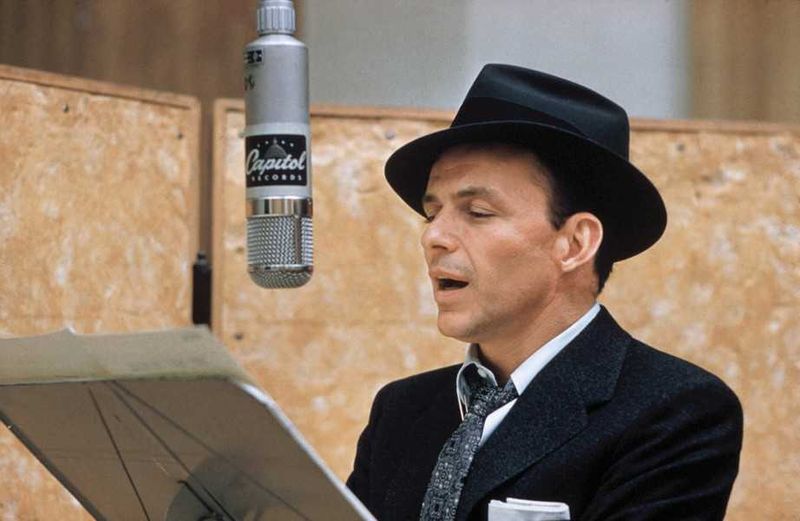
Few performances sound as settled and sure as Sinatra singing about a life lived on personal terms. Recorded in December 1968, his famous version is widely described as a single take with a live orchestra.
Paul Anka supplied new English lyrics for a French melody, shaping them around Sinatra’s character. Notice how the singer holds back before the final rise.
His control shows that a memorable performance needs more than volume; it also needs thoughtful timing.
4. Lose Yourself – Eminem Works Between Scenes
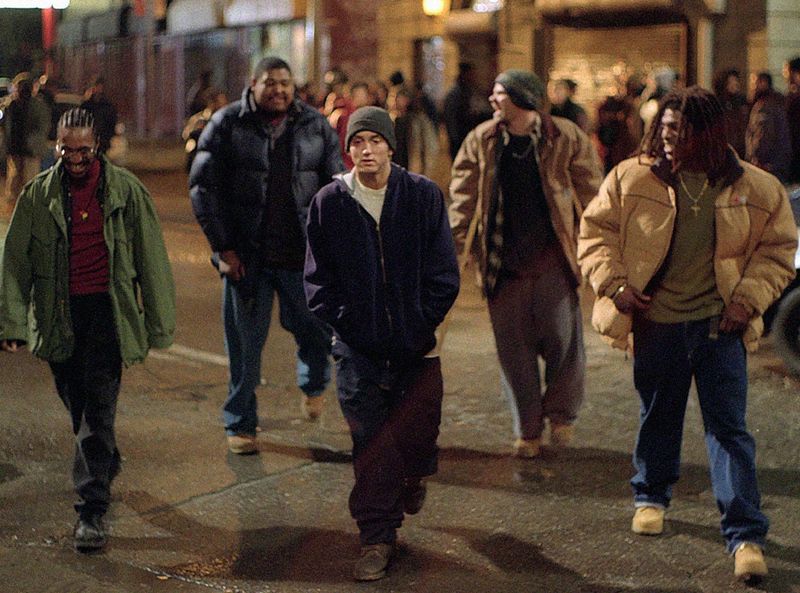
Movie breaks became recording time while Eminem worked on 8 Mile. He wrote during production and reportedly delivered each verse in a single take inside a portable studio on the set.
That distinction matters: separate verse performances are not the same as recording the entire finished song at once. Still, the urgency feels unbroken.
Listen to how clearly he lands the words while building pressure. The song later became the first hip-hop winner of its Oscar.
5. Crazy – CeeLo Green Trusts His First Instinct
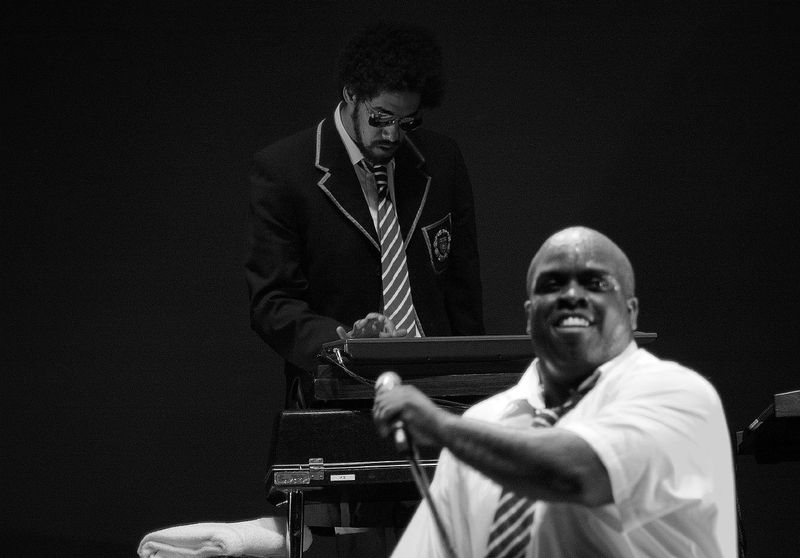
A lyric sheet and a fearless voice were enough to catch lightning here. CeeLo Green reportedly sang the finished vocal on his first attempt, reading words inspired by conversations with Danger Mouse about creativity and madness.
The backing track was already taking shape, so the celebrated single take concerns the singing rather than every musical part. Pay attention to CeeLo’s playful shifts in tone.
He makes a carefully written song feel like a thought happening right now.
6. Louie Louie – The Kingsmen Keep the Mistakes
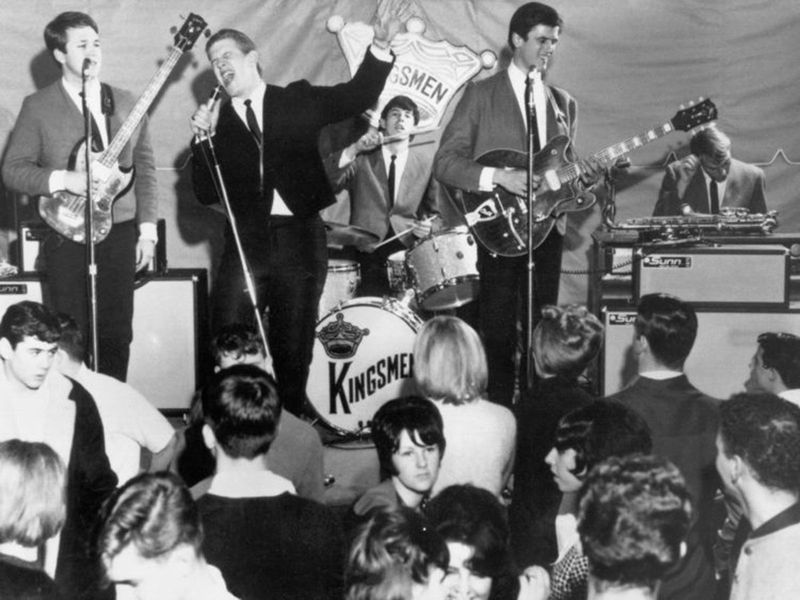
Messy can be magical, especially when a teenage band charges ahead without polishing everything away. The Kingsmen’s 1963 recording is famous for muddy words, a rough sound, and a vocal entrance that nearly goes wrong.
Accounts describe a rushed session and a microphone placed awkwardly above Jack Ely. Their familiar single emerged from one complete take.
Try following the drums through the confusion. The steady drive explains why listeners embraced a record that breaks so many rules.
7. Respect – Otis Redding Brings the Heat
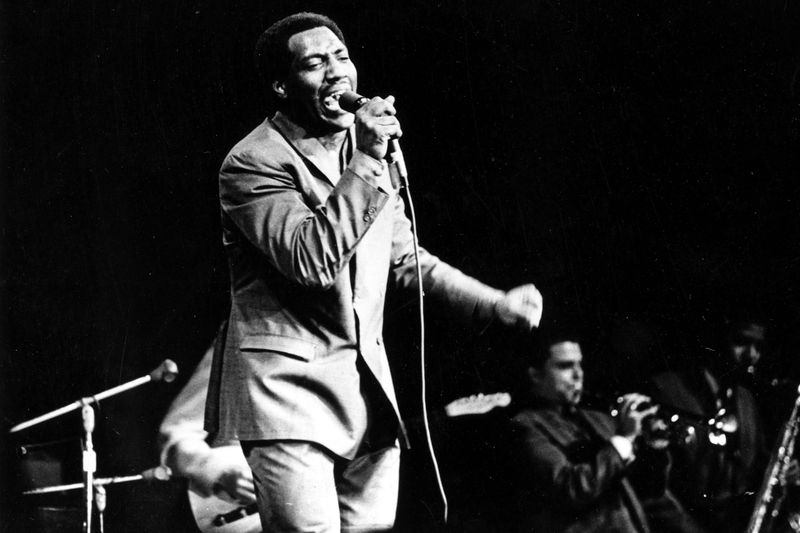
Before Aretha Franklin made it an anthem, Otis Redding gave Respect a restless, pleading pulse. His 1965 original is widely reported as a single-take recording, driven by sharp horns and his urgent delivery.
Redding said the writing and arranging came together quickly, which suits the song’s impatient mood. Compare his version with Franklin’s later recording to hear how interpretation changes meaning.
The same title can carry very different emotions when another singer steps up to the microphone.
8. Sister Ray – The Velvet Underground Refuse to Stop
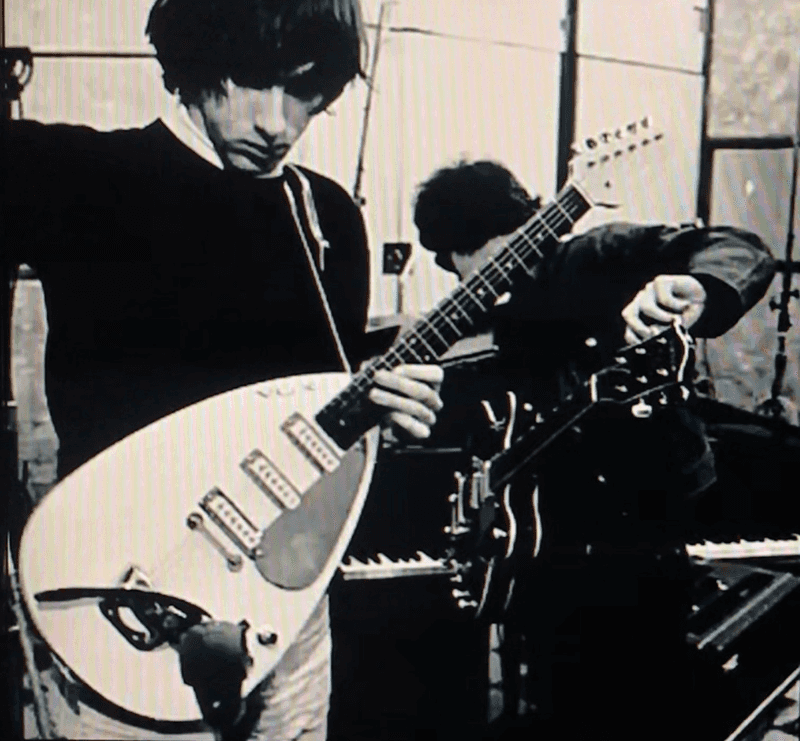
Seventeen minutes of noise is hardly the usual recipe for a studio classic. Yet The Velvet Underground committed Sister Ray to tape as one continuous performance, letting distortion and competing instruments crowd the space.
Engineer Gary Kellgren reportedly left the control room after the tape began rolling. Rather than expecting tidy solos, listen for the musicians reacting to one another.
Its appeal lies in the risk: nobody could neatly reset the moment without losing the whole journey.
9. Mercedes Benz – Janis Joplin Needs No Band
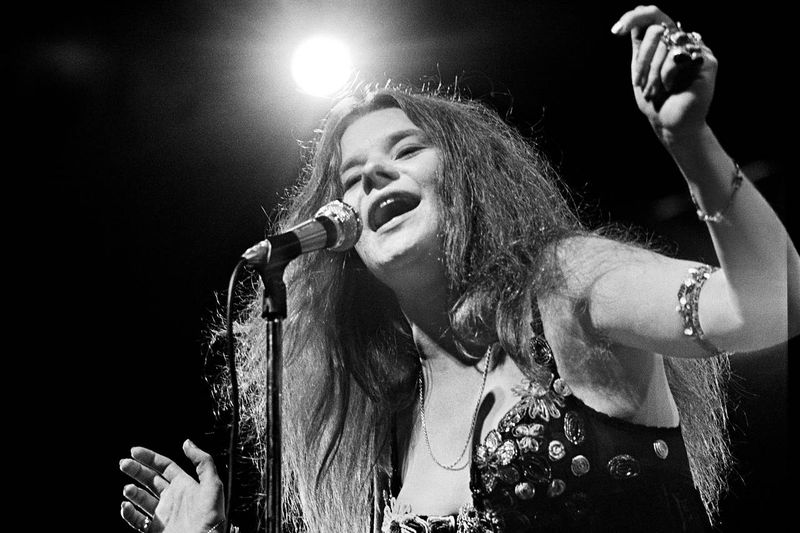
No guitar, no drums, just Janis Joplin making a joke land with an unforgettable voice. She recorded Mercedes Benz without instrumental backing in one take on October 1, 1970, only three days before her death.
Released on Pearl, the song pokes fun at wanting expensive things while sounding like a playful prayer. Listen for the little human details around the singing.
Its lasting charm comes from personality, proving that a huge production is not always necessary either.
10. Long Tall Sally – Paul McCartney Lets Loose
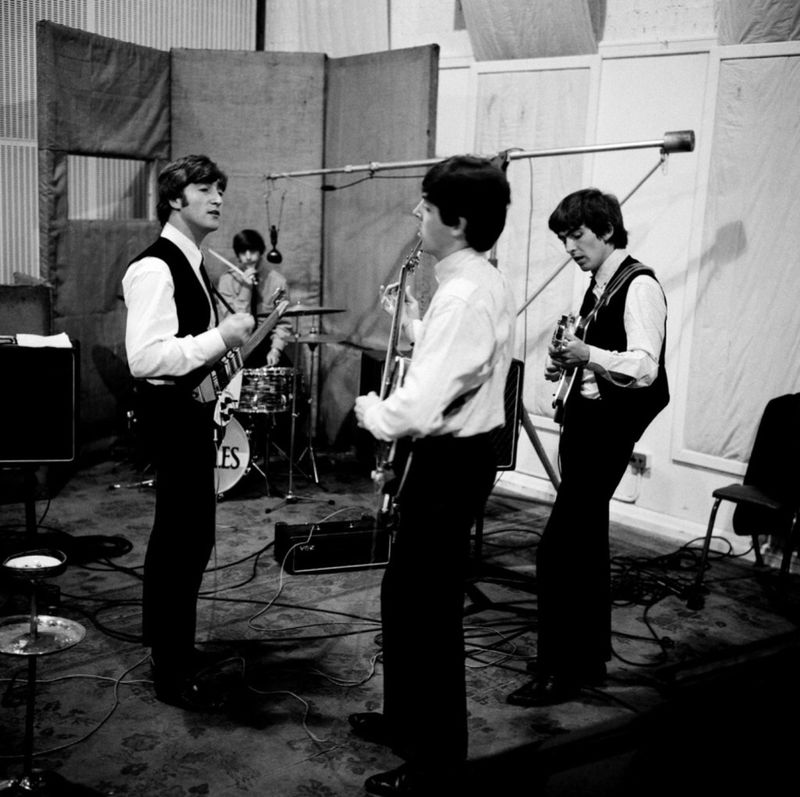
Club stages had already taught The Beatles how to handle this Little Richard powerhouse. When they recorded it in March 1964, Paul McCartney’s fierce lead helped make the first take the only one they needed.
The performance shows how rehearsal can make wild music sound effortless. Underneath the shouting, the band stays tightly connected, with George Martin adding piano.
Turn your attention toward the rhythm section and hear how its firm footing gives McCartney room to soar.
11. That’s All Right – Elvis Presley Finds a Spark
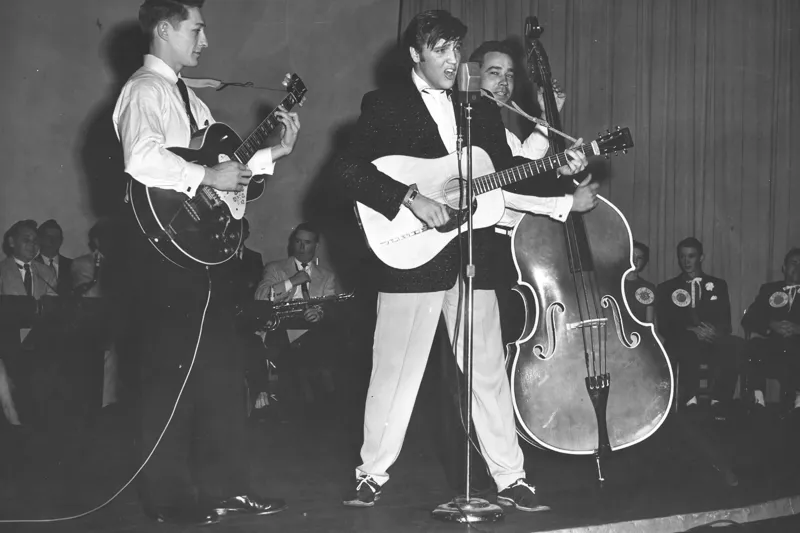
An informal burst of music helped change Elvis Presley’s future at Sun Studio in 1954. Playing with Scotty Moore and Bill Black, he turned Arthur Crudup’s blues song into something lighter, faster, and startlingly fresh.
Sam Phillips heard the promise and asked them to repeat it for recording. Although often included in single-take lists, the surviving session history makes that label uncertain.
What remains clear is the spark: relaxed experimentation opened a door that careful planning had not.
12. Shout – The Isley Brothers Raise the Roof
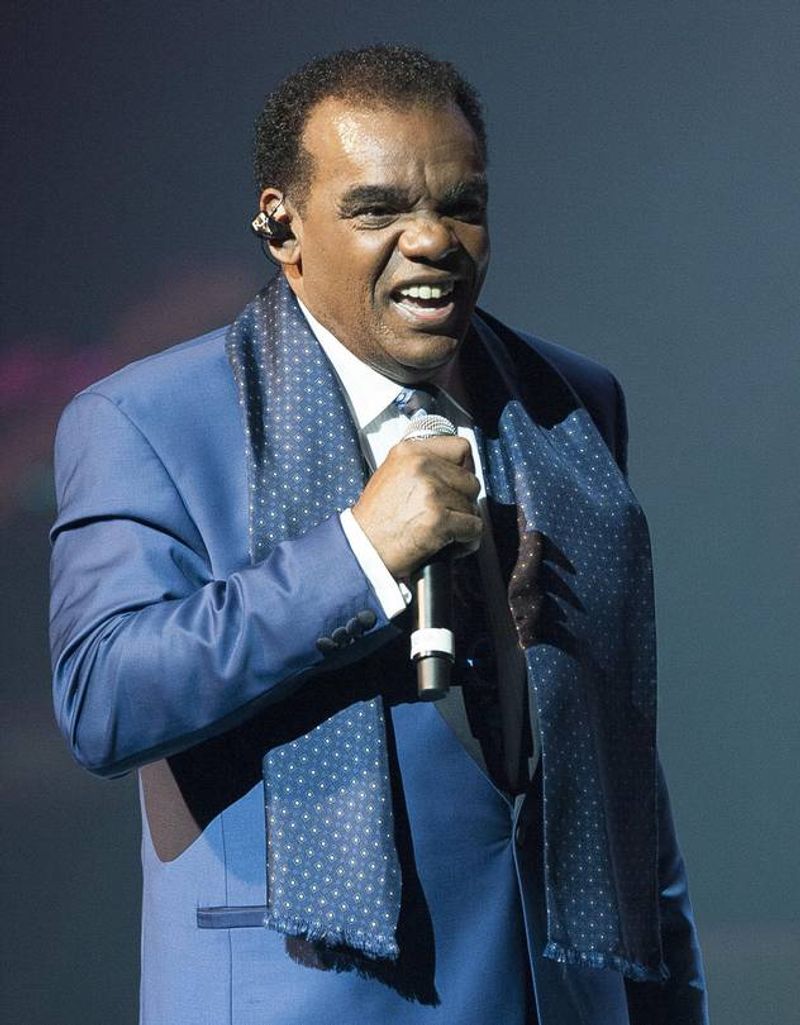
A party seems to break out every time this record starts. Released in 1959, Shout grew from The Isley Brothers’ stage performances, where gospel energy and audience participation could stretch a simple idea into a celebration.
Its recording is often described as a single take, though detailed session accounts are less commonly cited. Hear how the calls and responses keep lifting the excitement.
That shared momentum matters more than polish, making listeners feel invited rather than merely entertained.
13. The Wreck of the Edmund Fitzgerald – Gordon Lightfoot Holds Steady
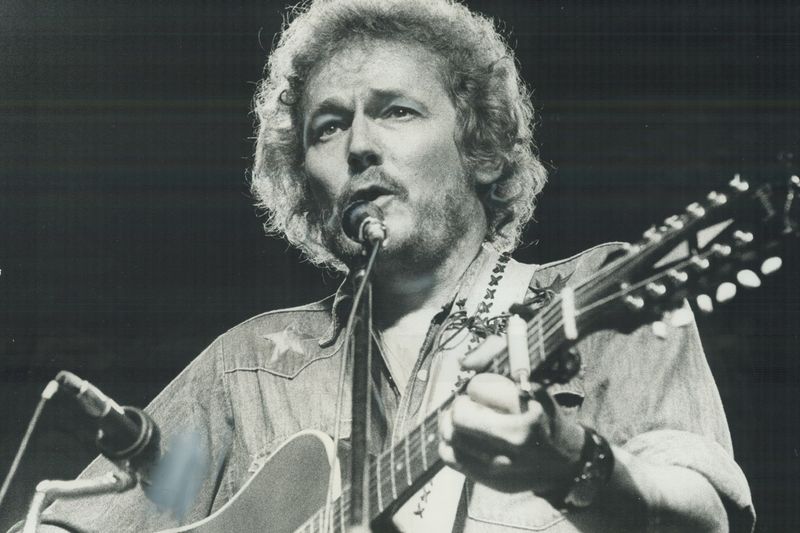
A real disaster called for a steady storyteller, not flashy studio tricks. Gordon Lightfoot’s account of the Edmund Fitzgerald sinking reportedly came together in a remarkable first complete performance with his accompanying musicians.
Stories from the session describe Lightfoot arriving prepared while the players learned the arrangement around him. Follow the repeating melody and restrained rhythm as the verses unfold.
Their consistency keeps attention on the people lost, giving the song its grave sense of purpose throughout.
14. Somewhere Over the Rainbow/What a Wonderful World – Israel Kamakawiwoʻole Keeps It Simple
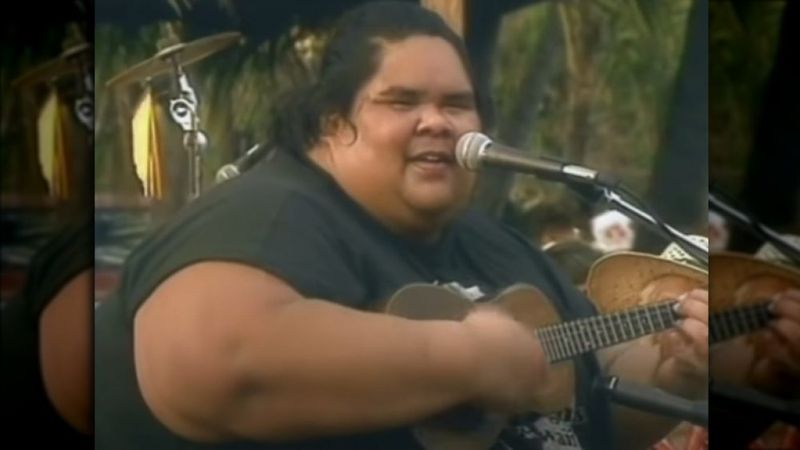
Late at night, a voice and a ukulele created something that still makes busy rooms fall quiet. Israel Kamakawiwoʻole recorded his beloved medley in a single take during a Honolulu studio visit in 1988.
Engineer Milan Bertosa later recalled the unexpected session and the beauty of that first performance. The arrangement leaves plenty of space around the singing.
For a different listening experience, skip multitasking and notice the breaths, pauses, and warmth that give the recording its closeness.
15. Bette Davis Eyes – Kim Carnes Finds the Right Sound
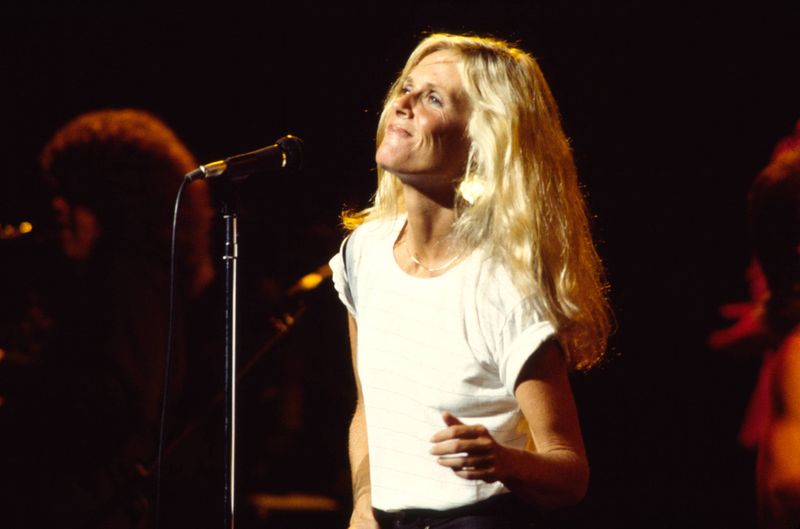
That raspy voice met the right arrangement, and an older song suddenly sounded brand new. Kim Carnes’s 1981 hit is often described as a first-take success, built around a striking band performance and cool keyboard textures.
Accounts vary in how they describe the basic track and later studio work, so a completely untouched recording is a stronger claim. Listen instead to the confident mood.
Its blend of mystery and restraint helped the single spend nine weeks at number one.