
Not every act of kindness is what it seems. Some people who appear warm, generous, and caring are actually using those behaviors to control, manipulate, or get something in return.
Recognizing the difference between genuine kindness and narcissistic behavior can protect your emotional health and help you build healthier relationships. Keep reading to spot the warning signs.
1. Performative Generosity

Ever notice someone who gives gifts only when there is an audience to witness it? Performative generosity looks like kindness on the surface, but the real goal is applause and admiration.
The gift is not about you – it is about how giving it makes them look.
Watch for patterns where the generosity disappears behind closed doors. If someone only helps when others are watching, that is a major red flag worth paying attention to.
2. Strategic Helpfulness

Offering help feels wonderful, but sometimes it comes with a hidden agenda. A narcissist may volunteer advice on your finances, career, or personal choices not to support you, but to slowly make you dependent on them.
Over time, you start believing you cannot manage without their input.
Genuine helpers respect your boundaries and step back when you say no. If someone keeps pushing their help even after you decline, consider what they might be gaining from the arrangement.
3. Love Bombing

At first, love bombing feels like a fairy tale. Constant compliments, endless attention, and over-the-top romantic gestures can sweep anyone off their feet.
But this flood of affection is often a calculated move to hook someone quickly before they can see clearly.
Once the narcissist feels secure in the relationship, the warmth often fades fast. If someone goes from zero to obsessed in record time, slow down and pay attention to whether the intensity feels genuine or pressured.
4. Feigned Empathy

Narcissists can be surprisingly good at acting empathetic. They study emotions and learn the right things to say, making them appear deeply understanding.
However, beneath the performance, they are gathering information rather than genuinely connecting with your pain.
Real empathy involves feeling with someone, not just understanding their situation intellectually. If a person always seems to use your vulnerabilities against you later, their compassion was likely a tool, not a true emotional response.
5. Playing the Victim

Flipping the script is a classic narcissistic move. When confronted about harmful behavior, they quickly reframe the story so that they become the one who was wronged.
Suddenly, the person who was hurt ends up apologizing to the one who caused the damage.
Pay attention to how someone responds when held accountable. A pattern of always being the victim, regardless of the situation, is a strong signal that something manipulative is going on beneath the surface.
6. Setting Others Up for Sabotage

Sabotage wrapped in a smile is one of the sneakiest narcissistic tactics. On the outside, they seem supportive, offering tips and encouragement.
Behind the scenes, they might share wrong information or quietly undermine your efforts to make sure you fail while they succeed.
Trust your gut if a so-called supporter’s advice consistently leads you in the wrong direction. Genuine supporters celebrate your wins without needing to be the reason behind them.
7. Pitting People Against Each Other
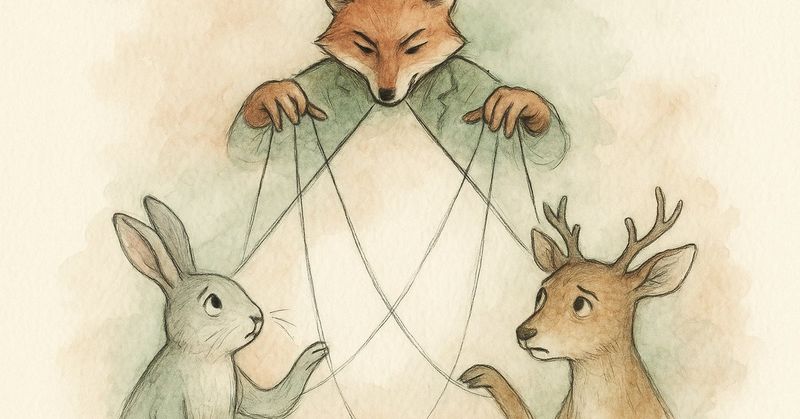
Creating drama between other people is a surprisingly effective way narcissists maintain control. By encouraging competition for their attention or stirring up jealousy, they position themselves as the center of everyone’s world.
It keeps people too busy fighting each other to notice what the narcissist is doing.
Healthy relationships do not come with built-in rivalry. If someone seems to enjoy watching people around them compete or clash, consider whether they are the one quietly lighting the fire.
8. Conditional Kindness

Kindness with a price tag attached is not really kindness at all. Narcissists often give generously but keep a mental scorecard.
If you do not return the favor in the way they expect, the warmth disappears and guilt trips begin.
Authentic generosity comes without hidden invoices. When you notice that someone’s good mood toward you is directly tied to whether you are meeting their expectations, that is conditional kindness working exactly as they intend it to.
9. Charming Demeanor That Fades

Few things are as disorienting as watching someone’s personality change once they feel they have won you over. Early on, narcissists can be magnetic, funny, and incredibly attentive.
After securing your trust or loyalty, that engaging energy tends to vanish without explanation.
Consistency is a hallmark of genuine character. If someone’s charm seems to switch off the moment they feel comfortable or once you have committed to the relationship, what you saw at the start may have been a carefully crafted performance.
10. Mirroring Interests

Discovering that someone shares all your favorite hobbies, movies, and values can feel like destiny. However, narcissists are skilled at mirroring – reflecting your interests back at you to create an instant, almost magical sense of connection.
It feels real, but it is often manufactured.
Over time, their enthusiasm for those shared interests tends to fade or shift. If someone’s passions seem to perfectly match whoever they are trying to impress, that compatibility might be a mirror rather than a match.
11. Gaslighting Disguised as Care

“I am just worried about you” can sound like love, but in the hands of a narcissist, it becomes a tool to make you question yourself. Gaslighting wrapped in concern slowly erodes your confidence in your own memory and judgment, making you lean on the narcissist for reassurance.
Caring people lift your self-trust, not chip away at it. If someone’s “concern” consistently leaves you feeling confused, crazy, or incapable of trusting your instincts, their care may be doing far more harm than good.
12. Lack of Patience Hiding Behind Entitlement

Scratch the surface of some “kind” people and you will find a short fuse underneath. Narcissists can maintain a pleasant front as long as their needs are met and praise keeps coming.
The moment expectations go unmet, the mask slips and hostility takes over.
Real kindness does not evaporate under pressure. Someone who transforms from charming to cold or aggressive the second they feel overlooked is likely performing kindness rather than genuinely living it as a value.
13. Exaggerated Sacrifices

Everyone makes sacrifices for people they love, but most people do not bring them up constantly. A narcissist, however, treats their sacrifices like currency, reminding you of every favor, every inconvenience, and every effort they have made on your behalf.
The goal is guilt, not gratitude.
Genuine sacrifice does not come with a running tally. When someone repeatedly brings up what they have done for you, especially during disagreements, they are likely using those acts as leverage rather than expressing real care.
14. Boasting About Good Deeds

Volunteering and donating are wonderful things, but announcing them at every opportunity changes the nature of the act entirely. Narcissists often broadcast their charitable behavior not to inspire others, but to collect admiration and build a reputation as a deeply good person.
Truly humble people tend to let their actions speak quietly. If someone cannot seem to do a good deed without making sure everyone around them hears about it, the real beneficiary of that kindness may be their own ego.
15. Using Compliments for Manipulation

A well-timed compliment can feel amazing, but flattery used as a tool is a different story. Narcissists often pour on the praise early in a relationship to lower your guard and speed up emotional closeness.
Once you feel bonded, they have much easier access to what they want.
Authentic compliments feel warm and specific, not overwhelming or perfectly timed to get something. If someone’s flattery seems to ramp up right before they need a favor, your instincts about the pattern are probably right.
16. Isolating You For Your Own Good

Cutting someone off from their support network is far easier when it is framed as protection. A narcissist might warn you that certain friends are bad influences or that family members do not have your best interests at heart.
Slowly, your world shrinks to just them.
People who truly care about you want you to have a strong community around you. If someone consistently discourages your connections with others, especially people who know you well, ask yourself who that isolation is really serving.
17. Inconsistent Public vs. Private Behavior

When someone is the life of the party but a completely different person behind closed doors, that gap is worth examining. Narcissists often maintain a polished, likeable public image while treating close partners or family members with criticism, coldness, or contempt in private settings.
Consistency between public and private selves is a sign of genuine character. If the person others rave about seems nothing like the one you live with or know closely, you may be seeing the real version that most people never get to witness.
18. The Savior Complex

Some people are drawn to fixing others, and while that can come from a good place, a narcissist’s version of rescuing is rarely about the person being helped. Seeking out vulnerable individuals to “save” feeds their sense of superiority and keeps the other person feeling grateful and dependent.
A real supporter empowers you to stand on your own. If someone’s help always seems to leave you needing more of them rather than building your own strength, their rescue mission may be more about their ego than your growth.