
Spices have been flavoring food and supporting health for thousands of years, but some of them come with surprising effects that older adults should know about. As the body changes with age, certain spices can interact with medications, affect blood pressure, or cause unexpected reactions.
Knowing which spices to enjoy in moderation can make a big difference in staying healthy and feeling great. Here is a closer look at 15 spices that deserve a little extra attention.
1. Turmeric
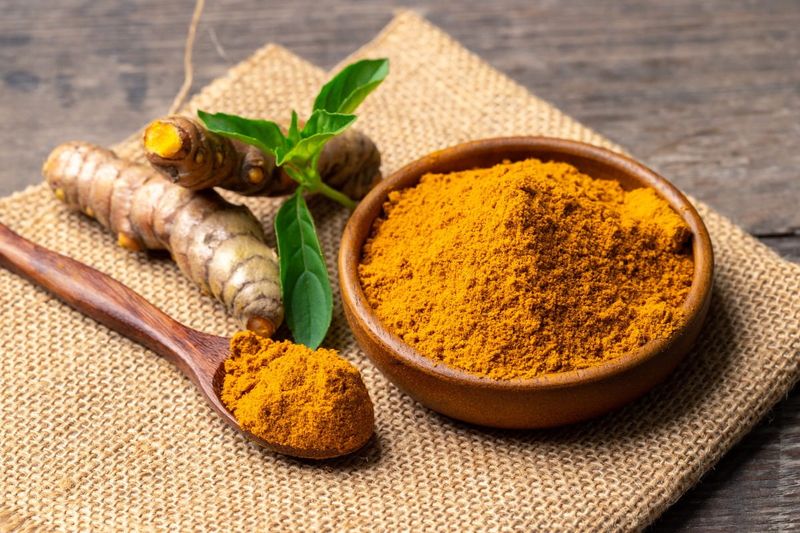
Turmeric is beloved for its anti-inflammatory properties, but older adults on blood thinners like warfarin should pay close attention. High amounts of curcumin, the active compound in turmeric, can increase bleeding risk when combined with these medications.
Even natural supplements can have powerful effects on the body. Sticking to normal cooking amounts is generally safe, but large supplement doses are worth discussing with a doctor first.
2. Cinnamon
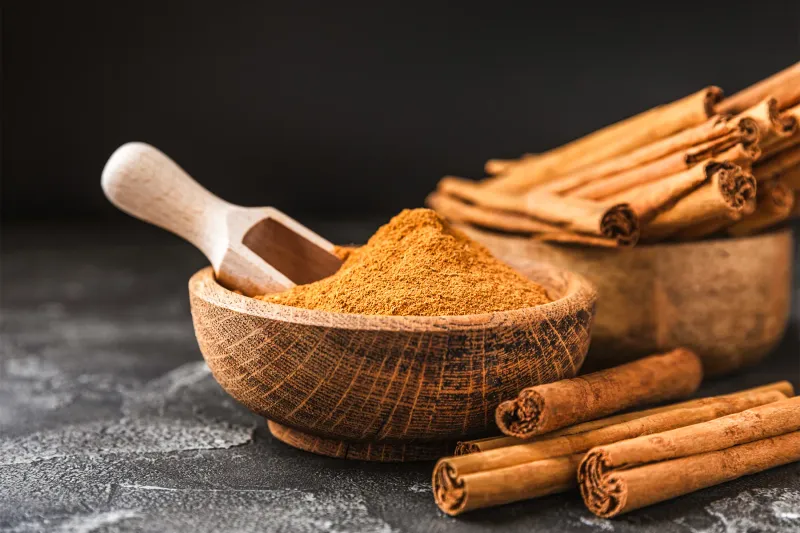
A sprinkle of cinnamon on oatmeal feels cozy and harmless, but too much of the Cassia variety can cause problems. Cassia cinnamon contains coumarin, a compound that may harm the liver in large amounts, especially in people with existing liver concerns.
Ceylon cinnamon is a safer choice for daily use. Older adults who love cinnamon regularly should check which type they are buying, since labels do not always make this clear.
3. Garlic
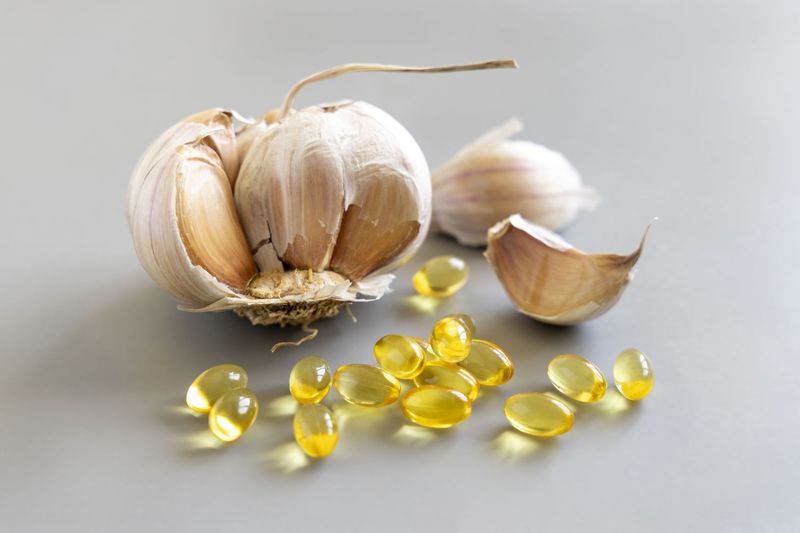
Garlic has earned a strong reputation as a heart-healthy food, and for good reason. However, it also acts as a natural blood thinner, which can become a concern for older adults taking anticoagulant medications or preparing for surgery.
Eating garlic in cooking is usually fine, but garlic supplements are much more concentrated. Anyone on medication should let their doctor know if they are taking garlic in supplement form regularly.
4. Ginger
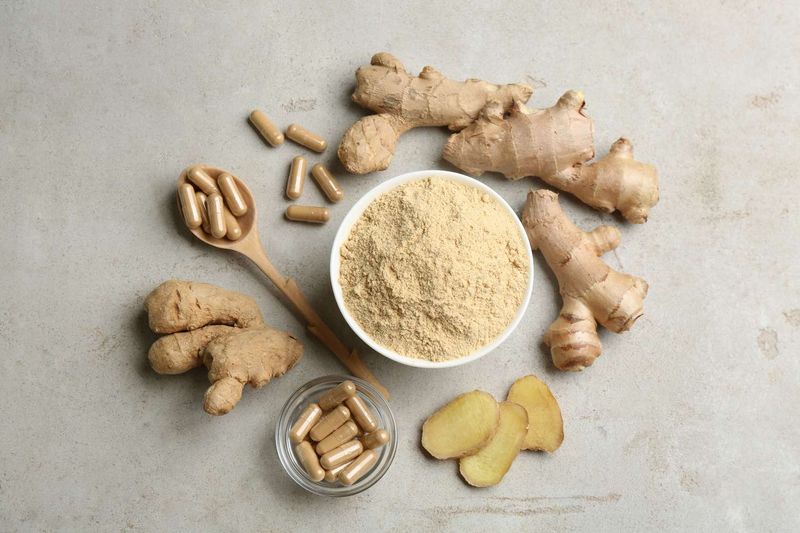
Ginger is a go-to remedy for nausea and digestion, and many older adults reach for it often. The catch is that ginger can also thin the blood, making it a concern for those already on anticoagulant or antiplatelet medications.
Large doses may also lower blood sugar levels, which matters for anyone managing diabetes. Enjoying ginger tea or using it lightly in meals is usually fine, but concentrated ginger supplements need a second look.
5. Black Pepper
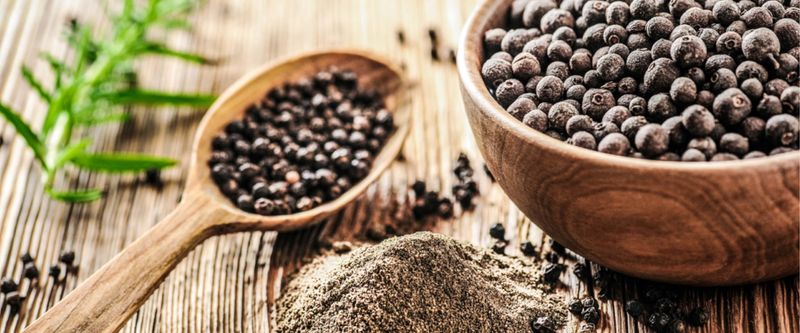
Black pepper is the world’s most commonly used spice, sitting on almost every dining table. What many people do not realize is that piperine, the compound that gives pepper its kick, can significantly affect how the body absorbs certain medications.
For older adults taking drugs like phenytoin or cyclosporine, this interaction can be meaningful. A little pepper on food is not a problem, but very high amounts found in some supplements may interfere with medication effectiveness.
6. Cayenne Pepper
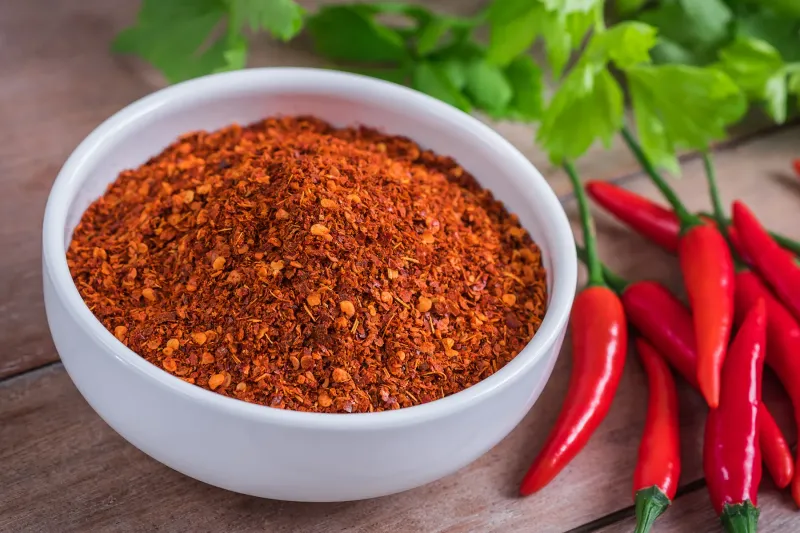
Cayenne pepper brings heat and metabolism benefits, but it can also irritate the stomach lining, especially for older adults who already deal with acid reflux or ulcers. The active compound capsaicin is powerful and can worsen gastrointestinal discomfort.
People taking blood pressure medications should also be cautious, since cayenne may interact with some of these drugs. Using it lightly as a flavor enhancer is usually fine, but heavy use deserves a conversation with a healthcare provider.
7. Licorice Root
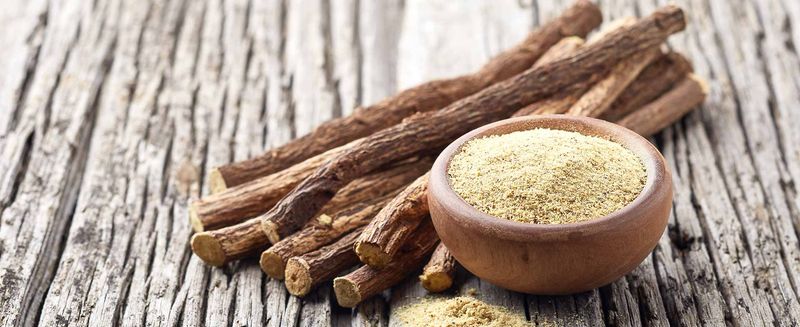
Licorice root has a long history in herbal medicine, but it carries a serious caution for older adults. A compound called glycyrrhizin can raise blood pressure and lower potassium levels, which is risky for anyone with heart or kidney conditions.
Even black licorice candy made with real licorice extract has caused problems in older individuals when eaten frequently. The FDA has actually warned that eating two ounces of black licorice daily for two weeks can trigger heart rhythm issues.
8. Nutmeg
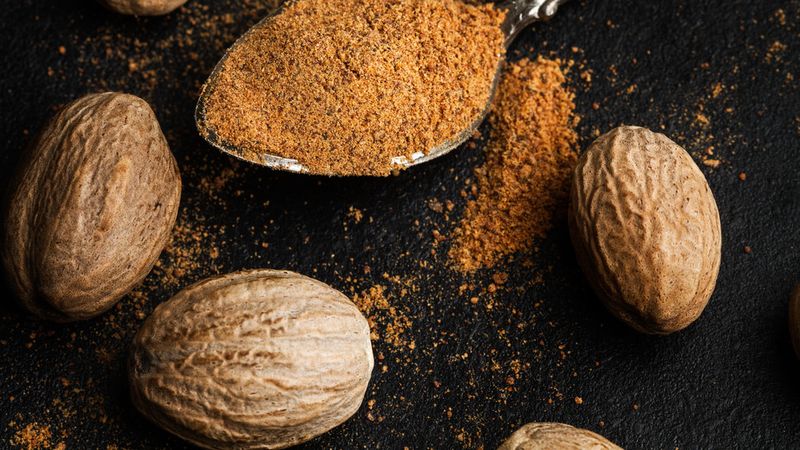
Nutmeg adds warmth to baked goods and holiday drinks, but it has a surprising side: in large amounts, it can be mildly toxic. The compound myristicin affects the nervous system and can cause hallucinations, nausea, and dizziness.
Older adults are generally more sensitive to substances that affect the nervous system, so this matters more with age. Normal cooking amounts are completely safe, but accidentally using too much or taking it as a supplement is where the risk begins.
9. Fenugreek
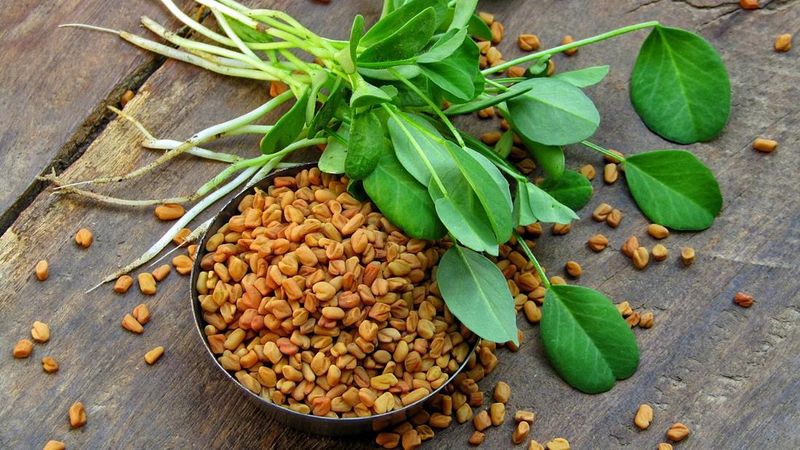
Fenugreek seeds are popular in South Asian cooking and are also used as a supplement for blood sugar control. For older adults managing diabetes, this can actually lower blood sugar too much when combined with diabetes medications.
Fenugreek can also slow down the absorption of oral medications if taken at the same time. Spacing out when you eat fenugreek-heavy meals versus when you take medications is a smart habit worth developing.
10. Cloves
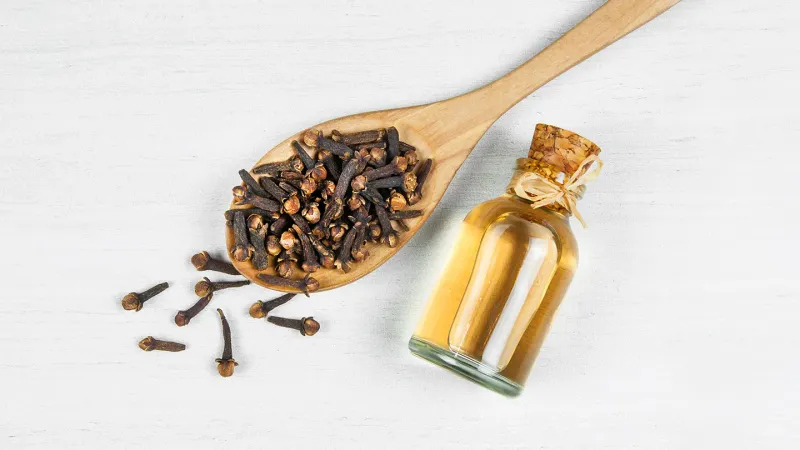
Cloves contain a compound called eugenol, which has both pain-relieving and blood-thinning properties. For older adults already taking aspirin or blood thinners, adding large amounts of clove to meals or using clove oil could increase bleeding risk.
Clove oil is far more concentrated than the spice itself and should be used with real caution. Cooking with cloves in normal amounts is generally harmless, but it is worth keeping this spice on the radar for those on multiple medications.
11. Sage
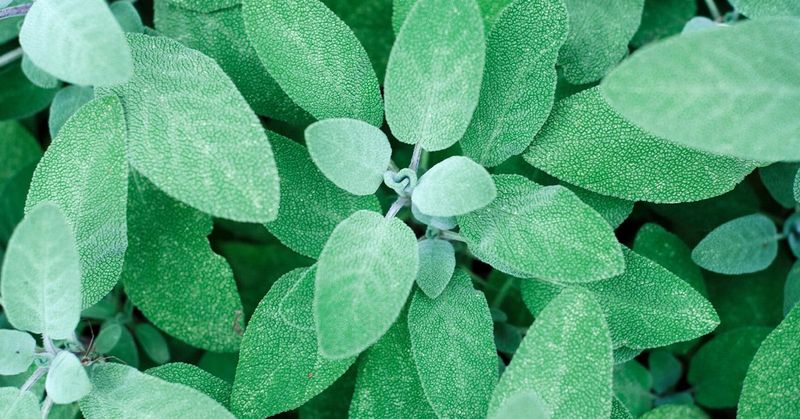
Sage is a fragrant herb that works beautifully in stuffing and roasted meats, but it contains thujone, a compound that can affect the nervous system in high doses. For older adults with seizure disorders or on certain medications, this is worth knowing.
Sage supplements or sage essential oil carry far more thujone than cooking with fresh leaves. Keeping sage as a culinary herb rather than a daily supplement is the safest path for most older adults.
12. Paprika
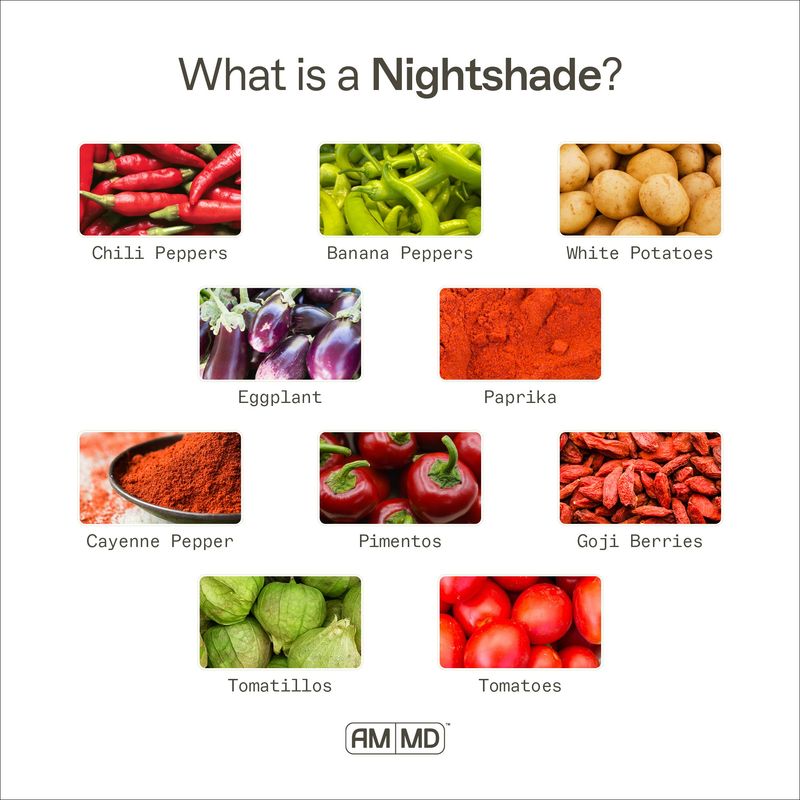
Paprika might seem like a mild and harmless seasoning, but it belongs to the nightshade family, which can trigger inflammation in some individuals. Older adults dealing with arthritis or autoimmune conditions sometimes find that nightshade vegetables and spices worsen their symptoms.
Not everyone reacts this way, and the science is still debated, but paying attention to how your body feels after eating paprika-heavy dishes is a reasonable approach. Keeping a simple food journal can help spot patterns over time.
13. Star Anise
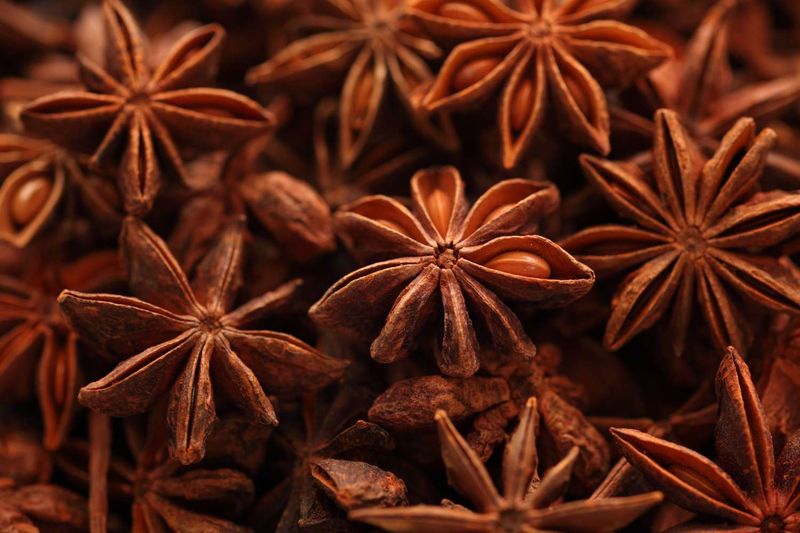
Star anise has a lovely licorice-like flavor, but it shares some of the same concerns as licorice root. It contains anethole, which in large amounts can affect estrogen levels and may interact with hormone-sensitive conditions or medications.
There have also been reports of neurological side effects from certain star anise teas, particularly when Chinese star anise is confused with Japanese star anise, which is toxic. Buying from trusted sources and using it in cooking only is the smart move.
14. Cumin
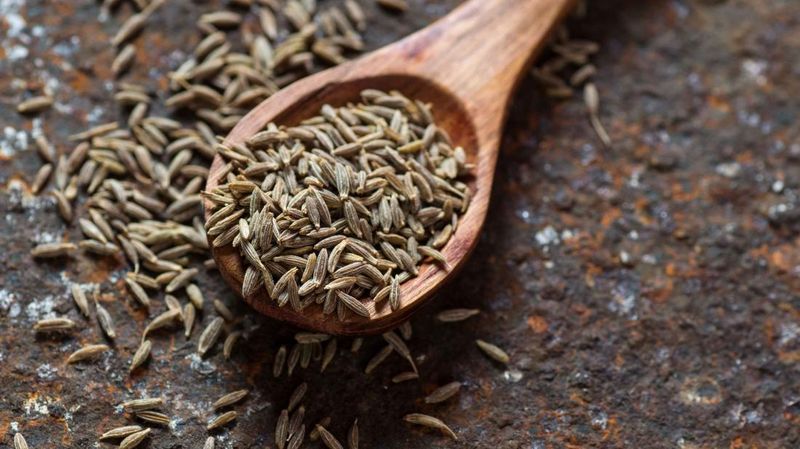
Cumin is a staple in Mexican, Indian, and Middle Eastern cooking, and most people never think twice about it. For older adults managing blood sugar, though, cumin has a notable glucose-lowering effect that could amplify the action of diabetes medications.
It may also slow blood clotting slightly, adding another layer of consideration for those on blood thinners. Used in everyday cooking, cumin is perfectly fine, but heavy supplementation is where caution becomes more important.
15. Peppermint
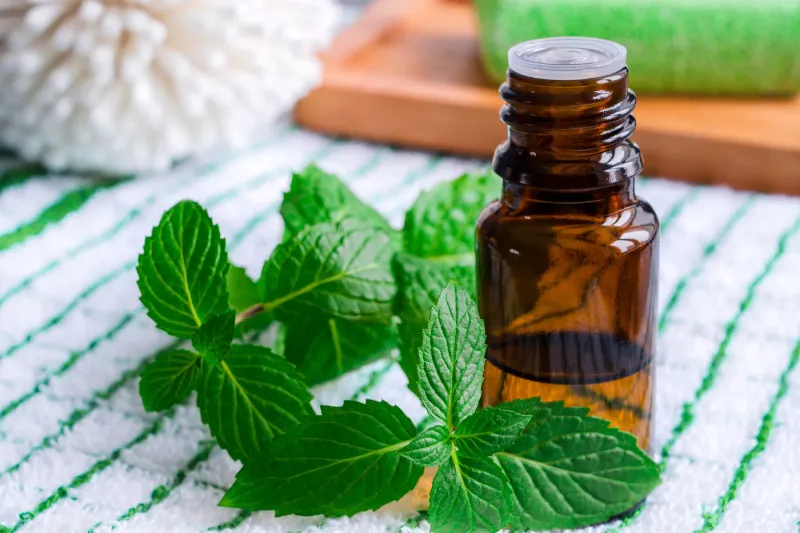
Peppermint is refreshing and widely used in teas, candies, and digestive aids, but it relaxes the lower esophageal sphincter. For older adults with acid reflux or GERD, this relaxation can actually make heartburn symptoms worse.
Peppermint oil capsules, often used for irritable bowel syndrome, can interact with certain medications that the liver processes. Enjoying peppermint tea occasionally is usually fine, but relying on it heavily for digestion without medical guidance is not always the best idea.