
Ever finish lunch and suddenly feel like you could take a nap right at your desk? You are not imagining it.
Certain foods can trigger a wave of tiredness that sneaks up on you faster than you might expect. Knowing which foods do this can help you make smarter choices and power through the rest of your day.
1. White Rice
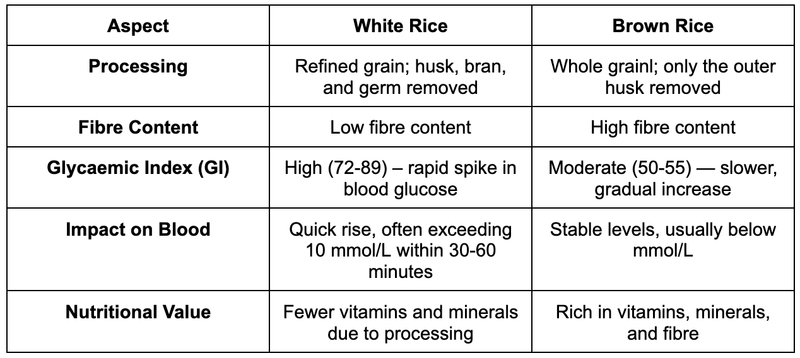
White rice is a lunchtime staple for millions of people, but it hides a sneaky secret. It has a very high glycemic index, which means it causes your blood sugar to spike quickly and then crash hard.
That crash is what sends you straight to sleepyland.
Swapping white rice for brown rice or quinoa can make a surprising difference in your afternoon energy levels. Small changes at lunch add up fast.
2. Turkey

Turkey has a reputation as the ultimate sleep-inducing food, and science backs that up. It contains tryptophan, an amino acid your body uses to make serotonin and melatonin, both of which encourage relaxation and sleepiness.
Even a modest serving at lunch can start that drowsy process.
Pairing turkey with lighter sides instead of heavy starches may help soften the sleepy effect. Your afternoon productivity will thank you for thinking ahead.
3. White Bread
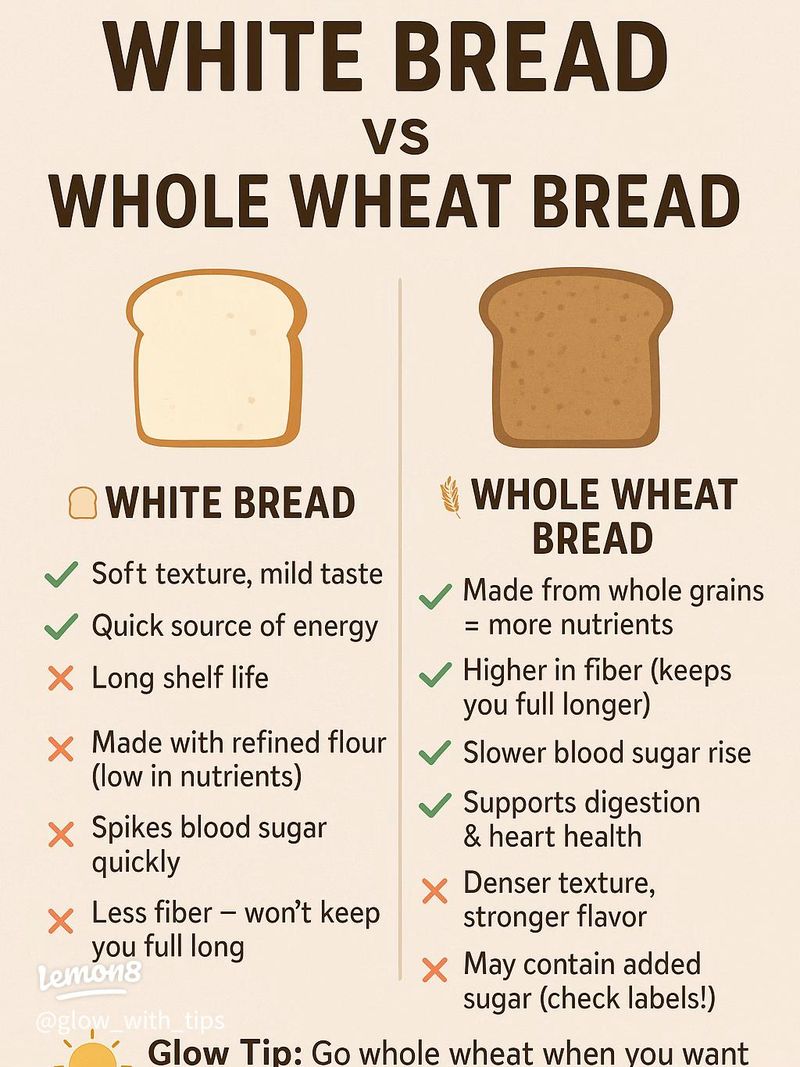
White bread is basically white rice in sandwich form when it comes to your blood sugar. Refined flour is stripped of fiber, so your body digests it at lightning speed, sending glucose rushing into your bloodstream.
The energy spike feels great for about twenty minutes before the inevitable crash hits.
Choosing whole grain bread keeps digestion slower and energy steadier. That one swap can genuinely change how your afternoon feels.
4. Pasta

A big bowl of pasta at lunch is comfort food at its finest, but comfort food often comes with a comfort nap attached. Pasta made from refined flour behaves like white bread in your body, flooding your system with simple carbohydrates that burn off quickly.
The resulting blood sugar drop can leave you feeling foggy and heavy-eyed within an hour. Opting for whole wheat pasta or smaller portions helps keep your energy from nosediving after lunch.
5. Cherries

Cherries might seem like an innocent, healthy lunch dessert, but they are one of the few fruits that naturally contain melatonin. Melatonin is the hormone your brain uses to signal that sleep time is approaching, so eating cherries during the day can send mixed signals to your body.
Tart cherries have the highest melatonin levels of all varieties. Saving cherries for an evening snack is a smarter move if you need to stay sharp after lunch.
6. Salmon

Salmon is packed with omega-3 fatty acids and vitamin D, both of which have been linked to better sleep quality. Sounds great for bedtime, but less ideal when you eat it at noon.
Research suggests that vitamin D and omega-3s together may boost serotonin production, nudging your brain toward a calmer, sleepier state.
Salmon is genuinely nutritious, so skipping it is not the answer. Try pairing it with energizing vegetables and a light dressing to balance things out.
7. Bananas
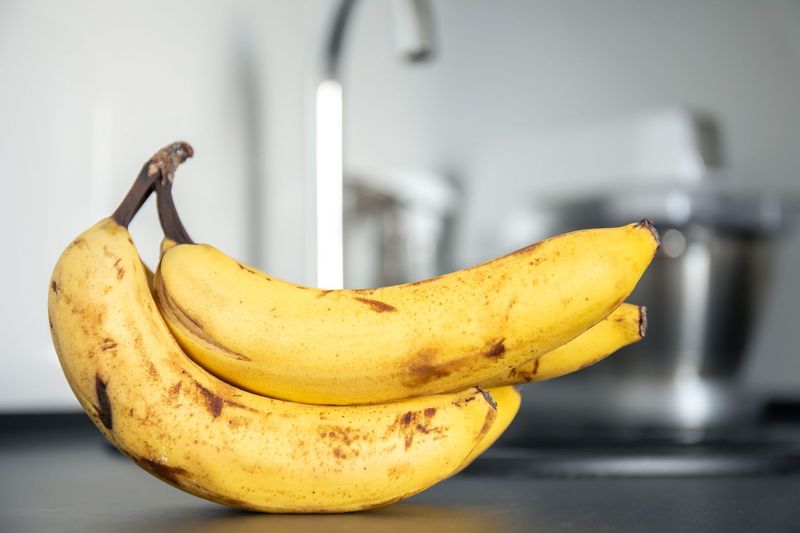
Bananas are a go-to lunch snack, but they quietly work against your afternoon alertness. They are rich in magnesium and potassium, two minerals that relax muscles and calm the nervous system.
On top of that, bananas contain tryptophan, which your body converts into sleep-friendly serotonin.
The natural sugars in bananas also cause a moderate blood sugar rise followed by a gentle dip. Eating half a banana instead of a whole one can help moderate the sleepy effect.
8. Almonds
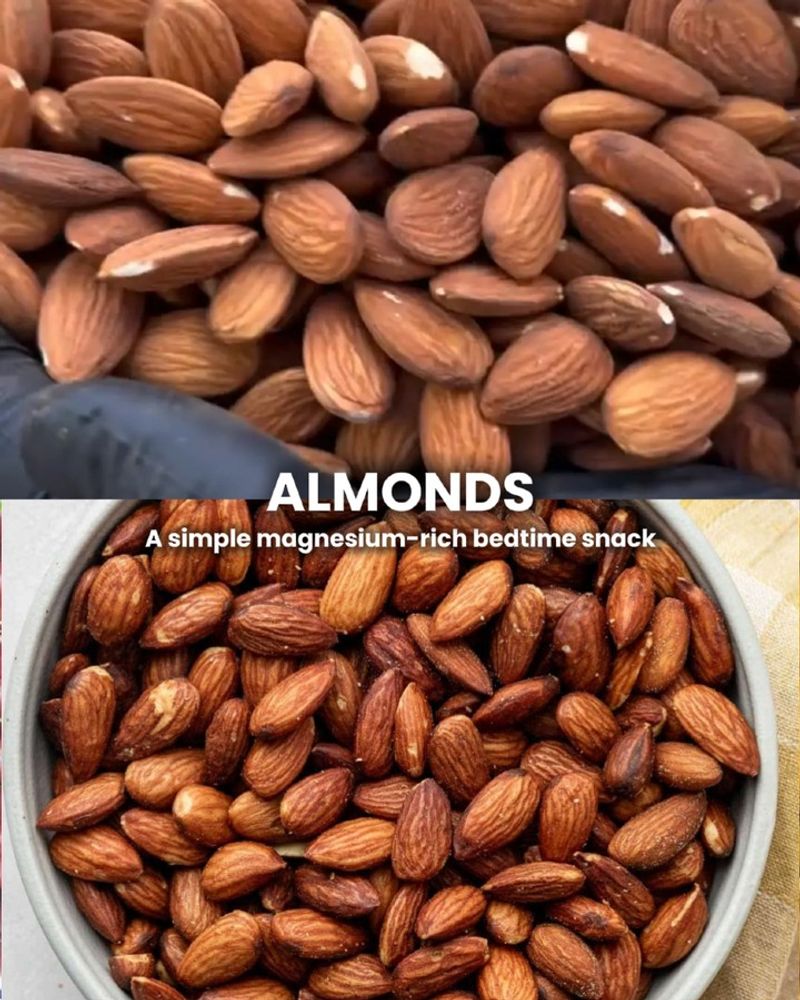
Almonds are often recommended as a healthy snack, and they truly are nutritious. However, they are also loaded with magnesium, a mineral well known for promoting muscle relaxation and encouraging sleep.
Eating a large handful at lunch can leave you feeling noticeably calmer and more sluggish than you planned.
A small portion of almonds paired with protein tends to minimize the drowsy side effect. Portion size really does matter when it comes to afternoon energy management.
9. Hummus

Hummus is made from chickpeas, and chickpeas are surprisingly rich in tryptophan. Combined with the tahini paste in traditional hummus recipes, which adds extra magnesium, you end up with a spread that works almost like a mild natural sedative at lunchtime.
Most people would never guess that their healthy Mediterranean lunch choice is partly responsible for that post-lunch brain fog. Enjoying hummus in smaller amounts with crunchy vegetables helps keep things balanced and your energy steadier.
10. Walnuts
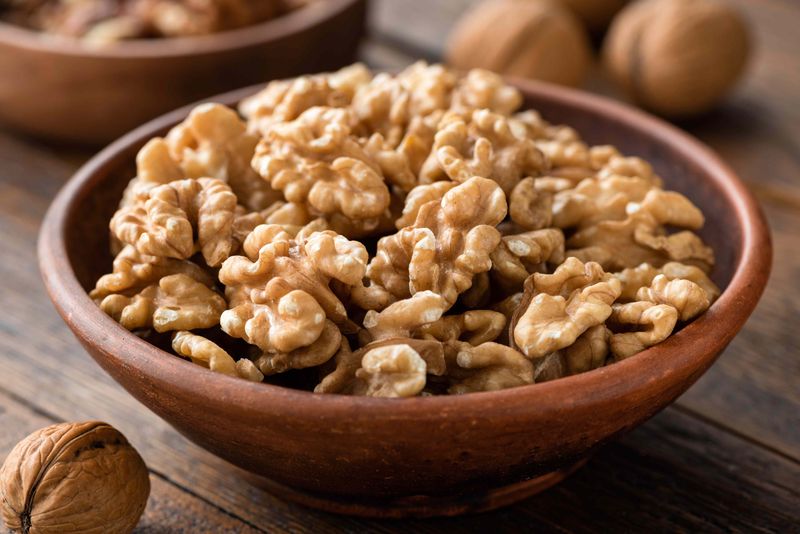
Walnuts stand out because they are one of the only plant foods that contain melatonin directly, not just the building blocks for it. Studies have found that eating walnuts can actually raise melatonin levels in the bloodstream.
For a nighttime snack, that is fantastic news.
For a lunchtime snack, not so much. Sprinkling a few walnuts on a salad rather than eating a full serving keeps you enjoying the nutritional benefits without the heavy eyes that follow a bigger portion.
11. Dairy Products

Milk, cheese, and yogurt all contain tryptophan and calcium, a combination that actively supports melatonin production in the brain. Warm milk before bed is a classic sleep remedy for good reason.
Eating a cheese-heavy lunch or drinking a big glass of milk at noon works through the same biological pathway.
Full-fat dairy tends to have a stronger effect than low-fat versions. Keeping dairy portions moderate at lunch can help you avoid the mid-afternoon slump that many people mistakenly blame on boredom.
12. Lettuce

Lettuce might be the last thing you would expect to find on a sleepiness list, but it has a surprisingly long history as a natural sedative. Romaine and wild lettuce varieties contain a milky substance called lactucarium, which has mild calming and sleep-promoting properties.
You would need to eat quite a lot for a dramatic effect, but a large lunch salad with generous portions of romaine might contribute to that familiar post-lunch drowsiness. Mixing in protein-rich toppings helps counterbalance the effect.
13. Oatmeal
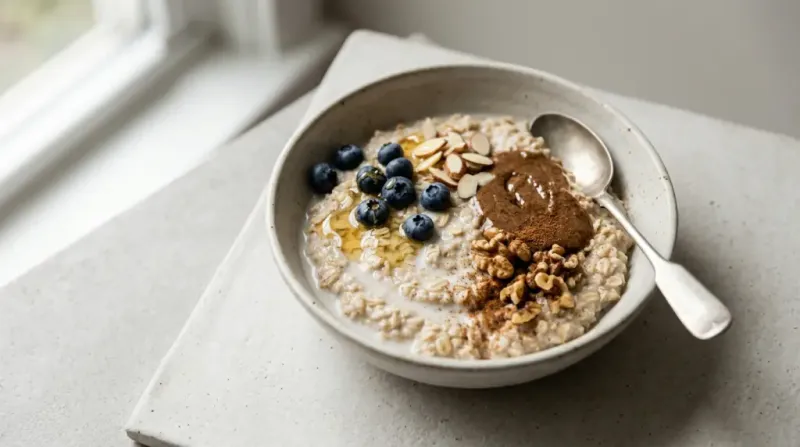
Oatmeal is often praised as a breakfast champion, but eating it at lunch can set off a sleepy chain reaction. Oats are high in complex carbohydrates that gradually raise blood sugar, and they also contain melatonin and tryptophan.
Your body reads all of those signals together as a cue to wind down.
The warm temperature of cooked oatmeal adds another layer of relaxation. Saving oatmeal for breakfast or an evening snack keeps its sleep benefits working in your favor at the right time.
14. Fatty or Fried Foods

Greasy, high-fat lunches force your digestive system into serious overtime. Digesting fat takes significantly more energy and time than processing carbohydrates or protein, which means your body redirects blood flow to the gut and away from your brain.
The result is that foggy, heavy feeling that makes your eyelids droop.
Research also suggests that high-fat meals suppress the hormone orexin, which is responsible for keeping you awake and alert. Lighter lunch options genuinely help your brain stay in the game longer.
15. Alcohol

Even one drink at lunch can dramatically increase afternoon sleepiness. Alcohol is a central nervous system depressant, meaning it slows brain activity and promotes relaxation almost immediately.
Many people feel a pleasant warmth and calm after a lunchtime drink, but that feeling quickly shifts into sluggishness.
Alcohol also disrupts the quality of any nap or nighttime sleep that follows. Skipping the midday drink keeps your mind sharper and your body performing at its best for the rest of the day.
16. Sugary Desserts

Finishing lunch with a sugary dessert feels like a reward, but your energy levels pay the price within the hour. Sugar causes a sharp spike in blood glucose, which triggers a large insulin release to bring levels back down.
That correction often overshoots, leaving blood sugar lower than before you ate.
Low blood sugar signals the brain to slow down, and drowsiness follows quickly. Choosing fruit or a small piece of dark chocolate satisfies the sweet craving with far less of a crash afterward.
17. Chamomile Tea

Chamomile tea is beloved for its calming qualities, and those qualities do not take a break just because it is lunchtime. The herb contains apigenin, an antioxidant that binds to receptors in the brain linked to sleepiness and reduced anxiety.
Sipping chamomile with your meal is essentially telling your nervous system to take it easy.
Swapping to green tea or plain water at lunch keeps you hydrated without the added sedative effect. Save chamomile for the evening when its magic truly belongs.
18. Large Portions of Any Food

Here is something worth knowing: the sheer size of a meal matters just as much as what is in it. Eating a very large lunch triggers the release of a hormone called cholecystokinin, which signals fullness and also promotes sleepiness.
Your body essentially shifts into rest-and-digest mode after a big meal.
Overeating also stretches the stomach, which puts pressure on surrounding nerves and adds to the sluggish feeling. Eating until you are about 80 percent full is one of the easiest ways to protect your afternoon energy.