
Some of the best baking secrets sound a little silly at first. Who would guess that mayonnaise, vinegar, or a frozen stick of butter could make your treats taste better?
These odd little tricks come from home bakers who tested them again and again until they worked. Try a few, and your kitchen might start turning out bakery-worthy results.
1. Grate Frozen Butter Into Pie Dough
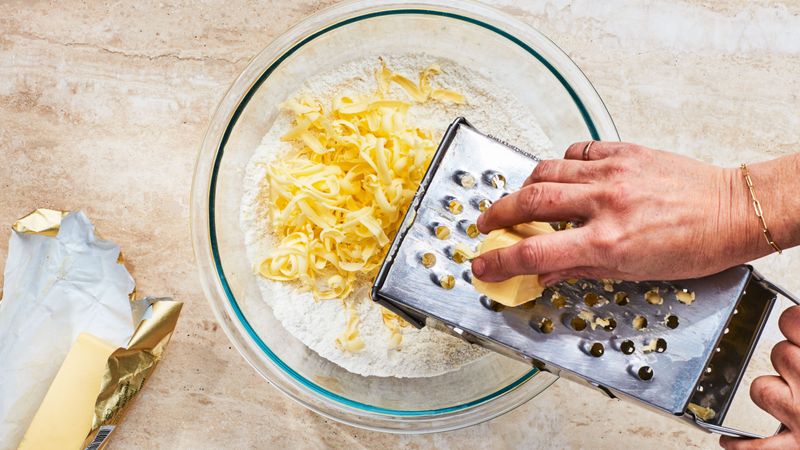
Ever fought with cold butter that refuses to blend? Grab a cheese grater instead.
Freeze your butter for about 30 minutes, then shred it right into your flour.
Those tiny cold flakes spread evenly without melting from your warm hands. In the oven, they release steam and puff up the dough into crisp, flaky layers.
Pie crusts, biscuits, and scones all benefit. Just work fast and toss the shreds gently with a fork.
2. Mayonnaise in Chocolate Cake
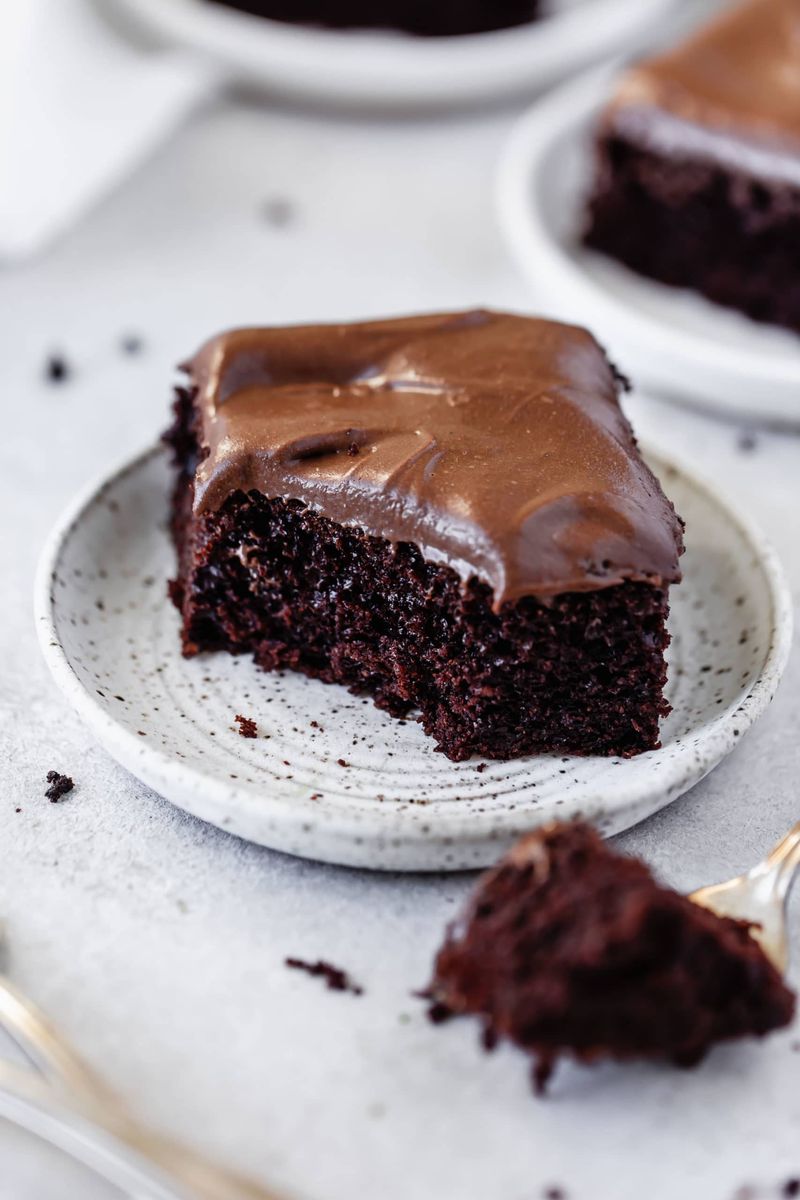
Grandma’s secret ingredient might surprise you. During the Great Depression, families swapped expensive eggs and oil for mayonnaise, since it already contains both.
The result is a chocolate cake that stays incredibly moist for days. You won’t taste any tang, promise.
The vinegar in mayo actually deepens the cocoa flavor a little.
Replace the oil in a boxed mix with an equal amount of mayonnaise and see what happens.
3. A Splash of Vodka for Tender Crust
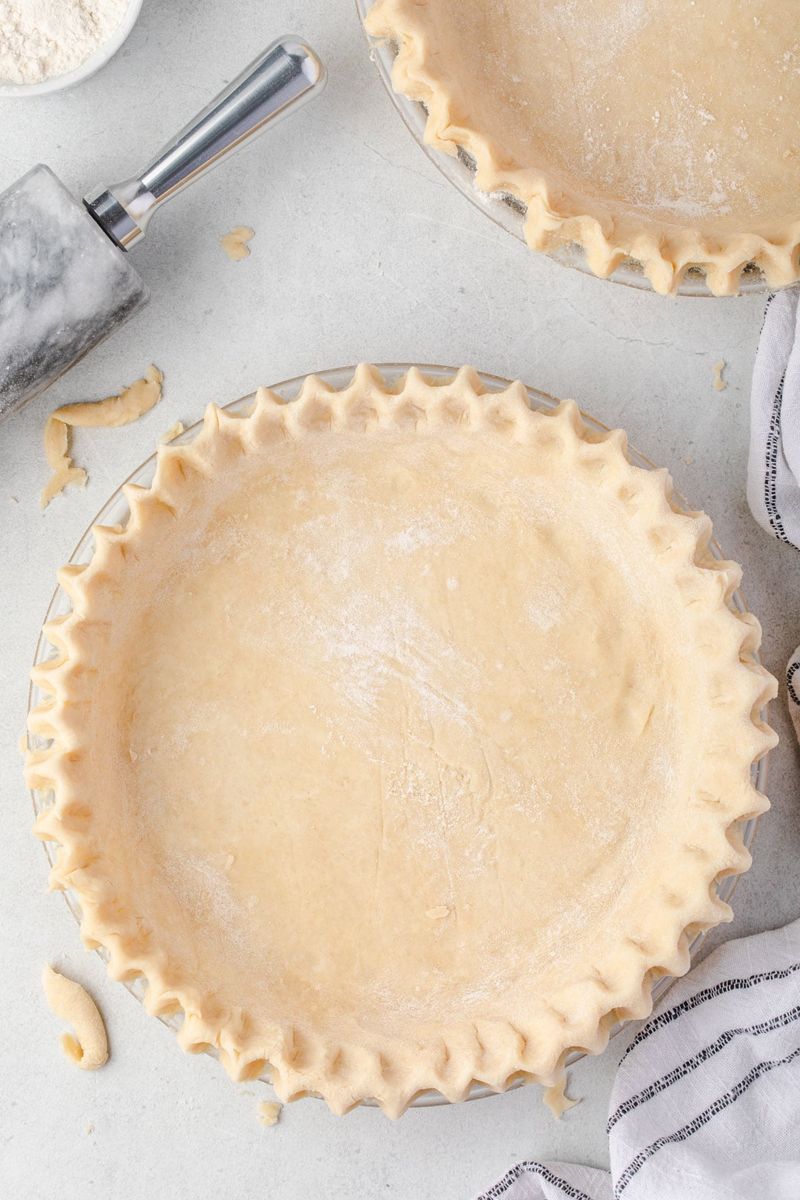
Here’s a trick from professional test kitchens. Swapping half the water in pie dough for cold vodka keeps the crust tender and easy to roll.
Why does it work? Water helps build gluten, which makes crusts tough.
Vodka adds moisture without building as much gluten, and the alcohol bakes away completely.
An adult should handle this step, of course. Kids can still enjoy the flaky, melt-in-your-mouth pie that comes out of the oven.
4. Bang the Pan for Wrinkly Cookies
Bang! Bang!
Your neighbors might wonder what’s happening, but your cookies will thank you.
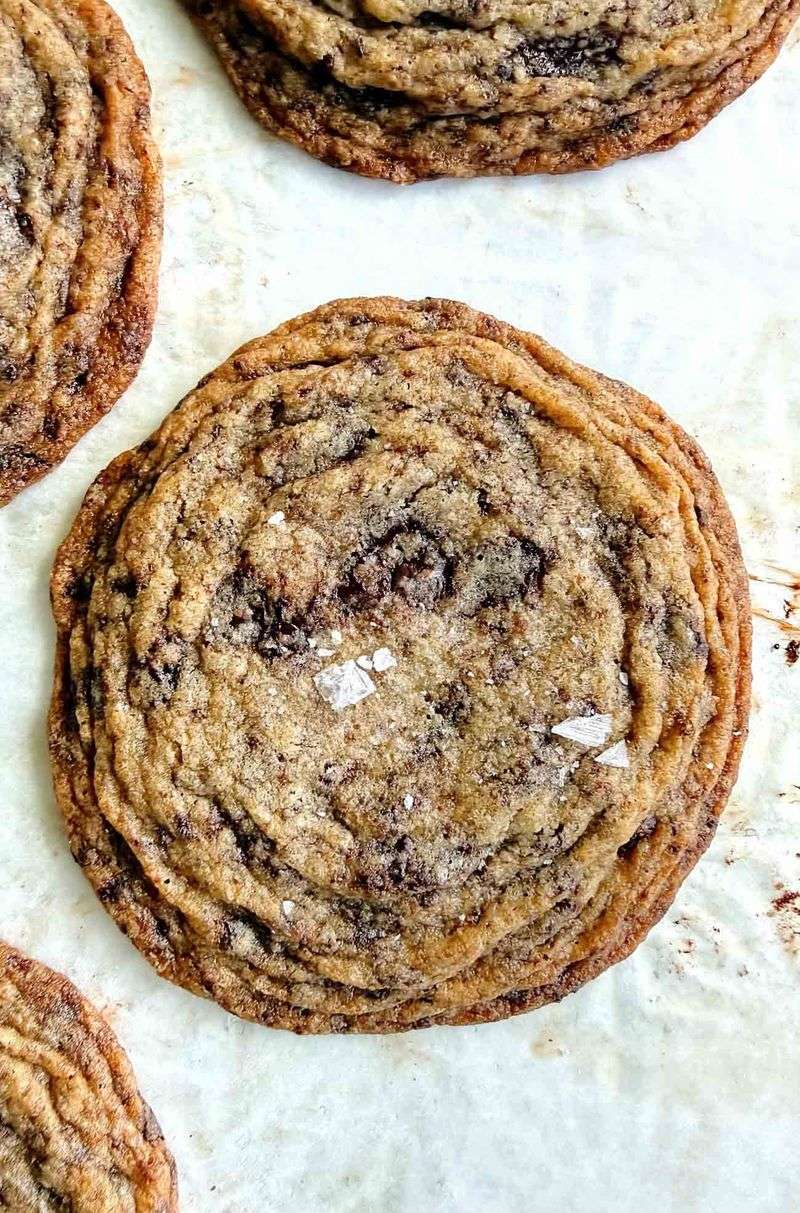
Pulling the baking sheet out halfway through and dropping it on the counter makes puffy cookies collapse. Repeat every couple of minutes, and you’ll get rippled rings with gooey centers and crispy edges.
Food blogger Sarah Kieffer made this method famous online. Use oven mitts, keep it safe, and enjoy cookies that look like they came from a fancy bakery.
5. Brown Butter Changes Everything
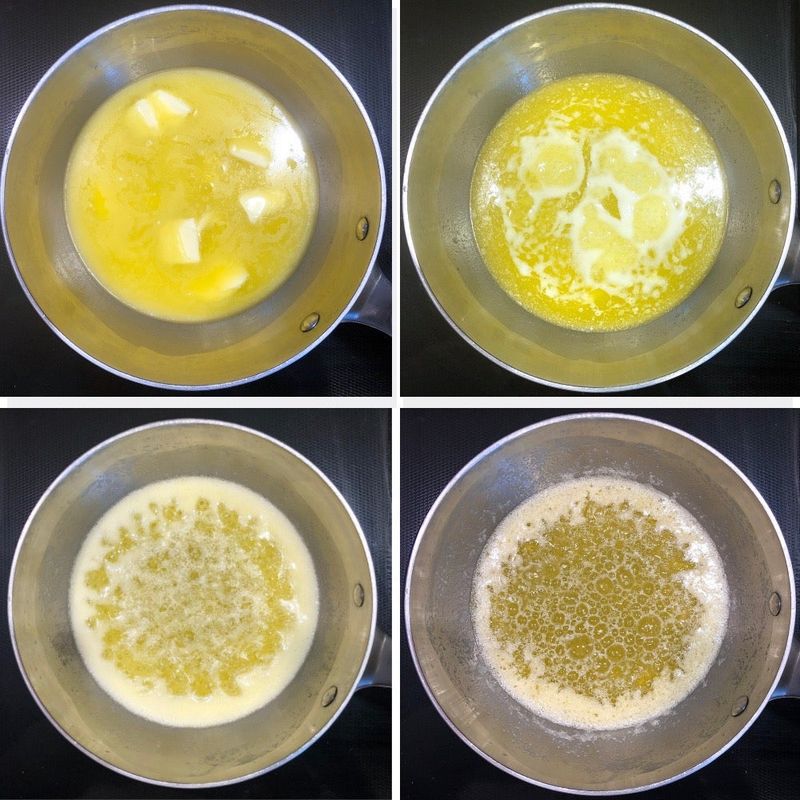
Picture melted butter that smells like toasted hazelnuts. That’s brown butter, and it’s ridiculously easy to make.
Simply cook butter in a light-colored pan over medium heat. Keep stirring until the foam settles and little brown bits appear at the bottom.
Pull it off the heat right away, since it burns quickly.
Let it cool, then use it in cookies, blondies, or banana bread. Every bite gets a rich, caramel-like depth.
6. Chill Your Cookie Dough Overnight
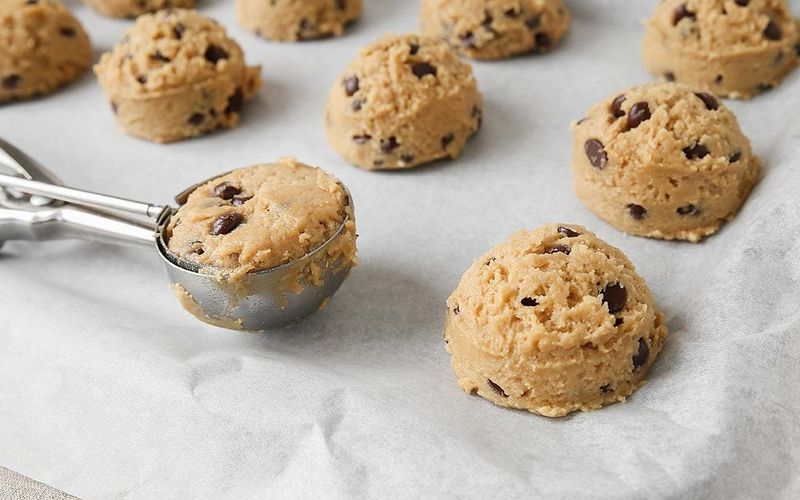
Patience tastes delicious. Waiting a whole day to bake cookies sounds like torture, but the payoff is real.
Resting dough in the fridge lets the flour soak up moisture and the sugars develop toffee notes. The cold fat also keeps cookies from spreading into thin, greasy puddles.
Famous bakeries let their dough rest up to 72 hours! Even one night makes a huge difference in flavor and chewy texture.
7. Vinegar for Fluffier Cakes
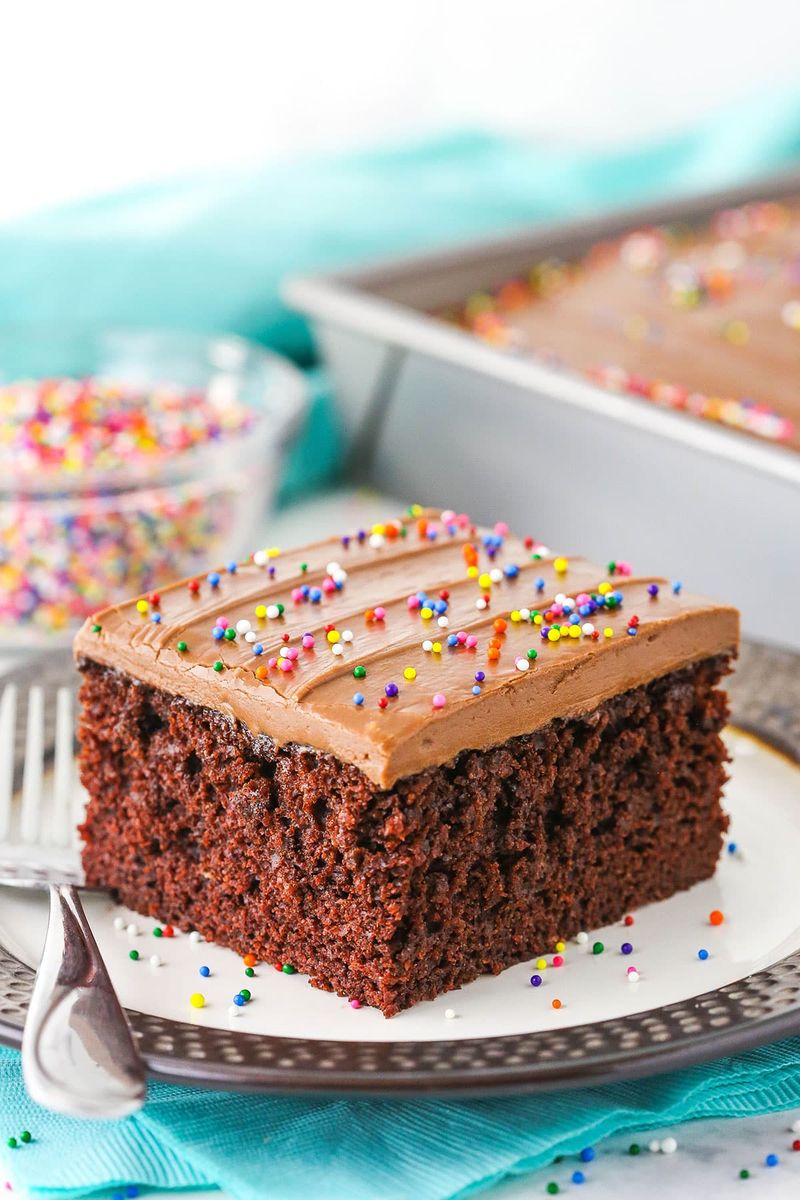
Vinegar in dessert? It sounds sour, but it’s been working magic for nearly a century.
When vinegar meets baking soda, they fizz like a science fair volcano. Those bubbles get trapped in the batter, lifting your cake higher and making it lighter.
Wacky cake, a recipe from World War II, uses this exact reaction since it has no eggs. A teaspoon is usually plenty, and the sour taste disappears completely after baking.
8. Sprinkle Salt on Top
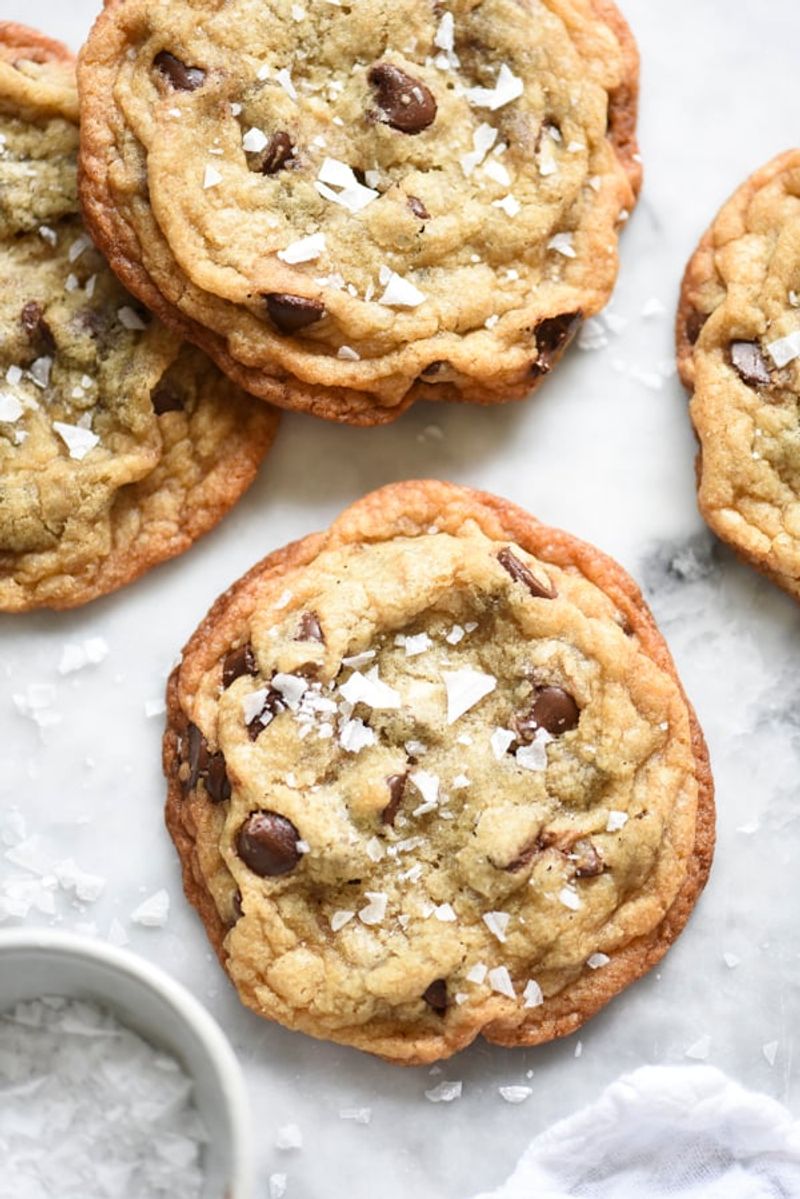
A pinch of flaky salt can turn an ordinary cookie into a showstopper.
Salt doesn’t make sweets taste salty when used lightly. Instead, it wakes up your taste buds, making chocolate taste richer and caramel taste deeper.
It also adds a tiny crunch.
Right after your cookies or brownies leave the oven, sprinkle a few crystals over them. Sea salt flakes work best because they stick to warm surfaces and look gorgeous too.
9. Coffee Makes Chocolate Taste More Chocolatey
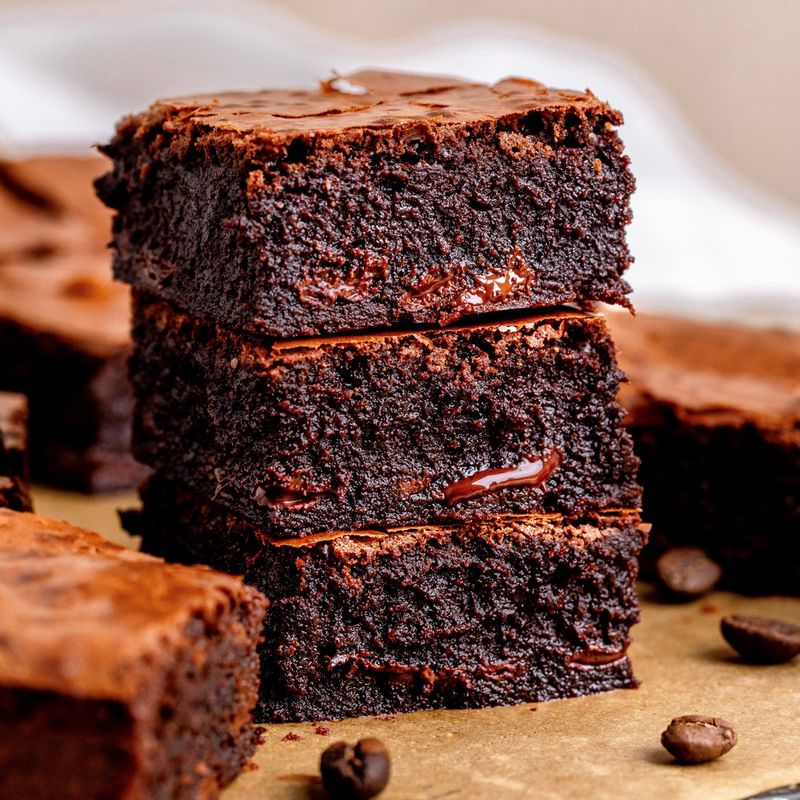
Bakers have whispered about this one for years. Adding a little coffee or espresso powder to chocolate recipes makes them taste more intensely chocolatey.
Don’t worry, your brownies won’t taste like a morning latte. The coffee simply boosts the bitter, roasty notes already hiding in cocoa.
Try swapping the water in chocolate cake for cooled coffee. Or stir half a teaspoon of instant espresso into brownie batter.
Decaf works just as well.
10. Bread Slice to Soften Brown Sugar
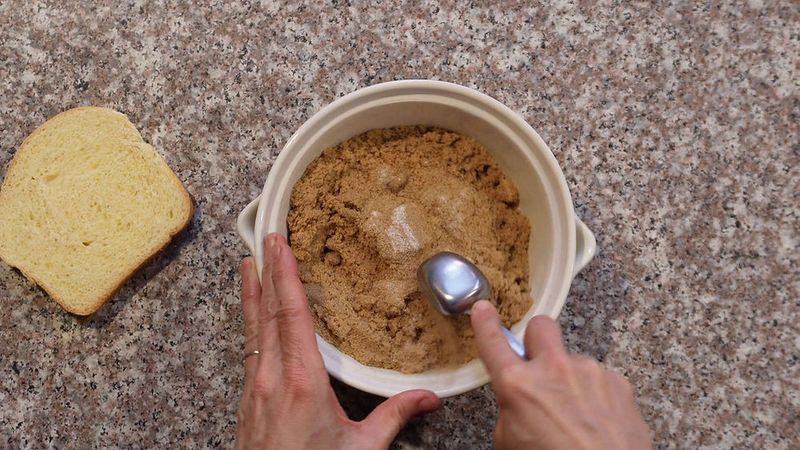
Rock-hard brown sugar is every baker’s annoying surprise. Luckily, a single slice of bread can rescue it.
Place the bread inside the sugar container and seal it tight. Overnight, the sugar pulls moisture from the bread and turns soft and scoopable again.
The bread ends up dry and crunchy.
In a hurry? Microwave the sugar with a damp paper towel for 20 seconds.
Both tricks save you a trip to the store.
11. Cornstarch for Soft Cookies
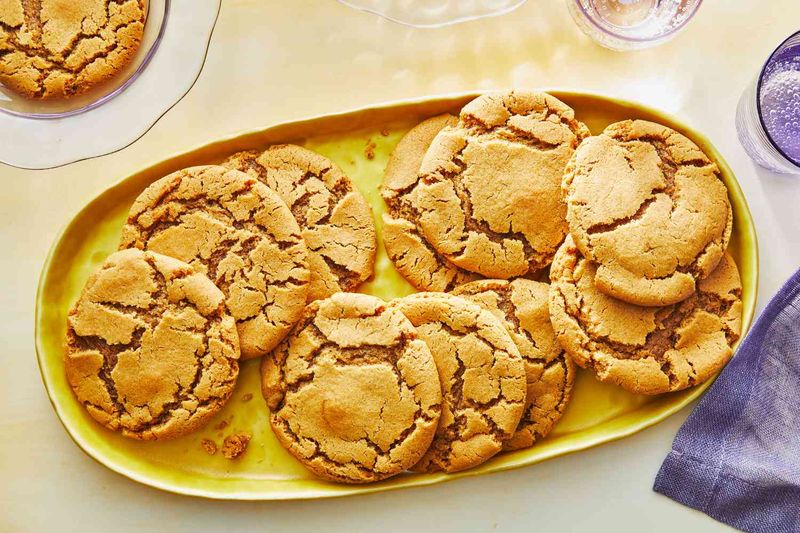
Bakery cookies always seem softer than homemade ones. Want to know their secret?
Often, it’s cornstarch.
Swapping a couple tablespoons of flour for cornstarch makes cookies thicker and more tender. Cornstarch limits gluten, so the inside stays pillowy instead of tough.
Sugar cookies and snickerdoodles love this trick most. Your friends will ask for the recipe, and you can decide whether to share or keep the secret.
12. Add Ice Cubes to the Oven

Crackly bread crust starts with a strange step: tossing ice into a hot oven.
Place an empty metal pan on the bottom rack while preheating. Slide your bread in, then drop a handful of ice cubes into the hot pan.
Steam fills the oven fast.
That moisture keeps the dough soft long enough to rise fully. Then it dries into a shiny, golden crust like real French bakery bread.
Avoid glass pans, which can crack.
13. Toss Berries in Flour
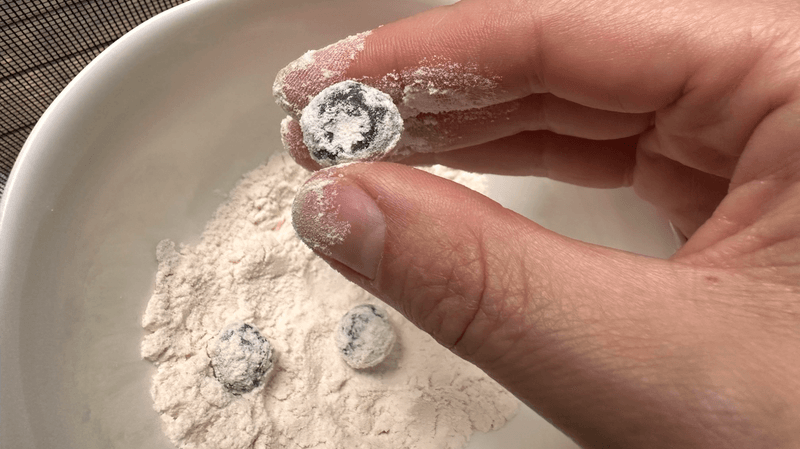
Sad muffins have all their blueberries stuck at the bottom. Happy muffins have them spread everywhere.
Before folding berries into batter, toss them in a spoonful of flour. The light coating helps them grip the batter instead of sinking while baking.
Chocolate chips and nuts work this way too. Use flour from your recipe so you don’t change the measurements.
It takes ten seconds and makes every bite fruity.
14. Dental Floss for Clean Cake Slices
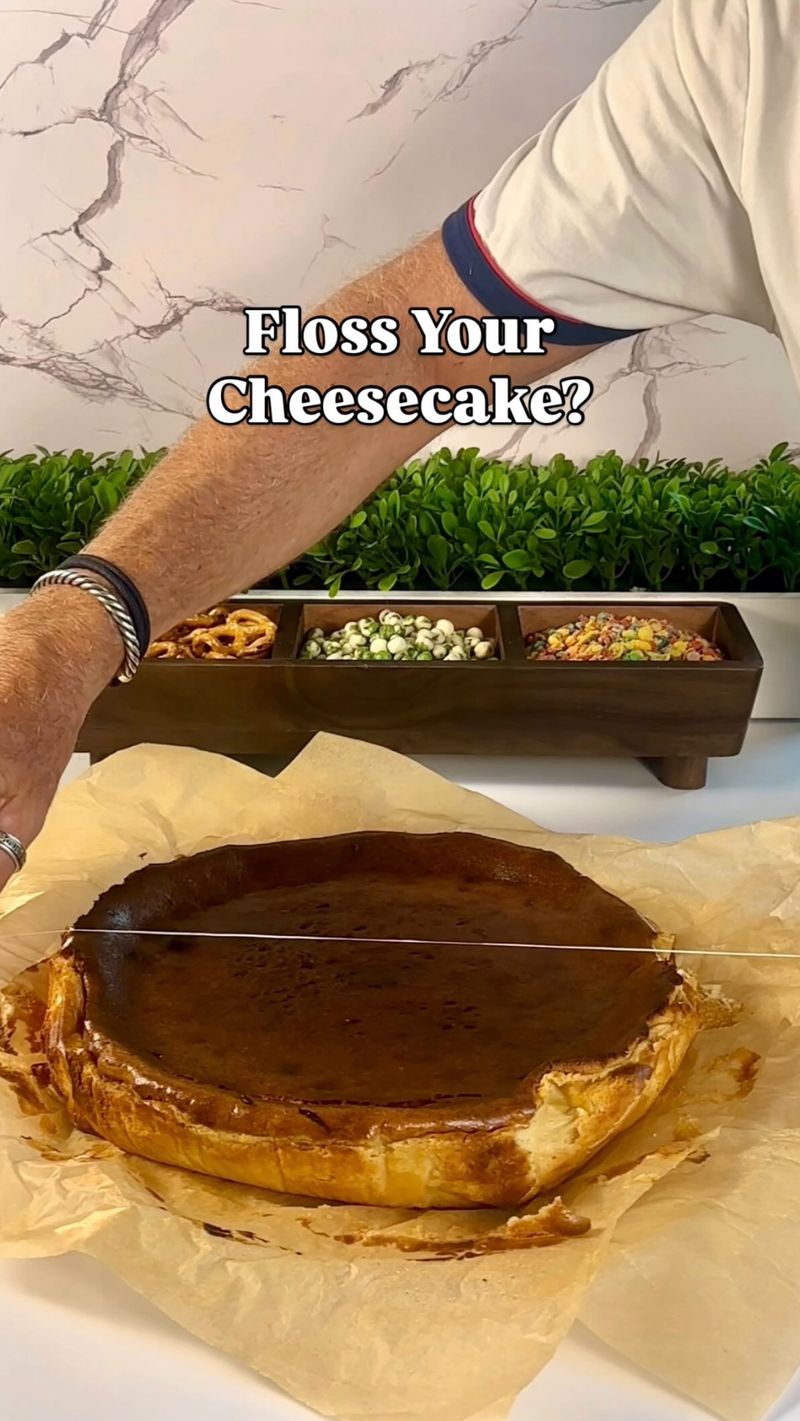
Knives can squish delicate cakes into a messy pile. Unflavored dental floss slides right through.
Hold a long piece tight between both hands, press it down through the cake, then pull it out the side. You’ll get perfectly smooth layers every time.
Cheesecake, cinnamon roll logs, and soft layer cakes all slice beautifully this way. Just make sure the floss is plain.
Nobody wants a minty cheesecake surprise at a birthday party!
15. Room Temperature Eggs in Minutes
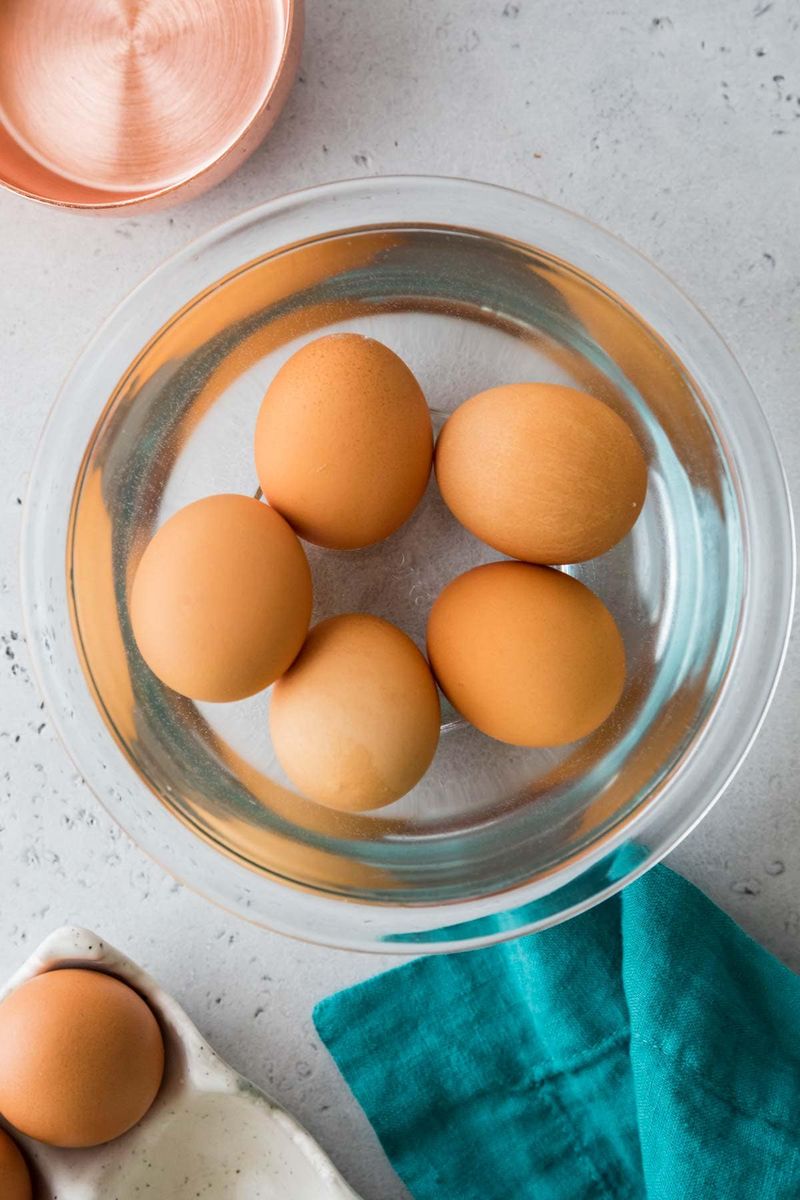
Forgot to take your eggs out early? Happens to everyone.
Cold eggs don’t blend smoothly with butter and sugar, which can leave batter lumpy and cakes dense. Room temperature eggs whip up airier and mix evenly.
Here’s the fix: set them in a bowl of warm tap water for five to ten minutes. They’ll warm up perfectly.
Butter can be softened faster too by cutting it into small cubes.
16. Sour Cream for Rich Moisture
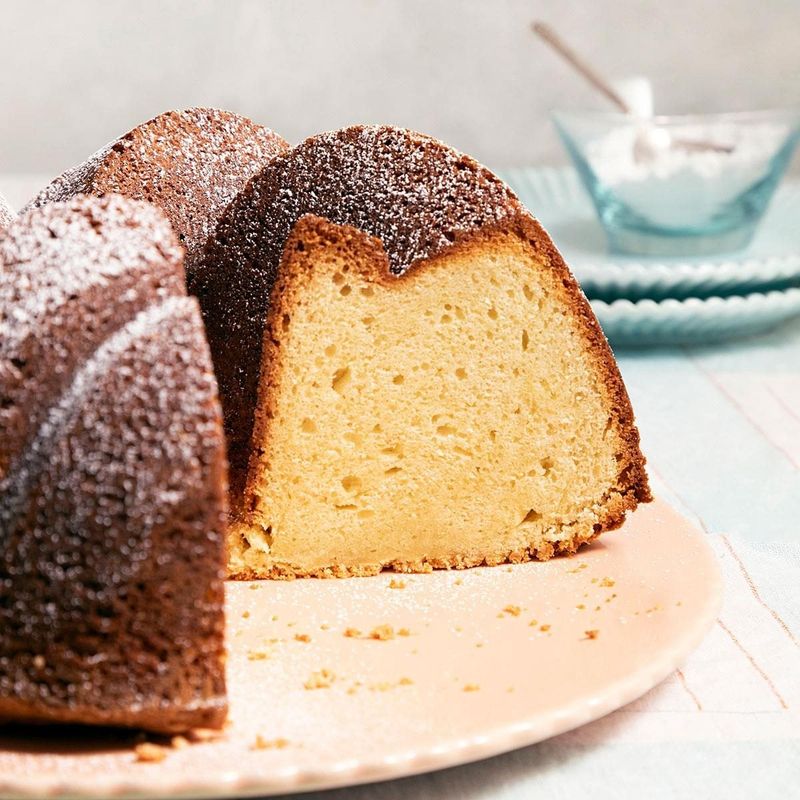
Dry cake is a real heartbreak. A scoop of sour cream might be the cure you need.
Its thick, tangy creaminess adds fat and moisture without making batter runny. The mild acid also tenderizes crumbs and helps baking soda rise.
Pound cakes, coffee cakes, and muffins become velvety and rich. Plain Greek yogurt makes a great swap if your fridge is out of sour cream.
Expect compliments.
17. Underbake Brownies Just Slightly
Think your brownies need a clean toothpick test? Think again.
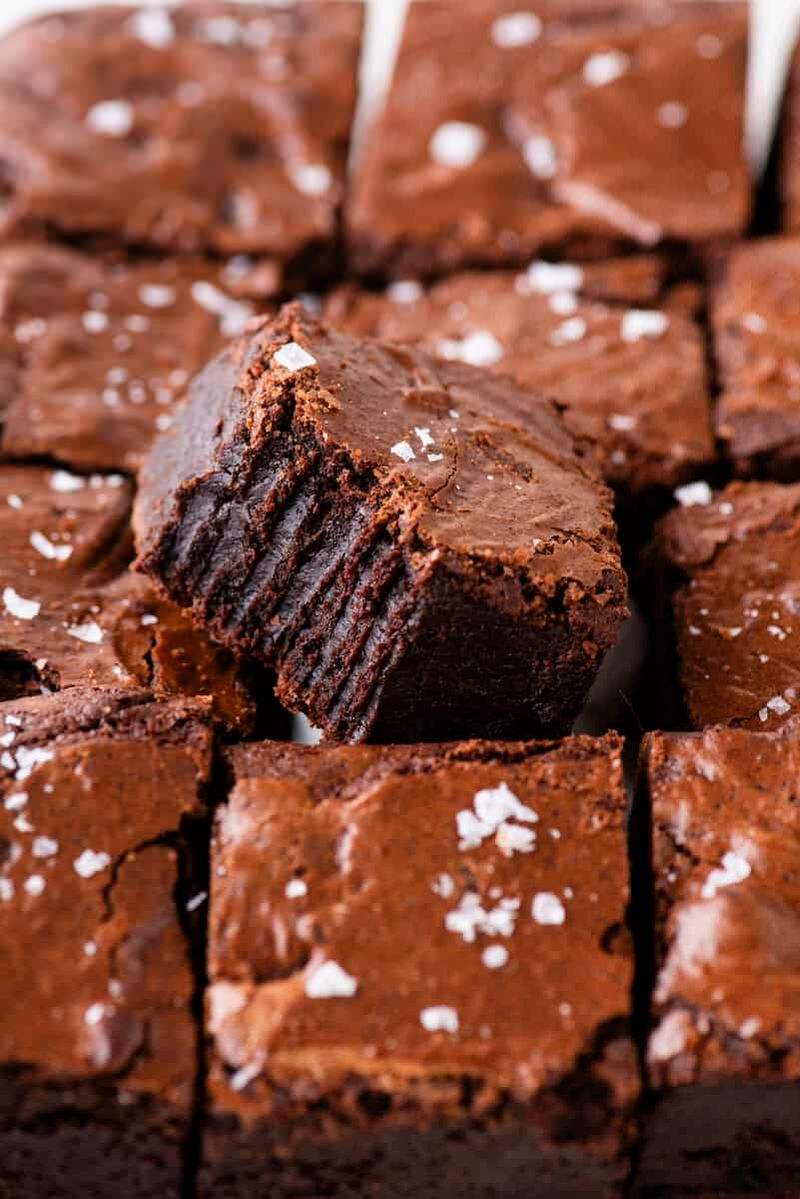
Brownies keep cooking from leftover heat after leaving the oven. Pull them out when a toothpick shows a few moist crumbs, not wet batter.
They’ll firm up into fudgy perfection as they cool.
Wait at least 30 minutes before cutting, as hard as that is. Your reward will be gooey centers, chewy edges, and that glossy crackle top everyone loves.