
The kitchen is where tasty meals come to life, but it is also one of the riskiest rooms in any home. Hot stoves, sharp knives, and hidden germs can turn a fun cooking session into a trip to the doctor.
The good news is that most accidents happen because of simple habits we can easily fix. Read on to spot the sneaky mistakes you might be making and learn how to cook more safely starting today.
1. Walking Away From a Hot Stove
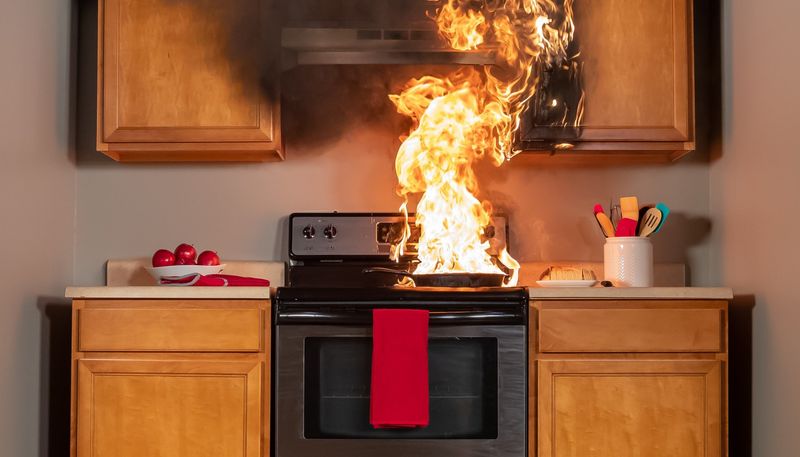
Picture this: you put oil in a pan, then dash off to answer a text. Two minutes later, smoke fills the room.
Unattended cooking is the number one cause of kitchen fires in the United States.
Stay close whenever the burner is on, especially when frying. If you must step away, turn off the heat first.
A kitchen timer in your pocket can also remind you to check back quickly.
2. Throwing Water on a Grease Fire
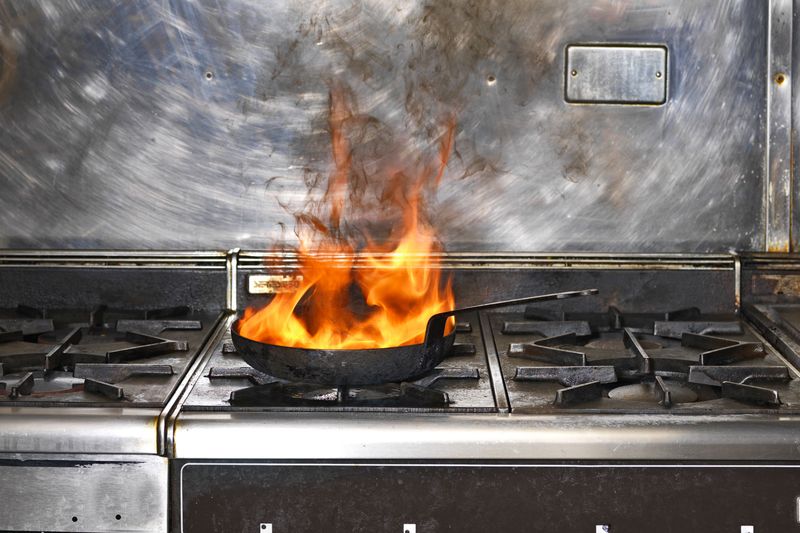
Water and burning grease are a terrible team. When water hits hot oil, it instantly turns to steam and sends flaming droplets flying across the kitchen.
A small flame can become a huge fireball in seconds.
Instead, slide a metal lid over the pan and turn off the burner. Baking soda works on tiny flames too.
Never try to carry the burning pan outside, since spills can spread the fire.
3. Using Dull Knives
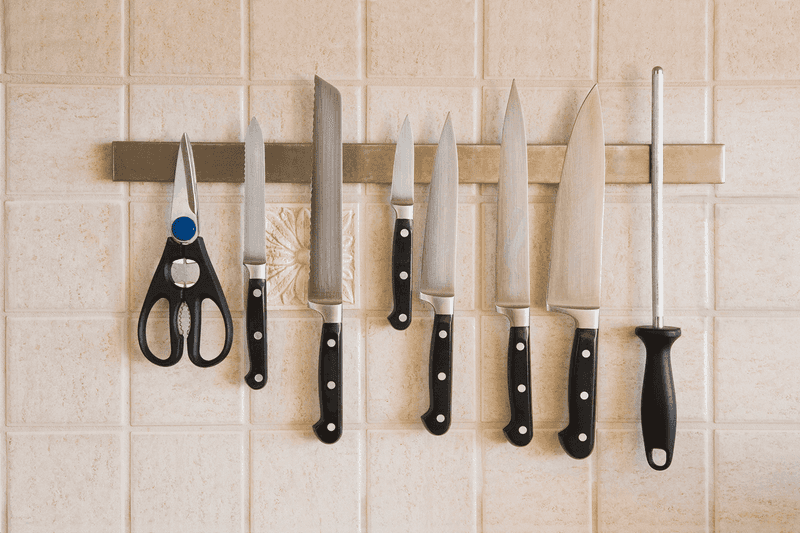
Sounds backward, right? Many people think a blunt blade is safer, but the opposite is true.
Dull knives need more pressure, which makes them slip off food and land on fingers.
A sharp knife glides through a tomato with almost no effort. Hone your blades often and sharpen them a few times a year.
Your cooking will get faster, your cuts will look neater, and your fingertips will thank you.
4. Sharing One Cutting Board for Everything
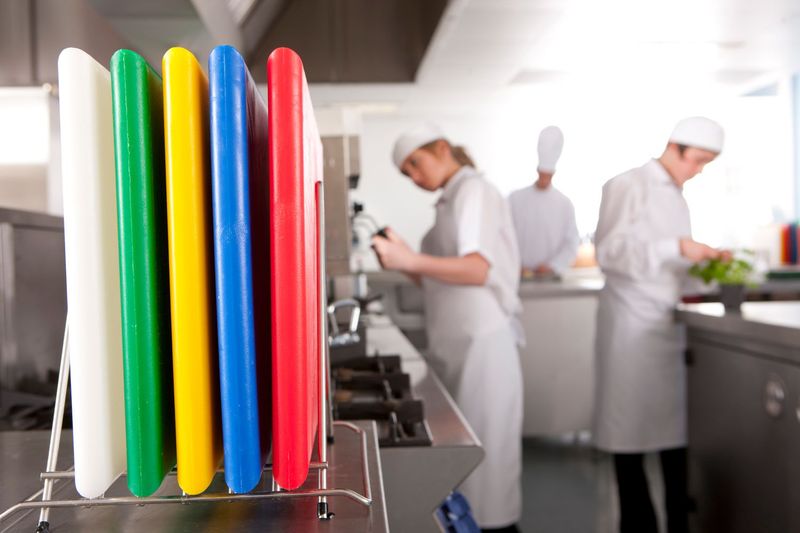
Raw chicken juice is invisible, yet it can carry Salmonella straight onto your salad. Chopping meat and veggies on the same board without washing it is a classic recipe for food poisoning.
Try color-coded boards, like red for meat and green for produce. Wash every board with hot, soapy water after use.
Plastic boards can even go into the dishwasher for an extra cleaning boost.
5. Thawing Meat on the Counter
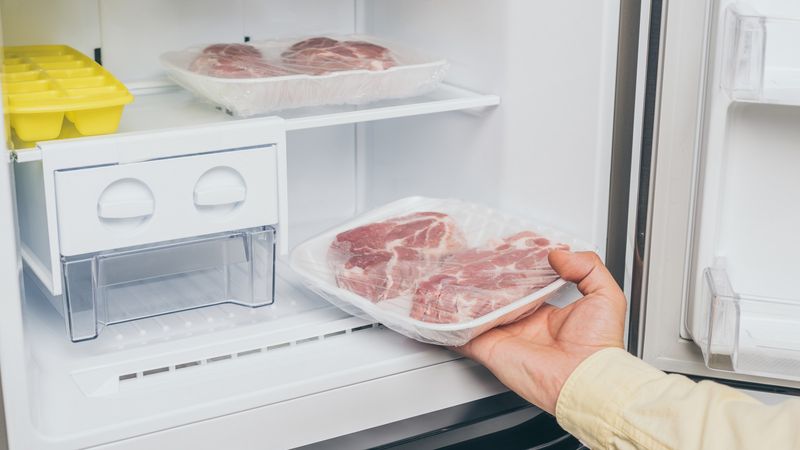
Grandma might have done it for years, but leaving frozen meat out all afternoon is risky business. Bacteria multiply fast between 40 and 140 degrees Fahrenheit, a range experts call the danger zone.
The outside of that roast warms up long before the middle thaws. Move meat to the fridge the night before instead.
In a hurry? Seal it in a bag and soak it in cold water, changing the water every 30 minutes.
6. Leaving Pot Handles Sticking Out
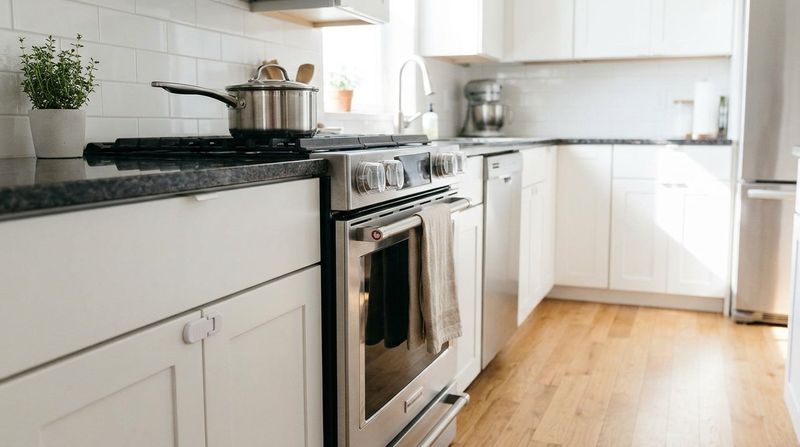
One bump of the hip is all it takes. A pot handle hanging over the edge of the stove can get knocked, spilling boiling soup on anyone nearby.
Little kids are especially at risk because handles sit right at their eye level. Always turn handles toward the back or side of the stove.
Using the back burners when children are around adds another easy layer of protection.
7. Wearing Loose Sleeves While Cooking
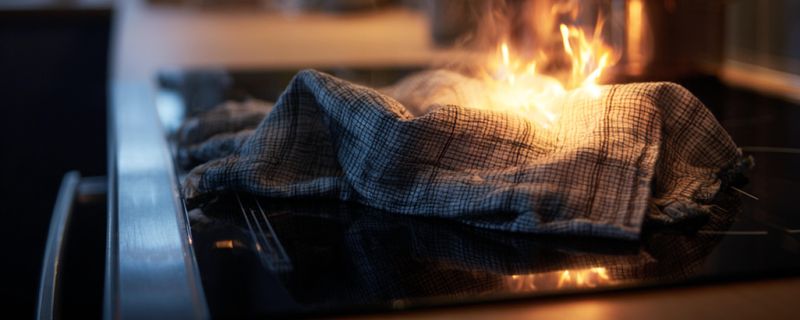
Cozy sweaters are great for chilly nights, just not near an open flame. Floppy sleeves can brush a burner and catch fire before you even notice.
Roll up your sleeves or wear fitted clothes while cooking. Tie back long hair and skip dangling scarves too.
If clothing does catch fire, remember the old school lesson: stop, drop, and roll until the flames are out.
8. Skipping the Hand Wash
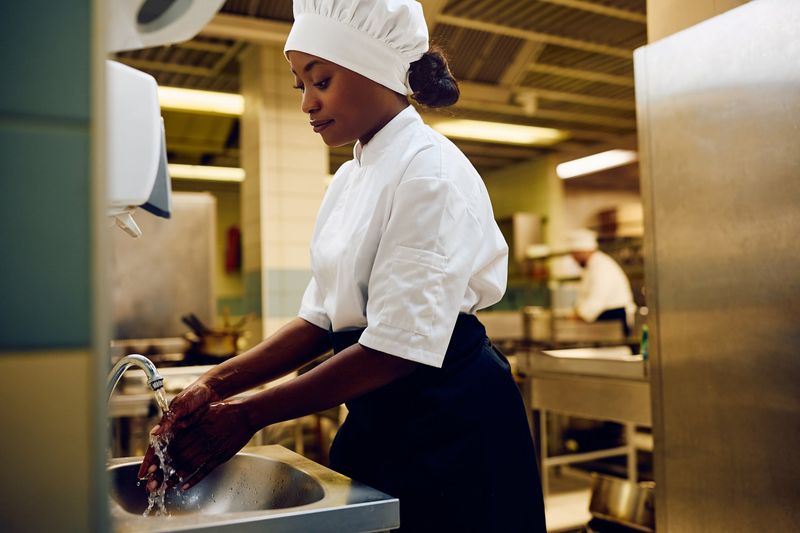
Germs love a free ride. Your hands touch phones, doorknobs, and pets, then carry all those microbes right into dinner.
Scrub with soap and warm water for at least 20 seconds, about the time it takes to hum Happy Birthday twice. Wash before cooking, after handling raw meat or eggs, and after taking out the trash.
Such a tiny habit blocks a surprising number of stomach bugs.
9. Overloading Electrical Outlets
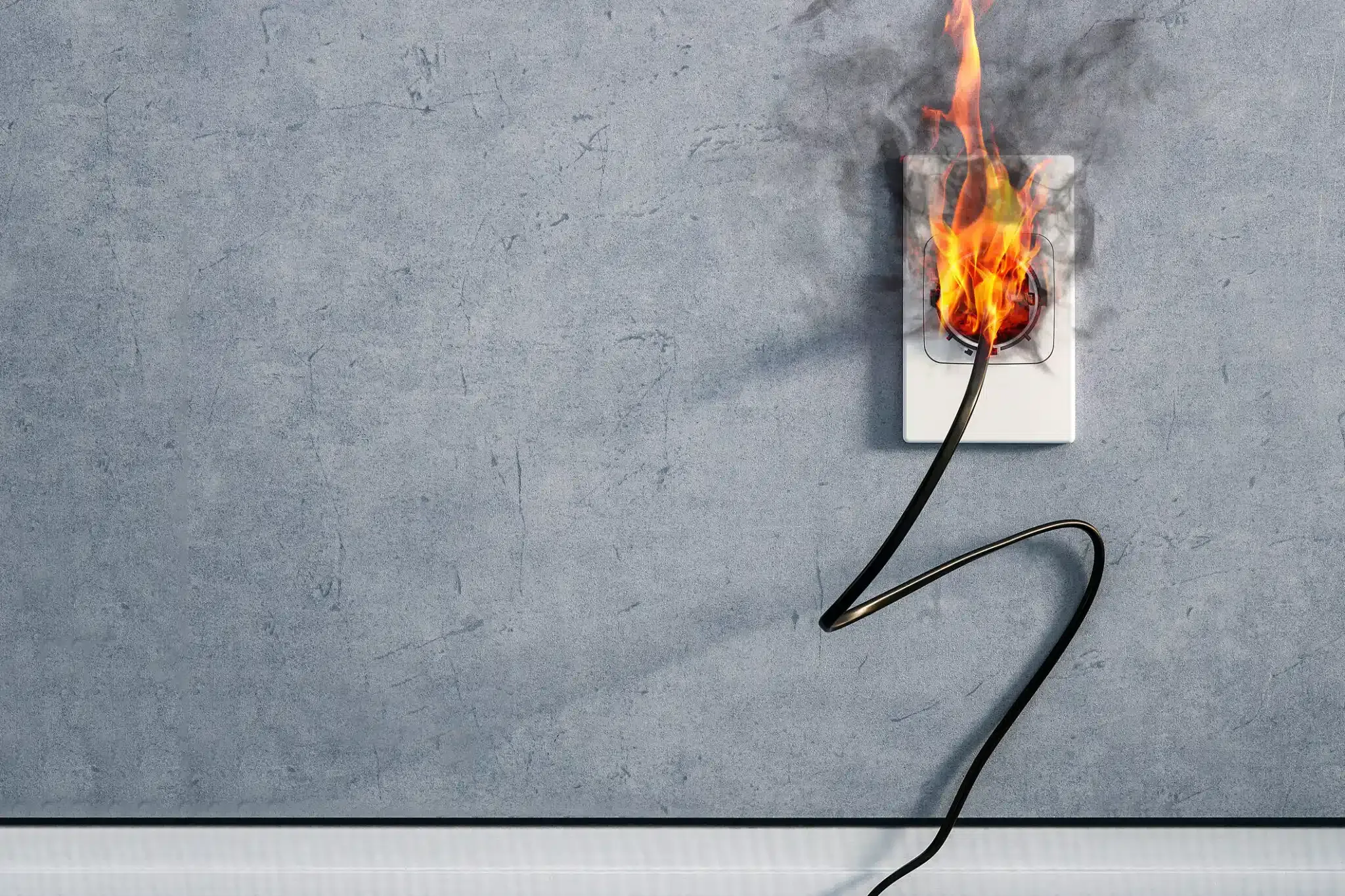
Toaster, coffee maker, blender, and air fryer all plugged into one spot? That outlet is working way too hard.
Overloaded circuits can overheat wires and spark hidden fires inside the walls.
Spread big appliances across different outlets and unplug gadgets you are not using. Watch for warning signs like warm plugs, buzzing sounds, or flickering lights.
Outlets near sinks should also have GFCI protection to prevent shocks.
10. Catching a Falling Knife
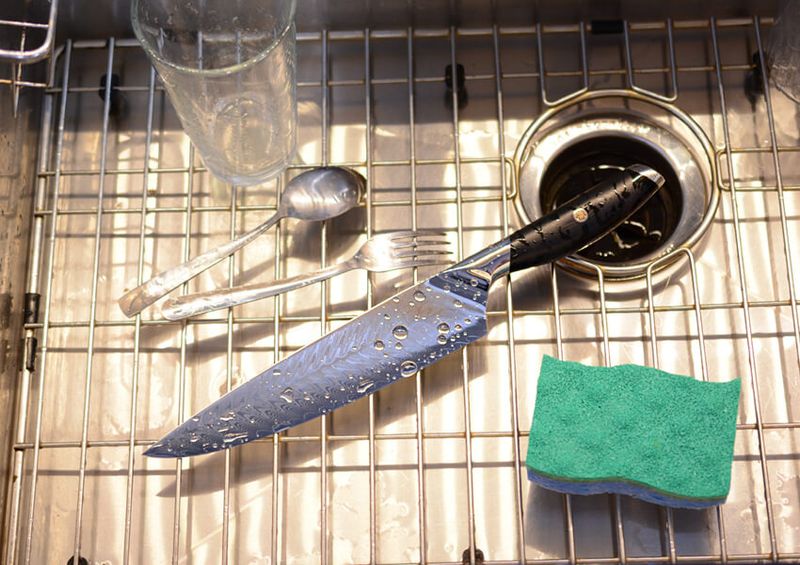
Your reflexes might scream grab it, but please do not. Trying to snatch a falling knife is one of the fastest ways to earn stitches.
Simply step back and let it drop. A chipped tile or scratched blade is much cheaper than an emergency room visit.
Keep knives away from counter edges and store them in a block or on a magnetic strip so they stay put.
11. Ignoring Spills on the Floor
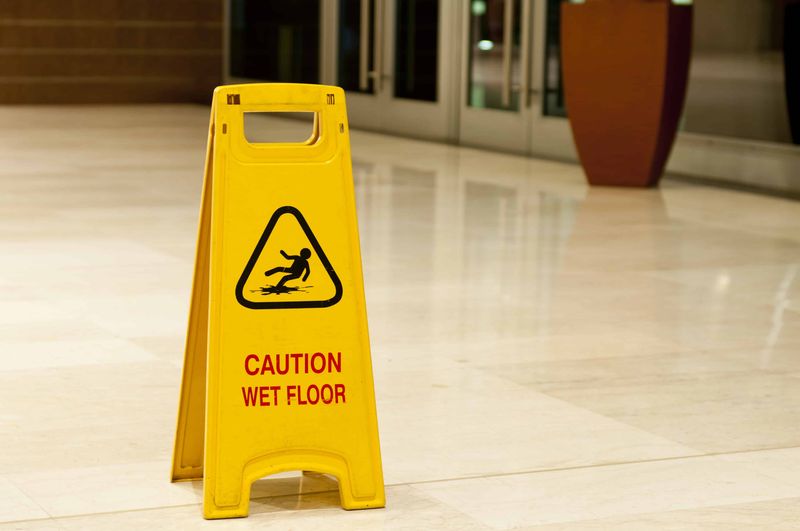
A single drop of olive oil can turn tile into an ice rink. Slips and falls cause thousands of kitchen injuries every year, and many involve people carrying hot or sharp items.
Wipe up spills the moment they happen, even small ones. Use non-slip mats near the sink and stove.
Wearing shoes with good grip instead of socks also helps keep your feet steady while you work.
12. Putting Metal in the Microwave
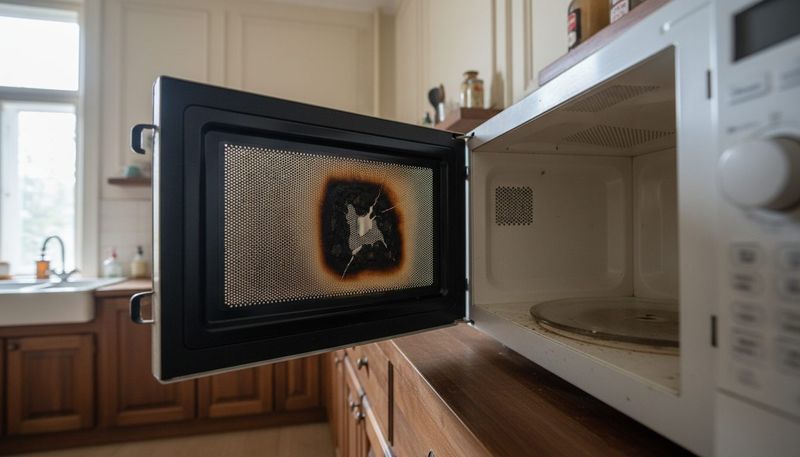
Ever seen a microwave light show? Fun to imagine, scary in real life.
Forks, foil, and dishes with gold trim can create sparks that damage the oven or start a fire.
Stick to glass or containers labeled microwave safe. Watch out for takeout boxes with hidden metal handles.
Fun fact: the microwave was invented after an engineer noticed a candy bar melted in his pocket near radar equipment.
13. Guessing When Meat Is Done
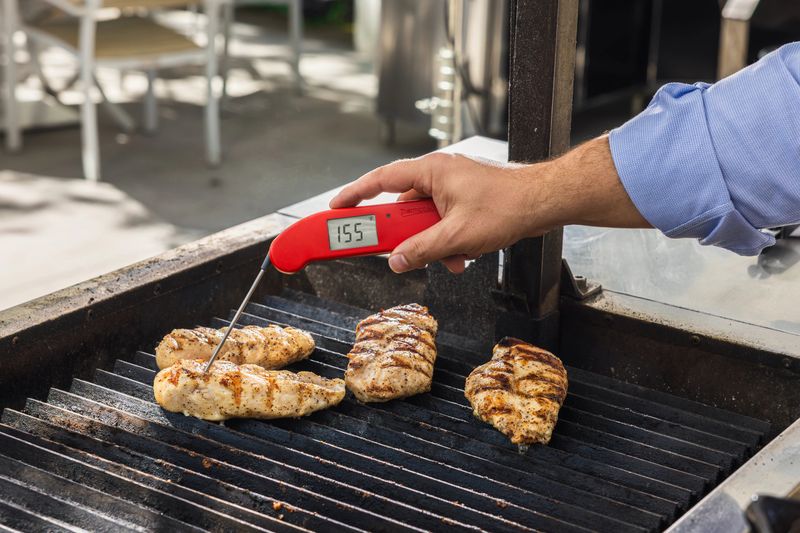
Cutting into a chicken breast and peeking does not tell the full story. Color can trick you, and undercooked meat can hide nasty bacteria.
A food thermometer takes the guesswork away. Chicken should hit 165 degrees Fahrenheit, while ground beef needs 160.
Push the probe into the thickest part, away from bones. For just a few dollars, you get peace of mind and juicier results every time.
14. Leaving Leftovers Out Too Long

After a big family dinner, everyone wants to relax, not clean up. Yet food sitting out for hours becomes a buffet for bacteria.
Follow the two hour rule. Get leftovers into the fridge within two hours, or just one hour on hot summer days.
Store food in shallow containers so it cools quickly, and eat it within three to four days for the best safety.
15. Storing Cleaners Near Food
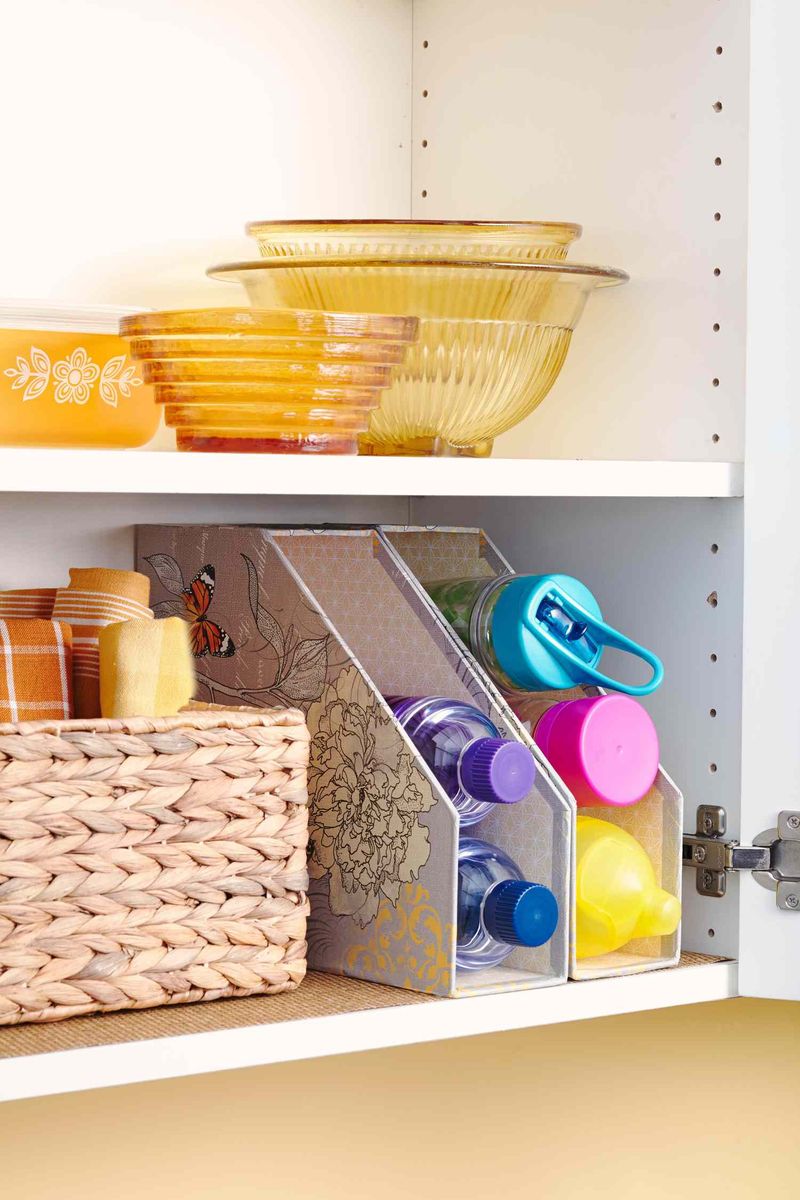
Bleach and cereal should never be neighbors. Keeping cleaning sprays close to food raises the chance of spills, mix-ups, and accidental poisoning.
Children are naturally curious, and bright bottles can look like juice. Store chemicals in a separate, high cabinet or lock them away.
Never pour cleaners into old food containers either. Keep the Poison Control number, 1-800-222-1222, saved in your phone just in case.
16. Using Wet Oven Mitts
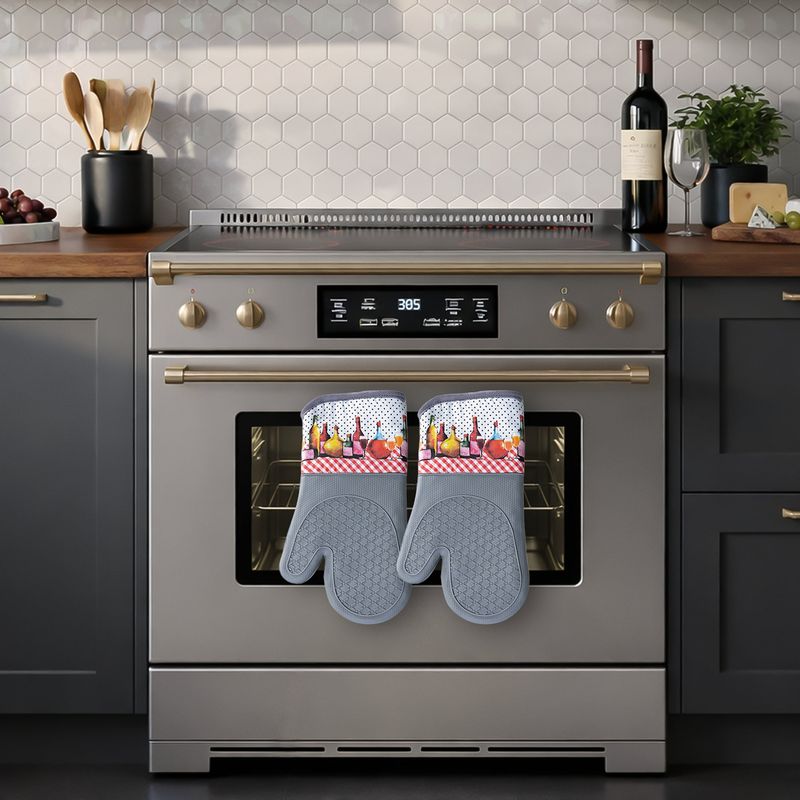
Here is a sneaky one many cooks never think about. Damp oven mitts or towels pass heat much faster than dry ones, which can lead to painful steam burns.
Always check that your mitts are completely dry before grabbing a hot tray. Replace any with thin spots or holes.
Silicone mitts are a handy option because they resist moisture and give a solid grip on heavy pans.
17. Not Owning a Fire Extinguisher
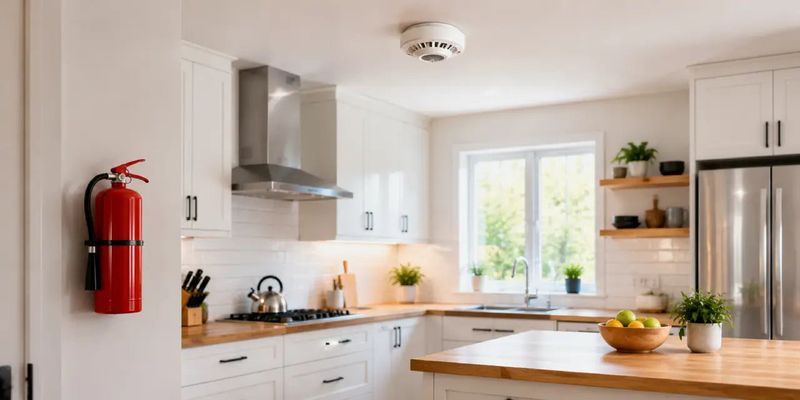
Plenty of homes have a smoke alarm, but no extinguisher in sight. When flames flare up, those first few seconds matter most.
Keep a Class K or ABC extinguisher near the kitchen exit, not right beside the stove. Learn the PASS method: pull, aim, squeeze, and sweep.
Check the pressure gauge every month and test smoke alarms often, so your safety gear is ready when you need it.