
Almost every culture on Earth has a stew that grandmas make when the weather turns cold or family comes to visit. Stews are simple meals, but they carry stories, spices, and history in every spoonful.
Many of the best ones never get famous outside their home countries. Get ready to discover some cozy bowls you might want to cook this week.
1. Moqueca from Brazil
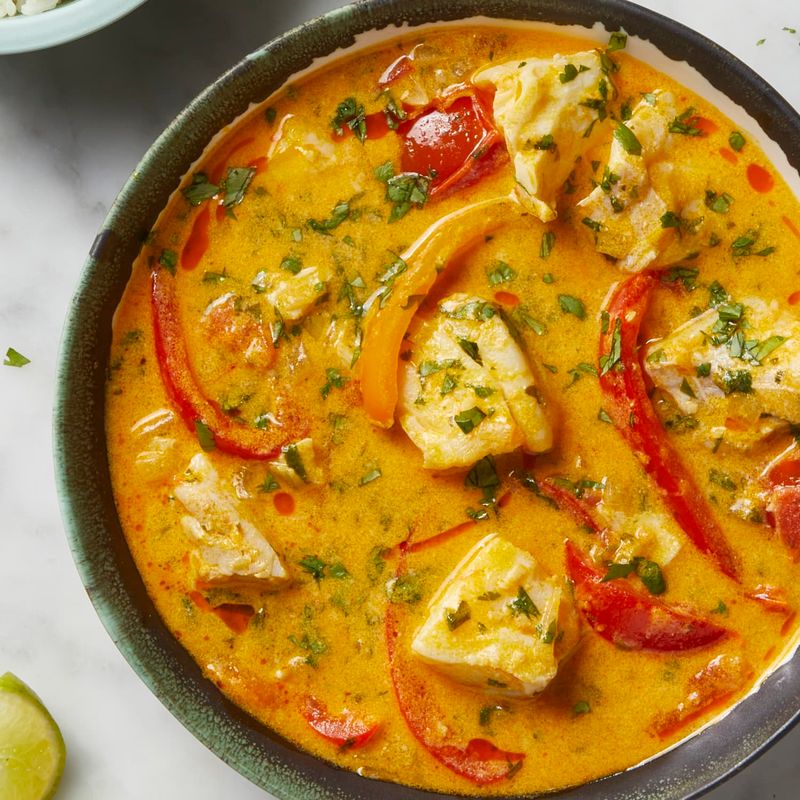
Picture a sunny beach in Bahia, and you can almost smell moqueca bubbling away. Cooks simmer white fish or shrimp in coconut milk, tomatoes, peppers, and bright orange palm oil.
Traditionally, it is served in a heavy clay pot that keeps it hot at the table. Pair it with white rice and a crumbly topping called farofa.
Short on palm oil? A splash of paprika oil gives a similar color and warmth.
2. Bigos, Poland’s Hunter’s Stew

Polish families joke that bigos gets better every time you reheat it, and they are right. Sauerkraut, fresh cabbage, smoked sausage, pork, and dried mushrooms slowly melt together into something tangy and smoky.
Hunters once carried it on long trips because it kept well.
Make a big batch on Sunday, then enjoy it through the week. By day three, the flavors taste deep and rich, almost like a different dish.
3. Ghormeh Sabzi
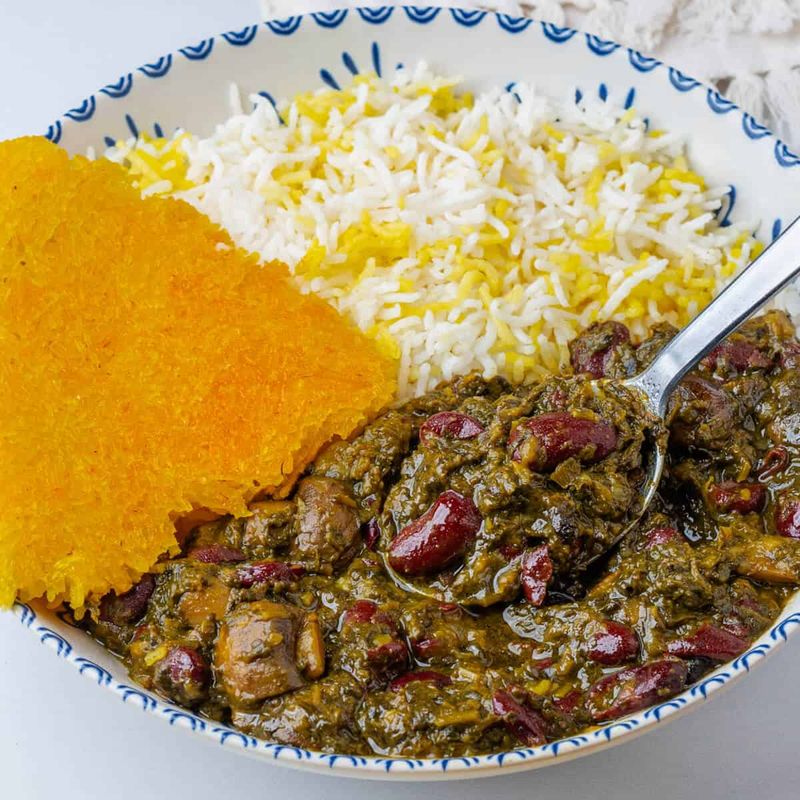
Did you know Iran’s favorite stew is packed with more herbs than most salads? Ghormeh sabzi blends parsley, cilantro, chives, and fenugreek with lamb, kidney beans, and dried limes.
Those little black limes give it a sour, almost fizzy tang that surprises first-timers.
Frying the herbs until dark green is the secret step. Serve it over fluffy saffron rice, and save the crispy bottom rice, called tahdig, for the lucky guest.
4. Doro Wat
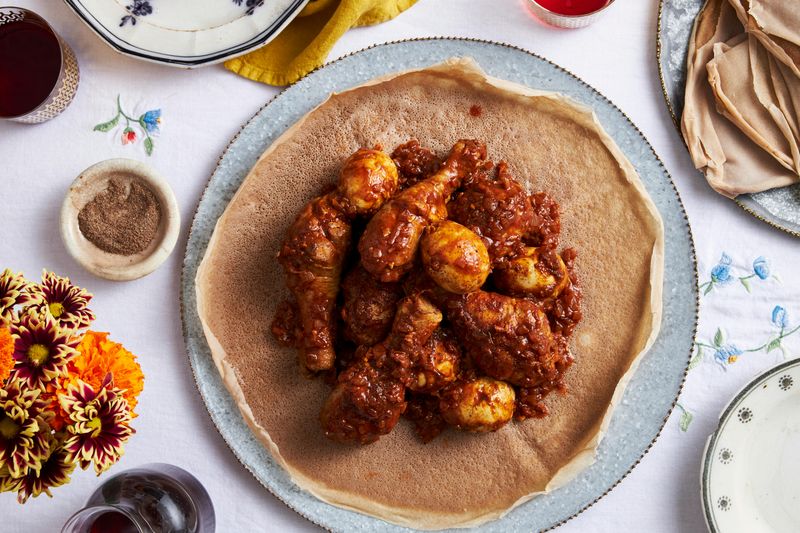
Celebrations in Ethiopia often start with a pot of doro wat. Chicken and hard-boiled eggs sit in a deep red sauce made from slow-cooked onions, spiced butter, and a fiery spice blend called berbere.
Some cooks stir the onions for over an hour.
Instead of forks, people scoop it up with injera, a spongy, slightly sour flatbread. Try eating with your right hand, just like locals do.
It feels fun and friendly.
5. Cawl from Wales
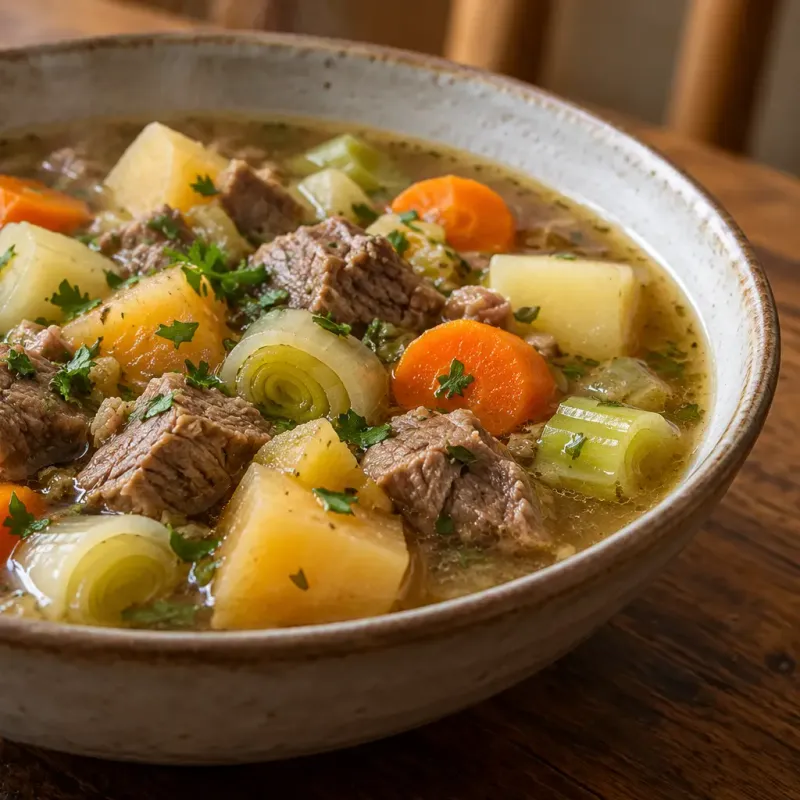
Grab a wooden spoon, because Welsh cawl is traditionally eaten with one. This humble lamb stew mixes leeks, potatoes, carrots, and swede, a root vegetable similar to turnip.
Farmers’ families ate it through chilly Welsh winters for centuries.
Many people serve the broth first, then the meat and vegetables after. A chunk of crusty bread and a slice of sharp Caerphilly cheese on the side makes the meal feel complete.
6. Pepperpot of Guyana
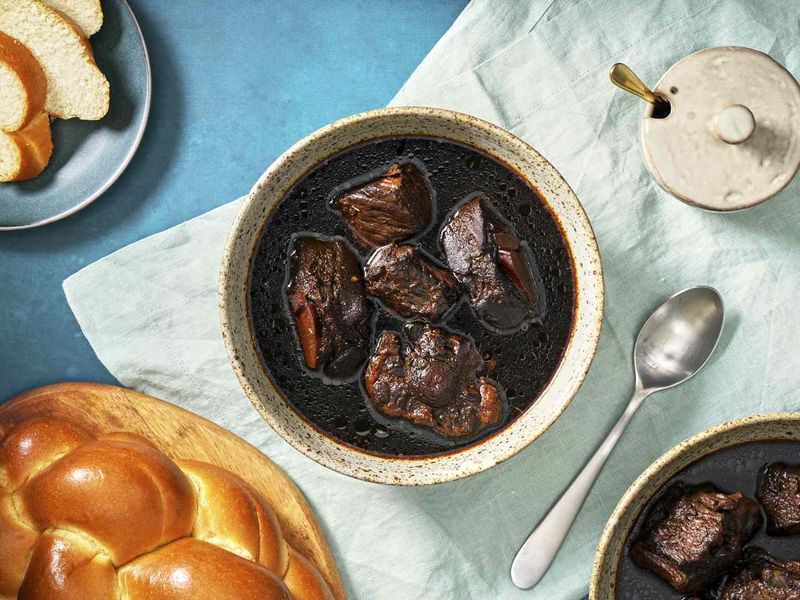
Guyanese Christmas mornings smell like pepperpot. The dark, glossy stew gets its color and sweet-bitter flavor from cassareep, a thick syrup made from cassava root.
Beef, oxtail, cinnamon, cloves, and hot peppers join the party.
Here is a fun bit of history: Indigenous people created the dish, and cassareep helps preserve meat. Some families keep a pot going for days, adding more each time.
Serve it with soft, plain bread for dunking.
7. Fabada Asturiana
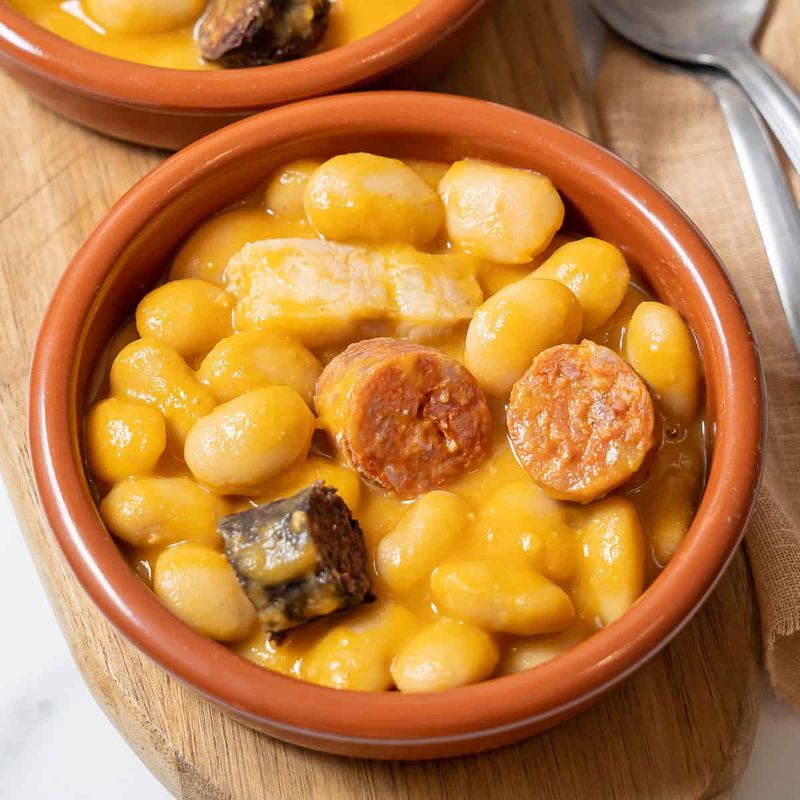
Big, buttery white beans are the stars in northern Spain’s fabada. In the green hills of Asturias, cooks simmer them gently with chorizo, smoky blood sausage, and pork belly.
Stirring is a no-no! Instead, people shake the pot so the soft beans stay whole.
A little saffron adds a golden glow. This dish is heavy, so locals often enjoy it at lunch and take a nap afterward.
8. Chakapuli
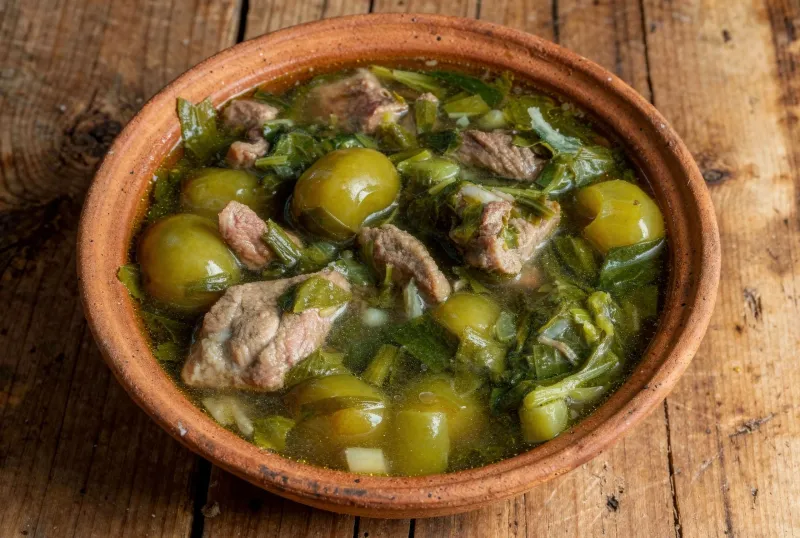
Springtime in the country of Georgia tastes green and tangy. Chakapuli combines tender lamb or beef with heaps of fresh tarragon, sour green plums, and a splash of white grape juice or wine.
The result smells like a garden after rain.
Can’t find sour plums? Sour cherries or a squeeze of lemon work nicely.
Serve it with warm Georgian bread to mop up every drop of the bright, herby broth.
9. Maafe, West African Peanut Stew
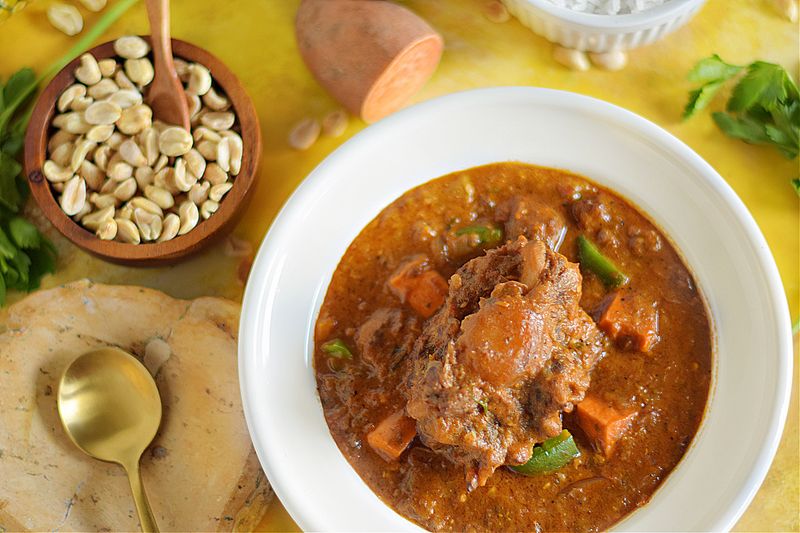
If you love peanut butter, maafe might become your new best friend. Popular in Senegal, Mali, and Gambia, this creamy stew blends ground peanuts with tomatoes, chicken or beef, and chunky vegetables.
Sweet potatoes and cabbage are common add-ins.
Natural peanut butter with no sugar works great at home. A pinch of chili balances the nutty richness.
Spoon it over rice or millet for a filling dinner that kids usually adore.
10. Kare-Kare
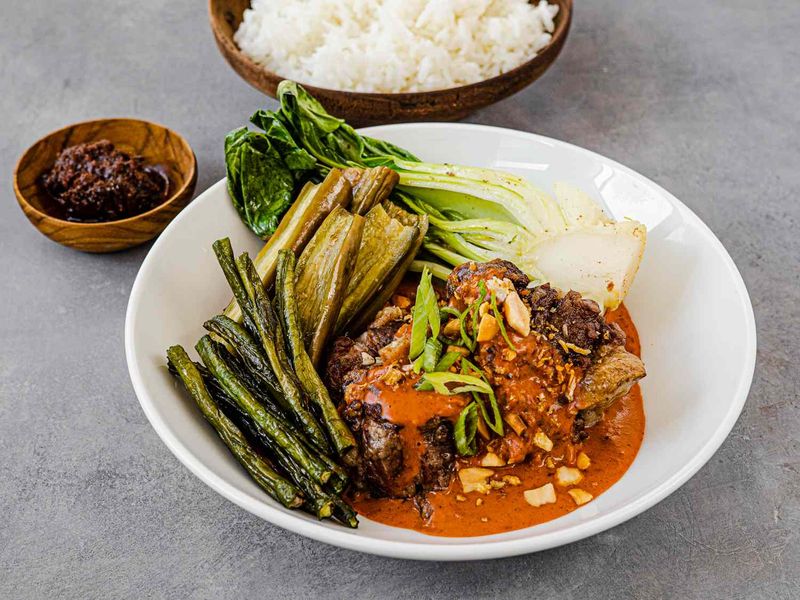
Filipino parties are not complete without a pot of kare-kare. Oxtail simmers until fall-apart tender, then gets wrapped in a thick, golden peanut sauce with eggplant, green beans, and bok choy.
On its own, the sauce tastes mild and nutty.
The magic happens with bagoong, a salty shrimp paste served on the side. Just a dab brings everything to life.
Start small, though, because a little goes a long way.
11. Hochepot from Belgium
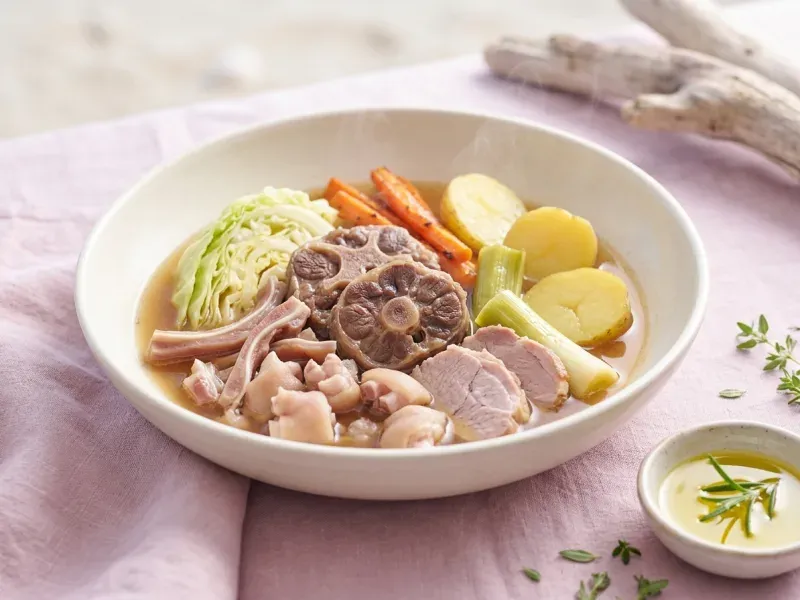
Toss it in, let it bubble. That is basically the idea behind hochepot, whose name comes from old words meaning shake the pot.
Belgian cooks load it with pork, sausages, cabbage, leeks, carrots, and potatoes.
Some versions even include pig’s ears for extra richness, though you can skip those. Mustard on the side adds a nice kick.
It is a smart way to use winter vegetables hanging around your fridge.
12. Pozole Rojo
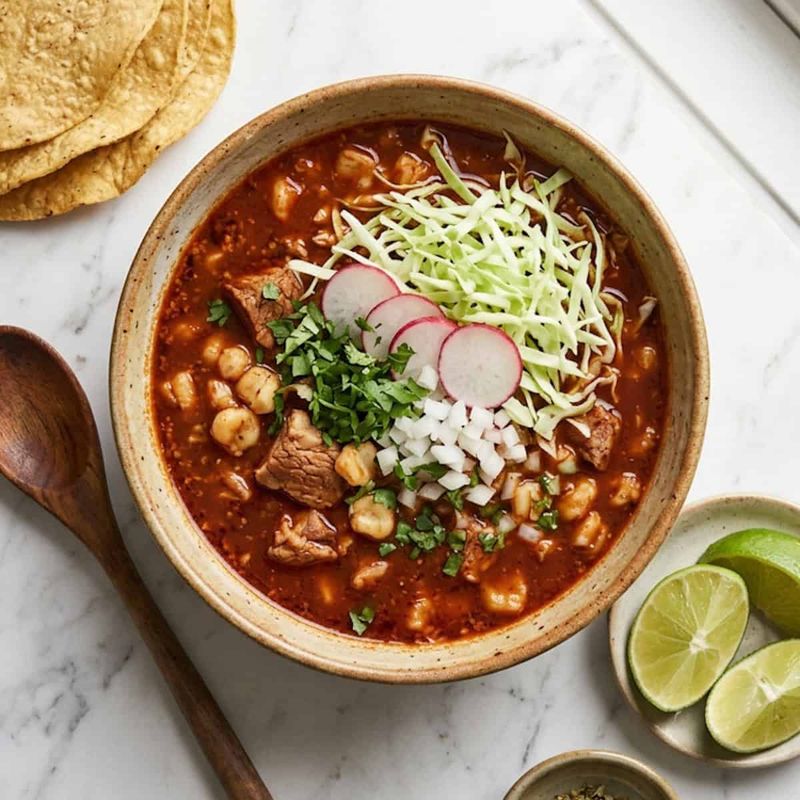
Ancient Aztecs ate a version of pozole for special ceremonies, and Mexican families still serve it on holidays today. Big, chewy kernels of hominy float in a red chile broth with tender pork.
The toppings are half the fun.
Set out shredded cabbage, sliced radishes, oregano, lime wedges, and crunchy tostadas. Everyone builds their own bowl.
It makes a great dish for birthday parties or game nights.
13. Dal Makhani
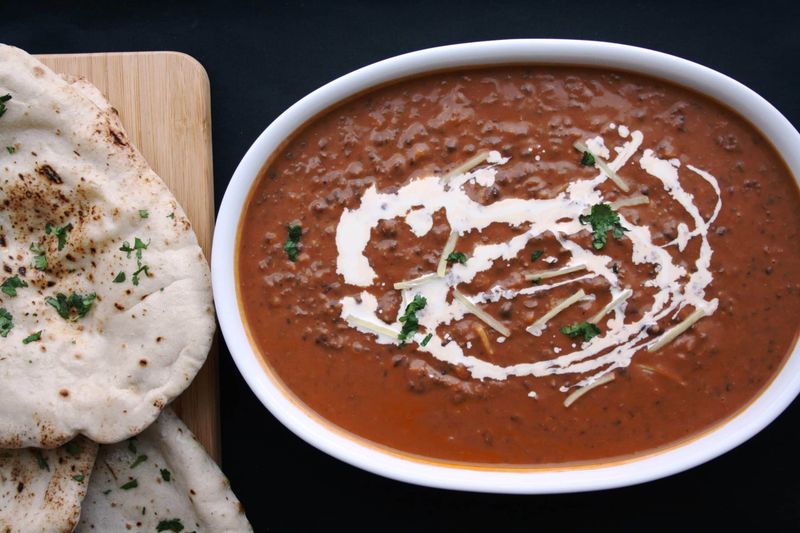
Patience is the main ingredient in dal makhani. Black lentils and kidney beans cook for hours with butter, tomatoes, ginger, and garlic until they turn silky and smooth.
Punjabi roadside restaurants sometimes simmer it overnight.
At home, a slow cooker does the hard work for you. Finish with a swirl of cream and enjoy it with warm naan.
Vegetarians love it, but meat eaters rarely complain either.
14. Irio-Free Kenyan Githeri
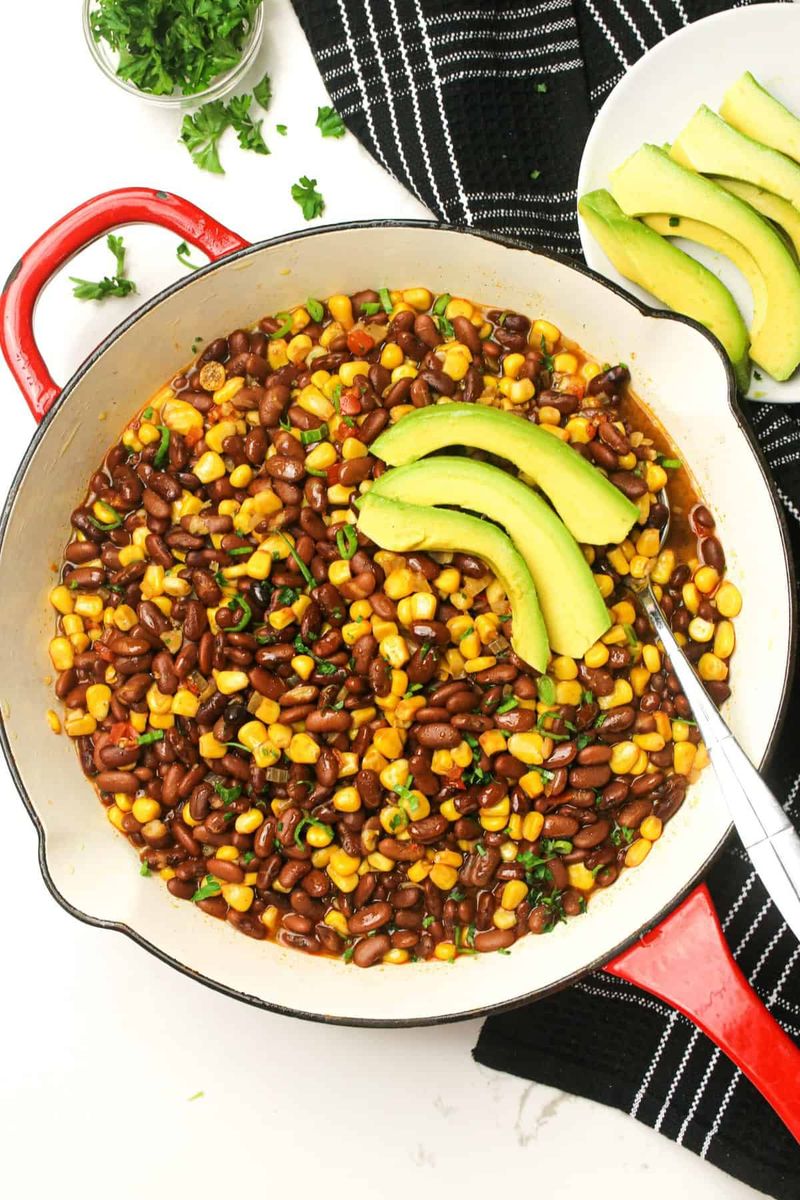
Ask Kenyan kids about school lunch, and many will mention githeri. This simple stew mixes corn kernels and beans with onions, tomatoes, and sometimes potatoes or greens.
It is cheap, filling, and full of protein.
Once seen as plain food, githeri became famous when a man was photographed eating it while waiting to vote. People loved the moment.
Add a little curry powder or avocado slices to make yours special.
15. Kimchi Jjigae
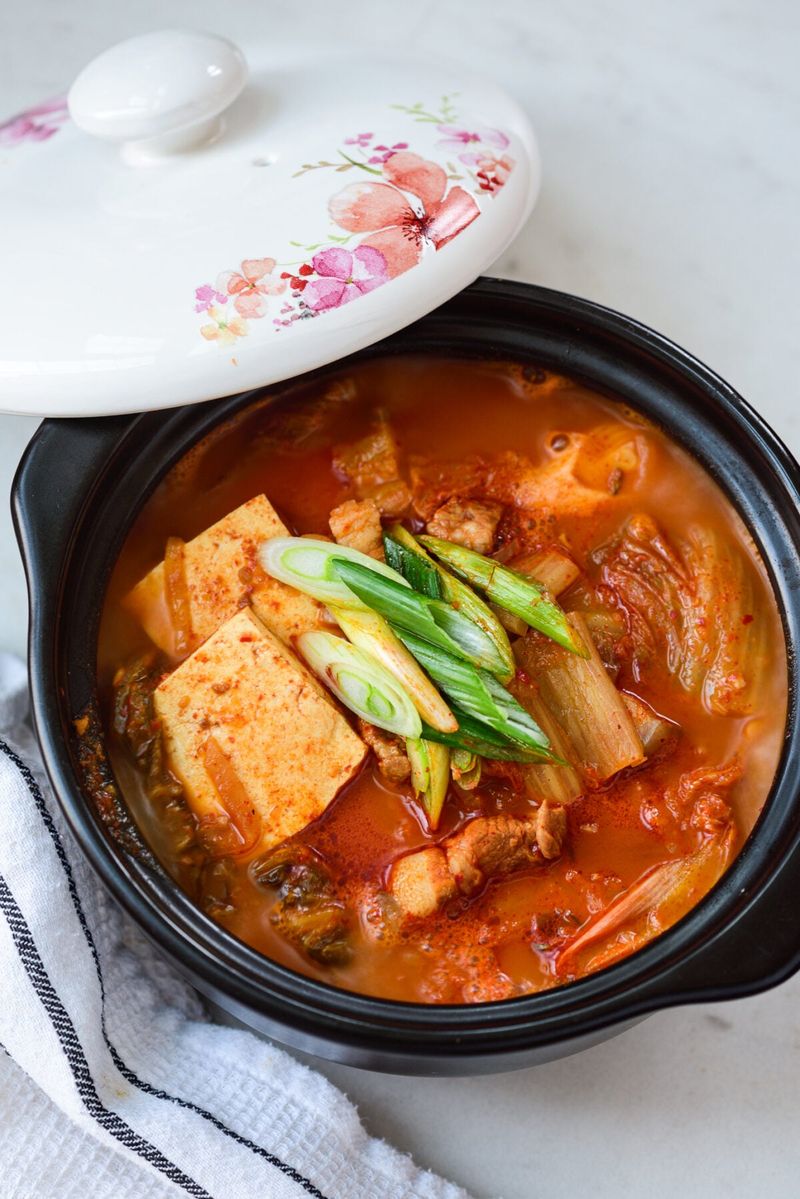
Got old, extra-sour kimchi in the fridge? Koreans would say you are ready for kimchi jjigae.
This bubbling red stew uses well-aged kimchi along with pork belly, tofu, and green onions.
It usually arrives at the table still boiling in a stone pot.
Spicy, sour, and warming, it is great on rainy days. Keep a bowl of plain rice nearby to cool your mouth between hot, tangy bites.
16. Tagine of Lamb and Apricots
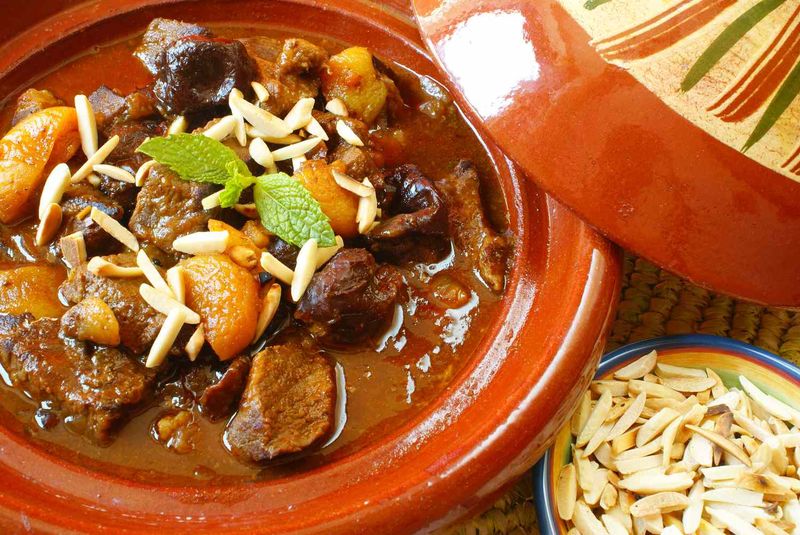
That funny cone-shaped pot you see in Moroccan markets has a clever job. The tagine traps steam, letting it drip back onto the food so meat stays juicy.
Lamb with dried apricots, honey, cinnamon, and toasted almonds is a classic mix.
Sweet and savory together might sound strange, but it really works. No tagine?
A heavy pot with a lid does the trick. Serve with fluffy couscous.
17. Gulyás, the Real Hungarian Goulash
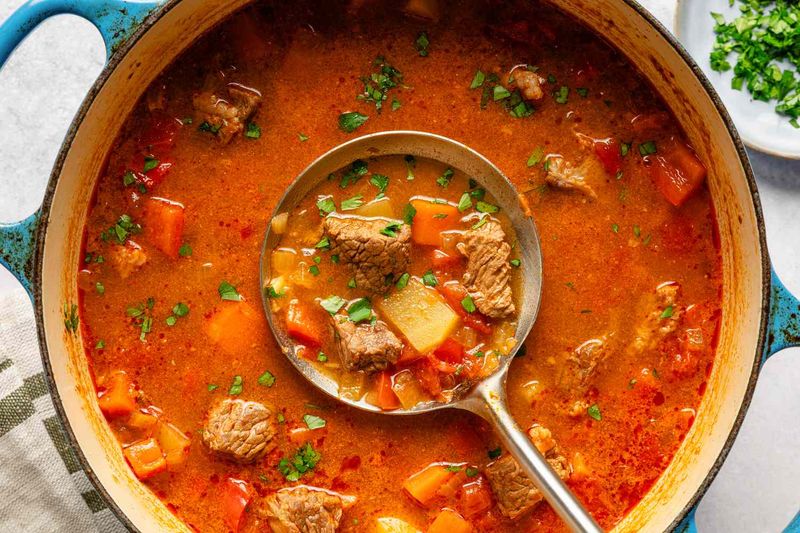
Forget the noodle casserole some people call goulash. Real Hungarian gulyás started with cattle herders cooking beef in kettles over open fires on the plains.
Sweet paprika gives it that deep red color, while potatoes and carrots make it hearty.
It is thinner than many stews, almost soupy. Buy good Hungarian paprika and bloom it gently in oil, never burning it.
That one step makes a huge difference in flavor.
18. Lancashire Hotpot
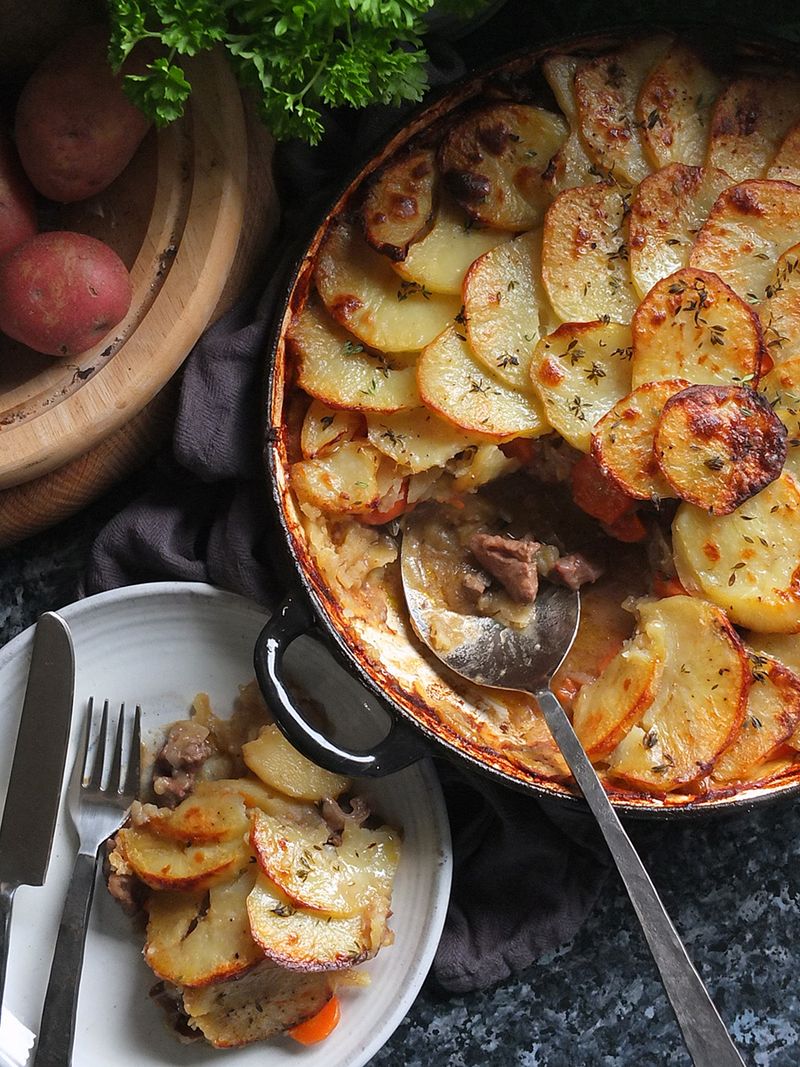
Mill workers in northern England once left a hotpot in the oven before heading to work. By lunchtime, it was ready and steaming.
Lamb and onions bake slowly under a roof of thinly sliced potatoes.
The top layer turns crispy and golden, while the bottom stays soft and soaked in gravy. That contrast is pure comfort.
Serve it with pickled red cabbage, just like many English pubs still do today.
19. Callaloo Stew
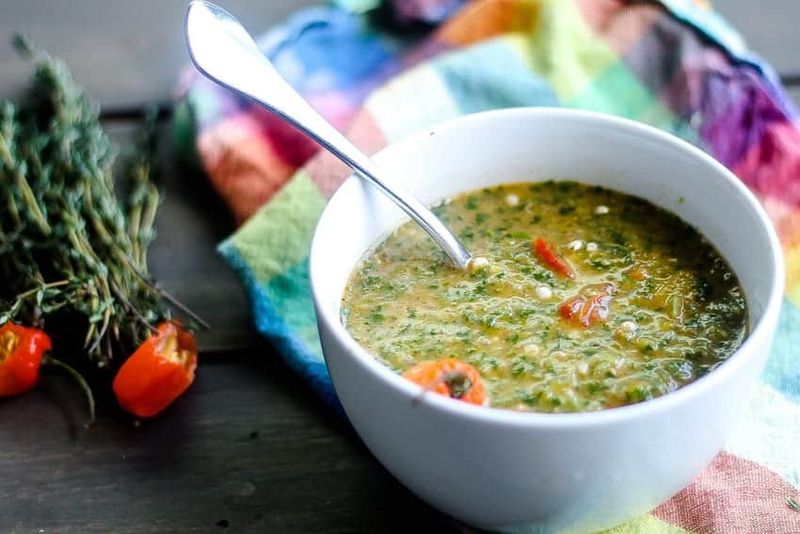
Sunday lunch in Trinidad often includes a big pot of callaloo. Leafy greens, okra, coconut milk, onions, and hot peppers cook down into a thick, velvety green stew.
Some families add crab or salted pork for extra flavor.
Spinach works as a fine swap if you cannot find taro or amaranth leaves. Blend it smooth or leave it chunky.
Either way, you are eating your greens happily.
20. Carbonnade Flamande
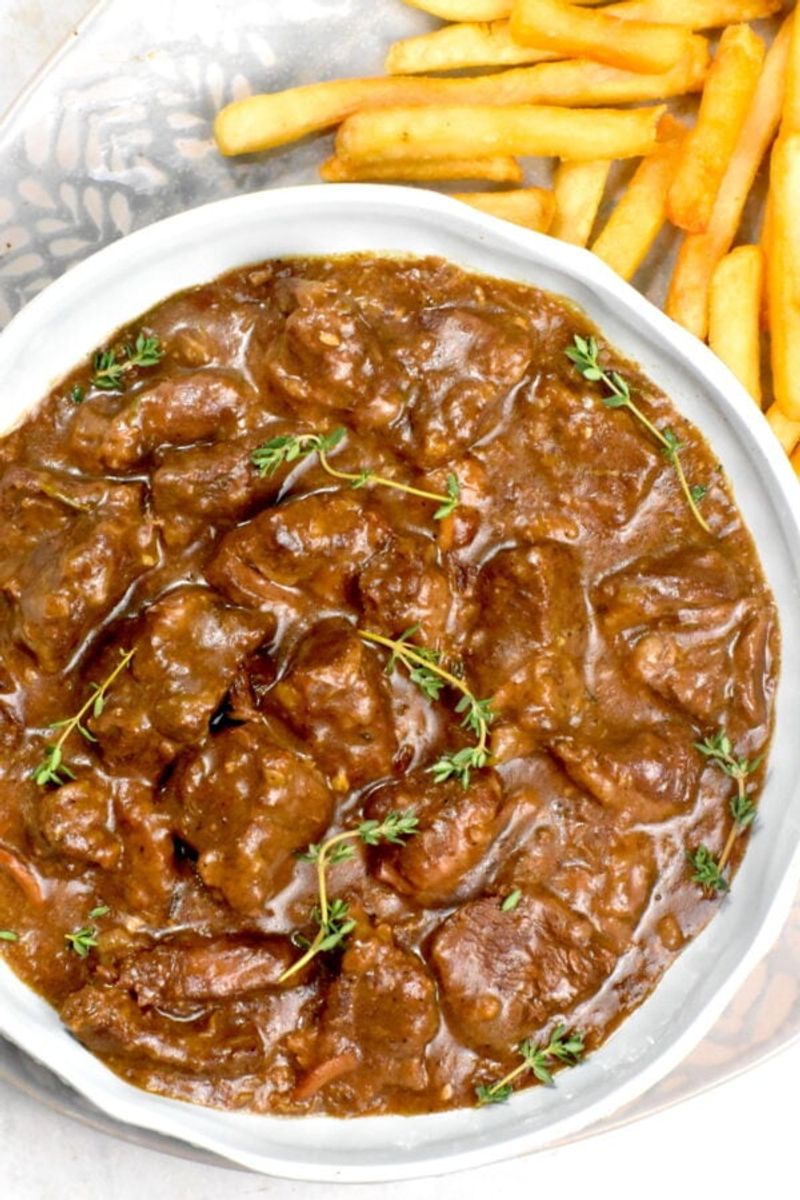
Here is a stew with a sneaky trick: a slice of bread spread with mustard melts right into the sauce. Belgians make carbonnade with beef, caramelized onions, brown sugar, and dark Belgian beer.
The alcohol cooks off during the long simmer.
For a family-friendly version, beef broth with a splash of vinegar works well. Belgians usually serve it with crispy fries, which is honestly the best idea ever.
21. Nikujaga
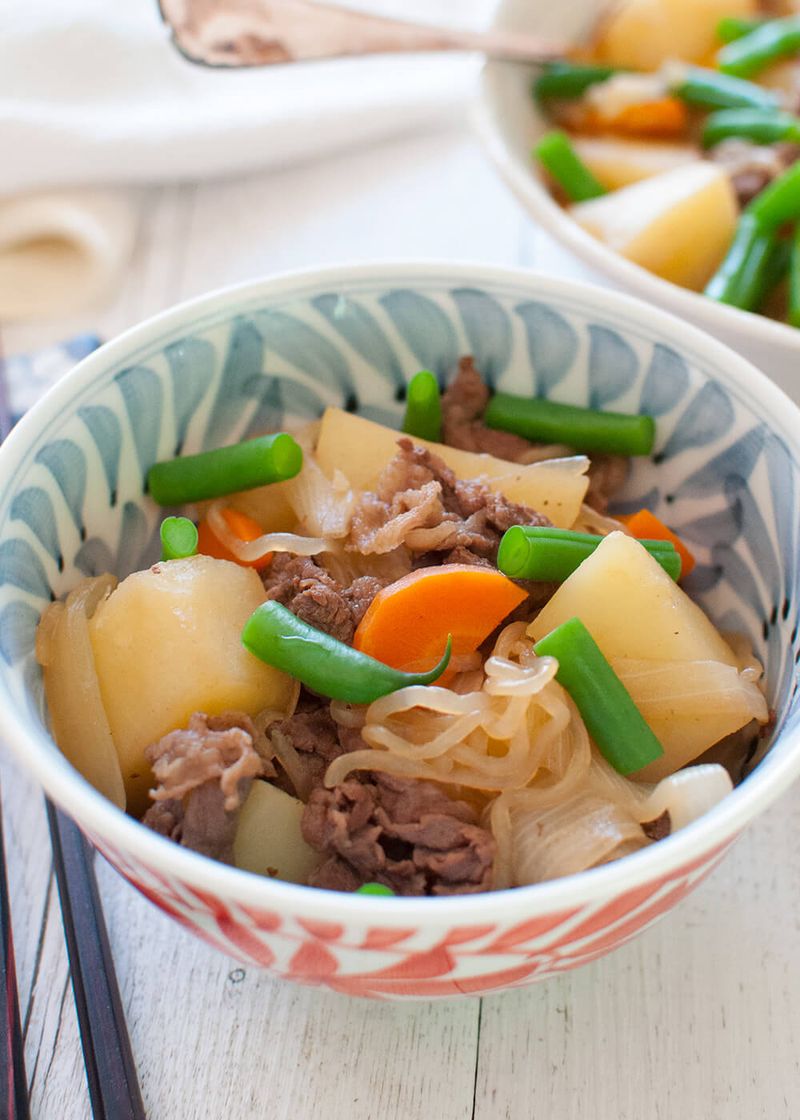
In Japan, nikujaga is the dish that tastes like mom’s cooking. Thin slices of beef, potatoes, carrots, and onions simmer in a sweet broth of soy sauce, sugar, and mirin.
Legend says a navy cook invented it while trying to copy British beef stew.
It is quick, needing only about thirty minutes. Cook it a day early, since potatoes soak up even more flavor overnight in the fridge.
22. Brunswick Stew
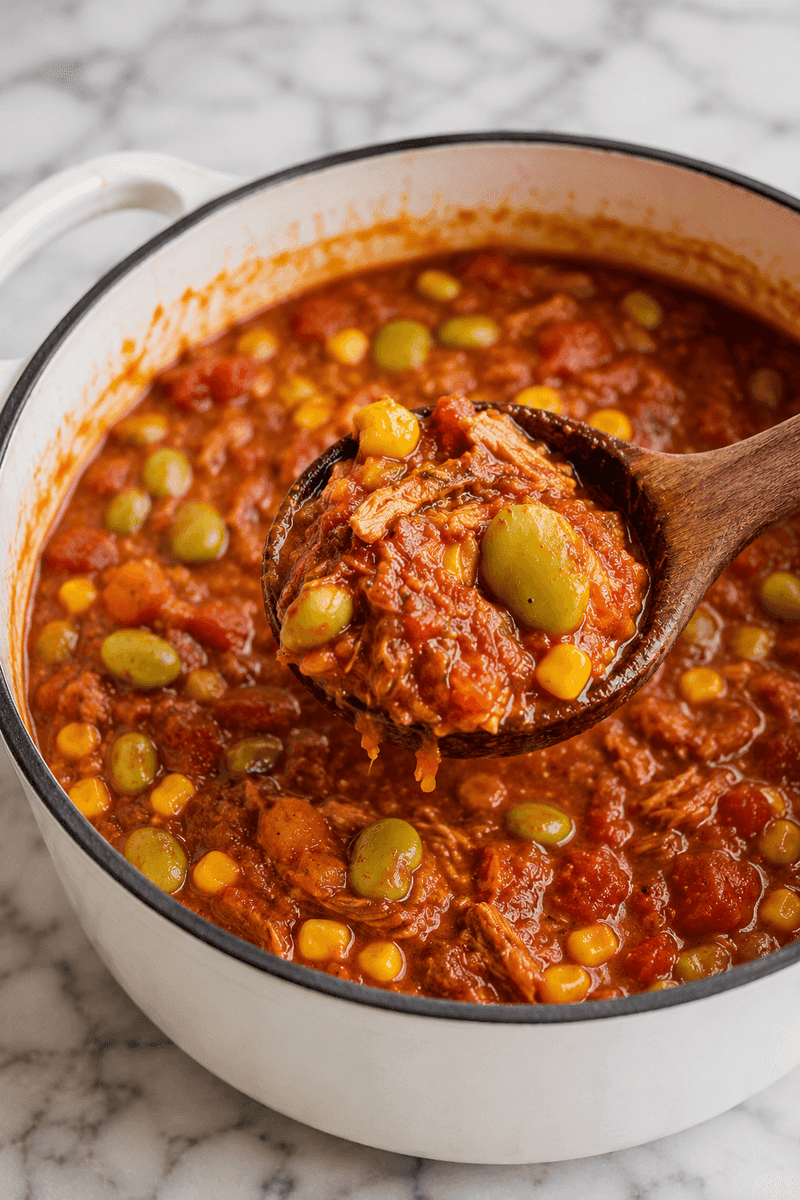
Two towns, one in Virginia and one in Georgia, still argue over who invented Brunswick stew. Whoever did, Southerners are grateful.
This tomato-based stew mixes smoked pork, chicken, corn, and lima beans with a tangy barbecue twist.
Barbecue joints often serve it as a side next to pulled pork. Got leftover grilled chicken?
Toss it in. The smokiness makes the whole pot taste like a summer cookout.
23. Plov-Style Uzbek Dimlama
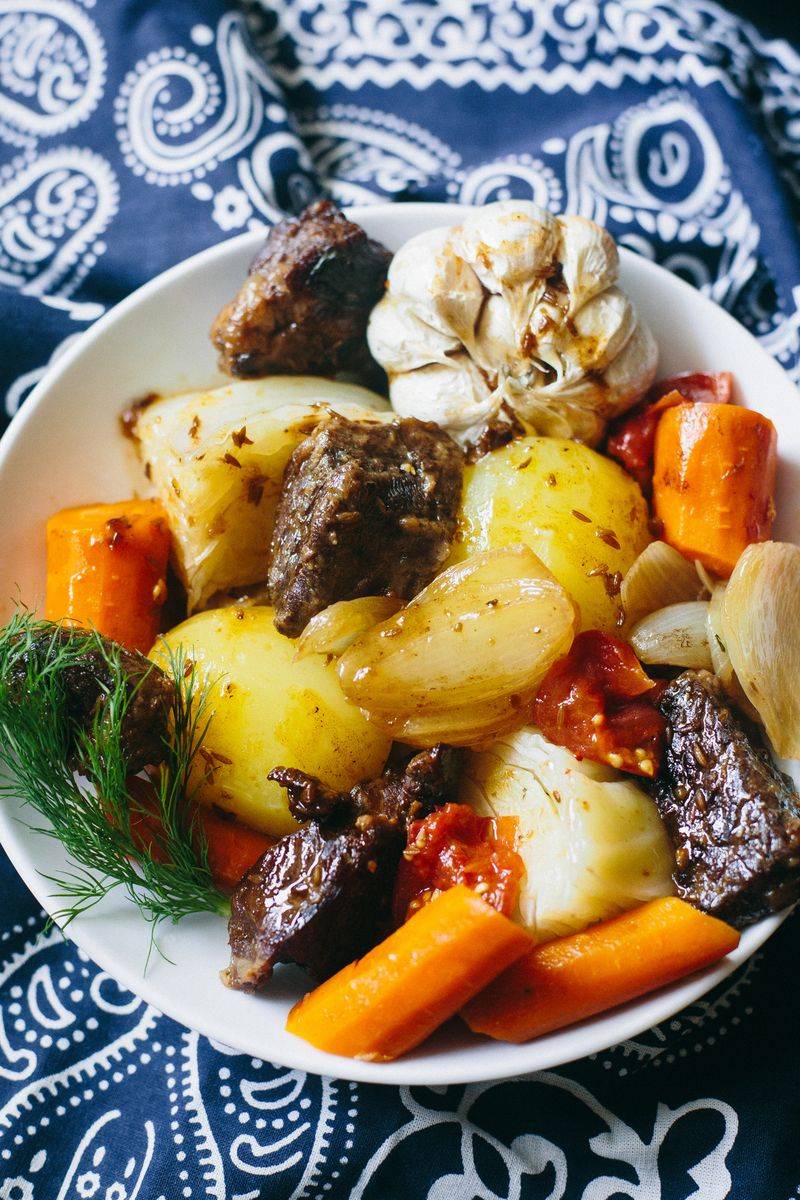
Layers are everything in dimlama, a cozy stew from Uzbekistan. Cooks stack lamb, onions, potatoes, carrots, cabbage, peppers, and tomatoes in a big pot, then cover it tightly.
No water is added at all.
Vegetables release their own juices, steaming everything into tender perfection. It is perfect for lazy cooks, since there is barely any stirring.
Toss in fresh dill and garlic at the end for a fragrant finish.