
Some of the tastiest foods in the world are not made fast. Cheesemakers in places like Italy, France, Switzerland, and the Netherlands wait months or even years for their wheels to slowly change in cool cellars.
During that long rest, flavors grow deeper, textures turn crunchy or creamy, and simple milk becomes something special. Here are the cheeses worth the wait, along with tips on how to enjoy them.
1. Parmigiano Reggiano, the King of Patience
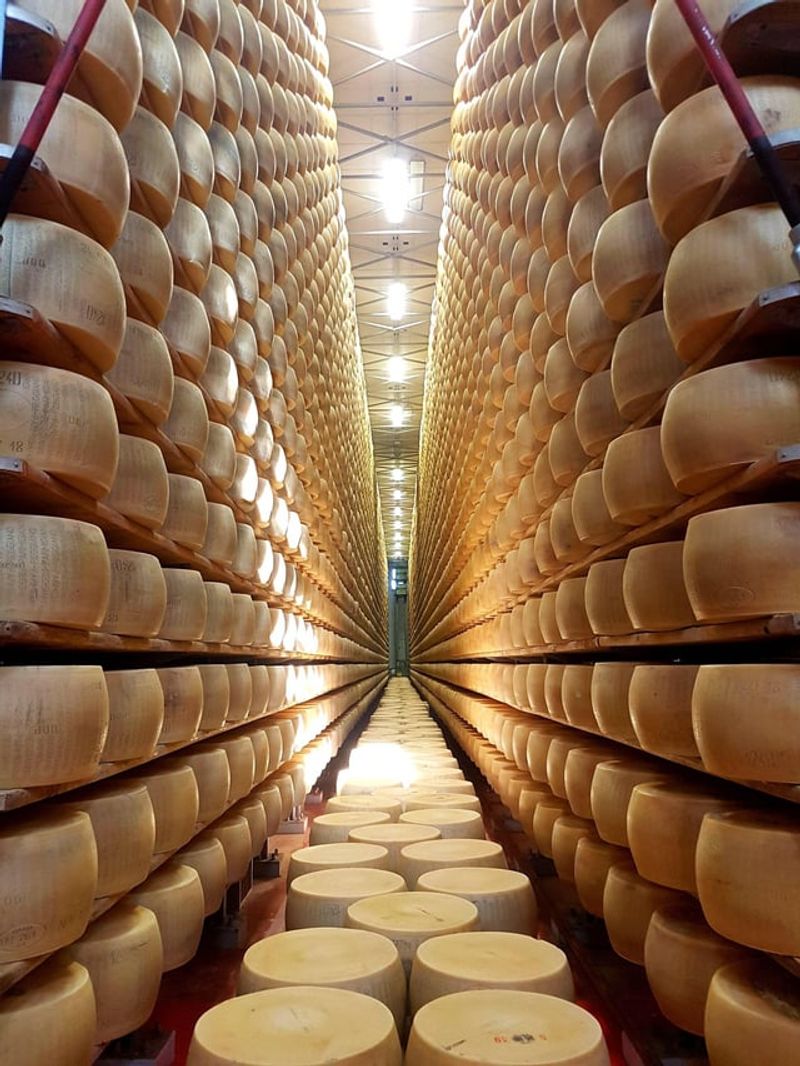
Picture a warehouse in northern Italy with towering shelves holding thousands of golden wheels. Parmigiano Reggiano must age at least 12 months, but many fans swear the magic happens around 24 to 36 months.
Older wedges get tiny white crystals that crunch between your teeth. Those are amino acids, a sign of great aging.
Try breaking off chunks instead of slicing. Drizzle a little balsamic vinegar on top for a sweet and salty snack.
2. Comté From the French Mountains
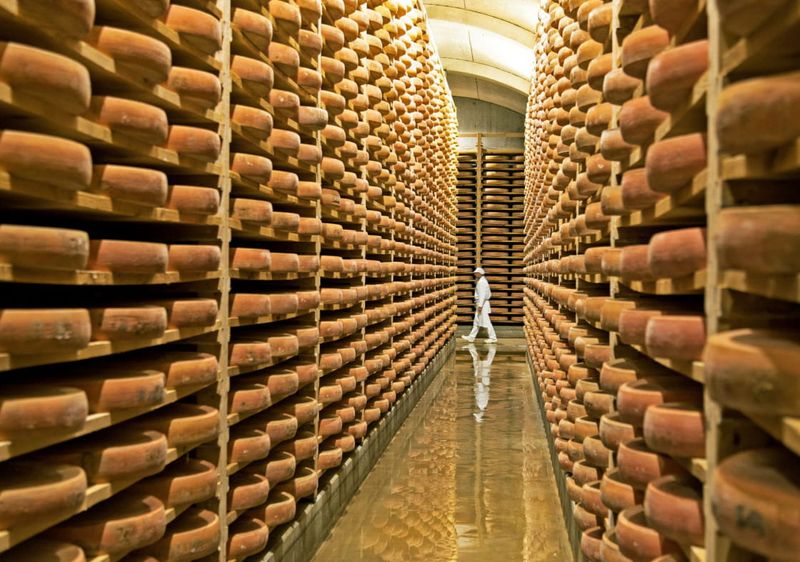
Deep in the Jura mountains, cellar masters tap each wheel of Comté with a little hammer. The sound tells them how the inside is developing, almost like a doctor checking a heartbeat.
Young Comté tastes buttery and mild. After 24 months or more, it becomes nutty, brothy, and full of crystals.
Every wheel tastes a bit different depending on the season the cows grazed. Summer milk often gives fruitier, flowery notes.
3. Old Gouda With a Candy Crunch
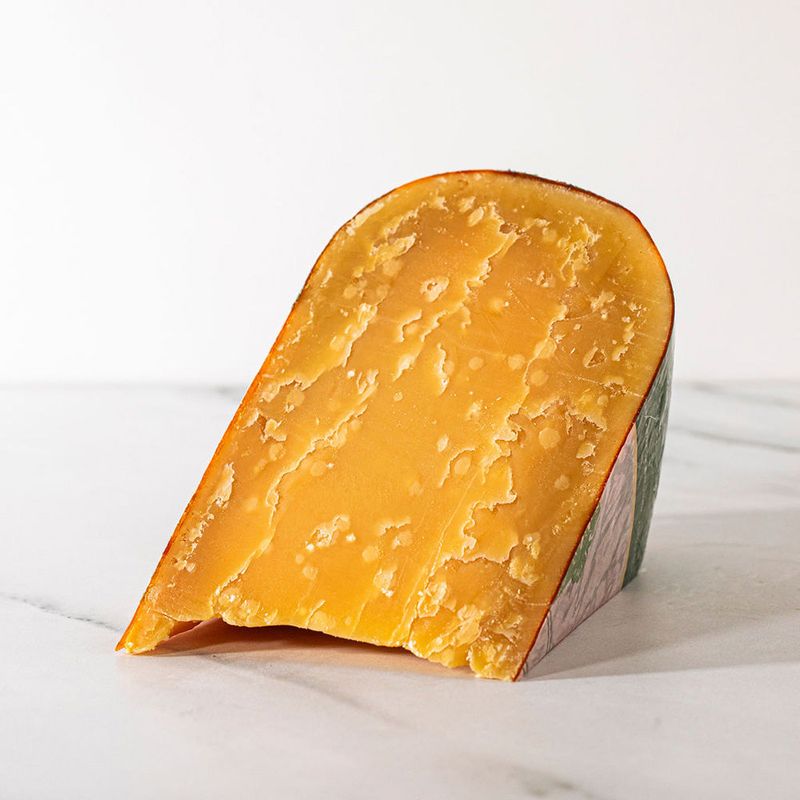
Forget the soft, mild Gouda in red wax you saw as a kid. Aged versions from the Netherlands are a whole new treat.
After two to five years, the cheese turns deep orange-brown and tastes like butterscotch mixed with salty caramel. It gets firm and flaky, with crunchy bits throughout.
Serve thin shavings with apple slices or a cup of coffee. Many people call it dessert cheese because it feels that sweet.
4. Gruyère, Switzerland’s Cozy Classic
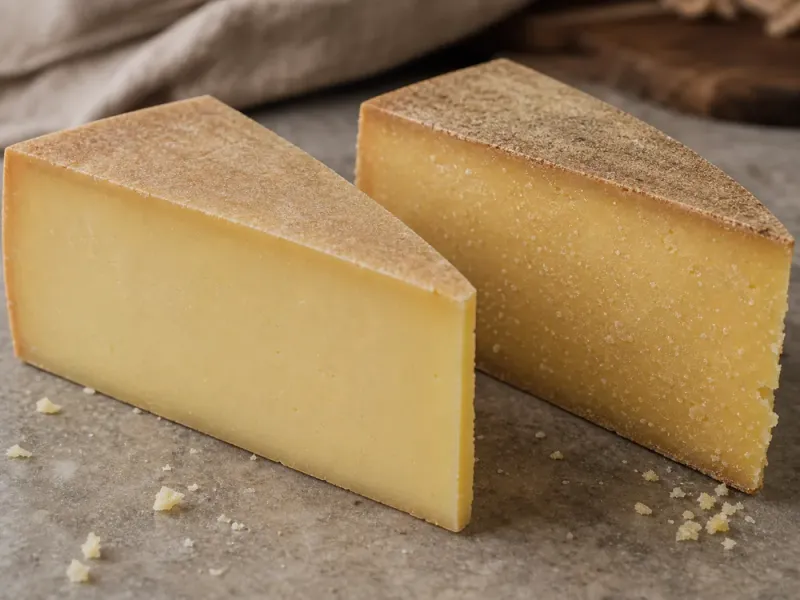
Ever had a bubbly cheese fondue on a cold night? Chances are, Gruyère made it delicious.
Named after a small Swiss town, this cheese can age from five months to over a year and a half. Older wheels, often labeled reserve or alpage, taste earthy, slightly sweet, and wonderfully complex.
A fun tip: aged Gruyère melts beautifully on toasted sandwiches. Grate it fresh for the richest flavor and smoothest melt.
5. Cheddar That Grew Up Slowly
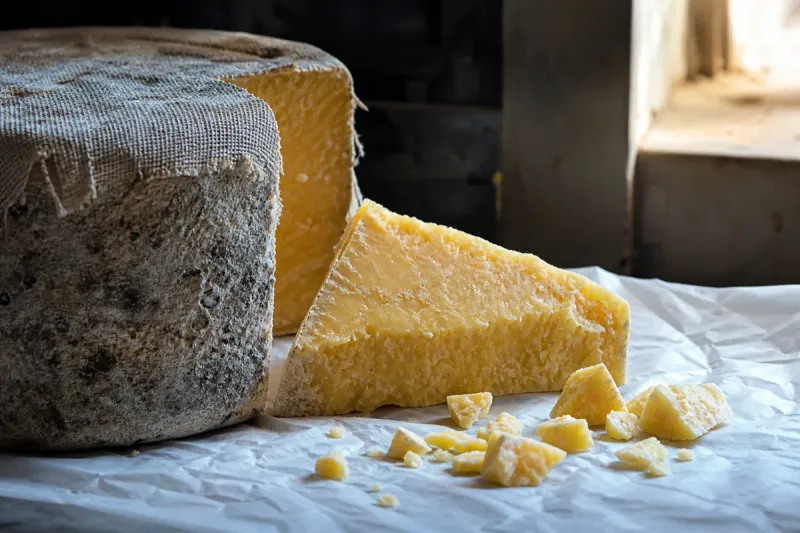
Cheddar actually comes from a village in Somerset, England, where caves once kept cheese cool. Traditional clothbound cheddar is wrapped in cloth and lard, then left to rest for a year or longer.
Some cheesemakers age blocks for five, ten, or even twenty years. The result is sharp, tangy, and crumbly.
Pair a bold piece with chutney and crusty bread. That combo is called a ploughman’s lunch, a classic British pub favorite.
6. Pecorino Romano, a Roman Soldier’s Snack
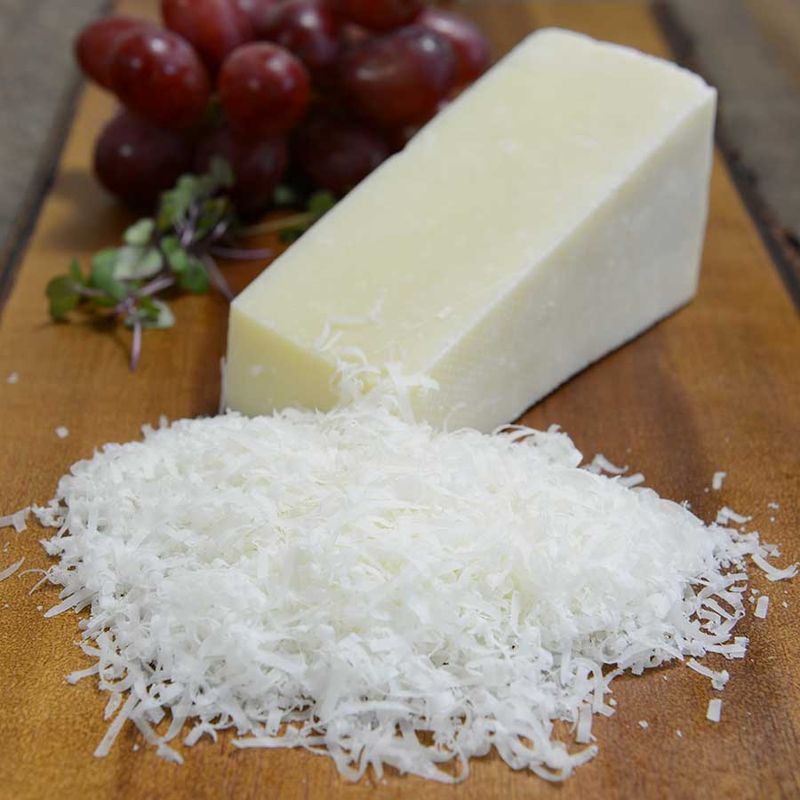
Ancient Roman soldiers carried this sheep’s milk cheese on long marches. It was salty, sturdy, and gave them energy for days.
Pecorino Romano ages at least five months, but wheels rested eight months to over a year develop a sharper bite. The texture becomes hard enough to grate like snow.
Want to taste history? Toss hot spaghetti with grated Pecorino and black pepper.
Romans call that dish cacio e pepe.
7. Manchego From La Mancha
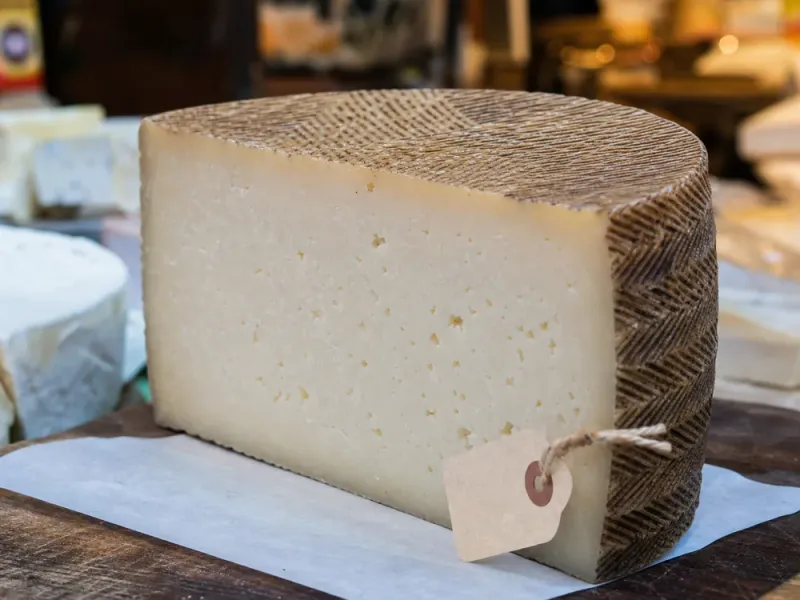
Look closely at a Manchego rind and you will spot a zigzag pattern. Long ago, shepherds pressed the curds in woven grass baskets, and modern molds copy that design.
Made from Manchega sheep milk in central Spain, the viejo version ages up to two years. It turns peppery, nutty, and pleasantly crumbly.
Spaniards love it with membrillo, a sweet quince paste. The fruity jelly balances the salty cheese perfectly.
8. Mimolette, the Cannonball Cheese
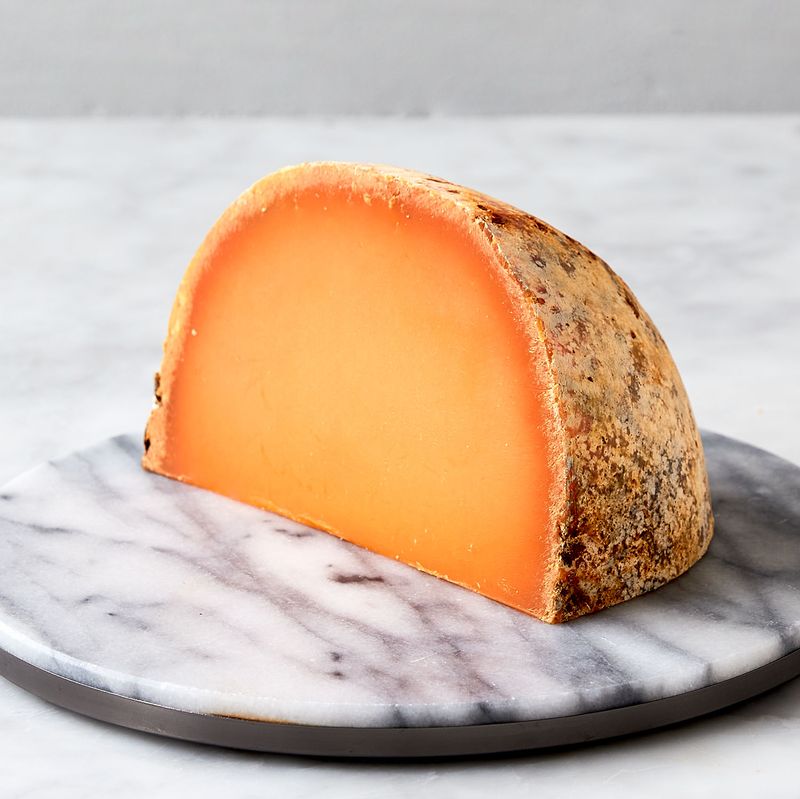
Here is a weird one. Mimolette looks like a bright orange cannonball, and its bumpy rind is created by tiny cheese mites that nibble the surface.
Yes, really! These little helpers let air in and improve flavor as the cheese ages up to two years.
Extra old Mimolette tastes like toasted hazelnuts and butterscotch. French President Charles de Gaulle reportedly loved it.
Shave it thinly to enjoy that wild color and deep taste.
9. Grana Padano With Gentle Charm
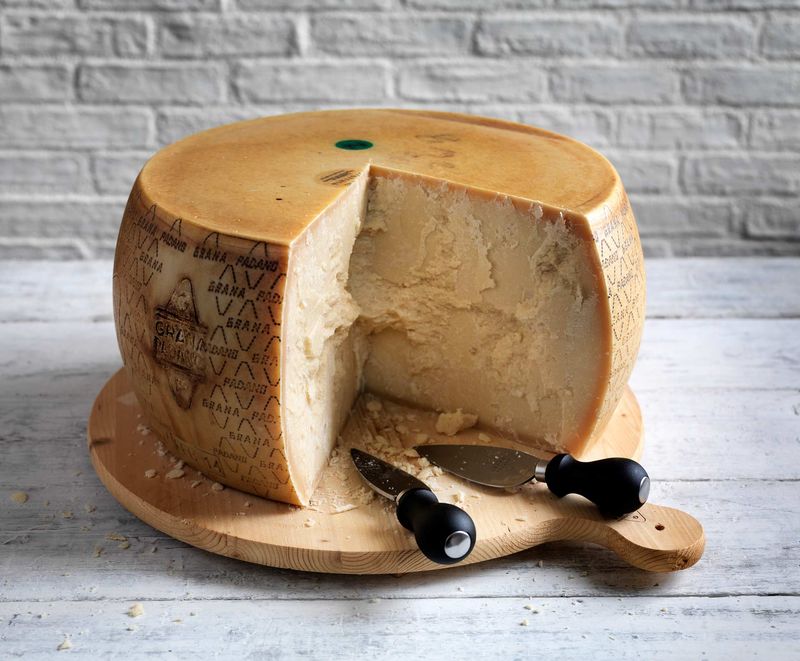
Often mistaken for Parmigiano, Grana Padano is its friendly cousin from the Po Valley. Monks first created it nearly a thousand years ago to save extra milk.
Wheels age from nine months to over 20 months. The Riserva version is rich, savory, and slightly sweet, but a little milder than Parmigiano.
Since it often costs less, it is a smart pick for everyday cooking. Grate it over soups, risotto, or roasted veggies.
10. Beaufort, Prince of the Alps
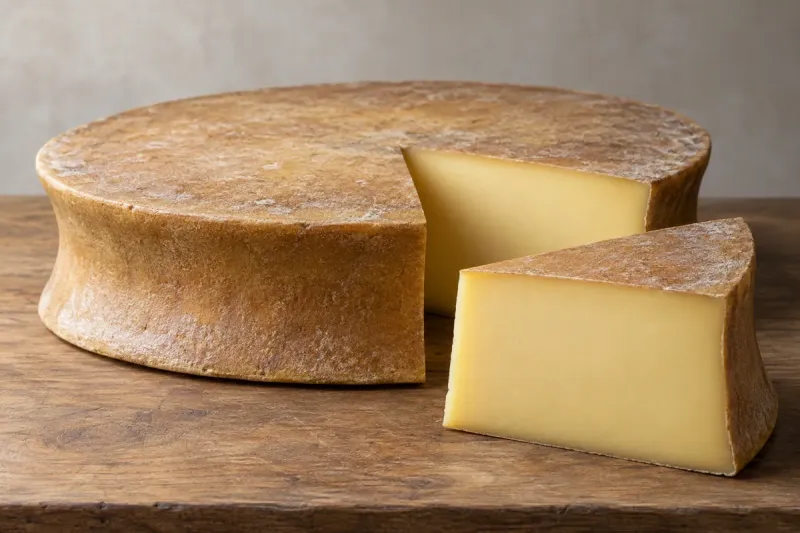
Cows grazing on high summer pastures in the French Alps give Beaufort its flowery flavor. The wheels even have curved, inward sides, a shape from old wooden hoops.
Aging lasts at least five months, but a year or more brings out notes of honey, grass, and toasted nuts.
Look for Beaufort d’Alpage, made only in summer at high altitudes. It is rare and pricey, so savor small pieces slowly.
11. Sbrinz, One of Europe’s Oldest
Historians believe Sbrinz may be one of the oldest cheeses in Europe, traded over mountain passes for centuries. Some even think ancient Romans knew of it.
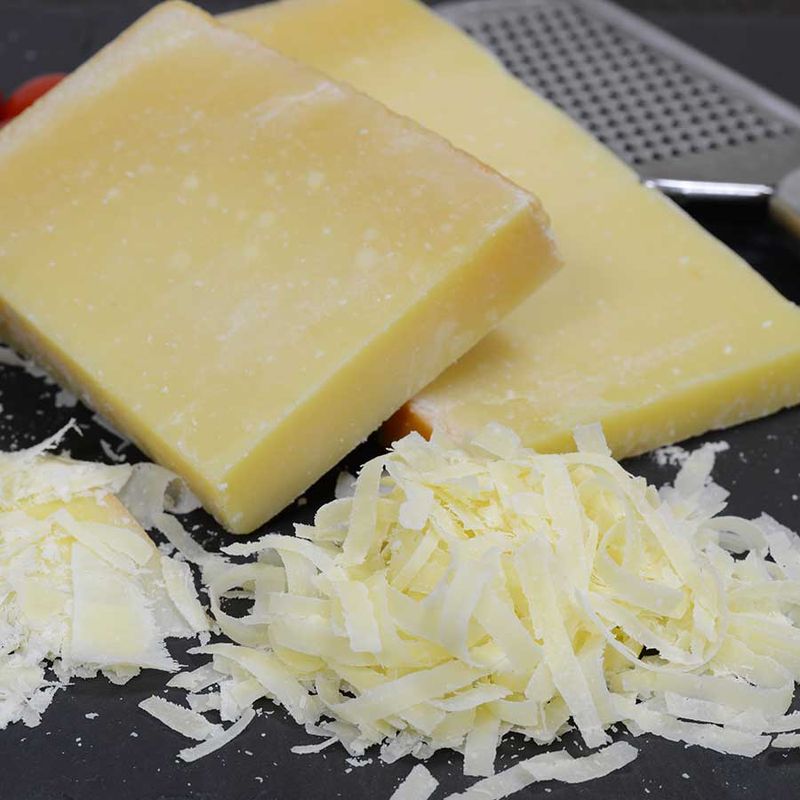
This super hard Swiss cheese ages 18 months to three years. It is so firm that people break it into chips instead of slicing.
Fun idea for a party: set out a chunk with a small pointed knife. Guests can chip off rich, savory bites themselves.
12. Bitto Storico, the Rebel Cheese
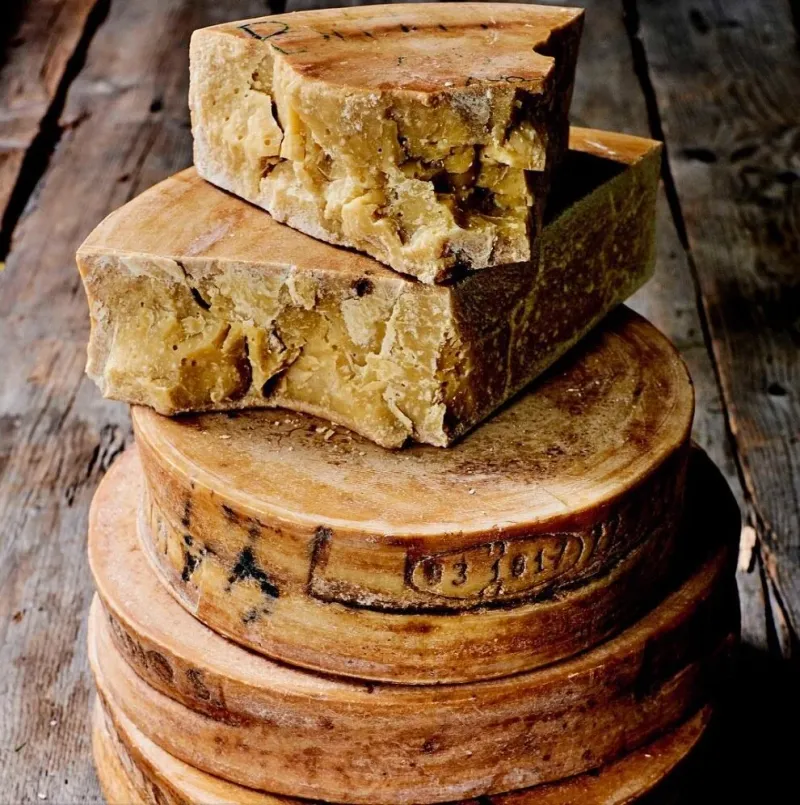
Talk about patience! Bitto Storico from the Italian Alps can age ten years or more, and some wheels have been kept for nearly two decades.
Makers follow ancient rules, mixing cow milk with a bit of goat milk and refusing modern shortcuts. They even split from the official group to protect their traditions.
Old Bitto tastes intense, nutty, and slightly spicy. If you ever spot it, grab a taste.
It is truly rare.
13. Stilton, Blue and Bold
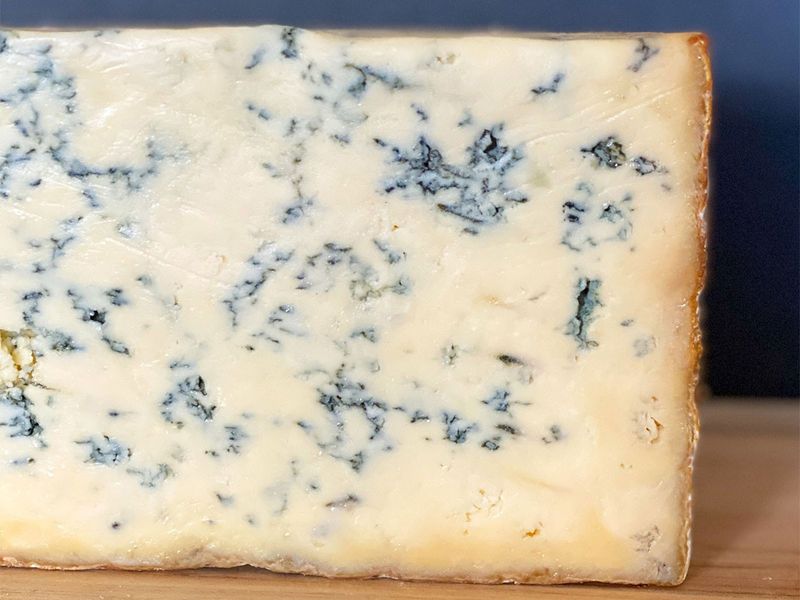
Blue cheese lovers, this one is for you. Stilton is made only in three English counties, and it needs several months for those beautiful blue veins to spread.
Workers poke the wheels with steel needles so air can feed the mold. Over time, it turns creamy, tangy, and earthy.
Brits traditionally enjoy Stilton at Christmas. Try it crumbled on a salad with pears and walnuts for a sweet and savory mix.
14. Asiago Stravecchio, Asiago’s Wise Elder
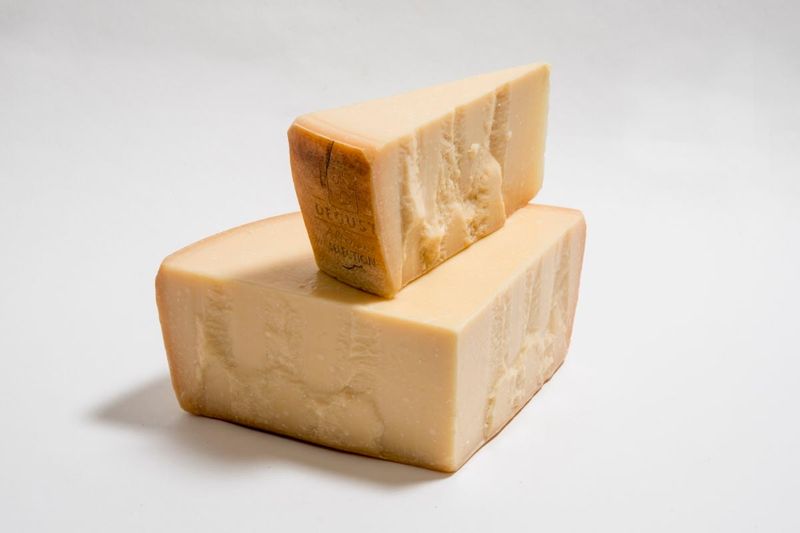
Most folks know Asiago as a soft, mild cheese for sandwiches. But in the Veneto hills of Italy, some wheels are left to rest much longer.
Stravecchio means extra old, and it ages more than 15 months. The cheese becomes hard, golden, and sharp, with a pleasant spicy finish.
Grate it over pasta like Parmigiano, or nibble it with honey. Kids often enjoy it once they try that sweet combo.
15. Roquefort From Ancient Caves
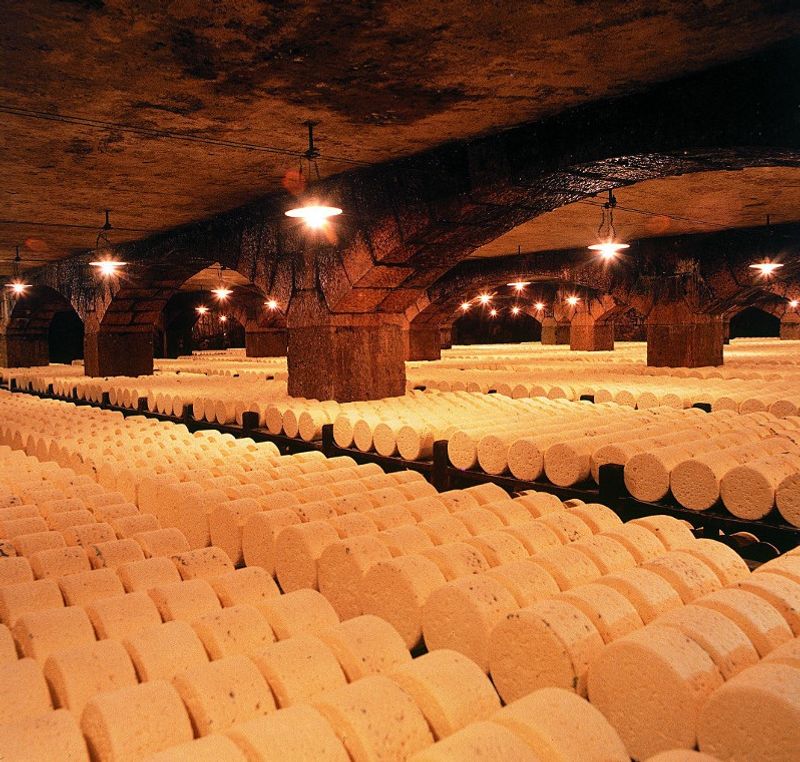
Legend says a shepherd left his lunch in a cave, chased a girl, and returned months later to find moldy, delicious cheese. That story explains Roquefort’s beginning.
Today, wheels of sheep milk cheese still age in the same limestone caves in southern France for at least three months, often longer.
Natural cave breezes help the blue mold grow. Spread a little on warm bread.
Its bold, salty punch goes a long way.