
Empathy is the ability to understand and share what someone else is feeling, and it plays a huge role in how we connect with others. Some people find it genuinely hard to show empathy, and this can create friction in friendships, families, and workplaces.
Recognizing these traits is not about labeling anyone as a bad person, but about understanding patterns that can get in the way of meaningful relationships. Read on to learn what these traits look like in everyday life.
1. Excessive Criticism and Judgment

Some people seem to have a running list of everything you are doing wrong. People who struggle with empathy often criticize others harshly for showing emotions or for the situations they find themselves in.
Instead of offering support, they might say things like “you brought this on yourself.”
Over time, this constant judgment makes others feel small and afraid to open up. It creates distance rather than connection.
2. Dismissing Others’ Emotions

Ever been told “you’re just too sensitive” when you were genuinely hurting? People with low empathy often brush off the feelings of others as overreactions or unnecessary drama.
They may truly believe that emotions are a sign of weakness rather than a normal part of being human.
Hearing your feelings get dismissed repeatedly can be exhausting and isolating. It sends the message that your inner world simply does not matter.
3. Unaware of How Their Actions Affect Others

Picture someone who makes a cutting remark at dinner and then acts completely baffled when the table goes quiet. People who struggle with empathy often have a blind spot when it comes to how their words and actions land on others.
Sometimes they genuinely cannot see the impact they have.
Other times, they may notice but feel little remorse about it. Either way, this gap makes real connection nearly impossible.
4. Difficulty Forming Lasting Relationships

Relationships need emotional give-and-take to survive, and that is exactly where things break down for people with low empathy. Without the ability to tune into what others feel, friendships and romantic bonds tend to fizzle out or fall apart under stress.
People eventually pull away when they feel unseen.
The result is often a pattern of short-lived connections and a quiet but growing sense of isolation that can be hard to explain.
5. Strong Self-Centeredness

It is not just about being confident or knowing what you want. Self-centeredness in this context means consistently putting your own needs, feelings, and opinions above everyone else’s, often without realizing it.
Every conversation circles back to them, and other people’s needs feel like interruptions.
Psychologists note that this trait is closely linked to low empathy because truly caring about others requires stepping outside your own perspective, even briefly.
6. Inappropriate Responses to Others’ Pain

Laughing when someone shares bad news, or acting cheerful when a friend is clearly devastated, are signs that something is off in the emotional connection. People with low empathy may respond to others’ distress in ways that feel jarring or even cruel, though they may not intend any harm.
They might crack a joke at a funeral or show visible annoyance when a colleague cries. These reactions leave others feeling deeply misunderstood.
7. Poor Listening Skills

Good listening is one of the most powerful gifts you can give another person, and it requires genuine interest in what they are saying. People who struggle with empathy often interrupt, zone out, or steer conversations back to themselves before the other person has finished speaking.
This is not always intentional rudeness. Sometimes they simply cannot sustain interest in someone else’s experience long enough to truly hear them out.
The effect, however, stings the same.
8. Unwillingness to Forgive

Holding a grudge can feel like protection, but when forgiveness is completely off the table no matter what, it often signals a lack of empathy. People who cannot put themselves in another person’s shoes struggle to understand why mistakes happen or how someone could genuinely feel sorry.
They may keep mental scorecards and bring up old wrongs years later. This rigid stance poisons relationships slowly and makes reconciliation feel impossible for everyone involved.
9. Blaming Victims for Their Misfortunes
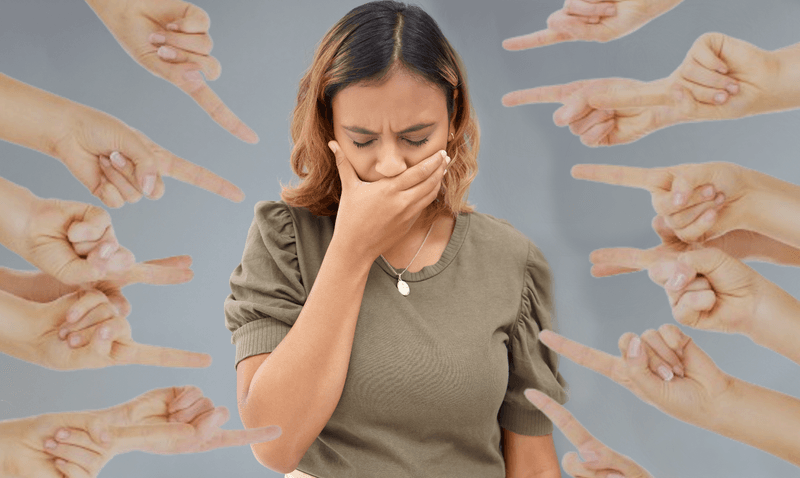
“Well, what did you expect?” is a phrase that hits like a slap when you are already struggling. People low in empathy often blame others for the bad things that happen to them, sometimes as a way to feel safe by believing the world is fair and controllable.
This tendency, known as victim-blaming, prevents them from sitting with someone else’s pain. It also shields them from the uncomfortable truth that bad things can happen to anyone.
10. No Remorse for Hurting Others

Most of us feel a pang of guilt when we realize we have hurt someone, even accidentally. People who lack empathy rarely apologize or admit wrongdoing, even when the harm they caused is obvious.
Taking accountability requires imagining how the other person feels, which is a skill they find genuinely difficult.
Without remorse, the same hurtful behaviors tend to repeat. Others around them learn quickly not to expect an apology, which breeds resentment over time.
11. Impatience With Others’ Struggles

Patience is a form of empathy in action, and when it is missing, it shows. People who struggle to empathize can become visibly irritated or dismissive when others take time to work through difficulties or express their feelings.
They may say things like “just get over it” or “why is this taking so long?”
This impatience communicates that the other person’s struggles are an inconvenience. It discourages people from reaching out when they genuinely need support.
12. Rarely Showing Gratitude or Appreciation

Gratitude requires recognizing that someone else went out of their way for you, and that takes a small but meaningful act of empathy. People with low empathy often overlook or take for granted the kindness and effort others put in.
A simple thank-you may rarely cross their lips.
Over time, the people around them start to feel invisible and undervalued. Research shows that expressing appreciation strengthens bonds, so its absence quietly erodes them instead.
13. Monopolizing Conversations

You know that feeling when you cannot get a single word in edgewise? People low in empathy tend to dominate conversations, talking at length about their own experiences without pausing to invite others in or noticing when the group has mentally checked out.
Real dialogue requires curiosity about the other person, which is tough without empathy. Conversations become one-sided performances rather than genuine exchanges, leaving everyone else feeling like an audience rather than a participant.
14. Ignoring or Crossing Personal Boundaries

Boundaries exist to protect people’s comfort, safety, and sense of self. Someone who struggles with empathy often has trouble recognizing where their own needs end and another person’s begin.
They may share private information, push into personal space, or ignore repeated requests to stop certain behaviors.
Because they cannot fully tune in to how others feel, the signals that a boundary has been crossed tend to go unnoticed. This leaves others feeling violated and disrespected.
15. Manipulative or Exploitative Behavior

Charm can be a wonderful thing, but in the hands of someone with low empathy, it can become a tool for getting what they want at others’ expense. These individuals may use flattery, guilt-tripping, or strategic kindness to steer people toward outcomes that benefit only themselves.
Because they are not tuned in to how their tactics affect others emotionally, manipulation feels like a practical solution rather than a harmful act. The people around them often feel used once they catch on.
16. Arrogance and a Sense of Entitlement

There is a big difference between healthy confidence and believing the rules simply do not apply to you. People who lack empathy often carry a sense of superiority, looking down on those they see as less successful or less important.
They expect special treatment and get irritated when they do not receive it.
This arrogance blocks empathy at the root because it is hard to care about someone you view as beneath you. It also pushes people away steadily.
17. Indifference to the Suffering of Others
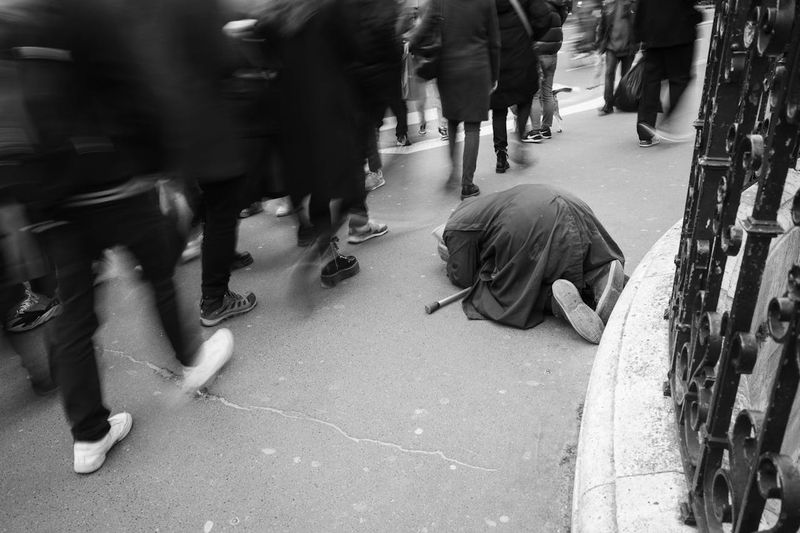
Most people feel at least a flicker of sadness when they hear about someone suffering, whether it is a neighbor going through a hard time or a news story about a natural disaster. People with low empathy may feel nothing at all, or they may find such situations mildly interesting rather than moving.
This indifference extends to animals as well. It is one of the more unsettling traits because it suggests an emotional wall that keeps genuine compassion from getting through.
18. Trouble Understanding Their Own Emotions

Here is something surprising: people who struggle to empathize with others often have a hard time identifying their own feelings too. This condition, sometimes called alexithymia, means that emotions feel murky or hard to name.
If you cannot recognize what you are feeling, tuning in to someone else’s experience becomes even harder.
Working with a therapist to build emotional awareness can make a real difference. Understanding yourself is often the first step toward understanding others.