
Ever wonder what happens in a restaurant kitchen long before you sit down to order? Behind the scenes, chefs and kitchen staff are already hard at work, prepping ingredients and cooking dishes that take serious time and effort.
Getting a head start on certain foods is what makes your meal taste so good when it finally arrives at your table. Here are 19 foods that restaurants prepare hours before opening day.
1. Slow-Braised Short Ribs
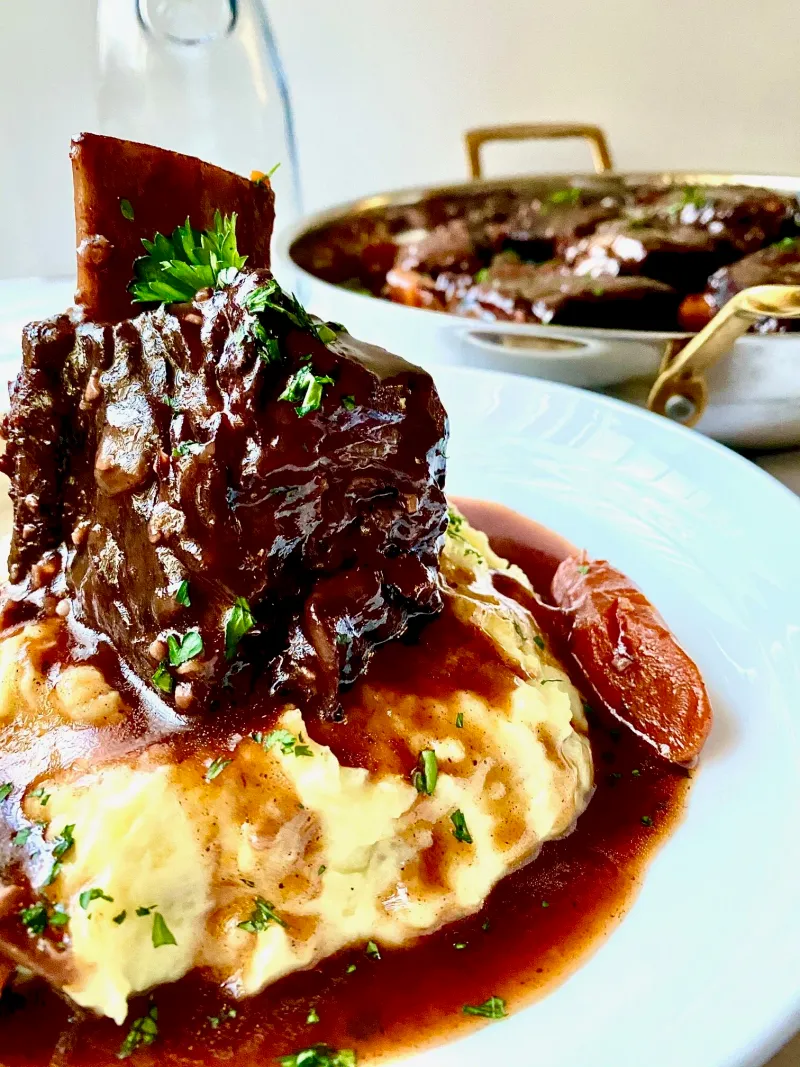
Braised short ribs need a long, slow cook to become fall-off-the-bone tender. Restaurants typically start them four to six hours early, letting the meat simmer in wine, broth, and aromatics until every fiber softens up.
Rushing this process simply does not work. The collagen inside the meat needs time to break down into silky gelatin, which creates that rich, glossy sauce customers love.
Patience is truly the secret ingredient here.
2. Stocks and Broths
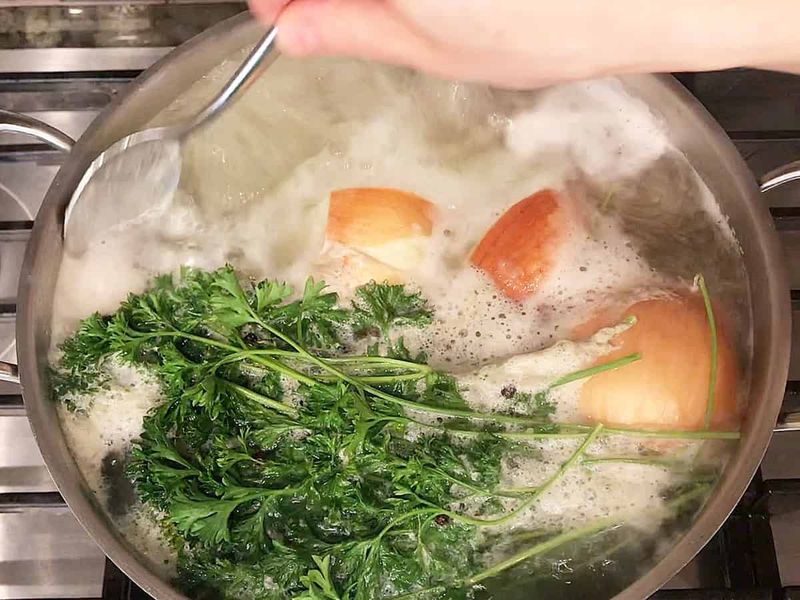
Almost every great restaurant dish starts with a homemade stock. Chicken, beef, and vegetable broths simmer for hours on the back burner, slowly pulling flavor from bones, herbs, and vegetables.
You cannot rush a good stock. Chefs typically start pots going early in the morning so the liquid has time to develop deep, complex flavor.
That golden broth you taste in soups and sauces? It likely started cooking before sunrise.
3. House-Made Bread and Rolls
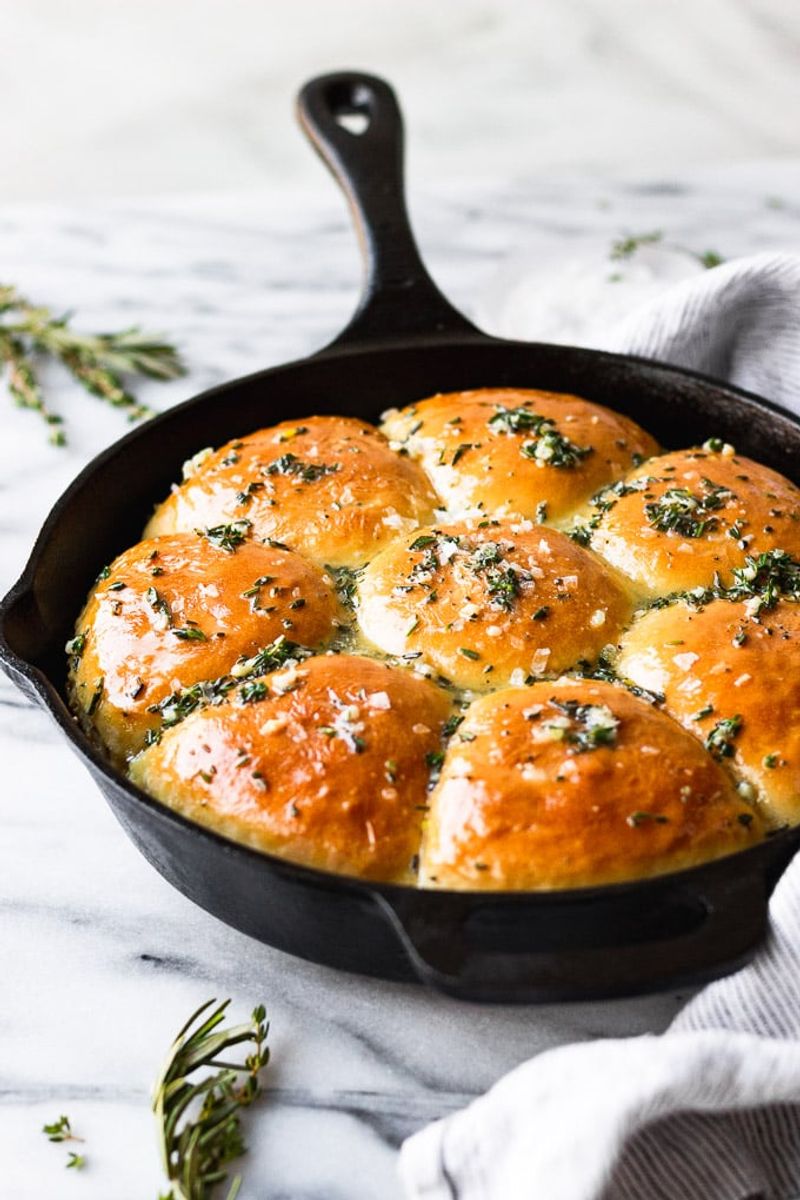
Bread dough is one of the most time-sensitive things a kitchen handles each day. After mixing, the dough needs time to proof, or rise, before it ever touches the oven.
Many restaurants start their dough four to eight hours before service begins. Some even prep it the night before for an overnight rise in the refrigerator.
That slow fermentation is what gives artisan bread its chewy texture and slightly tangy flavor customers always rave about.
4. Slow-Roasted Tomato Sauce
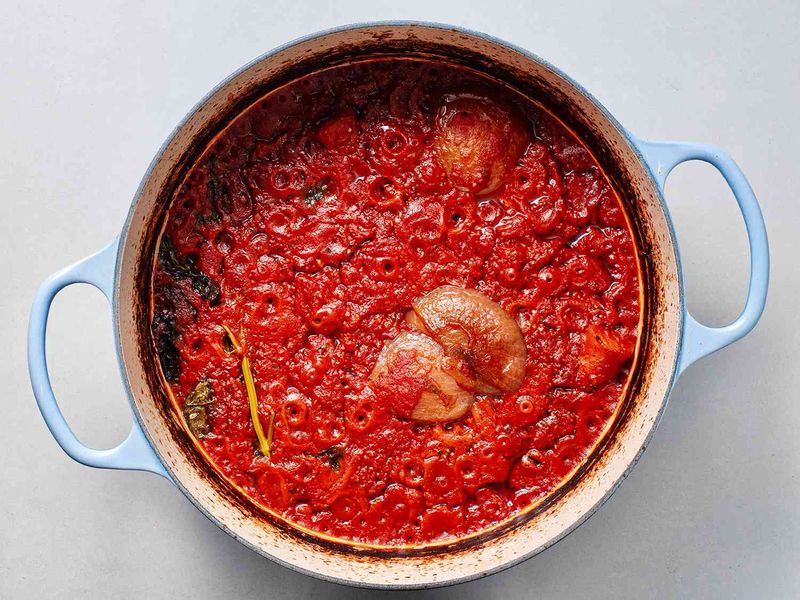
A truly great marinara or tomato sauce cannot be made in twenty minutes, no matter what the jar labels claim. Restaurants cook their tomato sauces low and slow for hours, letting the natural sugars caramelize and the acidity mellow out.
The result is a sauce that tastes rich and layered rather than sharp and raw. Chefs often start sauce prep first thing in the morning so it is perfectly balanced and ready when pasta orders start rolling in.
5. Dried Beans and Legumes
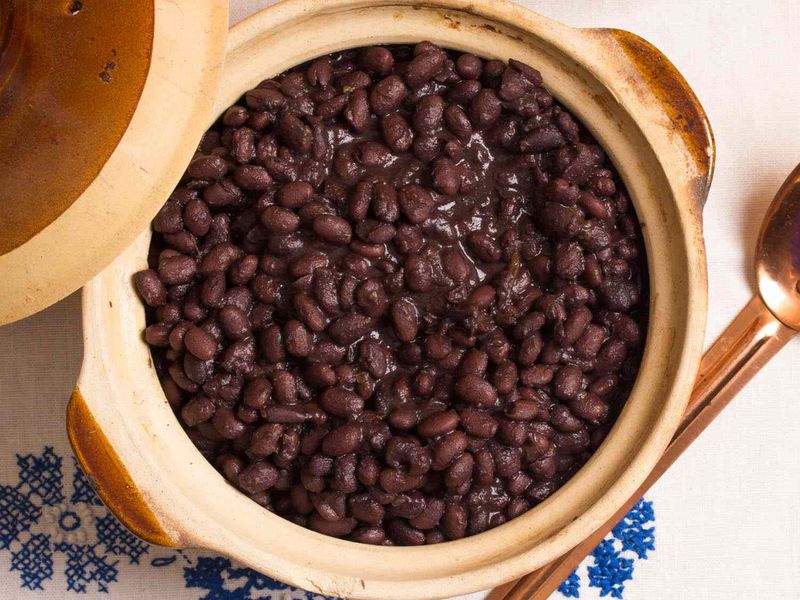
Dried beans are a restaurant staple that absolutely cannot be rushed. Most varieties require soaking overnight and then cooking for one to three hours before they reach the right creamy texture.
Canned beans are a shortcut some places use, but serious kitchens cook from scratch for better flavor and texture. Whether it is black beans for tacos or white beans for soup, the prep starts way before the first customer ever walks through the door.
6. Pulled Pork and Barbecue Meats
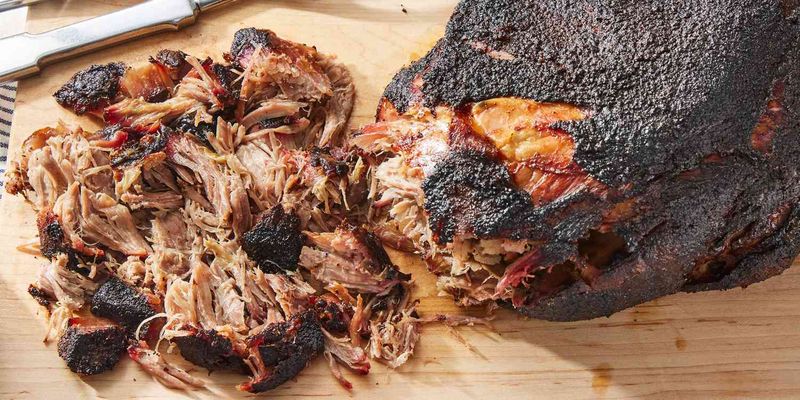
Ask any pitmaster and they will tell you pulled pork is not a quick meal. A whole pork shoulder needs anywhere from eight to fourteen hours in a smoker or oven before it shreds apart with ease.
Many barbecue restaurants start cooking overnight so the meat is ready by lunchtime. That smoky, juicy result is worth every hour of waiting.
The long cook breaks down tough connective tissue into buttery, flavorful strands that pile beautifully onto a bun.
7. Caramelized Onions
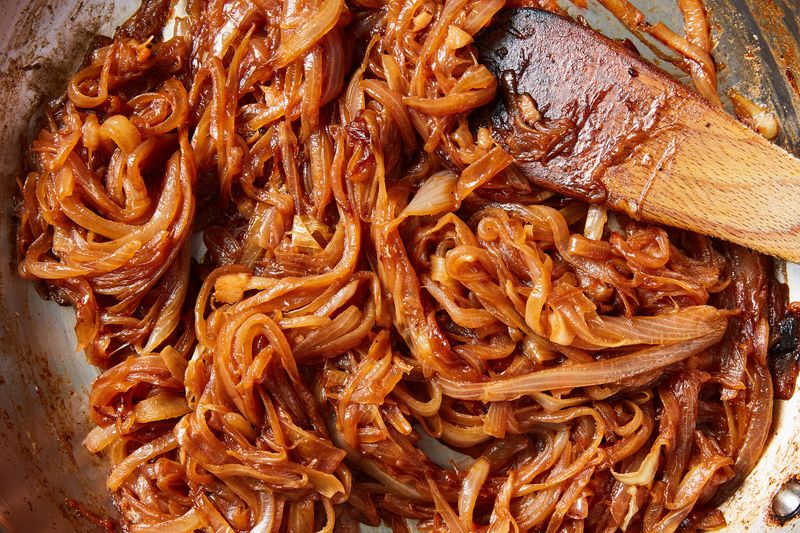
Caramelized onions are one of the most misunderstood ingredients in cooking. Many people think they take ten minutes, but real caramelization takes at least forty-five minutes to an hour of slow, patient cooking.
Restaurants prepare large batches early in the day because the process cannot be rushed without burning the onions or leaving them half-raw. That deep, sweet, golden result ends up on burgers, flatbreads, and French onion soup, making every dish taste far more interesting.
8. Confit Meats and Duck Legs
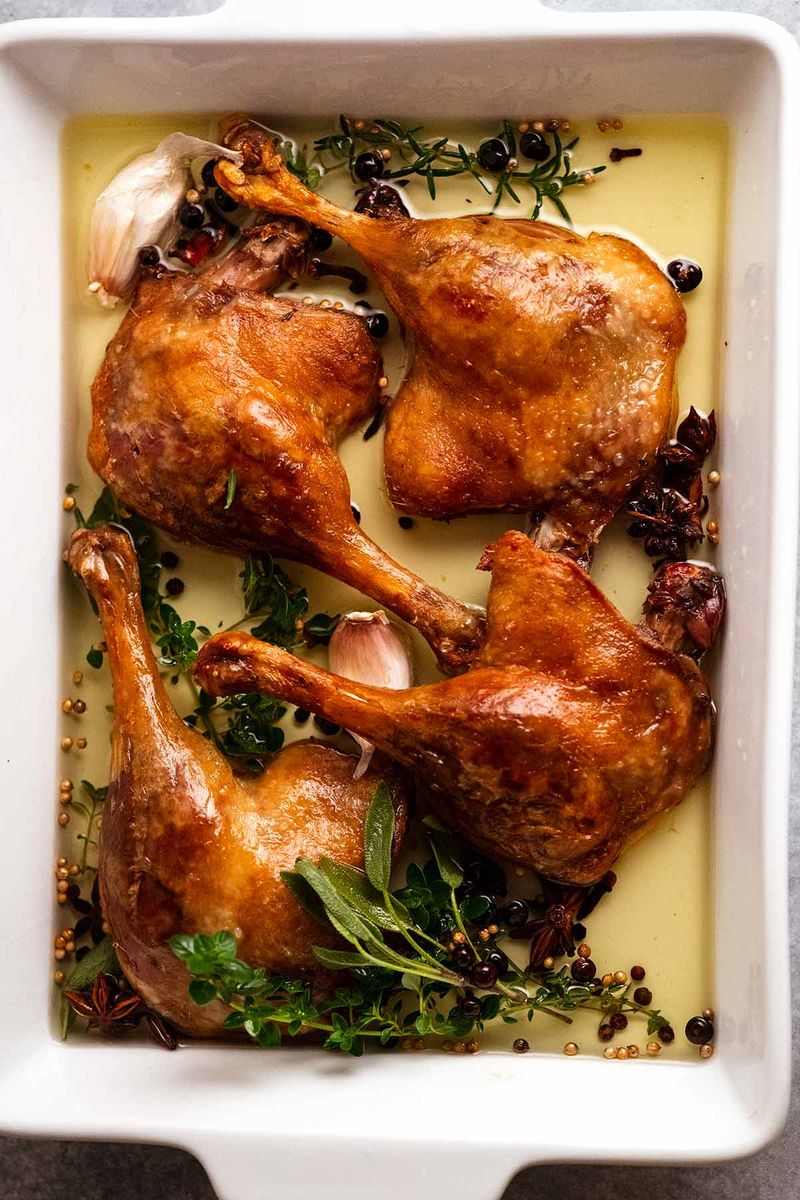
Confit is a classic French cooking method where meat is slow-cooked submerged in its own fat at a very low temperature. Duck legs are the most famous example, and they need at least two to three hours to cook properly.
The technique creates impossibly tender, richly flavored meat with crispy skin when finished in a hot pan. Restaurants prepare confit well in advance because it actually improves in flavor the longer it rests in the fat before service.
9. Marinated Proteins
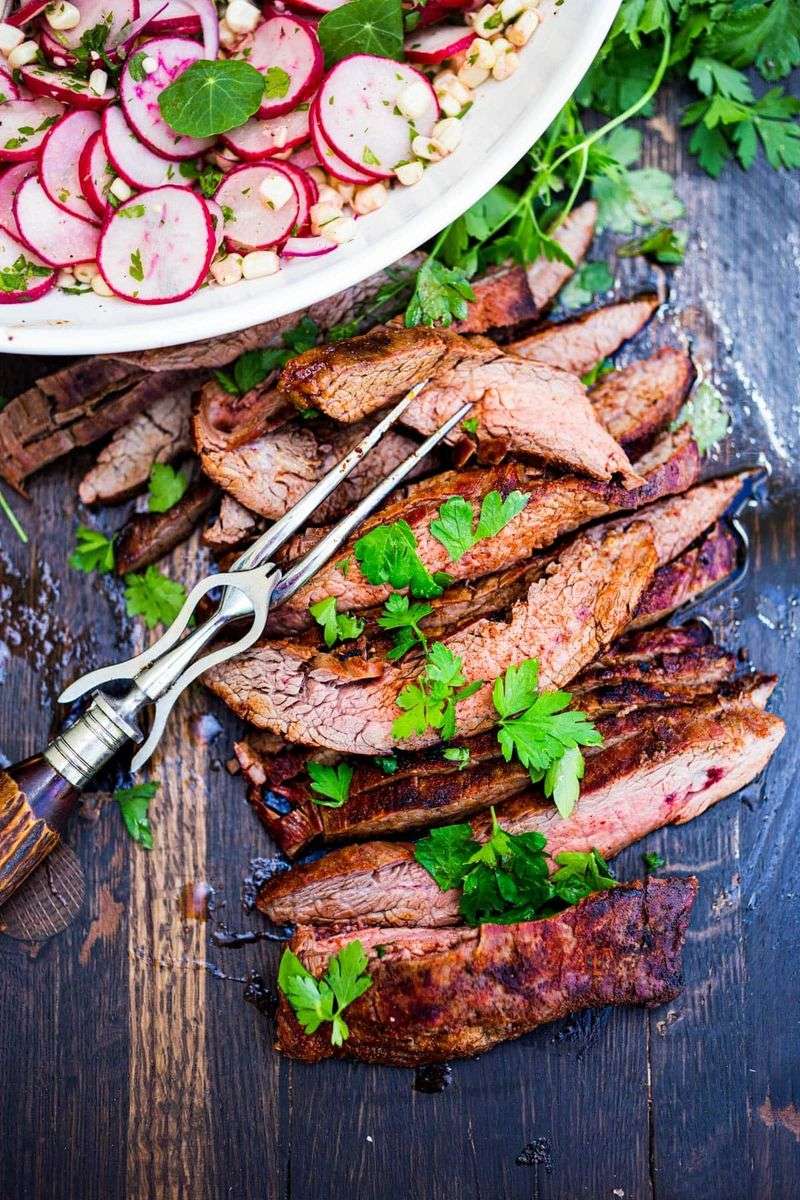
Marinades need time to work their magic. Whether it is a citrus-herb chicken or a soy-ginger flank steak, proteins need hours of soaking before they absorb enough flavor to make a difference at the table.
Restaurant kitchens prep marinated meats the night before or early each morning. A quick thirty-minute soak barely scratches the surface.
An overnight marinade, on the other hand, transforms a plain piece of chicken into something bold, juicy, and memorable for the customer.
10. Soup Bases and Bisques
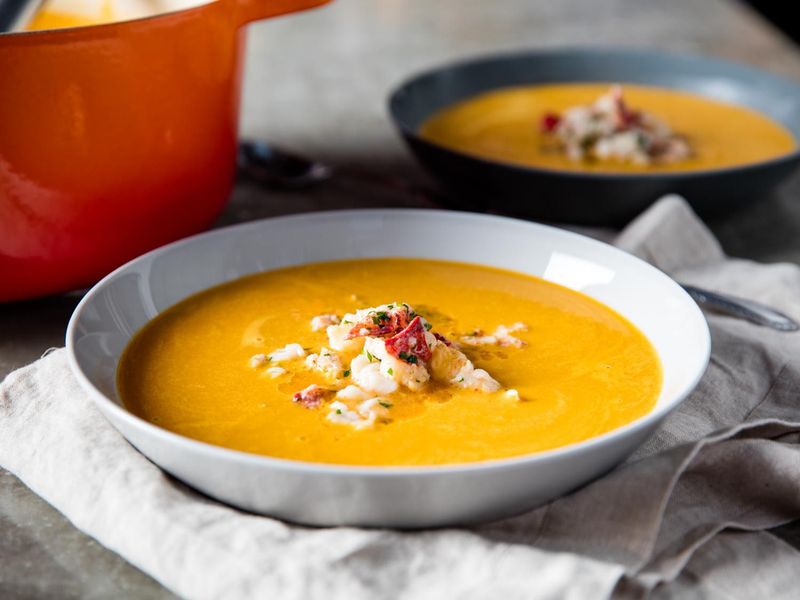
Creamy soups like lobster bisque, butternut squash, or French onion are not thrown together at the last minute. Their bases require roasting, sauteing, simmering, and blending, a process that easily takes two to three hours.
Starting soup prep early ensures the flavors have time to meld together properly. A bisque made an hour before service will taste noticeably flat compared to one that has been gently simmering all morning.
Great soup always rewards patience with incredible depth of flavor.
11. Pickled Vegetables and Quick Pickles
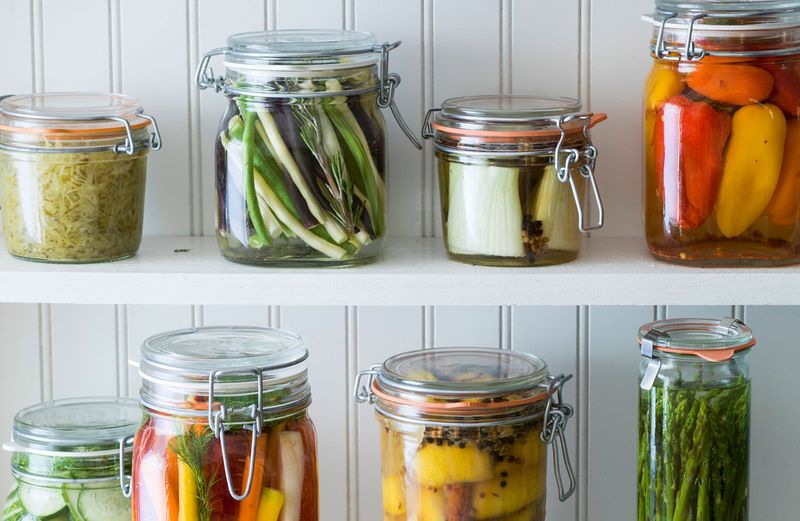
Quick pickles might sound simple, but they need several hours to develop their signature tangy crunch. Sliced cucumbers, red onions, jalapenos, or carrots get submerged in a vinegar brine and left to soak.
Restaurants prepare pickles early in the morning because they taste best after sitting for at least two to four hours. They show up on sandwiches, tacos, burgers, and charcuterie boards, adding brightness and acidity that balances richer flavors on the plate beautifully.
12. Roasted Garlic
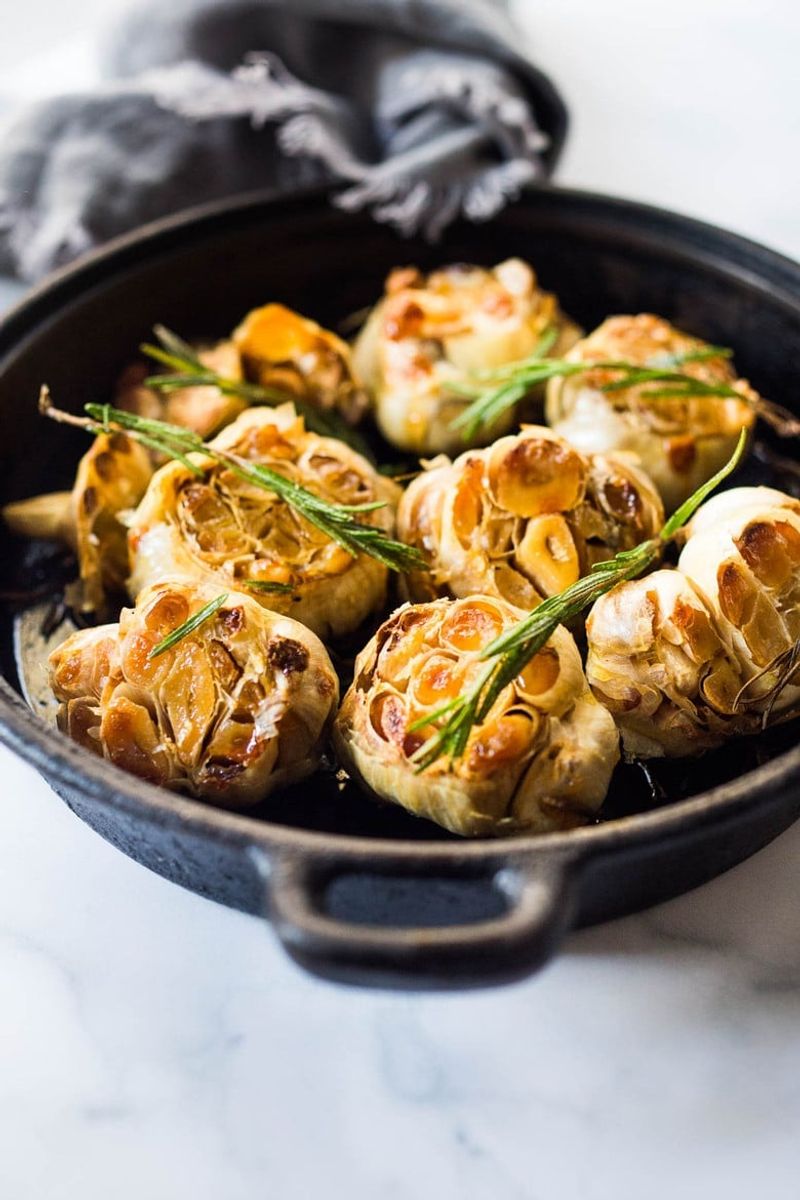
Roasted garlic is one of those quiet heroes that shows up in sauces, spreads, mashed potatoes, and dressings without anyone realizing it. Whole garlic heads go into the oven at a low temperature for about forty-five minutes to an hour.
The result is soft, sweet, and deeply mellow, totally different from sharp raw garlic. Because it takes so long and requires oven space, restaurants roast large batches early in the day and store them for use throughout service.
13. Pastry Doughs and Pie Crusts
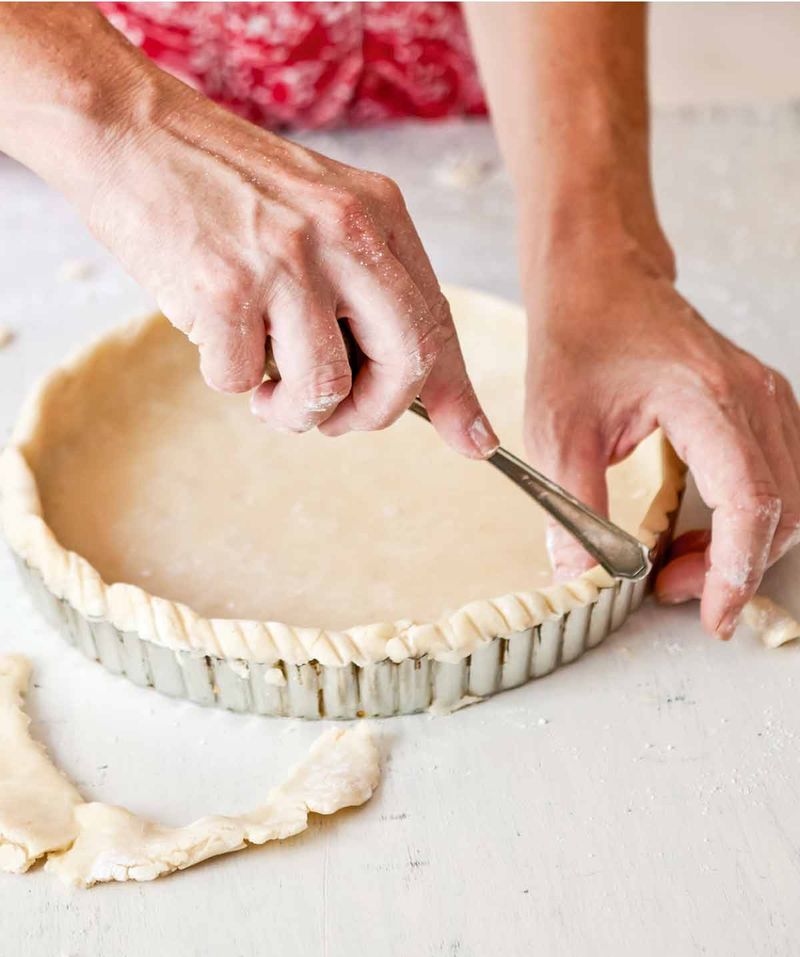
Pastry dough is notoriously fussy. After mixing, it needs to rest in the refrigerator for at least one to two hours so the gluten relaxes and the butter stays cold.
Skip that rest and the crust shrinks and toughens in the oven.
Restaurant pastry chefs make their doughs first thing in the morning, sometimes even the evening before. Croissant dough takes even longer, requiring multiple folds and resting periods that span an entire day of careful, precise work.
14. Cured and Smoked Fish
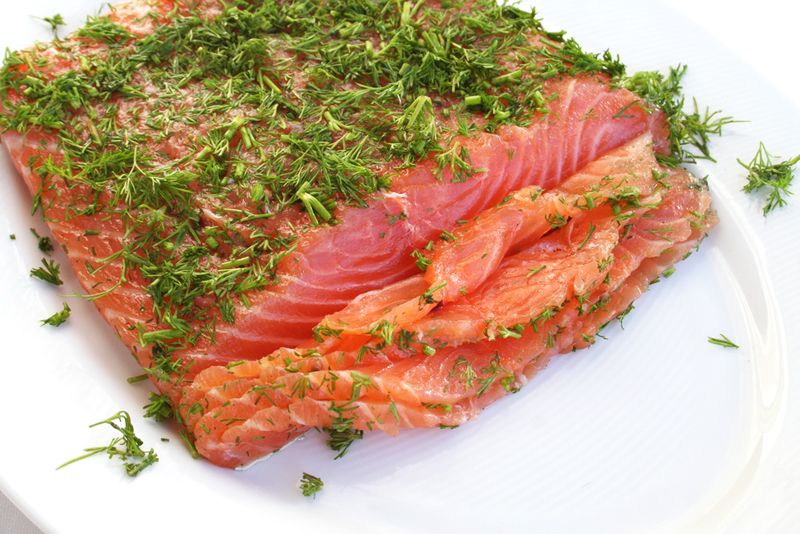
Cured salmon, also called gravlax, is a Scandinavian-inspired dish that requires a full day or two of preparation. The fish is packed in a mixture of salt, sugar, and herbs, then left to cure in the refrigerator until it transforms in texture and flavor.
Smoked fish takes similar planning, needing brining time before the actual smoking begins. Restaurants that serve these elegant dishes start the process well before any customer places a reservation, sometimes two full days in advance.
15. Hollandaise Sauce
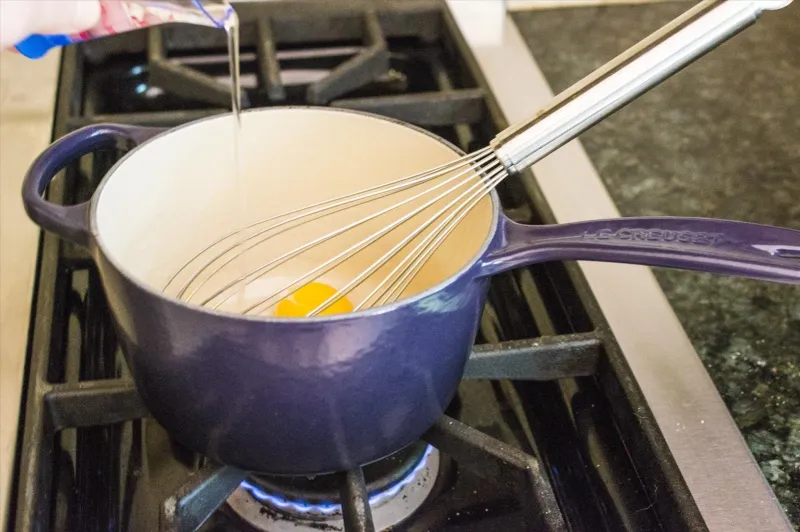
Hollandaise is one of the trickiest sauces in French cuisine. Made from egg yolks, butter, and lemon juice, it requires constant attention and precise temperature control to avoid scrambling or breaking the emulsion.
Restaurants often prepare it before service begins so the kitchen is not scrambling during a busy brunch rush. Keeping it warm without overcooking it is its own challenge.
A perfectly made hollandaise is smooth, buttery, and bright, worth every careful minute of preparation that went into it.
16. Fermented and Cultured Condiments
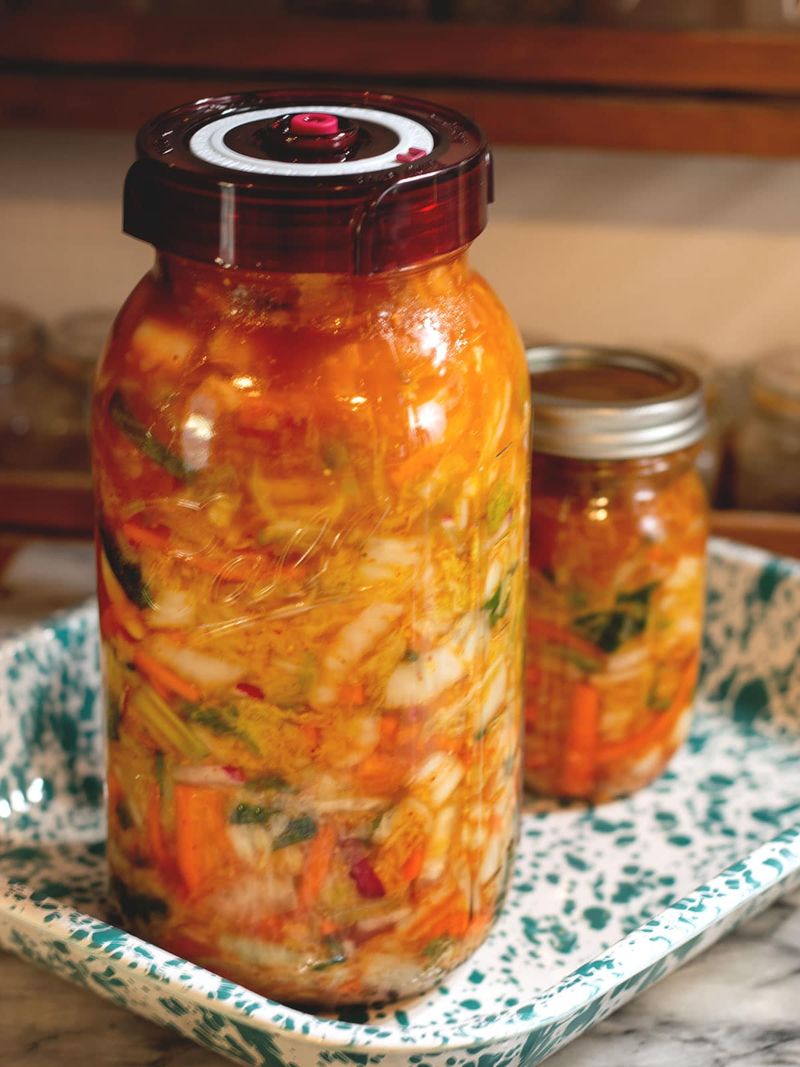
Fermented foods like kimchi, house hot sauce, or cultured cream cannot be made the same day they are served. Fermentation is a biological process that takes days, sometimes weeks, to develop the right flavor and tang.
Trendy farm-to-table restaurants and modern eateries often feature these house-made condiments as a point of pride. The prep work happens long before the restaurant even opens its doors for the season, making fermented condiments some of the most ahead-of-schedule items in any kitchen.
17. Custards and Creme Brulee

Creme brulee looks simple on the menu, but it takes hours of planning. The custard base gets mixed, poured into ramekins, and baked in a water bath for about forty-five minutes.
Then it needs to chill completely in the refrigerator.
That chilling process alone takes two to four hours, which means dessert prep often starts before the lunch crowd arrives. The caramelized sugar crust gets torched right before serving, giving customers that satisfying crack without any of the wait behind the scenes.
18. Miso and Umami-Based Glazes
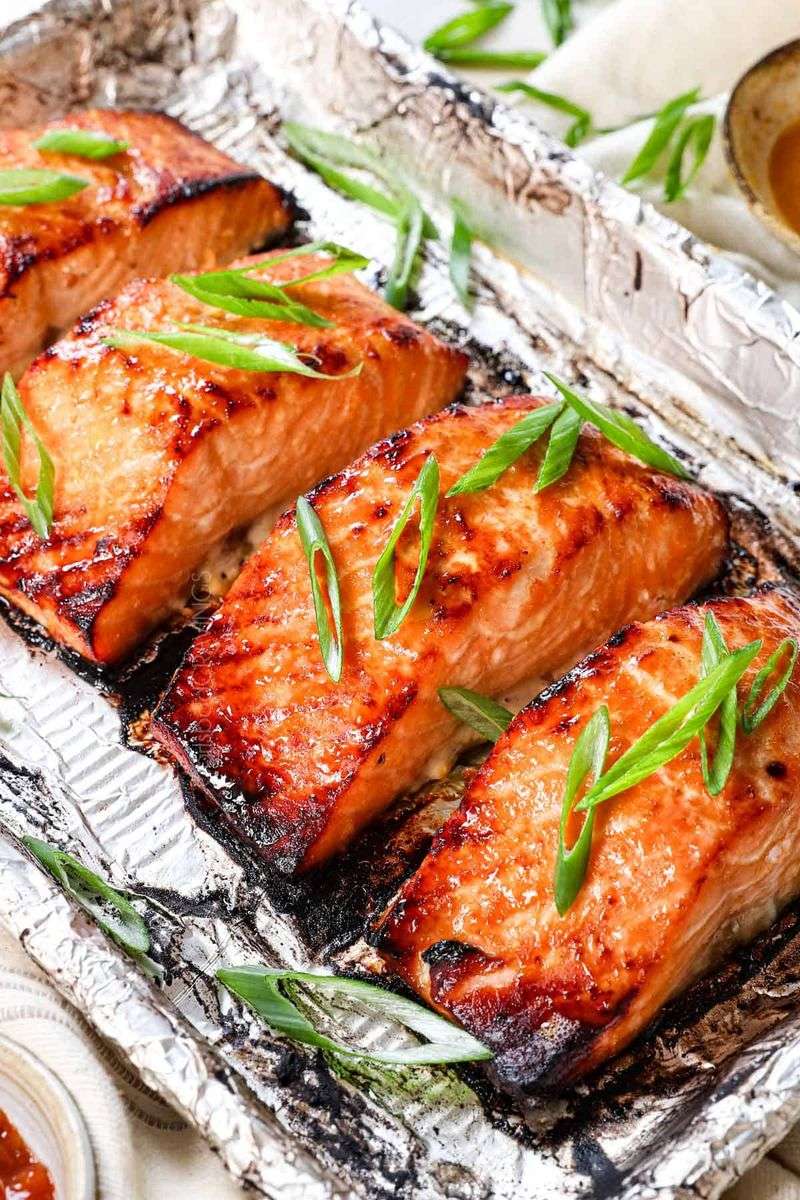
Miso glazes used on salmon, eggplant, or chicken need time for the flavors to blend and thicken properly. Most recipes call for combining miso paste, mirin, sake, and sugar, then cooking the mixture down slowly.
Beyond cooking, chefs often marinate proteins in the glaze for several hours before service so the savory, sweet coating really penetrates the food. That extra time is what separates a glaze that sits on the surface from one that feels like part of the dish itself.
19. Risotto Base
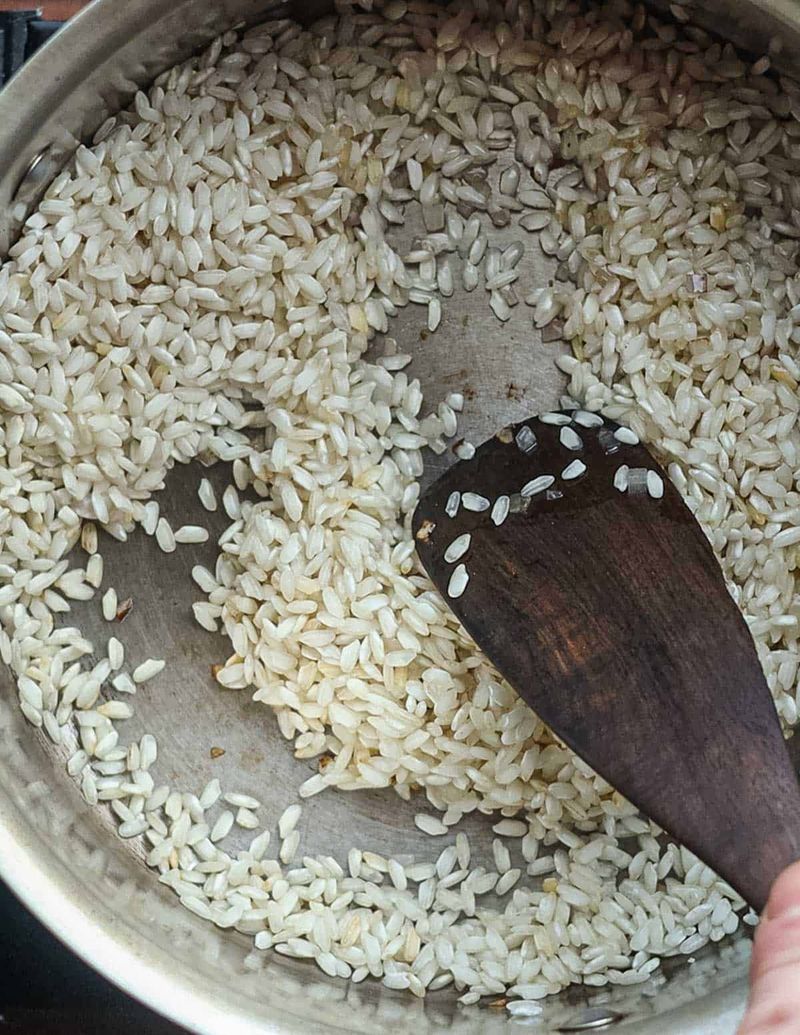
True risotto requires twenty-five to thirty minutes of constant stirring, which is nearly impossible to do during a busy dinner service. So smart restaurant kitchens use a technique called par-cooking, where risotto is cooked about seventy percent of the way early in the day.
When an order comes in, the chef finishes it quickly with hot stock and butter, keeping it creamy and perfectly textured. Without that early prep, customers would wait half an hour for a single bowl of rice.