
Nothing ruins a birthday faster than a dry, crumbly cake that needs a glass of milk to wash down. The good news is that some everyday foods hiding in your kitchen can fix that problem.
Bakers have used these tricks for years to keep cakes tender for days. Once you try a few, you may never bake the old way again.
1. Sour Cream
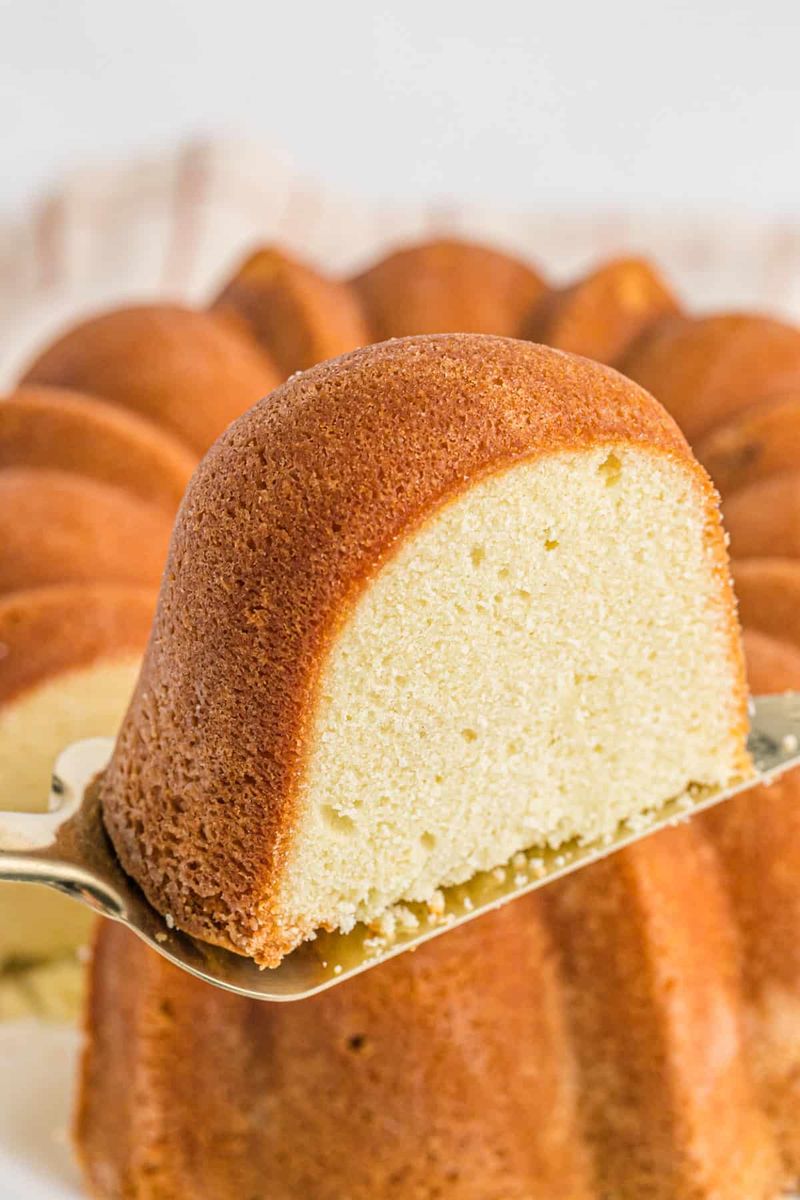
Grandma’s famous pound cake probably had a secret, and there is a good chance it was sour cream. Its thick, tangy body adds fat and moisture without making batter runny.
The mild acid also helps break down gluten, which keeps the crumb soft instead of chewy. Swap about half a cup of milk for the same amount of sour cream.
You will notice a richer flavor and a slice that stays tender for days.
2. Mayonnaise
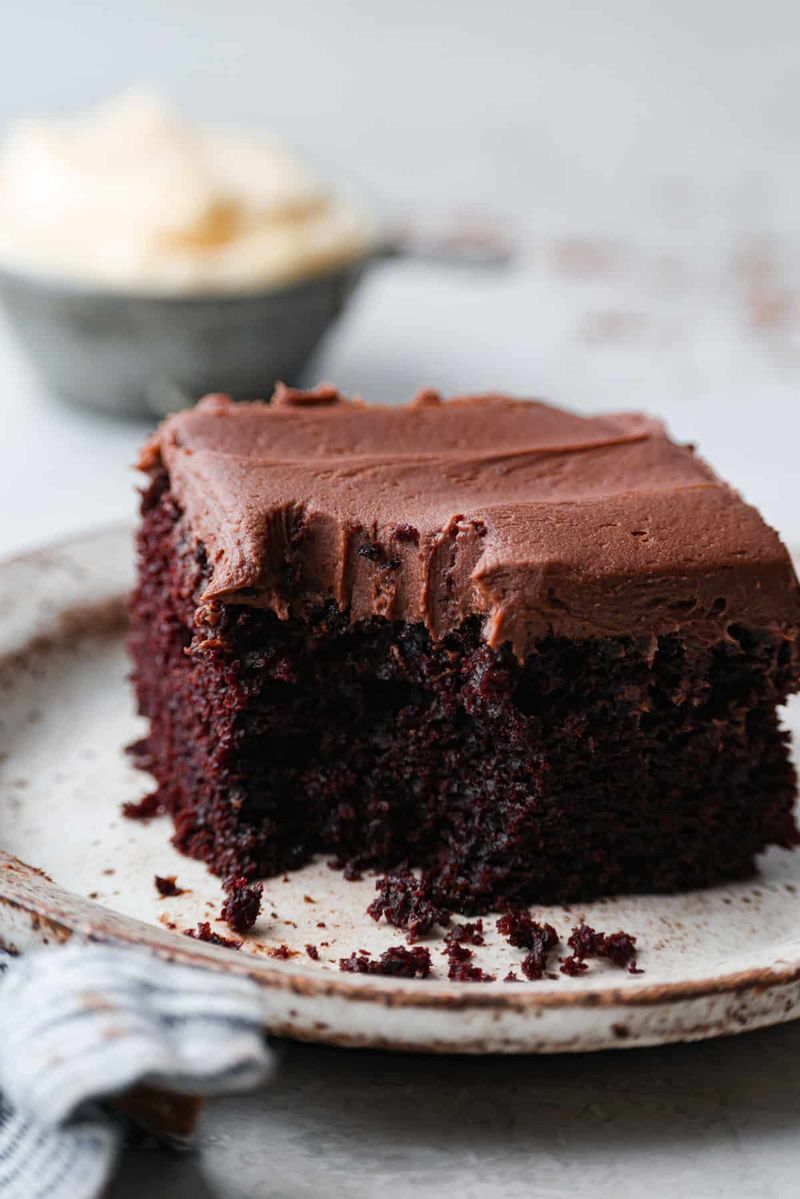
Yes, really. Chocolate mayonnaise cake became popular during the 1930s when eggs and butter were hard to find.
Mayo is mostly oil and egg, so it brings both richness and structure in one scoop. You will not taste it at all, especially in chocolate recipes.
Try replacing the oil in a boxed mix with an equal amount of mayonnaise. Your friends will beg for the recipe, and you can decide whether to tell them.
3. Greek Yogurt
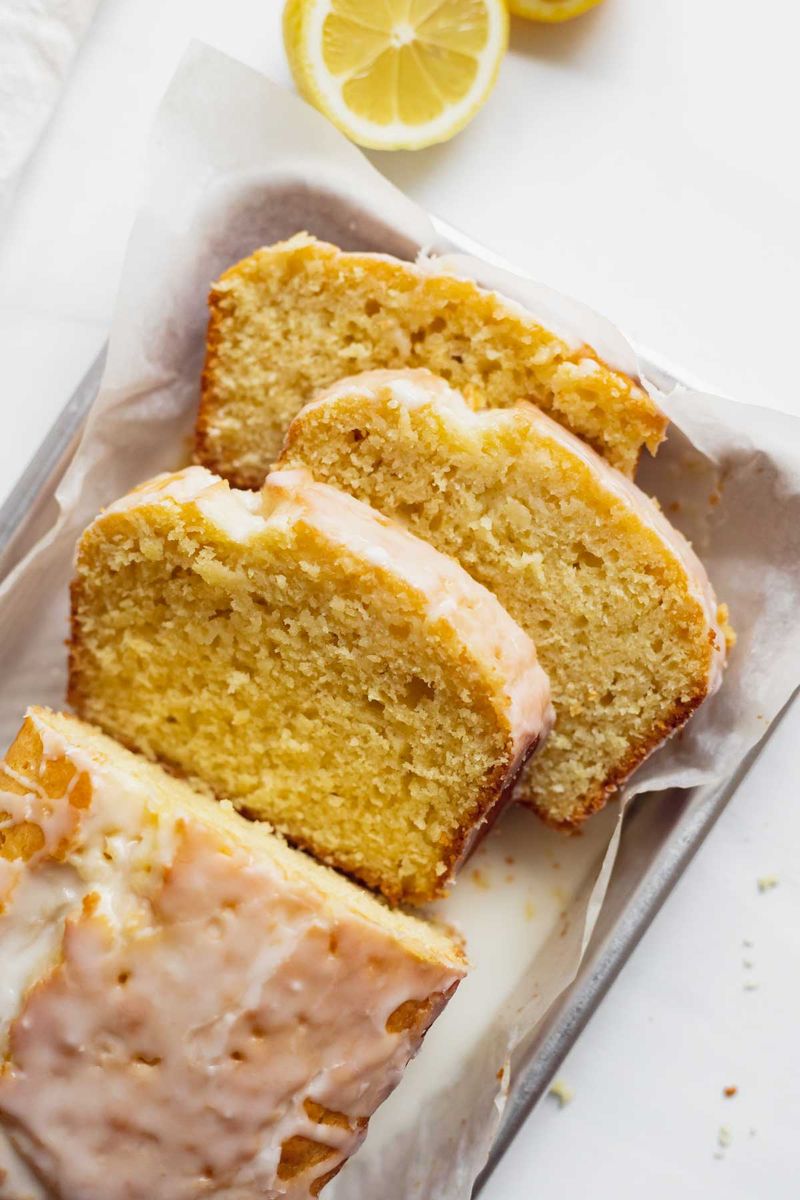
Think of Greek yogurt as sour cream’s healthier cousin. It is thick, protein-packed, and slightly tart, which makes it a smart pick for lemon or berry cakes.
Its acidity reacts with baking soda to create tiny bubbles, giving the cake extra lift. Meanwhile, the creamy texture locks in moisture.
Use plain, full-fat yogurt for the best results. Low-fat versions work too, though the crumb may feel a little less rich and velvety.
4. Buttermilk
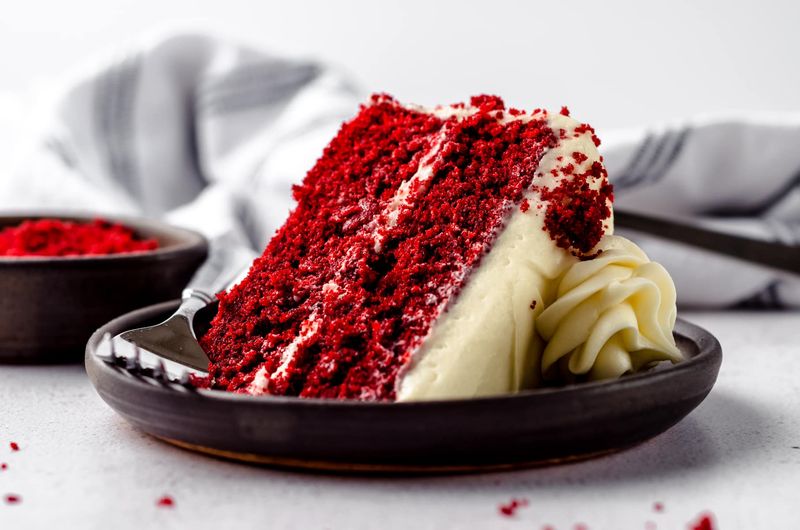
Ever wonder why red velvet tastes so soft? Buttermilk deserves most of the credit.
This tangy liquid tenderizes flour proteins, leading to a fine, delicate crumb. It also pairs with baking soda to help cakes rise tall and even.
No buttermilk in the fridge? Stir one tablespoon of lemon juice or white vinegar into a cup of regular milk.
Let it sit five minutes, and you have a quick homemade substitute ready to go.
5. Applesauce
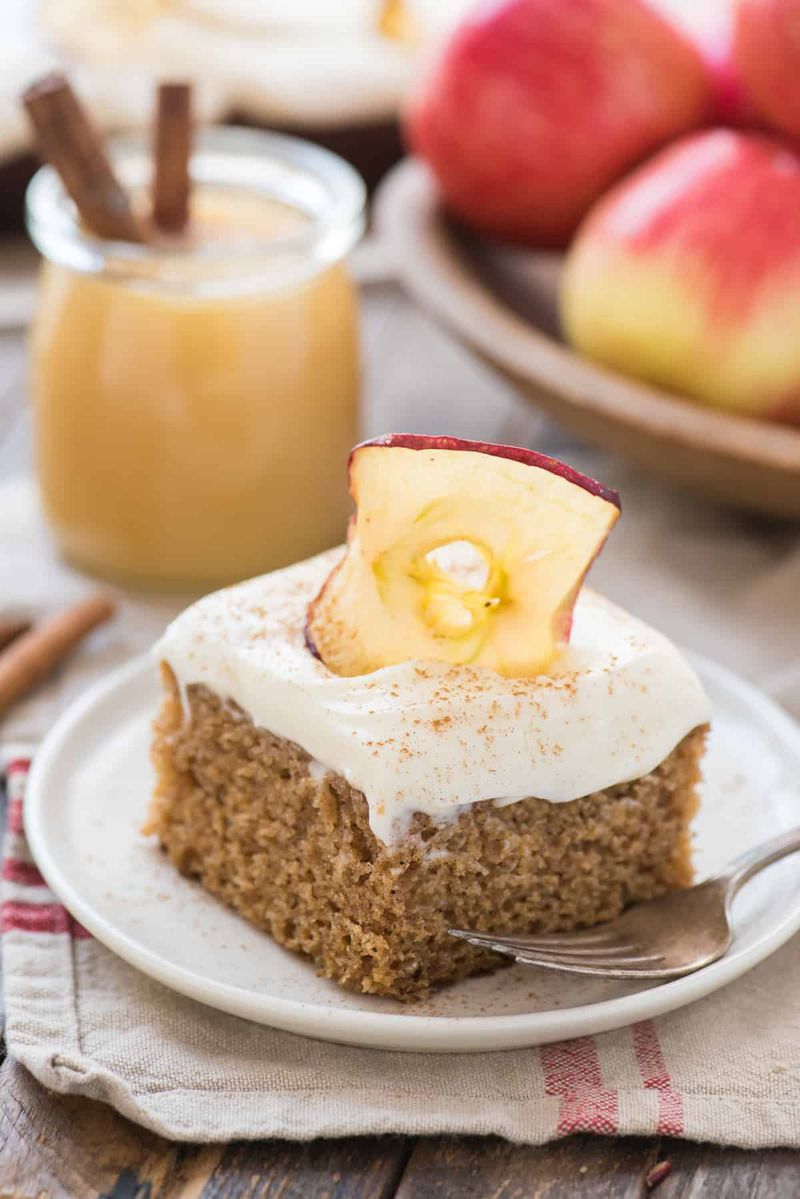
Picture a cozy fall afternoon with cinnamon in the air. Applesauce fits right into that scene and into your cake batter.
Naturally full of water and fruit sugar, it keeps cakes damp and tender. Many bakers use it to replace part of the oil or butter, cutting fat without losing softness.
Start by swapping half the fat for unsweetened applesauce. Spice cakes, carrot cakes, and muffins all welcome this sweet little upgrade with open arms.
6. Ripe Bananas
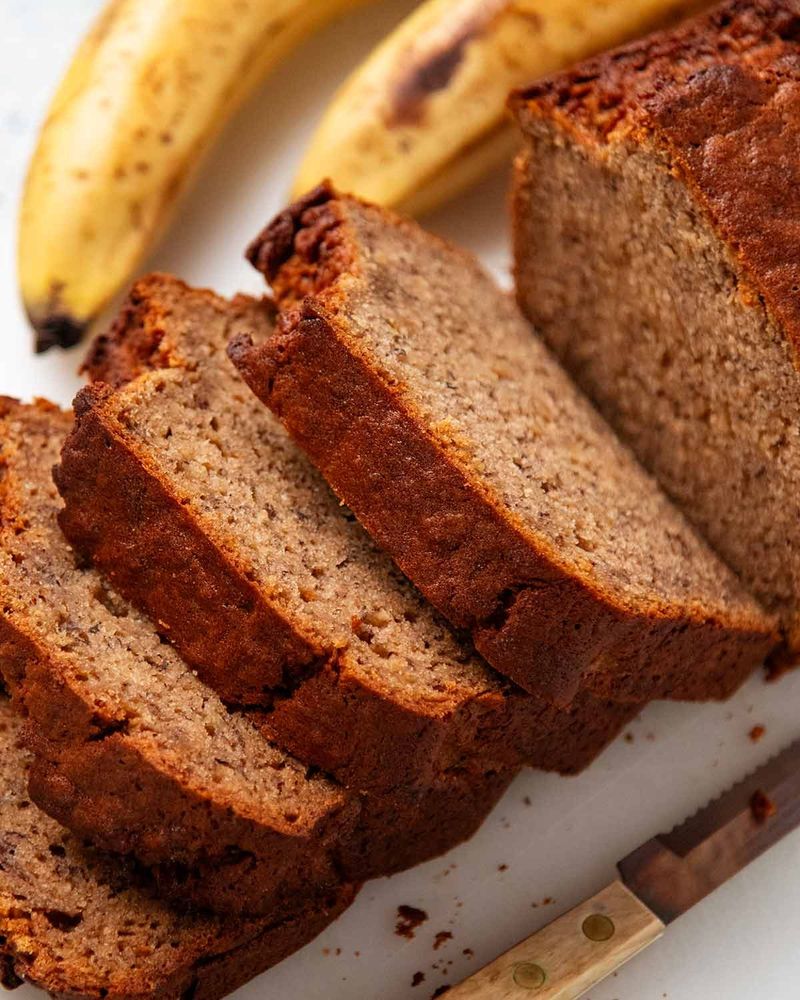
Those brown, spotty bananas on your counter are not trash. They are treasure.
As bananas ripen, their starch turns into sugar, and their flesh gets soft and mushy. Mashed into batter, they add sweetness, moisture, and a lovely fragrance.
Banana cake often tastes even better on day two because the fruit keeps releasing moisture. Freeze extra ripe bananas in their peels, then thaw them whenever a baking mood strikes.
Easy, thrifty, and delicious.
7. Honey
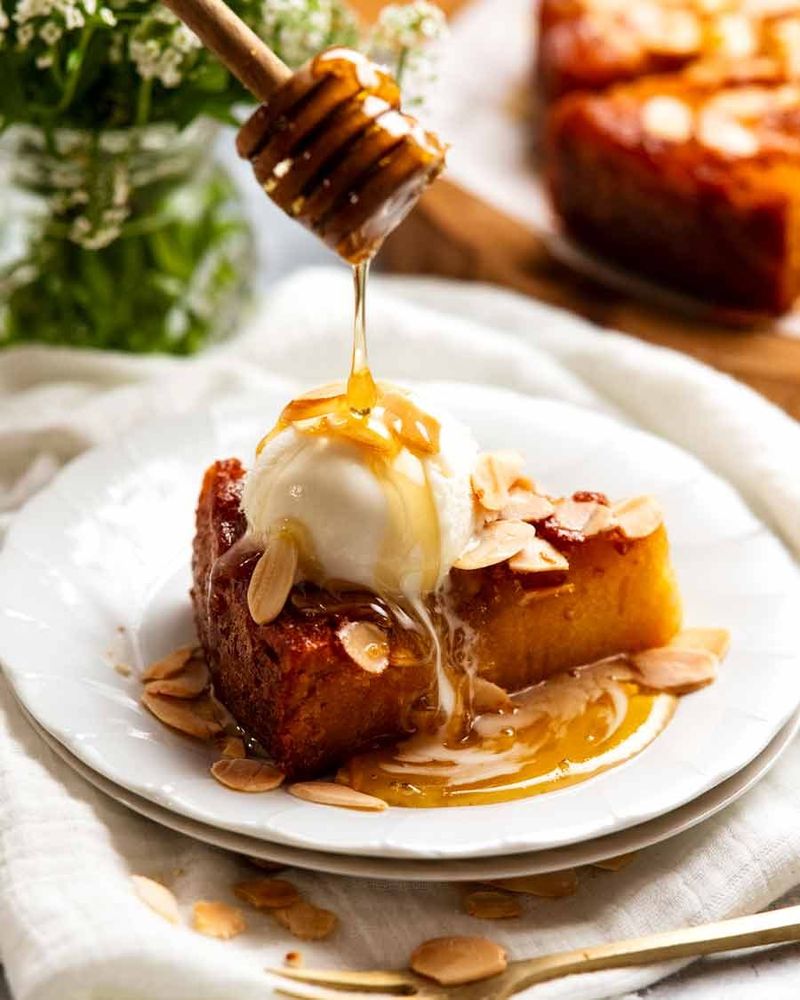
Ancient Greeks baked honey cakes thousands of years ago, and they were onto something. Honey is a humectant, a fancy word meaning it pulls water from the air.
That magnet effect keeps your cake from drying out on the counter. It also browns faster than sugar, so lower your oven by about 25 degrees.
Replace up to half the sugar with honey and reduce other liquids slightly. Expect a golden color and floral sweetness.
8. Vegetable Oil
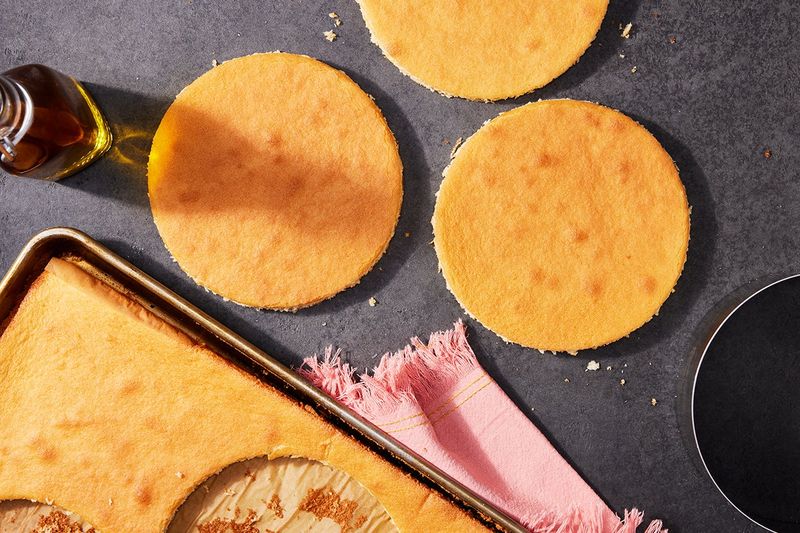
Butter gets all the love, but oil quietly wins the moisture contest. Here is why.
Butter turns firm when cool, while oil stays liquid at room temperature. That means oil-based cakes feel soft even straight from the fridge.
Chiffon cakes, carrot cakes, and many chocolate cakes rely on oil for their springy bite. For the best of both worlds, try mixing half butter for flavor and half oil for lasting tenderness.
9. Instant Pudding Mix
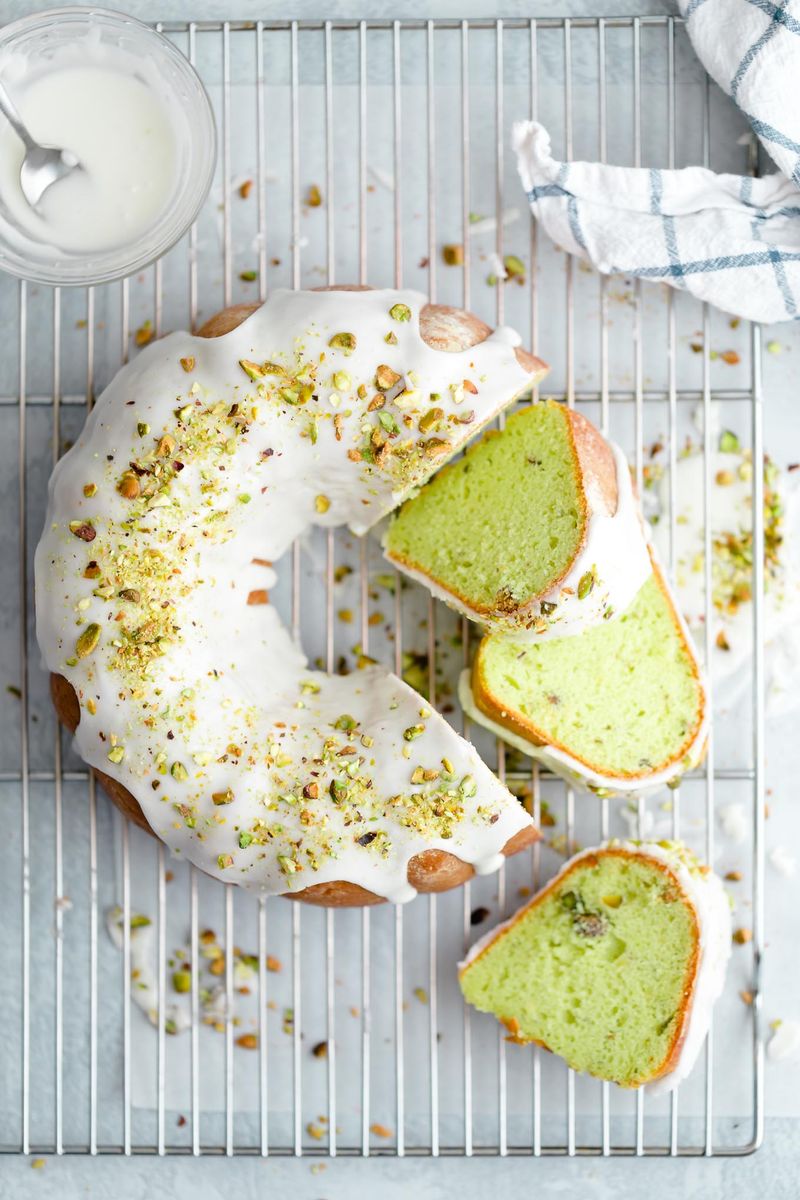
Here is a trick straight from church potluck kitchens. Toss a small box of instant pudding mix into your cake batter.
The modified starch in pudding grabs onto water and holds it during baking. The result is a dense, ultra-moist cake that stays fresh longer.
Vanilla works with almost anything, but chocolate, pistachio, and lemon pudding add fun flavor twists. Boxed cake mixes especially benefit, tasting almost bakery-made with this tiny addition.
10. Cream Cheese
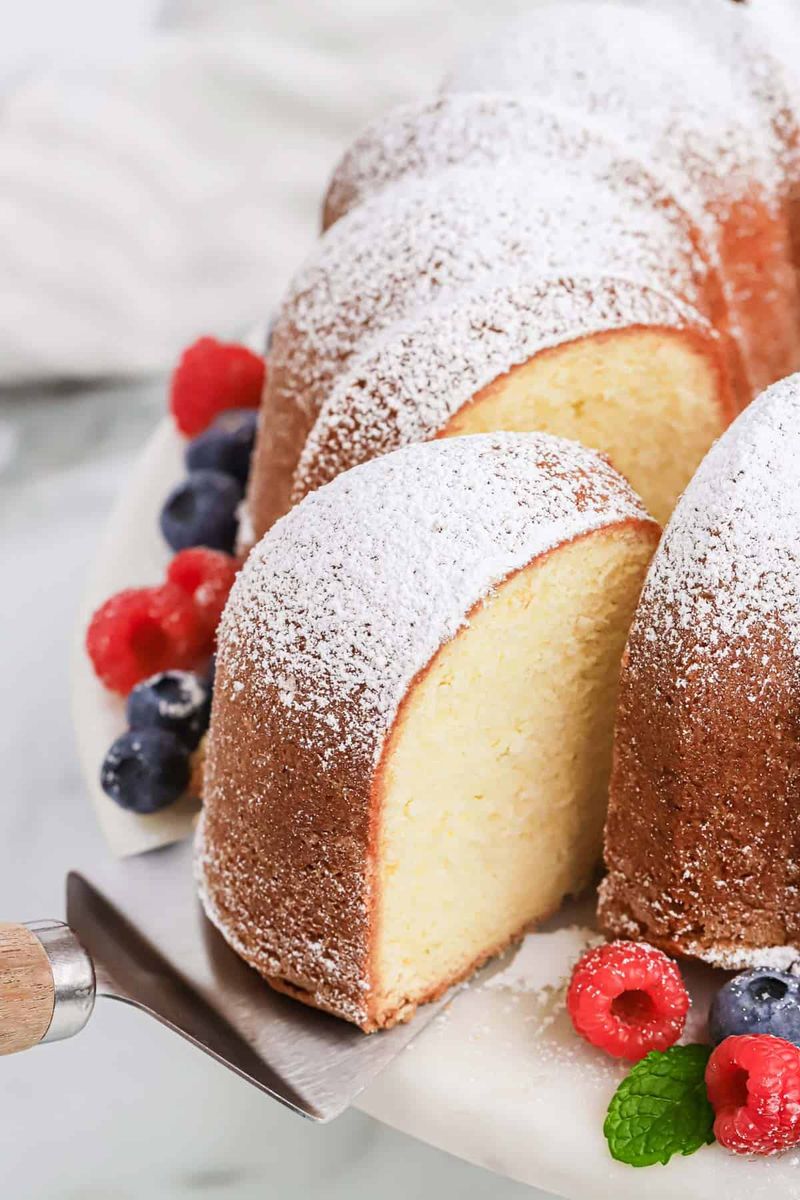
Most people save cream cheese for frosting, but folding it into the batter changes everything.
Its high fat content and smooth texture create a tight, velvety crumb, almost like a cross between pound cake and cheesecake. The slight tang balances sweetness nicely.
Let the cream cheese soften fully before beating it with butter and sugar. Cold lumps can leave little pockets in the cake.
Patience here pays off with a melt-in-your-mouth slice.
11. Brown Sugar
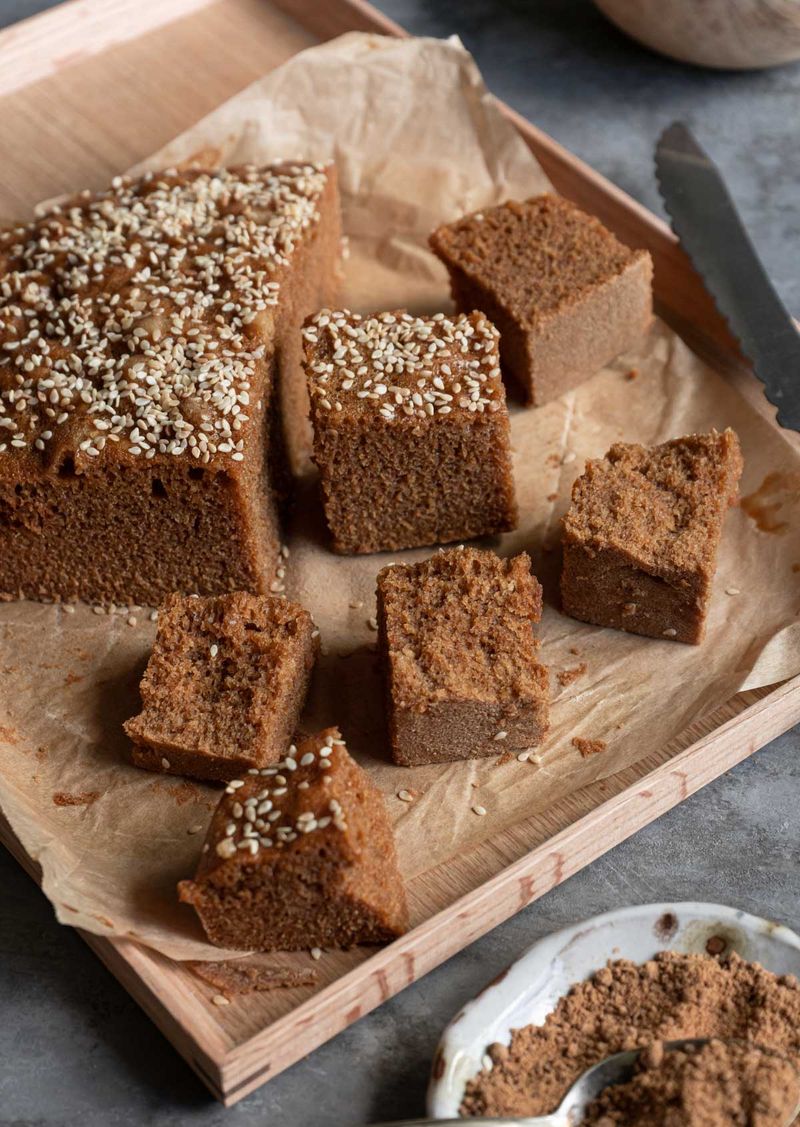
Swap white sugar for brown, and your cake gains a secret weapon: molasses.
Molasses loves water and holds onto it tightly, so brown sugar cakes stay moist longer. It also adds warm caramel notes that shine in spice, coffee, and chocolate cakes.
Dark brown sugar has more molasses than light brown, giving deeper flavor and extra softness. Try replacing a quarter of the white sugar first to see how much you love the change.
12. Grated Zucchini
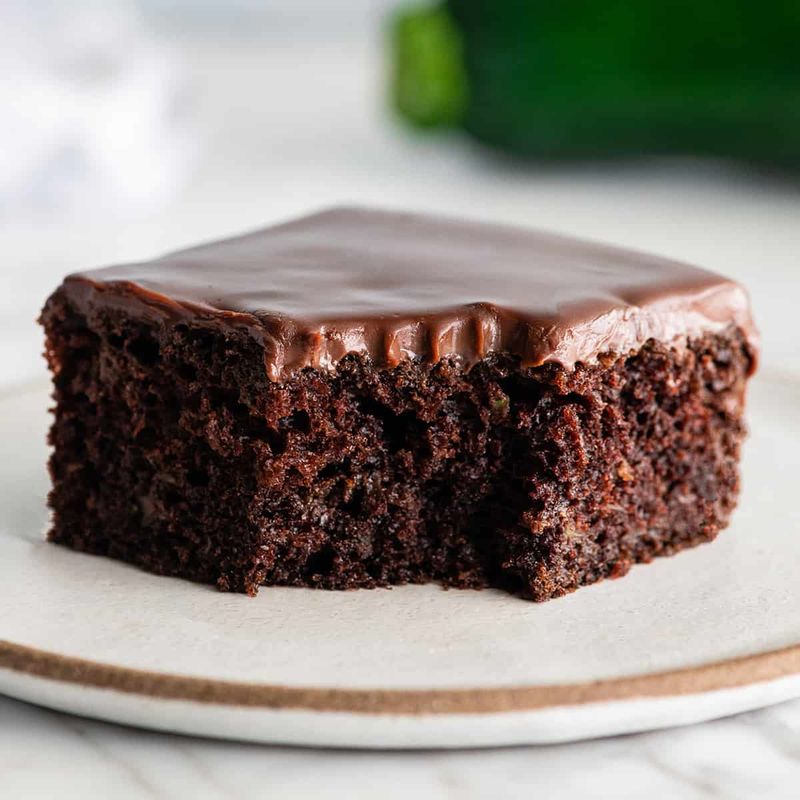
Sneaky parents have hidden zucchini in desserts for decades, and kids rarely notice.
This mild green squash is about 95 percent water. Once grated and baked, it melts into the batter and leaves behind amazing moisture with no veggie taste.
Chocolate zucchini cake is a summer favorite when gardens overflow. Do not squeeze out all the liquid, just pat it lightly.
A cup or two works wonders in most loaf or sheet cakes.
13. Hot Coffee
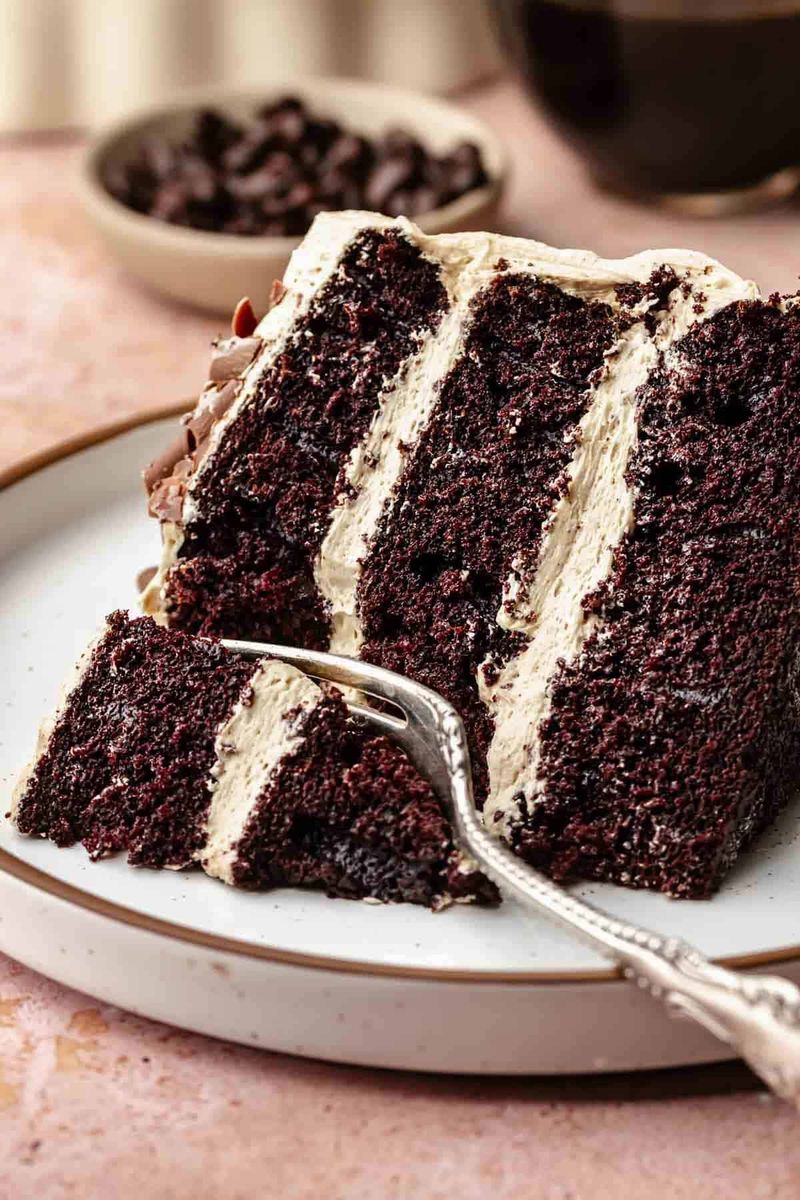
Chocolate and coffee are best friends, and your cake knows it.
Pouring hot coffee into chocolate batter blooms the cocoa, releasing deeper flavor. The hot liquid also thins the batter, which bakes into a remarkably moist and tender crumb.
Worried about a coffee taste? Most people only notice richer chocolate.
Decaf works just as well for kids or late-night baking. Hot water can stand in too, though coffee brings bonus depth.
14. Pumpkin Puree
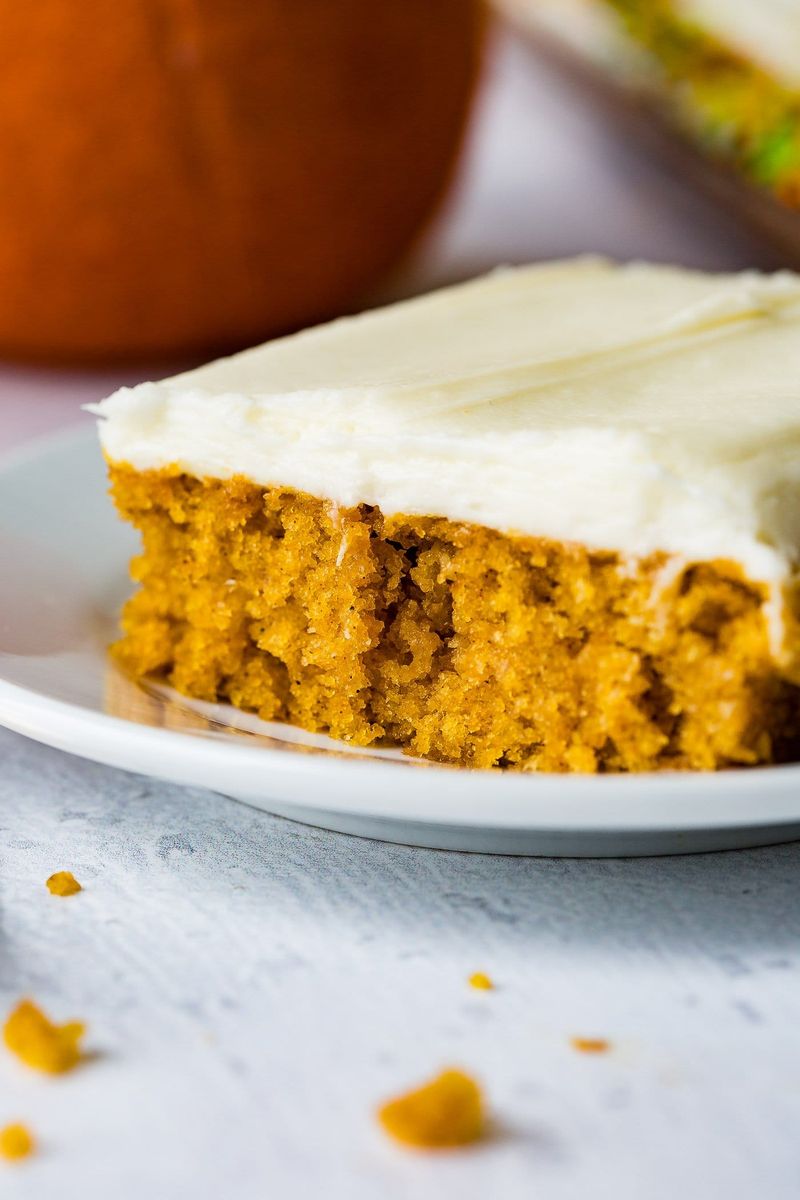
Autumn bakers, rejoice. Canned pumpkin is one of the easiest ways to guarantee a soft cake.
Packed with fiber and natural moisture, pumpkin keeps crumbs damp and fluffy. It also adds a gorgeous orange color and plenty of vitamin A.
Make sure you buy pure pumpkin, not pumpkin pie filling, which already contains sugar and spices. Pair it with cinnamon, ginger, and a swirl of cream cheese frosting for a crowd-pleasing treat.
15. Cornstarch
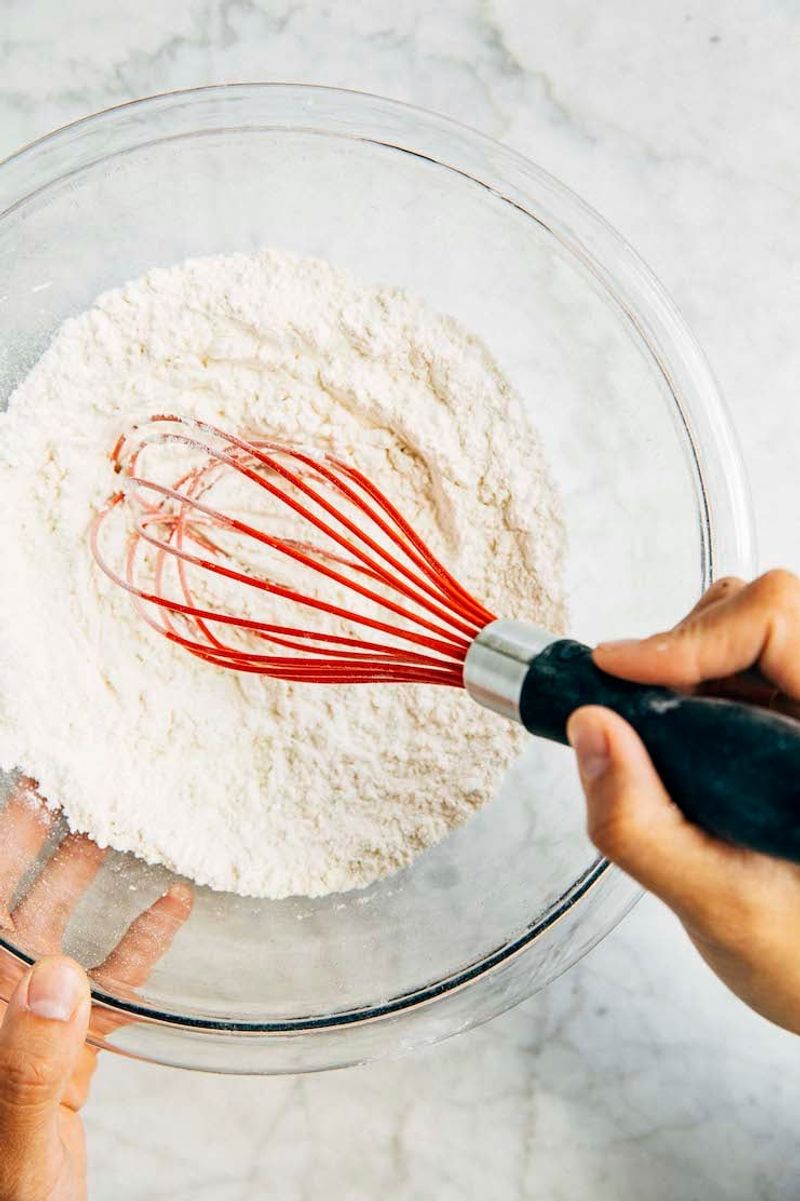
Want a cake as soft as a cloud? Grab the cornstarch.
Mixing cornstarch with all-purpose flour lowers the protein level, copying expensive cake flour. Less protein means less gluten, and less gluten means a tender bite.
For every cup of flour, remove two tablespoons and replace them with cornstarch. Sift together twice to blend well.
Your sponge and vanilla cakes will come out lighter, softer, and wonderfully delicate.
16. Simple Syrup
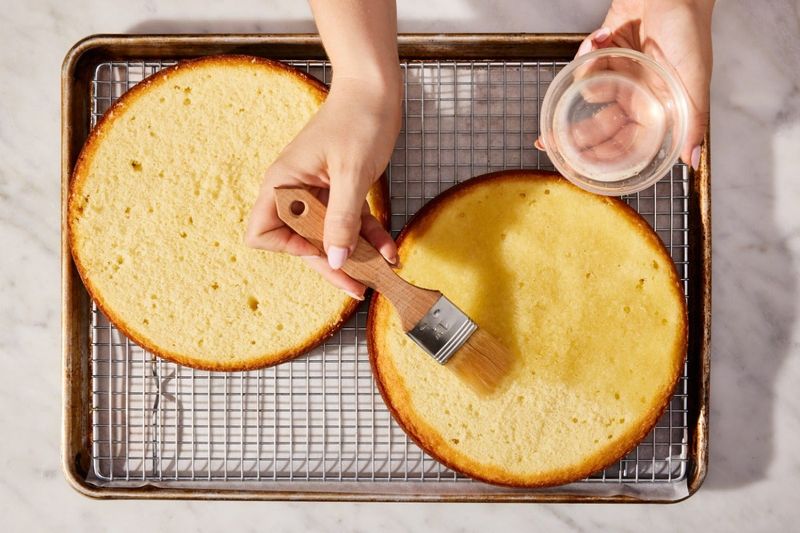
Professional bakers have a little secret they rarely share: they brush their cake layers with syrup.
Simple syrup is just equal parts sugar and water, heated until clear. A light coating soaks into each layer and keeps it moist under frosting.
Get creative by adding vanilla, lemon zest, or a splash of fruit juice. Brush while the cake is slightly warm.
Even a slightly overbaked cake can be rescued this way.
17. Coconut Milk
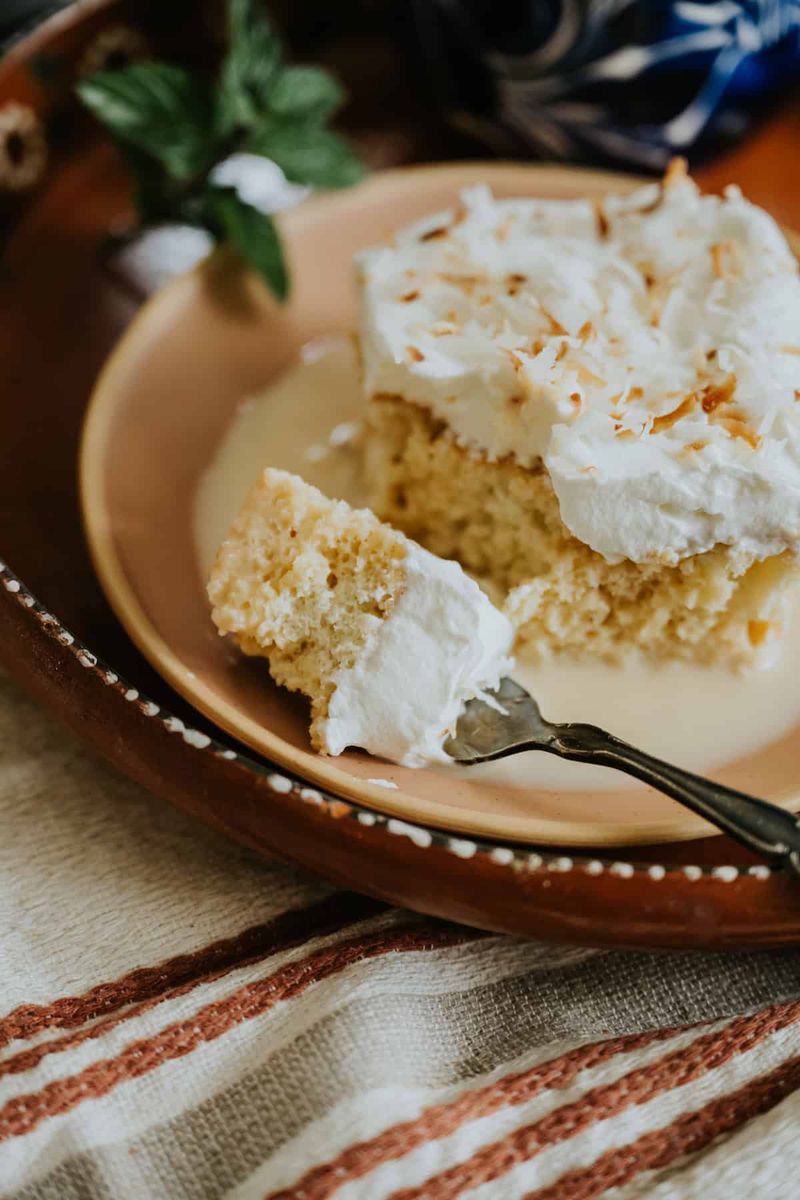
Close your eyes and imagine a beach vacation. Now picture that feeling in cake form.
Full-fat coconut milk is creamy and rich, adding both fat and moisture. It creates a lush crumb and a subtle tropical flavor that pairs well with lime, pineapple, or mango.
Shake the can well before opening since the cream separates. It also makes a great dairy-free swap for regular milk in most recipes.
18. Extra Egg Yolk
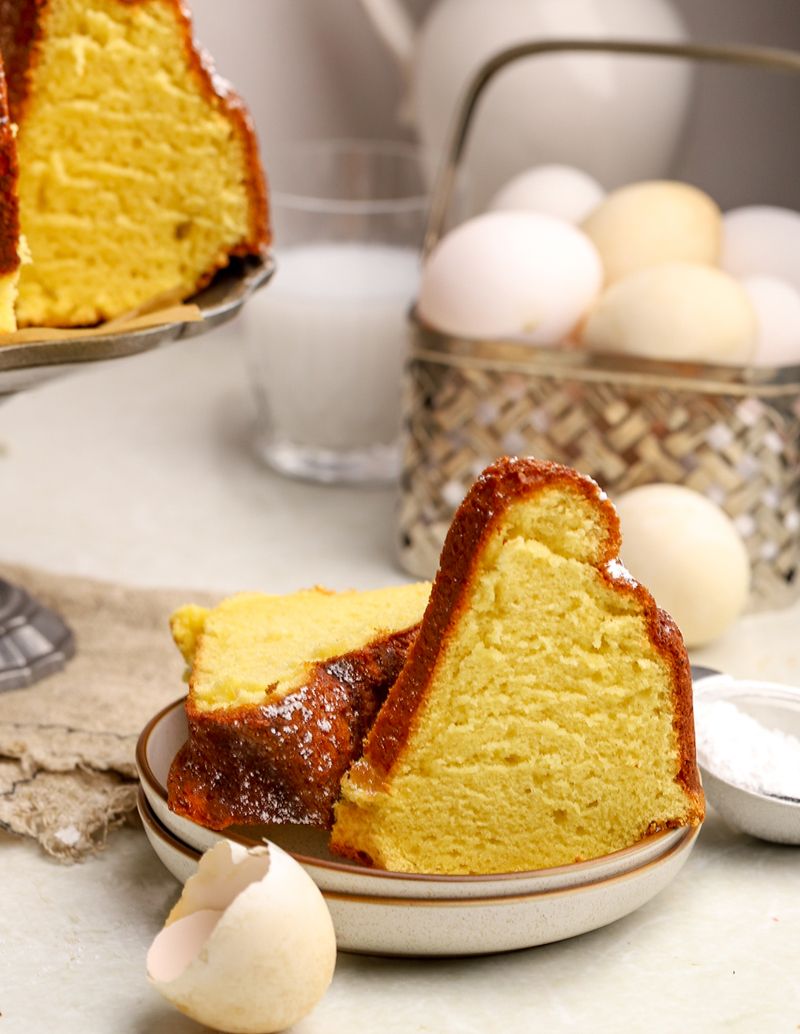
A single extra yolk can turn a plain cake into something special.
Yolks contain fat and natural emulsifiers called lecithin, which help water and fat blend smoothly. That combo creates a richer, moister, more tender cake with a beautiful golden hue.
Add one extra yolk to your favorite yellow or vanilla recipe. Save the leftover white for meringue cookies or a morning omelet, so nothing goes to waste.
19. Ricotta Cheese
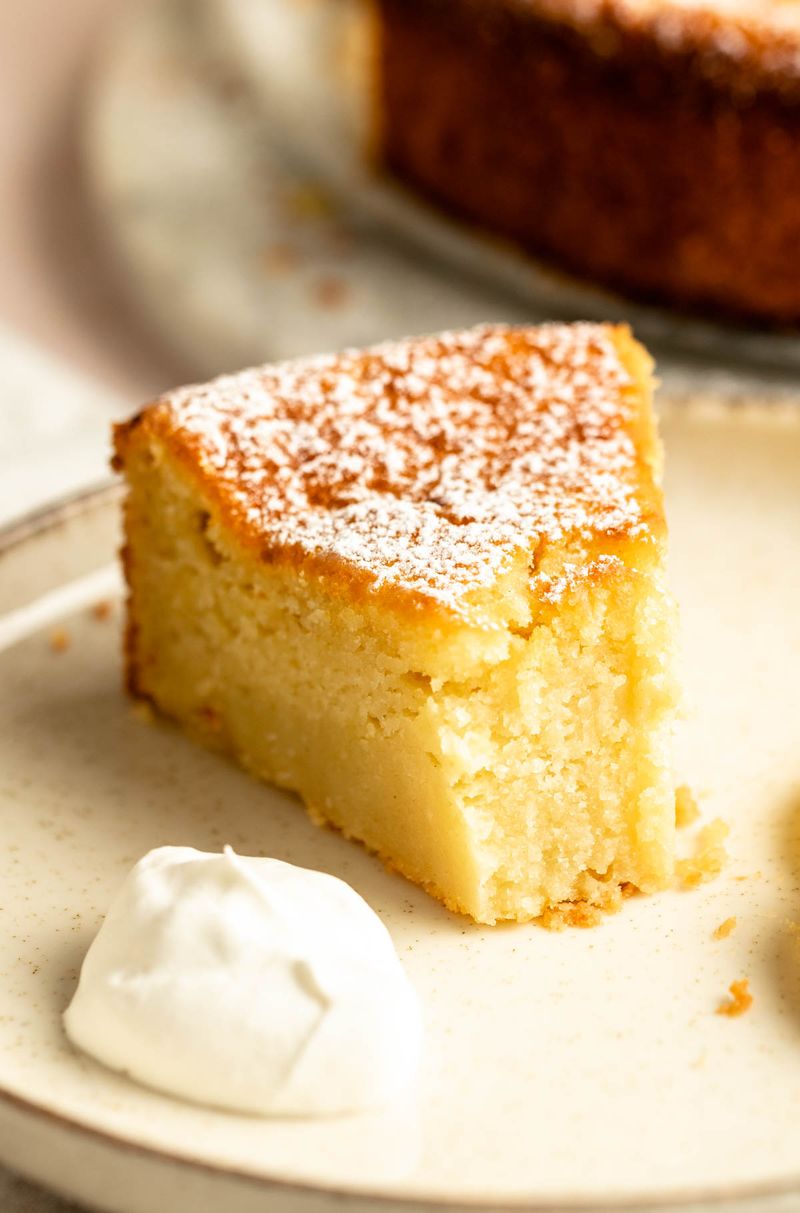
Italian grandmothers have baked with ricotta for generations, and one bite explains why.
This soft, mild cheese adds moisture and a light, almost custardy texture. Unlike heavy cream cheese, ricotta keeps things airy while still feeling luxurious.
Lemon ricotta cake is a classic, but orange or almond versions shine too. Choose whole-milk ricotta and drain any extra liquid first.
Serve with fresh berries for a simple, elegant dessert.