
Some of the best foods in the world have a secret: one key ingredient has to be burnt on purpose. Not overcooked by accident, but carefully charred to unlock a deep, smoky, or bitter flavor that nothing else can replicate.
This might sound strange, but chefs and home cooks have known this trick for centuries. Get ready to look at familiar dishes in a completely new way.
1. French Onion Soup
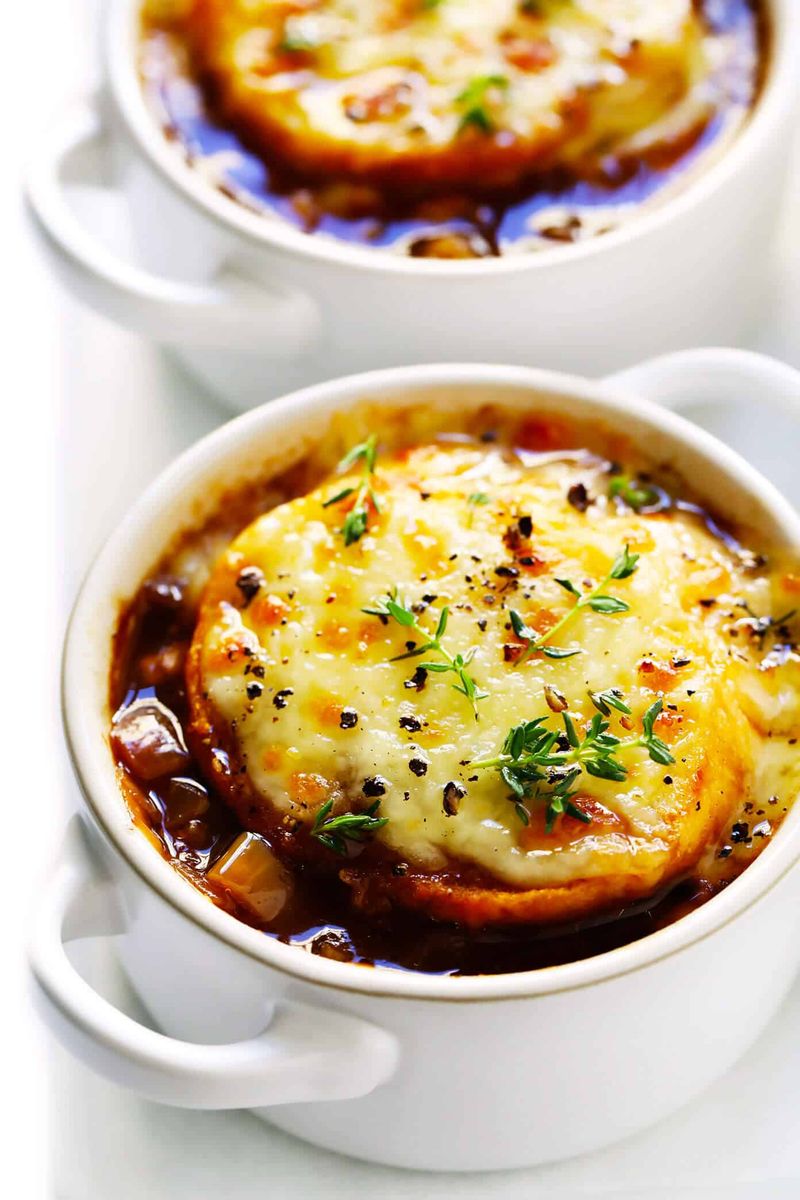
Nobody makes French onion soup without deeply caramelizing onions until they are dark, jammy, and borderline burnt. That near-scorched sweetness is the entire soul of the dish.
Without it, you just have a pale broth with onions floating around sadly.
The trick is patience. Cooking onions low and slow for 45 minutes or more lets the natural sugars darken and develop a rich, complex flavor.
That slight bitterness from the charred edges balances the salty broth and gooey cheese perfectly.
2. Smoked Baba Ganoush
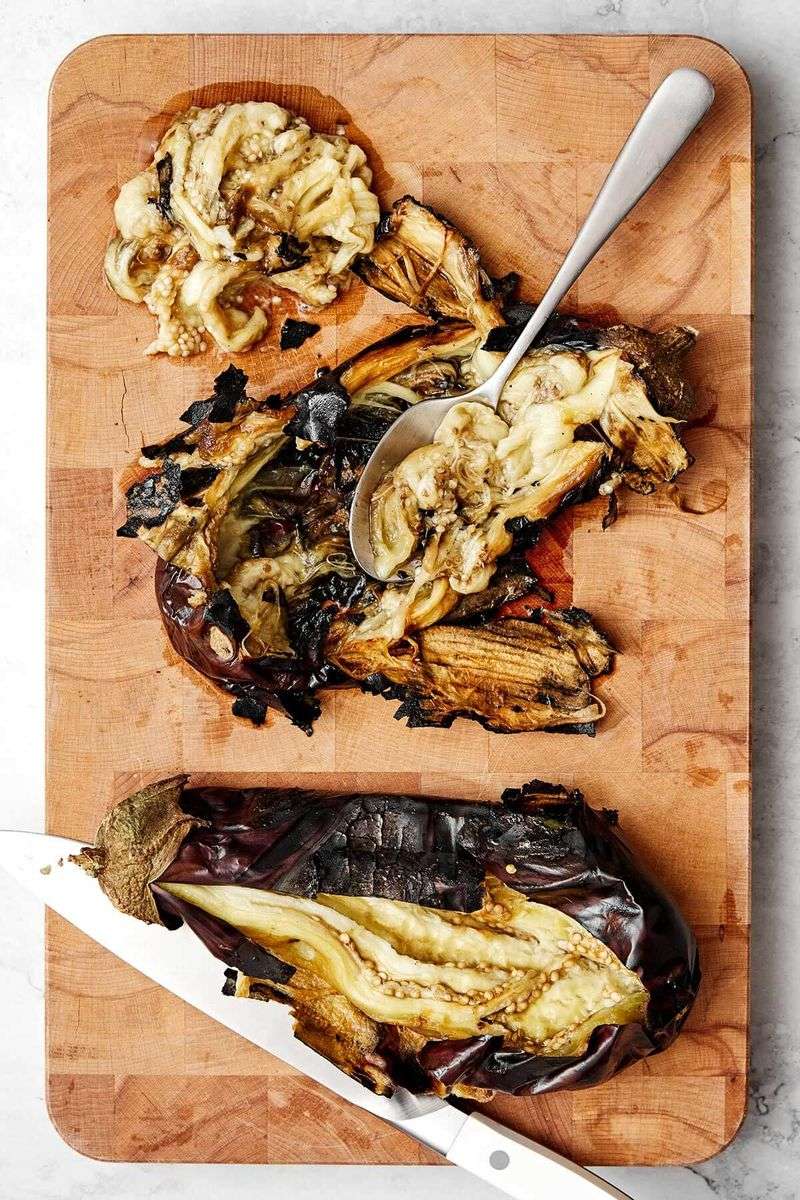
Baba ganoush earns its smoky, earthy personality from one bold move: burning the eggplant skin completely over an open flame. The outside turns black and papery, almost ruined-looking.
But inside, the flesh becomes silky and infused with a campfire-like depth that no oven can replicate.
Peel away the charred skin and you are left with a smoky treasure. Blended with tahini, lemon, and garlic, this Middle Eastern dip becomes something extraordinary.
The burnt exterior is not a mistake; it is the whole point.
3. Mole Negro
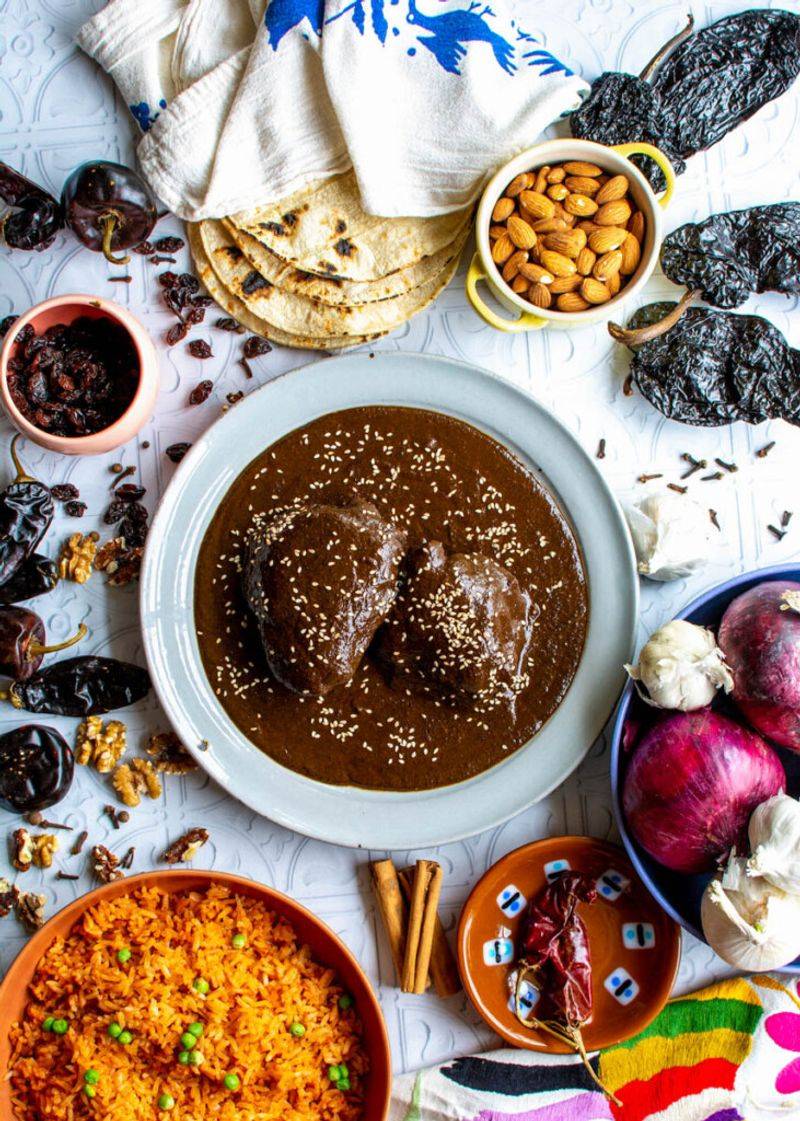
Mole negro from Oaxaca, Mexico, gets its ink-dark color and haunting complexity from one unusual step: deliberately burning the dried chiles until they are nearly black. Most cooks would panic seeing charred peppers, but this is exactly what the recipe demands.
The burnt chiles add a bitter, smoky backbone that anchors the sauce alongside chocolate, nuts, and dozens of spices. Without that controlled char, mole negro tastes flat and one-dimensional.
The bitterness ties everything together in a way that is surprisingly beautiful.
4. Basque Burnt Cheesecake
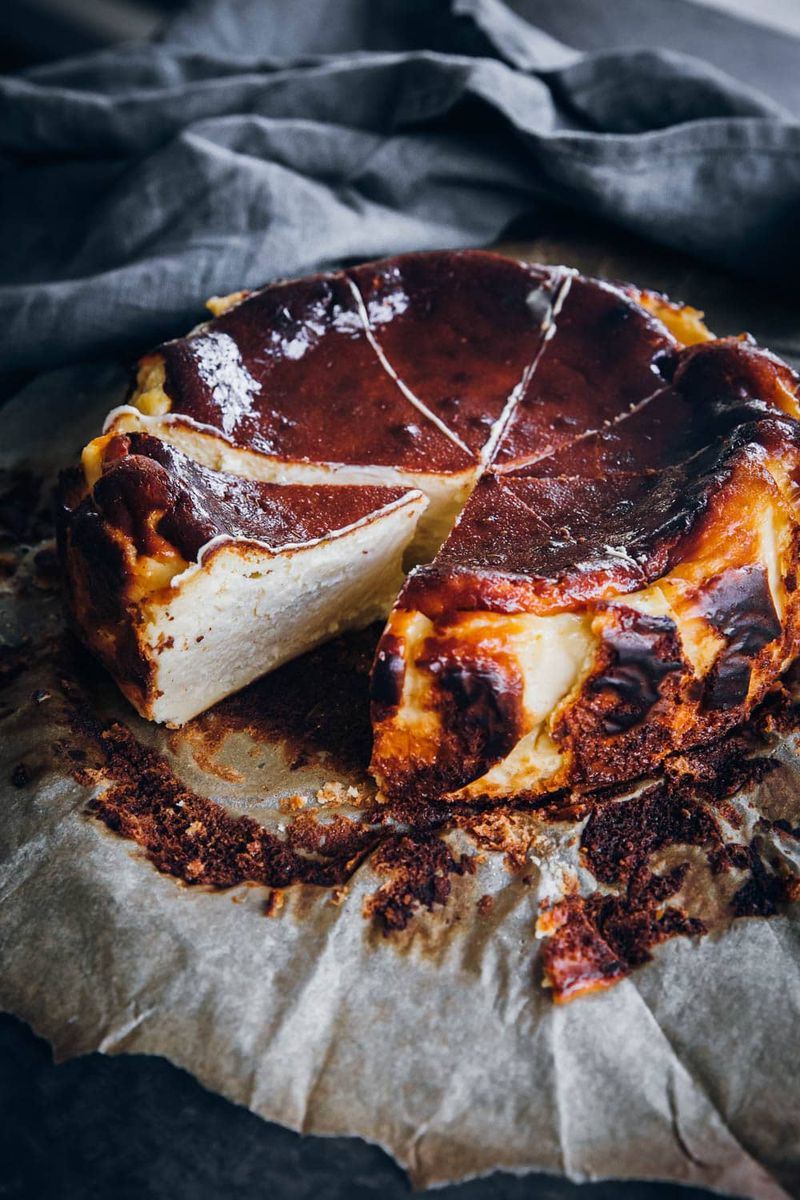
At first glance, a Basque burnt cheesecake looks like a baking disaster. The top is aggressively dark, almost black in spots, and the center jiggles like pudding.
Yet this cake from San Sebastian, Spain, is one of the most beloved desserts in the world right now.
Baking it at a very high temperature caramelizes the cream cheese surface into something bitter, nutty, and deeply rich. That contrast between the scorched top and the creamy interior is what makes every single bite feel exciting and perfectly balanced.
5. Char Siu Pork
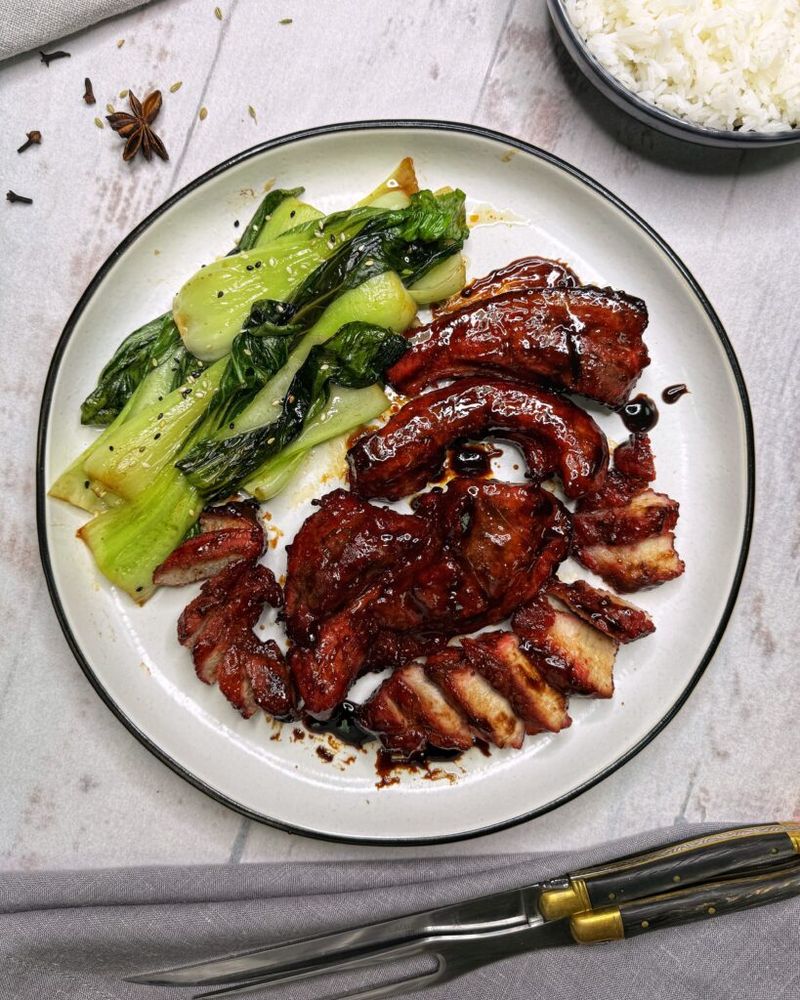
Char siu, the iconic Chinese BBQ pork, would be nothing without its signature charred edges. The name itself literally means “fork roasted,” and the magic happens when the honey and hoisin glaze hits high heat and starts to blacken at the tips and edges.
Those caramelized, slightly burnt bits carry an intense sweetness mixed with a gentle smokiness that the soft interior cannot provide on its own. Cantonese cooks have perfected this balance for centuries, and it is what separates char siu from plain roasted pork.
6. Salsa Negra
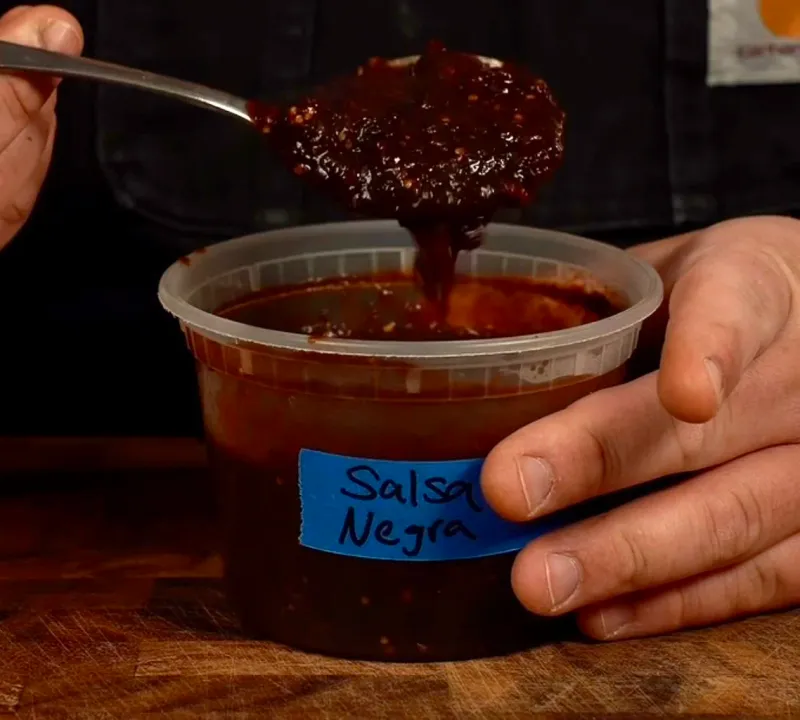
Salsa negra is proof that burning your ingredients on purpose creates something extraordinary. Tomatoes, dried chiles, and garlic are placed directly on a dry comal or cast-iron pan and left to blacken and blister until their skins are almost completely charred.
That intense char creates a smoky, slightly bitter flavor base that store-bought salsa can never touch. Blended together, the burnt ingredients transform into a dark, complex sauce with layers of heat, sweetness, and smokiness.
It is rustic, bold, and completely unforgettable.
7. Peking Duck
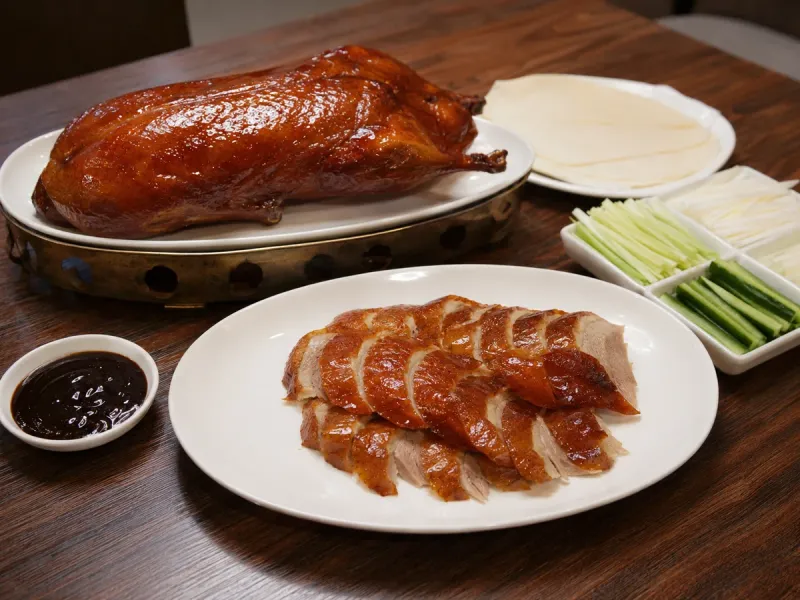
Peking duck is one of China’s most celebrated dishes, and its crispy, mahogany-colored skin depends entirely on controlled caramelization that edges into charring. The duck is coated in a maltose glaze and roasted at high heat until the skin blisters and darkens dramatically.
Without that deep, almost burnt coloring on the skin, Peking duck would just be roasted duck. The slightly charred, lacquered exterior provides a shattering crunch and a rich, smoky sweetness that wraps around the tender meat beneath in the most satisfying way.
8. Espresso
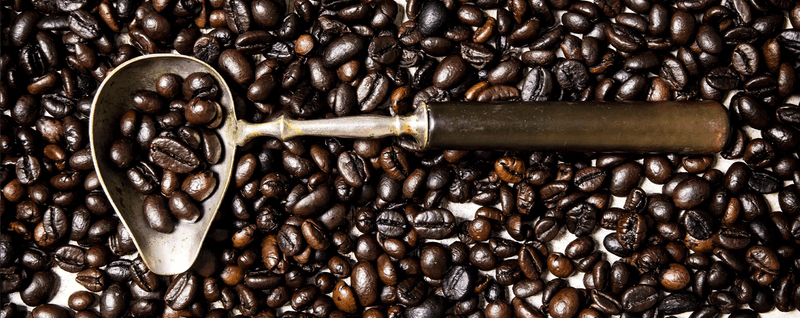
Coffee beans go through a process called roasting that, at the darkest levels, is essentially controlled burning. Espresso relies on dark-roasted beans where the sugars inside have been pushed to the very edge of carbonization, creating bitter, bold, and chocolatey flavors.
Without that deliberate scorching of the bean, espresso would taste thin and sour. The burnt sugars create the backbone of every cappuccino, latte, and Americano.
It is one of the most widely consumed examples of purposeful burning making a product taste dramatically better.
9. Yakitori Negima
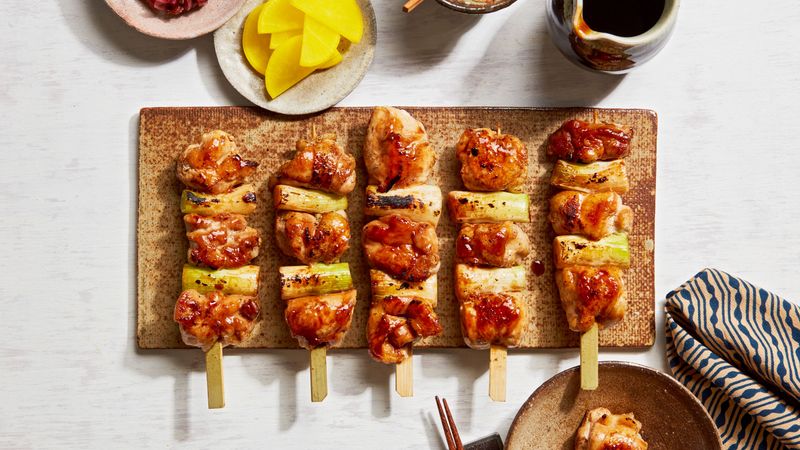
Yakitori negima, the beloved Japanese skewer of chicken and green onion, only reaches its full potential when the green onion tips are allowed to burn slightly over the binchotan charcoal grill. That charring softens the sharp, raw bite of the onion into something sweet and deeply savory.
The smoky, slightly bitter flavor from the charred onion edges complements the tare-glazed chicken in a way that raw or gently cooked onion simply cannot. Japanese grill masters consider this char an essential part of the dish, not an accident to avoid.
10. Tikin Xic Fish
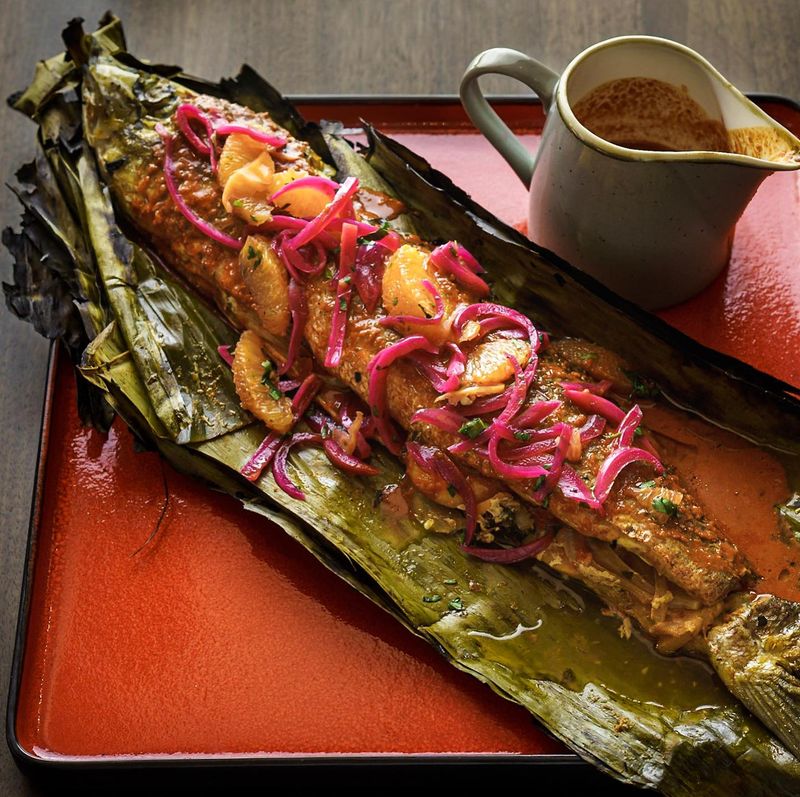
Tikin xic is a traditional Mayan dish from Mexico’s Yucatan Peninsula where whole fish marinated in achiote paste is grilled in banana leaves. The outer layer of the banana leaf is meant to char and burn, creating a natural smoky steam chamber inside.
That burning banana leaf infuses the fish with a woody, grassy smokiness that no other cooking method produces. The fish inside stays moist and tender while absorbing the char-flavored steam.
Without the burnt leaf, the dish loses its most distinctive and culturally important flavor layer entirely.
11. Creme Brulee
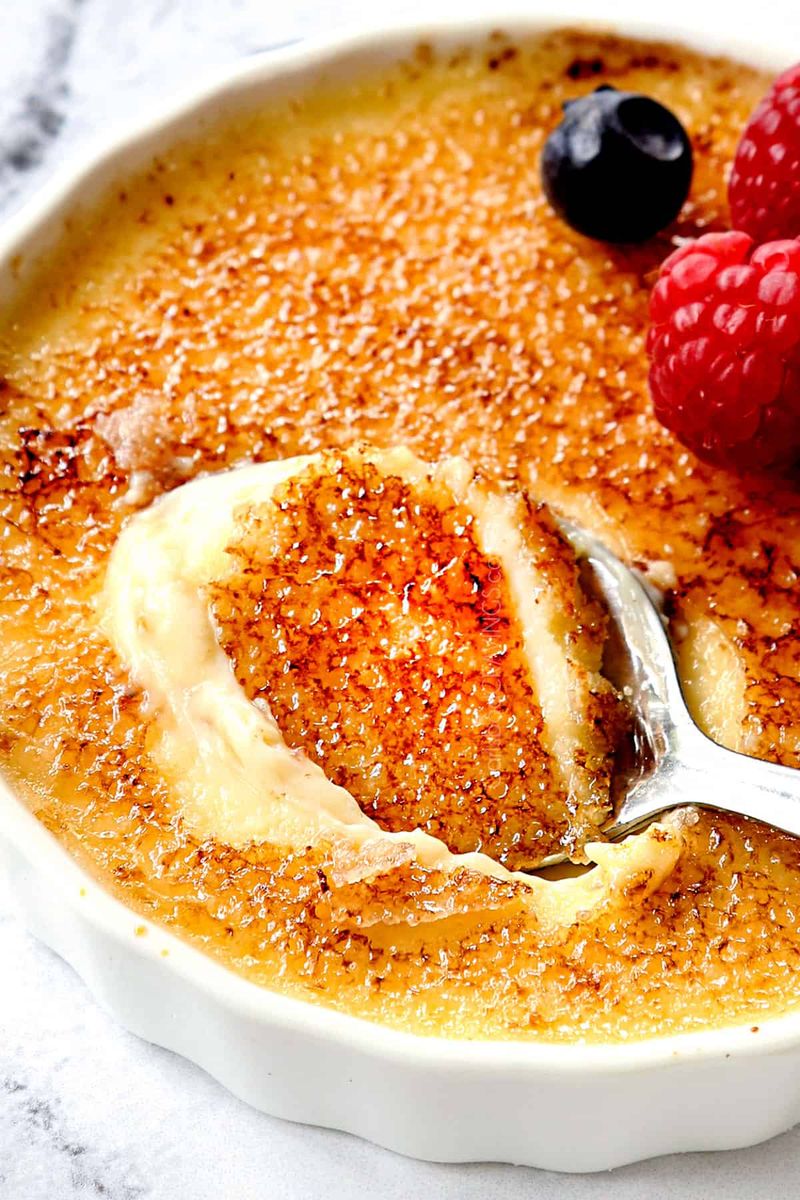
Few desserts have a more satisfying moment than cracking through the burnt sugar lid of a creme brulee with a spoon. That thin, glassy layer on top is made by sprinkling sugar over the custard and hitting it with a kitchen torch until it melts and scorches.
The slightly bitter, caramelized top is not just decoration. It creates a textural contrast with the cool, creamy custard below and adds a nutty, almost smoky sweetness.
Without the burnt sugar crust, creme brulee is just a plain, unremarkable vanilla pudding.
12. Romesco Sauce
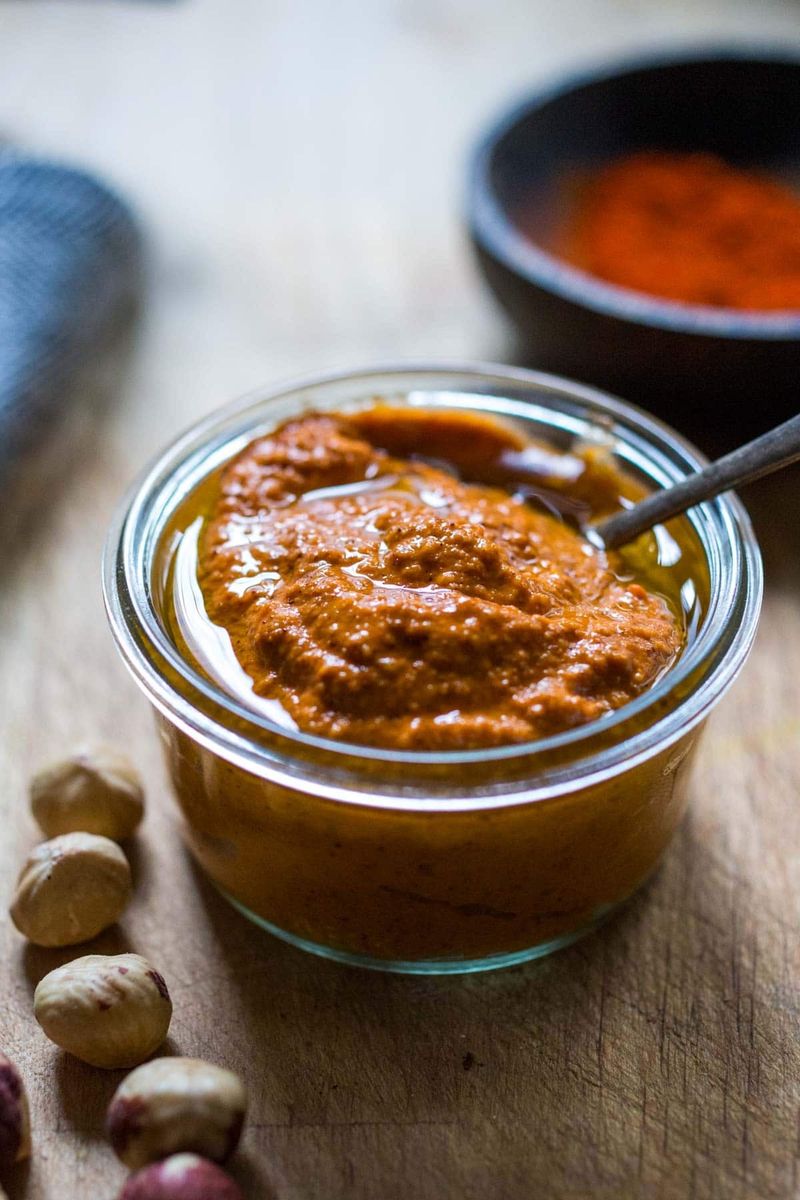
Romesco sauce from Catalonia, Spain, has a secret weapon: the red peppers used to make it are charred directly over a flame until the skins blister and blacken. Once peeled, those fire-kissed peppers deliver a deep, smoky sweetness that raw or simply roasted peppers cannot achieve.
Combined with toasted almonds, garlic, and olive oil, the charred peppers create a sauce with incredible complexity. Catalan fishermen originally made this sauce to serve with seafood, and that smoky, slightly bitter pepper flavor has kept the recipe beloved for generations.
13. Burnt Ends BBQ
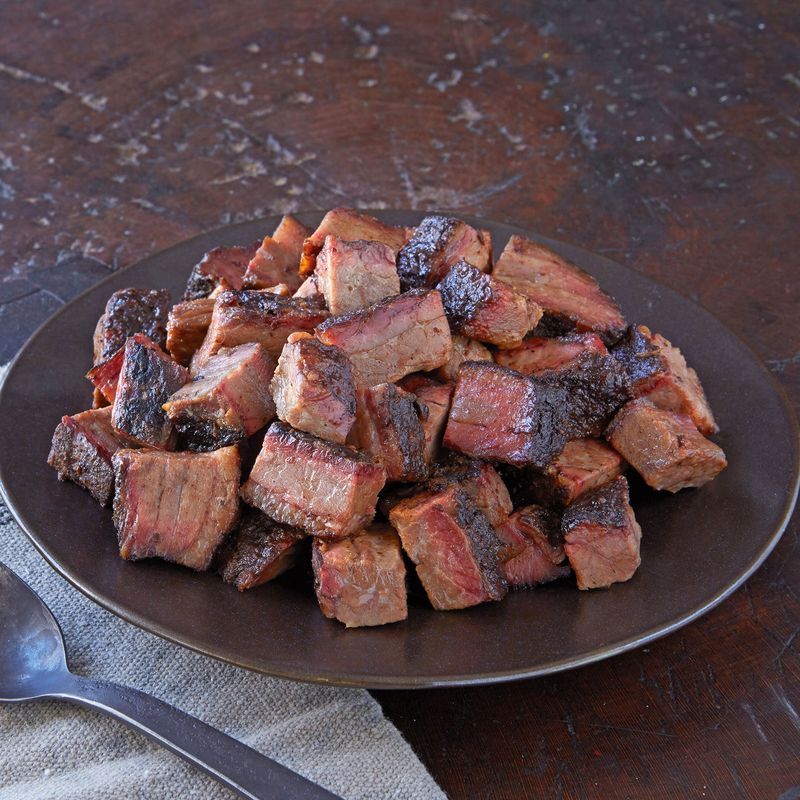
Burnt ends started as an accident. Kansas City pitmasters used to give away the charred, tough tips of smoked beef brisket for free because they thought nobody would want them.
Then people tasted them and everything changed.
Those heavily charred, crusty cubes pack more smoky, beefy, and caramelized flavor per bite than any other part of the brisket. The burnt exterior creates a thick bark that soaks up barbecue sauce beautifully.
Today, burnt ends are considered the most prized part of any BBQ plate.
14. Chiles Toreados
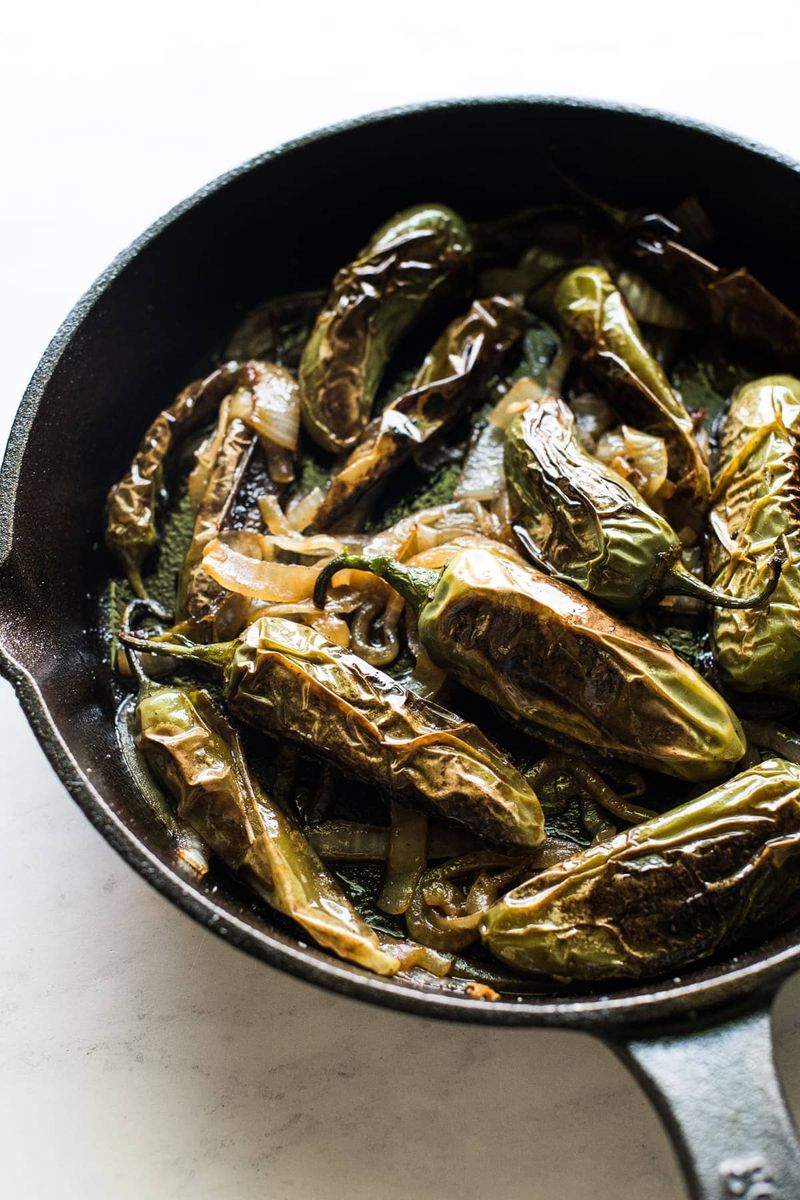
Chiles toreados are a staple of Mexican street food, and their entire character comes from being blistered and charred in a screaming-hot dry pan. The peppers are rolled around until their skin blackens and blisters in spots, releasing their oils and softening their heat into something sweeter and more complex.
A splash of soy sauce and a squeeze of lime finish them off, but the char does the real work. Without the burnt skin, these peppers taste sharp and one-dimensional.
The charring transforms them into something smoky, addictive, and deeply satisfying alongside tacos.
15. Pissaladiere
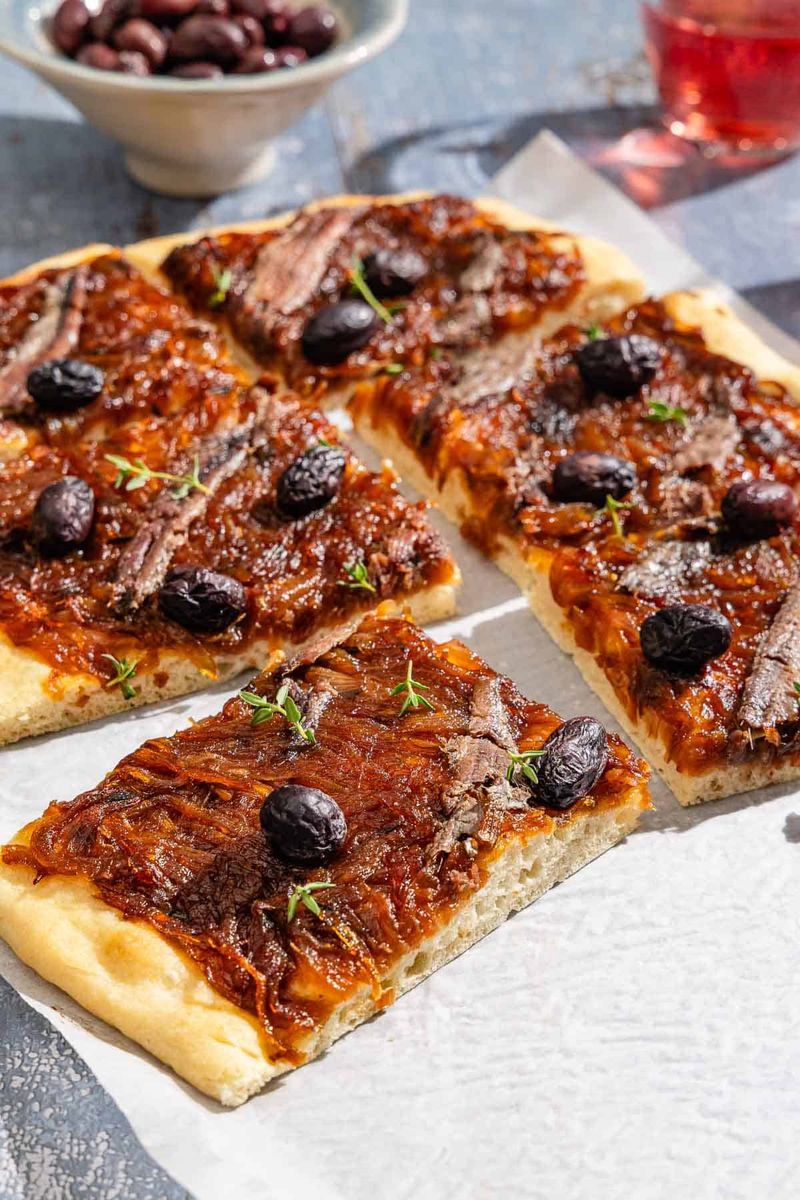
Pissaladiere, the iconic savory tart from Nice, France, shares its soul with French onion soup: everything depends on onions cooked so low and slow that they collapse into a dark, almost-burnt, sweet paste. Pale or lightly cooked onions make a bland topping that does not deserve the name.
The deeply caramelized, slightly scorched onion spread underneath the anchovies and olives is what ties the entire tart together. Its bittersweet richness balances the salty fish and briny olives perfectly.
Rushing the onions is the one mistake that ruins this classic every time.
16. Jerk Chicken
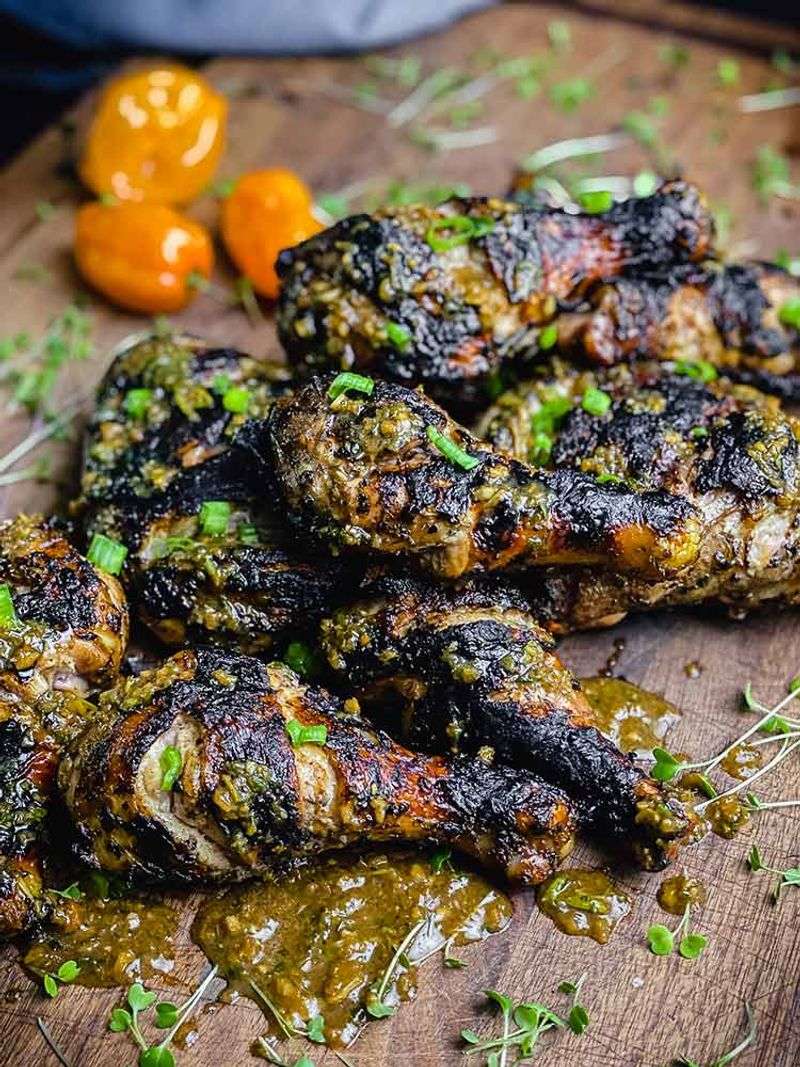
Authentic Jamaican jerk chicken is supposed to look almost burnt. The skin turns deeply black and charred over pimento wood or charcoal, and that scorched crust is not a sign of failure; it is the whole goal.
Inside, the meat stays juicy and explosive with scotch bonnet heat and allspice.
The char creates a smoky, bitter outer layer that tempers the fierce spice of the marinade and adds a complexity you simply cannot get from oven-baked jerk. Real jerk chicken without that blackened crust is just spicy grilled chicken, and that is a completely different dish.