
Finding out that someone isn’t choosing you can feel like a punch to the gut. It hurts, and that pain can push you into habits that make things even worse without you realizing it.
Many people unknowingly sabotage their own peace, confidence, and future relationships when they feel rejected. Recognizing these habits is the first step toward breaking free and building something healthier.
1. Creating Unnecessary Conflict or Drama

Stirring up drama might feel like a way to get someone’s attention, but it usually pushes them further away. When you feel unchosen, the urge to create conflict can sneak up on you fast.
You might pick fights over small things or blow situations out of proportion.
Conflict gives a false sense of control when you feel powerless. Choosing calm over chaos protects your energy and your reputation.
2. Fixating on That Person’s Every Flaw
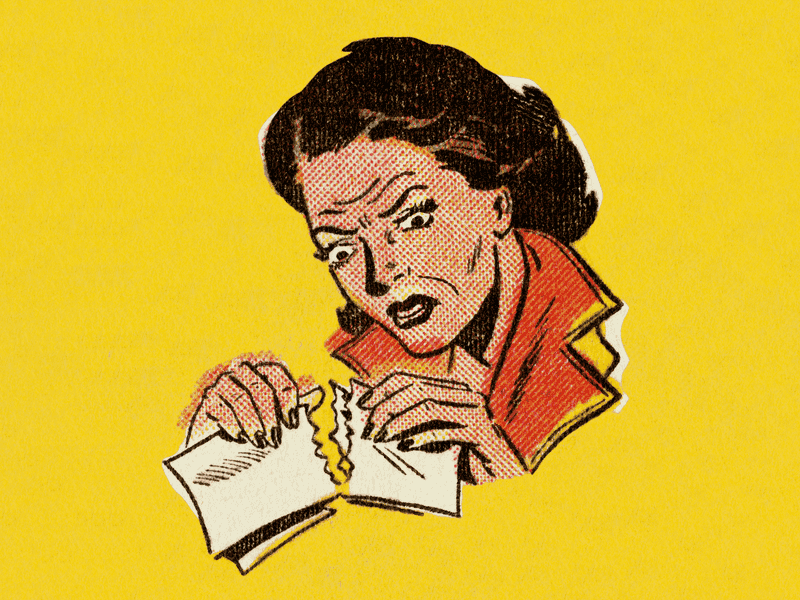
Picking apart someone’s flaws nonstop is a sneaky way the brain tries to protect itself from pain. You tell yourself they were never worth it anyway, cataloging every mistake they ever made.
It feels logical, but it actually keeps you stuck in bitterness.
Constantly criticizing someone in your head blocks you from healing and moving forward. Releasing that mental checklist frees up space for genuine peace and self-growth.
3. Avoiding Quality Time With Yourself

After rejection, many people run from quiet moments because silence feels too loud. Staying constantly busy or glued to a screen becomes a way to avoid sitting with uncomfortable feelings.
Ironically, that avoidance makes healing take much longer.
Learning to enjoy your own company is one of the most powerful things you can do. Spending intentional, peaceful time alone helps you rebuild your sense of self-worth from the inside out.
4. Shutting Down Emotionally

Emotional withdrawal feels like armor, but it actually creates distance that damages connections you still value. When someone doesn’t choose you, pulling away from everyone else punishes people who had nothing to do with your pain.
It’s a classic defense move that backfires.
Staying emotionally present, even when it’s uncomfortable, keeps your relationships strong. Opening up to trusted friends or a therapist can help you process feelings without isolating yourself completely.
5. Sweeping Real Problems Under the Rug

Ignoring problems does not make them disappear – it just gives them more time to grow. When you feel unchosen, pretending everything is fine becomes a coping mechanism that slowly poisons your connections.
You hope things will magically fix themselves, but they rarely do.
Addressing issues early, even when it feels awkward, shows emotional maturity. Honest conversations may sting in the moment, but they build trust and prevent small cracks from becoming permanent breaks.
6. Running From Intimacy and Closeness

Closeness can feel terrifying when you have already been hurt by someone who didn’t pick you. Pulling away from emotional or physical intimacy seems like self-protection, but it quietly starves your relationships of what they need to survive.
Distance breeds more distance.
Vulnerability is not weakness – it is actually courage in action. Allowing yourself to be open with safe people helps rebuild trust and reminds you that connection is still possible and worth pursuing.
7. Shifting Blame Instead of Taking Responsibility

Blaming others for your situation might offer temporary relief, but it keeps you stuck in a victim mindset. When someone doesn’t choose you, it’s tempting to make them the villain in every story you tell.
That habit robs you of personal power and growth.
Taking ownership of your role in any situation, even a painful one, is incredibly empowering. Accountability is not about self-blame – it is about recognizing what you can actually control and change going forward.
8. Pushing Away People Who Actually Care

Here’s a painful irony: the people most hurt by rejection often push away the very people who love them most. Fear of being hurt again triggers a push-pull cycle that confuses and exhausts those around you.
Good people eventually stop reaching out if they keep getting shut out.
Recognizing when you are doing this is half the battle. Let the people who show up for you actually be there – they are proof that you are worth choosing every single day.
9. Expecting Everything to Fall Apart

Bracing for disaster before anything bad has even happened is exhausting and completely counterproductive. When rejection has burned you before, your brain starts predicting failure everywhere as a defense mechanism.
You expect people to leave, so you act in ways that make them leave.
Challenging negative predictions with evidence of good things in your life can slowly rewire this thinking. Not every situation ends in heartbreak – your past does not have to write your future.
10. Sabotaging Your Own Happy Moments

Feeling undeserving of joy is a quiet but powerful form of self-sabotage. Some people unconsciously ruin good moments – picking a fight right before a celebration or talking themselves out of excitement.
It’s as if happiness feels too risky to fully enjoy.
You deserve good things, even when someone else didn’t see that. Practicing gratitude and allowing yourself to sit in joyful moments without guilt is a radical act of self-love that builds emotional resilience over time.
11. Constantly Testing Whether People Will Stay

Repeatedly pushing someone’s buttons to see if they will stick around is a habit born from deep insecurity. You set little traps and watch to see if they pass, but the tests never actually feel like enough proof.
The reassurance fades fast and you need more.
Trust is built through consistent actions over time, not through manufactured tests. Working on your own sense of security – ideally with a therapist – helps break this exhausting cycle for good.
12. Losing Yourself Trying to Please Someone

Giving up your hobbies, opinions, and personality to make someone choose you is one of the fastest ways to lose yourself. You become a mirror of what you think they want, and somewhere in the process, you forget who you actually are.
Resentment builds quietly beneath the surface.
A healthy connection never requires you to erase yourself. Holding onto your identity – your quirks, your passions, your values – makes you more attractive and keeps your self-respect beautifully intact.
13. Letting Mistrust Run the Show

Unwarranted suspicion is like a slow leak in a tire – it quietly deflates everything good about a relationship. Past betrayals can make distrust feel completely rational, but projecting old wounds onto new people creates problems where none exist.
It becomes a self-fulfilling prophecy.
Building trust starts with building trust in yourself first. When you feel secure in who you are, you stop needing to monitor and control others to feel safe in your connections.
14. Picking Partners Who Confirm Your Worst Beliefs About Yourself

Some people unconsciously seek out partners who treat them exactly as badly as they expect to be treated. If deep down you believe you are unlovable, you may keep gravitating toward people who reinforce that story.
It feels familiar, even when it hurts.
Breaking this pattern starts with identifying the belief underneath the behavior. Therapy, journaling, or honest conversations with trusted people can help you rewrite the internal script and start choosing connections that actually lift you up.
15. Manipulating Someone’s Perception of Reality
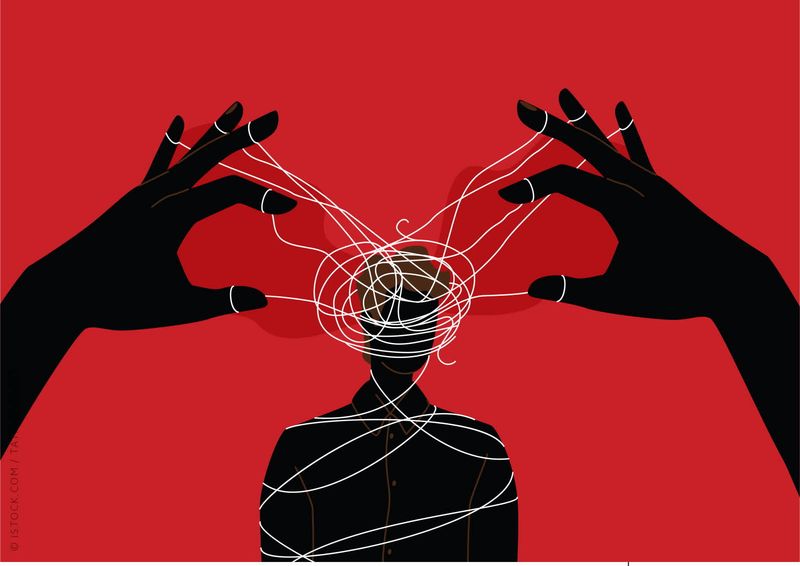
Gaslighting – making someone question their own feelings or memories – is one of the most harmful relationship behaviors there is. Sometimes it comes from a place of desperation when you feel like you are losing someone.
You twist the truth to avoid accountability or to keep control.
Honesty, even when it is uncomfortable, is always the better path. Manipulating others corrodes trust at the root and ultimately destroys any chance of a real, lasting connection built on mutual respect.
16. Holding Unrealistic Expectations

Expecting a real relationship to look like a movie romance is a recipe for constant disappointment. When someone doesn’t meet your impossibly high standards, you write them off – or worse, you feel like something is wrong with you when they don’t try harder.
Neither is fair.
Real love is imperfect, awkward, and wonderfully ordinary on most days. Adjusting your expectations to match reality does not mean settling – it means making room for something genuine to actually grow.
17. Dodging Any Kind of Commitment

Fear of commitment is often fear of getting hurt dressed up in casual clothing. When someone hasn’t chosen you, throwing yourself into situationships or keeping things deliberately vague might feel safer than risking real rejection again.
But avoiding depth keeps you emotionally stranded.
Meaningful relationships require some level of risk – that is what makes them meaningful. Facing your fear of commitment, even in small steps, opens the door to the kind of connection you actually crave and deserve.
18. Tearing Yourself Down With Negative Self-Talk
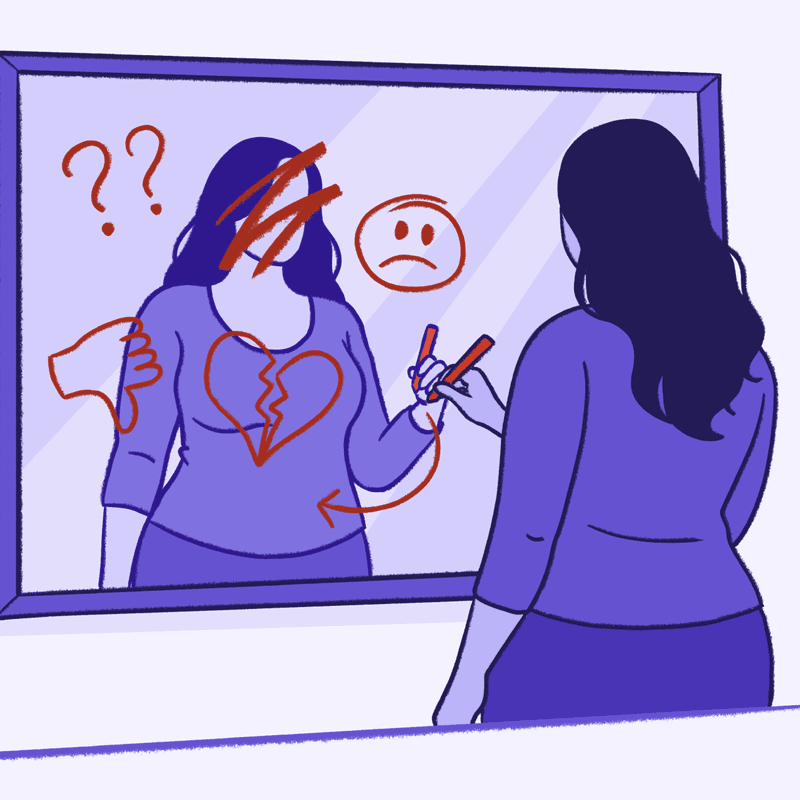
The voice in your head can be your biggest cheerleader or your cruelest critic. After rejection, many people turn that inner voice into a highlight reel of everything supposedly wrong with them. “I am too much,” “I am not enough” – these stories repeat until they feel like facts.
You are not the rejection you experienced. Catching negative thoughts and gently replacing them with more balanced ones takes practice, but it gradually shifts how you see yourself and how others see you too.
19. Putting Off the Work of Healing
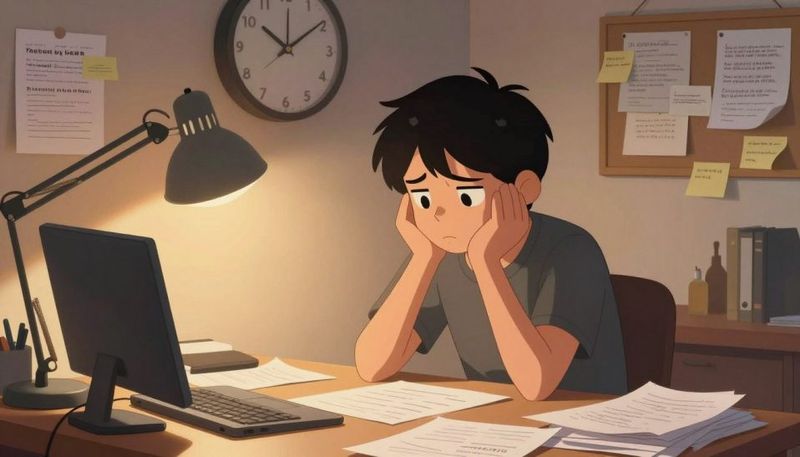
Procrastination is not just about avoiding chores – it can mean putting off the emotional work of healing too. After someone doesn’t choose you, it is easy to say you will deal with your feelings later, start therapy next month, or journal when you feel ready.
Later never comes.
Healing does not have a perfect starting point. Taking even one small step today – writing down how you feel, calling a friend, booking a session – builds the momentum that carries you forward.
20. Prioritizing Winning Arguments Over Actual Connection

Needing to be right in every disagreement is a habit that wins battles while losing the war. When you feel unchosen, proving a point can feel like reclaiming power – but it signals to others that being correct matters more to you than they do.
People stop opening up when they expect to be debated.
Connection grows in the space where both people feel heard. Choosing understanding over victory in tough conversations transforms conflict into something that actually strengthens your bond rather than quietly breaking it apart.