
Food has a funny way of connecting us across time, but it also reveals just how differently we each learned to cook. What your grandparents made from scratch, your parents might have used a shortcut for, and your generation could be reinventing entirely.
From mashed potatoes to fried chicken, the same dish can look and taste wildly different depending on who is standing at the stove. These generational gaps in cooking are fascinating, delicious, and sometimes a little surprising.
1. Mashed Potatoes
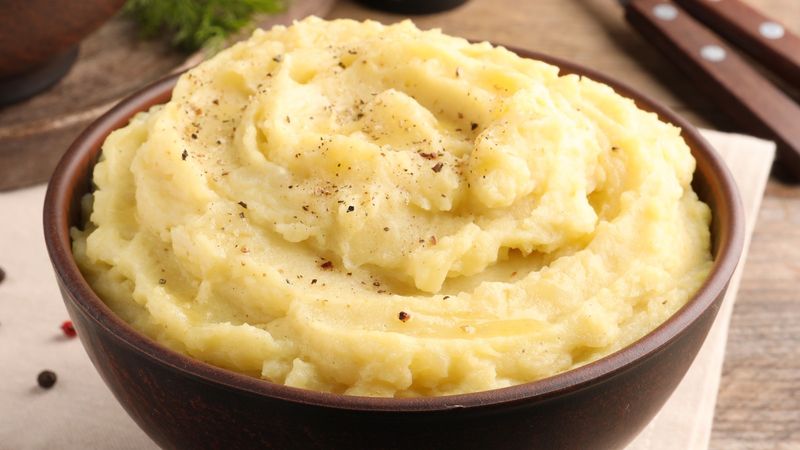
Few dishes spark as much debate at the dinner table as mashed potatoes. Grandparents often boiled and hand-mashed them with butter and whole milk, leaving satisfying lumps behind.
Parents reached for electric mixers and instant flakes when time got tight.
Today, younger cooks are roasting garlic, adding cream cheese, or whipping them sous-vide style for ultra-smooth results. Each version carries its own comfort, but the techniques could not be more different.
2. Fried Chicken
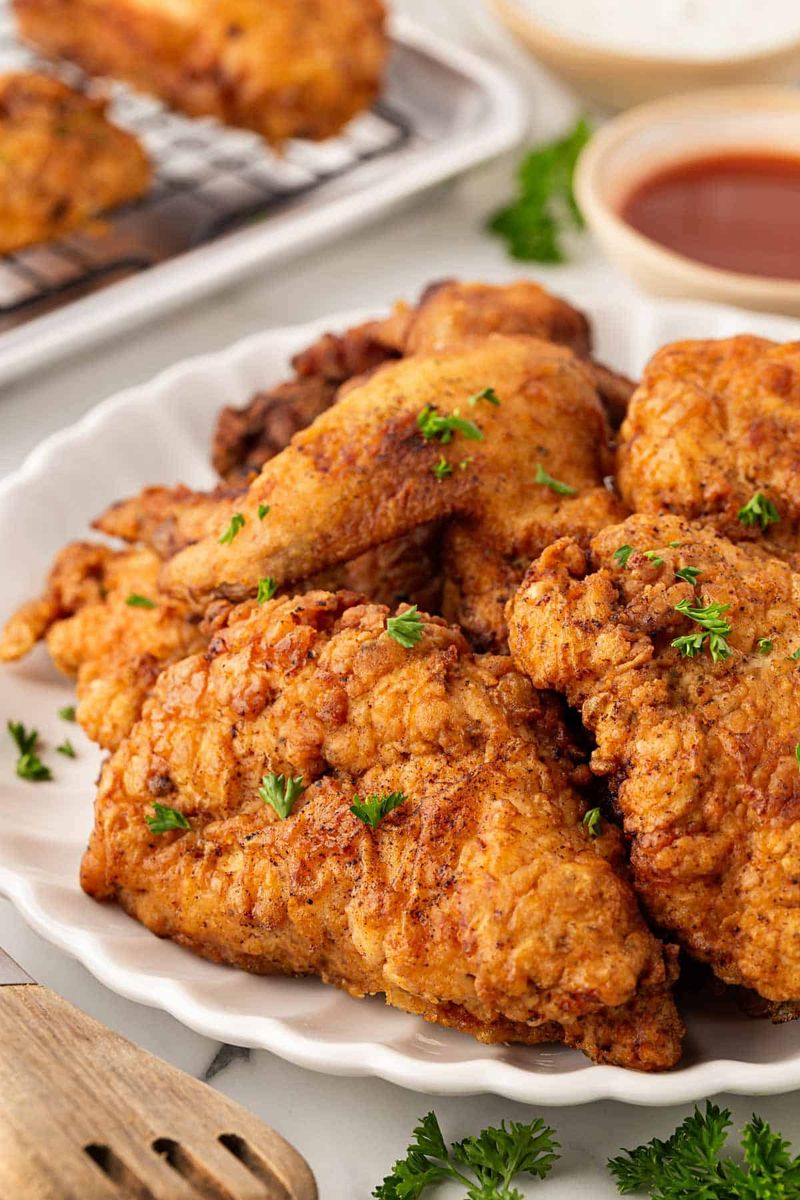
Nothing says home cooking quite like fried chicken, but the method behind it tells a generational story. Grandmothers seasoned cast-iron skillets with lard and fried low and slow, building deep flavor over time.
Their children switched to vegetable oil and electric deep fryers for speed and consistency.
Now, younger home cooks swear by air fryers, buttermilk brines, and Korean-inspired double-frying techniques. The crunch may be similar, but the journey there looks completely different.
3. Tomato Sauce
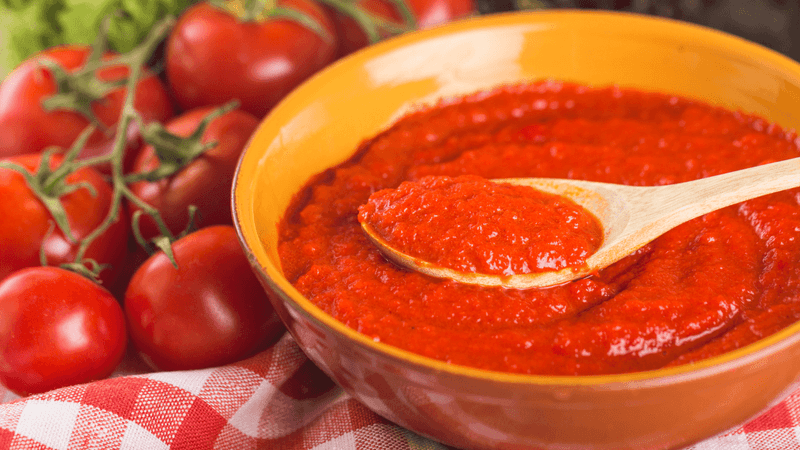
Sunday sauce used to mean an all-day affair. Older generations simmered whole tomatoes with herbs for hours, filling the house with an unforgettable aroma.
The next generation leaned on canned crushed tomatoes and jarred pasta sauce to save precious weeknight time.
Younger cooks are now blending roasted cherry tomatoes, adding miso paste for umami depth, or making five-minute raw tomato sauces. Tradition and innovation are both very much alive in the sauce pot.
4. Scrambled Eggs
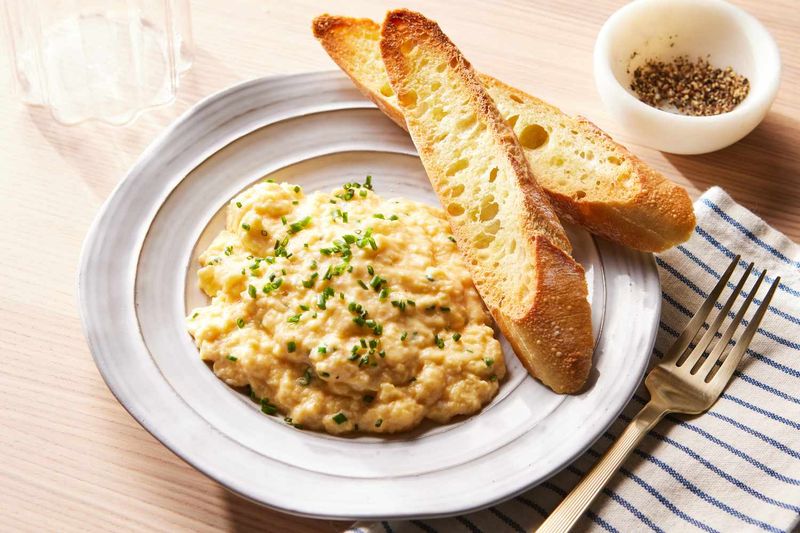
Scrambled eggs seem simple until you realize everyone makes them differently. Older cooks often whipped them with a fork, added milk, and cooked them fast over high heat until firm.
Baby Boomers introduced non-stick pans and cheese for extra richness.
Millennials and Gen Z are obsessed with low-and-slow creamy scrambles, inspired by Gordon Ramsay videos and TikTok tutorials. Some even add cream cheese or cottage cheese for a protein-packed twist that grandma never imagined.
5. Roast Chicken
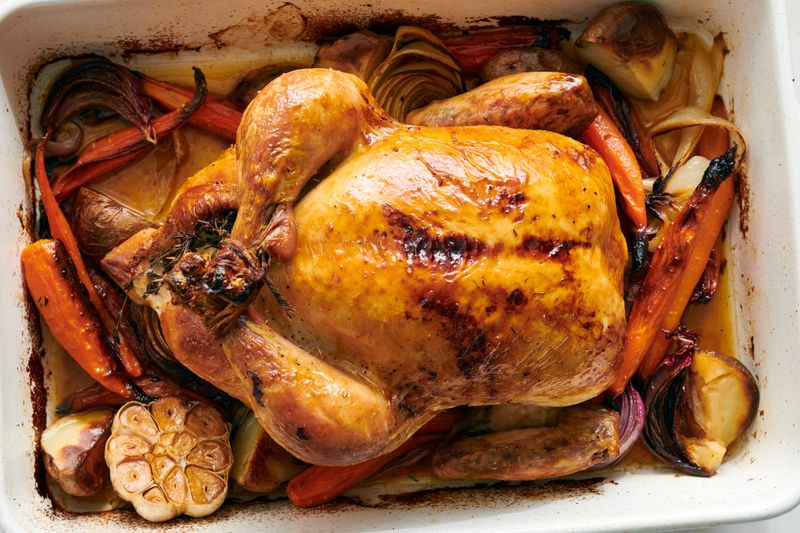
Roast chicken is one of the most timeless meals in any culture, yet the technique changes with every generation. Traditional cooks stuffed whole birds and roasted them slowly in deep pans with root vegetables and pan drippings for gravy.
The next wave used rotisserie ovens or bought pre-seasoned birds from the grocery store.
Today, spatchcocking, dry-brining overnight, and high-heat blasting are popular tricks that cut cooking time while boosting crispiness significantly.
6. Bread
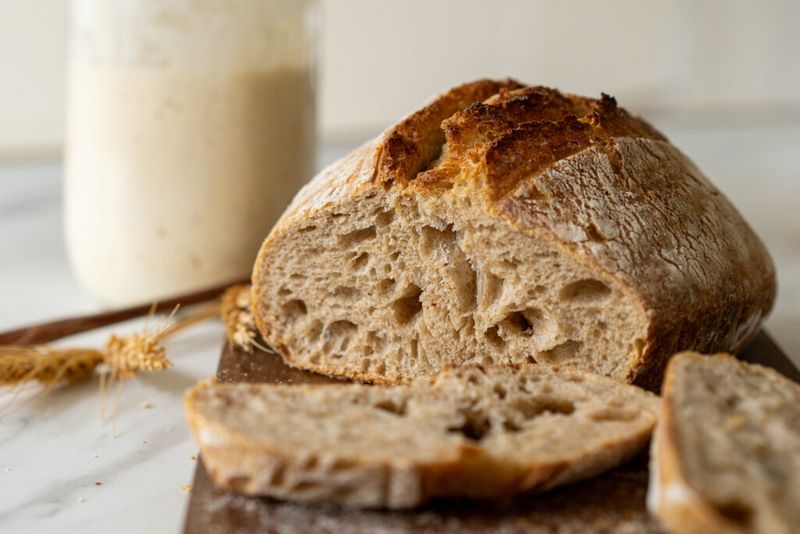
Bread making has traveled a long road from generation to generation. Great-grandparents kneaded dough entirely by hand, relying on wild yeast starters and wood-fired ovens.
The convenience era brought bread machines and store-bought loaves that saved hours of effort.
Now, sourdough has made a massive comeback, especially after 2020 when home baking surged worldwide. Younger bakers are tracking hydration ratios, scoring artistic patterns, and sharing their crumb shots proudly on social media.
7. Oatmeal
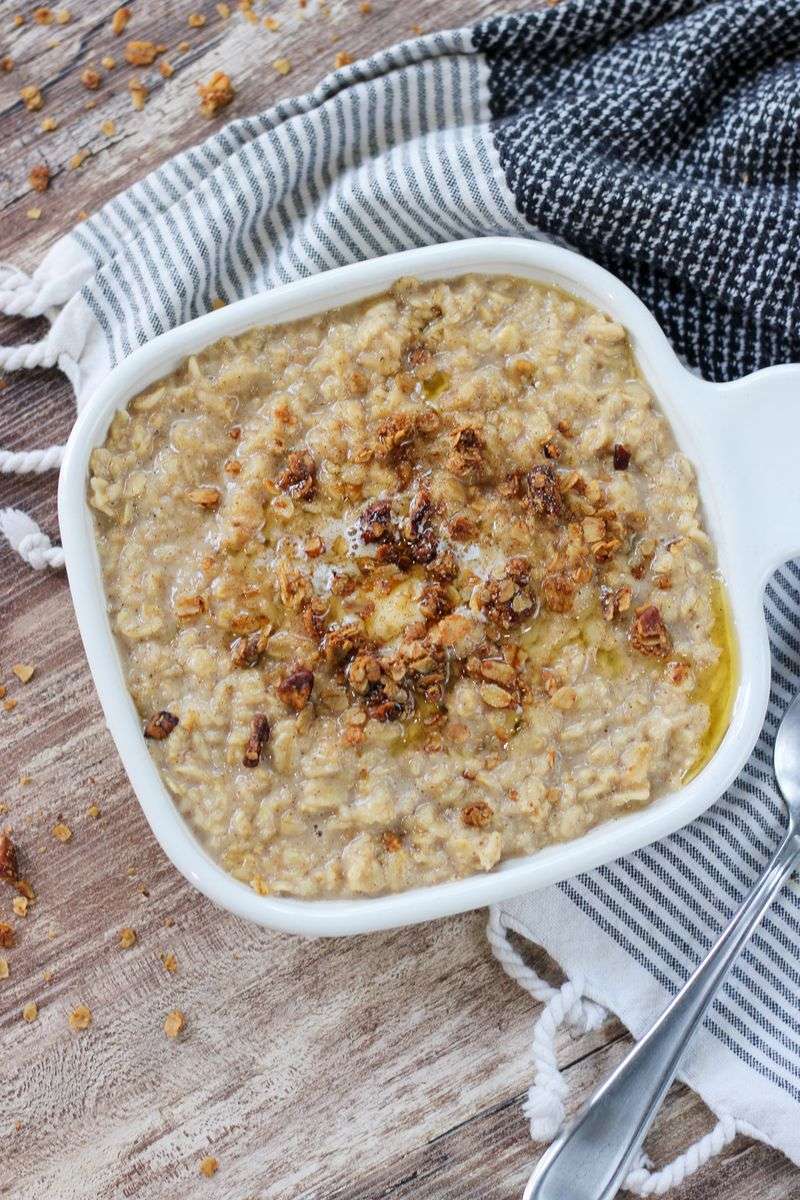
Oatmeal might seem boring, but it reflects how much breakfast habits have shifted. Older generations cooked rolled oats slowly on the stovetop, stirring patiently and serving with brown sugar or a pat of butter.
Busy parents embraced instant oatmeal packets that were ready in under two minutes.
Younger generations prep overnight oats the night before, layering chia seeds, almond milk, and fresh fruit in mason jars for a grab-and-go morning meal that feels both healthy and trendy.
8. Salad
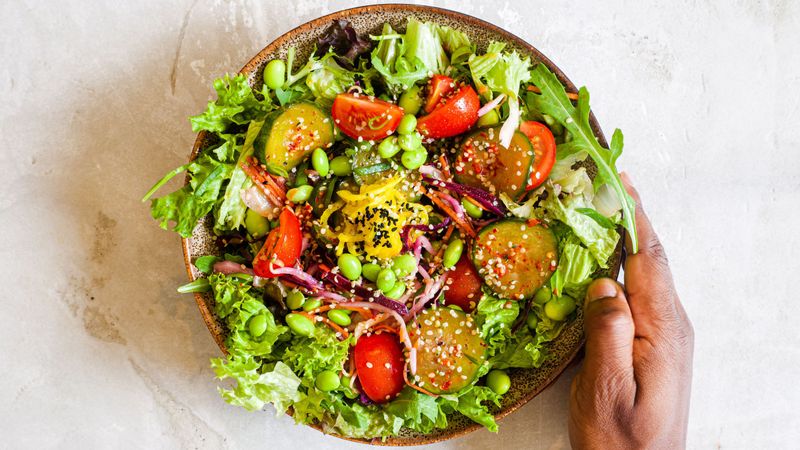
Salad used to mean iceberg lettuce, bottled ranch dressing, and maybe a few croutons. Older generations kept things simple and predictable, treating salad as a side rather than a star.
The next generation introduced Caesar salads, bagged mixed greens, and low-fat vinaigrettes from the grocery aisle.
Today, salads are full meals loaded with roasted vegetables, ancient grains, pickled onions, and homemade dressings. What was once an afterthought is now a carefully crafted centerpiece of the plate.
9. Beef Stew
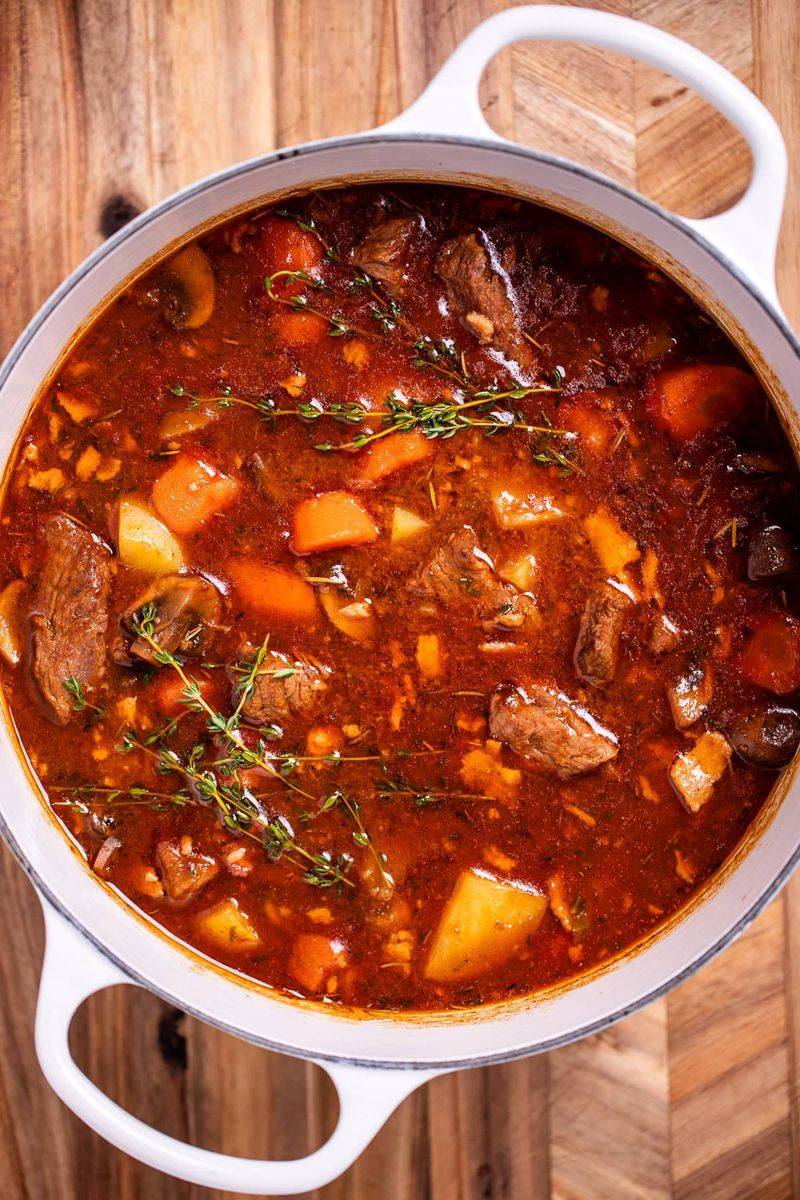
Beef stew was once an all-day labor of love. Grandparents browned meat in cast-iron pots, added garden vegetables, and let everything bubble gently on the stove for hours.
The aroma alone was worth the wait, and leftovers always tasted even better the next day.
Later generations discovered slow cookers and pressure cookers, cutting cook time dramatically. Younger cooks now use Instant Pots, add red wine or miso, and sometimes swap beef for mushrooms to create plant-based versions.
10. Pancakes
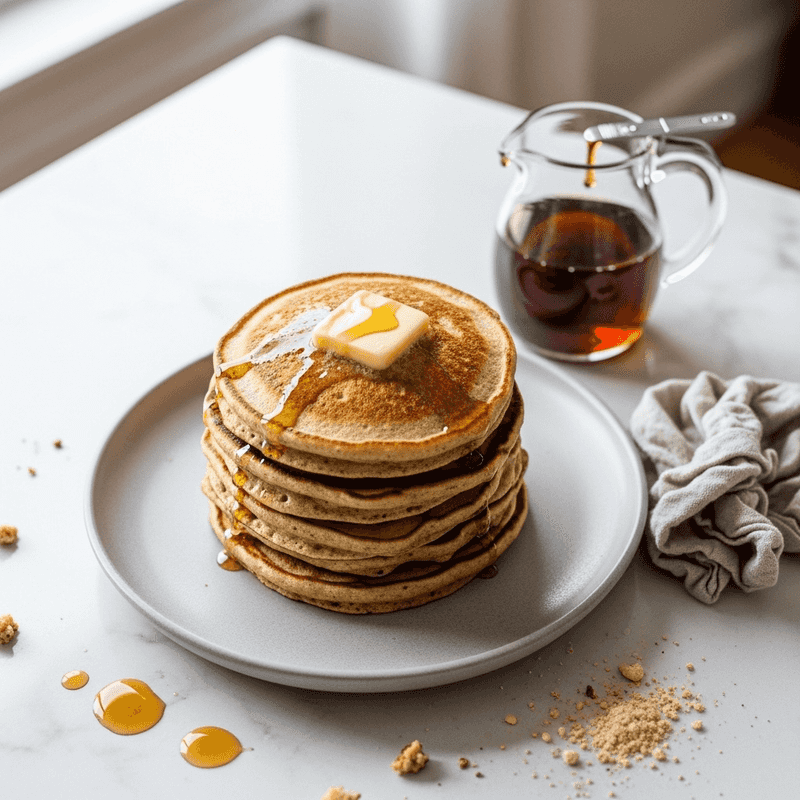
Pancakes have gone through quite the transformation over the decades. Older home cooks mixed flour, eggs, buttermilk, and baking powder from scratch every weekend morning without thinking twice.
Then boxed pancake mixes became a staple in nearly every pantry, promising the same results in half the effort.
Now, Japanese souffle pancakes, protein pancakes made with cottage cheese, and banana-oat two-ingredient versions are everywhere online. The humble pancake has quietly become a canvas for creativity.
11. Macaroni and Cheese
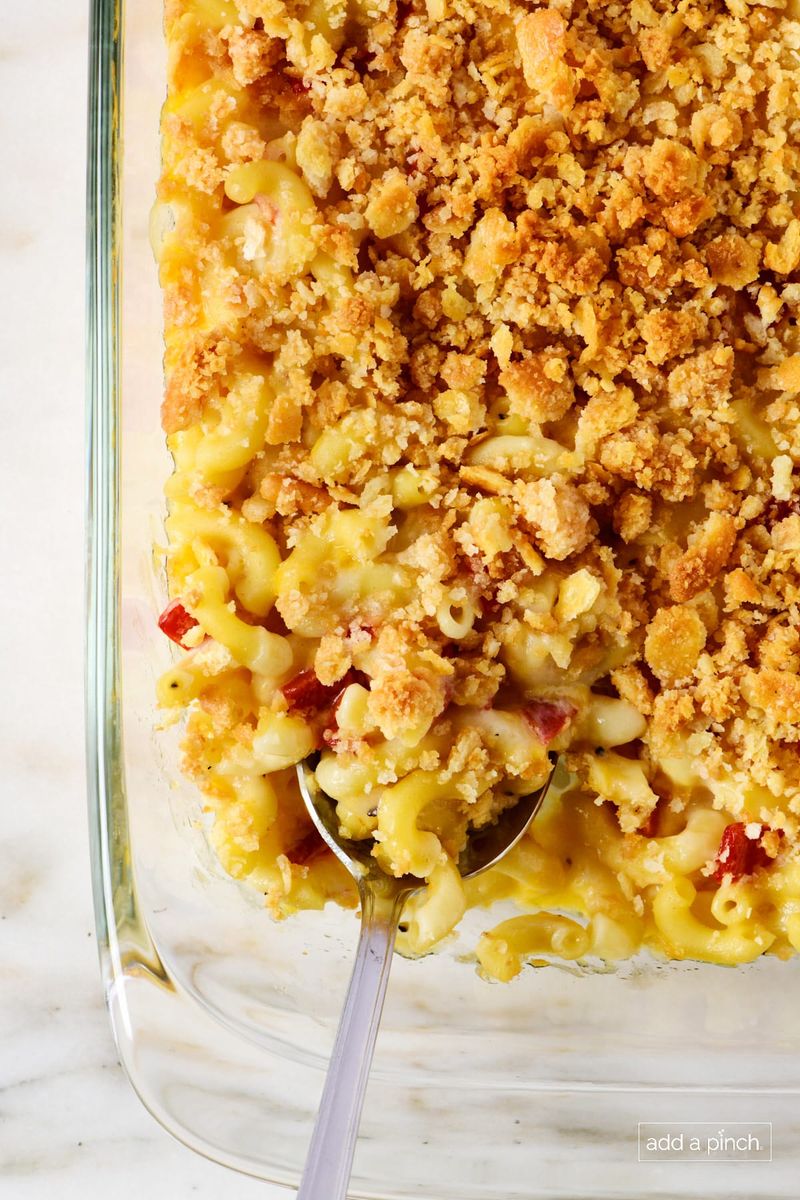
Mac and cheese is pure comfort food, but what counts as the real thing depends entirely on who raised you. Grandparents baked layered casseroles with sharp cheddar, a roux-based sauce, and a crunchy breadcrumb topping that came out of the oven golden and bubbling.
Their kids grew up on the blue Kraft box.
Younger generations are experimenting with gruyere, smoked gouda, truffle oil, and even vegan cashew-based sauces that push the dish far beyond its humble origins.
12. Coffee
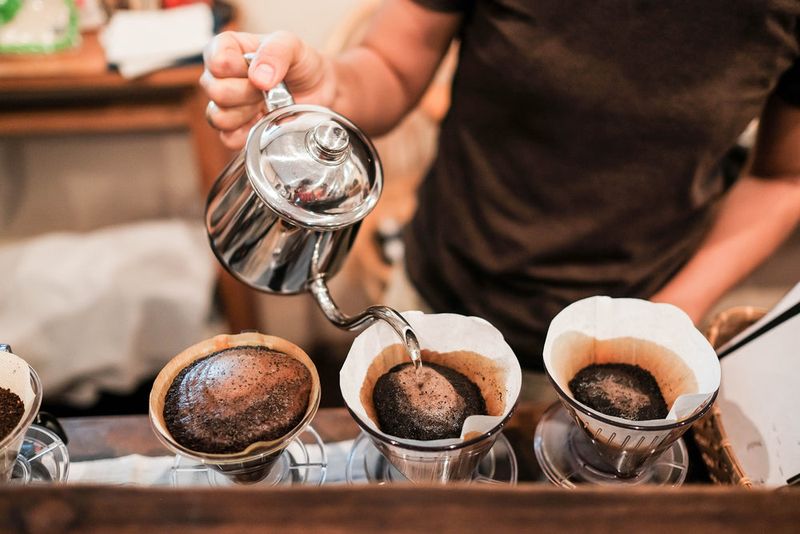
Coffee culture has transformed dramatically from one generation to the next. Grandparents percolated strong black coffee on the stovetop every morning and drank it plain or with a splash of cream.
Drip coffee makers became the kitchen standard for decades, with Maxwell House and Folgers filling millions of homes with familiar smells.
Today, cold brew, pour-overs, espresso shots, and oat milk lattes define how younger people enjoy their daily caffeine. The coffee ritual has become an art form.
13. Rice
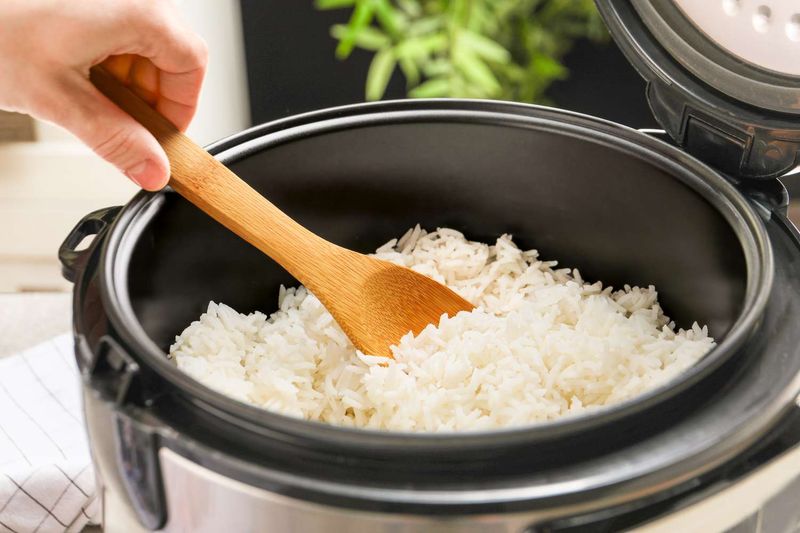
Rice seems like the most straightforward food to prepare, yet each generation has its own preferred method. Traditional cooks measured by feel, added water to a pot, and knew exactly when to lower the flame by sound and steam alone.
That intuitive knowledge was passed down through watching, not reading recipes.
Electric rice cookers simplified things for the next generation. Now, cauliflower rice, microwave steam bags, and instant brown rice pouches have joined the lineup as popular alternatives.
14. Pie Crust
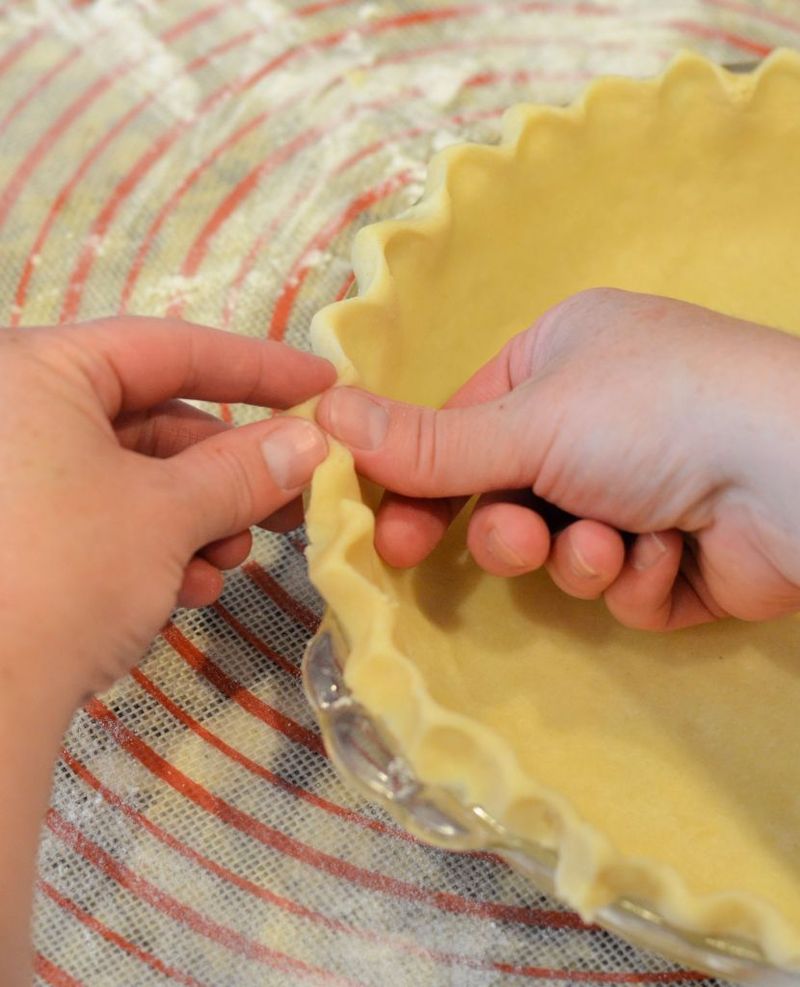
Making pie crust from scratch used to be a rite of passage in many kitchens. Older bakers cut cold butter or lard into flour using two knives or a pastry cutter, working quickly to keep the dough from warming up.
The goal was flaky, tender layers that took practice and patience to master.
Refrigerated store-bought crusts became a popular shortcut for busy families. Today, food processors, butter block methods, and gluten-free alternatives make crust-making more accessible than ever.
15. Beans
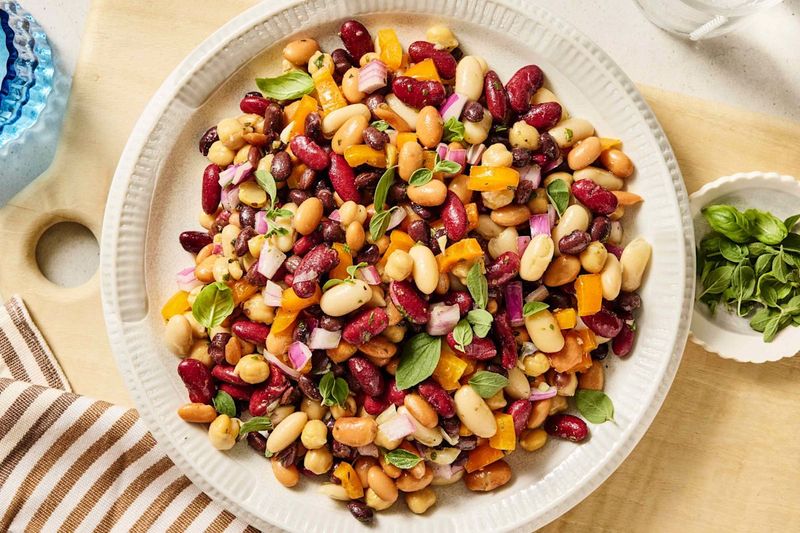
Dried beans were once a kitchen staple that required planning. Grandparents soaked them overnight, then cooked them low and slow for hours with ham hocks, bay leaves, and onion until they were perfectly creamy.
Running out of time meant going without beans that night.
Canned beans changed everything for the next generation, offering instant convenience. Now, Instant Pot pressure cooking lets younger home cooks go from dry beans to a finished pot in under an hour, no soaking required.
16. Tuna Casserole
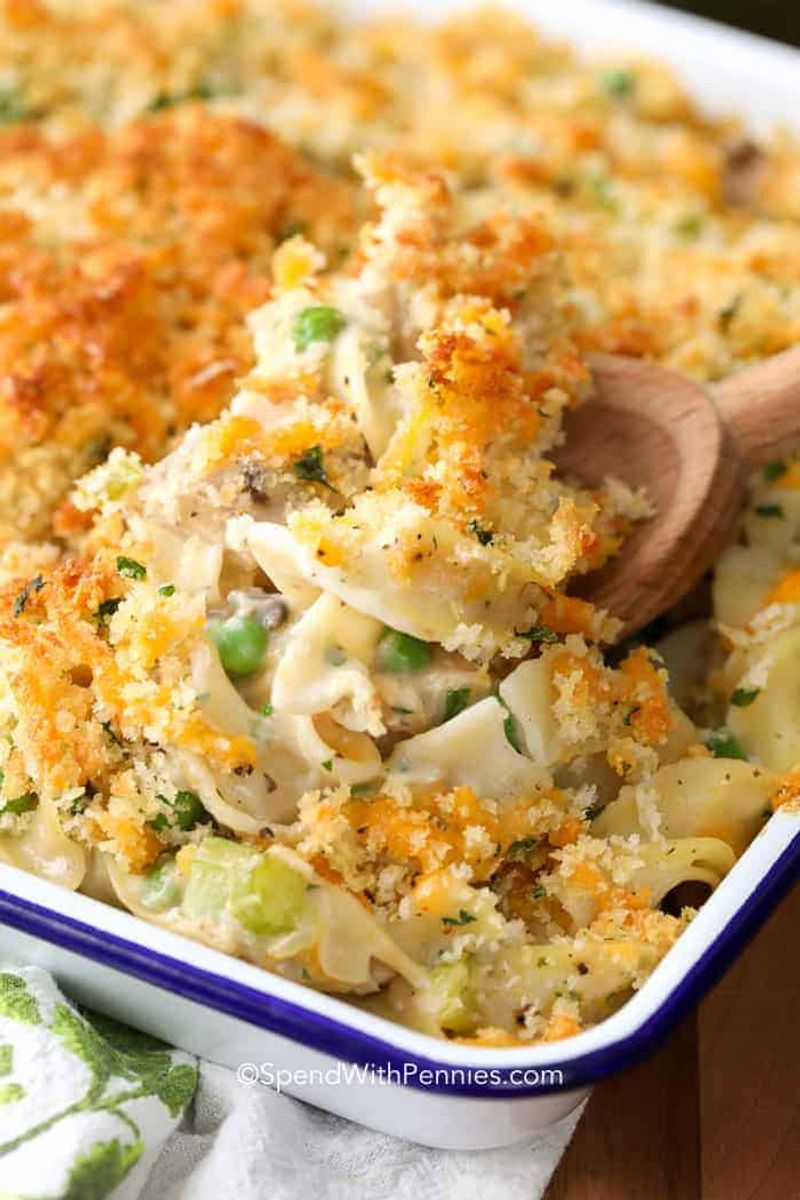
Tuna casserole was a weeknight hero for mid-century families across America. Grandparents mixed canned tuna with cream of mushroom soup, egg noodles, and frozen peas, then topped it with crushed potato chips before baking.
It was economical, filling, and required almost no culinary skill to pull off successfully.
Younger generations tend to find the dish a bit retro, preferring fresh ahi tuna in poke bowls or seared tuna steaks with sesame and ginger instead.
17. Chocolate Chip Cookies
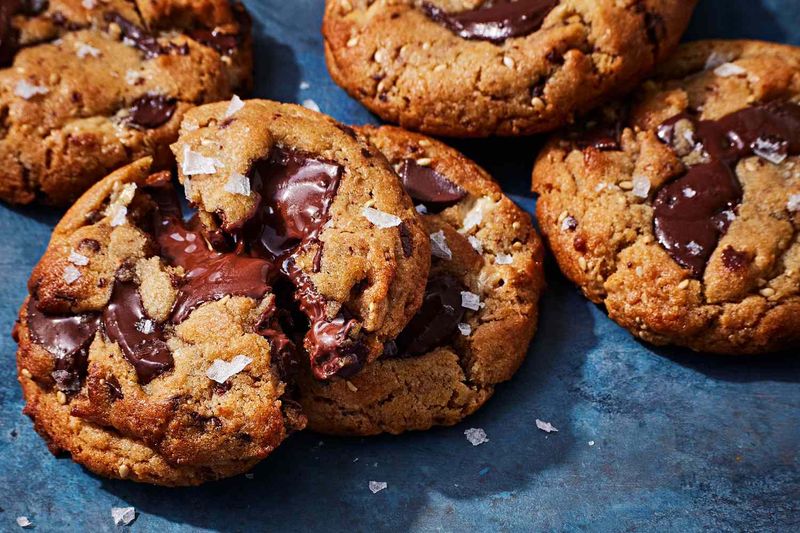
Chocolate chip cookies have been a beloved treat for generations, but the recipe has evolved in surprising ways. Older bakers followed the original Toll House recipe faithfully, producing thin, crispy cookies that spread wide on the pan.
The results were predictable, reliable, and always gone within a day.
Modern bakers chill their dough for 72 hours, brown the butter, use bread flour for chewiness, and finish with flaky sea salt. Science has officially entered the cookie conversation.