
Spanish food is bold, colorful, and packed with flavors that have been passed down for generations. From sizzling tapas to hearty stews and refreshing cold soups, the cuisine of Spain tells a story about its people, regions, and history.
Whether you are a beginner in the kitchen or someone who loves to cook, these classic Spanish dishes are approachable, delicious, and totally worth making at home. Get ready to bring a little taste of Spain to your dinner table.
1. Tortilla Española (Spanish Omelette)

Ask any Spaniard about their comfort food, and Tortilla Española will almost always top the list. This humble dish uses just eggs, potatoes, and onions, yet the result is incredibly satisfying.
The key is cooking the potatoes slowly in olive oil before folding them into the eggs.
Some families debate whether onion belongs in the recipe, but both versions taste amazing. Serve it warm or at room temperature, sliced into wedges.
It works perfectly as breakfast, lunch, or a snack at any time of day.
2. Paella
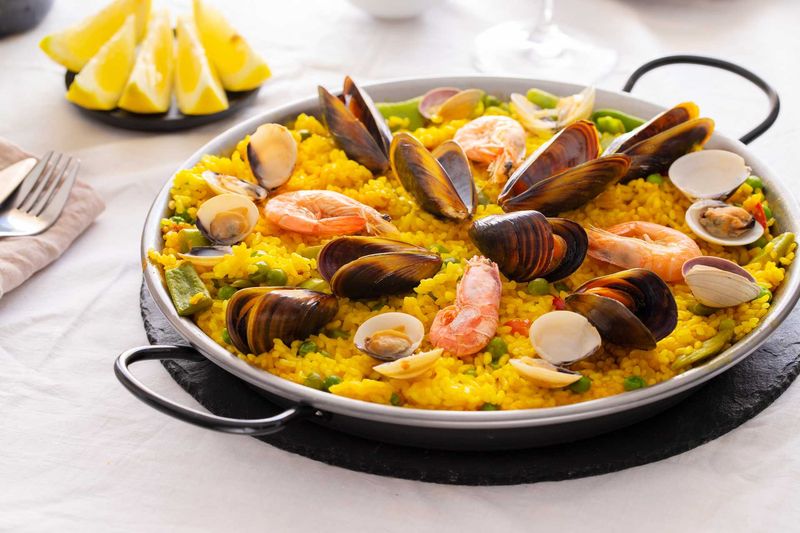
Few dishes in the world carry as much pride as paella. Born in Valencia, this rice dish gets its gorgeous golden color from saffron, one of the world’s most prized spices.
The crispy layer of rice at the bottom of the pan, called socarrat, is considered the best part.
You can make paella with seafood, chicken, chorizo, or vegetables. The trick is using the right short-grain rice and a wide, shallow pan.
Once you nail the basics, it becomes a showstopper at any gathering.
3. Gazpacho
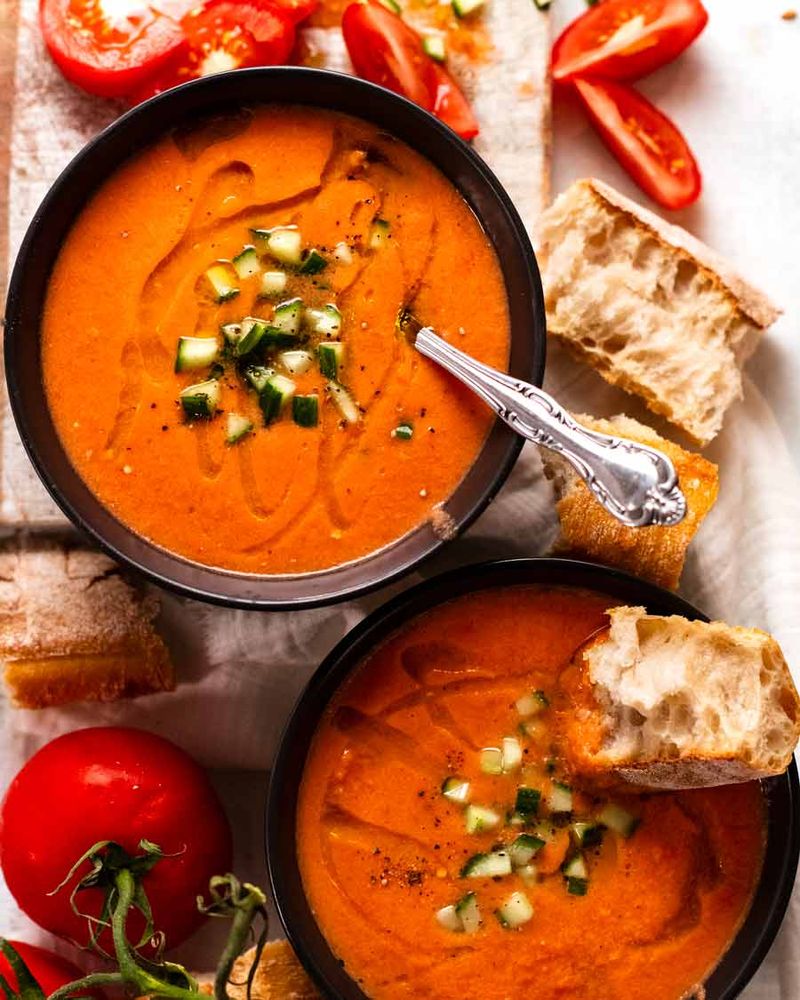
On a hot summer day in Andalusia, a cold bowl of gazpacho feels like pure relief. Made by blending ripe tomatoes, cucumber, bell pepper, garlic, olive oil, and vinegar, this no-cook soup comes together in minutes.
The fresher the vegetables, the better it tastes.
Gazpacho is often served in a glass as a refreshing drink rather than a bowl. It is naturally vegan and loaded with vitamins.
Chill it for at least an hour before serving to let all those flavors fully blend together.
4. Salmorejo
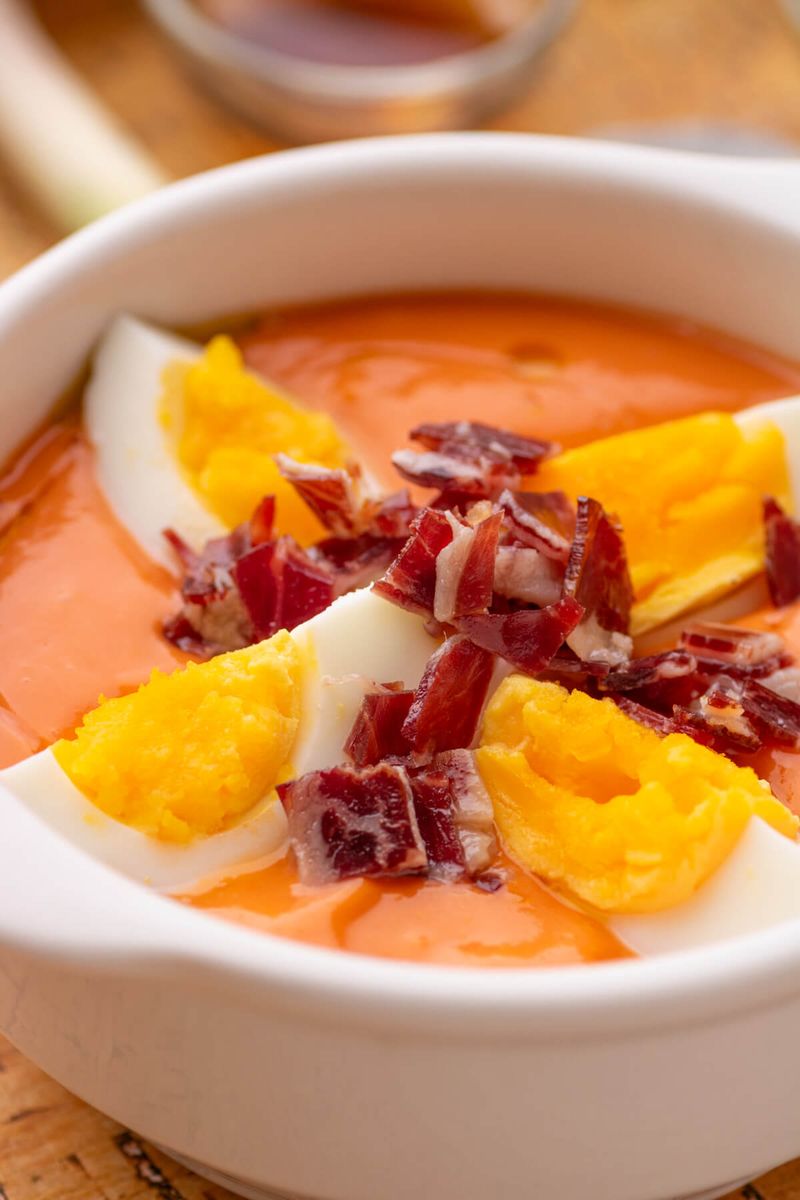
Salmorejo is gazpacho’s richer, creamier cousin from the city of Cordoba. Unlike gazpacho, it uses stale bread blended with tomatoes, garlic, and olive oil to create a thick, velvety texture that coats the spoon beautifully.
The bread is what makes it so unique.
Traditionally, it is topped with crumbled hard-boiled egg and small pieces of Serrano ham. This topping adds a salty, savory contrast to the sweet tomato base.
Serve it cold for the most authentic Andalusian experience possible.
5. Patatas Bravas
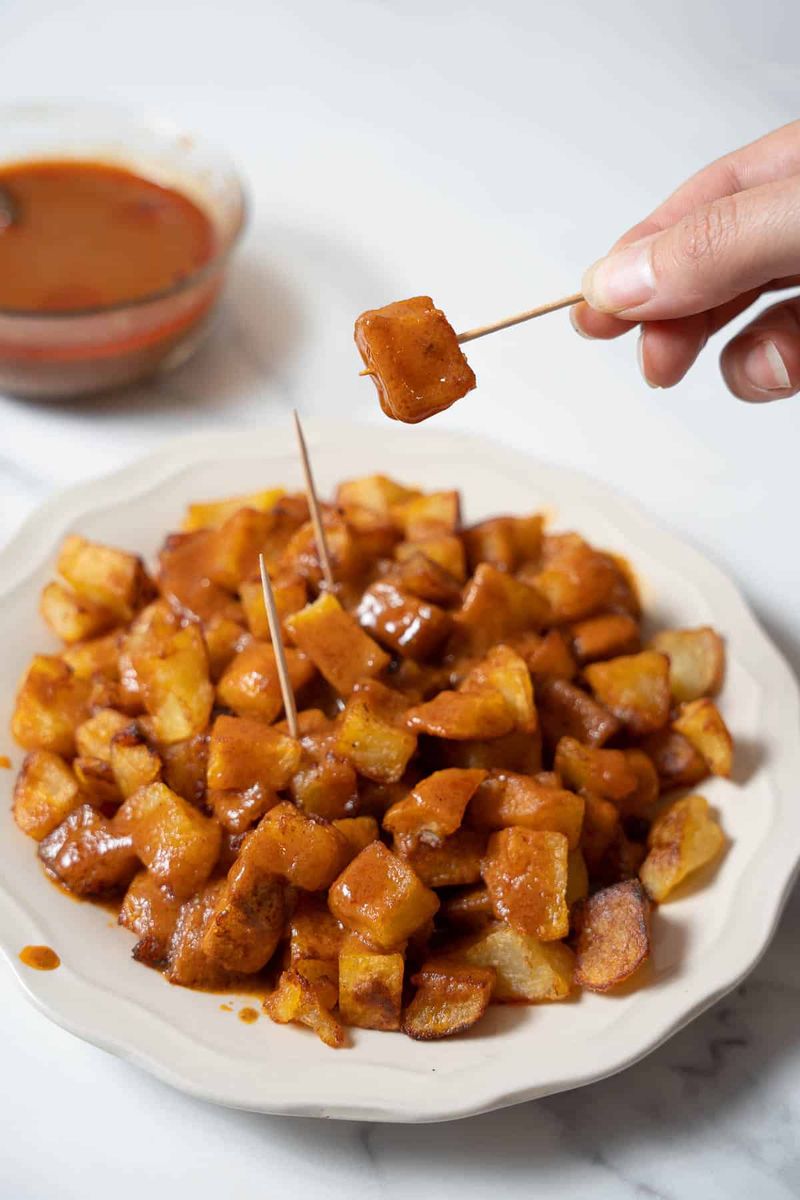
Walk into almost any tapas bar in Spain and you will find Patatas Bravas sitting proudly on the menu. These crispy fried potato cubes are simple to make but absolutely addictive.
The magic is in the bravas sauce, a smoky, slightly spicy tomato blend that packs real punch.
Some bars also drizzle creamy aioli on top alongside the tomato sauce. The combination of crunchy potato, heat, and creaminess is hard to beat.
Try making them at home for your next get-together and watch them disappear fast.
6. Croquetas
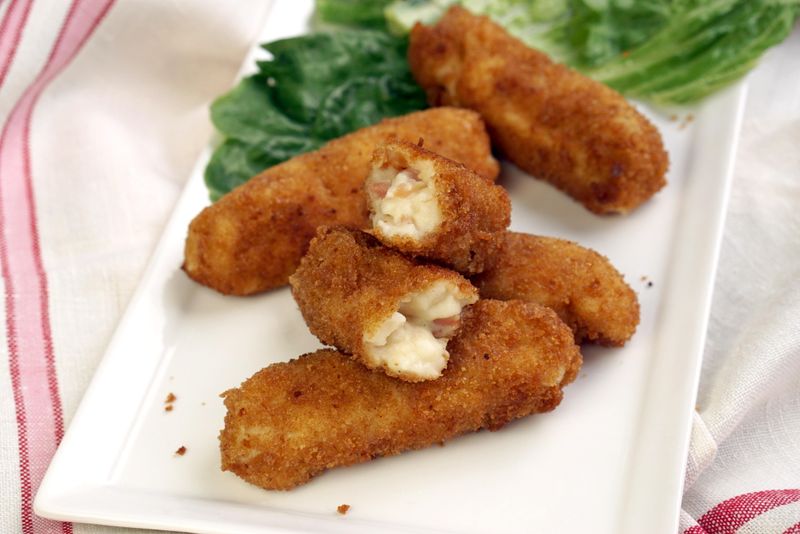
Croquetas are proof that simple ingredients can create something truly magical. These small, oval-shaped bites have a crunchy breadcrumb shell and a molten, creamy bechamel center filled with ham, chicken, or mushrooms.
Every Spanish grandmother has her own secret recipe.
Getting the bechamel right is the most important step. It needs to be thick enough to hold its shape when chilled but still creamy inside after frying.
Once you master these, you will want to make a big batch every single weekend.
7. Gambas al Ajillo
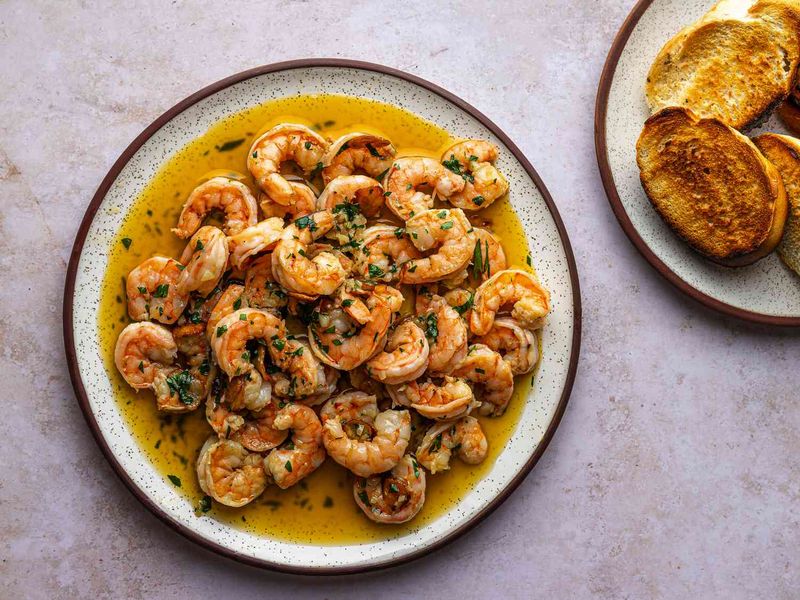
There is something magical about hearing shrimp sizzle in a hot clay pot of garlic-infused olive oil. Gambas al Ajillo is one of Spain’s most beloved tapas, and for good reason.
The dish is ready in under ten minutes and tastes incredibly impressive.
Fresh or frozen shrimp both work well here. The key ingredients are good-quality olive oil, plenty of sliced garlic, and a small dried chili for gentle heat.
Always serve it with crusty bread nearby to soak up every drop of that golden, garlicky oil.
8. Churros
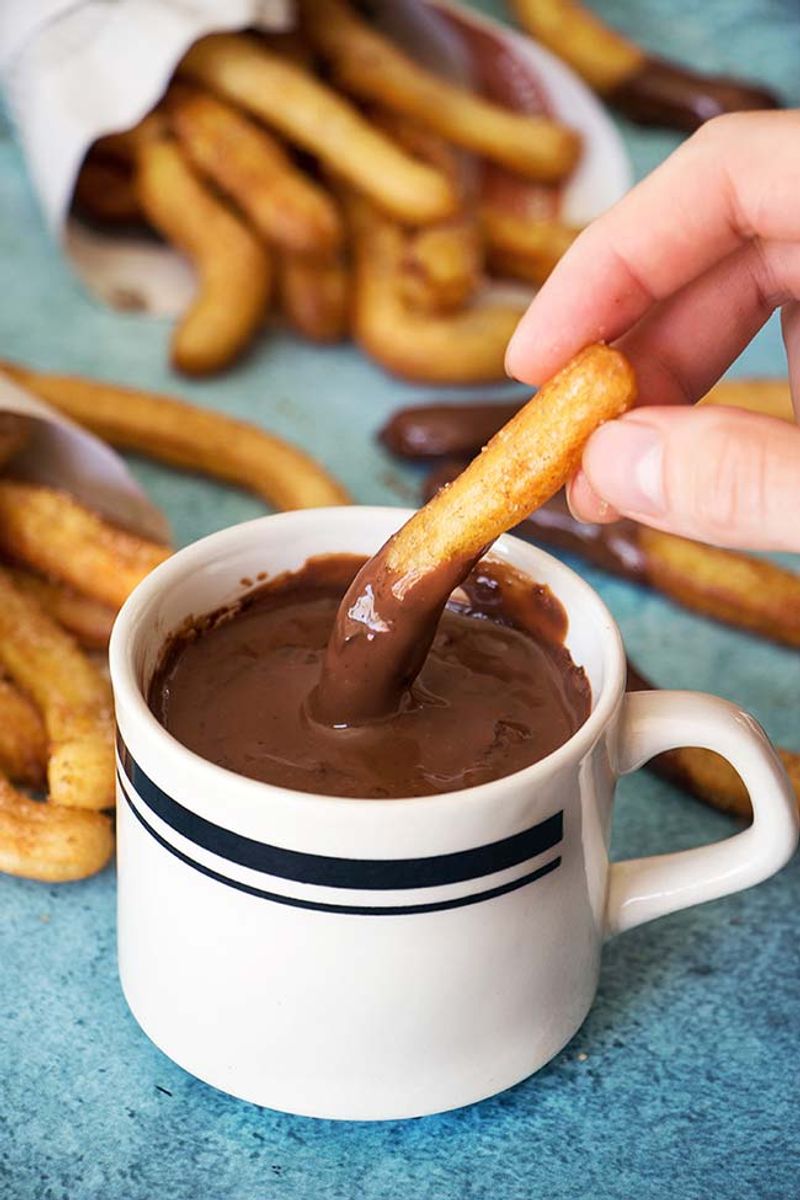
Sunday mornings in Spain often mean one thing: churros with thick hot chocolate. These fried dough sticks are crispy on the outside, soft on the inside, and dusted with sugar for a sweet finish.
They are a beloved tradition enjoyed by kids and adults alike.
Making churros at home is easier than it sounds. You only need water, flour, salt, and oil for frying.
The real star, though, is the rich, almost pudding-thick Spanish hot chocolate you dip them into. Once you try it homemade, store-bought versions will never compare.
9. Pisto Manchego
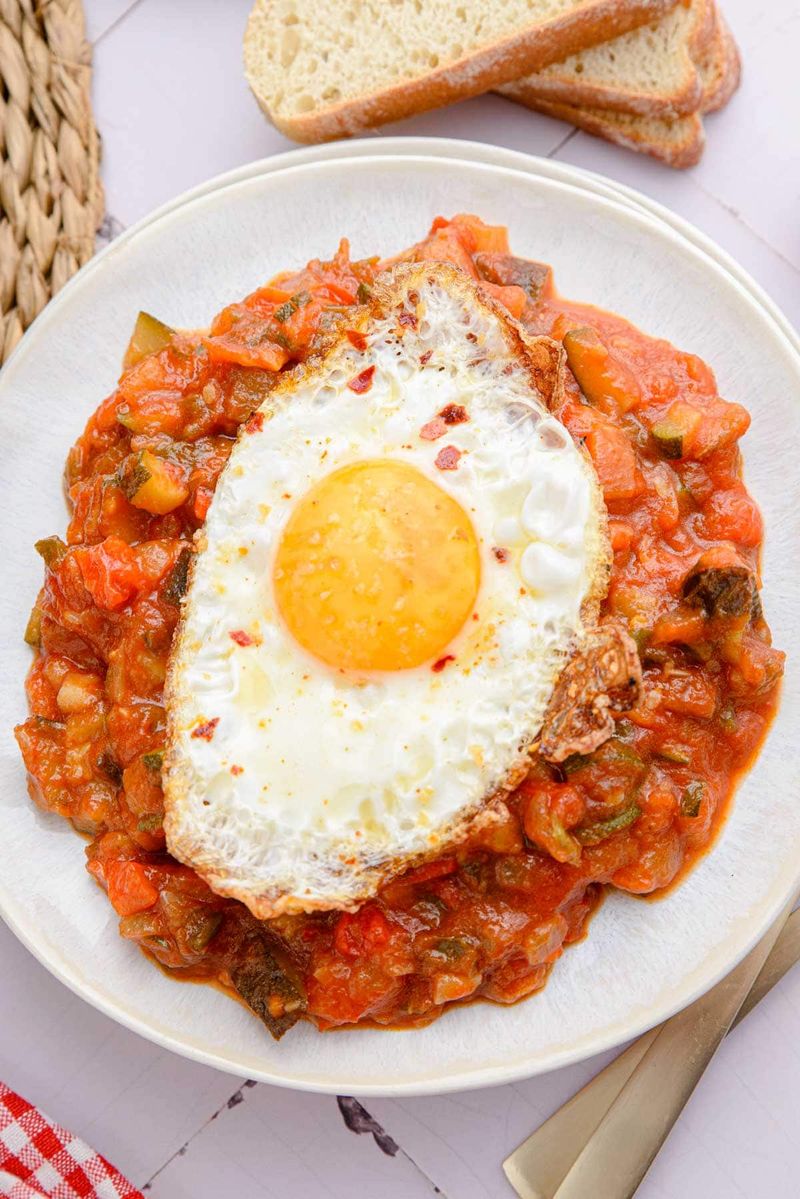
Pisto Manchego is Spain’s answer to French ratatouille, and honestly, it might be even better. Originating from the La Mancha region, this vegetable stew uses tomatoes, zucchini, bell peppers, and onions all cooked down slowly in olive oil until soft and sweet.
The slow cooking is the secret.
It can be served as a side dish, a main course, or even as a sauce over rice. Crack a fried egg on top for a hearty version.
It is naturally vegan without the egg, making it a great option for plant-based eaters too.
10. Fabada Asturiana
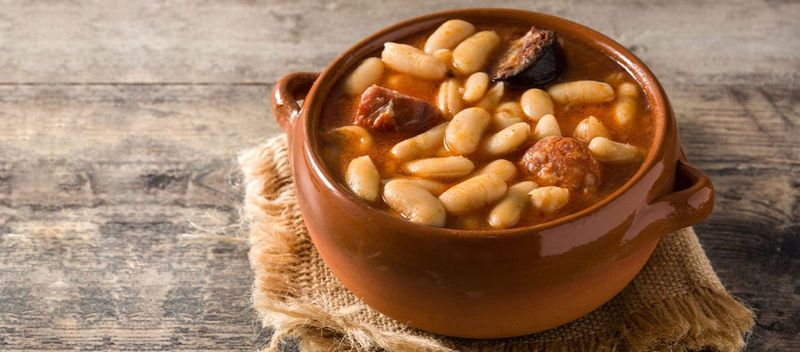
When the temperatures drop in northern Spain, a pot of Fabada Asturiana is exactly what people reach for. This thick, smoky bean stew from the Asturias region is packed with large white beans called fabes, chorizo, morcilla, and pork shoulder.
It is deeply warming food.
The dish requires some patience since the beans need long, slow cooking to become perfectly tender. But the reward is a rich, deeply flavored stew that tastes even better the next day.
Serve it with crusty bread and a glass of Asturian cider for the full experience.
11. Arroz con Leche
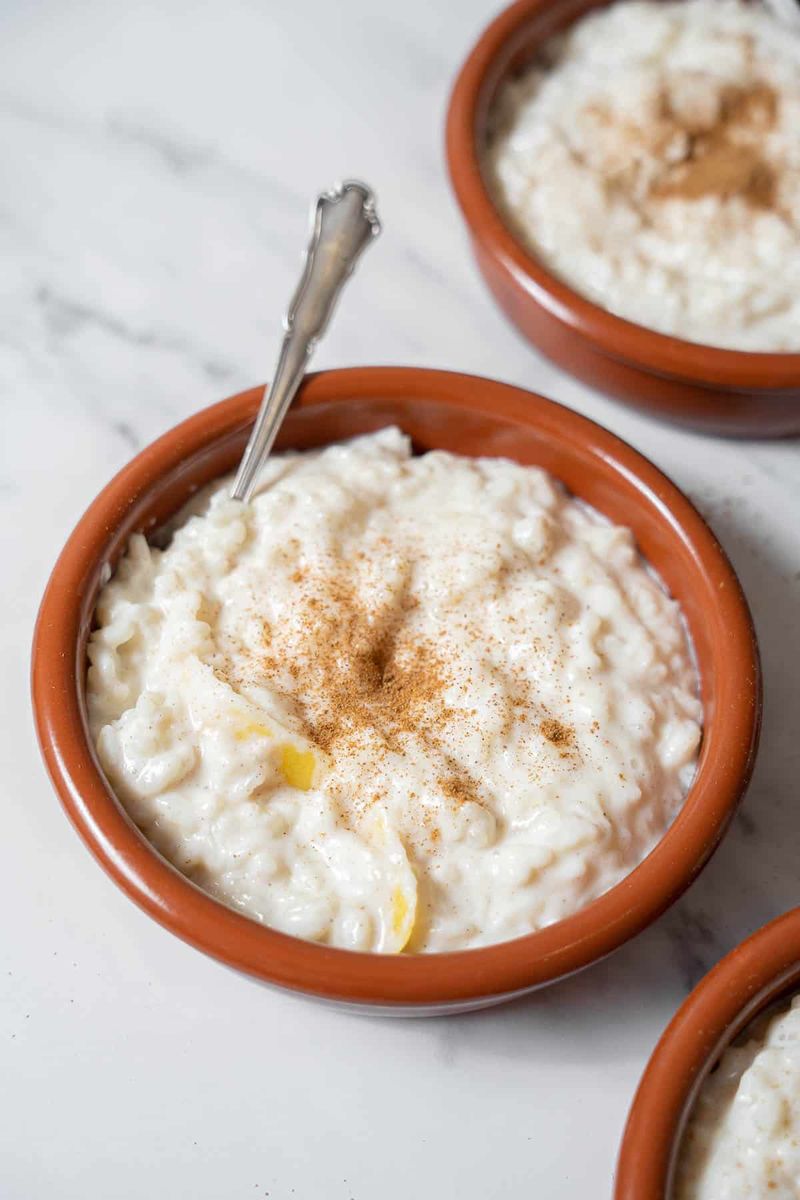
Arroz con Leche is the kind of dessert that feels like a warm hug in a bowl. This classic Spanish rice pudding is made by simmering short-grain rice in whole milk with cinnamon sticks and lemon peel until it becomes thick, creamy, and wonderfully fragrant.
Pure comfort food.
Every region in Spain has its own version, with some adding a caramelized sugar topping and others keeping it plain. It is simple to make with just a handful of pantry ingredients.
Serve it warm in winter or chilled in summer for a versatile sweet treat.
12. Crema Catalana
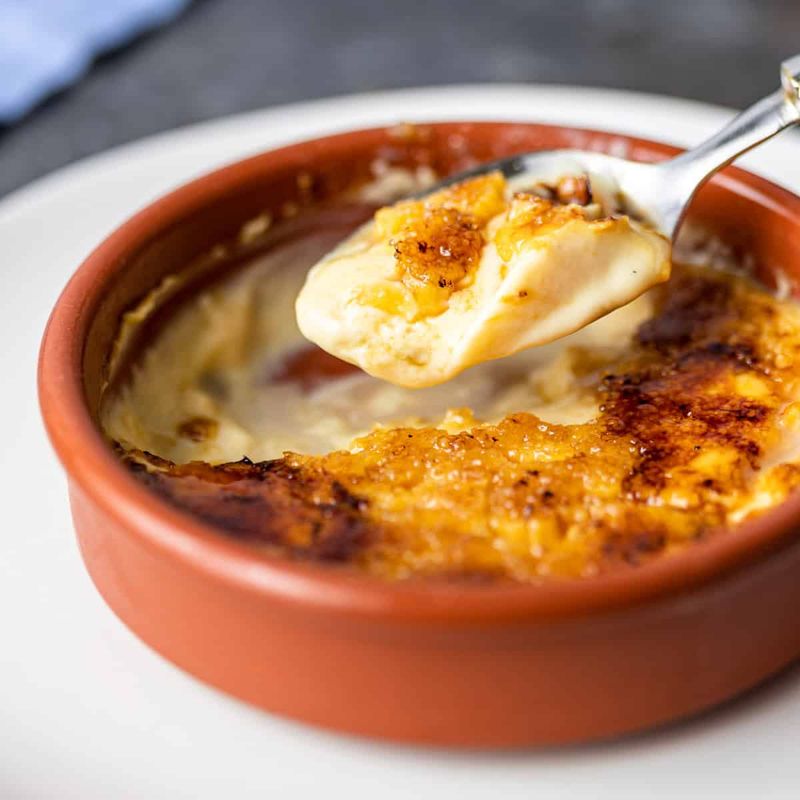
Crema Catalana is Catalonia’s most famous dessert, and it actually predates the French creme brulee by several centuries. The custard base is flavored with cinnamon and lemon zest rather than vanilla, giving it a distinctly Spanish personality.
Cracking through the caramelized sugar top is the best part.
To get that perfect glassy sugar crust at home, use a kitchen torch or your oven’s broiler. The custard underneath should be silky smooth and just slightly wobbly.
It looks fancy but is surprisingly straightforward to prepare, even for beginner cooks.
13. Pan con Tomate
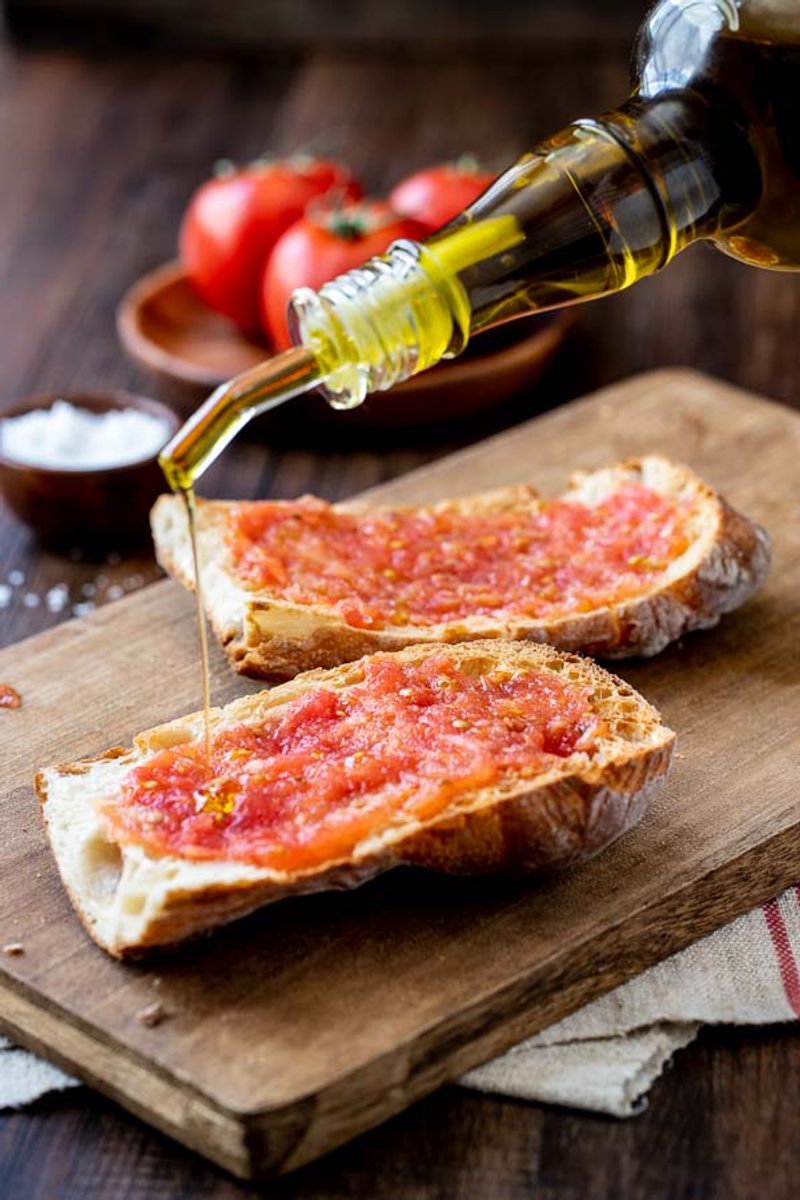
Sometimes the most delicious things are also the simplest. Pan con Tomate, or bread with tomato, is a staple across Catalonia and beyond.
All you do is toast a thick slice of bread, rub it with a cut ripe tomato, drizzle on good olive oil, and add a pinch of salt.
The quality of your ingredients makes all the difference here. A flavorful, vine-ripened tomato and a fruity extra virgin olive oil will elevate this humble snack into something genuinely special.
It pairs well with cheese, ham, or anchovies for a more filling bite.
14. Huevos Rotos
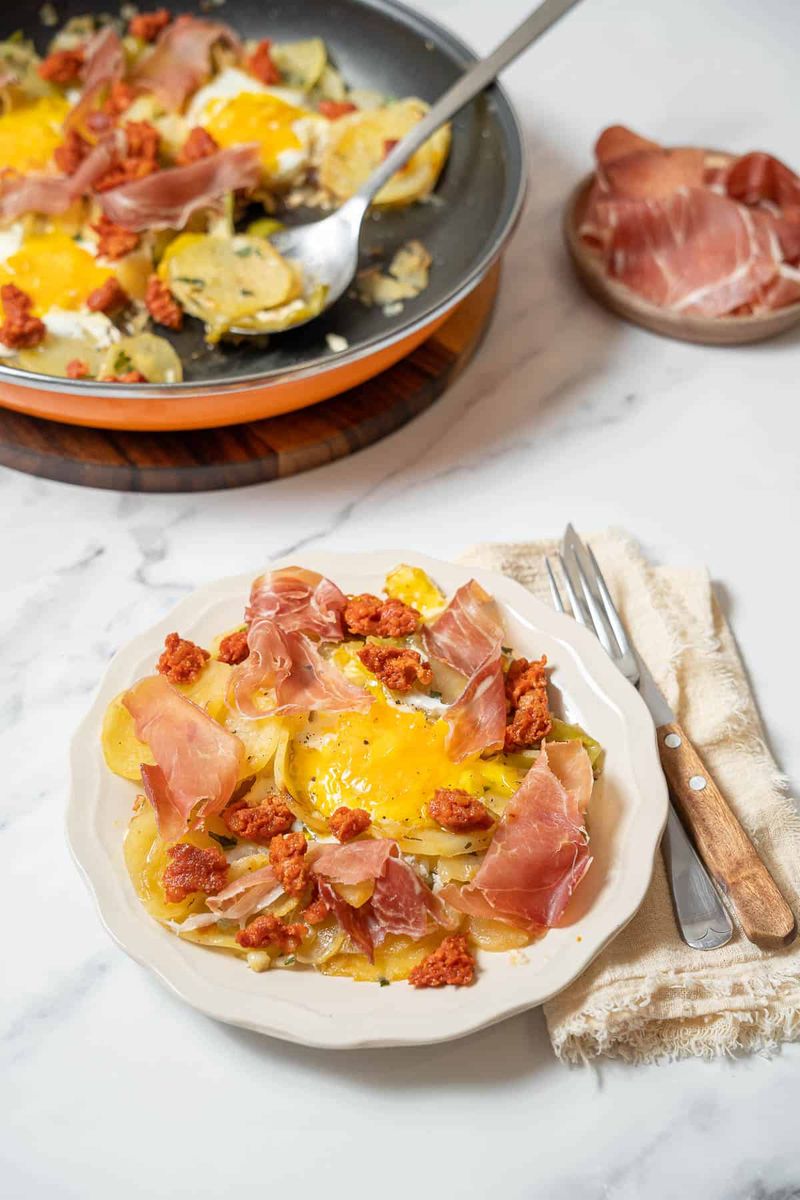
Huevos Rotos translates to “broken eggs,” and the name tells you exactly how to eat this dish. Crispy fried potatoes are piled on a plate, topped with sunny-side-up eggs whose yolks are then deliberately broken and mixed through everything.
It is messy, indulgent, and absolutely delicious.
Thin slices of Iberian ham or chorizo are often layered on top, adding a salty, savory richness. This dish is popular in Madrid and is served at all hours of the day.
Make it for brunch and prepare for it to become a new household favorite.
15. Albondigas
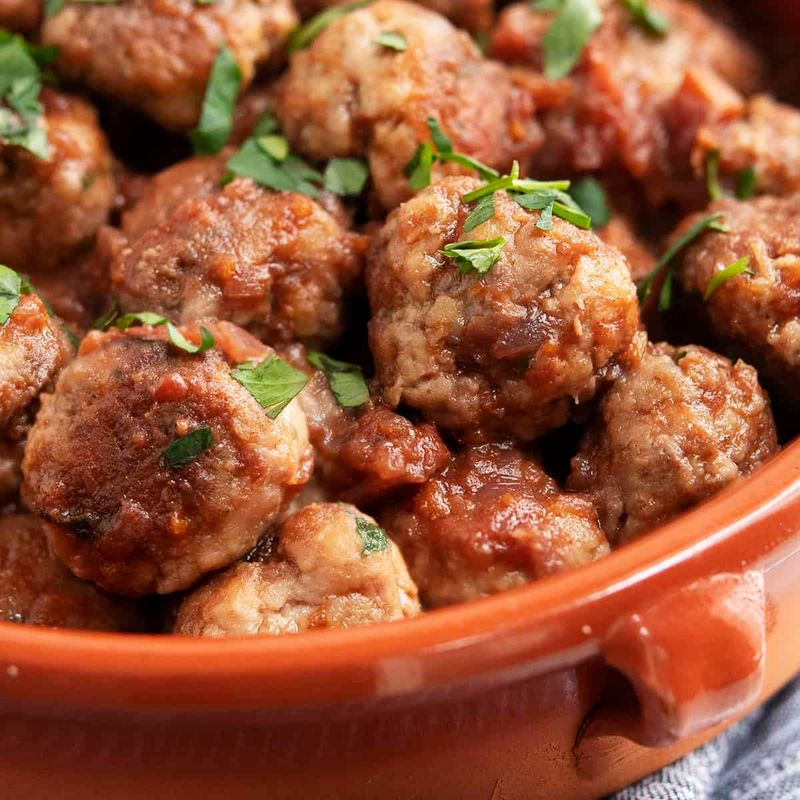
Spanish meatballs, known as albondigas, have been a tapas bar favorite for centuries. Unlike Italian-style meatballs, these are typically made with a mix of beef and pork, seasoned with garlic and fresh herbs, and simmered in a rich tomato or almond-based sauce.
Every bite is deeply satisfying.
The sauce is what sets this recipe apart. A slow-cooked tomato base with onion, paprika, and a splash of white wine creates incredible depth of flavor.
Serve albondigas with crusty bread for dipping or over rice for a heartier, more filling meal option.
16. Espinacas con Garbanzos
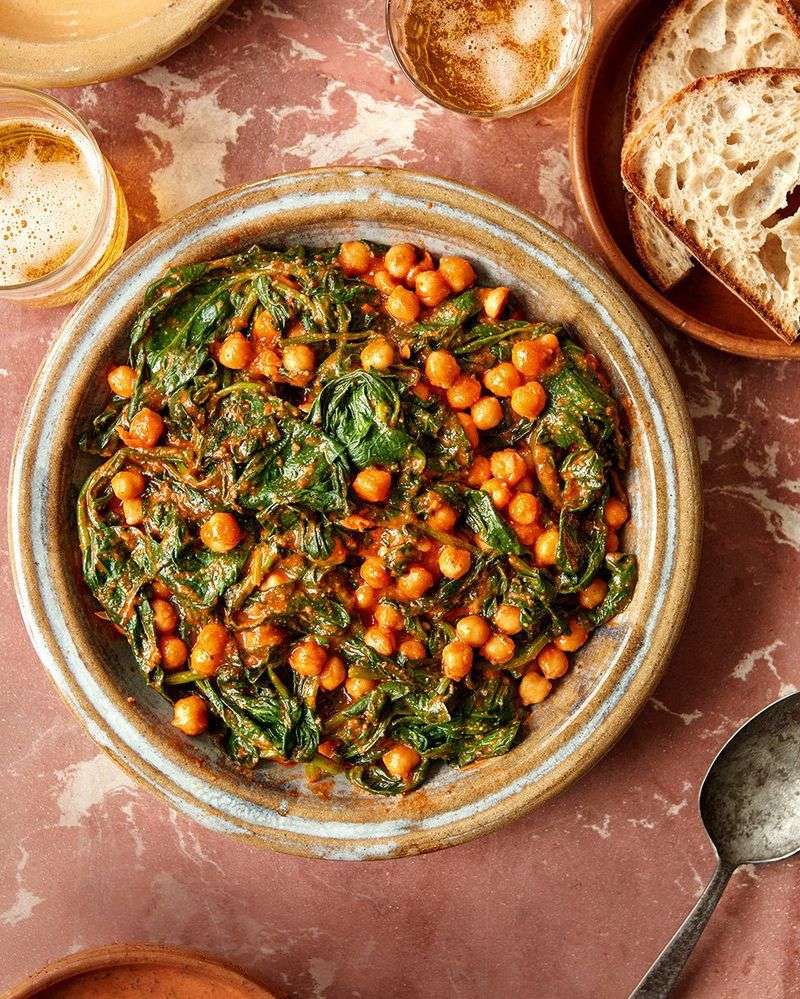
Popular in the tapas bars of Seville, Espinacas con Garbanzos is a dish that manages to be both humble and deeply flavorful at the same time. Chickpeas and wilted spinach are cooked together in a spiced tomato sauce seasoned with cumin, paprika, and sometimes ground almonds for body.
It is naturally hearty, filling, and entirely plant-based, making it a great option for vegetarians. The warm spices give it a slightly Moorish character that reflects Andalusia’s rich cultural history.
Serve it with crusty bread and a wedge of lemon for a bright, satisfying finish.