
Food is one of the most exciting ways to explore the world without ever leaving your kitchen. Some cuisines have become household names, showing up on menus everywhere you look, while others are quietly waiting to be discovered.
Whether you are a seasoned foodie or just someone who loves trying new flavors, this list has something for everyone. Get ready to travel the world one bite at a time.
1. Italian Cuisine
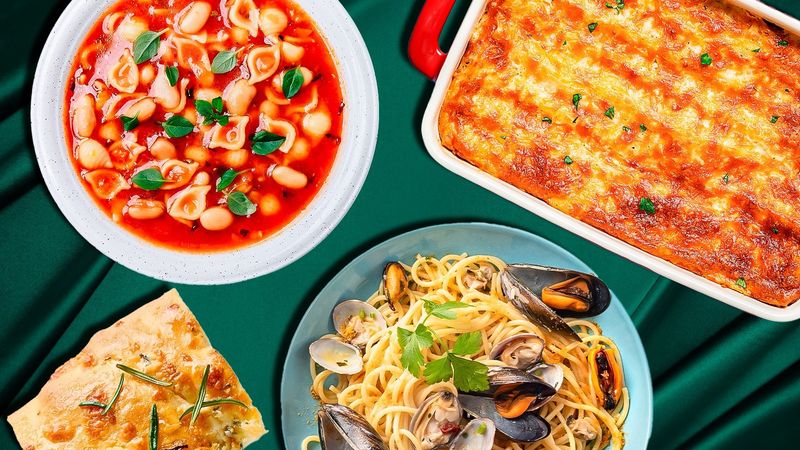
Ask anyone to name their favorite food, and chances are pizza or pasta will come up. Italian cuisine has charmed the entire world with its simplicity and bold, comforting flavors.
Each region of Italy brings something unique to the table, from creamy risottos in the north to spicy arrabbiata sauces in the south.
Tomatoes, olive oil, and fresh cheese are the backbone of countless Italian dishes. The beauty lies in using just a few quality ingredients to create something extraordinary.
No wonder Italian restaurants can be found on nearly every continent.
2. Chinese Cuisine
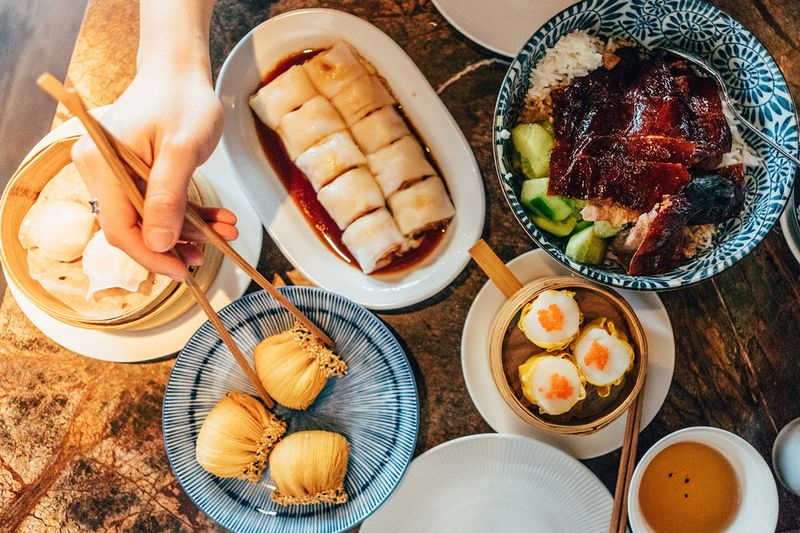
With thousands of years of culinary history, Chinese cuisine is one of the most diverse food traditions on the planet. From the fiery heat of Sichuan peppercorns to the delicate steamed dim sum of Cantonese kitchens, there is a style for every kind of taste bud.
Rice, noodles, and dumplings form the heart of daily meals across China’s many regions. Fresh vegetables and a wide range of proteins keep things exciting.
The bold balance of flavors in Chinese cooking is something truly hard to match.
3. Japanese Cuisine
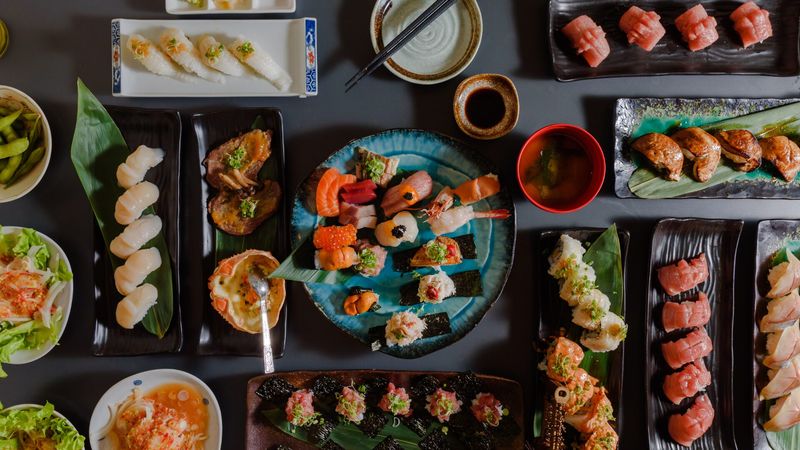
Precision and respect for ingredients define Japanese cooking in a way that few other cuisines can claim. Every slice of fish for sushi and every carefully crafted bowl of ramen reflects a deep commitment to quality.
Japanese chefs often train for years just to master a single dish.
Soy sauce, sake, and mirin create layers of subtle, savory flavor that make Japanese food feel both clean and deeply satisfying. Even simple meals feel thoughtful and complete.
It is food that genuinely makes you slow down and appreciate every bite.
4. Indian Cuisine
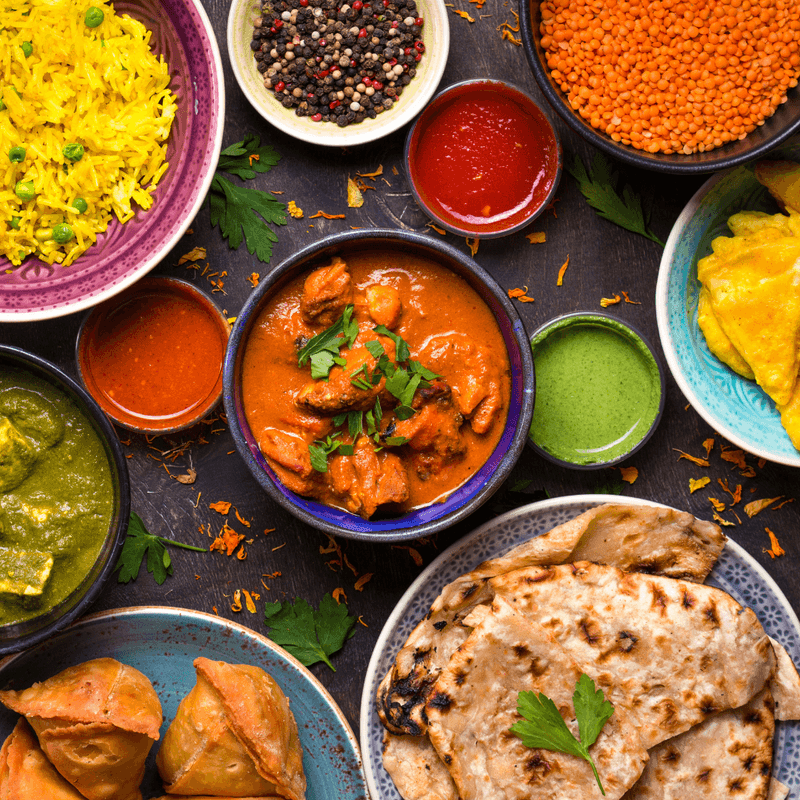
Bold, aromatic, and endlessly varied, Indian cuisine is a celebration of spices like no other food culture in the world. Every region of India has its own signature dishes, ingredients, and cooking methods that make the country a true culinary adventure.
From creamy butter chicken in the north to tangy tamarind-based dishes in the south, the range is staggering.
Vegetarian options are plentiful and genuinely satisfying, making Indian food accessible to almost everyone. The skillful use of cumin, turmeric, and cardamom creates flavors that are warm and deeply comforting.
It is spice done right.
5. Mexican Cuisine
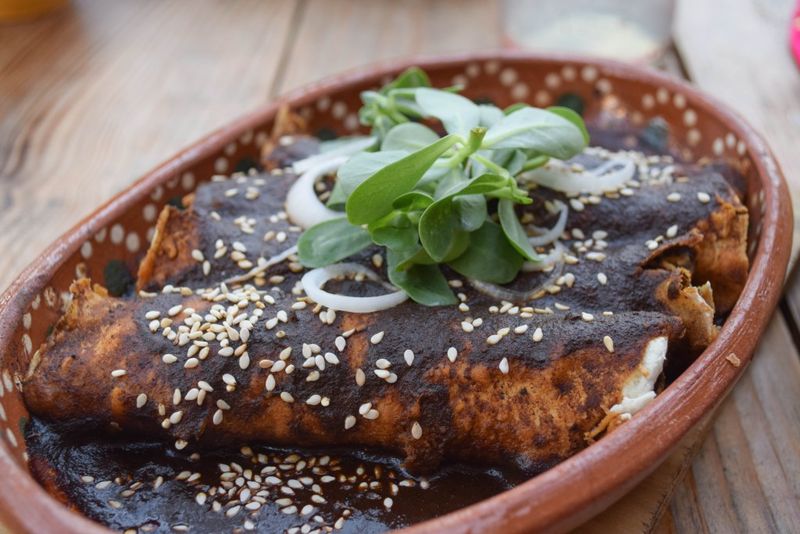
Tacos, guacamole, and enchiladas have become global icons, but authentic Mexican cuisine goes so much deeper than what most people see at chain restaurants. Corn, beans, and chiles have been the foundation of Mexican cooking for thousands of years, long before modern fast food came along.
Regional Mexican cooking is incredibly diverse, with coastal areas showcasing fresh seafood and highland regions favoring hearty stews and moles. The complexity of a slow-cooked mole sauce alone can involve over thirty ingredients.
Real Mexican food is a cultural treasure worth exploring fully.
6. French Cuisine

French cuisine set the global standard for fine dining, and its influence can still be felt in professional kitchens around the world today. Rich sauces, exceptional cheeses, and beautifully crafted pastries have made French food synonymous with elegance and refinement.
Cooking in France is treated as a serious art form.
Fresh herbs, high-quality butter, and carefully sourced ingredients are central to the French cooking philosophy. Even a simple French omelet is made with meticulous attention to technique.
There is a reason culinary schools around the globe still teach French methods as a foundation.
7. Thai Cuisine
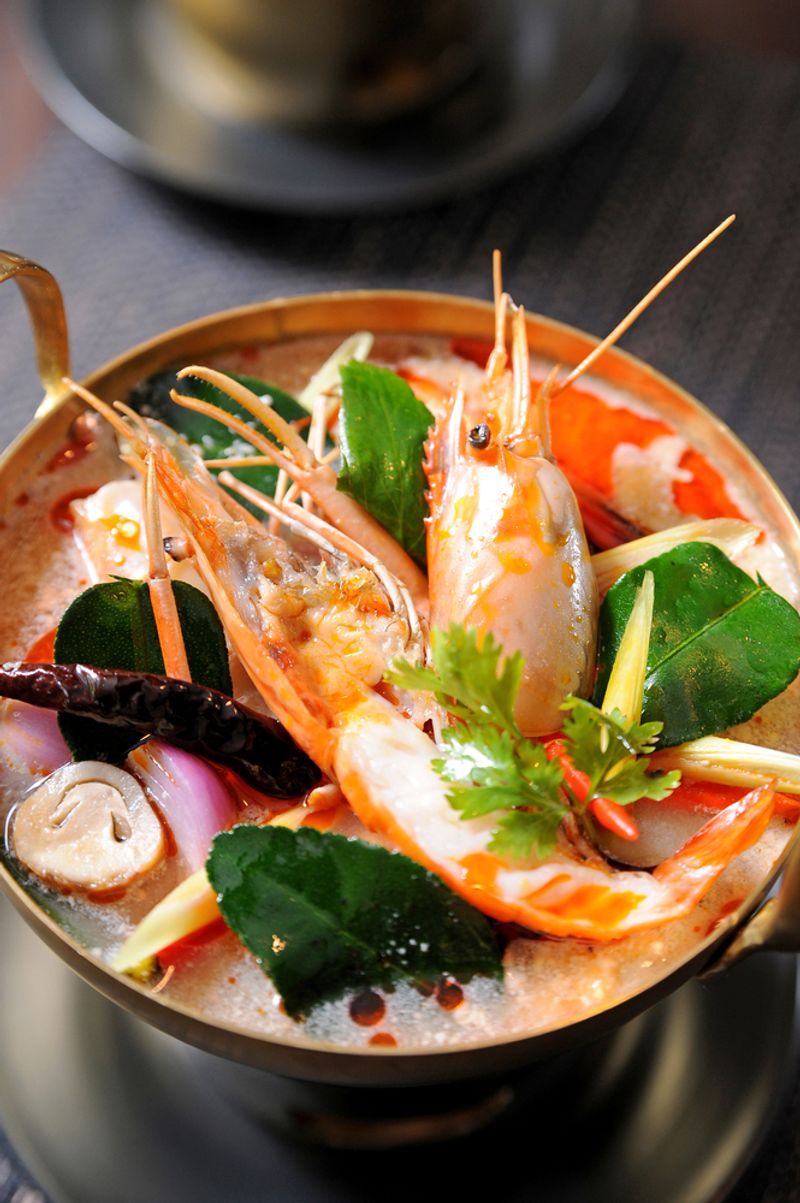
Spicy, sweet, sour, and salty all show up in the same bowl when you eat Thai food, and somehow it works perfectly every single time. Thai cuisine is built around creating harmony between bold, contrasting flavors using ingredients like fish sauce, garlic, and tiny but ferocious bird’s eye chilies.
Pad Thai and Tom Yum Goong have become internationally beloved, but there is a whole world of Thai dishes waiting beyond those popular favorites. Fresh herbs like lemongrass and kaffir lime leaves add a brightness that makes Thai food incredibly vibrant.
It is a cuisine that genuinely wakes up your senses.
8. Spanish Cuisine

Spain’s food culture is built around gathering, sharing, and savoring every moment at the table. Tapas, those small but flavor-packed bites, are meant to be shared among friends over long, unhurried conversations.
High-quality local ingredients like jamon, olive oil, and fresh seafood do most of the heavy lifting in Spanish cooking.
Valencia’s paella is arguably the country’s most recognized dish internationally, but Spain offers so much more. Smoky patatas bravas, creamy croquetas, and tangy gazpacho all deserve a spot on your must-try list.
Spanish food is proof that simple ingredients can create unforgettable meals.
9. Greek Cuisine

Greek food has a way of making you feel like you are sitting by the sea, even if you are nowhere near it. Olive oil flows generously through almost every dish, and fresh vegetables play a starring role in Greek cooking.
Classics like moussaka, souvlaki, and gyros have earned devoted fans all over the world.
Beyond the well-known dishes, Greek street food is gaining serious recognition for its authenticity and bold flavors. Creamy tzatziki, crispy spanakopita, and slow-roasted lamb are all worth tracking down.
Greek food is Mediterranean sunshine on a plate.
10. Turkish Cuisine
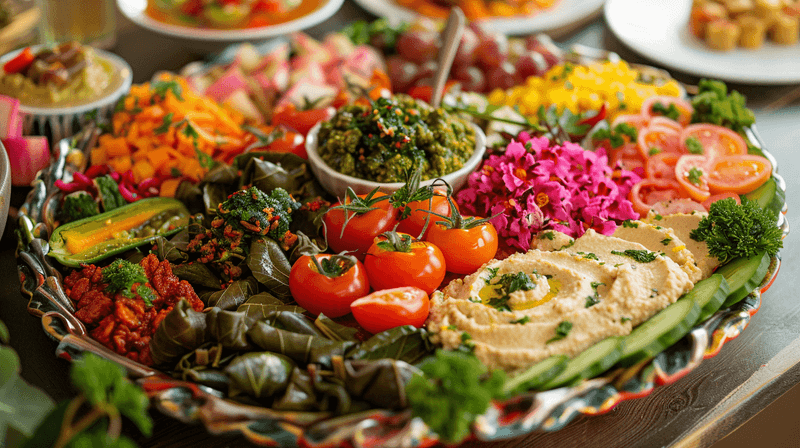
Sitting at the crossroads of Europe and Asia, Turkish cuisine draws from an incredibly rich and diverse culinary history. Kebabs, hummus, and the flaky, cheese-filled pastry known as borek are just the beginning of what this food culture has to offer.
Döner and kofta kebabs have already conquered street food scenes worldwide.
Turkish breakfasts are legendary, featuring olives, cheeses, fresh bread, jams, and eggs all served together in an abundant spread. The cuisine balances savory and subtly sweet flavors in ways that feel both familiar and excitingly new.
It is comfort food with serious depth and history.
11. Ethiopian Cuisine
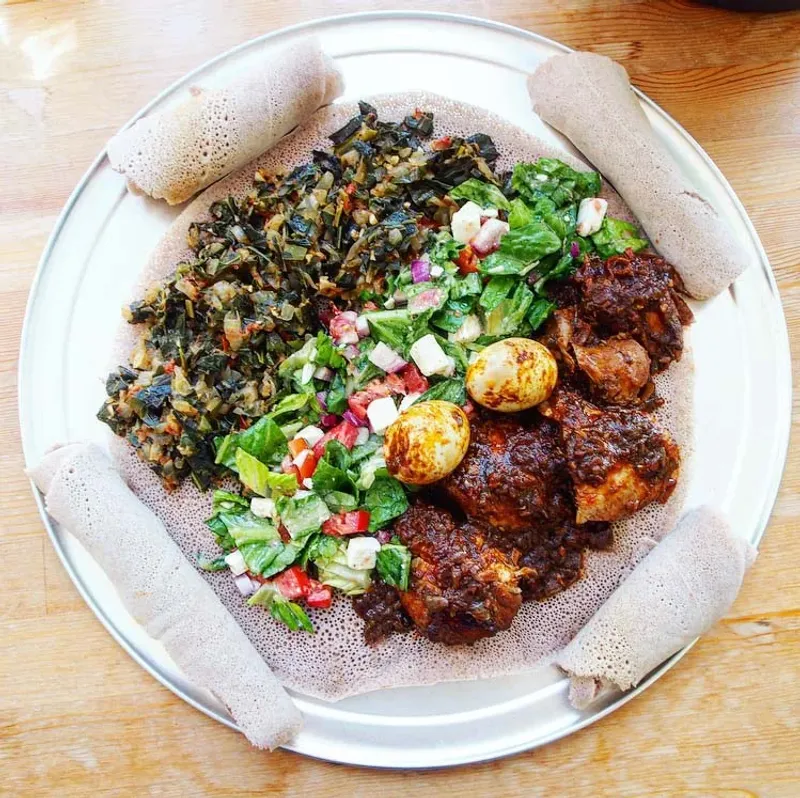
Eating Ethiopian food is as much about the experience as it is about the flavors. Meals are traditionally served on a large, spongy flatbread called injera, which doubles as both the plate and the utensil.
Everyone gathers around the shared spread and tears off pieces of injera to scoop up rich, spiced stews.
The berbere spice blend gives dishes like doro wat their signature deep, fiery warmth. Ethiopian food is bold, complex, and deeply satisfying in a way that surprises many first-time tasters.
Once you try it, communal dining will never feel the same again.
12. Georgian Cuisine
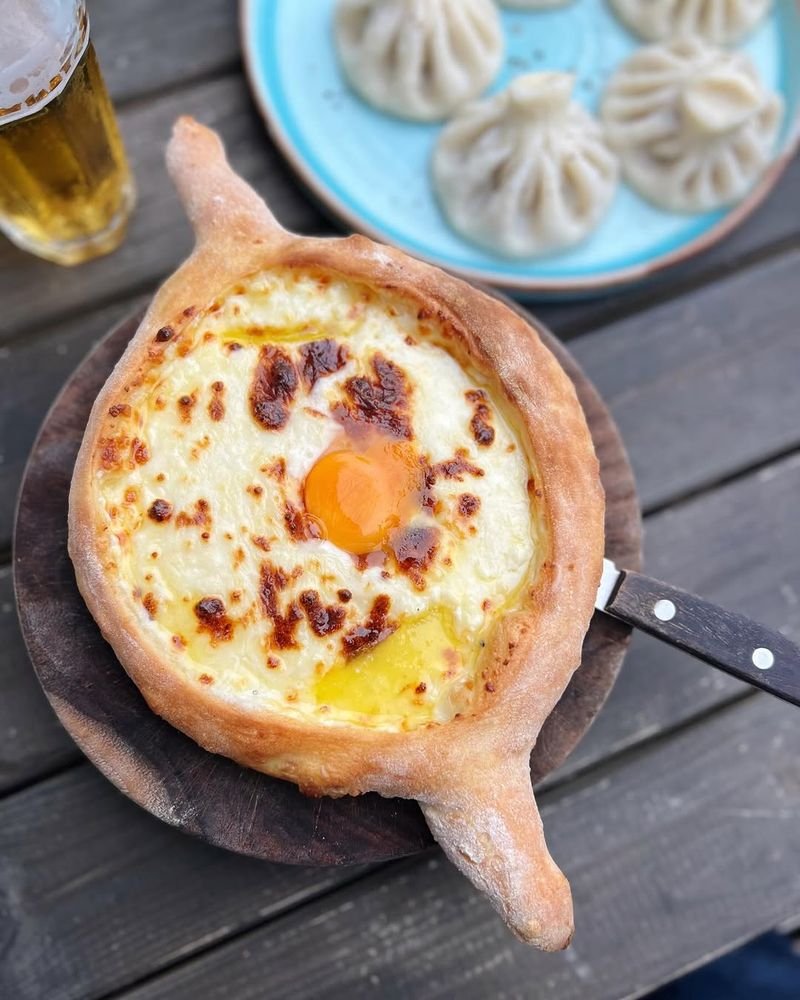
Tucked between Europe and Asia, the country of Georgia has a food culture that most people have never encountered but almost always fall in love with instantly. Khachapuri, a warm bread boat filled with gooey melted cheese and a runny egg, might just be the world’s most underrated comfort food.
Khinkali dumplings, twisted and juicy, are equally irresistible.
Walnut-based sauces and pomegranate reductions give Georgian dishes a complex, layered flavor that feels unlike anything else. Fresh herbs and aromatic spices weave through nearly every recipe.
Georgian cuisine is a hidden gem that deserves a permanent spot on the global food map.
13. Filipino Cuisine
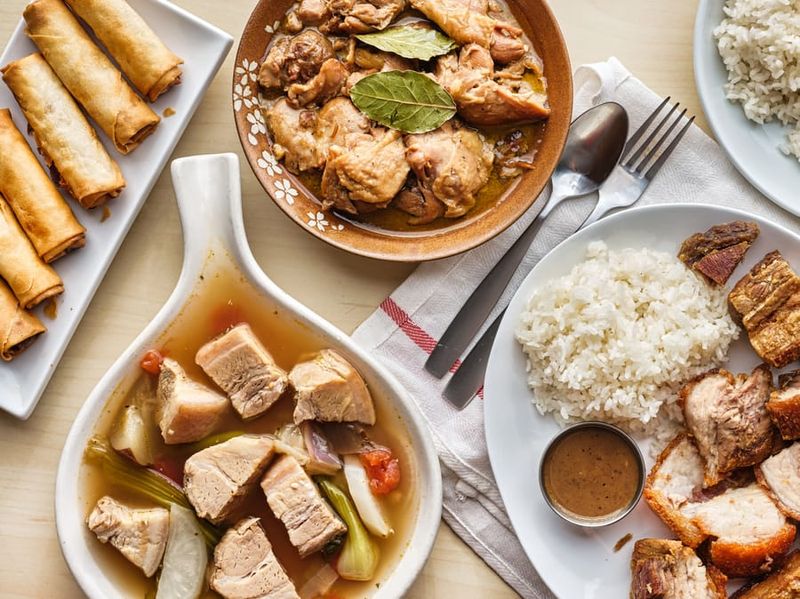
Filipino food tells the story of centuries of cultural exchange through every single bite. Spanish colonization, Chinese trade routes, and Malay culinary roots all left their mark, creating a flavor profile that is beautifully sweet, sour, and salty all at once.
Adobo, meat slowly braised in vinegar and soy sauce, is the dish that defines Filipino home cooking.
Sinigang, a sour tamarind-based soup loaded with vegetables and your choice of protein, is pure comfort in a bowl. Filipino cuisine is warm, generous, and deeply tied to family and community.
It is food that tells you a whole country’s story.
14. Peruvian Cuisine
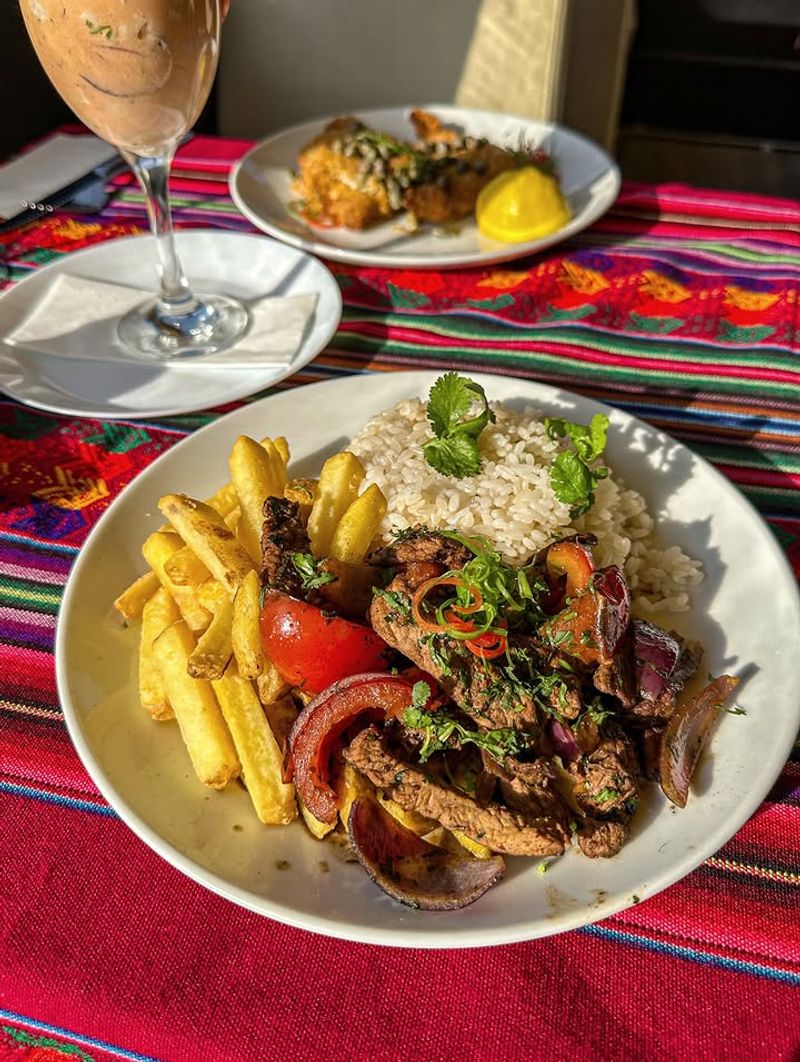
Peru might be the most exciting food destination that the world is only just beginning to fully appreciate. Indigenous Andean ingredients meet Spanish, African, Chinese, and Japanese culinary influences in a fusion that produces genuinely extraordinary results.
Ceviche has become famous internationally, but it barely scratches the surface of what Peruvian cooking offers.
Lomo saltado, a savory stir-fried beef dish that blends Chinese cooking techniques with Peruvian ingredients, is a perfect example of how creative this cuisine gets. Aji de gallina, a creamy chicken dish in yellow pepper sauce, is equally stunning.
Peru’s food scene is one of the world’s best-kept secrets.
15. Malaysian Cuisine
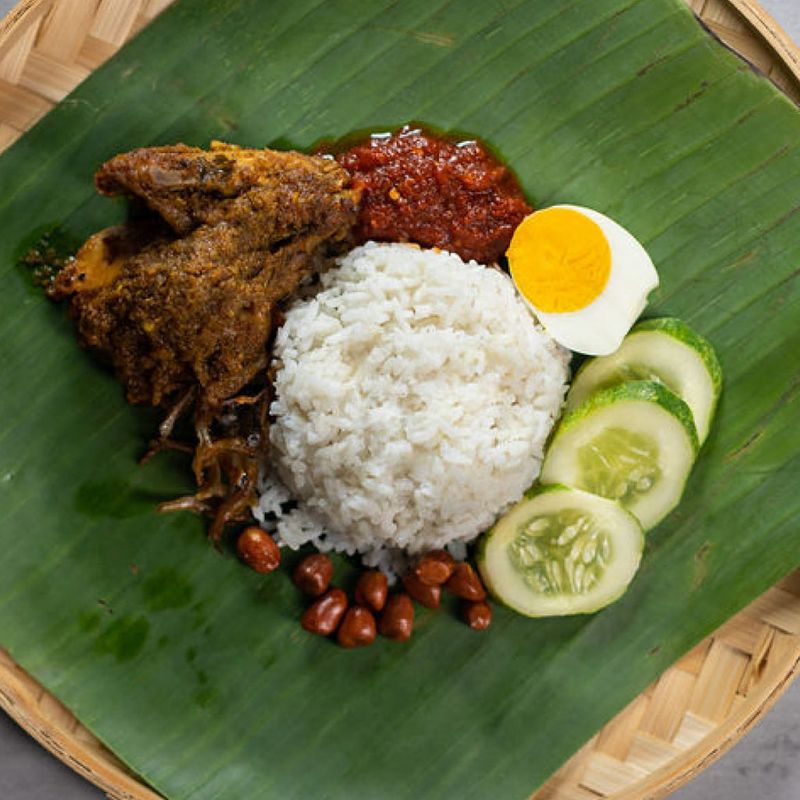
Malaysia is a country where Malay, Chinese, and Indian culinary traditions live side by side, and the result is one of the most exciting food scenes in Southeast Asia. Sweet, sour, spicy, and umami flavors all appear in the same meal, sometimes in the same dish.
Nasi lemak, fragrant coconut rice served with sambal and anchovies, is the beloved national breakfast.
Laksa, a rich and spicy noodle soup, comes in regional variations that spark passionate debates among Malaysians about which version is best. Malaysian hawker stalls serve some of the most flavorful and affordable meals on earth.
This cuisine is a must-experience for any serious food lover.
16. Iranian (Persian) Cuisine
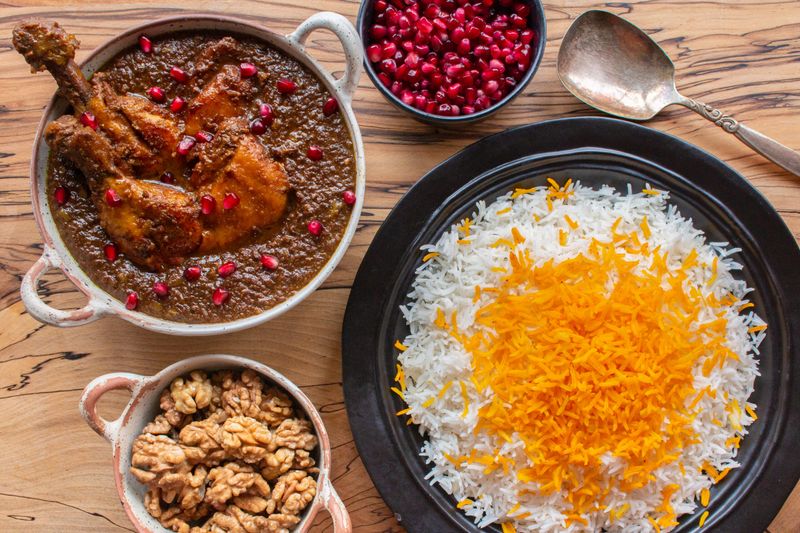
Persian cuisine is ancient, poetic, and full of flavors that feel unlike anything you have tasted before. Saffron, rose water, pomegranates, and dried limes come together in combinations that are simultaneously sweet, tart, savory, and floral.
Fesenjan, a rich stew made with pomegranate molasses and ground walnuts, is a dish that genuinely astonishes first-time tasters.
Dizi, a hearty lamb and chickpea stew, represents the more rustic, soul-warming side of Iranian cooking. Fresh herbs are piled high at the table and eaten alongside every meal.
Persian food is a sensory experience that rewards curiosity with incredible, layered satisfaction.
17. West African Cuisine
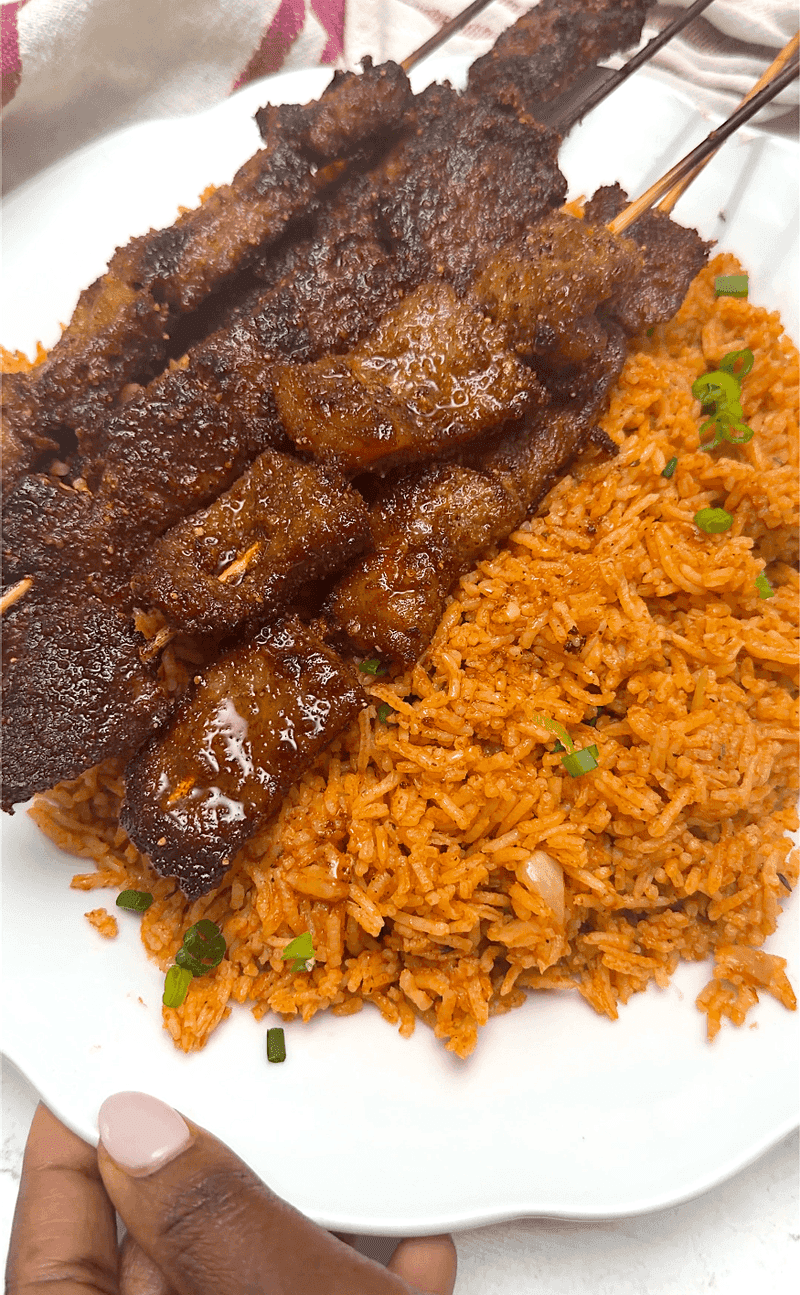
Jollof rice is one of those dishes that sparks genuine, enthusiastic arguments across West Africa, with Nigeria, Ghana, and Senegal each claiming their version is the definitive best. That kind of passionate debate is a sign of how deeply food is woven into West African culture and identity.
Smoky, boldly spiced, and deeply satisfying, jollof rice deserves global recognition.
Suya, thinly sliced meat skewers coated in a spiced peanut rub and grilled over open flame, is a street food experience that is hard to forget. West African cooking is unapologetically bold and flavorful.
It is a cuisine that demands your full attention.
18. Sri Lankan Cuisine
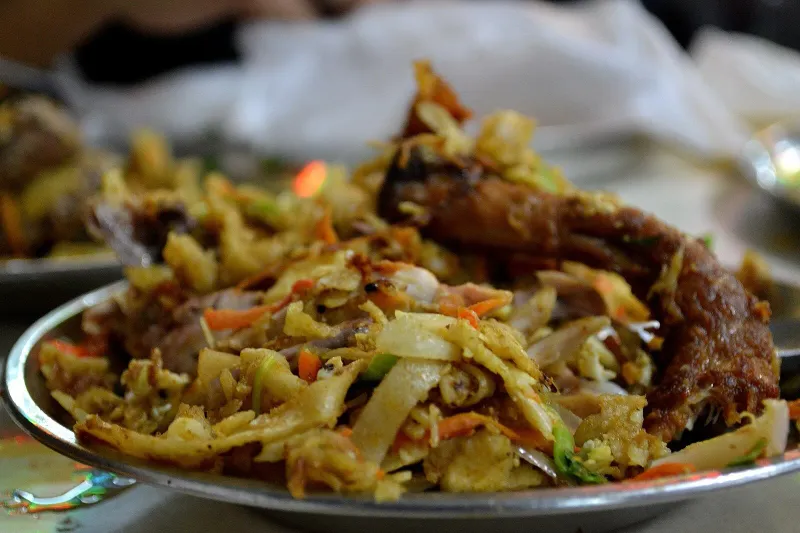
Smaller than many of its neighbors but overflowing with culinary personality, Sri Lanka has a food culture shaped by Indian, Dutch, and Portuguese influences layered over centuries. Coconut, chiles, and seafood appear in dish after dish, creating flavors that are bright, fiery, and deeply satisfying.
Kottu, a street food made by chopping shredded roti on a hot griddle, is as fun to watch being made as it is to eat.
Pol sambola, a fresh coconut relish with chiles and lime, adds a zingy punch to any meal it accompanies. Sri Lankan food rewards adventurous eaters with every order.
This is a cuisine that punches well above its weight on the global stage.
19. Ecuadorian Cuisine
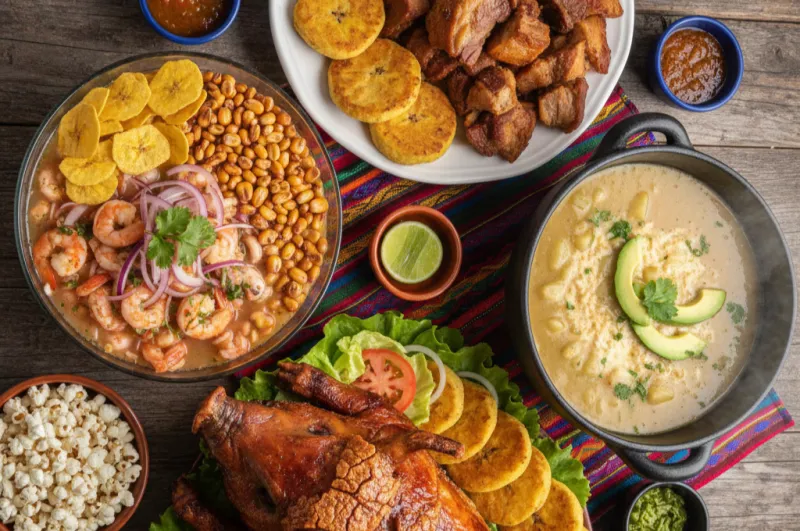
Ecuador’s geography is its secret culinary weapon. The country spans coastal lowlands, high Andean mountains, and lush Amazon rainforest, and each region produces entirely different ingredients and dishes.
Potatoes, corn, yucca, and rice are everyday staples, reflecting the country’s deep agricultural roots and diverse landscape.
Ecuadorian ceviche stands apart from its Peruvian cousin, featuring shrimp served in a flavorful tomato-based sauce rather than a purely citrus marinade. Llapingachos, crispy potato cakes stuffed with cheese, are a beloved Andean comfort food.
Ecuadorian cuisine is quietly wonderful and well worth seeking out.
20. Myanmar (Burmese) Cuisine
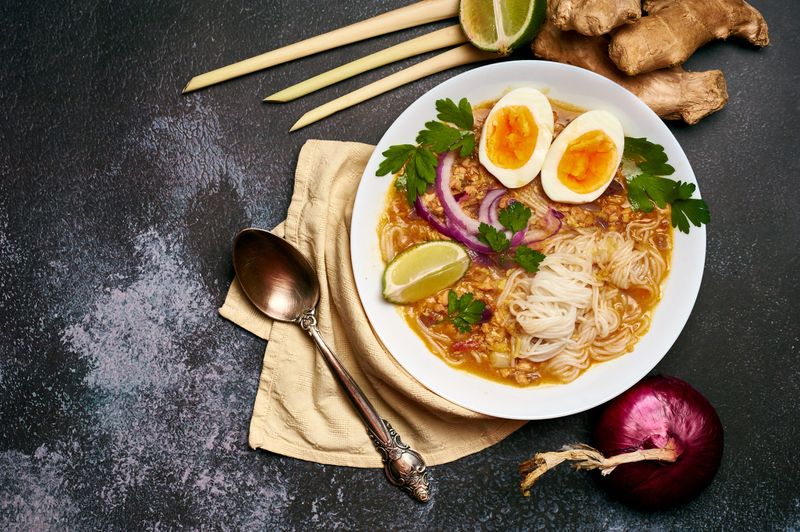
Sandwiched between India, China, and Thailand, Myanmar’s cuisine quietly absorbs influences from all three neighbors while maintaining a character that is entirely its own. Burmese cooks traditionally roast their spices before grinding them, a technique that unlocks deeper, more complex flavors in every dish.
Charcoal braziers are still commonly used in traditional kitchens, giving grilled dishes a smoky authenticity that is hard to replicate.
Mohinga, a fragrant fish noodle soup, is widely considered Myanmar’s national dish and is eaten at any hour of the day. Tea leaf salad, loaded with crunchy toppings, is unlike anything in neighboring cuisines.
Myanmar’s food scene is a genuinely undiscovered treasure.