
Some movies just need a little more time to find their audience. When these films first hit theaters, they were ignored, misunderstood, or simply released at the wrong moment.
But thanks to home video, reruns, and word of mouth, they eventually became beloved classics. Here are 16 films that flopped at the box office but later won over the hearts of millions.
1. Donnie Darko (2001)
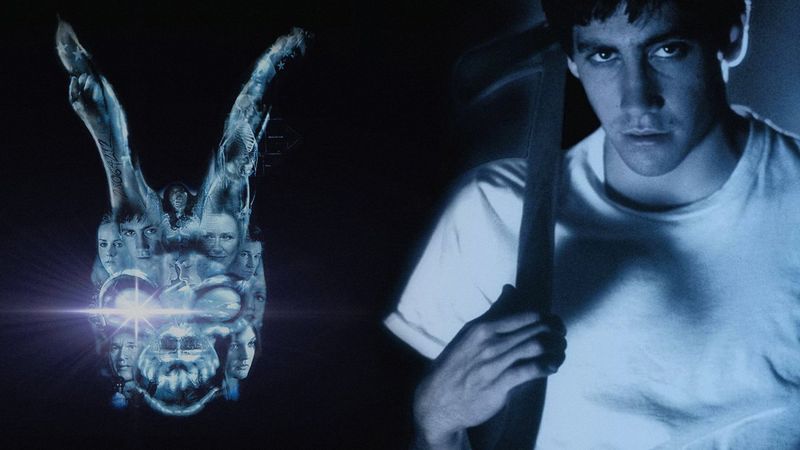
Made on just $6 million, Donnie Darko earned less than $1.5 million in theaters. Audiences called it too strange, too confusing, and too dark for mainstream tastes.
But sometimes weird is exactly what people need.
On DVD, the film exploded, generating over $10 million in sales. Teens and young adults connected with its themes of identity, time travel, and teenage isolation.
Today, it stands as a modern sci-fi masterpiece that rewards every rewatch.
2. Office Space (1999)
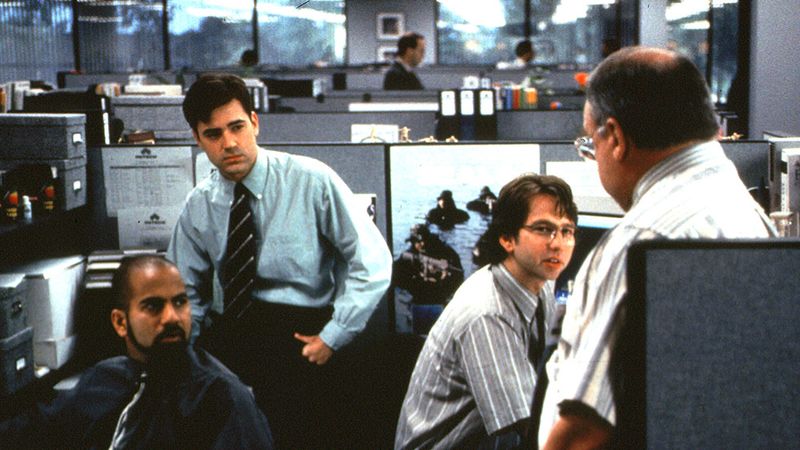
Imagine hating your job so much that you stop caring entirely and somehow end up better off. That is the soul of Office Space, a comedy that barely made back its $10 million budget with just $12 million at the box office.
Cable reruns on Comedy Central and massive DVD sales gave it a second life. Workers everywhere recognized themselves in Peter Gibbons.
It became the definitive workplace comedy of the 1990s, still quoted endlessly today.
3. Dazed and Confused (1993)
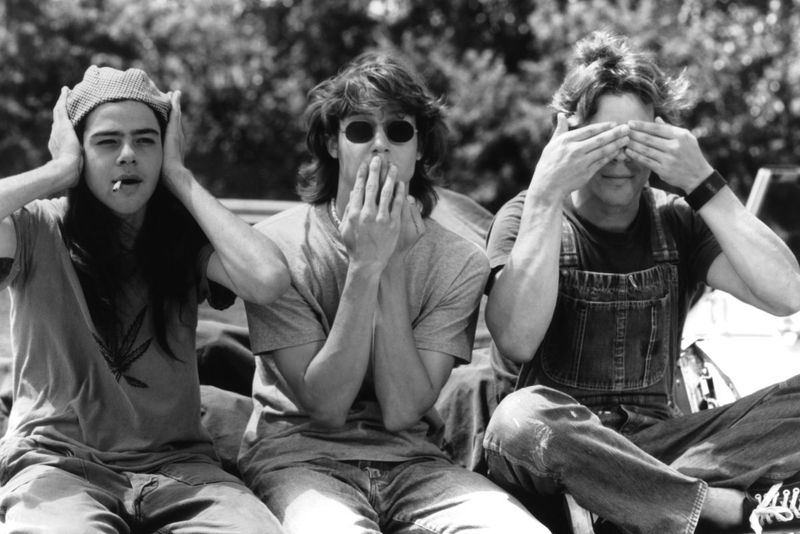
Richard Linklater captured something rare with this film: the exact feeling of a summer day with nowhere to go and nothing to do. Despite a budget of nearly $15 million, it earned just under $8 million in theaters.
Generation X eventually claimed it as their own. No big plot, no dramatic climax, just teenagers being teenagers in 1976 Texas.
That honest simplicity is exactly why it aged so beautifully into a beloved coming-of-age classic.
4. The Rocky Horror Picture Show (1975)
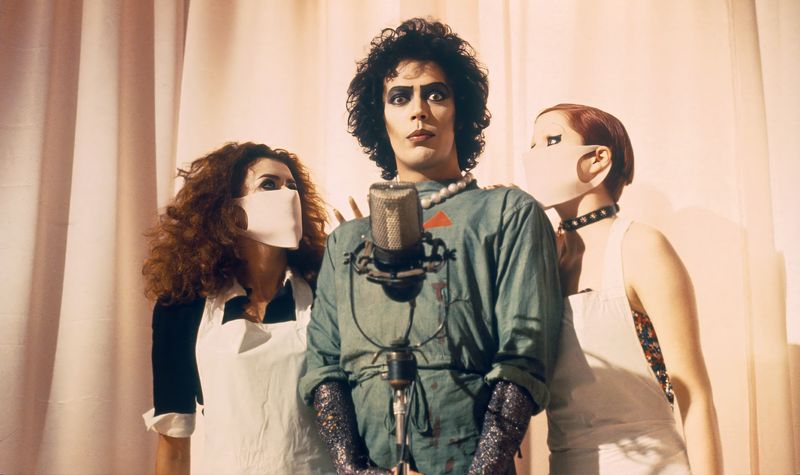
Only $2 million at the box office when it opened. That number must have stung for a film so wildly original and theatrical.
But Rocky Horror was never meant for regular Friday night crowds.
Midnight screenings changed everything. Fans dressed up, shouted back at the screen, and turned it into a live experience unlike anything else in cinema history.
Over 42 years, it grossed $113 million, becoming the longest-running theatrical release ever and a true cultural institution.
5. Heathers (1988)
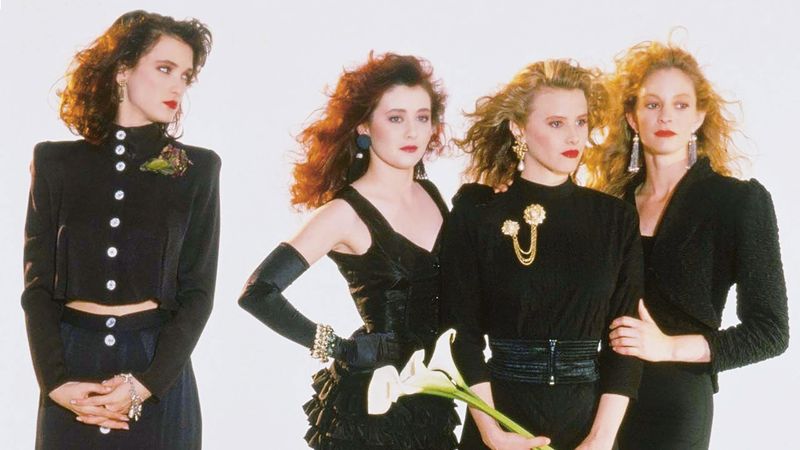
Heathers earned only one-third of its production budget and was pulled from theaters after five weeks. Dark comedies about teenage cruelty were not what 1988 audiences expected or wanted.
Then Winona Ryder, Christian Slater, and Shannen Doherty became household names, and suddenly everyone wanted to revisit the film that launched their careers. Its sharp, biting humor about high school social hierarchies felt ahead of its time.
Now it is considered a landmark of 1980s teen cinema.
6. Blade Runner (1982)

Coming out just weeks after E.T. the Extra-Terrestrial, Blade Runner had no chance of winning over audiences looking for warmth and wonder. Its $28 million budget returned roughly $39 million worldwide, a disappointment by any standard.
The 1992 Director’s Cut reframed everything. Critics and fans recognized its stunning vision of a rainy, neon-drenched future and its haunting questions about humanity.
Today, it is widely considered one of the greatest science fiction films ever made.
7. Fight Club (1999)

With only $37 million earned against a $63 million budget, Fight Club was considered a commercial disaster. Critics were uncertain, and audiences were not ready for its anarchic energy and satirical punch.
DVD changed everything almost overnight. College dorms across the country played it on repeat.
Its critique of consumerism, masculinity, and modern emptiness resonated deeply with a generation questioning what they had been sold. The first rule of Fight Club is that everyone eventually talks about Fight Club.
8. Scott Pilgrim vs. the World (2010)
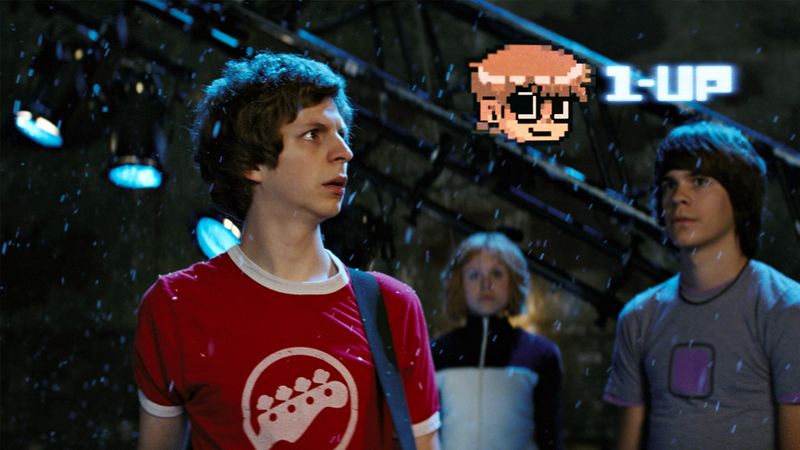
Scott Pilgrim vs. the World earned $47.6 million against a $60 million budget, losing money despite near-universal praise from critics. Stiff competition and a niche visual style made it a tough sell to general audiences.
Younger viewers discovered it on streaming and instantly fell in love with its video game aesthetic and rapid-fire humor. A 10th-anniversary re-release added $4 million more to its total.
What felt too niche in 2010 turned out to be exactly the right film for the next generation.
9. Mulholland Drive (2001)
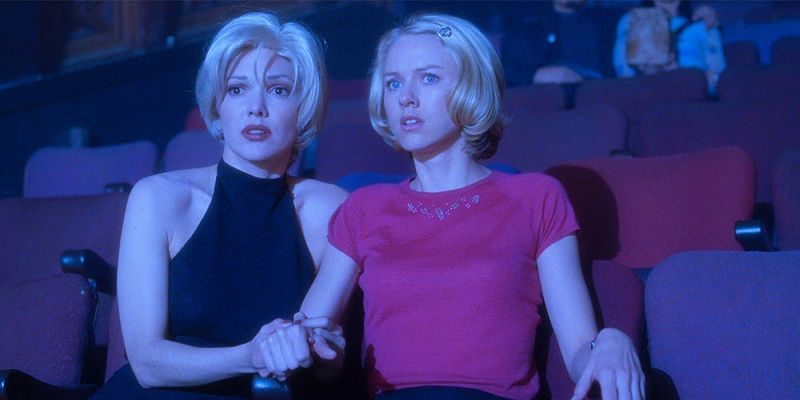
David Lynch’s Mulholland Drive earned just $20.1 million on a $15 million budget, a modest return that likely turned into a loss once marketing costs were factored in. Mainstream audiences found its fragmented, dreamlike structure deeply confusing.
Critics, however, saw something extraordinary. Over time, film scholars and cinephiles placed it among the greatest movies ever made.
Its exploration of Hollywood illusion, identity, and obsession only grows richer with each viewing, rewarding patient audiences who embrace its mystery.
10. Labyrinth (1986)
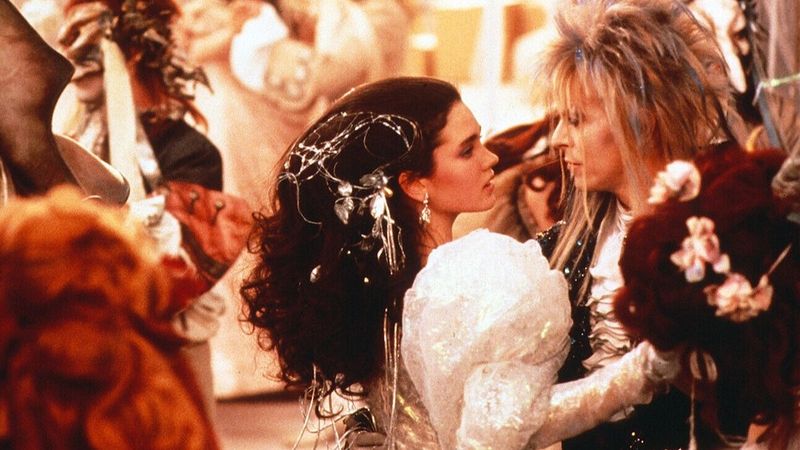
Labyrinth grossed just $12.9 million worldwide against a $25 million budget, making it one of the bigger flops of 1986. Jim Henson’s imaginative world and David Bowie’s glam-rock Goblin King were simply too eccentric for summer blockbuster crowds.
Kids who grew up watching it on VHS never forgot it. Bowie’s magnetic performance became legendary, and the film’s whimsical creativity earned deep admiration over decades.
Today it holds a warm, irreplaceable place in fantasy film history.
11. The Shawshank Redemption (1994)
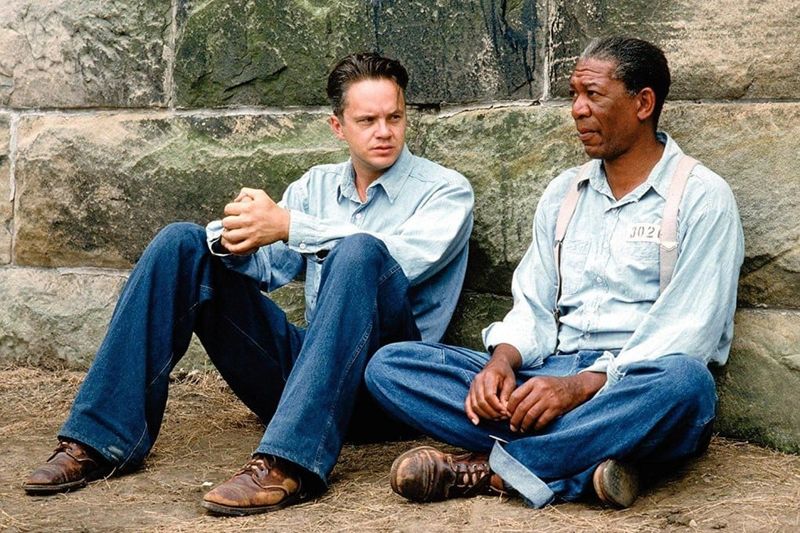
Released the same year as Forrest Gump and Pulp Fiction, The Shawshank Redemption grossed only $28.7 million against a $25 million budget. It struggled to stand out in one of the most competitive years in Hollywood history.
Seven Oscar nominations changed its fate. It became the most rented VHS title of 1995, and constant TNT reruns introduced it to millions more.
Today it sits at the very top of IMDb’s all-time greatest films list, beloved by nearly everyone.
12. Willy Wonka and the Chocolate Factory (1971)
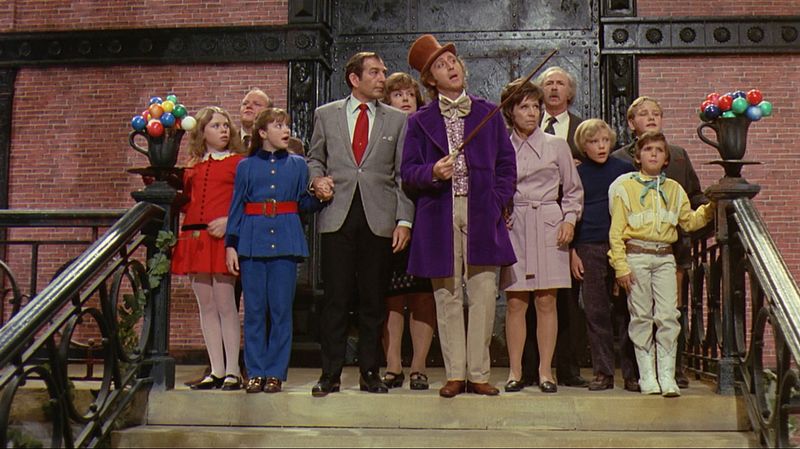
Willy Wonka and the Chocolate Factory earned roughly $4 million against a $3 million budget, which sounds like a win but was considered a disappointment given its ambitious scope. Studio executives were not impressed, and the film quietly faded from theaters.
Television saved it. Annual holiday broadcasts turned it into a childhood ritual for generations of kids.
Gene Wilder’s iconic performance became timeless, and the film is now recognized as one of the greatest family films ever produced.
13. The Thing (1982)
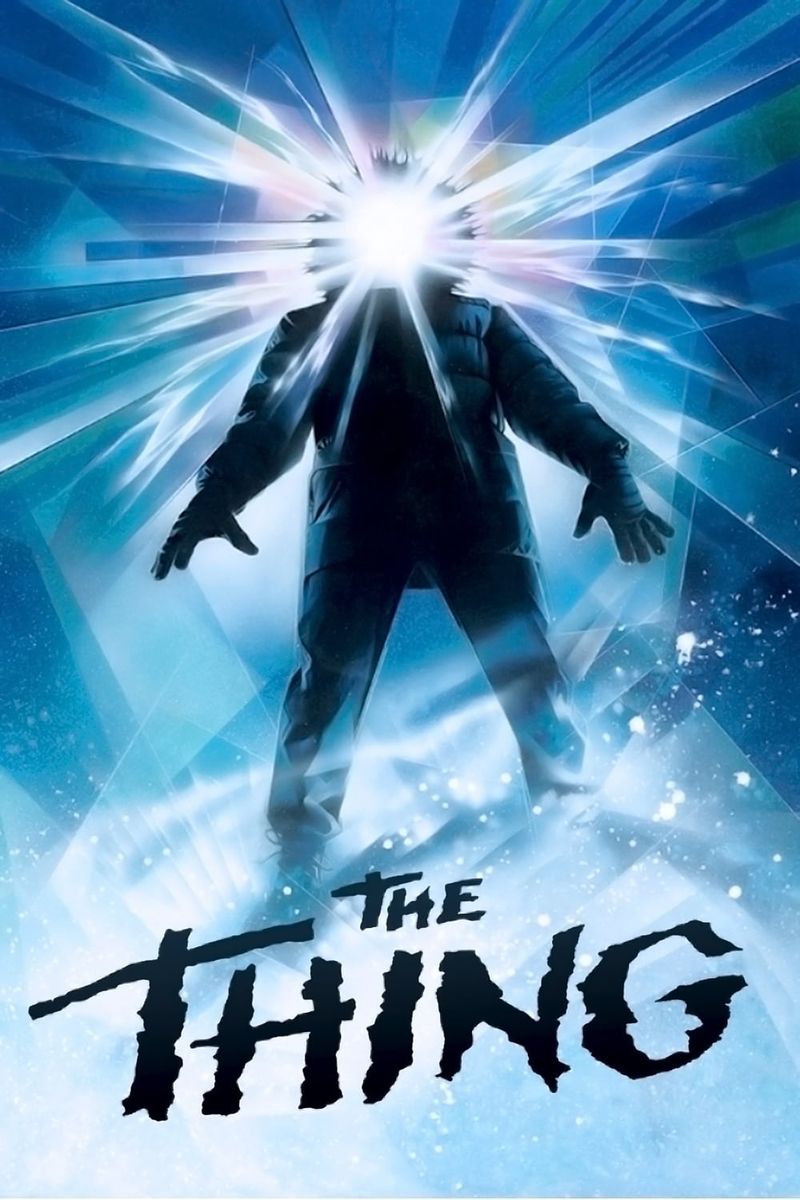
John Carpenter released The Thing just two weeks after E.T., and audiences wanted heartwarming, not horrifying. It earned $20.6 million against a $15 million budget, but reviews were brutal and crowds stayed away.
Horror fans eventually discovered its groundbreaking practical special effects and suffocating paranoia. The ambiguous ending sparked debates that continue today.
Now considered one of the finest horror films ever made, it proved that being ahead of your time is not always a bad thing.
14. It’s a Wonderful Life (1946)
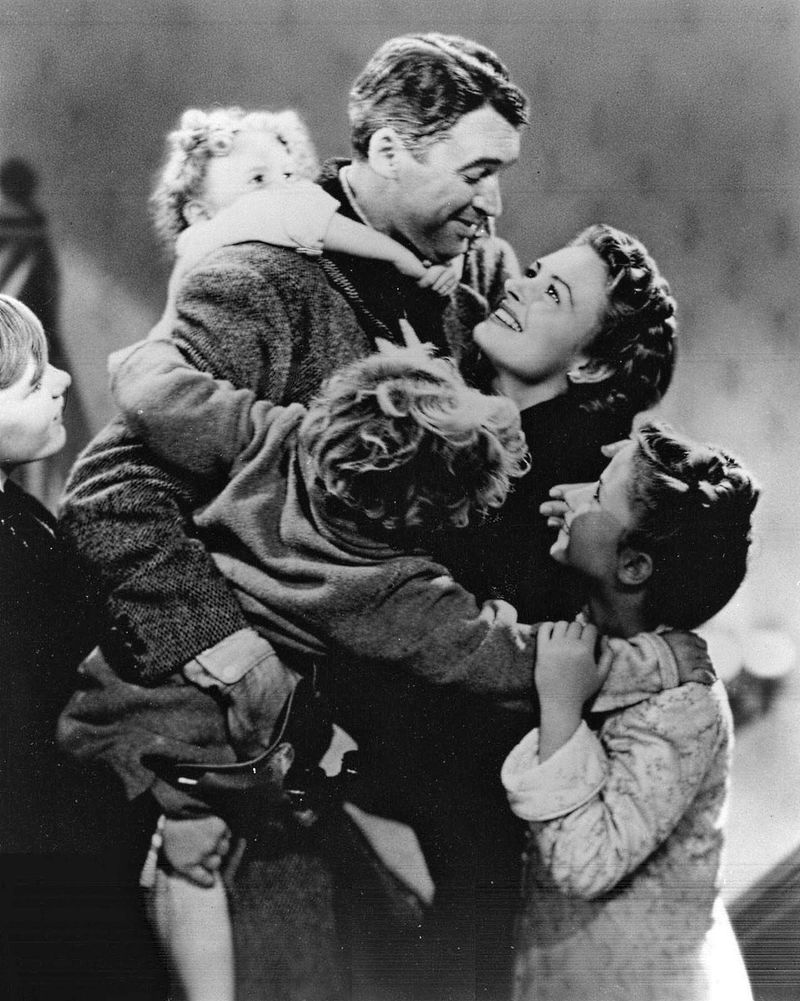
When It’s a Wonderful Life first opened, it barely cleared its $3.18 million budget with $3.3 million in ticket sales. After accounting for advertising and distribution, the studio took a real loss.
Director Frank Capra was devastated.
Everything changed when the film entered the public domain and television stations started airing it for free every Christmas season. Families gathered around it year after year until it became inseparable from the holidays themselves.
Few films have made a more remarkable comeback.
15. Brazil (1985)
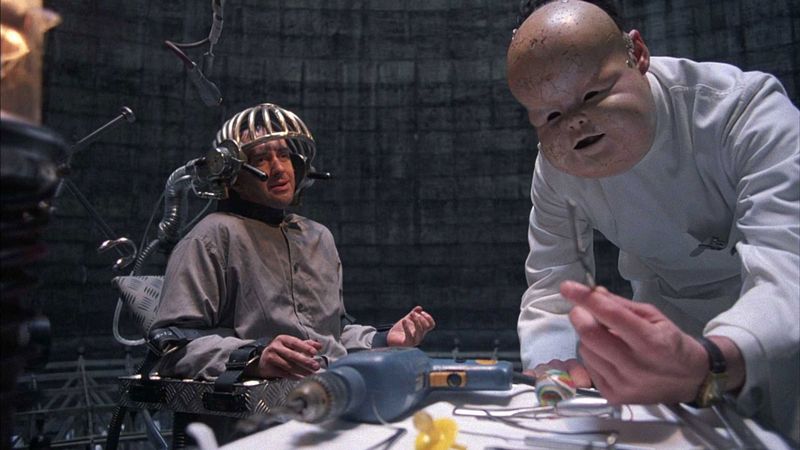
Terry Gilliam’s Brazil is one of the most ambitious films of the 1980s, a surreal satirical nightmare about bureaucracy and control. It earned only $9.9 million domestically on a $15 million budget, struggling to connect with audiences who were not sure what to make of it.
Two Oscar nominations helped keep it in the conversation. Over time, critics and filmmakers recognized its visionary brilliance.
Sci-fi fans now celebrate it as an essential and prescient masterpiece that feels more relevant with every passing year.
16. Children of Men (2006)
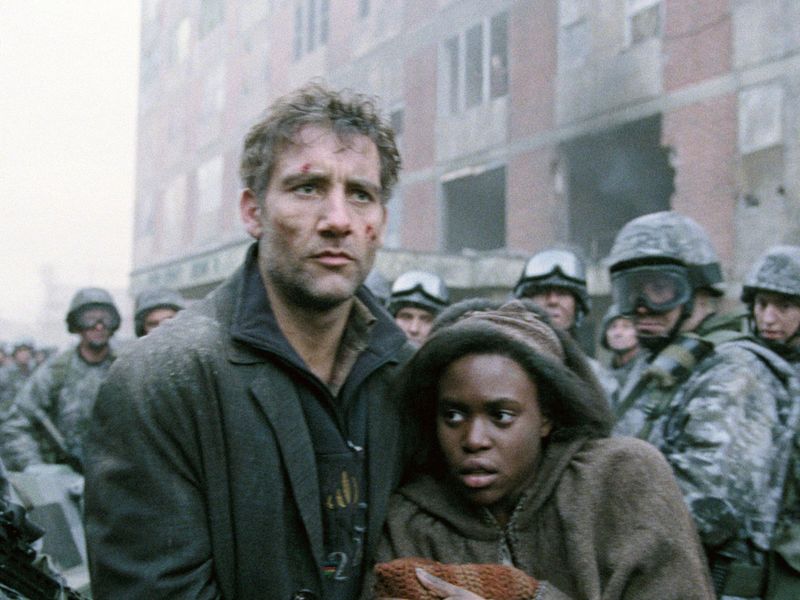
Alfonso Cuaron’s Children of Men arrived with extraordinary reviews and some of the most breathtaking long-take action sequences ever filmed. Somehow, audiences did not show up in large enough numbers during its theatrical run for it to be considered a success.
Home media gave it the wider audience it deserved. Viewers were stunned by its emotional depth and technical brilliance.
It is now routinely listed among the best films of the 2000s, a quiet masterpiece that hit harder the second time around.