
A hundred years ago, the world looked very different for women. From the clothes they wore to the jobs they could get, daily life was shaped by rules and expectations that are hard to imagine today.
The 1920s were also a time of exciting change, as women began pushing back against old traditions and carving out new freedoms. Taking a closer look at these moments gives us a deeper appreciation for how far things have come.
1. The 19th Amendment and the Right to Vote
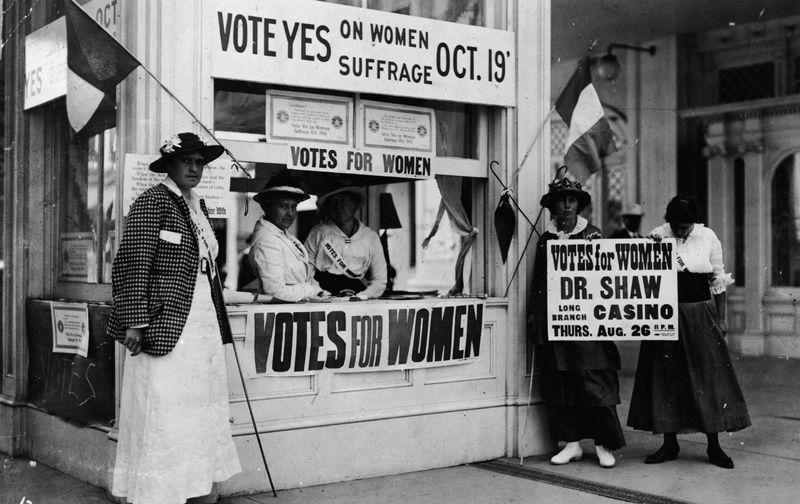
On August 26, 1920, the 19th Amendment was ratified, giving women across the United States the legal right to vote. It was a massive victory that had been fought for decades by suffragists who marched, protested, and petitioned tirelessly.
But the win was not equal for everyone. Indigenous, Asian, and Black women still faced literacy tests, poll taxes, and outright intimidation that kept them from the ballot box.
True voting equality took many more years to achieve.
2. The Rise of the Flapper
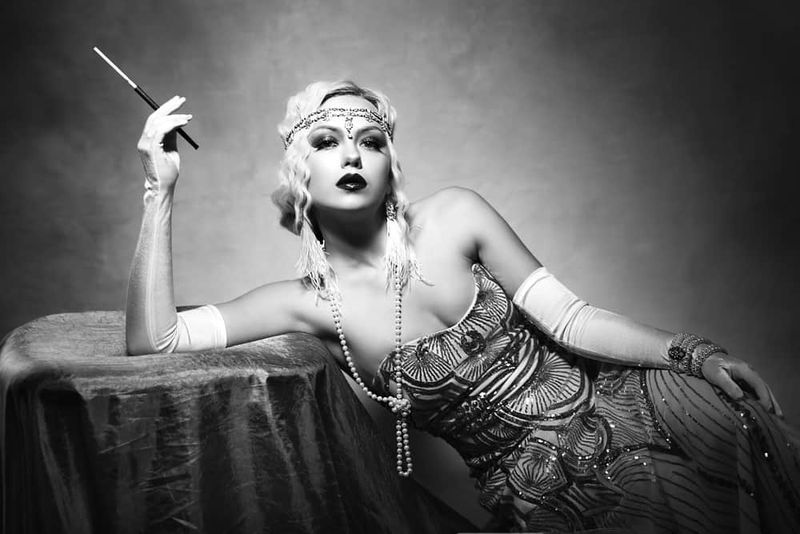
She smoked, she danced, she wore short skirts, and she absolutely did not ask for permission. The flapper became the face of a generation of young women who were done playing by the old rules.
Flappers listened to jazz, dated casually, and embraced city life with confidence. They were not just a fashion statement but a cultural rebellion.
For many conservative Americans, they were shocking. For young women hungry for freedom, they were everything.
3. Traditional Roles Still Dominated for Most Women
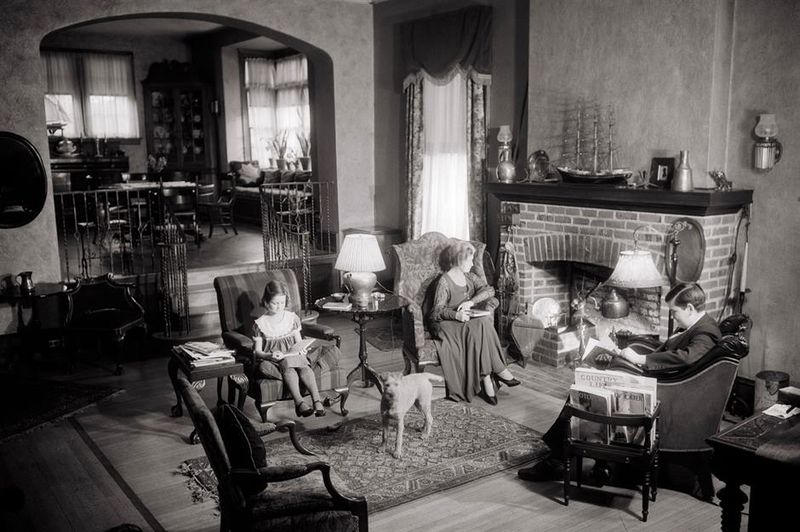
For every flapper dancing at a jazz club, there were countless other women quietly managing households, raising children, and following the path society expected of them. Marriage and motherhood were not just common choices but social obligations.
Middle-class married women especially felt the pressure to stay home and keep things running smoothly. Even as the culture shifted around them, most women’s daily lives looked much the same as their mothers’ and grandmothers’ had before them.
4. The Anti-Flirt Association Pushed Back Hard
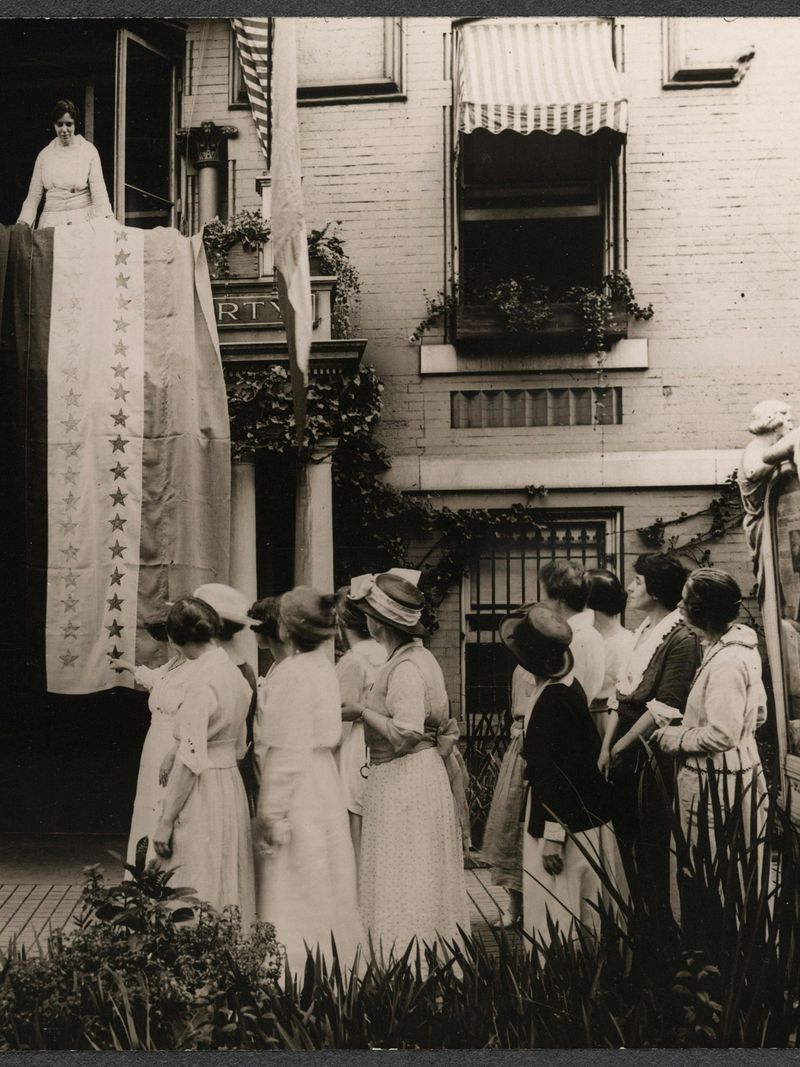
Not everyone was cheering for the new modern woman. In 1923, the Anti-Flirt Association formed in Washington, D.C., with a mission to protect what they called decent female behavior in public spaces.
Members campaigned against women flirting with men from cars, accepting rides from strangers, or acting boldly in public. It sounds almost comical today, but it reflected a very real tension in society between those embracing change and those determined to hold the line against it.
5. Media Shaped How Women Saw Themselves
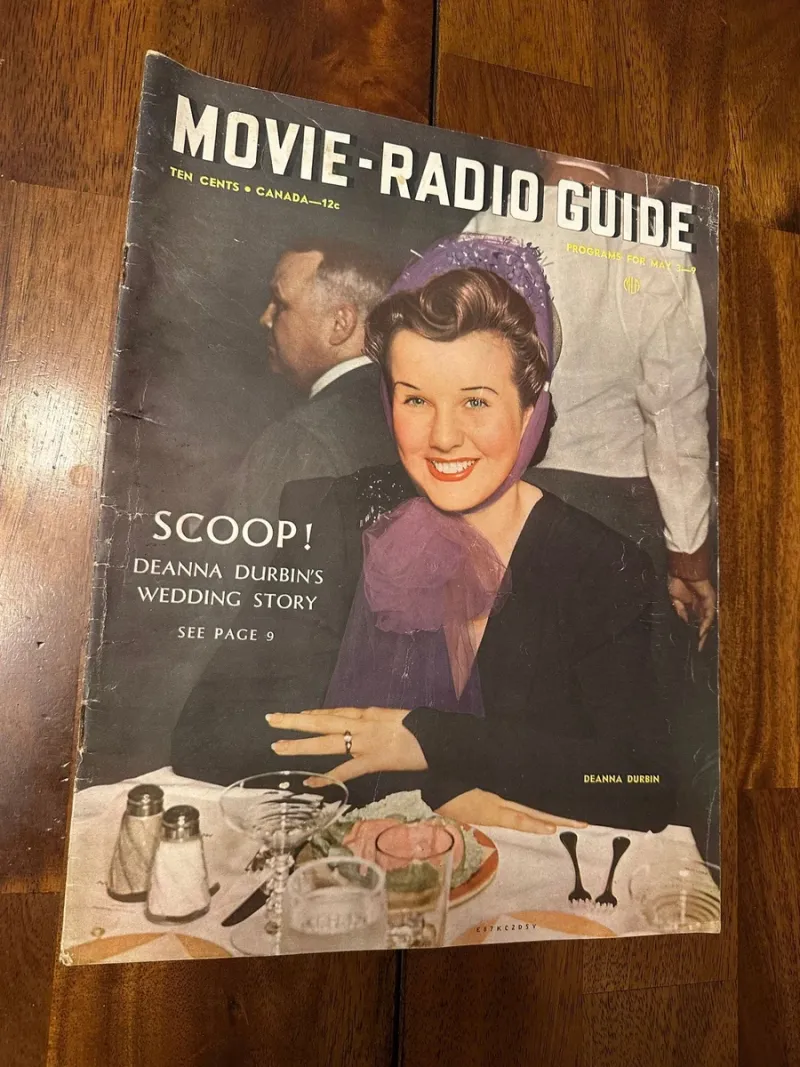
Movies, radio broadcasts, and glossy magazines were not just entertainment in the 1920s. They were powerful tools that told women who they could be and what they should want.
Strong, independent female characters appeared on screen and in print, giving women new role models outside the home. Fashion spreads and advertisements shaped beauty ideals and social aspirations.
For the first time, mass media was actively influencing how women dressed, thought, and imagined their own futures.
6. Fashion Got a Bold Makeover
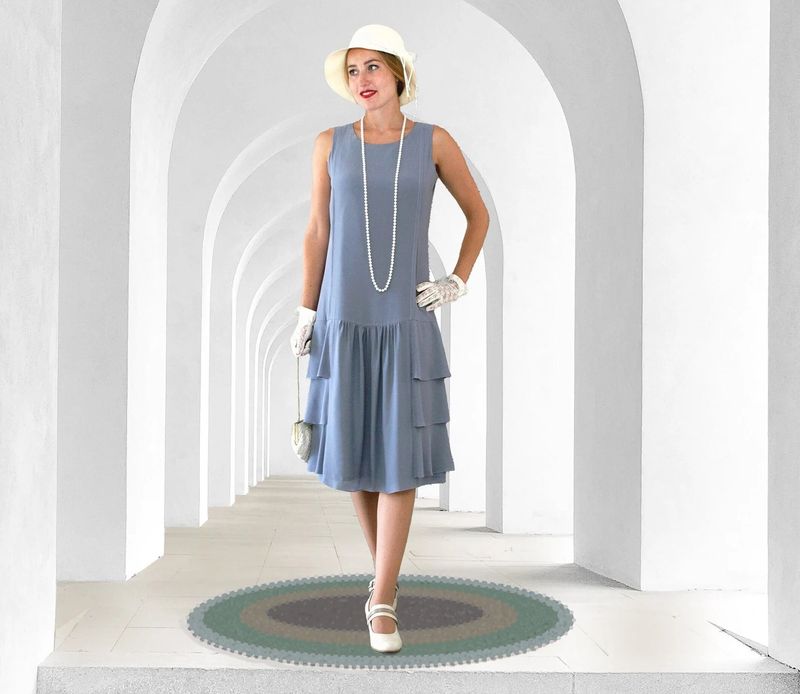
Out went the tight corsets and floor-length skirts. The 1920s brought a completely new look for women, one built around freedom of movement and a sleek, modern shape.
Hemlines crept upward, waistlines dropped low, and the silhouette went gloriously straight and loose.
By the mid-1920s, showing a bit of knee was no longer scandalous but stylish. The change in fashion was not just about looks.
It was a visible symbol that women were stepping into a new era with lighter steps.
7. The Bob Haircut Was a Statement
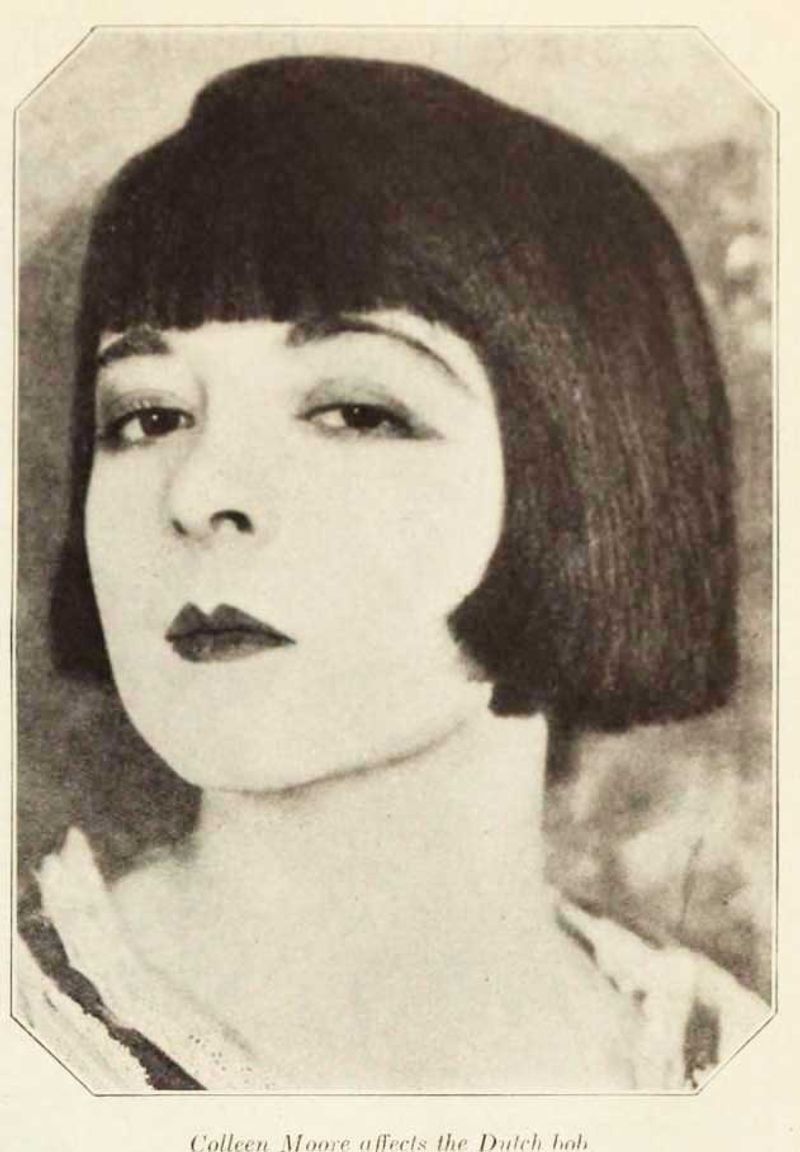
Cutting your hair short in the 1920s was not just a style choice. It was a declaration.
Women who chopped their locks into a sleek bob were signaling that they were modern, independent, and unbothered by old-fashioned expectations of femininity.
The bob was practical, chic, and deeply controversial. Some employers fired women for it.
Some husbands forbade it. That only seemed to make it more popular.
By mid-decade, the bob had swept across cities and small towns alike.
8. Cloche Hats Were the Must-Have Accessory
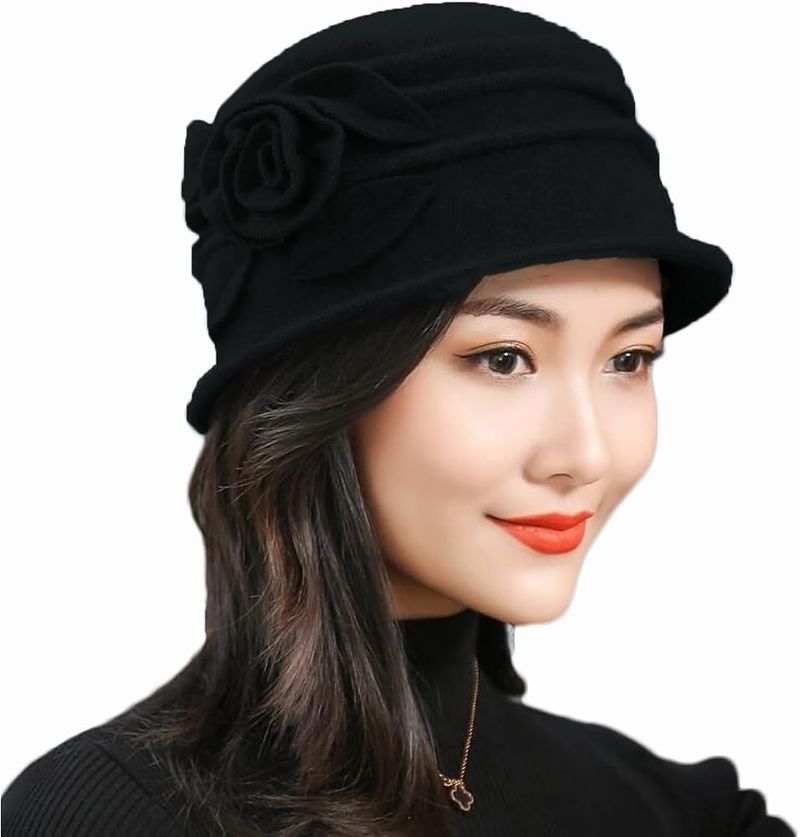
Bell-shaped, snug, and impossibly chic, the cloche hat was the defining accessory of the 1920s woman. Pulled low over the forehead, it was designed to fit perfectly over short bobbed hair and gave the wearer an air of cool sophistication.
Made from felt and often decorated with ribbons, flowers, or jeweled pins, cloches were worn by women of all backgrounds who wanted to look current. You could spot them on city streets, at tea rooms, and everywhere in between.
9. Undergarments Finally Got Comfortable
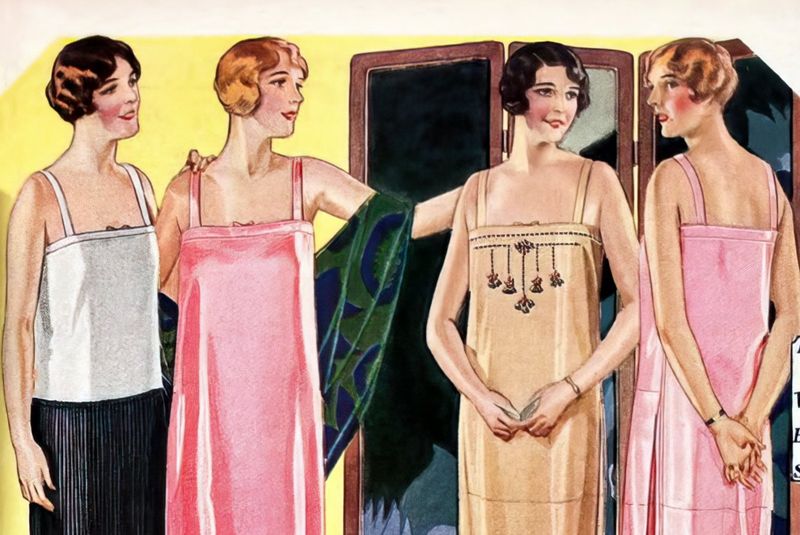
For generations, women had squeezed themselves into rigid corsets that reshaped their bodies and made breathing a challenge. The 1920s finally changed that.
Lighter, simpler undergarments like chemises and slips replaced the old layers of restrictive foundation wear.
What had once required up to ten separate undergarment pieces was reduced to just two or three. The shift was not purely cosmetic.
Looser underpinnings made it physically easier to move, dance, work, and simply exist with a little more comfort throughout the day.
10. Makeup Went From Subtle to Bold
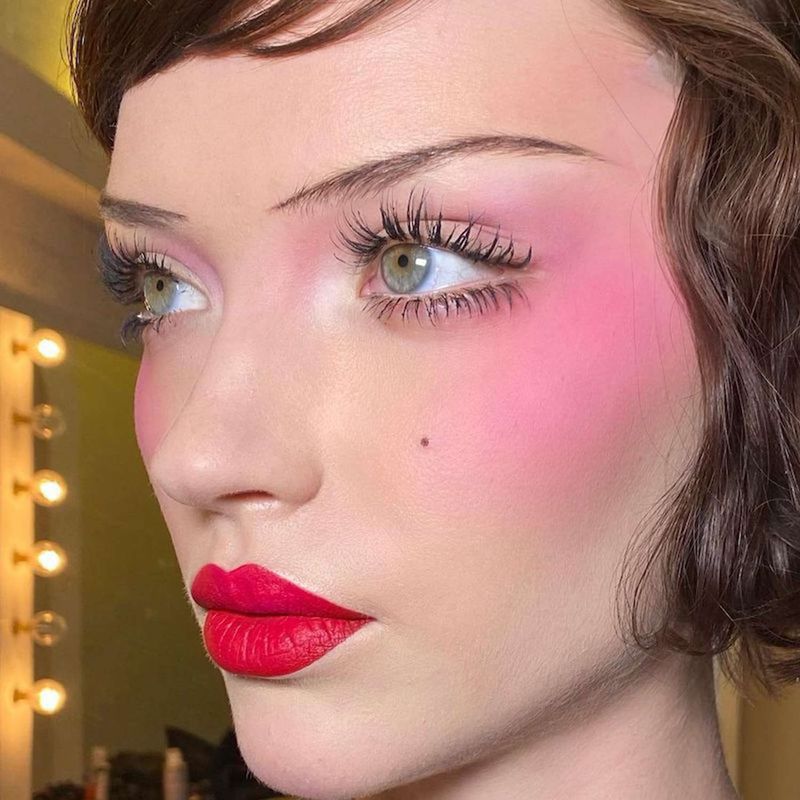
Bright red lips, darkened eyes, and dramatically arched brows became the beauty standard of the decade. Women in the 1920s embraced cosmetics in ways that would have seemed outrageous just a generation earlier, when heavy makeup was associated with actresses or women of questionable reputation.
Tweezed eyebrows and bold lipstick became everyday choices for ordinary women. Beauty companies thrived as demand for cosmetics skyrocketed.
Looking polished and put-together took on a whole new meaning when the tools to do it became widely available and socially accepted.
11. Women Made Up About 20 Percent of the Workforce
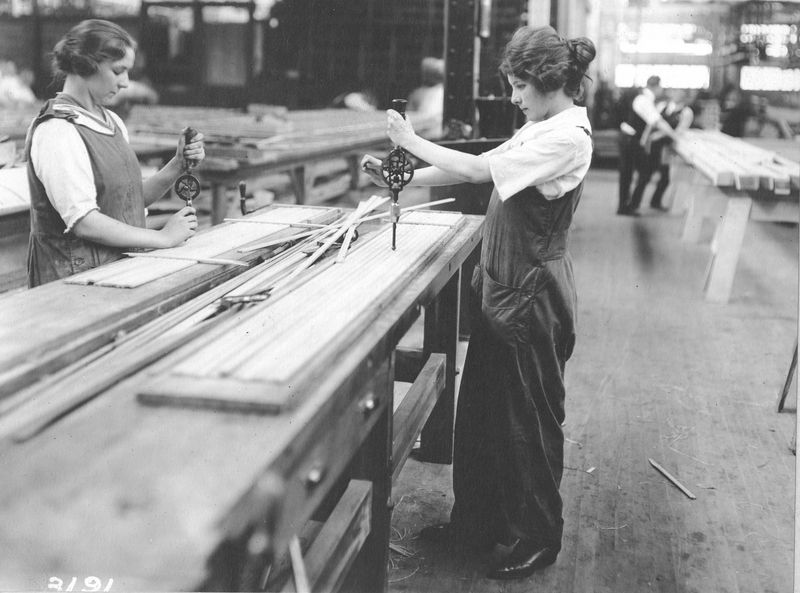
By 1920, roughly one in five American workers was a woman. That was a meaningful presence, even if the jobs available to them were limited and the pay was rarely fair.
Women were showing up, clocking in, and contributing to the economy in real and measurable ways.
Still, most women workers were concentrated in low-wage positions with little room for advancement. The workplace was not designed with them in mind, and breaking into better-paying or leadership roles was an uphill battle most women never got to finish.
12. Common Jobs Open to Women Were Narrow
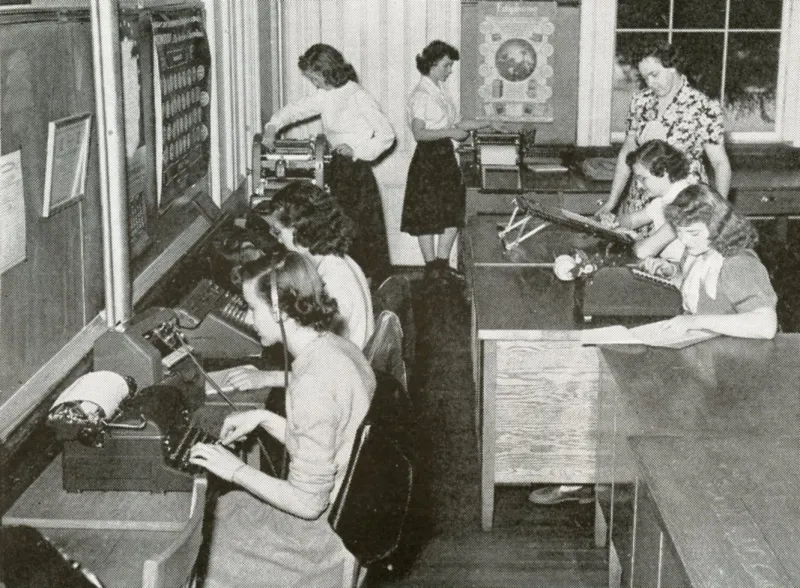
Teachers, typists, laundresses, factory workers, salespeople, and domestic servants were the roles most readily available to women a century ago. Clerical work expanded quickly during the 1920s, and offices began filling up with female typists and bookkeepers.
But choice was limited, and ambition was often discouraged. A woman who wanted to be a lawyer, doctor, or executive faced barriers that had nothing to do with her abilities.
The workforce let women in but kept the best opportunities firmly out of reach for most of them.
13. The Women’s Bureau Was Established in 1920
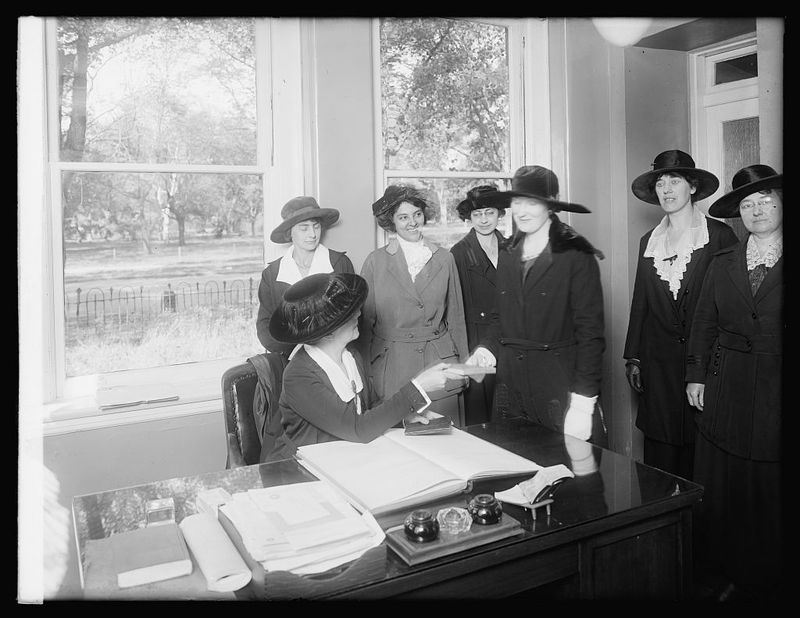
On June 5, 1920, the U.S. Department of Labor created the Women’s Bureau, a federal office dedicated to improving conditions and opportunities for women in the workforce.
It was a significant step toward recognizing that working women deserved real policy attention and protection.
The bureau researched workplace conditions, advocated for fair wages, and helped shape labor standards. For women who had long been overlooked by the systems meant to protect workers, having a government body specifically in their corner was genuinely meaningful progress.
14. Black and Immigrant Women Carried the Heaviest Loads
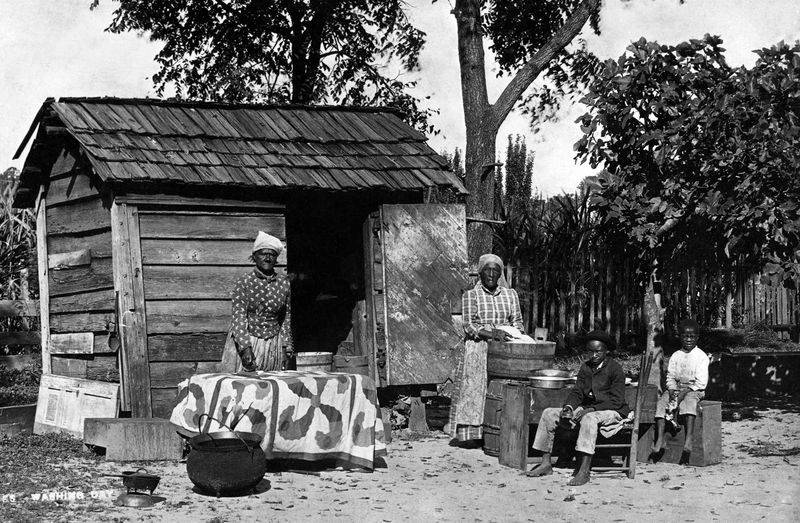
While some women were celebrating new freedoms, many Black and immigrant women were working backbreaking jobs just to survive. Domestic service, laundry work, and factory labor were the primary options available, offering low pay and little dignity.
For these women, working outside the home was not a choice but an economic necessity. Racial discrimination added another layer of hardship, blocking access to better jobs that white women could sometimes obtain.
Their contributions powered households and industries while their own needs went largely unrecognized.
15. More Girls Were Going to School
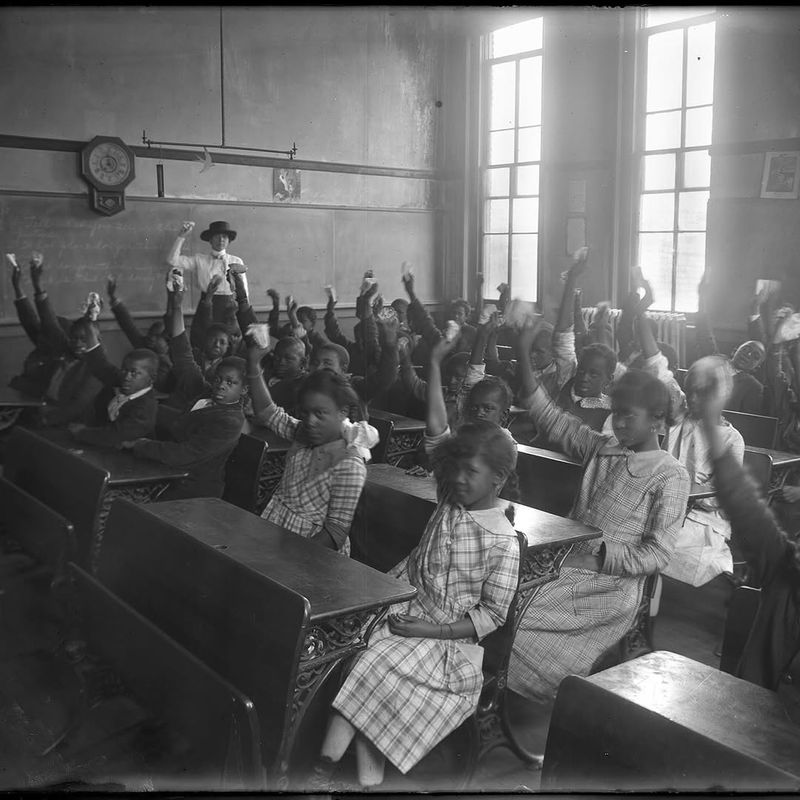
School enrollment for women climbed noticeably during the 1920s, with more girls finishing high school and heading to college than in any previous decade. Several women’s colleges opened their doors during this period, expanding access to higher education.
Education was progress, but it came with invisible ceilings. Most programs steered women toward teaching or secretarial work rather than medicine, law, or business.
Getting a degree was a real achievement, yet society still had very specific ideas about what a educated woman should do with it afterward.
16. Workers’ Education Gave Women New Tools
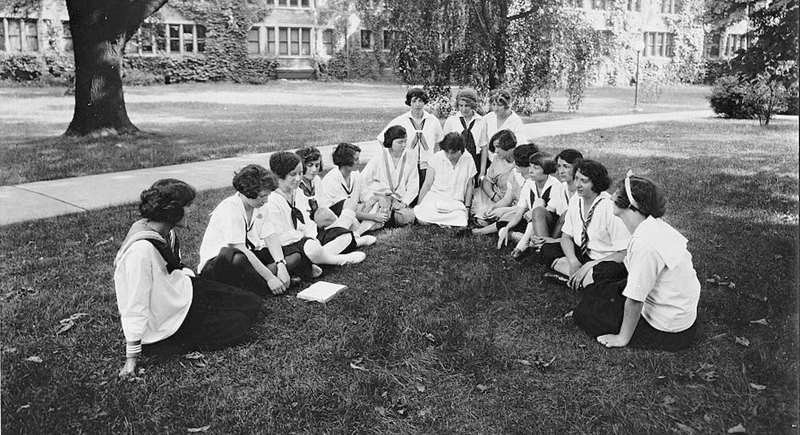
The International Ladies Garment Workers Union, better known as the ILGWU, organized summer schools specifically for women workers during the 1920s. These programs taught women about trade unionism, workers’ rights, and social activism in a setting that felt more like a retreat than a classroom.
For many attendees, it was the first time anyone had treated their minds and their labor as equally valuable. Learning to advocate for themselves and their coworkers gave these women a confidence that no factory floor could provide on its own.
17. Marriage Was Expected and Nearly Universal
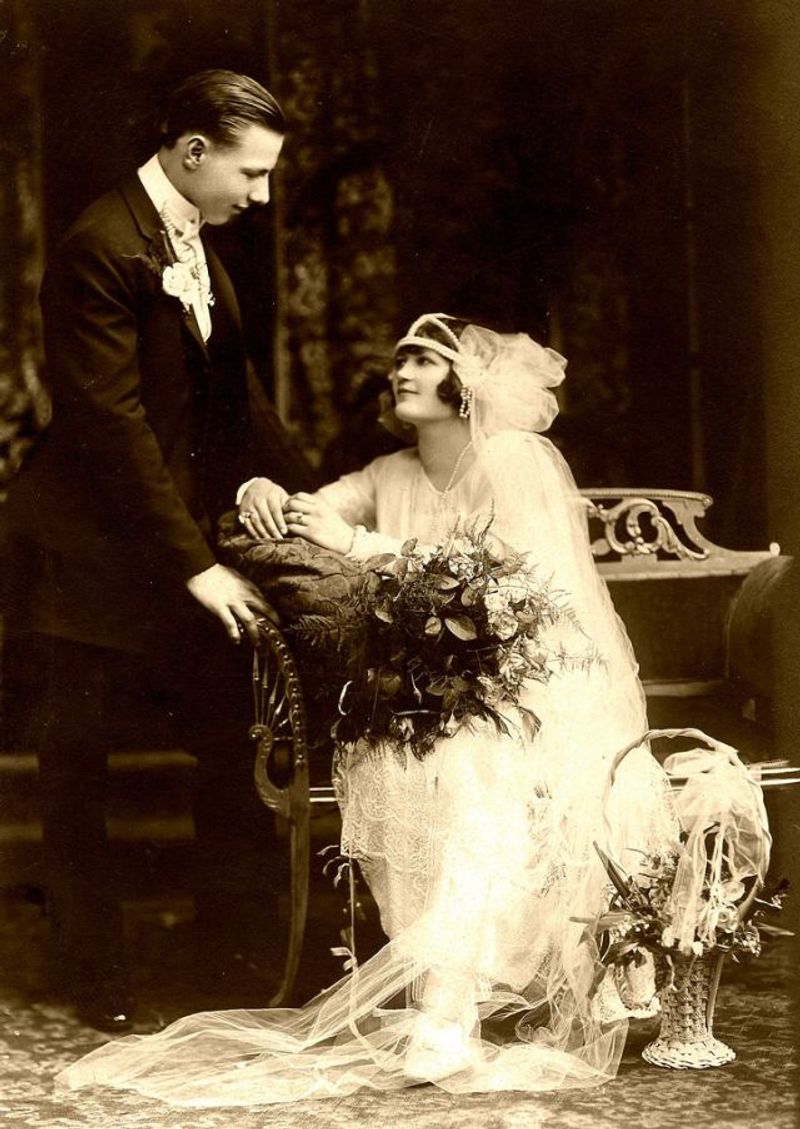
Getting married young was simply what most women did in 1920. Nearly two-thirds of Americans over age 14 were married, and the average age for a woman’s first marriage was just 21.
Staying single was often seen as a failure rather than a choice.
Divorce was rare, with only about 250,000 divorces recorded among 37 million married couples. Many women stayed in unhappy marriages because leaving carried enormous social stigma and financial risk.
The institution of marriage shaped nearly every aspect of a woman’s daily existence.
18. New Appliances Promised to Lighten Housework
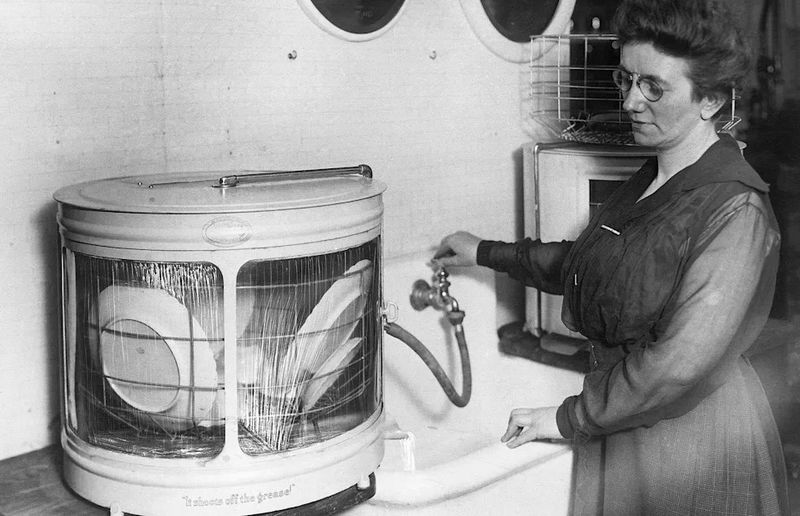
Washing machines, vacuum cleaners, and electric irons started appearing in homes during the 1920s, promising to make housekeeping faster and easier. Electrification and mass production made these gadgets more affordable, and many families eagerly brought them home.
The reality was more complicated. Researchers have argued that new appliances did not actually reduce the total hours women spent on housework.
Instead, they raised cleanliness standards so that homes were expected to be even tidier than before. The labor shifted but never truly disappeared.
19. Life Expectancy Was Shockingly Short
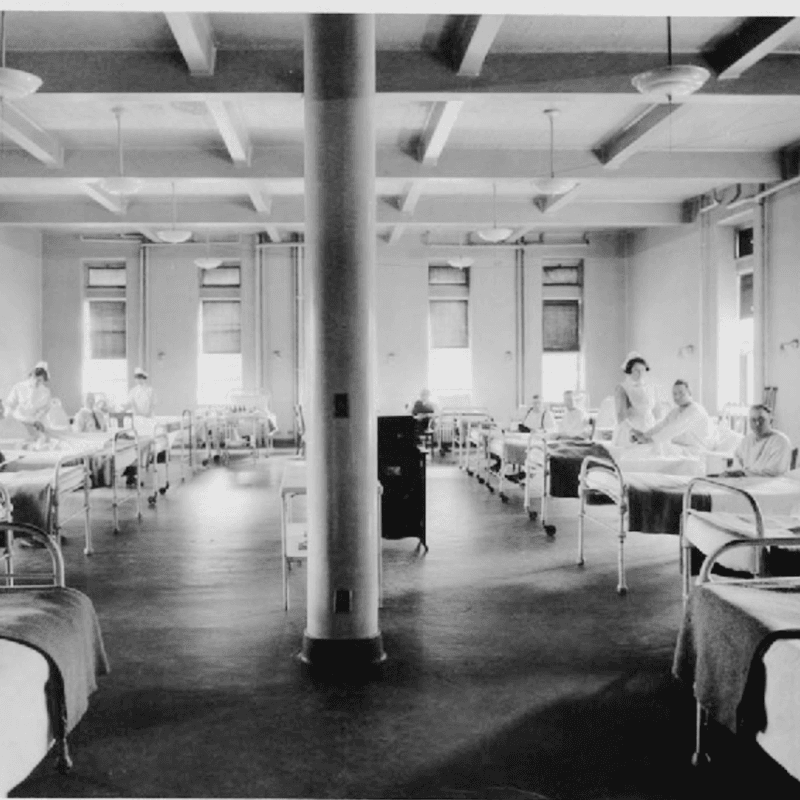
The average American woman in the 1920s could expect to live only to about 48 years old. Infectious diseases like tuberculosis, influenza, and pneumonia were leading killers, and medical treatments were far less effective than what we have today.
Childbirth itself remained genuinely dangerous, with maternal mortality rates that would be considered catastrophic by modern standards. Women who survived childhood and their childbearing years might live longer, but illness was a constant threat that shadowed everyday life in ways that are difficult to fully appreciate now.
20. Leisure Time Expanded in Exciting New Ways
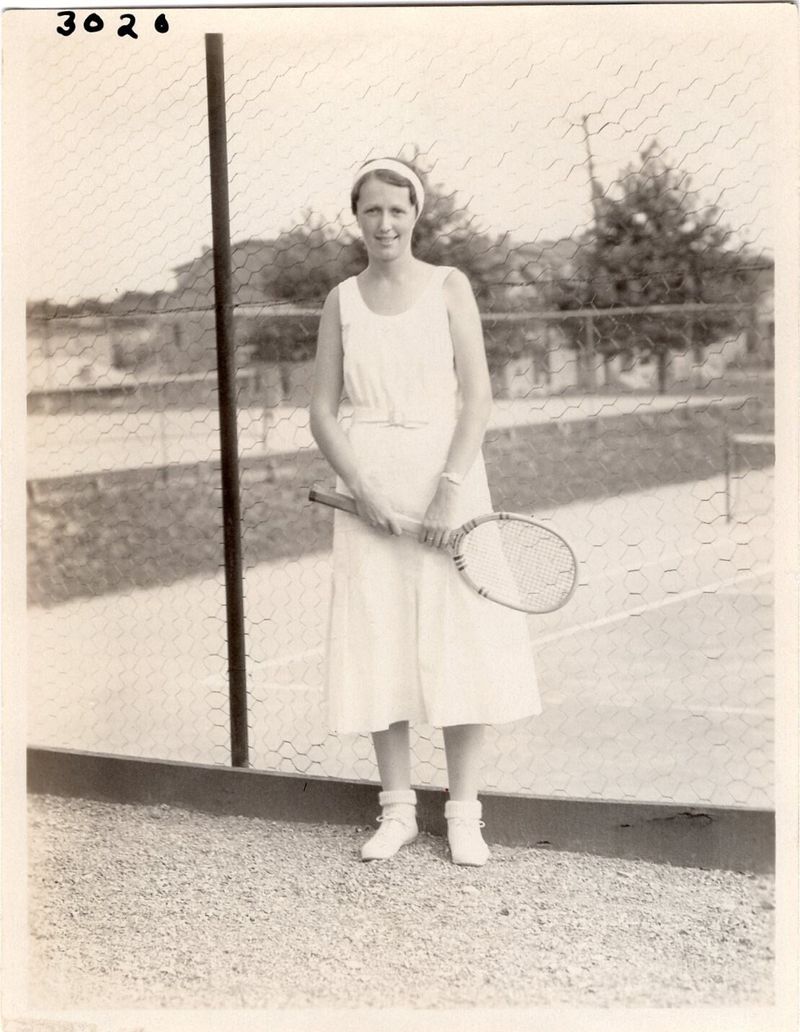
Dancing the Fox Trot, watching movies at the picture house, listening to radio broadcasts, playing tennis or golf, cycling through the park. Women in the 1920s had more leisure options than any previous generation of women had enjoyed.
The automobile added a whole new layer of freedom, letting women travel independently without chaperones for the first time. Even the Olympics opened its doors to female athletes during the decade.
Leisure was no longer just a privilege for wealthy women but an expanding part of ordinary life.