
Parenting looks very different today than it did back in the 1960s. Moms and dads back then had their own set of rules, habits, and routines that seemed perfectly normal at the time.
Some of those practices would raise serious eyebrows now, and a few might even get a parent in trouble with the law. Looking back at how things were done gives us a fascinating peek into just how much the world has changed.
1. Letting Kids Roam the Neighborhood Alone for Hours
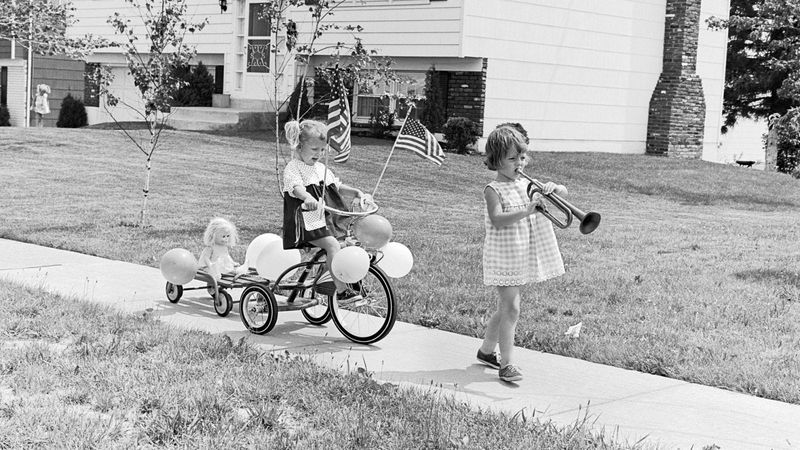
Back in the ’60s, kids were basically handed their freedom the moment school let out. Parents sent them outside with one simple rule: be home before the streetlights came on.
No cell phones, no check-ins, no GPS tracking.
Children wandered into town, knocked on neighbors’ doors, and settled their own arguments without adult help. By the early 1970s, over half of kids under 10 regularly left home alone.
Today, that number is nearly zero.
2. Sending Kids to Buy Cigarettes at the Corner Store

It sounds unbelievable now, but plenty of kids in the ’60s were sent on errand runs that included picking up a pack of cigarettes for Mom or Dad. Store clerks rarely batted an eye, and kids saw it as just another chore.
Today, selling tobacco to anyone under 21 is illegal across the United States. The idea of a child purchasing cigarettes would immediately raise alarms.
What was once routine is now completely off the table.
3. Smoking Around the Kids Without a Second Thought

Cigarette smoke was practically part of the furniture in many ’60s homes. Parents lit up at the dinner table, in the car, and right next to the baby without anyone raising a concern.
Secondhand smoke simply wasn’t on most people’s radar.
We now know that secondhand smoke causes serious health problems in children, including asthma and lung disease. Today, smoking around kids is widely condemned and restricted by law in many public spaces.
The science changed everything.
4. Skipping Car Seats and Seat Belts Entirely
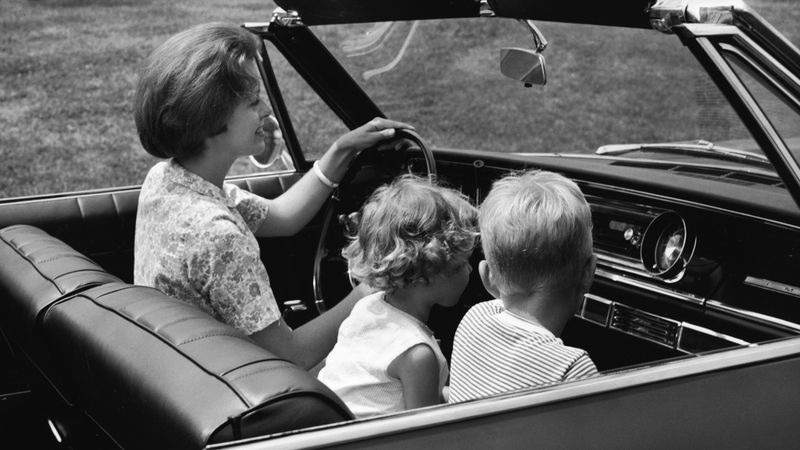
Buckling up was basically optional in the 1960s. Toddlers sat on laps, kids bounced around the back seat freely, and nobody thought twice about it.
Some early child seats were nothing more than rope harnesses attached to the seat back.
The first proper safety-focused car seats appeared around 1962, but all 50 states didn’t require them by law until 1986. Today, strict car seat laws exist for good reason: car crashes are a leading cause of child injury and death.
5. Spanking and Paddling as Standard Discipline
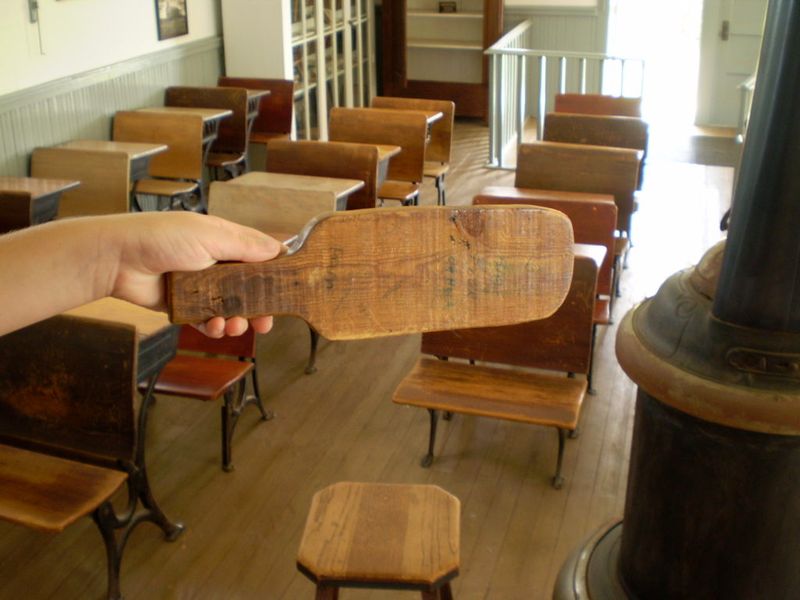
Physical punishment was the go-to discipline tool for many families and schools in the ’60s. Teachers kept wooden paddles in their desk drawers, and parents at home often followed up school punishment with more of the same.
It was considered tough love.
Research today strongly links physical punishment to increased aggression, anxiety, and damaged parent-child relationships. Many countries have banned corporal punishment entirely.
Modern parenting leans heavily on communication, natural consequences, and emotional coaching instead.
6. Leaving Babies to “Cry It Out” Without Checking In
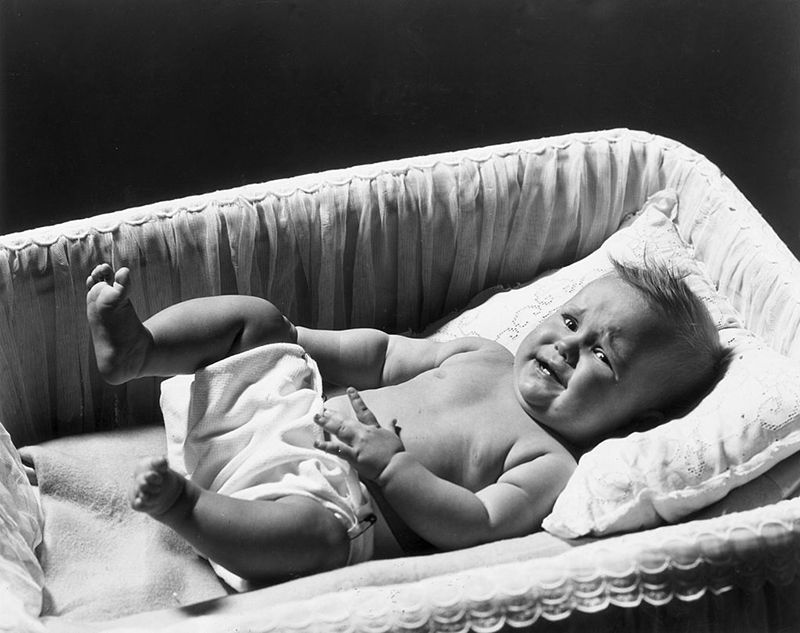
The cry-it-out method was practically gospel in the ’60s. Parenting experts of the era warned that picking up a crying baby too quickly would spoil them.
Many parents followed strict feeding and sleeping schedules, regardless of what the baby was communicating.
Modern child development research tells a very different story. Babies cry to signal genuine needs, and responsive caregiving builds trust and emotional security.
While some sleep-training methods are still used today, they look quite different from the hands-off approach of the ’60s.
7. Relying on Neighbors and Older Siblings for Childcare

Formal daycare was expensive and not widely available in the ’60s. Instead, parents leaned on neighbors, grandparents, and older siblings to watch the little ones.
A twelve-year-old babysitting a toddler was completely normal and expected.
By 1965, only 9.5% of three- and four-year-olds attended any kind of organized program. Today, over half do.
Licensed childcare facilities, background checks, and child-to-caregiver ratios are now standard expectations. Informal arrangements still happen, but the bar for supervision has risen significantly.
8. Giving Kids Almost No Scheduled Activities or Structured Time

Boredom was basically a parenting strategy in the ’60s. Kids weren’t shuttled between soccer practice, piano lessons, and tutoring sessions.
If you were bored, you figured out something to do, and that was considered a valuable life skill.
Today’s children are often over-scheduled from toddlerhood. While structured activities build skills, researchers also point out that unstructured free time boosts creativity and problem-solving.
The ’60s approach accidentally gave kids something modern children rarely get enough of: time to just be kids.
9. Assigning Chores Strictly by Gender
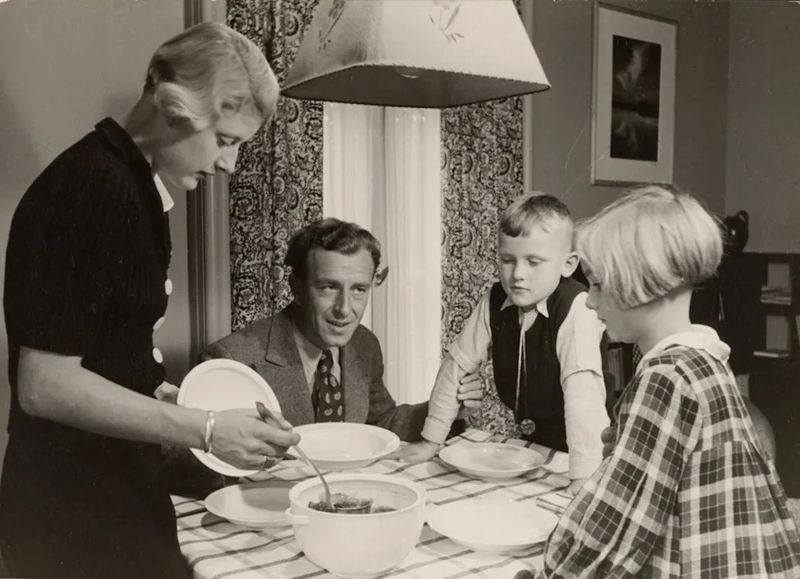
In the ’60s, household chores came with a very clear gender divide. Girls were expected to cook, clean, and do laundry.
Boys handled yard work, took out trash, and did anything involving tools or physical labor outside.
Nobody questioned this system much at the time. Today, parents are encouraged to assign chores based on age and ability, not gender.
Research shows that kids who do a variety of chores develop stronger responsibility, teamwork, and real-world skills regardless of whether they’re boys or girls.
10. Skipping Routine Doctor Visits and Vaccinations
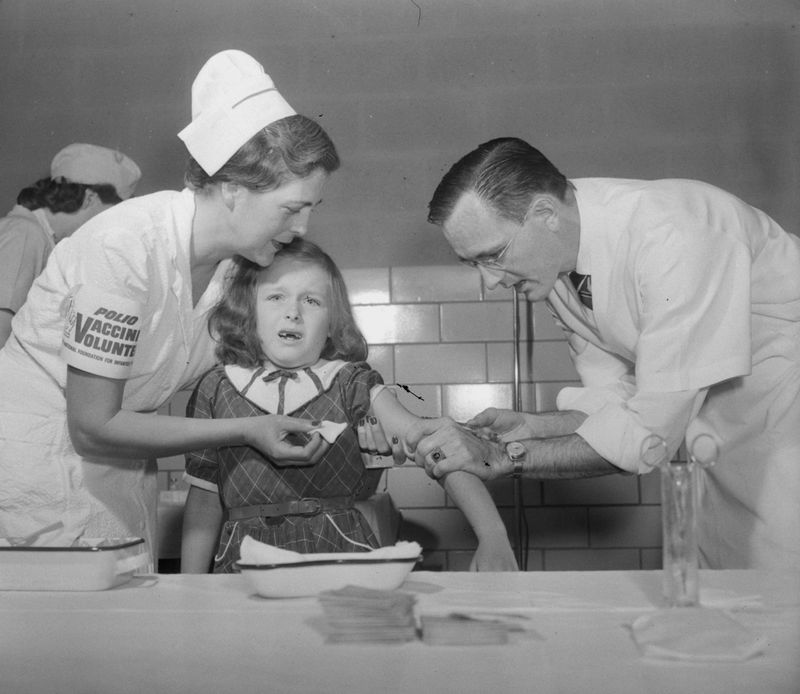
Many families in the ’60s only visited the doctor when something was seriously wrong. Routine checkups weren’t always a priority, and several vaccines we consider standard today simply didn’t exist yet.
Measles, mumps, and rubella ran rampant as a result.
A rubella epidemic from 1964 to 1965 caused 12.5 million infections and 20,000 babies born with serious birth defects. Widespread vaccination programs launched in the late ’60s changed everything.
Today, well-child visits and immunization schedules are central to modern pediatric care.
11. Letting Kids Walk to School Alone From a Young Age
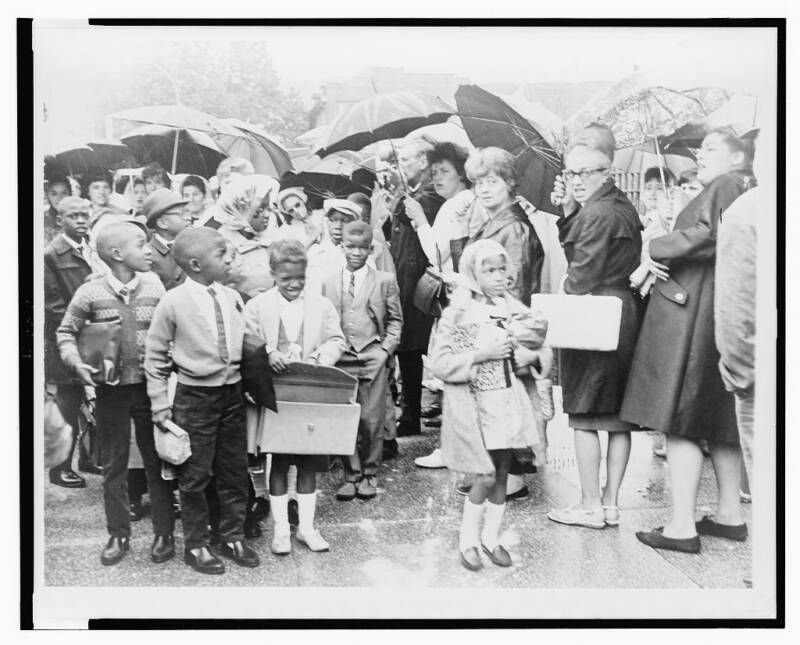
Walking to school solo was a rite of passage in the ’60s, even for kids as young as five or six. Parents waved from the doorway and trusted their children to make it safely.
It built confidence, independence, and a sense of belonging in the neighborhood.
Today, many parents drive their children to school or accompany them every step of the way. Fear of traffic, strangers, and liability has shifted the culture dramatically.
Some states have even introduced laws defining minimum ages for children walking alone.
12. Teaching Kids to Fear All Strangers Without Nuance
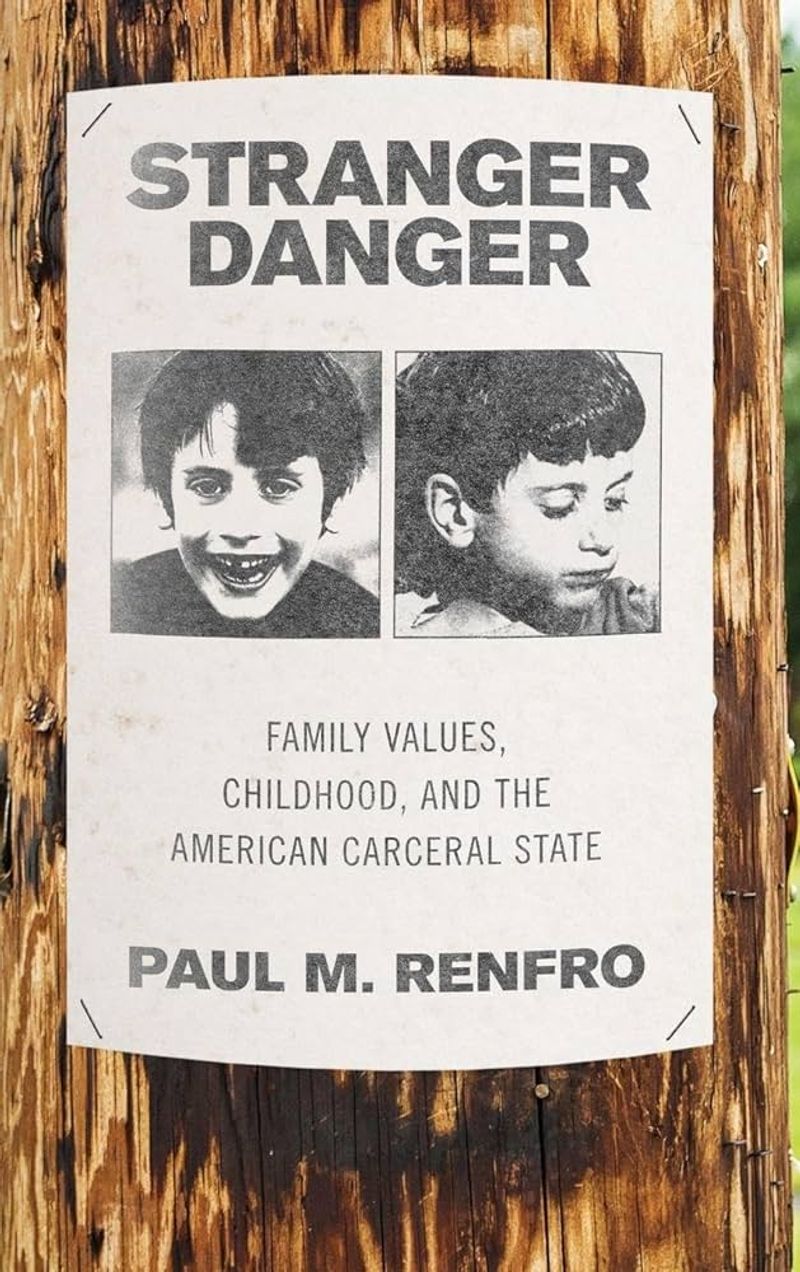
“Stranger danger” became a household phrase in the ’60s, drummed into children through books, posters, and TV announcements. The message was simple: never talk to someone you don’t know.
Period. No exceptions, no context.
Child safety experts today know that blanket fear of all strangers isn’t actually protective. Most abuse comes from people a child already knows.
Modern safety education focuses on recognizing unsafe behavior and situations rather than labeling every unknown adult as a threat. The shift is both smarter and more accurate.
13. Expecting Kids to Spend Hours Entertaining Themselves Without Screens
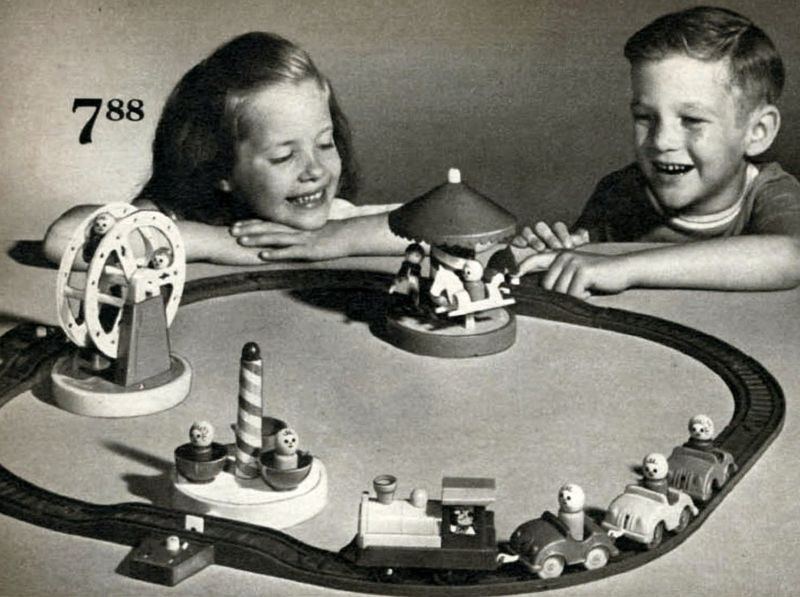
No tablets, no streaming, no video games. When the one family television was off, kids were on their own.
Parents in the ’60s didn’t feel responsible for keeping children entertained, and most kids adapted by building elaborate imaginary worlds with whatever they could find.
Screen time debates dominate modern parenting conversations. While technology has its benefits, many child development experts worry about the impact of excessive screen use on attention and creativity.
Ironically, the boredom that ’60s kids complained about may have been quietly building their brains all along.
14. Involving Children in Family Budgeting and Bill Paying

Money wasn’t always a hush-hush topic in ’60s households. Some parents openly involved older kids in balancing the household budget, sorting bills, and understanding where the family’s money went.
It wasn’t unusual for a twelve-year-old to know exactly how tight things were.
Today, financial literacy for kids is making a comeback through apps and school programs, but many parents still shield children from money stress. The ’60s approach, while sometimes anxiety-inducing, gave kids a practical head start on understanding real-world financial responsibility from a young age.
15. Spending Almost No Dedicated One-on-One Time With Kids

Mothers in 1965 averaged just 54 minutes a day on direct childcare, while fathers clocked about 16 minutes. Parents weren’t expected to be their child’s playmate, tutor, or emotional coach.
Kids were loved, fed, and sheltered, and that was considered a job well done.
Modern parenting culture puts enormous value on quality time, emotional attunement, and active involvement. Today’s parents spend significantly more hours engaged directly with their children.
Whether that shift has made kids more confident or more anxious is a debate that researchers are still actively exploring.
16. Brushing Off Mental Health Struggles as “Growing Pains”

Anxiety, depression, and emotional struggles in children were rarely taken seriously in the ’60s. Most parents chalked it up to a phase, told kids to toughen up, or simply changed the subject.
Mental health wasn’t something families talked about openly.
Child psychology has advanced enormously since then. Today, schools have counselors, pediatricians screen for anxiety and depression, and therapy for children is widely accepted and encouraged.
Recognizing that kids have real emotional needs isn’t coddling anymore. It’s considered responsible, informed parenting backed by decades of solid research.