
Generation Z, born roughly between 1997 and 2012, is rewriting the rulebook on how to live, work, and spend money. From skipping the traditional 9-to-5 grind to embracing mental health conversations openly, this generation is charting a bold new course.
They are not simply rebelling against the past — they are thoughtfully building something better. Here is a look at how Gen Z is doing life on their own terms.
1. Choosing Non-Traditional Career Paths

Forget the straight-and-narrow career ladder — Gen Z is taking the scenic route. About half of Gen Z workers prefer non-traditional career paths, compared to less than a quarter of Gen X and Boomers.
That is a massive shift in thinking.
Instead of climbing one corporate ladder, many are piecing together income from freelancing, content creation, and passion projects. For them, a fulfilling career looks more like a patchwork quilt than a single thread.
2. Dreaming of Running Their Own Business

Over half of Gen Z — 54% — want to start their own company someday, and among students in grades 5 through 12, a whopping 77% want to be their own boss. That entrepreneurial fire is burning bright and early.
Growing up with YouTube success stories and Instagram businesses, Gen Z sees entrepreneurship as achievable, not just aspirational. They are not waiting for someone to hand them an opportunity — they are building one from scratch.
3. Aspiring to Be Social Media Stars
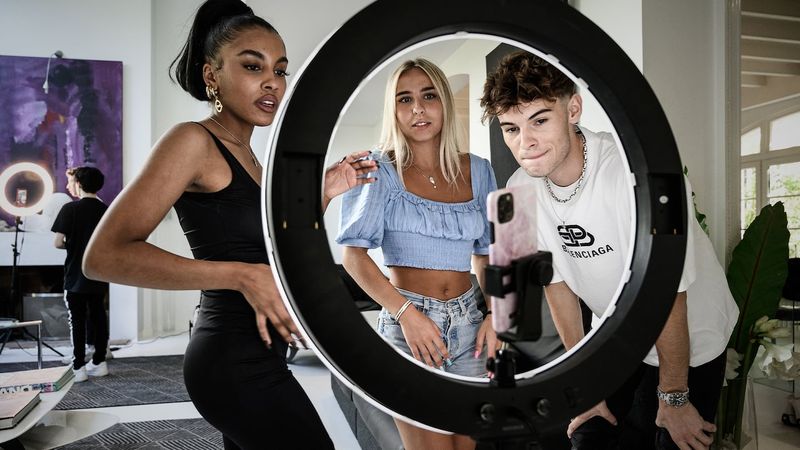
When older generations dreamed of becoming rock stars or movie actors, Gen Z set its sights on something newer: social media fame. Being a content creator ranks higher than acting or singing on Gen Z career wish lists, which says a lot about how the digital world has reshaped ambition.
Platforms like TikTok and YouTube have turned ordinary teens into household names. For Gen Z, a smartphone and a solid idea can genuinely launch a career.
4. Putting Work-Life Balance First
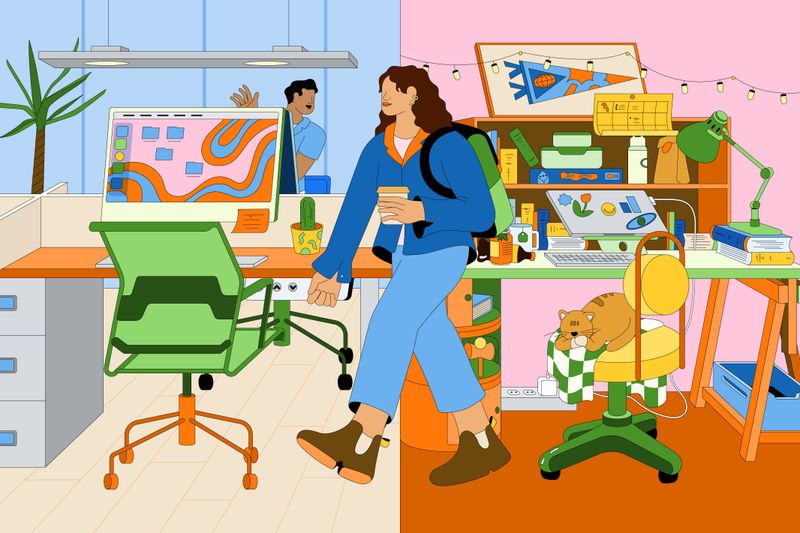
Nearly half of Gen Z — 49% — actively seeks careers that offer a healthier work-life balance, and 36% want complete flexibility in how and when they work. Burnout is not a badge of honor for this crowd.
Having watched older relatives sacrifice family time and personal health for jobs that eventually downsized them anyway, Gen Z decided early that no paycheck is worth losing yourself over. Balance is not a perk to them — it is a baseline requirement.
5. Questioning the 40-Hour Workweek

More than half of Gen Z — 57% — believe the traditional 40-hour workweek is simply not mentally healthy. That is a bold stance, and it is backed by real feelings of exhaustion and anxiety tied to overwork culture.
Rather than grinding endlessly, Gen Z gravitates toward results-based work models where output matters more than hours logged. They are pushing companies to rethink productivity, and honestly, the data on workplace burnout suggests they might be onto something real.
6. Making Career Choices Based on Cost of Living
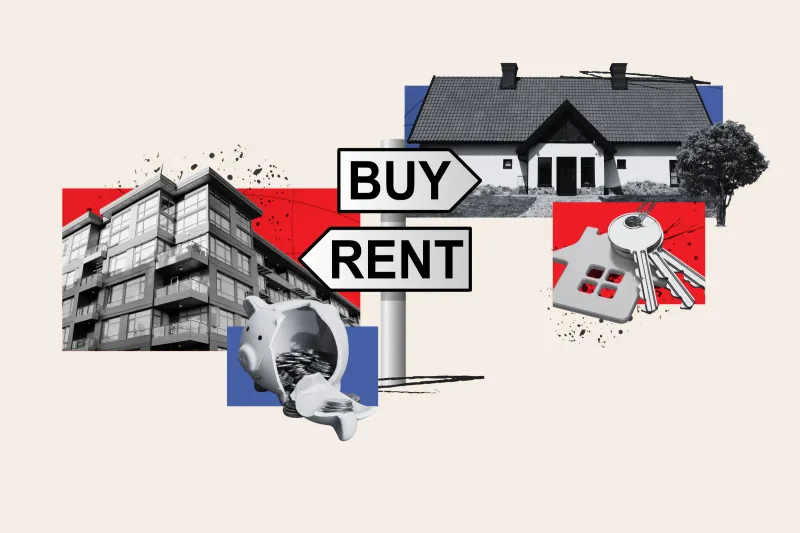
Salary and cost of living are top factors when Gen Z picks a job or city to settle in. Unlike earlier generations who might chase prestige or brand-name employers, Gen Z runs the numbers first and asks, “Can I actually afford to live here?”
With skyrocketing rent and student loan debt looming large, financial survival is a very real concern. Gen Z is practical in a way that older generations sometimes were not forced to be at the same age.
7. Working Less in Their Teenage Years
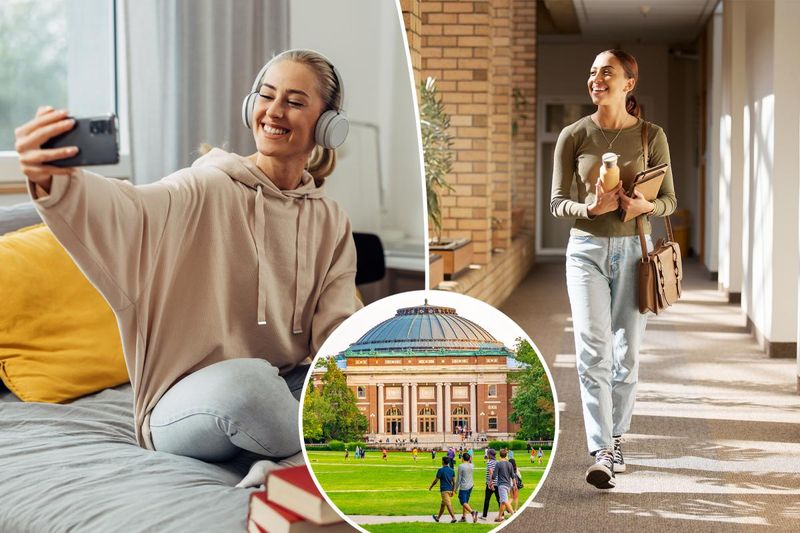
Compared to Gen X or Boomers at the same age, Gen Z teens are less likely to hold part-time jobs. Some see this as laziness, but the reality is more nuanced and actually pretty reasonable.
Many Gen Z teens are investing that time in academics, extracurriculars, or building online skills that pay off later. The gig economy and digital opportunities have also changed what “earning early” can look like — it does not always mean flipping burgers at 16.
8. Shopping Smart and Waiting for Sales

A striking 79% of Gen Z shoppers wait for products to go on sale before buying. But this is not just about being cheap — Gen Z weighs emotional and social value just as much as price tags when making purchases.
They want to feel good about what they buy, whether that means scoring a deal, supporting an ethical brand, or finding a quirky vintage piece. Smart shopping, for Gen Z, is practically an art form worth bragging about.
9. Embracing Dupes and Vintage Finds
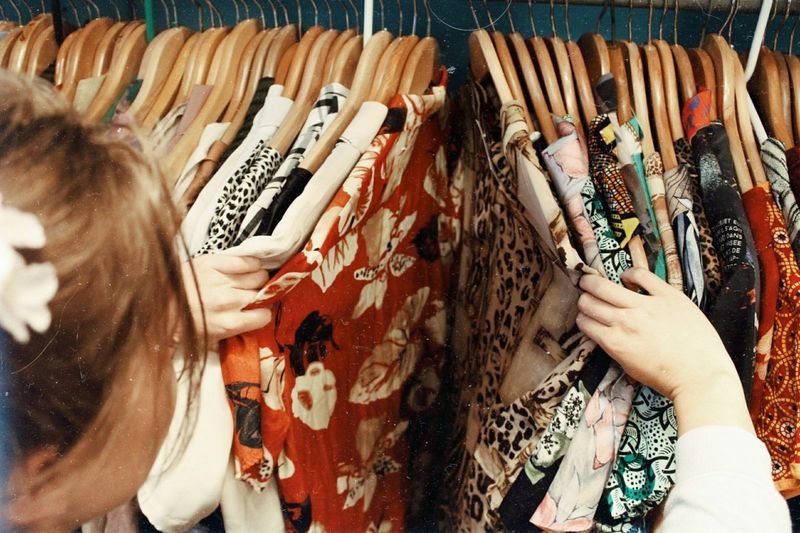
Brand loyalty? Not really Gen Z’s thing.
This generation is perfectly happy buying a less expensive “dupe” of a designer product or hunting through thrift stores for vintage treasures. The vibe matters more than the label.
Thrifting has gone from necessity to cultural statement for Gen Z. Resale platforms like Depop and ThredUp have exploded in popularity because Gen Z sees buying secondhand as both financially savvy and environmentally responsible — a two-for-one win they genuinely celebrate.
10. Cutting Everyday Expenses to Splurge on What Matters

Gen Z has mastered the art of reallocating spending — skipping the daily fancy coffee to save up for a music festival or international trip. Every small sacrifice feels intentional rather than restrictive when there is something exciting on the horizon.
Financial experts sometimes call this “conscious spending,” and Gen Z has been doing it instinctively. They would rather have one unforgettable experience than a closet full of things they do not truly need or deeply care about.
11. Banking Digitally and Ditching Physical Branches
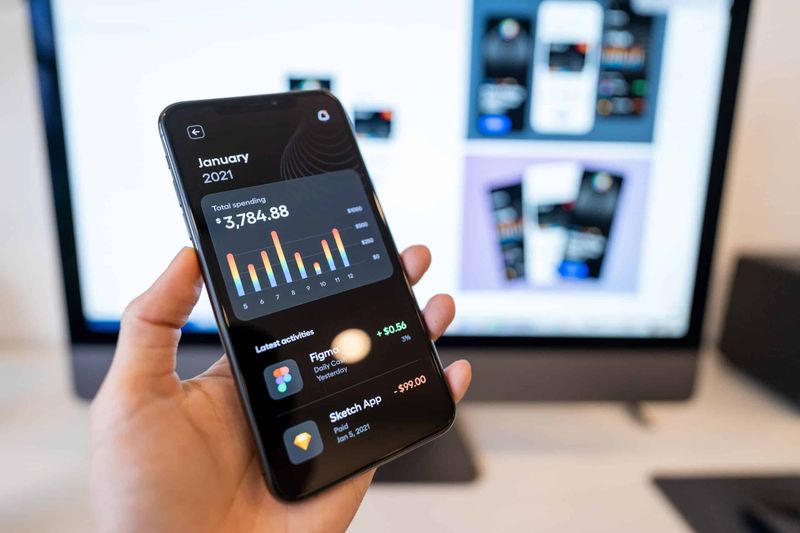
Gen Z is the most likely generation to have a digital-only bank account, and the idea of driving to a physical bank branch feels as outdated to them as using a fax machine. Everything they need is in their pocket.
Apps like Chime, Cash App, and online-only banks offer instant transfers, no-fee accounts, and real-time spending alerts. For a generation that grew up managing everything digitally, trusting a smartphone with their finances feels completely natural and even smarter.
12. Investing in Crypto and Digital Assets

Compared to Baby Boomers, Gen Z shows a noticeably stronger interest in cryptocurrency and digital asset investing. Bitcoin, Ethereum, and even NFTs have been part of their financial conversations since they were barely old enough to open a bank account.
Growing up with the internet means digital currencies feel less intimidating and more logical to Gen Z. They are willing to accept higher risk for potentially higher rewards — a mindset that separates them sharply from more conservative older investors.
13. Spending on Experiences Over Stuff
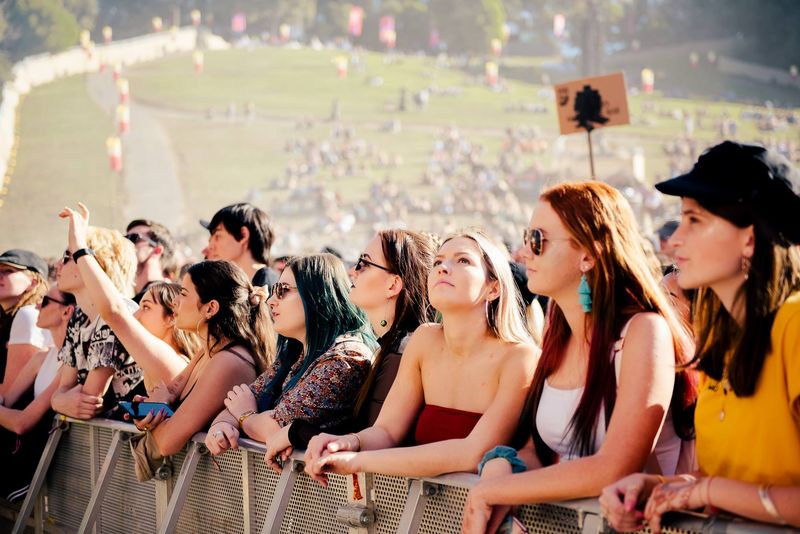
Ask a Gen Zer what they would rather have — a new gadget or tickets to a once-in-a-lifetime concert — and most will choose the experience without hesitation. Travel and live events consistently rank as their top spending priorities.
Research backs this up: experiences create stronger memories and deeper happiness than physical possessions. Gen Z seems to have figured this out earlier than most generations did, choosing moments over materials in a way that genuinely reshapes how they budget and plan their lives.
14. Living Life on Social Media Daily
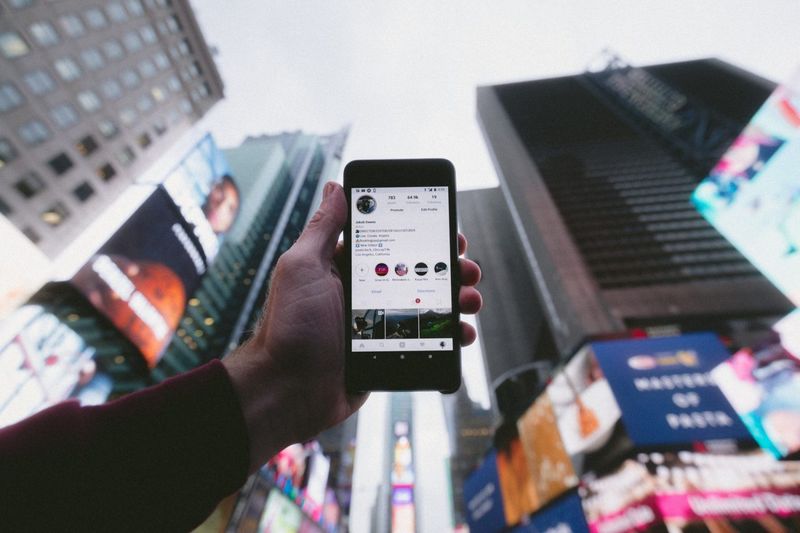
With over three hours of daily social media use on average, Gen Z is the most digitally active generation alive. YouTube, Instagram, and TikTok dominate their feeds, while platforms like Facebook feel like relics of another era.
Social media is not just entertainment for Gen Z — it is how they discover trends, connect with communities, find jobs, and process world events. The scroll is both a hobby and a lifestyle tool, deeply woven into nearly every part of their day.
15. Getting the News From Social Media

Traditional TV news broadcasts? Most Gen Zers have never sat down to watch one on purpose.
They get breaking news from Twitter threads, TikTok explainers, and Instagram stories — often before mainstream outlets have even published their articles.
While critics worry about misinformation, many Gen Zers have developed sharp skills for cross-checking sources. They follow independent journalists, fact-checkers, and a wide range of voices online, building a more personalized and often more diverse media diet than previous generations ever had access to.
16. Committing Deeply to Sustainability

A remarkable 82% of Gen Z express genuine concern about the planet, and 72% have actively changed their behavior to reduce their environmental footprint. This is not performative — it shows up in their buying habits, travel choices, and daily routines.
They are willing to pay more for sustainable products and call out brands that greenwash. Older generations may have cared about the environment in theory; Gen Z is making it a personal responsibility that influences nearly every decision they make.
17. Feeling the Real Weight of Climate Anxiety

Nearly half of Gen Z — 49% — say they personally feel the effects of climate change, compared to 38% of Baby Boomers and older generations. That gap in lived experience explains a lot about why Gen Z approaches environmental issues with such urgency.
Climate anxiety is a recognized mental health concern for this generation. Many therapists now specialize in eco-grief.
Rather than shutting down, most Gen Zers channel that anxiety into activism, lifestyle changes, and pushing loudly for systemic policy shifts at every level of government.
18. Showing Up for Social Justice and Activism

Almost one-third of Gen Z regularly participates in activism or social justice work. Whether organizing online campaigns or showing up at in-person rallies, this generation treats civic engagement as a normal part of adult life, not an occasional duty.
Their activism spans racial equality, LGBTQ+ rights, climate justice, and economic fairness. Social media gives their movements enormous reach and speed.
Gen Z did not invent protest, but they have absolutely modernized it in ways that older generations are still catching up to understand.
19. Talking Openly About Mental Health
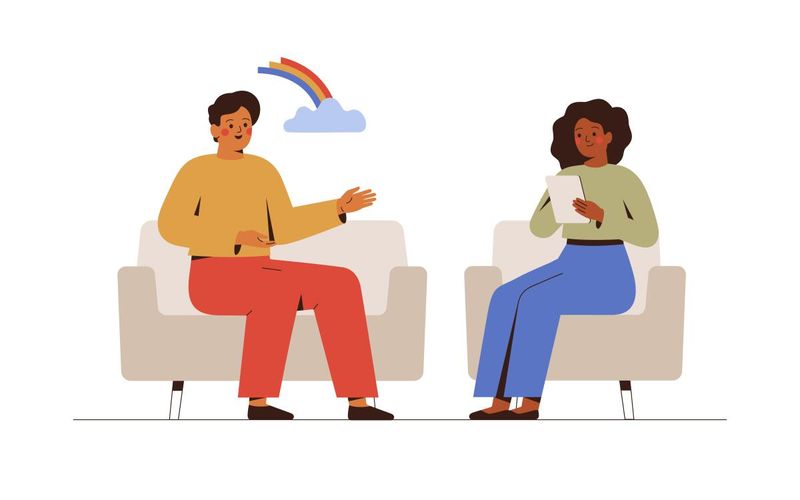
With 42% of Gen Z struggling with depression and 61% diagnosed with anxiety, mental health is not a taboo topic for this generation — it is a dinner table conversation. They grew up watching influencers share therapy journeys online, which normalized getting help early.
Roughly 42% of Gen Z report going to therapy, a rate far higher than any previous generation at the same age. They see asking for help as strength, not weakness — a perspective shift that could genuinely change how society handles mental health for decades to come.
20. Rethinking College and Embracing Trade Jobs

Gen Z is more likely to finish high school than previous generations, but growing numbers are side-eyeing the traditional four-year college degree. With tuition skyrocketing and student debt becoming a generational crisis, the math simply does not always add up.
Trade jobs — electricians, plumbers, HVAC technicians — are having a serious Gen Z moment. Many young people are discovering that skilled trades offer solid pay, job security, and real satisfaction without a mountain of debt.
Turns out, a wrench can be just as powerful as a diploma.