
Every family has that one relative who drops a phrase that makes everyone under 30 stop and stare blankly. Older generations grew up with a whole vocabulary that made perfect sense back then, but sounds like a foreign language today.
Words and sayings change as culture shifts, technology advances, and old traditions fade away. Getting familiar with these old-school expressions is actually a fun way to connect with history and the people who lived it.
1. Don’t Touch That Dial!
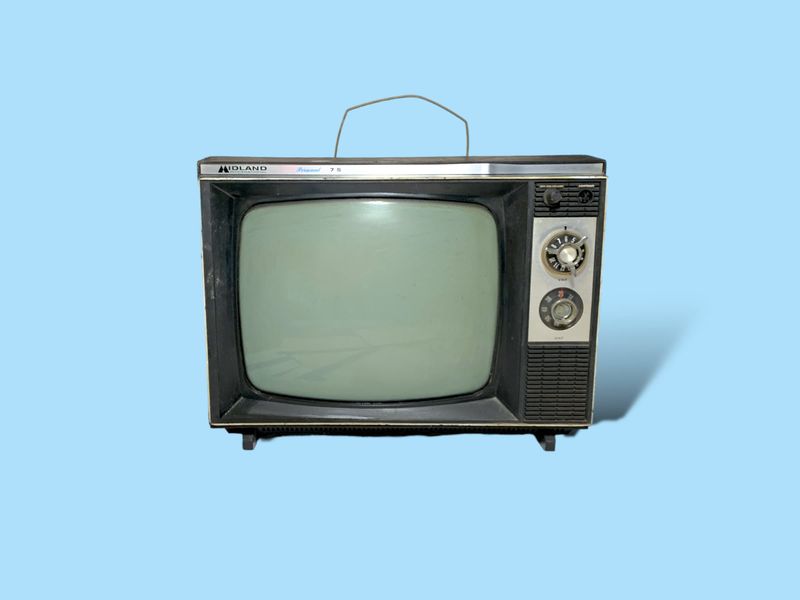
Back when televisions had physical dials you had to spin by hand, this phrase made total sense. Broadcasters would shout it during commercials to keep viewers from flipping away.
Nowadays, nobody even knows what a TV dial looks like in person.
Remote controls replaced dials decades ago, and streaming made channel-flipping nearly extinct. Younger viewers just tap a screen or ask a voice assistant what to watch next.
The urgency behind this old command has completely evaporated in the digital age.
2. Pleased as Punch
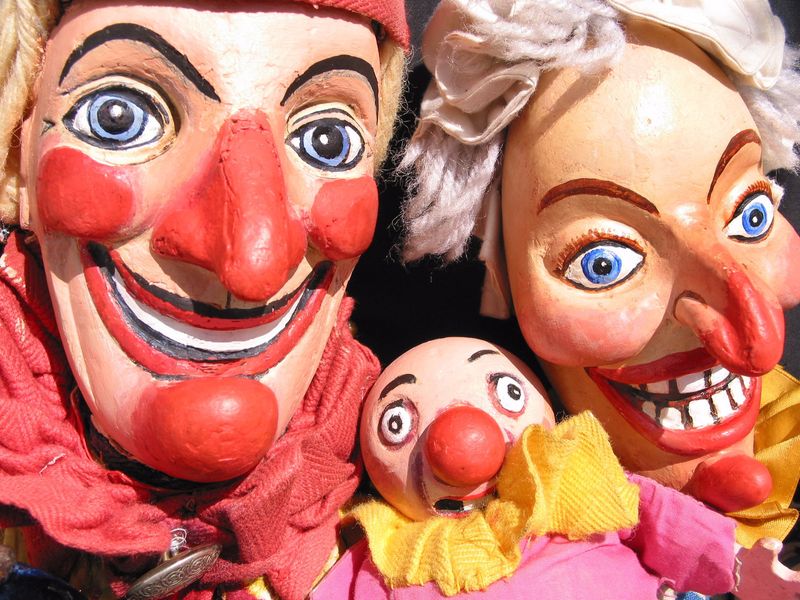
Picture the most ridiculously happy person you have ever seen, and that is what this phrase is trying to describe. “Pleased as Punch” comes from the old puppet show character Mr. Punch, who was always cackling with self-satisfied glee. Most kids today have never even heard of that puppet show.
The phrase simply means someone is extremely happy or satisfied. Without knowing the puppetry history behind it, the connection between happiness and “Punch” feels totally random and weird to younger ears.
3. Cat Got Your Tongue?

Imagine being asked this when you go silent and just stare back in total confusion. That reaction is exactly what happens when older folks toss this phrase at a quiet younger person.
It is meant to ask why someone has suddenly stopped talking.
The image of a cat literally stealing your tongue is both bizarre and oddly specific. Nobody is sure where the saying truly came from, but theories include ancient punishments and naval traditions.
Either way, it sounds more like a horror movie plot than a simple question today.
4. Beyond the Pale
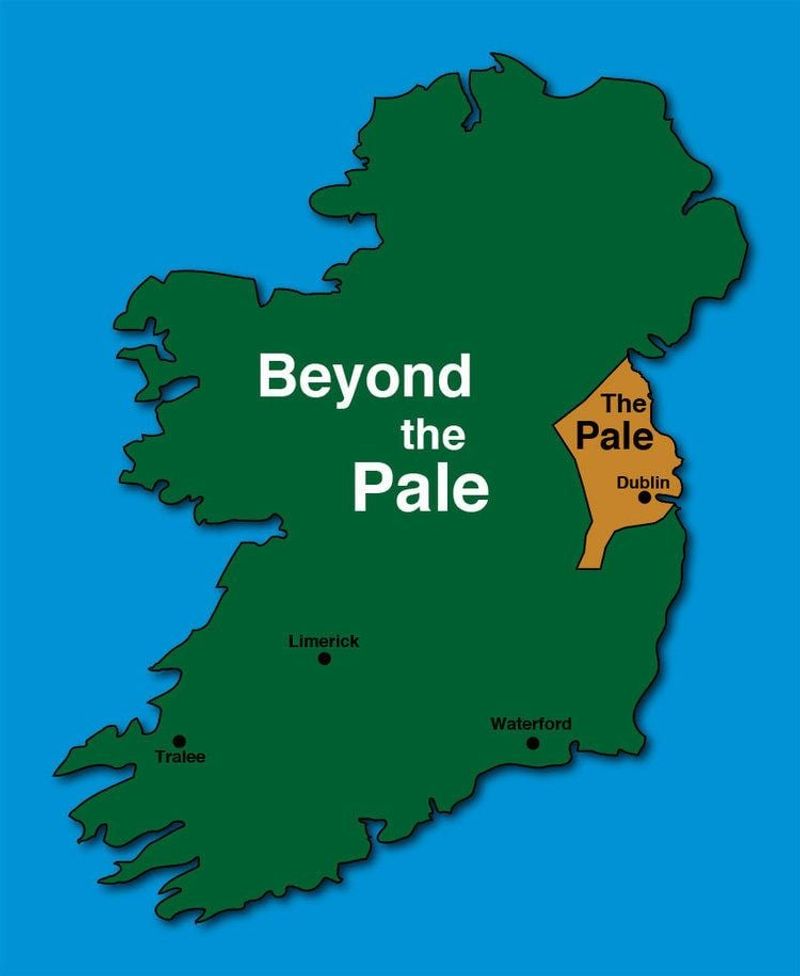
This phrase is used to describe behavior that is completely unacceptable or shockingly out of line. Its roots go back to the “Pale,” a fenced boundary marking controlled English territory in medieval Ireland.
Anything outside that fence was considered wild and dangerous.
Today, almost no one knows about the Pale of Dublin, which makes the phrase feel like a riddle. Younger people might think it refers to skin color, which adds to the confusion.
The historical geography behind it is truly buried under centuries of forgotten context.
5. Close, But No Cigar

At old-time carnivals, winning a game could earn you a cigar as the grand prize. So falling just short meant you tried hard but walked away without the stogie.
That is the entire backstory of this classic near-miss phrase.
Cigars are not exactly the flashy prizes handed out at modern amusement parks, so the reference lands flat with younger crowds. The meaning, that you almost succeeded but not quite, is still totally relatable.
It is just the cigar part that leaves people scratching their heads today.
6. Saved by the Bell
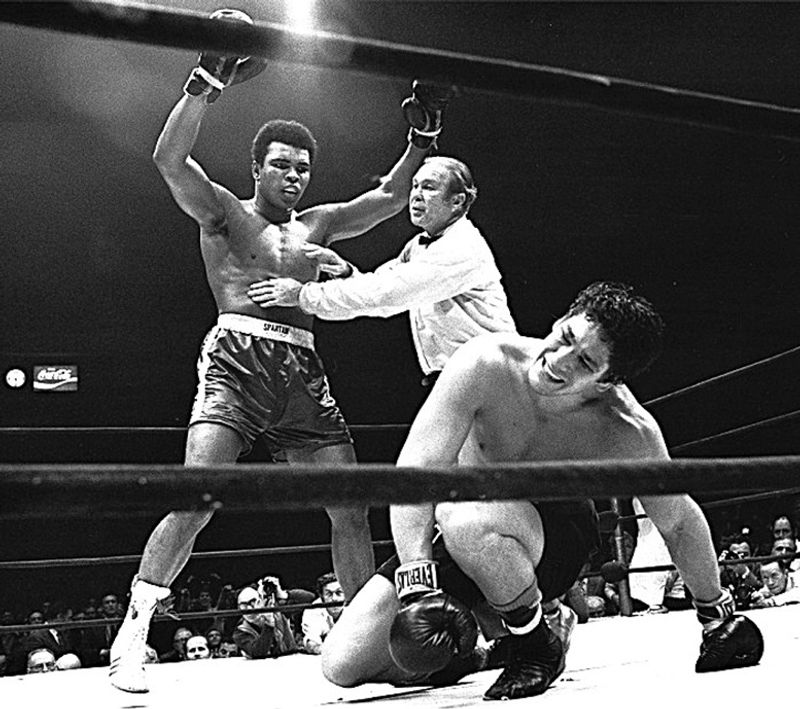
Most people under 25 hear this and immediately think of the old teen sitcom rather than its boxing origins. In the ring, a fighter who was about to lose could be rescued when the round-ending bell rang before the referee counted them out.
That bell literally saved them.
The phrase evolved into everyday use meaning anything that rescues you from a bad situation at the last second. Pop culture kept it alive, but the boxing connection has mostly faded from memory.
It is a rare phrase that survived thanks to a TV show, not its origins.
7. Going Hog Wild

Rural farm life gave birth to a lot of colorful expressions, and this one is a prime example. When a hog got loose and went wild, it was chaotic, messy, and completely out of control.
That energy is exactly what the phrase is meant to capture.
Saying someone went hog wild means they acted with zero restraint or went totally overboard with excitement. For kids who have never seen a wild hog in real life, the mental image does not quite connect.
Still, the raw energy behind the phrase is hard to miss.
8. Put a Sock in It!
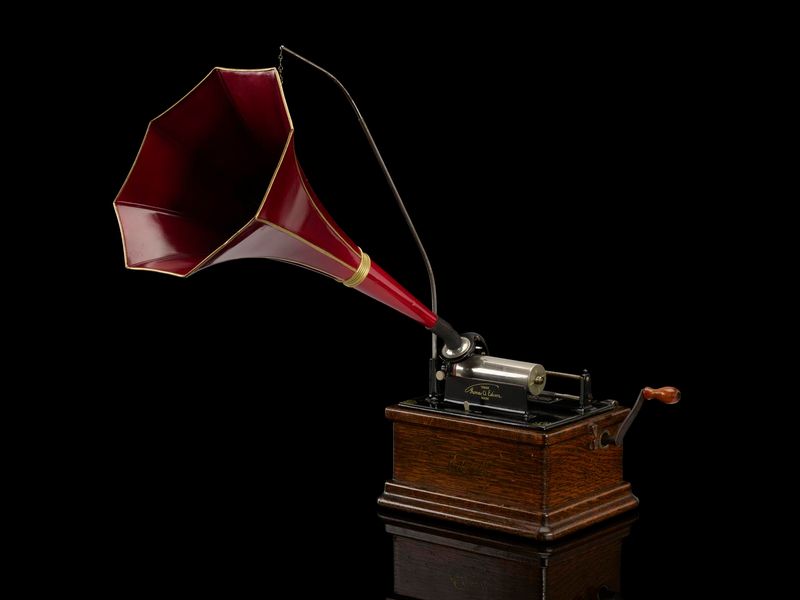
Early gramophones and phonographs had no volume control, so people actually stuffed socks into the horn to muffle the noise. That quirky solution gave birth to this blunt command meaning “be quiet.” It is oddly creative when you know the backstory.
Today, telling someone to put a sock in it sounds more like an insult than a clever reference to old audio technology. Younger generations have volume sliders, mute buttons, and noise-canceling headphones.
The idea of a sock solving a sound problem feels hilariously low-tech by modern standards.
9. Take a Gander

A gander is a male goose, and geese are famously nosy creatures that stretch their necks to peer at everything around them. That curious, neck-craning behavior inspired this old way of saying “take a look.” It is actually a pretty charming image when you think about it.
Most younger people have never used the word gander outside of “goose and gander” nursery rhymes, if even then. When grandpa says “take a gander at this,” blank stares tend to follow.
The goose connection makes it endearing once you finally get the explanation.
10. Full of Beans

Energy drinks and espresso shots are how younger generations describe being hyped up, but older folks had a simpler explanation. Being “full of beans” meant someone was bursting with lively energy and high spirits.
The exact connection between beans and energy is a bit murky historically.
One theory suggests that horses fed on beans became unusually spirited and active. Another links it to the natural energy boost legumes provide.
Regardless of origin, calling someone full of beans today is more likely to get a food joke than a knowing nod.
11. The Bee’s Knees

Back in the roaring 1920s, nonsense phrases were all the rage as a form of playful slang. Calling something the bee’s knees was the hippest way to say it was absolutely the best.
Flappers and jazz lovers used it constantly at parties and speakeasies.
The phrase does not actually have a logical connection to bees or their anatomy. It was part of a trend of silly animal-body-part expressions like “the cat’s pajamas.” Today it sounds more like something from a cartoon than a genuine compliment, but its charm is undeniable.
12. Spill the Beans
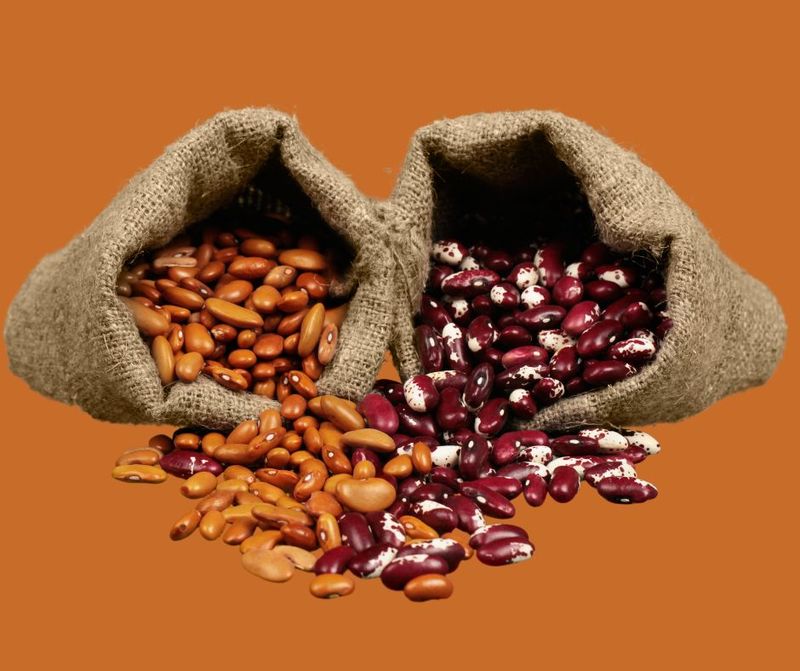
Ancient Greek voting used beans as secret ballots placed in jars, and accidentally knocking the jar over would reveal the hidden vote early. That sneaky historical moment may have inspired this phrase about revealing secrets.
Whether or not that origin is accurate, the saying stuck around for centuries.
Telling someone to spill the beans is still used today, making it one of the more resilient old expressions on this list. Younger people often use it without knowing the possible ancient voting connection.
It has survived partly because the imagery of spilling something still makes intuitive sense.
13. Mad as a Hatter
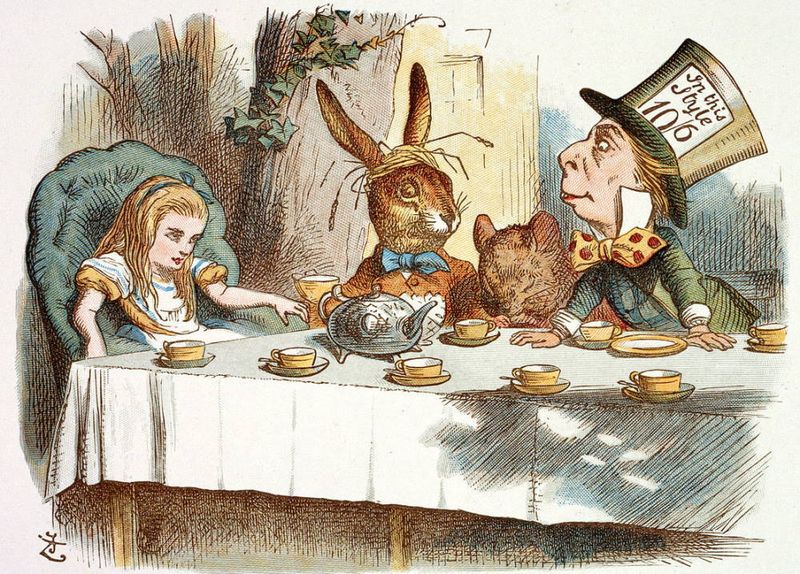
Hat makers in the 18th and 19th centuries used mercury nitrate to shape felt for their hats. Over time, mercury exposure caused serious neurological damage, leading to tremors, mood swings, and erratic behavior.
The phrase “mad as a hatter” was rooted in that very real occupational hazard.
Lewis Carroll immortalized the idea with his iconic Mad Hatter character in Alice in Wonderland. Most people today recognize the character but have no idea about the mercury poisoning history behind it.
The dark industrial reality behind this whimsical phrase is genuinely surprising.
14. Having a Gas

Long before gas became something you pump into a car or a punchline for bathroom humor, it was slang for something wildly entertaining. Saying you were “having a gas” meant you were having an absolute blast.
The expression was especially popular in mid-20th century American slang circles.
Younger generations might picture fuel pumps or uncomfortable dinner situations when they hear this phrase. The fun, carefree meaning has been completely overshadowed by more modern associations with the word gas.
Still, hearing an older relative use it at a family cookout is pretty entertaining in its own right.
15. Zip Your Lip
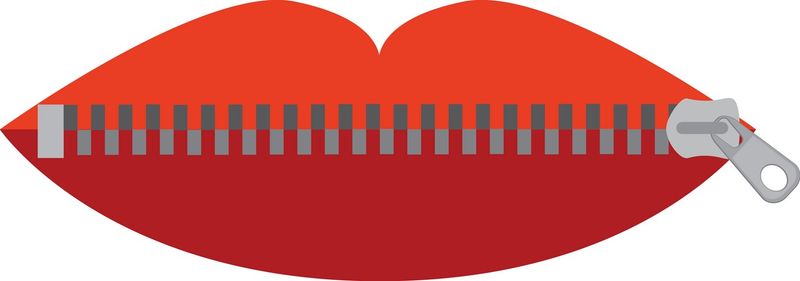
Few commands are more visually satisfying than imagining a zipper running across someone’s mouth to lock in the noise. “Zip your lip” is a colorful and slightly bossy way to tell someone to stop talking immediately. It has the same energy as “pipe down” or “button it.”
The phrase is direct enough that its meaning is usually understood even without cultural context. Still, it sounds like something a no-nonsense grandparent would snap at a rowdy dinner table rather than everyday modern conversation.
Its sharp, no-frills attitude gives it a personality all its own.
16. Don’t Let the Bedbugs Bite

For most of history, bedbugs were a very real and common household problem that people genuinely worried about at night. Tucking someone in with a warning about bedbugs was actually practical advice dressed up as a sweet goodnight wish.
Over time it became a warm, almost musical bedtime ritual.
Modern pest control has made bedbugs a rare concern for most households, stripping the phrase of its original practical meaning. Now it sounds more like a quirky rhyme than a genuine warning.
Kids today often hear it and picture cartoon bugs, not an actual infestation concern.
17. An Ounce of Prevention Is Worth a Pound of Cure
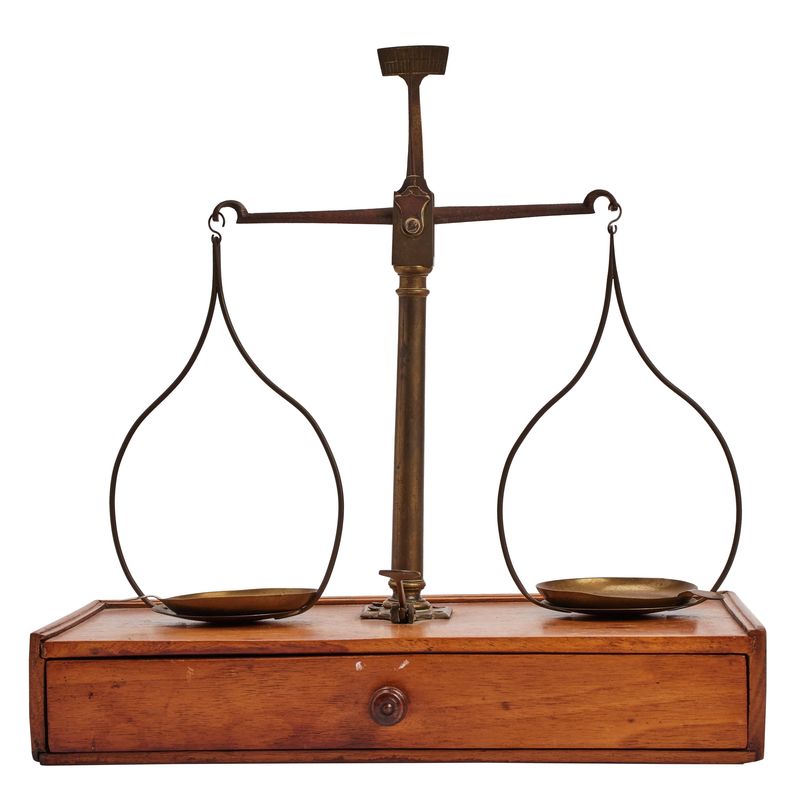
Benjamin Franklin is often credited with this wise saying, and its message is timeless: stopping a problem before it starts beats fixing it afterward. The logic is rock solid, even if the phrasing feels a little formal and old-fashioned to modern ears.
Prevention really does save effort, money, and stress.
The reference to ounces and pounds can feel dated in a world increasingly shifting toward metrics. Younger audiences might connect more with a version using percentages or simpler comparisons.
The wisdom itself holds up perfectly; it is just the packaging that feels like it belongs in another century.
18. Kick the Bucket
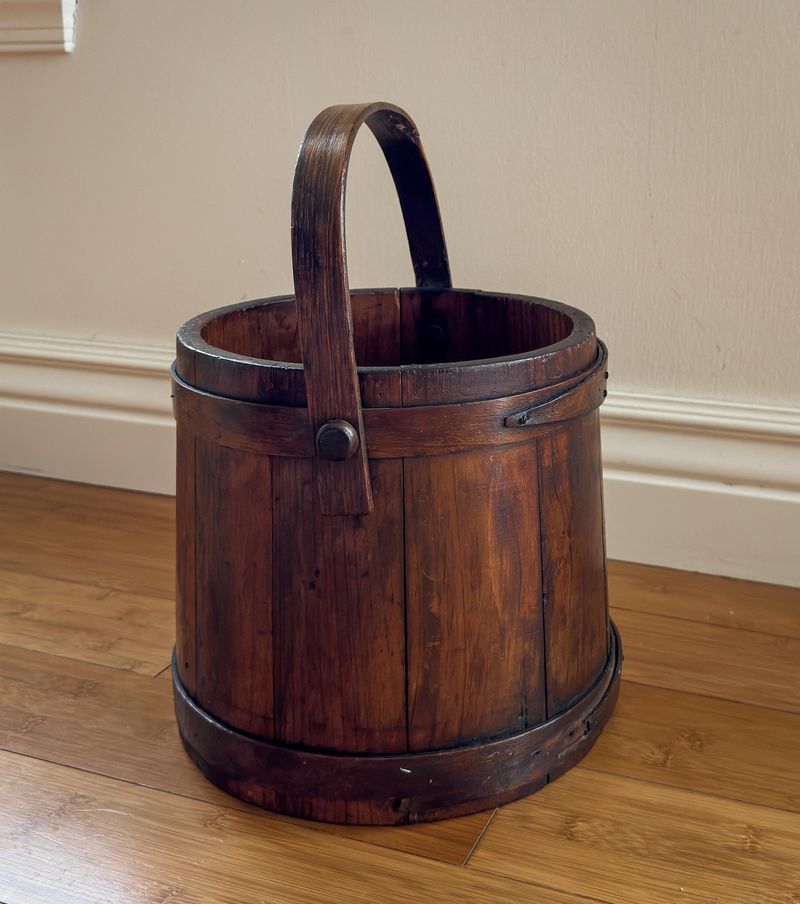
Few phrases sound as casually blunt about death as this one. Saying someone “kicked the bucket” means they passed away, and the origins are genuinely debated among language historians.
One theory links it to a wooden beam called a “bucket” used in old slaughterhouses.
Another theory connects it to suicide by stepping off a bucket, which is grim but historically documented. Either way, the phrase has survived centuries and still gets used today, usually to soften the topic of death with dark humor.
Younger generations sometimes know it but rarely use it without a wink.
19. Burning the Midnight Oil

Before electricity lit up every room, people worked late into the night by burning oil lamps. Staying up to finish a task meant literally burning through your lamp oil supply past midnight.
The phrase captured both the effort and the cost of working through the night.
Electric lights and smartphone screens have completely replaced oil lamps in everyday life, making the original image feel ancient. Younger people still understand the concept of staying up late to work hard.
They just express it differently, usually with something like “I was up until 3 AM grinding.”
20. Well, I’ll Be a Monkey’s Uncle

Shock, disbelief, and total surprise all wrapped into one wonderfully strange expression. This phrase became popular as a sarcastic response to Charles Darwin’s theory of evolution in the 1800s, with people mocking the idea that humans could be related to monkeys.
Over time it lost its sarcasm and just became a fun exclamation.
Today, hearing someone say this in genuine surprise is both charming and slightly baffling. Younger generations express shock with much shorter phrases or even just a single emoji.
The theatrical flair of this old expression is something the digital age has not quite managed to replace.