
Fame comes with a price, and for many celebrities, that price is being judged unfairly by the public and the media. One bad moment, one controversial statement, or one personal struggle can define someone forever in the court of public opinion.
But looking back, many of these stars deserved far more compassion than they received. Here are 20 celebrities who were judged way too harshly.
1. Monica Lewinsky
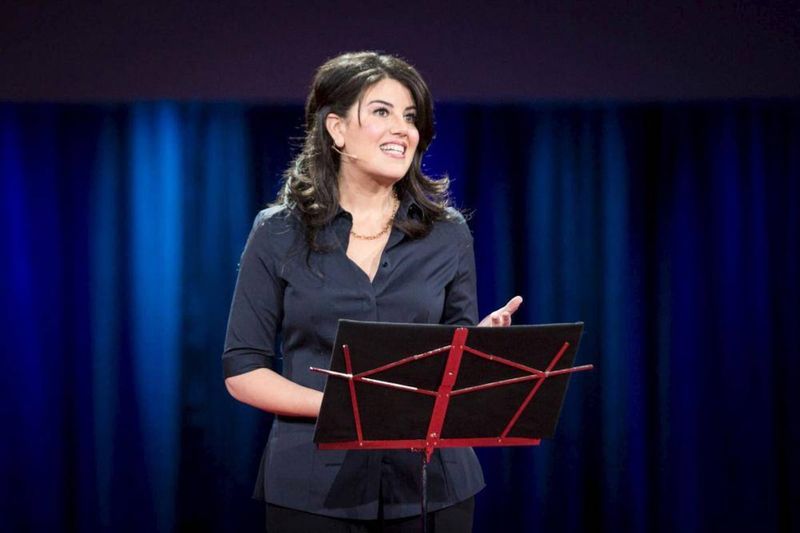
At just 22 years old, Monica Lewinsky found herself at the center of one of the most publicized political scandals in American history. The media turned her into a punchline, and the public followed along without questioning the power imbalance involved.
She spent years rebuilding her life while carrying enormous public shame. Today, she channels that pain into powerful anti-bullying advocacy, proving that resilience can transform even the darkest chapters into meaningful purpose.
2. Britney Spears
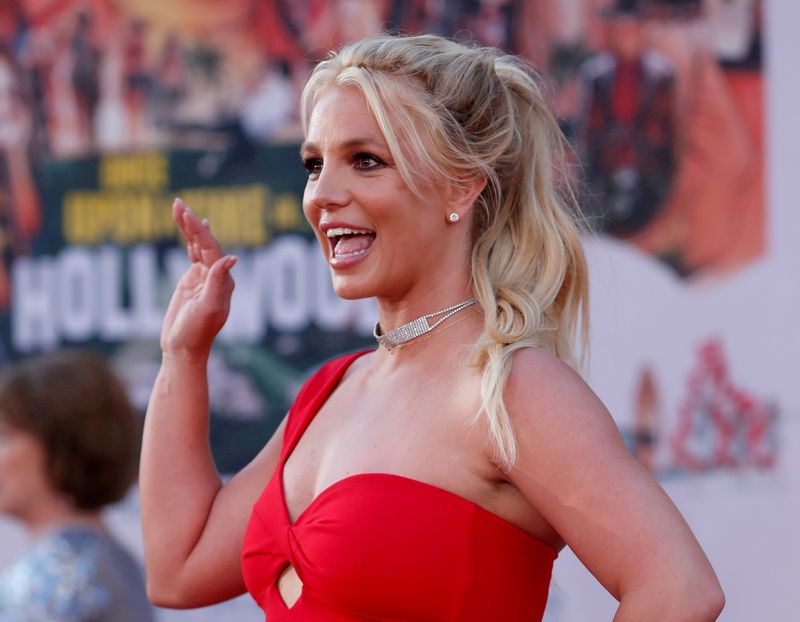
Back in 2007, cameras followed Britney Spears through every breakdown, turning her mental health crisis into a spectacle for public entertainment. Tabloids printed cruel headlines daily, and late-night hosts made her the butt of every joke.
What followed was a conservatorship that controlled nearly every aspect of her life for over 13 years. The #FreeBritney movement eventually forced people to reconsider how harshly she had been treated during her most vulnerable moments.
3. Robert Downey Jr.
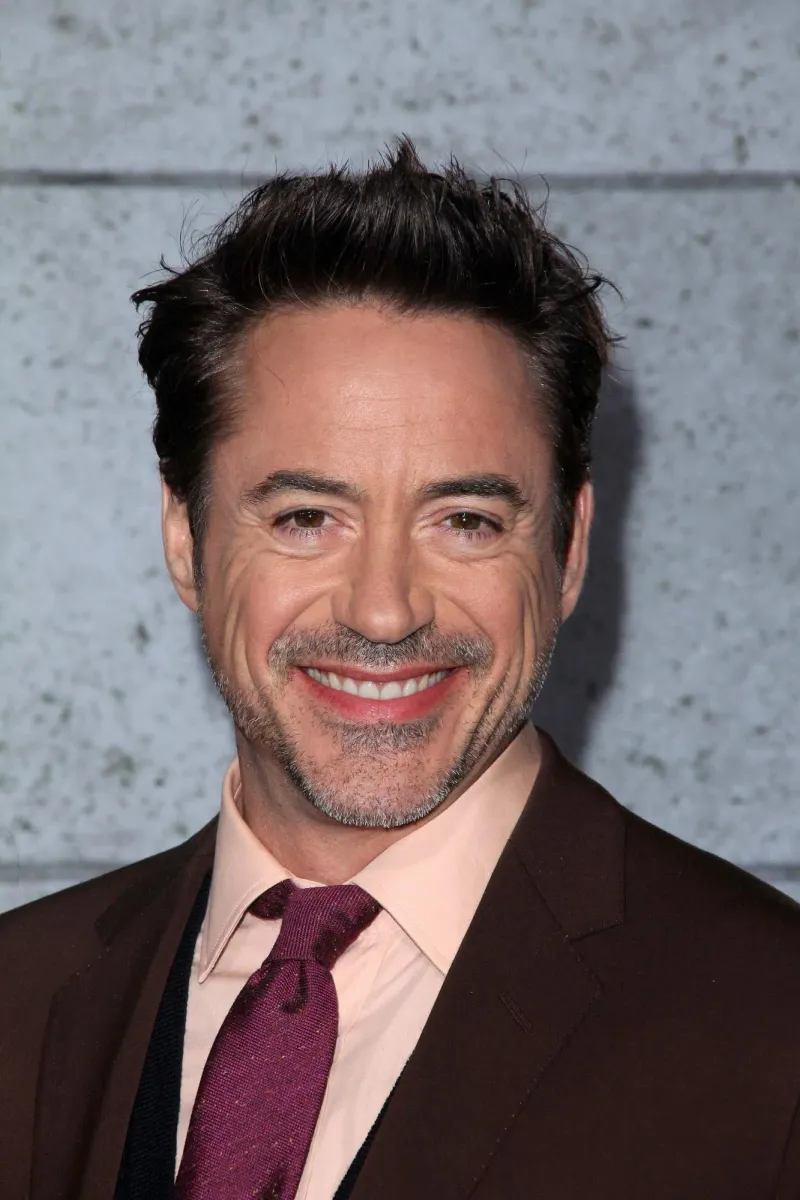
Few Hollywood falls from grace were as dramatic as Robert Downey Jr.’s in the late 1990s. His addiction struggles played out publicly, and studios refused to insure him for film roles, essentially slamming every door in his face.
Critics wrote him off as a lost cause. His jaw-dropping comeback as Iron Man not only revived his career but turned him into one of the most beloved actors of his generation, proving second chances are real.
4. Megan Fox
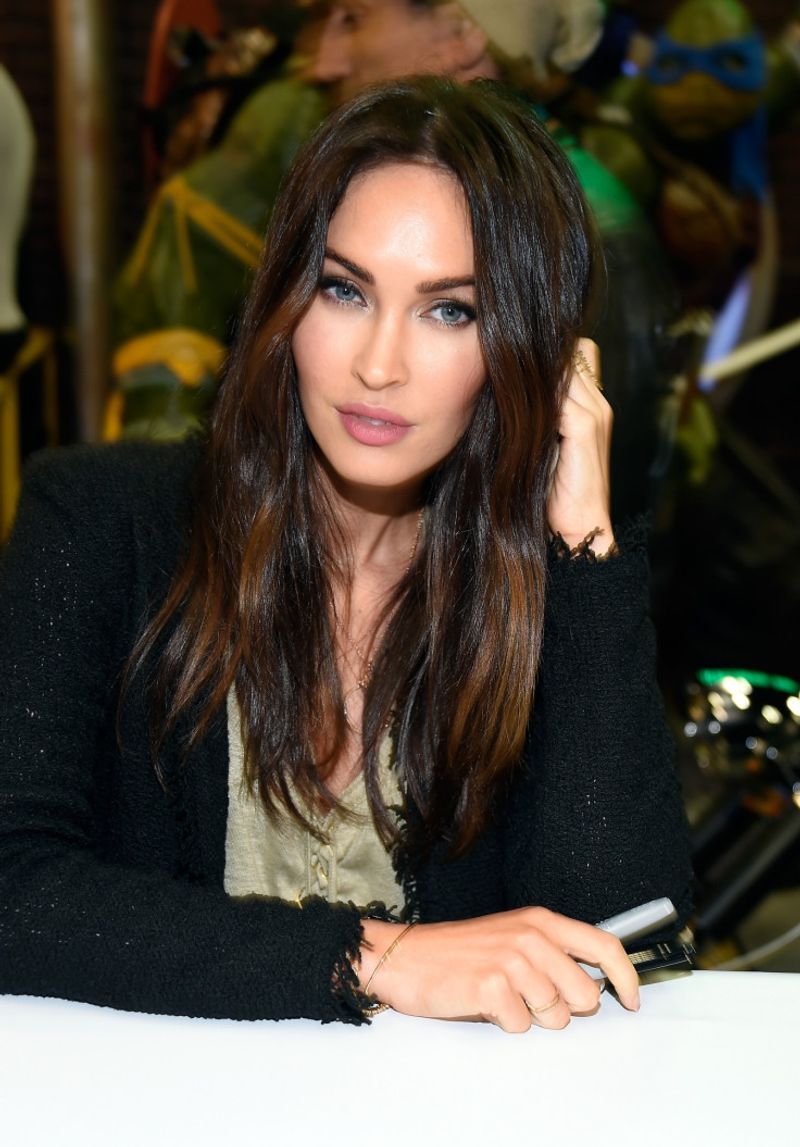
When Megan Fox spoke openly about uncomfortable experiences on the Transformers film set, the industry responded not with support but with punishment. She was quickly labeled difficult and unprofessional, losing major career opportunities almost overnight.
Male actors who criticize directors rarely face similar consequences. Her experience exposed a glaring double standard in Hollywood that silences women who dare to speak up, a conversation the industry is still slowly working through today.
5. Lindsay Lohan
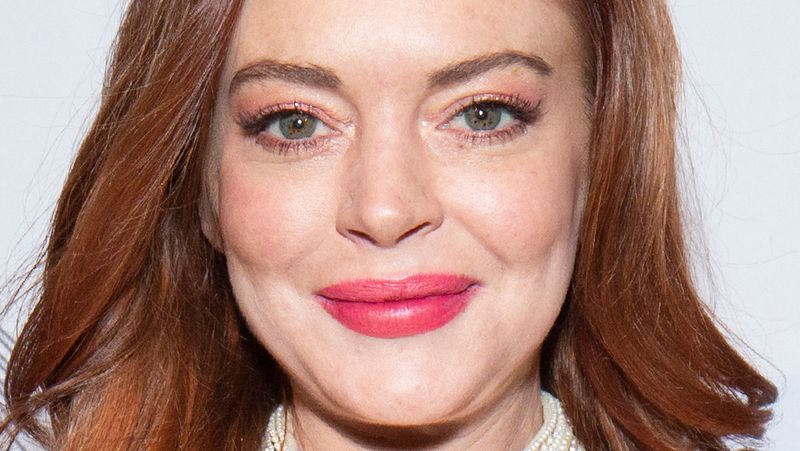
Growing up in the spotlight is hard enough, but doing it while every stumble becomes front-page news is a different kind of pressure entirely. Lindsay Lohan faced relentless mockery for her personal struggles, with comedians and tabloids treating her pain as entertainment.
Very few people stopped to ask what support she actually needed. Her recent return to acting shows real growth and stability, reminding everyone that healing is possible when the world finally stops kicking you while you are down.
6. Janet Jackson
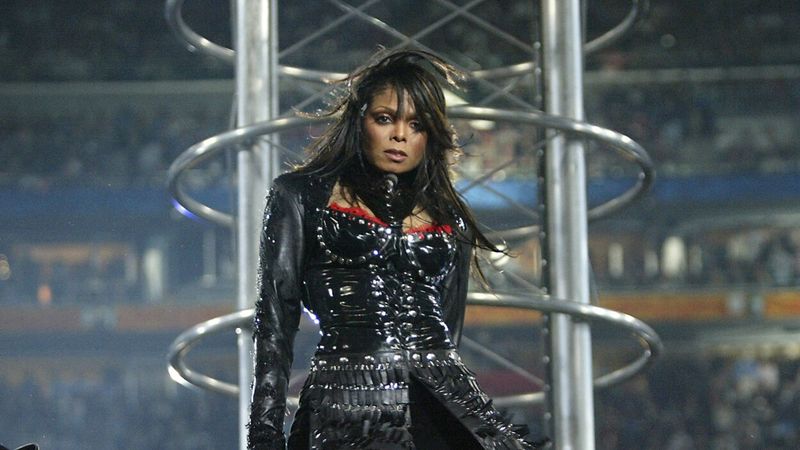
The 2004 Super Bowl halftime show moment that involved both Janet Jackson and Justin Timberlake resulted in wildly different consequences for each performer. Timberlake’s career continued climbing while Jackson faced an industry-wide blacklist that derailed her momentum significantly.
The disparity was impossible to ignore, and many fans felt the punishment was deeply unfair and racially biased. Years later, public opinion has shifted considerably, with many acknowledging that she deserved far better treatment from both the media and the music industry.
7. Paris Hilton
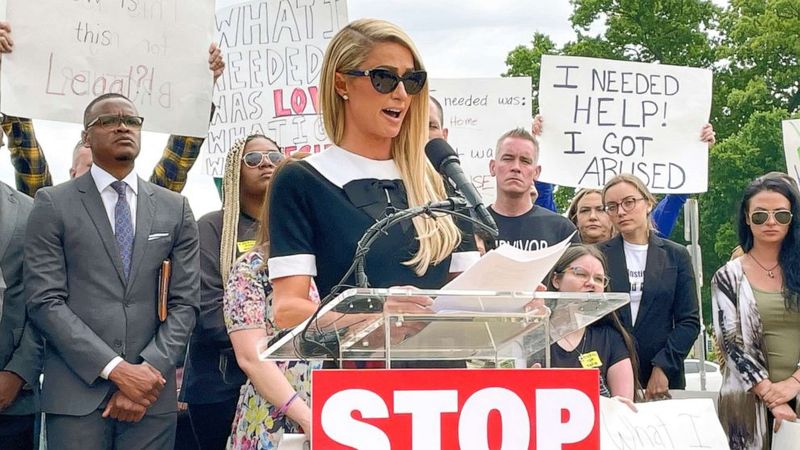
For years, Paris Hilton was the go-to symbol of shallow celebrity culture, mocked endlessly for her persona and lifestyle. What most people did not know was that much of that persona was carefully constructed, and behind it was someone who had survived real trauma.
Her documentary revealed the abuse she endured at a troubled teen facility, completely reshaping public perception. She has since become an advocate for reform in youth residential programs, showing a depth that her critics never bothered to look for.
8. Chris Brown
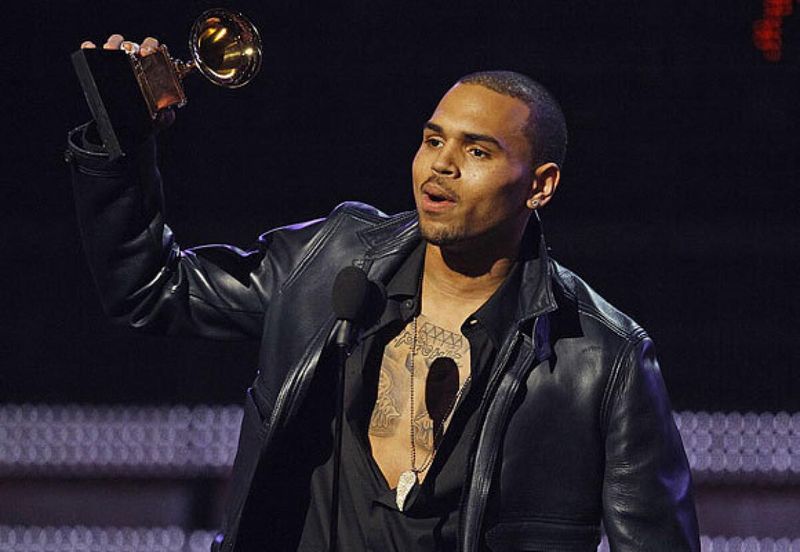
The 2009 incident involving Chris Brown and Rihanna was genuinely serious, and public outrage was understandable. However, the conversation around it rarely included any discussion of accountability, rehabilitation, or the complex roots of violent behavior.
Instead, he became a permanent symbol of villainy with no room for nuance or growth in the public narrative. Whether or not one supports him, the way society handles celebrity wrongdoing often lacks any framework for genuine change or restorative justice.
9. Anne Hathaway
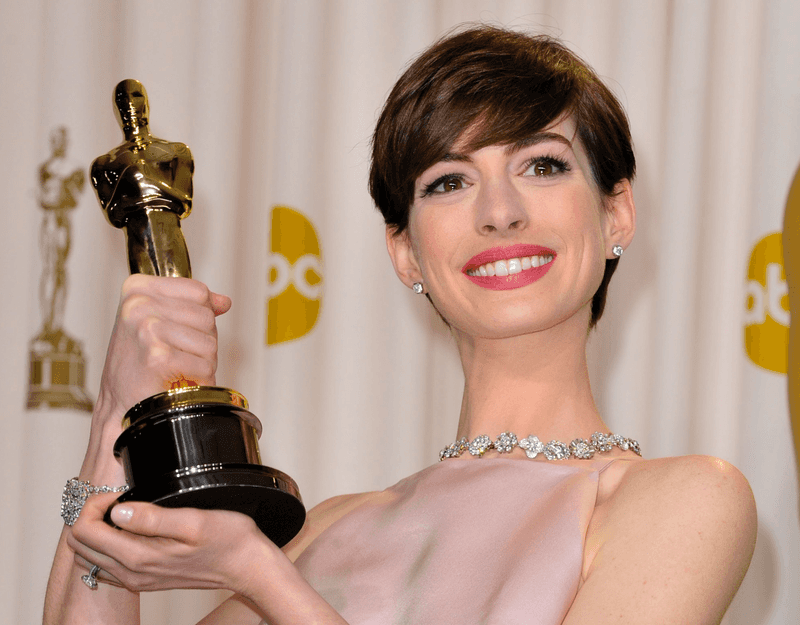
Anne Hathaway won the Academy Award for Best Supporting Actress in 2013 and was almost immediately met with a bizarre wave of public dislike. Critics called her rehearsed, overly enthusiastic, and annoying, without pointing to anything she had actually done wrong.
The so-called “Hathahate” trend said far more about cultural discomfort with ambitious women than it did about her talent. She has continued delivering strong performances, and many who once rolled their eyes now quietly admit they were being unfair.
10. Kesha
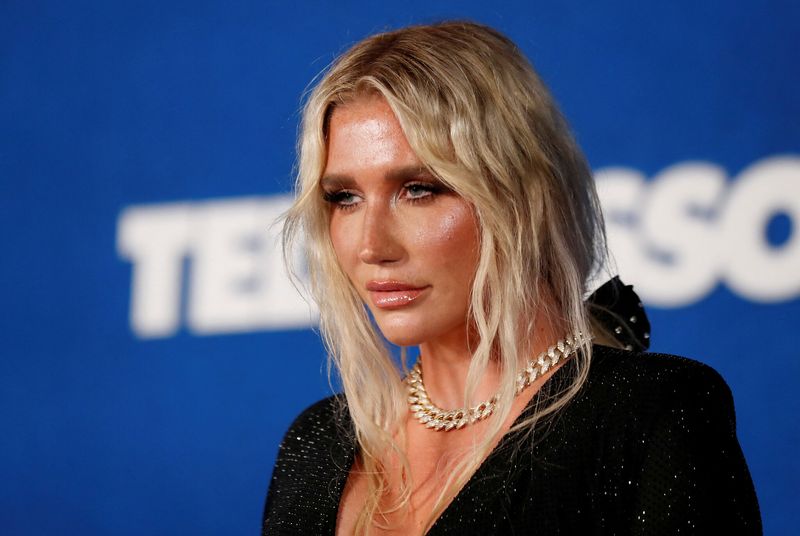
When Kesha filed a lawsuit against her producer Dr. Luke alleging abuse, she became trapped in a legal and contractual nightmare that prevented her from recording music freely for years. Public support was strong, but the system seemed indifferent to her situation.
Some critics questioned her motives rather than believing her account, adding cruelty to an already devastating experience. Her eventual return to music was a genuine triumph, and her story sparked wider conversations about power and exploitation in the music business.
11. Tiger Woods
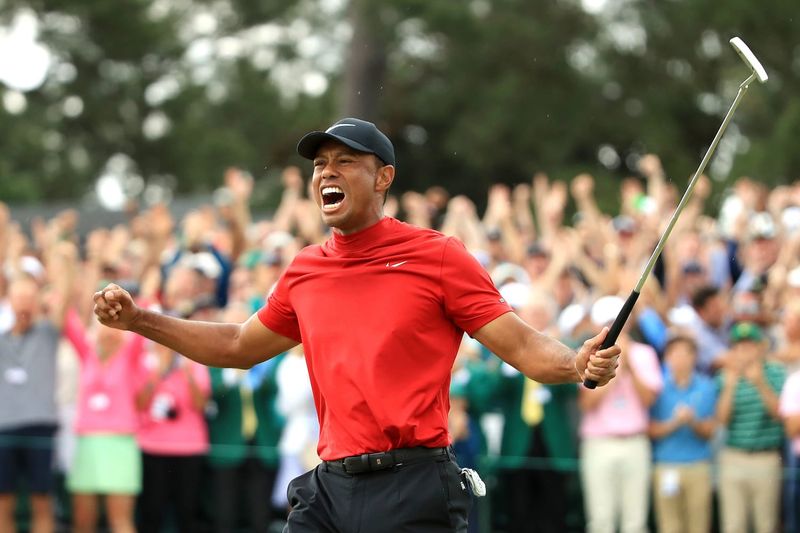
Tiger Woods’ personal scandals in 2009 brought an avalanche of media coverage that felt less like journalism and more like a feeding frenzy. Every detail was dissected publicly, and sponsors fled as the press turned his private failures into a global spectacle.
What got lost in all the noise was that he was dealing with deeply personal issues that many people quietly face without any cameras watching. His later comeback after serious injuries reminded the world of his extraordinary athletic will and resilience.
12. Kanye West
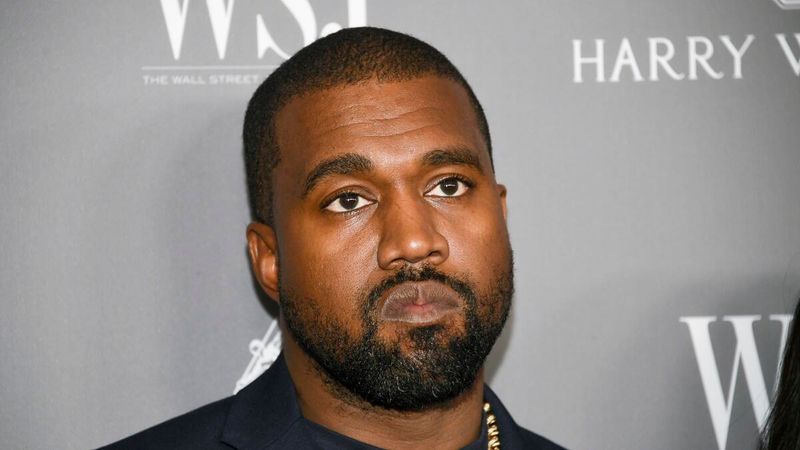
Long before recent controversies made criticism of Kanye West entirely warranted, he spent years being dismissed for behaviors that were later understood as symptoms of bipolar disorder. The public mocked his outbursts and erratic statements without considering what might be driving them.
Mental health awareness was far less developed in public discourse during his earlier controversies. His story raises uncomfortable questions about how quickly society labels someone as simply crazy instead of pausing to ask whether that person might genuinely need support and care.
13. Winona Ryder
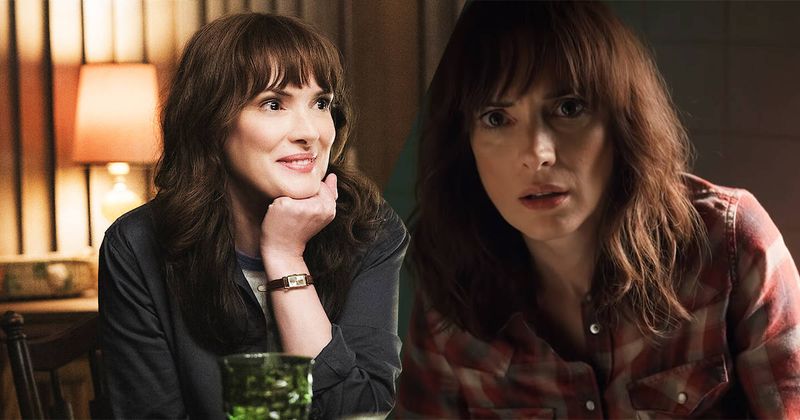
After her shoplifting arrest in 2001, Winona Ryder became a cultural joke almost overnight. Sketch comedy shows parodied her, and for years her name was more associated with that incident than with her impressive body of film work.
Nobody publicly asked what was going on in her personal life or whether she was struggling emotionally at the time. Her celebrated return in Stranger Things reminded audiences of her genuine talent and gave many people a long-overdue reason to look back with more kindness.
14. Justin Bieber
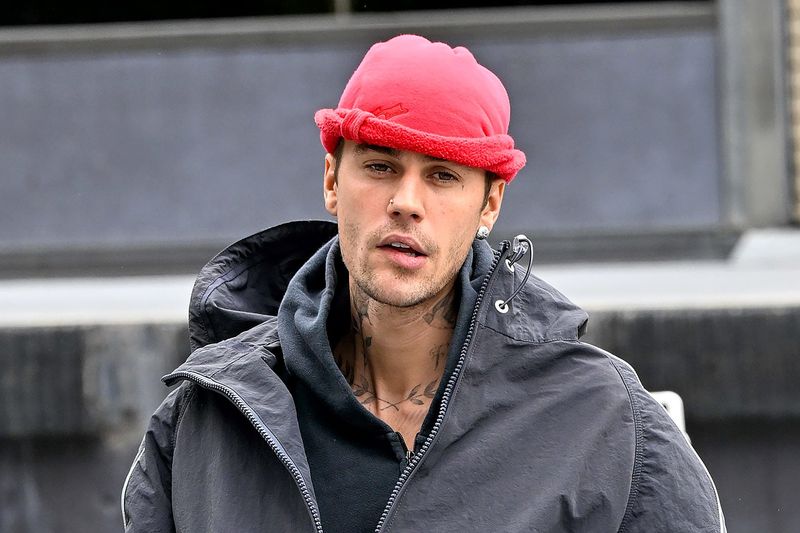
Justin Bieber was thrust into worldwide fame as a teenager and handled it imperfectly, as most teenagers would. His 2014 arrest and various public incidents made him an easy target, and the internet treated his struggles with mockery rather than any real concern.
Few people acknowledged that he had been working since childhood with little privacy or normal adolescent development. His later openness about mental health challenges and his marriage shifted public perception, showing a young man who had genuinely done the hard work of growing up.
15. Mariah Carey
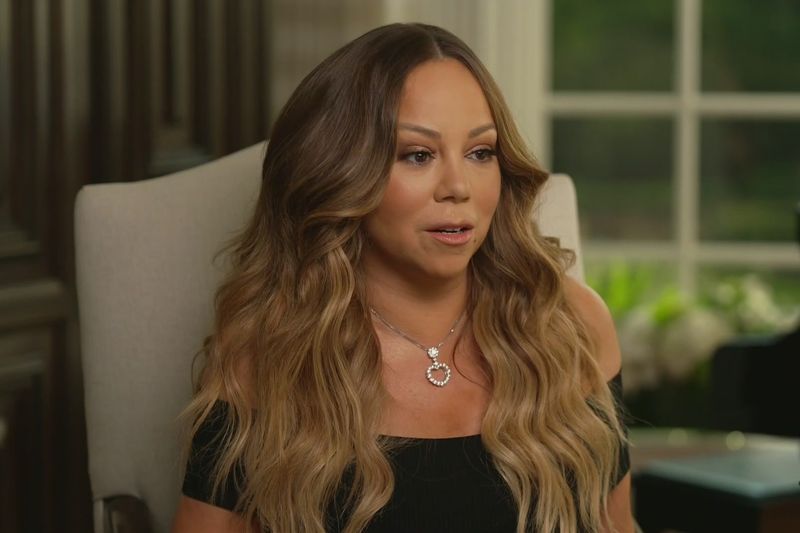
Mariah Carey’s very public breakdown in 2001, which included a disjointed appearance on a TV program, became one of the most mocked celebrity moments of that era. Headlines were merciless, and her reputation took years to recover from the damage caused by that coverage.
Looking back, it seems clear she was experiencing a serious mental health episode that deserved care, not ridicule. Her resilience since then has been remarkable, and she has reclaimed her legacy as one of the most gifted vocalists of her generation.
16. Tonya Harding
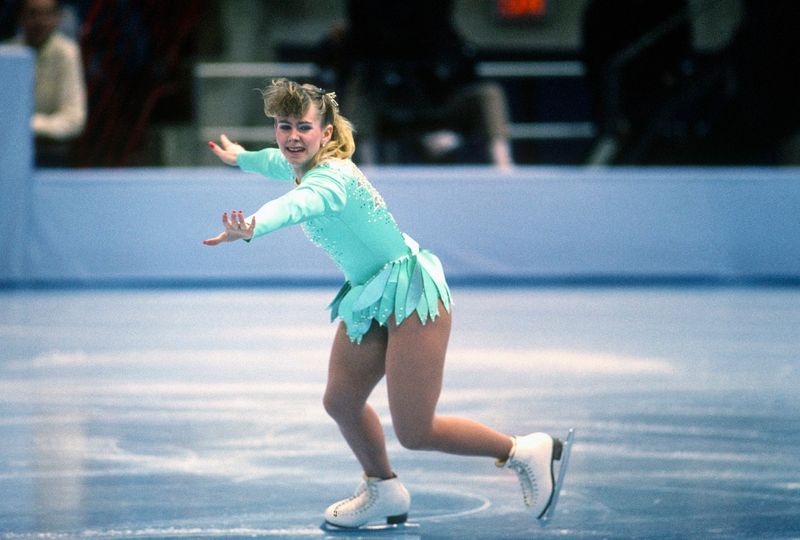
The 1994 attack on figure skater Nancy Kerrigan cast a permanent shadow over Tonya Harding’s life and career, even though her actual level of involvement remained legally ambiguous. The media convicted her loudly and completely, stripping away any possibility of a fair public perception.
Her story also carried heavy undertones of class bias, as her working-class background made her an easy villain compared to Kerrigan’s more polished image. The film I, Tonya helped many viewers finally see the fuller, more complicated picture of her life.
17. Amanda Bynes
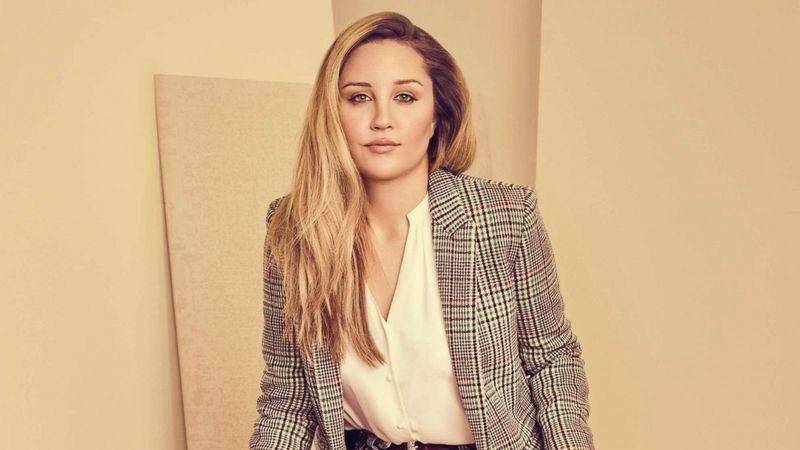
Amanda Bynes was a beloved child star whose very visible mental health crisis in the early 2010s became tabloid entertainment rather than a call for compassion. Paparazzi followed her constantly, and social media turned her most difficult moments into viral content.
The public fascination felt exploitative in hindsight, especially knowing she was genuinely unwell and without adequate support at the time. Her situation became an important, if painful, lesson in how celebrity culture can fail the very people it profits from so heavily.
18. Jesse James
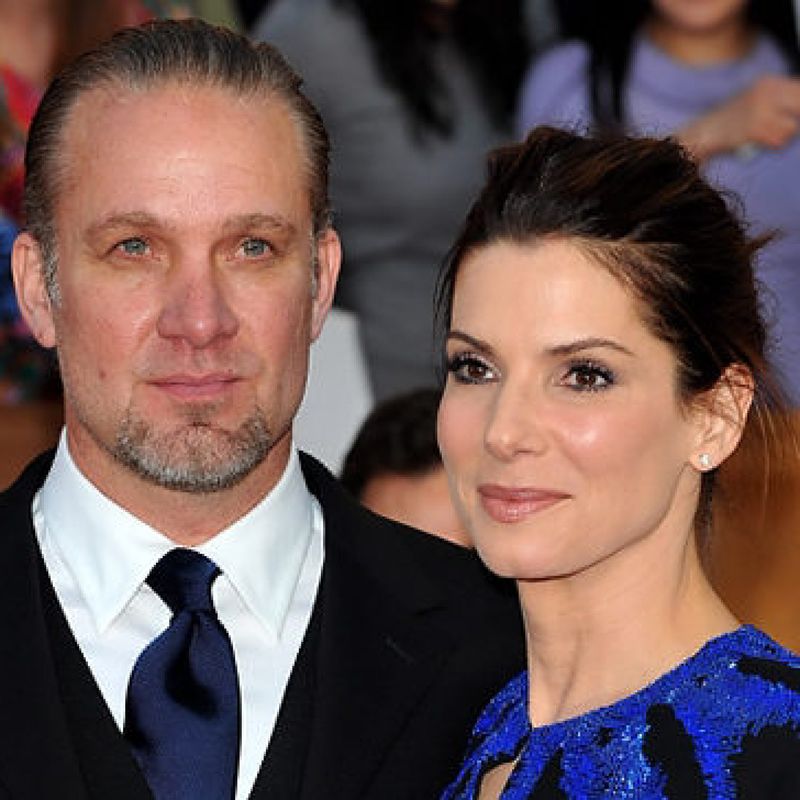
When Jesse James’ infidelity scandal broke during his marriage to Sandra Bullock, the public reaction was swift and total. He was cast as a pure villain, and the story was presented with very little complexity about the people or circumstances involved.
While his actions were genuinely hurtful, the media pile-on left no space for any nuanced conversation about relationships, personal failings, or growth. His story is a reminder that public shaming rarely produces understanding, even when the criticism itself starts from a legitimate place.
19. Kristen Stewart
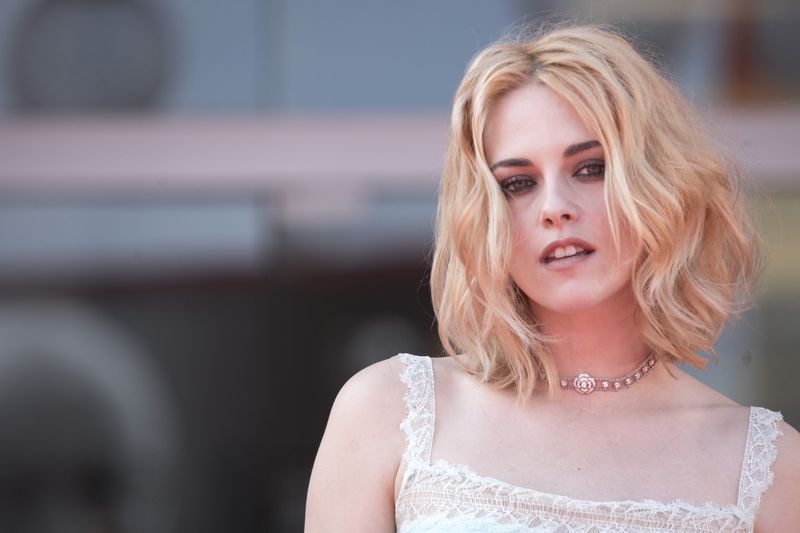
Kristen Stewart spent years being criticized for her reserved, introverted personality in interviews and at public events. Audiences and press alike labeled her as ungrateful or emotionally flat, often comparing her unfavorably to more outwardly expressive actresses in the industry.
What they were really criticizing was her refusal to perform enthusiasm on demand, which is a perfectly reasonable boundary for anyone. Her critically praised work in films like Spencer and Spencer has since earned serious respect, quietly proving that quiet confidence can be its own powerful statement.
20. Michael Jackson
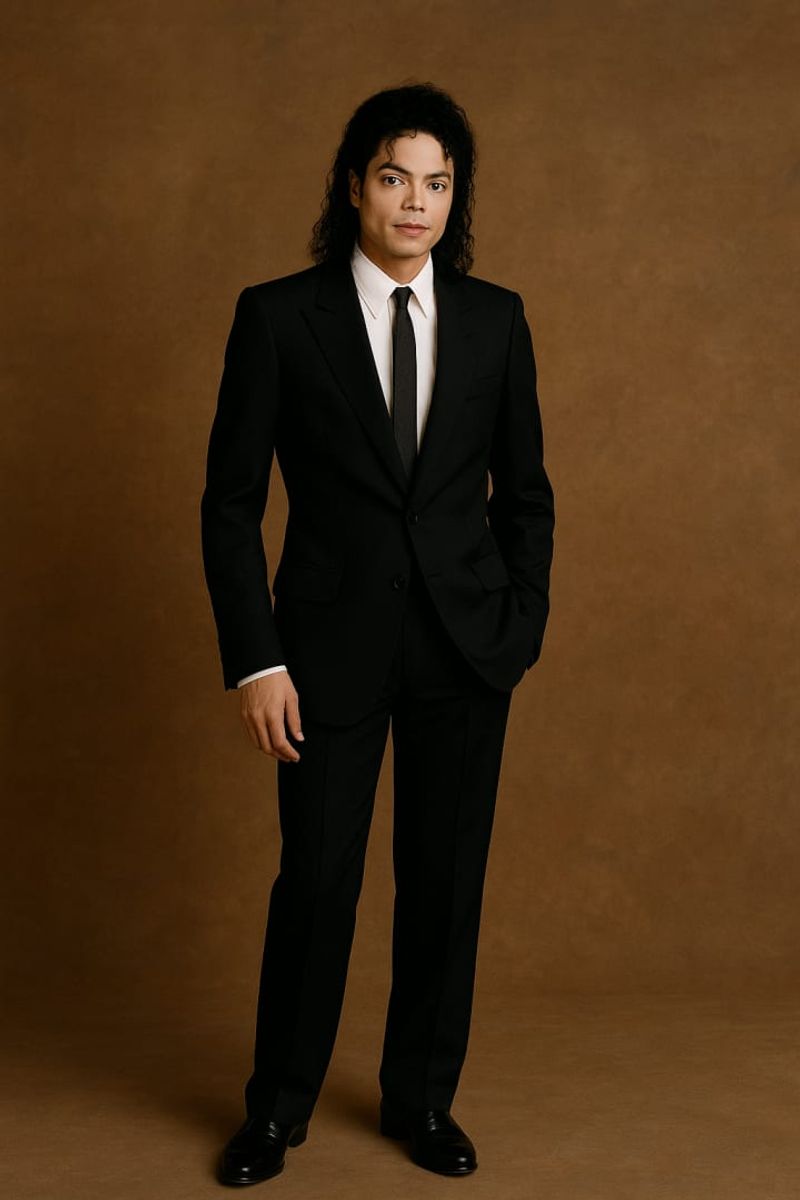
Michael Jackson’s personal life attracted relentless scrutiny and accusations that divided public opinion deeply for decades. The media often treated allegations as confirmed facts, and his unconventional lifestyle made it easy for people to project assumptions onto him without much reflection.
Regardless of where one stands on the controversies, his early years in the spotlight as a child performer shaped a life that was never truly his own. His story forces an honest reckoning with how fame, childhood exploitation, and public judgment intersect in deeply uncomfortable ways.