
Growing up in the 1950s, 60s, and 70s meant enjoying a very different kind of food culture. Baby Boomers had their own comfort foods that filled dinner tables and party spreads across America.
Many of those beloved dishes have quietly disappeared from modern menus and grocery lists. Take a look at these 18 classic foods that once ruled the kitchen but are now fading into food history.
1. Jell-O Salads
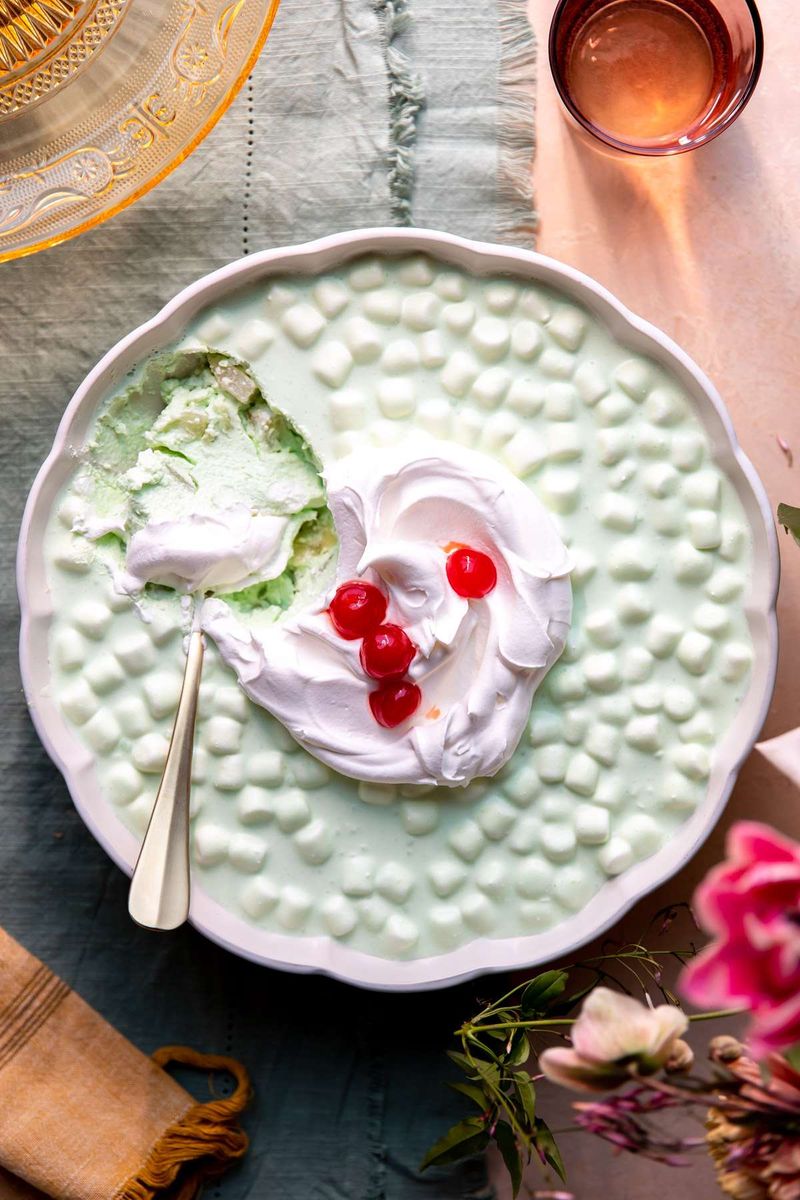
Picture a wobbly, lime-green mold sitting proudly at the center of a holiday table. That was the Jell-O salad, and Baby Boomers absolutely loved it.
These colorful creations mixed gelatin with fruit, vegetables, or even cottage cheese in ways that seem surprising today.
Back in the mid-20th century, gelatin dishes were considered sophisticated and festive. Modern cooks have moved on to fresher salads, making these jiggly masterpieces a rare sight at today’s gatherings.
2. Classic TV Dinners
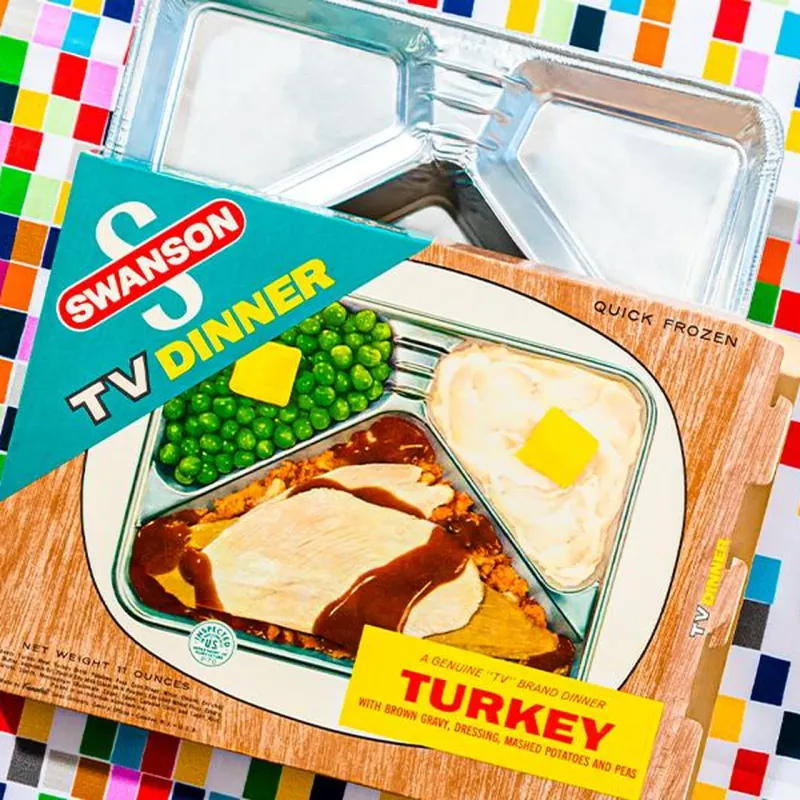
When Swanson introduced the TV dinner in 1953, it changed mealtime forever. Families could eat Salisbury steak and mashed potatoes right from a foil tray while watching their favorite shows.
It felt futuristic and fun at the same time.
Today, frozen meals have evolved into gourmet options with global flavors. The old-school compartmentalized aluminum tray version has nearly vanished, replaced by sleeker, more health-conscious alternatives that barely resemble the originals.
3. Tuna Noodle Casserole
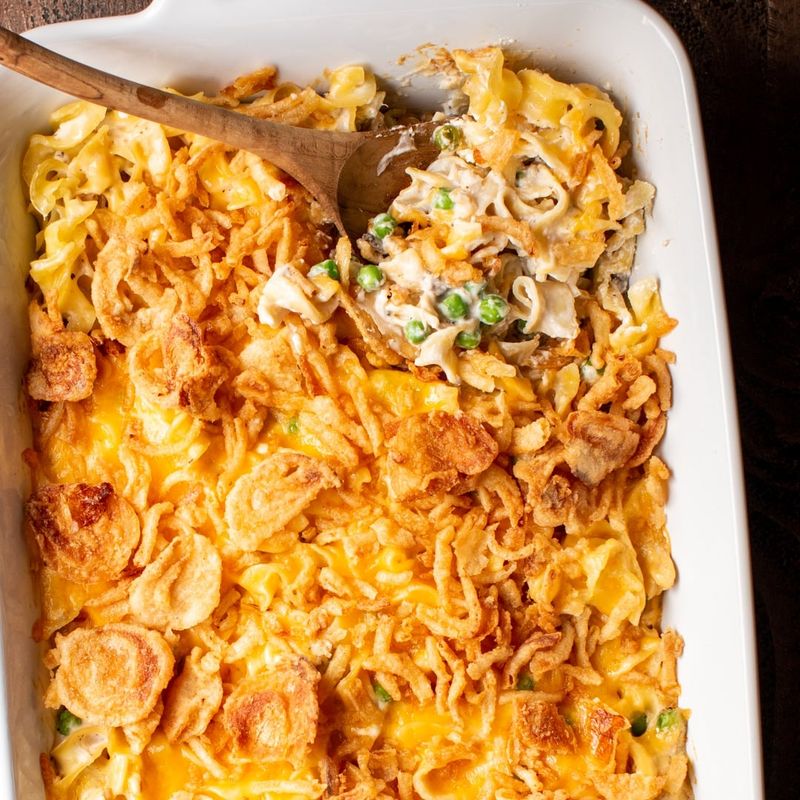
Few dishes screamed weeknight comfort like tuna noodle casserole bubbling away in the oven. Canned tuna, egg noodles, cream of mushroom soup, and a crunchy breadcrumb topping made this an affordable family staple for decades.
As tastes shifted toward fresher, lighter ingredients, casseroles like this one started disappearing from weekly dinner rotations. It still pops up occasionally at potlucks, but the golden days of this creamy dish are largely behind us.
4. Ambrosia Salad
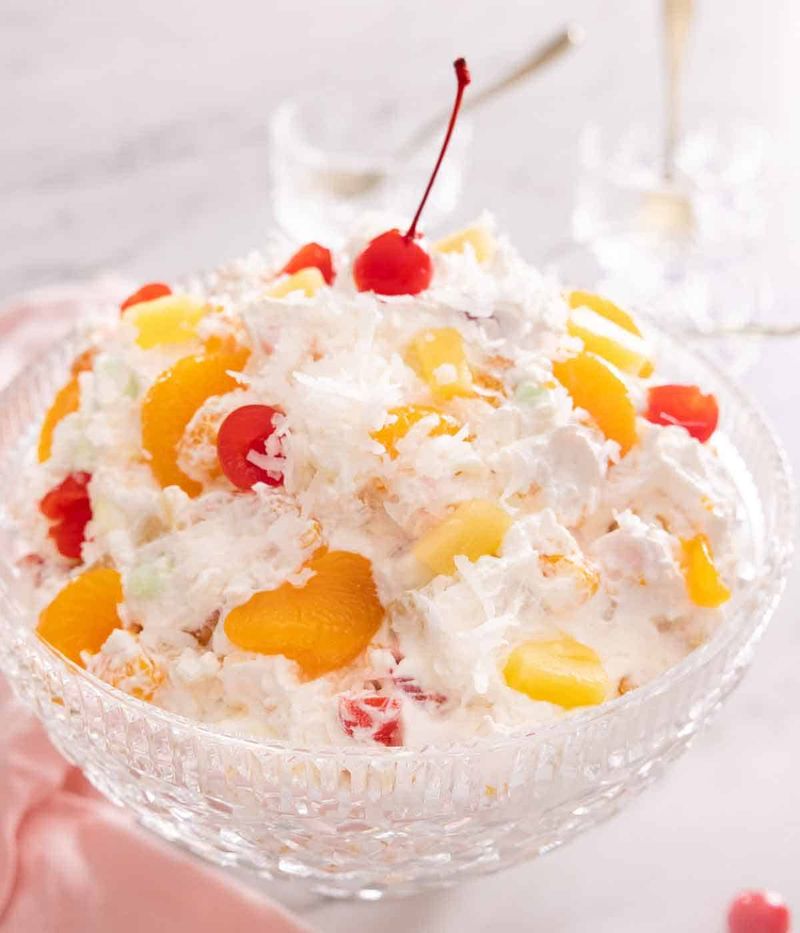
Ambrosia salad earned its mythological name because Boomers truly thought it tasted like food of the gods. Marshmallows, canned fruit cocktail, shredded coconut, and clouds of whipped cream came together in one gloriously sweet bowl.
Holiday tables throughout the 60s and 70s rarely went without it. Today, health-conscious eaters tend to skip the sugar overload, and this once-beloved dessert-salad hybrid has quietly faded from most modern menus.
5. Meatloaf
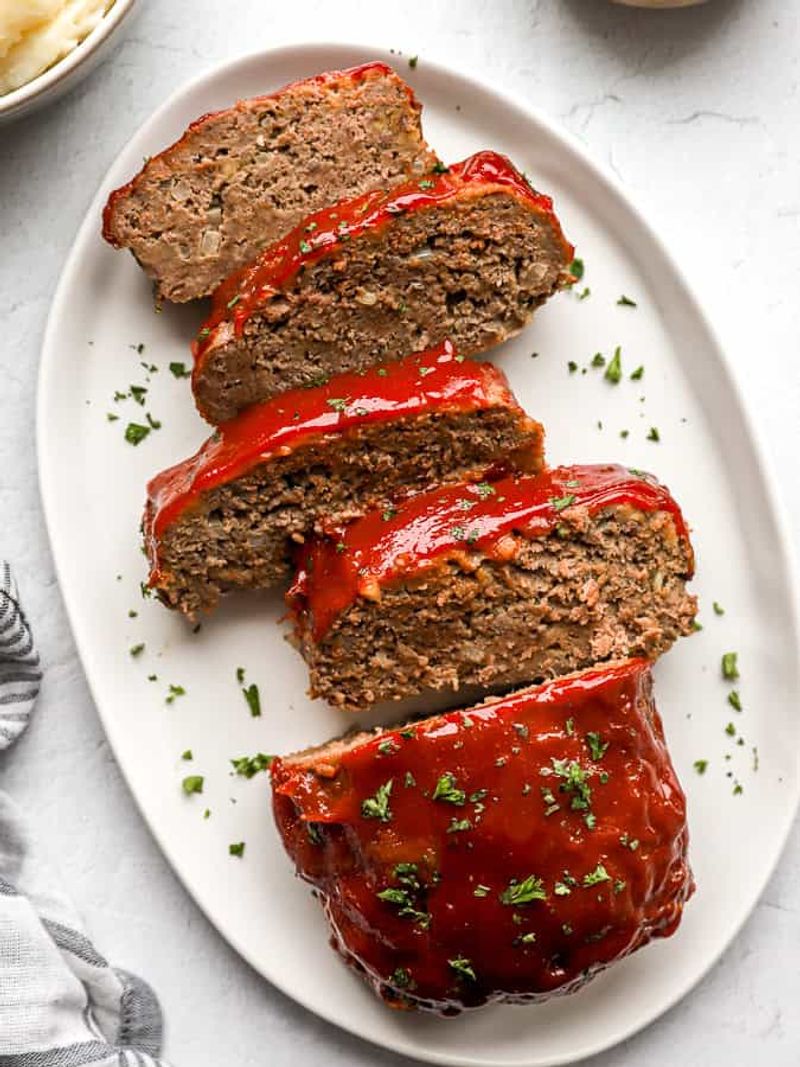
Meatloaf was the unsung hero of the mid-century dinner table. Ground beef mixed with breadcrumbs, onions, and ketchup glaze came out of the oven smelling like pure home.
Leftovers made incredible sandwiches the next day, which many Boomers considered the real reward.
Plant-based diets and diverse protein options have nudged meatloaf aside in recent years. Younger generations rarely put it on their weekly menus, slowly pushing this hearty classic toward the edges of food nostalgia.
6. Deviled Eggs
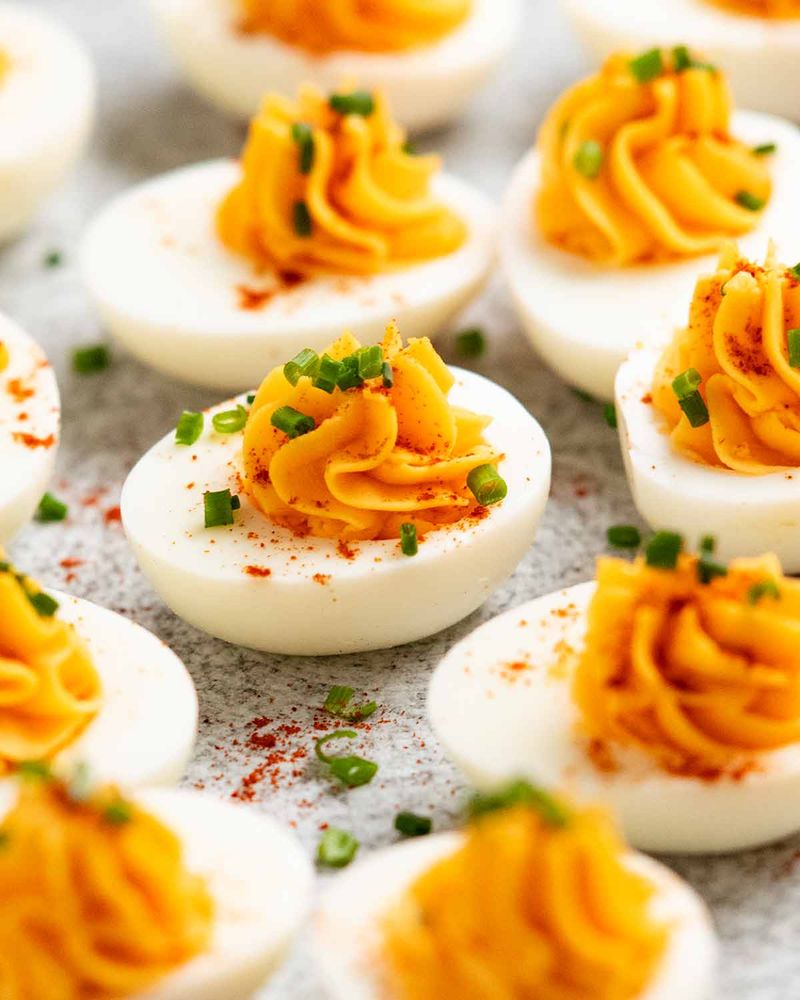
No church potluck or neighborhood cookout was complete without a tray of deviled eggs. Hard-boiled egg halves piped with creamy, tangy yolk filling and dusted with paprika were the first thing to disappear from the buffet table.
While deviled eggs still show up occasionally, they no longer hold the same star power they once did. Younger hosts tend to skip the prep work, favoring quicker appetizers that do not require peeling two dozen eggs.
7. Liver and Onions
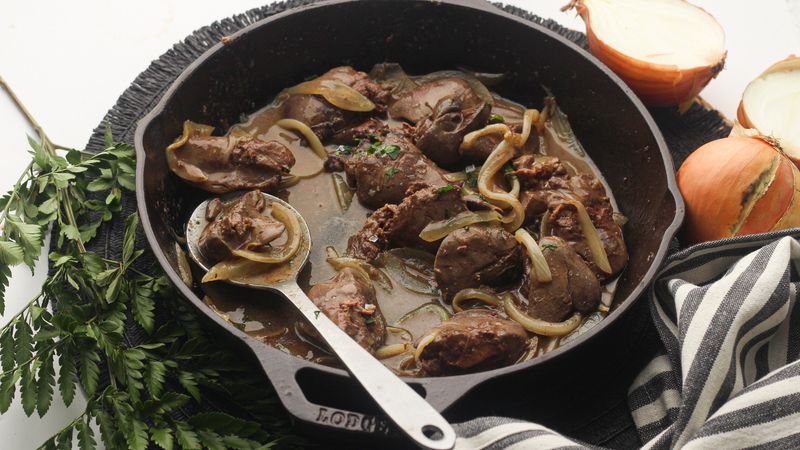
Liver and onions was the dish that divided households. Parents praised it for being cheap, filling, and nutritious, while kids pushed it around their plates hoping it would disappear.
The strong, distinctive flavor of beef liver was an acquired taste that many never quite acquired.
Modern diners generally prefer milder proteins, and organ meats have fallen far out of fashion. Liver and onions still appears on some old-school diner menus, but its days as a home-cooked staple are long gone.
8. Creamed Chipped Beef on Toast
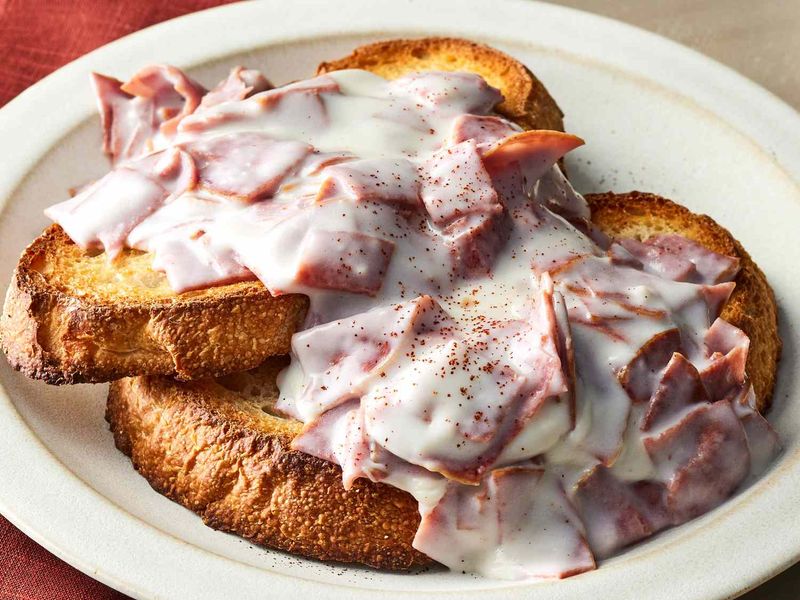
Known affectionately by its military nickname, creamed chipped beef on toast was a Depression-era invention that stuck around well into the Boomer years. Thin slices of dried beef simmered in a salty white sauce ladled over plain white toast made for a filling, budget-friendly breakfast or dinner.
Today, most people have never even heard of it. The combination of salty gravy and soft toast feels old-fashioned, and it rarely appears on any modern breakfast menu.
9. Waldorf Salad
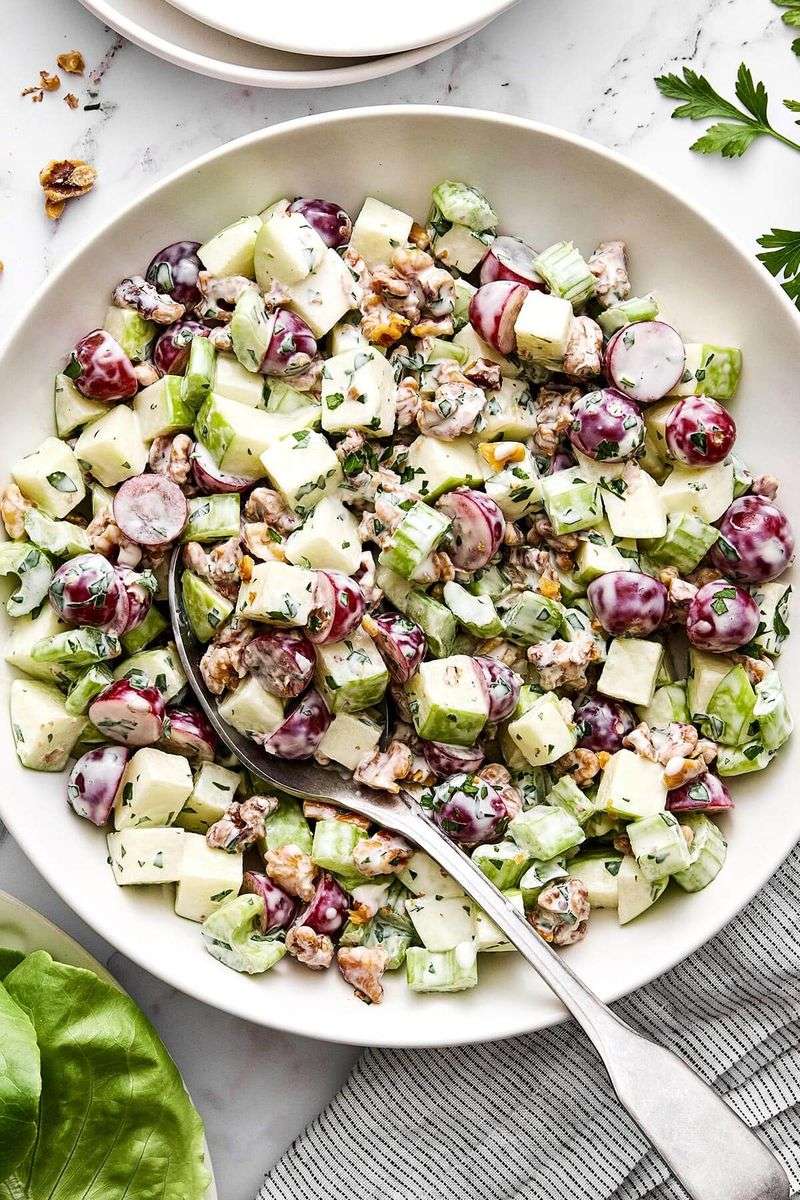
Born in the kitchens of New York City’s Waldorf Astoria Hotel in the 1890s, this salad reached peak popularity during the mid-20th century. Crisp apples, celery, walnuts, and a creamy mayonnaise dressing made it feel both elegant and satisfying at the same time.
Boomers served it at dinner parties and holiday gatherings as a sign of good taste. Lighter, trendier salads have since stolen its spotlight, leaving the Waldorf to gather dust in old recipe boxes.
10. Pigs in a Blanket
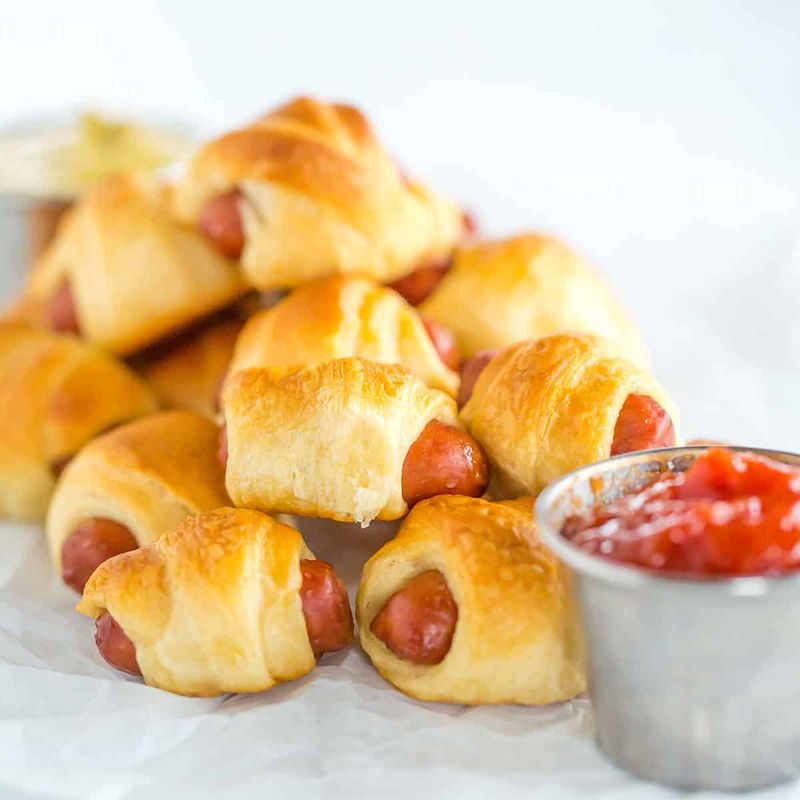
Few party snacks sparked as much excitement as a fresh tray of pigs in a blanket emerging from the oven. Cocktail sausages or mini hot dogs wrapped in flaky crescent dough, baked golden brown, were impossible to resist at any Boomer-era gathering.
They still appear at occasional parties, but they no longer carry the must-have status they once did. Artisan appetizers and charcuterie boards have taken over hosting culture, leaving these little roll-ups behind.
11. Fruit Cocktail from a Can
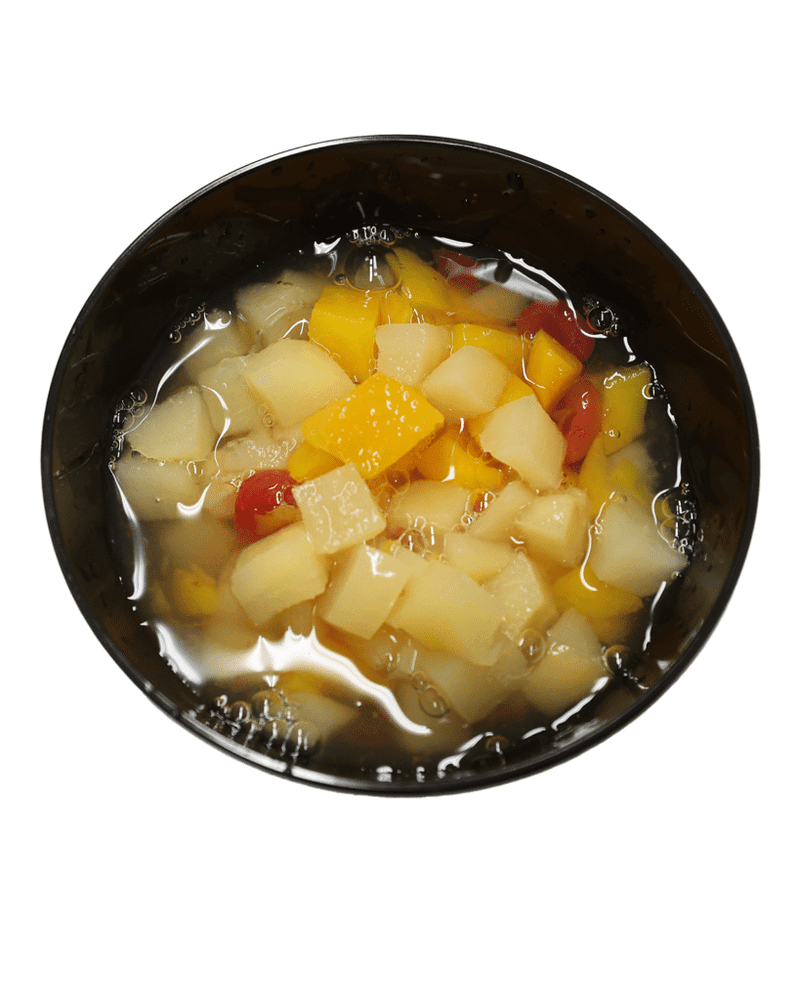
Opening a can of fruit cocktail felt like a small luxury in the 1960s. Those syrup-soaked chunks of peaches, pears, grapes, and the prized maraschino cherry were a go-to dessert or side dish that required zero effort to prepare.
Fresh fruit options and smoothie culture have made canned fruit cocktail feel outdated. Younger shoppers rarely reach for it on grocery store shelves, and it has quietly become one of the most overlooked items in the canned goods aisle.
12. Chop Suey
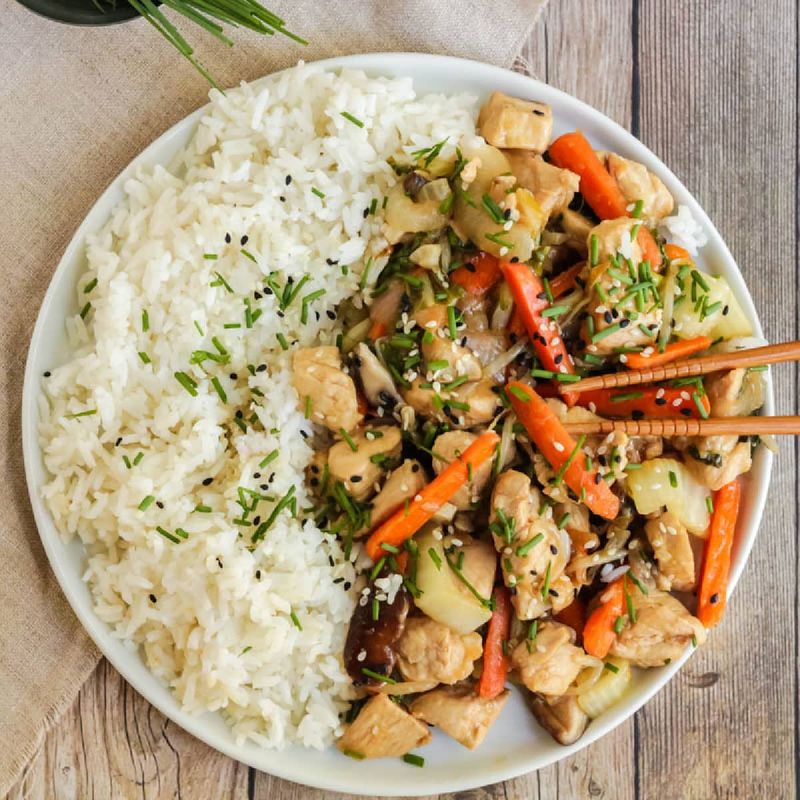
American-style chop suey had little to do with authentic Chinese cuisine, but that did not stop Boomers from loving it. Ground beef, celery, bean sprouts, and soy sauce tossed together and served over rice felt exotic and satisfying to mid-century home cooks.
As genuine Asian cuisines became widely available across America, this Americanized knockoff lost its appeal. Real Thai, Vietnamese, and Chinese restaurants made chop suey feel like a pale imitation, and it quietly faded from home kitchens.
13. Fondue
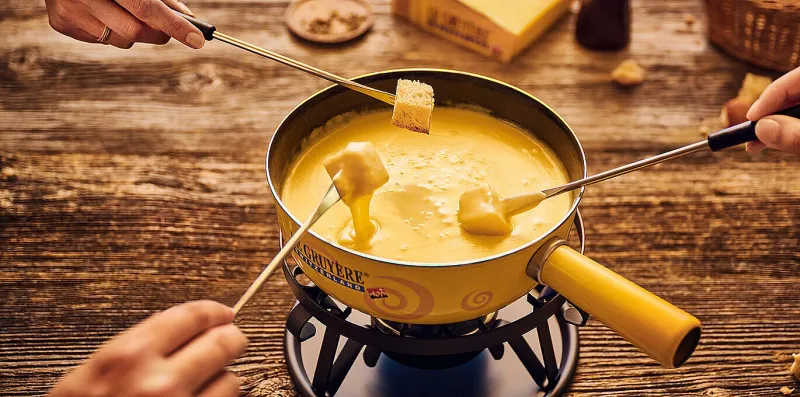
Fondue was the ultimate dinner party showstopper of the 1970s. A ceramic pot of bubbling melted cheese or rich chocolate sat at the center of the table, and guests speared bread cubes, fruit, or vegetables to dip in.
It turned eating into a social event.
The fondue craze fizzled out as quickly as it arrived. While fondue restaurants still exist, the home fondue set that once sat on every newlywed’s wish list has mostly been retired to thrift store shelves.
14. Spam
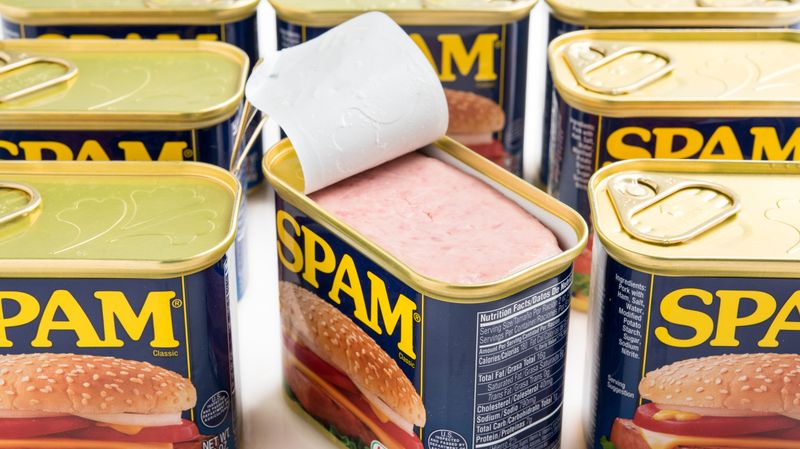
Spam became a household staple during World War II when fresh meat was rationed, and it never really left Boomer kitchens. Sliced and pan-fried until crispy, it became a breakfast protein that stretched budgets without sacrificing flavor, at least by mid-century standards.
Modern shoppers have plenty of fresh and affordable protein choices today, making Spam feel unnecessary to most younger cooks. Though it still sells in certain regions, its golden era as an everyday American pantry staple has clearly passed.
15. Creamed Corn
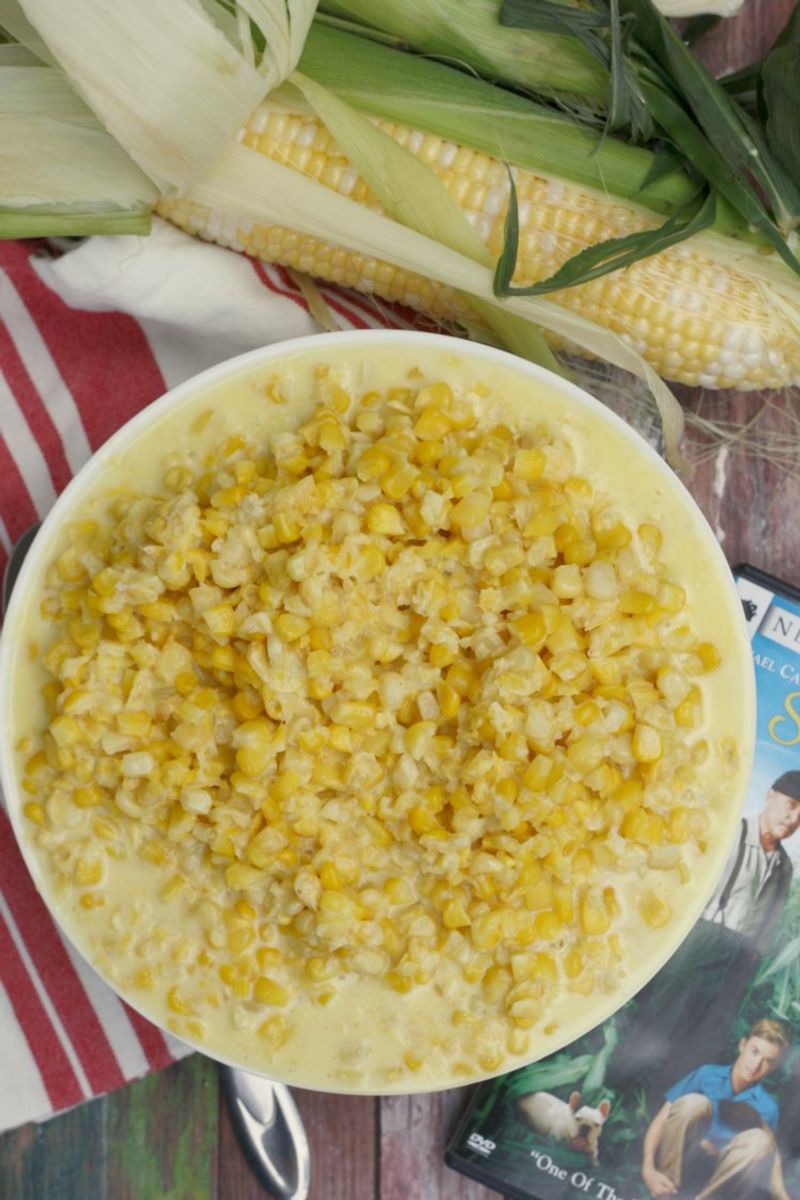
Creamed corn straight from the can was a side dish that appeared at nearly every Boomer family dinner without question. Its thick, sweet, slightly mushy texture paired easily with almost anything on the plate, from pork chops to fried chicken.
Fresh corn preparations and roasted vegetable trends have pushed canned creamed corn to the back of the pantry. Younger cooks tend to find the texture unappealing, and it rarely makes an appearance at dinner tables today.
16. Beef Stroganoff
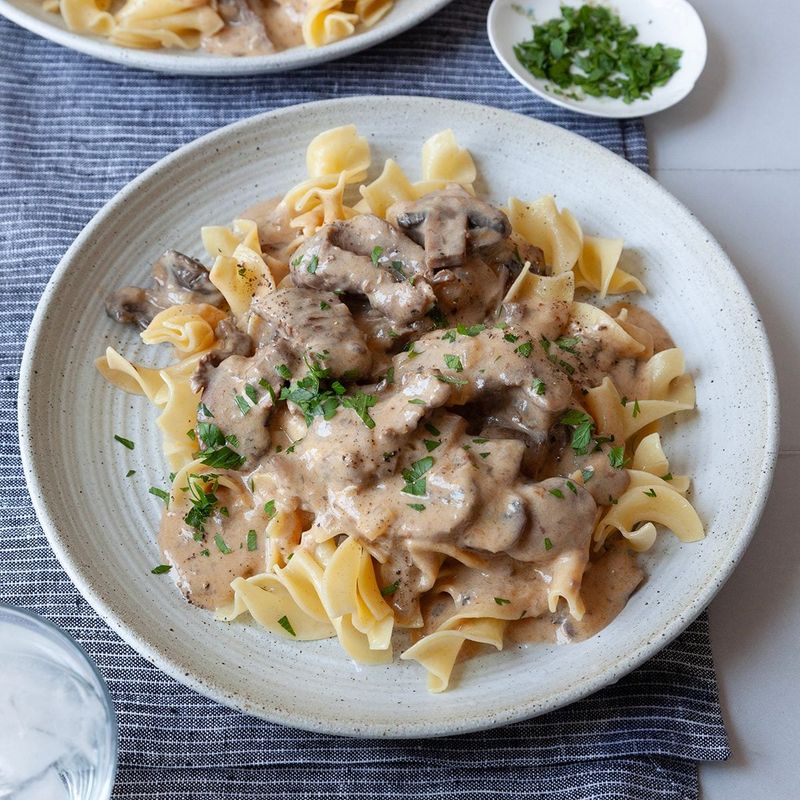
Beef stroganoff had a moment of real glory in Boomer-era kitchens. Strips of tender beef and earthy mushrooms smothered in a rich sour cream sauce, spooned generously over buttery egg noodles, made it a dish that felt indulgent on even the most ordinary Tuesday night.
Heavy cream-based dishes have fallen out of favor as lighter eating habits took hold. While some home cooks still prepare it, beef stroganoff no longer holds the weekly dinner rotation status it once enjoyed.
17. Iceberg Lettuce Wedge Salad
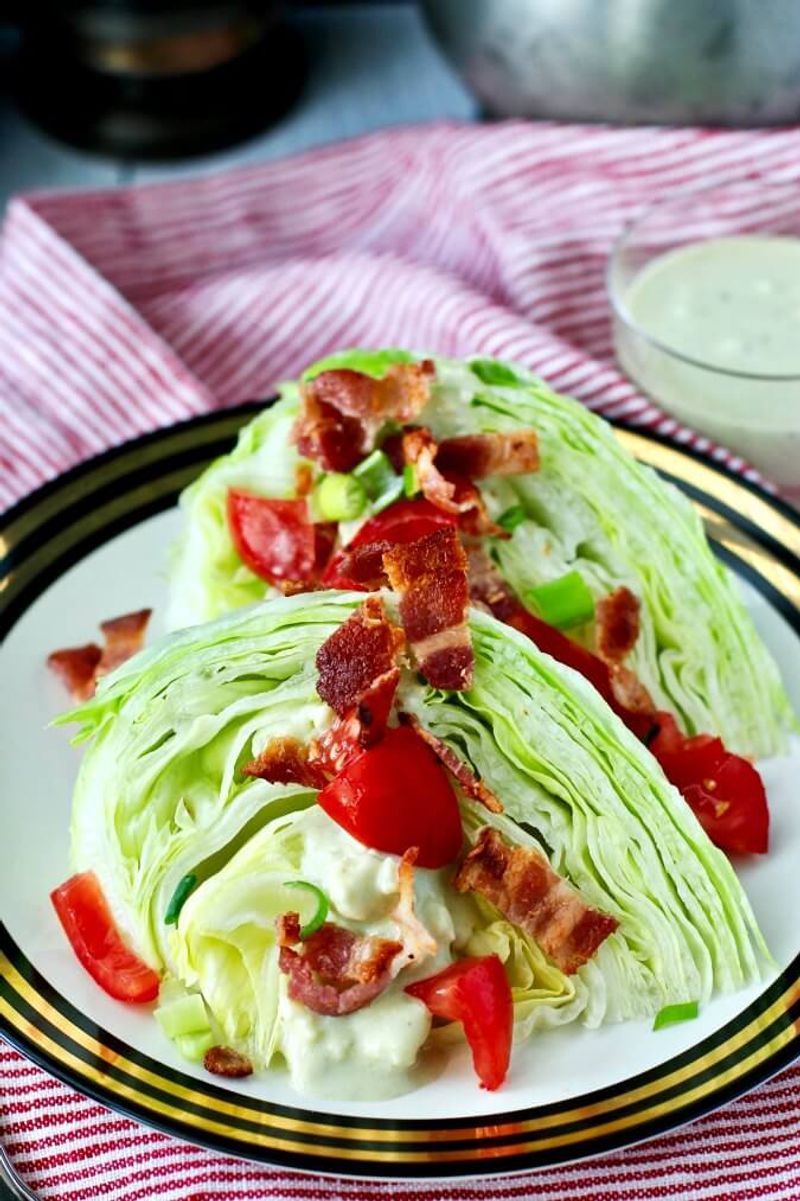
The wedge salad was elegance made simple. A cold, crisp quarter of iceberg lettuce drizzled with thick blue cheese dressing, crumbled bacon, and a few cherry tomatoes was a staple at steakhouses and family dinner tables throughout the Boomer era.
Romaine, arugula, kale, and mixed greens have largely replaced iceberg as the go-to salad base. Nutrition-focused eaters point out that iceberg offers little beyond crunch, and the classic wedge has slipped into near-extinction on modern menus.
18. Baked Alaska
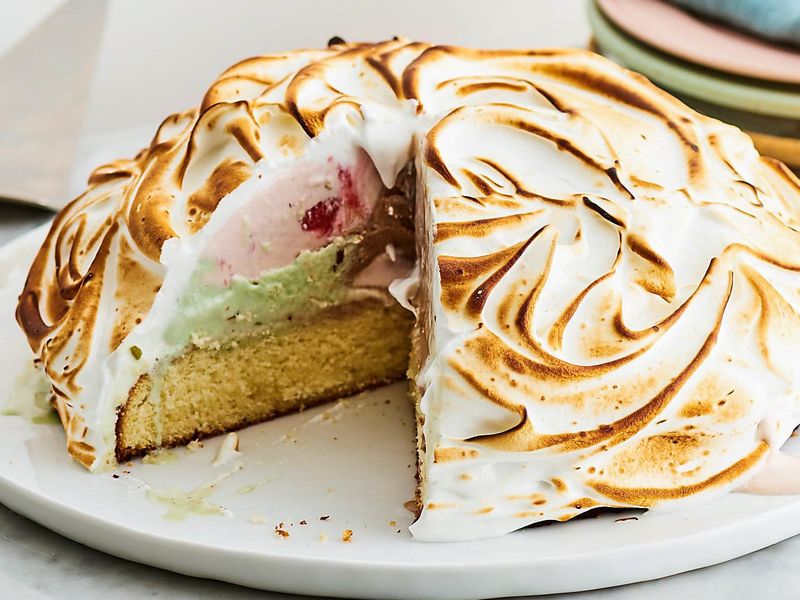
Few desserts commanded as much awe as a Baked Alaska arriving at the table. Ice cream encased in sponge cake and cloaked in toasted meringue was pure theater, a showstopping finale to any special dinner party that made guests gasp and applaud.
Creating Baked Alaska requires patience and skill that most modern home bakers prefer to skip. Simpler, trendier desserts like lava cakes and cheesecake bars have taken the spotlight, leaving this spectacular retro showpiece to exist mostly in old cookbooks.