
Old Hollywood was glamorous on the outside, but behind the scenes, movie studios ran things like iron-fisted corporations. Stars weren’t just employees — they were products carefully crafted, packaged, and controlled by powerful studio bosses.
From what they wore to who they dated, actors had almost no say over their own lives. The rules were strict, often cruel, and the biggest names in the business had no choice but to follow them.
1. Long-Term Exclusive Studio Contracts
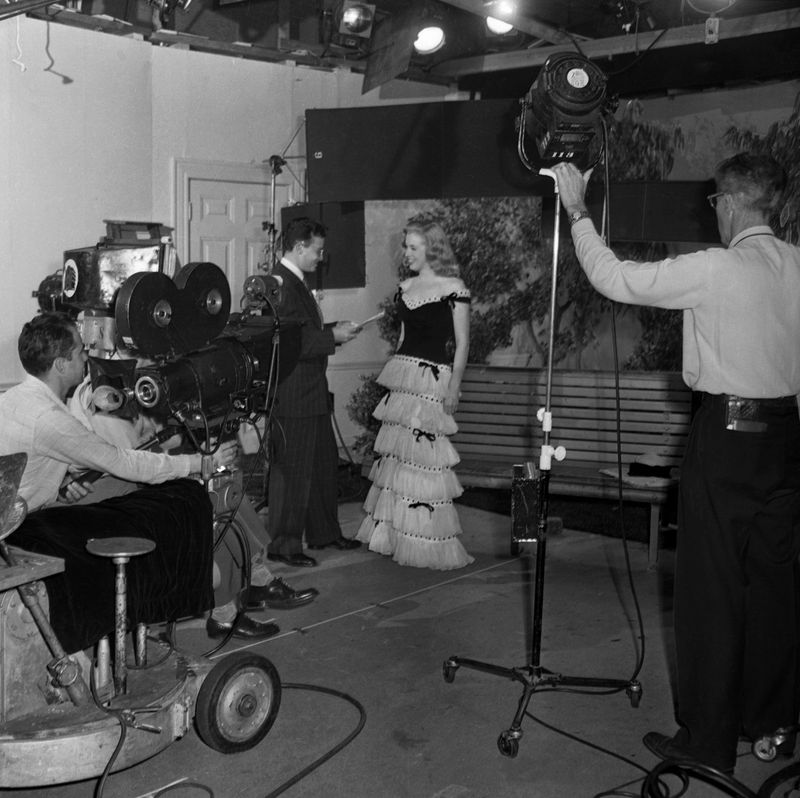
Signing on the dotted line in Golden Age Hollywood meant giving up years of your life — sometimes as many as seven. Actors were locked into contracts with a single studio, meaning they couldn’t work for anyone else without permission.
Think of it like being hired by one company and never being allowed to freelance.
Breaking free was nearly impossible. Studios held all the power, and most actors had no real legal recourse to fight back.
2. Mandatory Role Acceptance
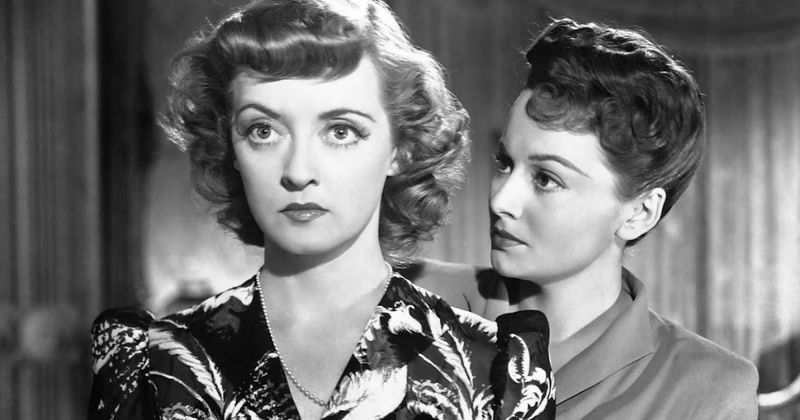
Bette Davis once refused a role at Warner Bros. — and paid for it dearly. The studio suspended her without pay, a punishment used regularly to keep actors in line.
Saying no wasn’t just frowned upon; it was treated like a serious professional offense that could derail an entire career.
Actors had to play whatever part the studio handed them, no matter how wrong the fit felt. Resistance came at a steep cost.
3. Forced Name Changes
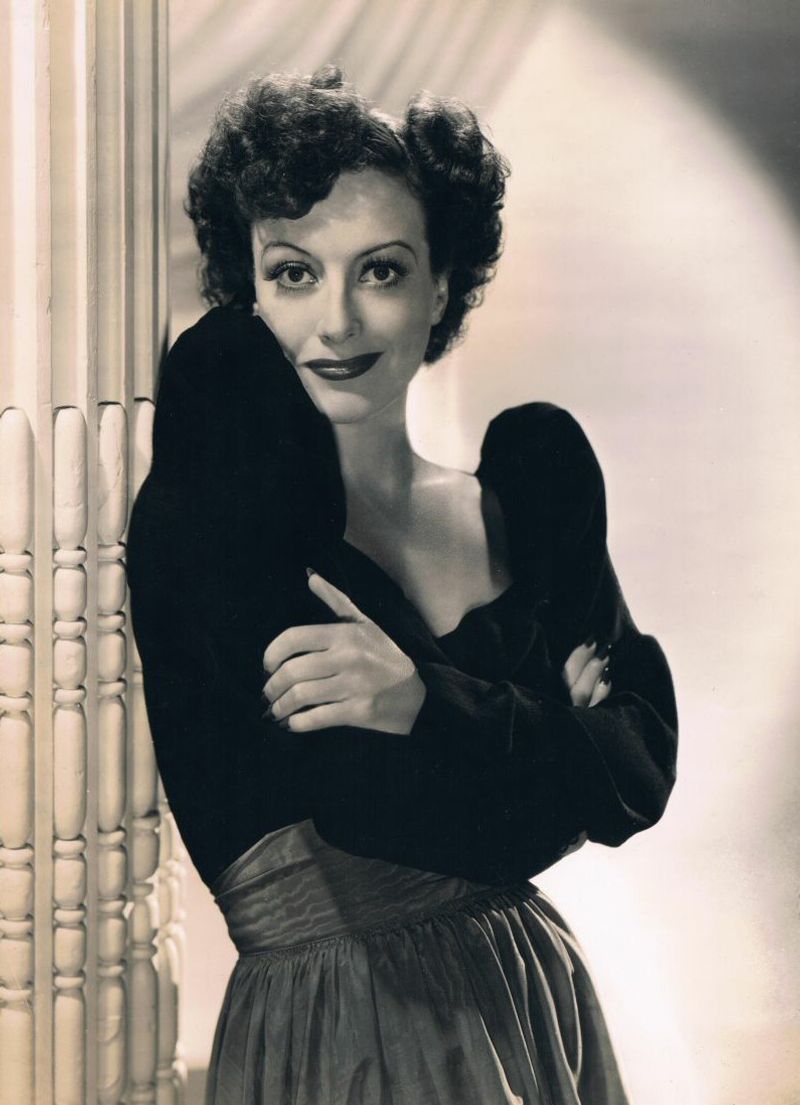
Lucille LeSueur didn’t choose to become Joan Crawford — a studio did that for her. Name changes were common practice, with executives deciding which names sounded more glamorous, marketable, or “American enough” for audiences.
Ethnic-sounding names were frequently swapped out without the actor’s meaningful consent.
Crawford reportedly hated her new name at first. But the studio’s word was final, and personal identity took a back seat to box office appeal.
4. Strict Weight and Appearance Standards

Gaining even a few pounds could land a star in serious trouble. Weight requirements were written directly into contracts, and studios didn’t hesitate to enforce them.
Judy Garland was famously put on strict diets and even given pills to suppress her appetite — all while still a teenager working grueling schedules.
Physical appearance was treated like a business asset, not a personal matter. Stars had almost no autonomy over their own bodies.
5. Morality Clauses in Every Contract
One public scandal could end everything. Morality clauses gave studios the legal right to fire any actor whose off-screen behavior embarrassed the studio.
Arrests, affairs, or anything considered “indecent” by the standards of the time were all fair game for termination.
Studios used these clauses strategically, sometimes targeting stars they simply wanted to drop. It was a legal tool that kept actors walking on eggshells both on and off the set.
6. Controlled Personal Relationships
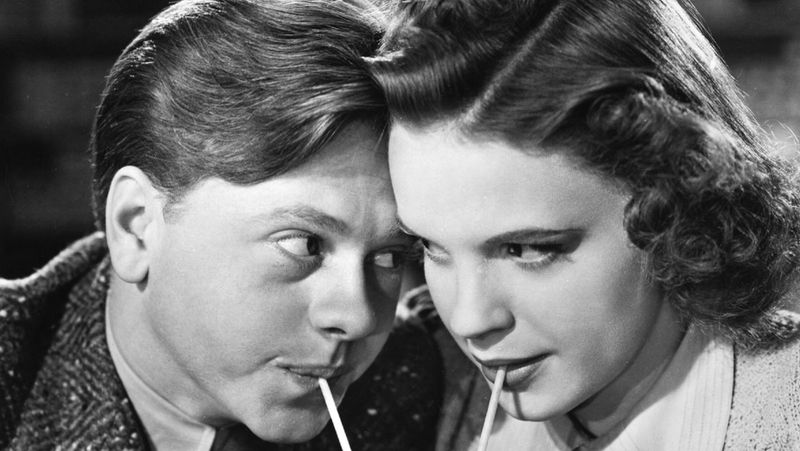
Studios didn’t just manage careers — they managed love lives too. Judy Garland and Mickey Rooney’s romantic chemistry on screen was reportedly manufactured by MGM to sell tickets for “Babes in Arms.” Behind the scenes, publicists orchestrated dates, relationships, and even breakups to generate the right kind of press.
Real feelings rarely mattered. What counted was how a pairing looked in the gossip columns and whether it moved the needle at the box office.
7. Dress Codes That Targeted Women
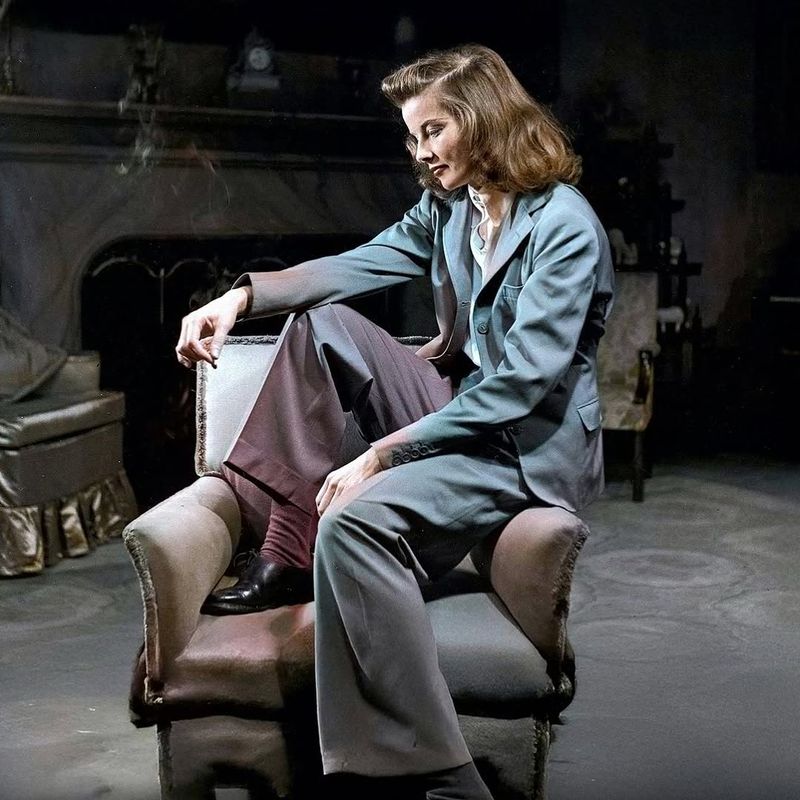
Katharine Hepburn famously refused to stop wearing pants on studio lots, even after executives confiscated them from her dressing room. She simply walked around in her underwear until they were returned.
Dress codes for women were rigid and enforced — skirts and dresses were expected both on and off camera.
Hepburn’s defiance was rare and bold. Most female stars had no choice but to dress exactly as the studio demanded at all times.
8. Mandatory Public Appearances
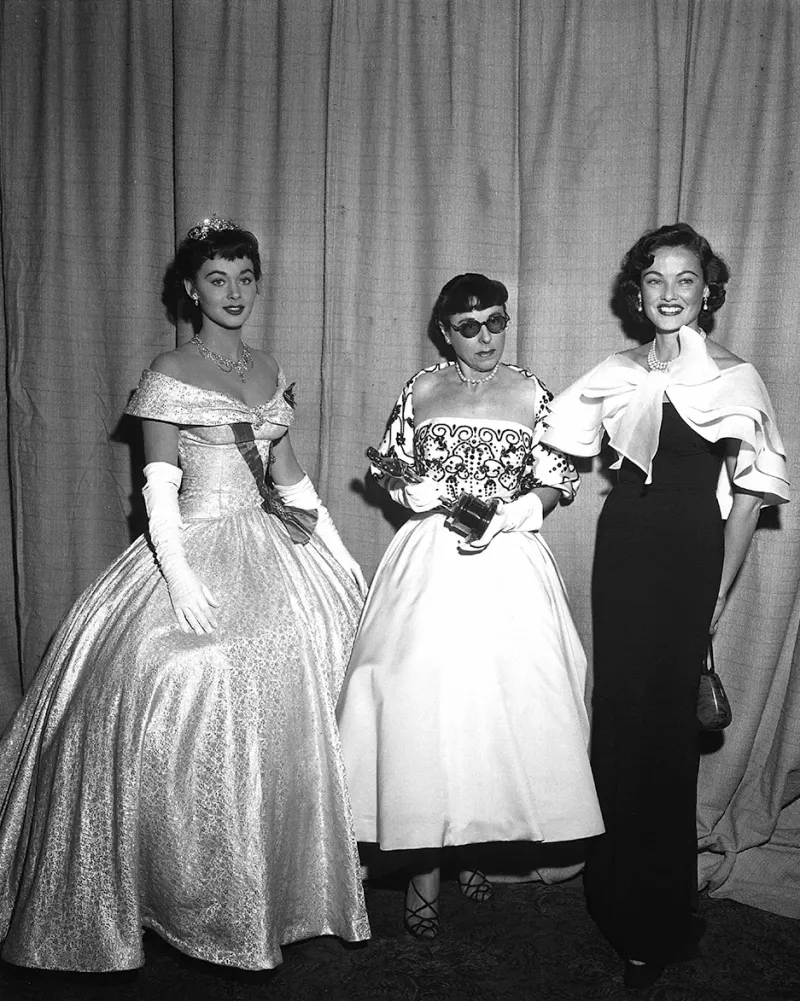
Premieres, charity galas, award shows — stars were expected to show up, smile, and perform whether they wanted to or not. Studios scheduled these appearances and often scripted what their talent should say to reporters.
Skipping out wasn’t an option without risking a fine or worse.
Behind the dazzling gowns and bright camera flashes, many stars were exhausted and miserable. The red carpet was just another stage they were required to perform on.
9. Mandatory Training Programs

Studios wanted stars who could do it all — act, sing, dance, and speak with polished diction. So they mandated lessons in all of it.
New contract players spent months in training programs before ever stepping in front of a camera, shaping them into whatever the studio needed most.
While some actors genuinely benefited from the skills they gained, many felt the process was less about growth and more about turning them into perfectly moldable studio products.
10. Strict Supervision of Child Stars
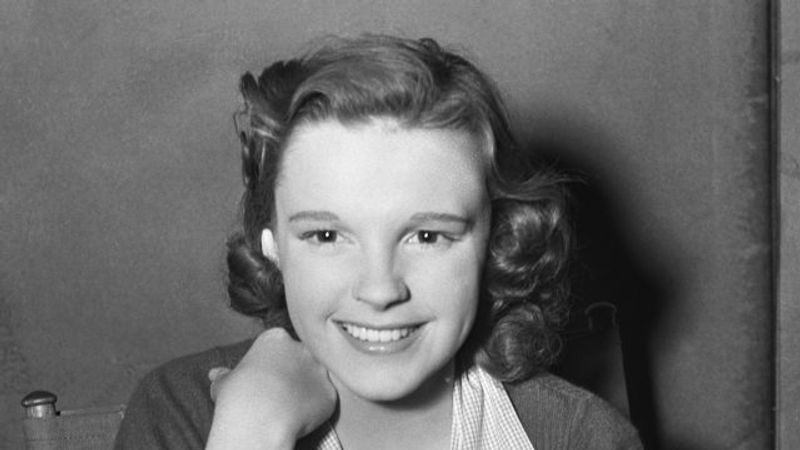
Child stars had it especially rough. Studios assigned chaperones and set strict curfews, but the supervision was less about protection and more about controlling productivity and public image.
Judy Garland, who began working at MGM at just 13, was kept on punishing schedules that left little room for a normal childhood.
The adults around these kids were often more loyal to the studio than to the children themselves. It was a system built on exploitation disguised as care.
11. No Outside Work Without Permission
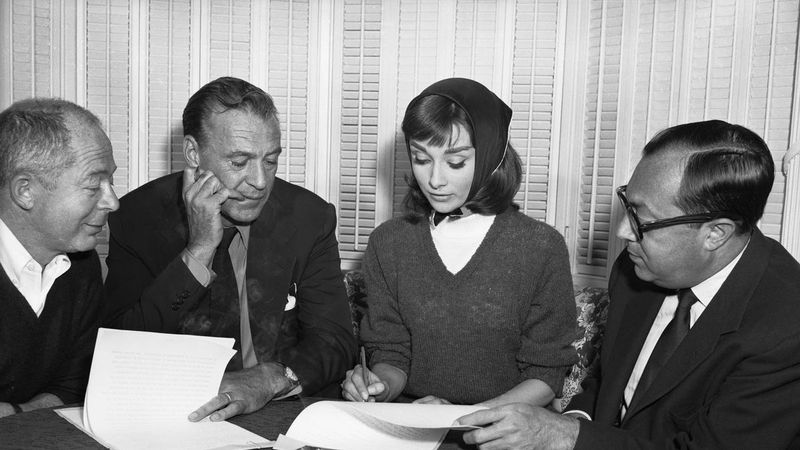
Even during breaks between films, stars couldn’t just pick up a side project or guest on a radio show without studio approval. Every professional move had to go through the front office first.
Studios saw their stars as investments, and they weren’t about to let that investment generate value for someone else.
Some actors were essentially loaned out to other studios — for a fee. The actor rarely saw a cent of that extra money.
12. Fabricated Backstories and Biographies
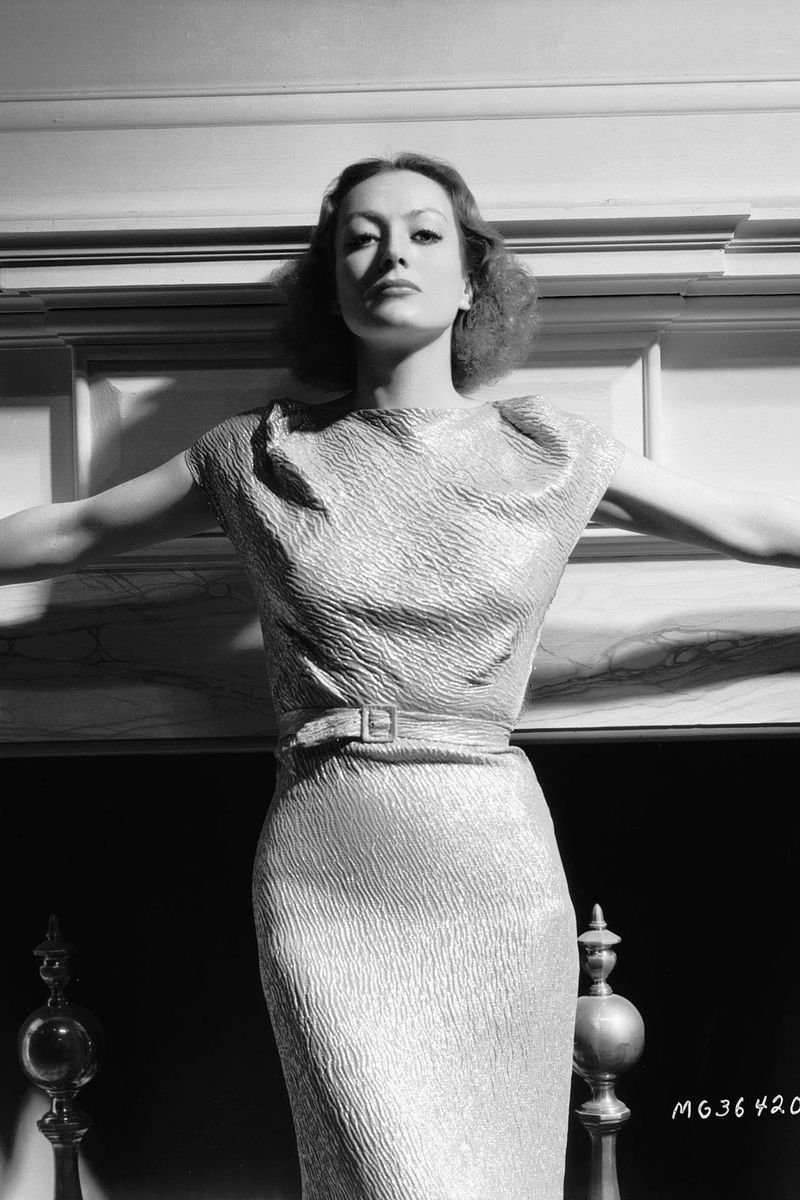
Where a star was really from, what their family was like, even their age — studios rewrote all of it. Publicists crafted elaborate fictional backstories designed to make stars seem more relatable, more exotic, or more wholesome depending on what the market demanded at the time.
Actors were expected to repeat these invented stories in interviews without slipping up. Living a lie in public became part of the job, and contradicting the official story had real professional consequences.
13. Sexual Orientation Had to Stay Hidden
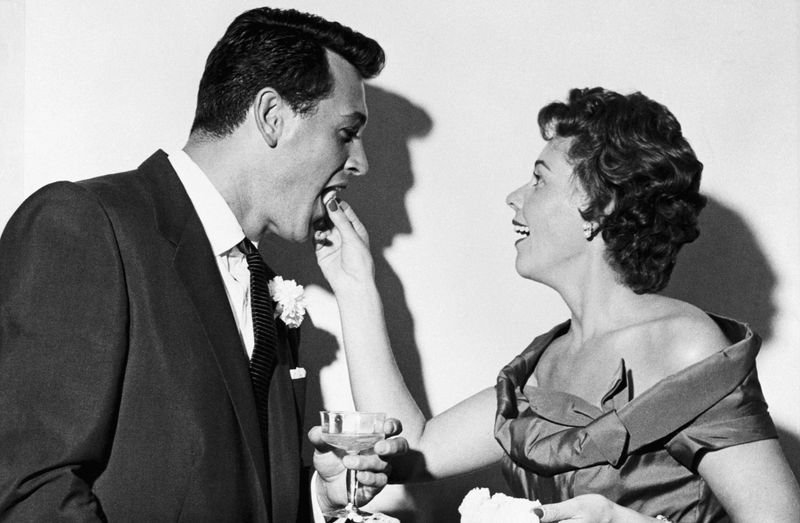
Hollywood studios were well aware that some of their biggest stars were gay, bisexual, or queer — and they worked hard to make sure the public never found out. Actors were pressured into sham marriages and fake relationships called “lavender marriages” to protect the studio’s image and the star’s career.
Rock Hudson is one of the most well-known examples. The personal cost of living this double life was enormous, and many stars suffered privately while maintaining a false public persona.
14. Loan-Out Deals That Benefited Only the Studio
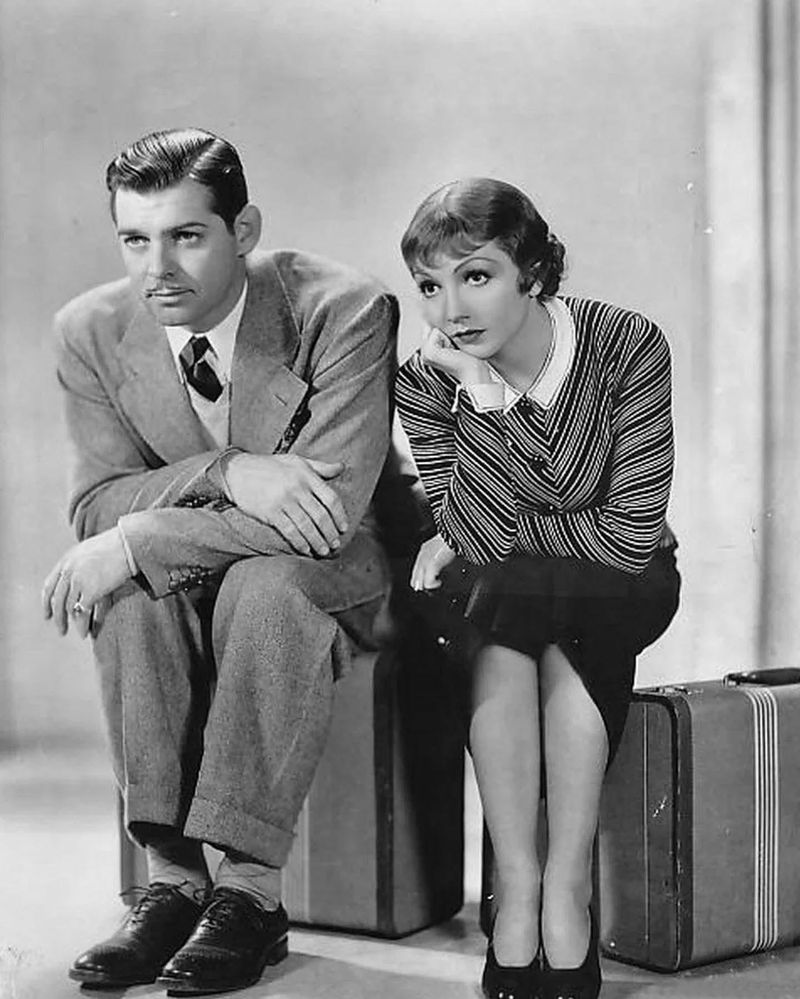
When MGM loaned Clark Gable to Columbia Pictures for “It Happened One Night,” Gable saw it as a punishment. He didn’t want to go.
But the studio pocketed the loan-out fee while Gable earned the same salary he always had — even after winning an Oscar for the role.
Loan-out deals were purely financial arrangements for studios. Stars had zero say in where they were sent or what they were paid for those outside assignments.
15. Suspension as a Punishment Tool
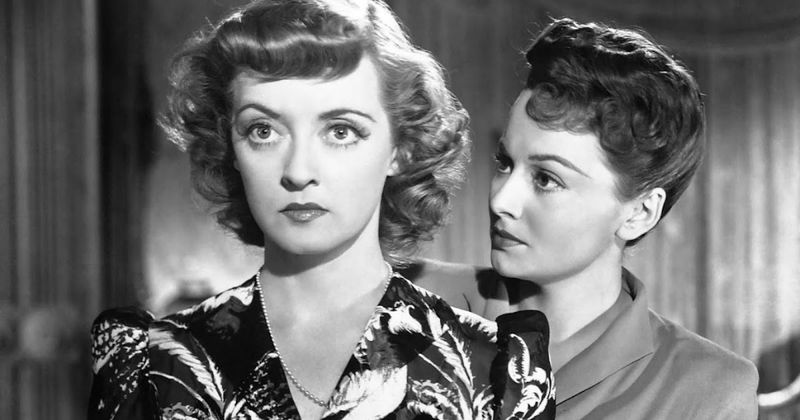
Refusing a role, speaking to the press without permission, or stepping out of line in any way could trigger an immediate suspension. During a suspension, actors received no pay and were still bound by their contract — meaning they couldn’t work anywhere else either.
It was a financial stranglehold designed to force compliance.
James Cagney and Olivia de Havilland both fought back against suspensions legally. De Havilland’s 1944 court victory actually helped change the rules for everyone in Hollywood.
16. Controlled Diet and Medication Use
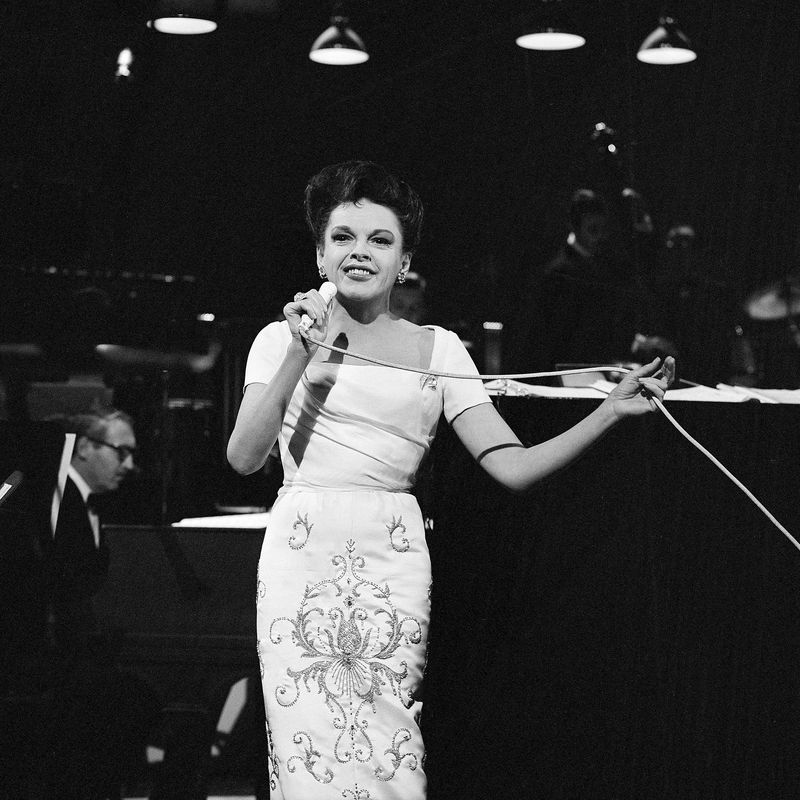
Studios didn’t just tell stars what to eat — they sometimes controlled what pills they took. Judy Garland famously recalled being given stimulants to keep her awake during long shooting days and sedatives to help her sleep at night.
This cycle of pills became a serious health crisis that affected her for the rest of her life.
The studio framed it as care and professionalism. In reality, it was chemical management of human beings to maximize productivity on set.
17. No Say in Script or Role Selection
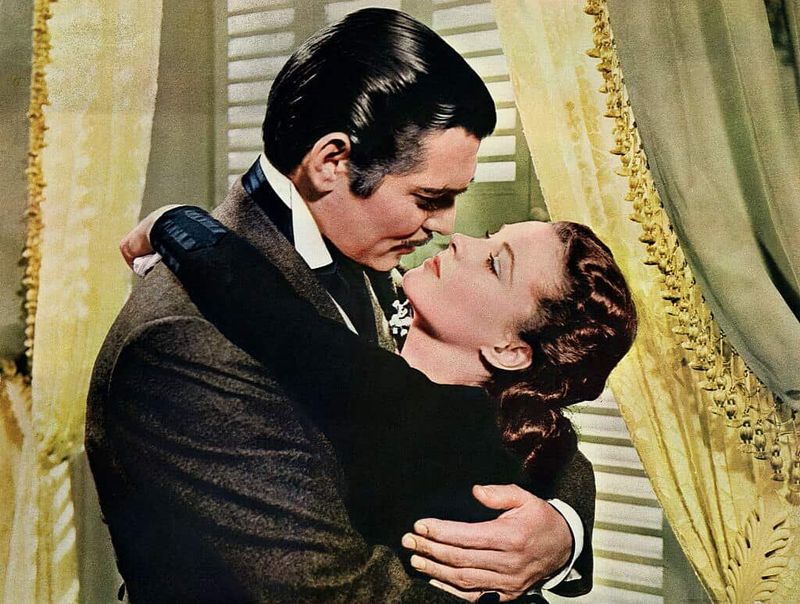
Stars had to play whatever role the studio assigned them, regardless of how they felt about it. There was no creative consultation, no negotiation, and certainly no veto power.
If a studio decided their top dramatic actress should star in a light musical comedy, that was simply what was happening.
Over time, this stripped away any sense of artistic identity. Many stars felt more like puppets than performers, going through the motions of a career they never truly owned.
18. Constant Surveillance and Press Management
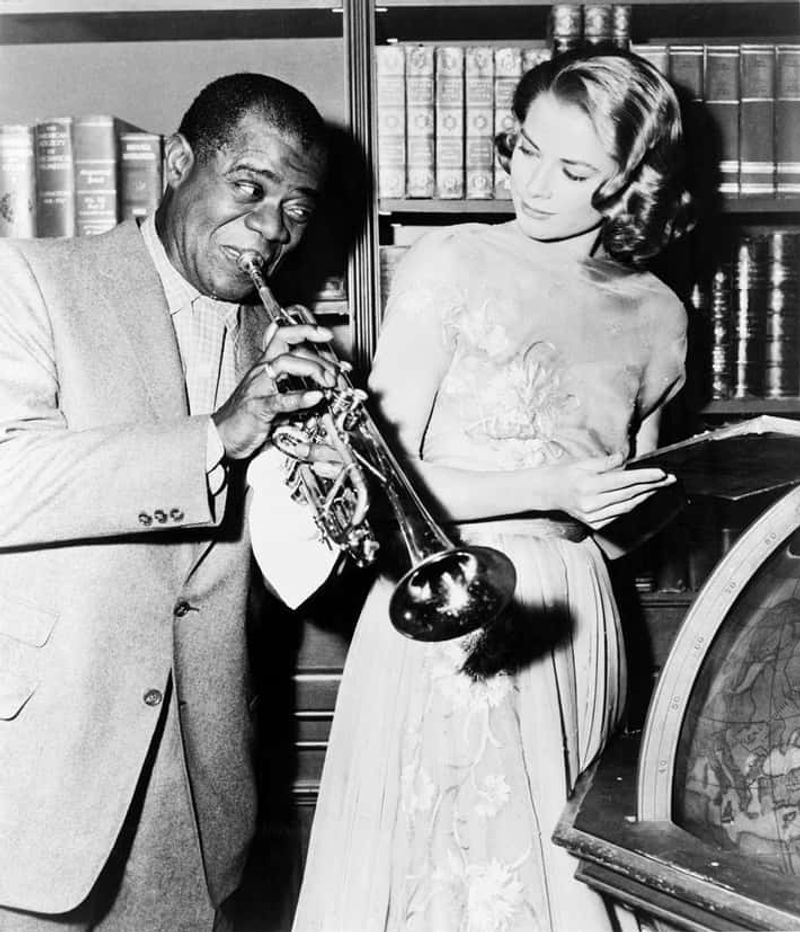
Studios employed teams of publicists, spies, and fixers whose entire job was to monitor stars and manage what the press reported. If a star got into trouble — a car accident, an affair, an arrest — the studio’s fixer often arrived before the police did.
Stories were buried, witnesses were paid off, and reporters were kept in line.
Nothing reached the public without being filtered first. The carefully polished image audiences saw was almost always a manufactured version of the truth.