
Some of the most popular ingredients in fancy restaurants and grocery stores today were once considered humble, everyday staples that almost nobody wanted. Farmers fed them to animals, home cooks used them out of necessity, and they cost almost nothing.
Now, thanks to food trends, social media, and health crazes, these same ingredients carry jaw-dropping price tags. Here is a look at 23 ingredients that went from budget-friendly basics to must-have luxuries almost overnight.
1. Avocado
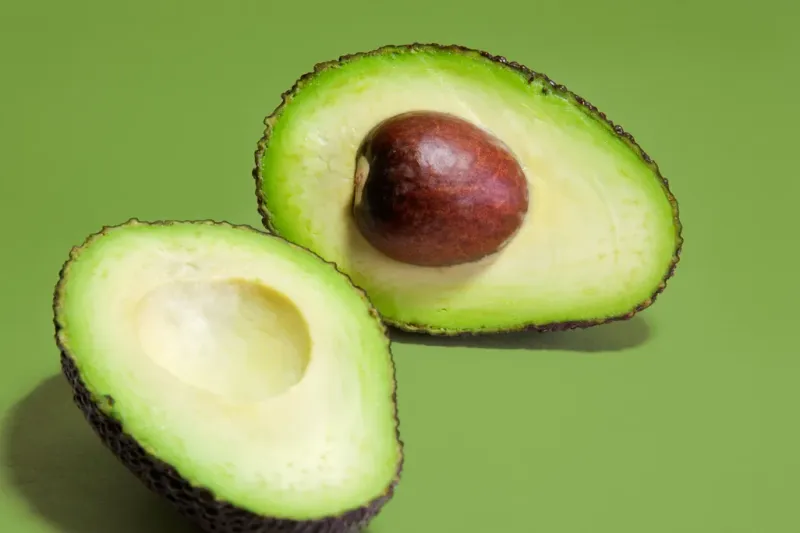
Not long ago, avocados were so cheap that farmers in California and Mexico struggled to sell them. Today, a single avocado can cost more than two dollars at most grocery stores.
The avocado toast craze, fueled by social media and brunch culture, sent demand through the roof. Millennials turned this once-ignored fruit into a cultural icon.
Now entire farms are dedicated to meeting global demand, and prices rarely dip back to what they used to be.
2. Quinoa
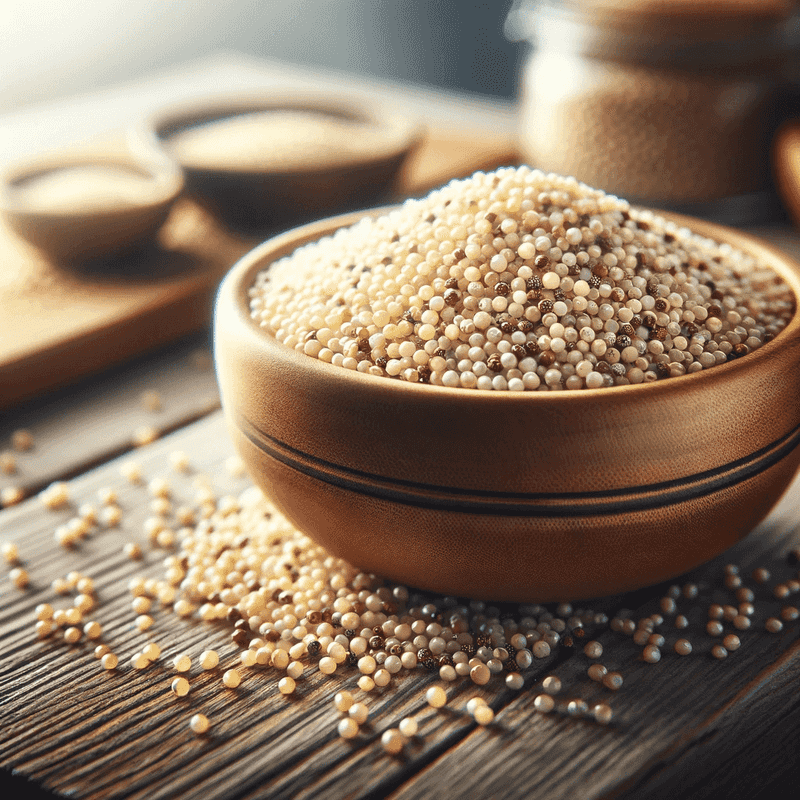
Quinoa was the staple grain of Andean communities in Bolivia and Peru for thousands of years, and it was incredibly affordable for local farmers. When Western health food enthusiasts discovered its high protein content, everything changed fast.
Prices skyrocketed so sharply in the early 2010s that the farmers who grew it could no longer afford to eat it themselves. Quinoa went from peasant food to a premium superfood sold in specialty health stores worldwide.
3. Kale
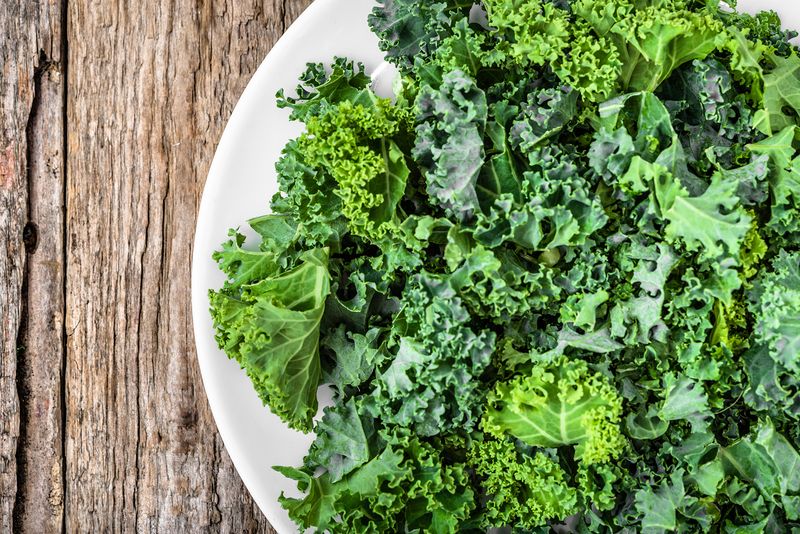
Back in the 1990s, kale was mostly used as a decorative garnish on salad bars and buffet tables. Restaurants placed it around food displays for color, then threw it away at the end of the night.
Once nutrition experts started calling it a superfood packed with vitamins, the demand exploded. Kale chips, kale smoothies, and kale salads became everywhere.
Prices climbed steadily as farmers rushed to grow more of this leafy green that nobody used to take seriously.
4. Truffle
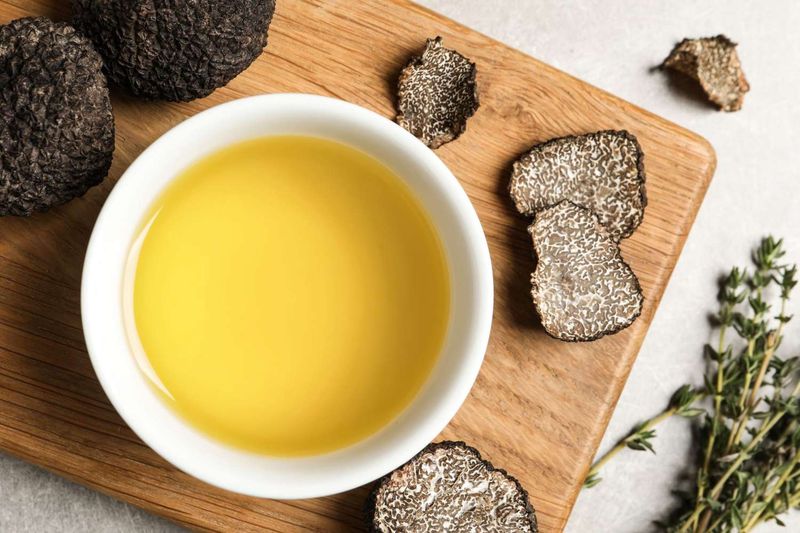
Wild truffles have always been rare, but truffle oil and truffle-flavored products were once considered affordable luxury add-ons. A small bottle of truffle oil used to cost just a few dollars at specialty stores.
As celebrity chefs began drizzling truffle everything on dishes, and foodie culture spread through cooking shows and Instagram, demand surged. Now truffle products command premium prices, and real fresh truffles can sell for thousands of dollars per pound at peak season.
5. Cauliflower
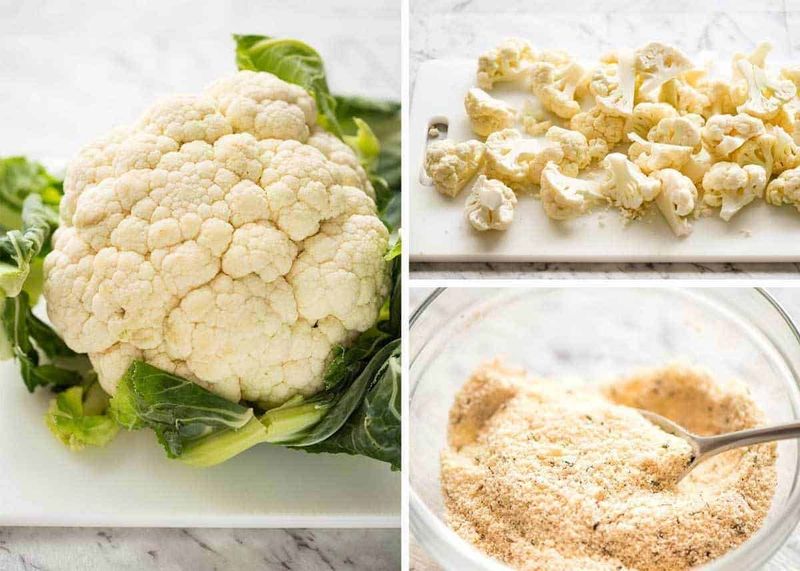
Cauliflower was once the forgettable vegetable that sat untouched at the dinner table. It was cheap, plentiful, and rarely exciting enough to feature in restaurant menus.
Then the low-carb and keto diet movements turned cauliflower into a miracle substitute for rice, pizza crust, and mashed potatoes. Suddenly everyone wanted it, and grocery stores struggled to keep up with demand.
Prices jumped noticeably, and cauliflower steaks started appearing on upscale restaurant menus at surprisingly high costs.
6. Oat Milk
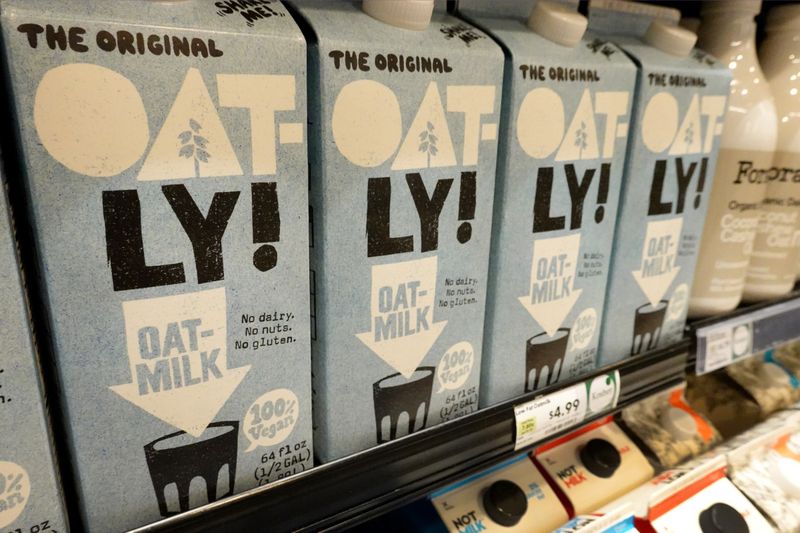
Oats have always been one of the cheapest grains available, used mainly for animal feed and budget-friendly porridge. The idea of turning them into milk was barely on anyone’s radar a decade ago.
Swedish brand Oatly changed everything when it brought oat milk to coffee shops, and baristas loved how it foamed. Demand went wild, and suddenly a carton of oat milk cost more than regular dairy milk.
A grain that once cost pennies became the base of a premium beverage category.
7. Bone Broth
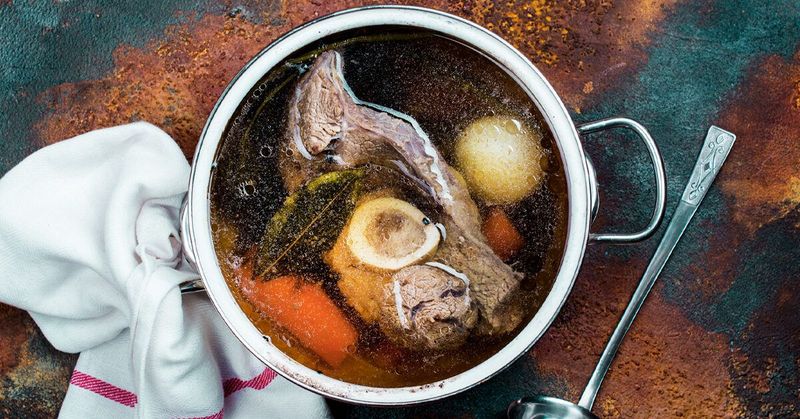
For generations, grandmothers simmered bones in water to make broth because it was the cheapest way to stretch a meal and use every part of an animal. Butchers practically gave bones away.
Health bloggers and the paleo diet movement rebranded this humble kitchen staple as a collagen-rich wellness drink. Suddenly, bone broth appeared in fancy jars at health food stores for eight to twelve dollars each.
Something that cost almost nothing became a premium health product overnight.
8. Matcha
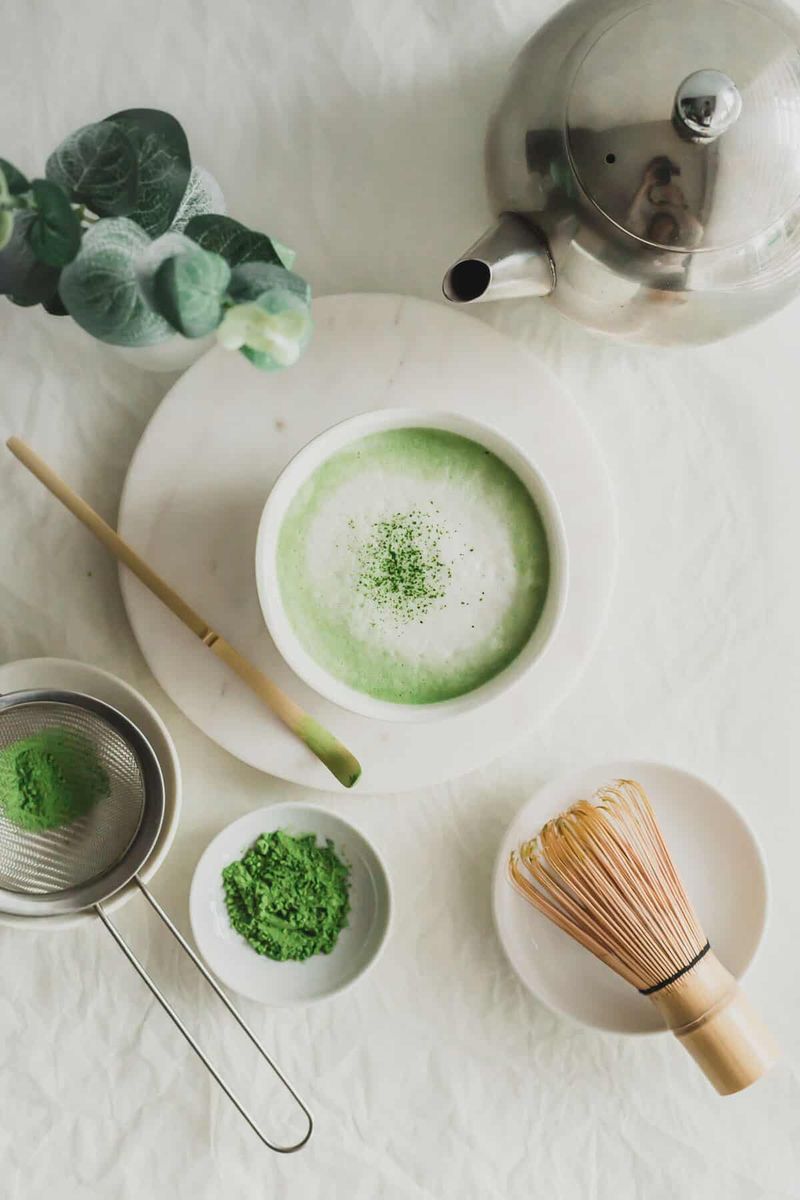
Matcha has been part of Japanese tea ceremonies for centuries, but outside of Japan it was barely known and cost very little in Asian grocery stores. You could find large tins for just a couple of dollars.
Once Western cafes started selling matcha lattes and matcha desserts, the global demand for high-quality ceremonial-grade matcha skyrocketed. Today, premium matcha can cost thirty to eighty dollars for just a small tin, and the trendy green color alone drives its popularity on social media.
9. Turmeric
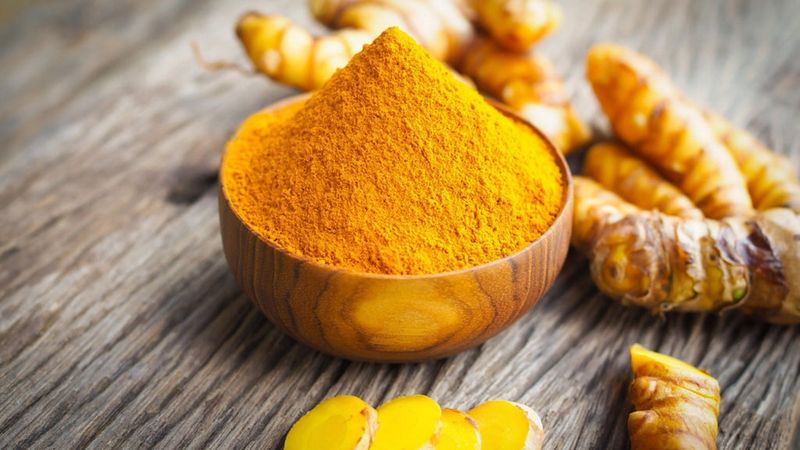
Turmeric has been used in South Asian cooking and traditional medicine for thousands of years, where it was always cheap and widely available. Families in India used it daily without a second thought about its cost.
Western wellness culture adopted turmeric as an anti-inflammatory miracle spice, and golden milk lattes became a social media sensation. Prices for quality turmeric powder rose quickly, and turmeric supplements now fill pharmacy shelves at premium rates that would shock anyone from cultures where it was always just a pantry staple.
10. Chickpeas
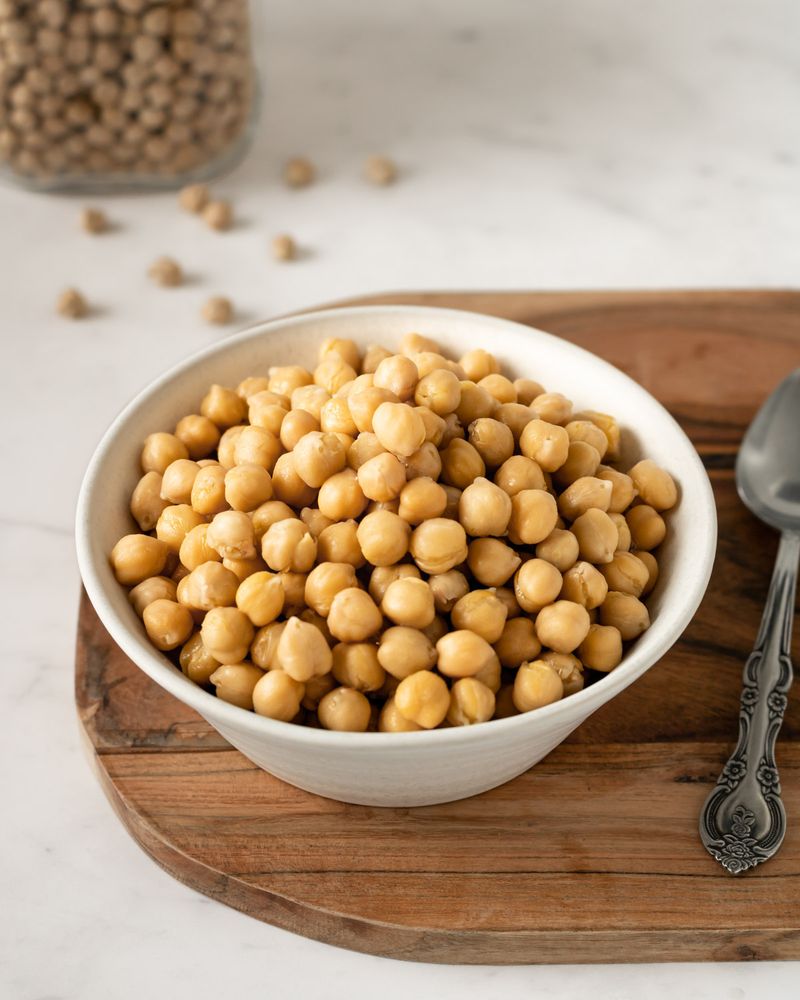
Chickpeas were the protein of the poor for centuries across the Middle East, Mediterranean, and South Asia. Canned chickpeas were among the cheapest items in any grocery store for decades.
The hummus boom, combined with plant-based diet trends, sent chickpea demand soaring across North America and Europe. Chickpea pasta, chickpea flour, and roasted chickpea snacks now crowd store shelves at prices far above what this humble legume ever commanded before.
Even aquafaba, the liquid from the can, became a trendy ingredient.
11. Acai
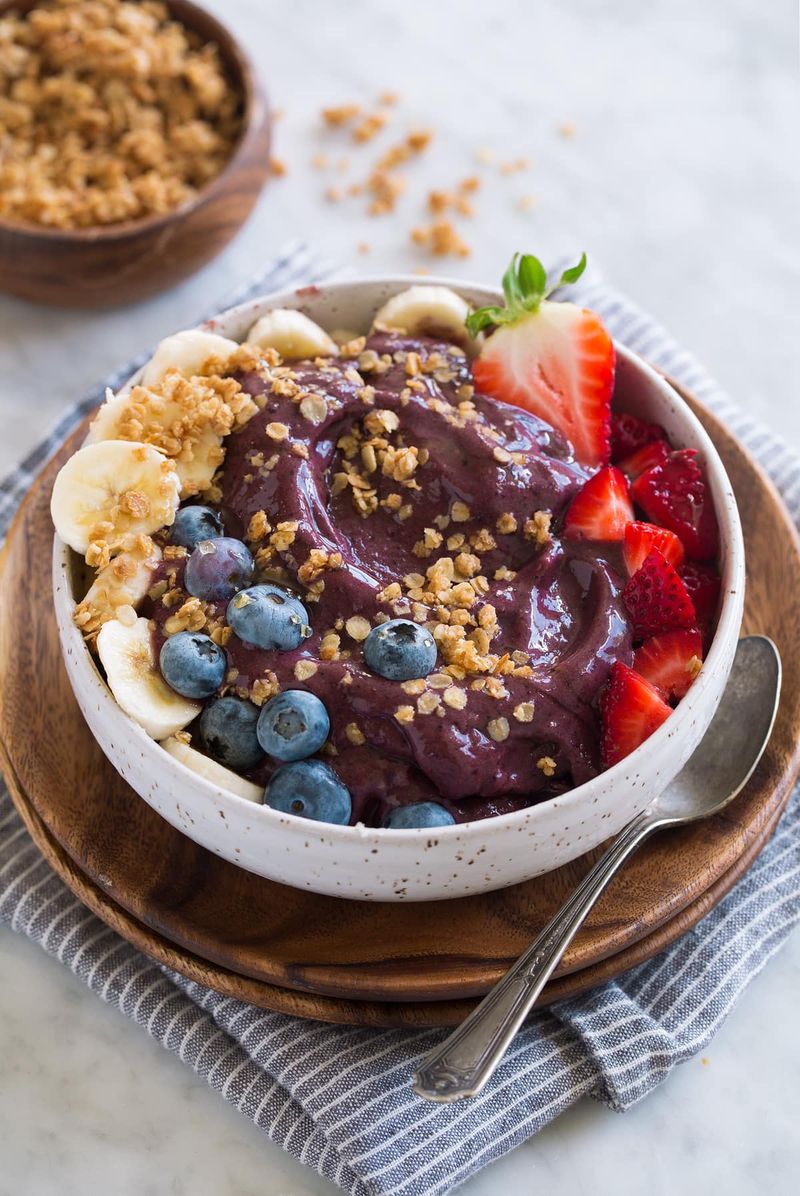
Acai berries grow wild in the Amazon rainforest and were a basic, affordable food source for communities in Brazil long before the rest of the world knew they existed.
Around the mid-2000s, acai was marketed as a superfood with antioxidant properties, and acai bowls became the trendiest breakfast item on the planet. Prices for acai pulp and powders climbed dramatically.
What was once a low-cost local fruit became a premium global commodity that can cost ten to fifteen dollars for a single smoothie bowl.
12. Sourdough Bread
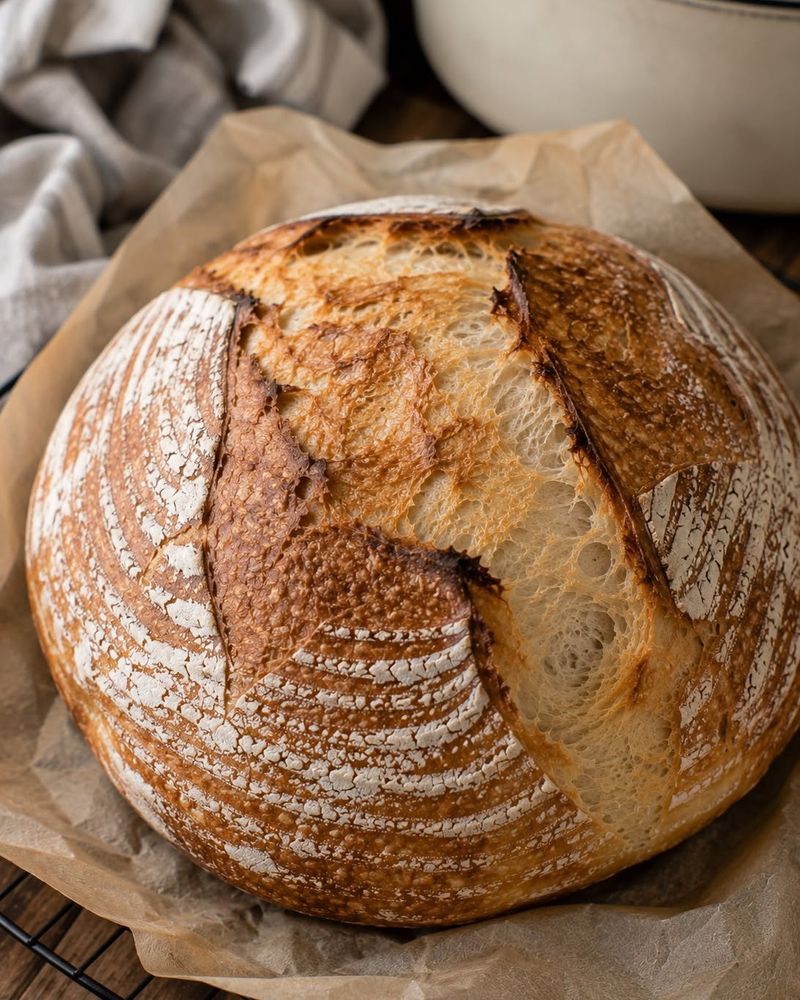
Before artisan bakeries made it fashionable, sourdough was simply old-fashioned bread that home bakers made because commercial yeast was not always available. It was basic, inexpensive, and nothing special.
The fermentation trend, combined with the pandemic baking craze of 2020, turned sourdough into a cultural obsession. Artisan loaves now sell for eight to fifteen dollars at specialty bakeries.
Sourdough starters became prized possessions, and bakers treat them like family heirlooms. What was once humble peasant bread is now a premium product.
13. Kimchi
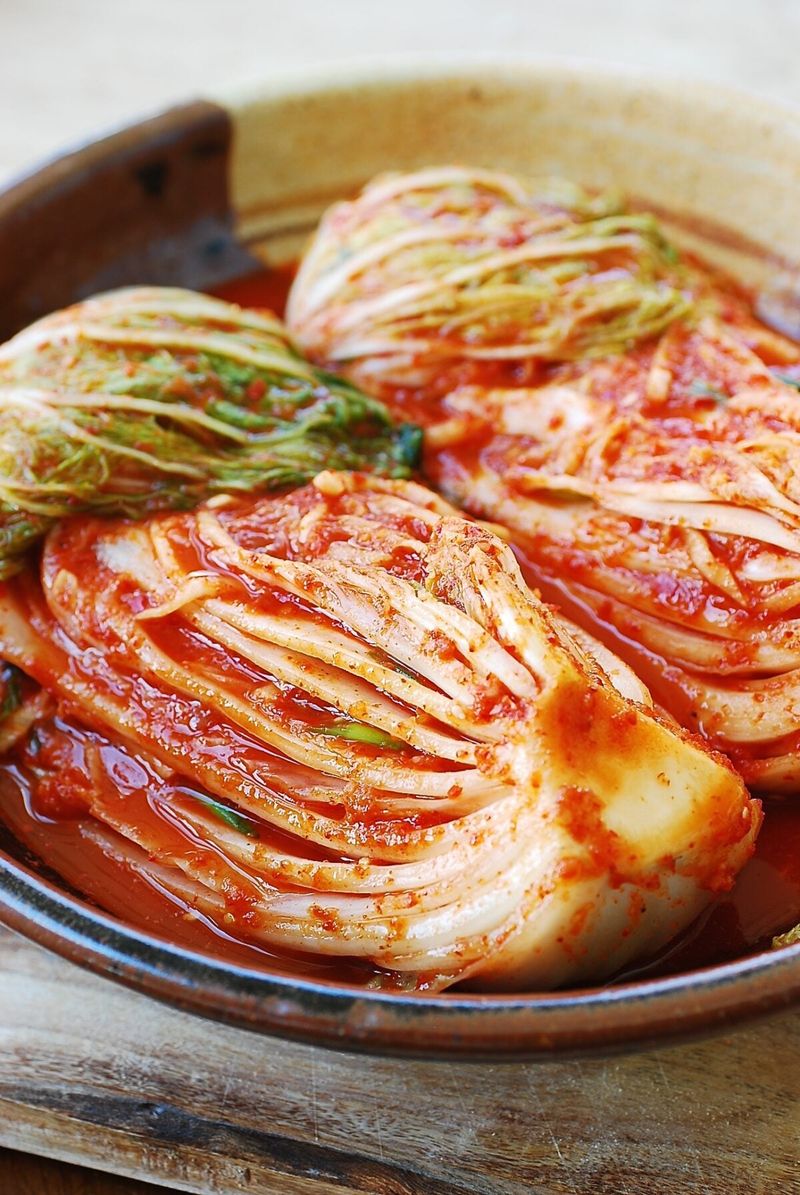
Kimchi is a fermented Korean vegetable dish that families made at home to preserve vegetables during winter. In Korean households, it was cheap, plentiful, and eaten at every single meal.
As fermented foods gained popularity for gut health benefits, kimchi went global. Western grocery chains started stocking it, and demand pushed prices higher.
Artisan kimchi brands now charge a premium for small jars. What Korean grandmothers made in massive batches for almost nothing became a trendy probiotic product worldwide.
14. Miso
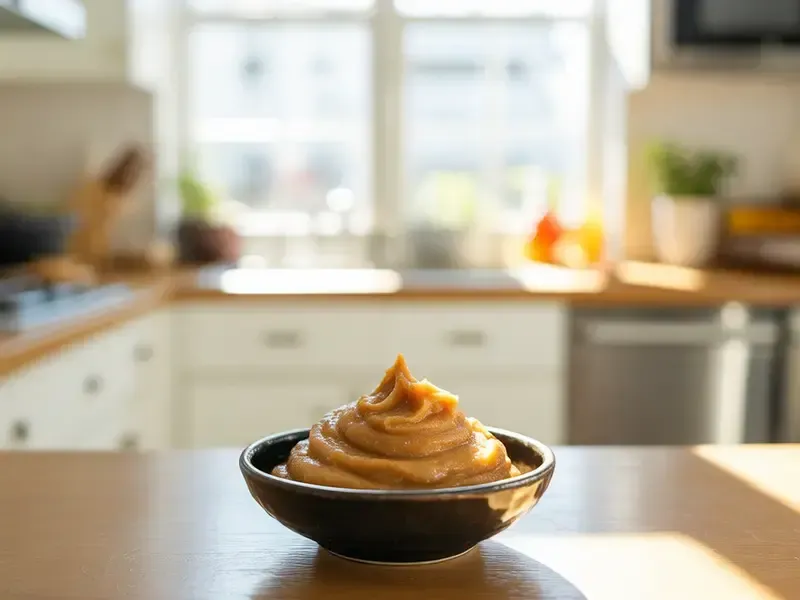
Miso paste has been a foundational ingredient in Japanese cooking for over a thousand years, and it was always considered an everyday, budget-friendly pantry staple in Japanese homes.
Western chefs started adding miso to everything from salad dressings to caramel desserts, and foodies went wild for its umami depth. Premium aged miso varieties now sell at high prices in specialty stores.
Miso butter, miso glazes, and miso soups at upscale restaurants carry price tags that reflect how trendy this once-humble paste has become.
15. Jackfruit
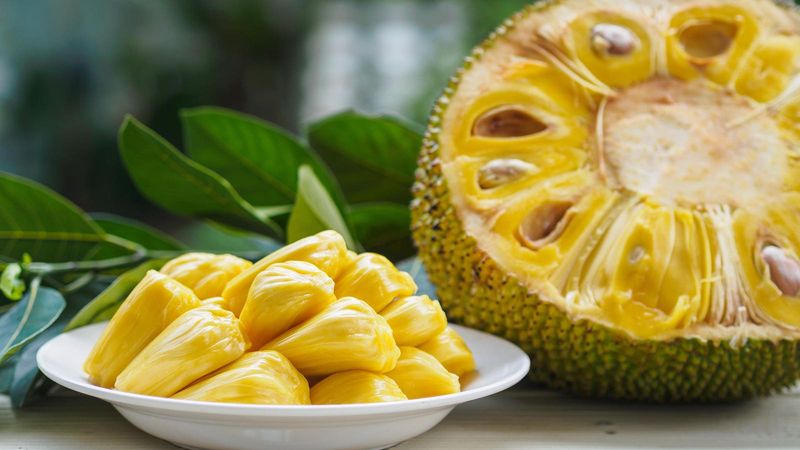
Jackfruit is the world’s largest tree fruit, and in tropical countries like India, Bangladesh, and Thailand, it grows abundantly and has always been an extremely affordable food for local communities.
When plant-based eating took off in Western countries, food companies discovered that young green jackfruit mimics pulled pork surprisingly well. It became the go-to meat substitute for vegans and vegetarians.
Canned jackfruit prices jumped, and fresh jackfruit became a specialty item in Western supermarkets, costing far more than it ever did at home.
16. Ghee
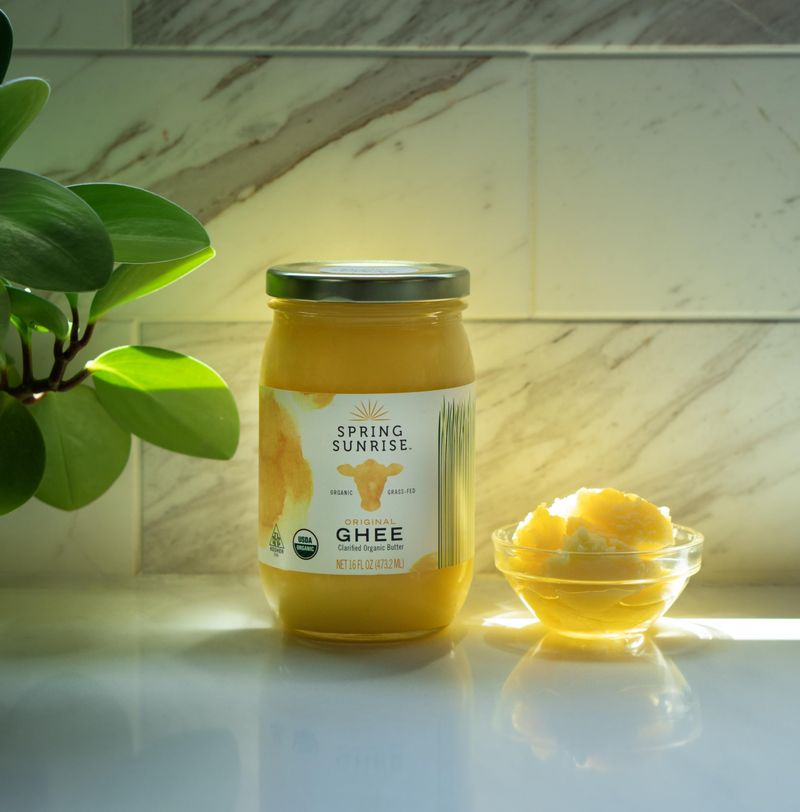
Ghee is simply clarified butter that has been used in South Asian cooking for thousands of years. In India, it was a household staple that families made at home from leftover cream, making it very affordable.
The paleo and keto diet communities adopted ghee as a superior cooking fat, and Ayurvedic wellness trends brought it to health food stores across America and Europe. Suddenly, a jar of ghee with a fancy label costs far more than a pound of regular butter at most stores.
17. Farro
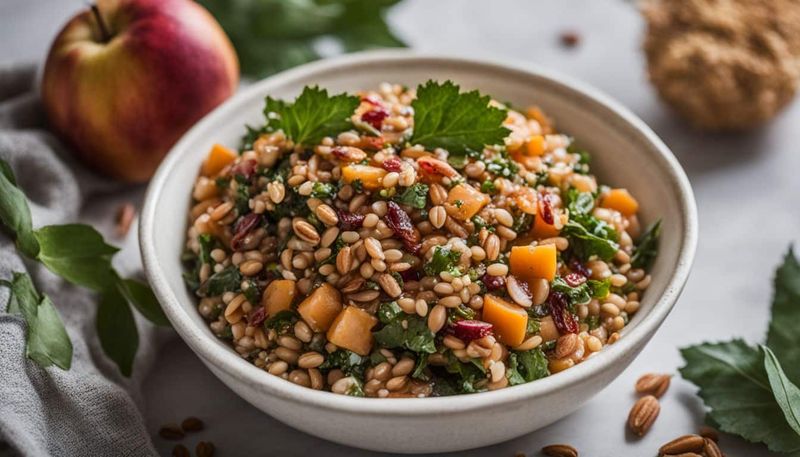
Farro is an ancient grain that Italian farmers and peasants ate for centuries because it was hardy, filling, and incredibly inexpensive to grow in difficult soil conditions.
Once chefs started putting farro salads and farro risotto on restaurant menus as a sophisticated alternative to rice, its status changed completely. Health food stores started stocking it alongside other trendy ancient grains, and the price climbed well above what regular rice or pasta costs.
Ancient grain status made it feel premium even though it was always a humble crop.
18. Coconut Oil
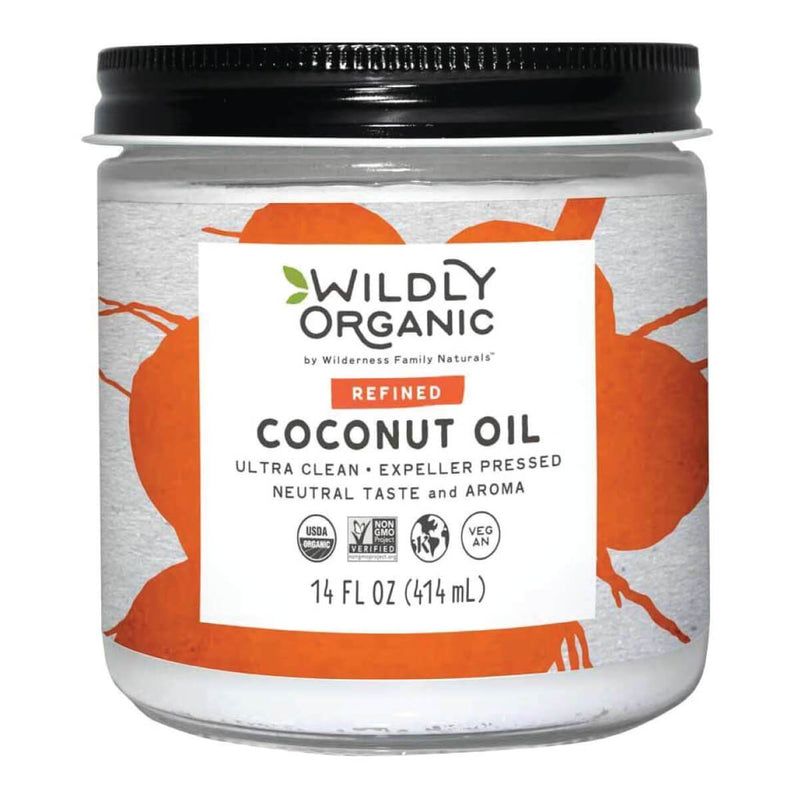
Coconut oil was a cheap cooking fat used in tropical countries for generations, and in the early 2000s it was still very affordable and largely ignored by mainstream Western consumers.
Around 2012, health bloggers declared it a miracle fat good for everything from cooking to skincare to oil pulling. Demand exploded globally, and prices shot up fast.
Small jars of coconut oil started selling for eight to fifteen dollars in health food stores, far more than the humble tropical staple ever cost before its fame.
19. Pomegranate
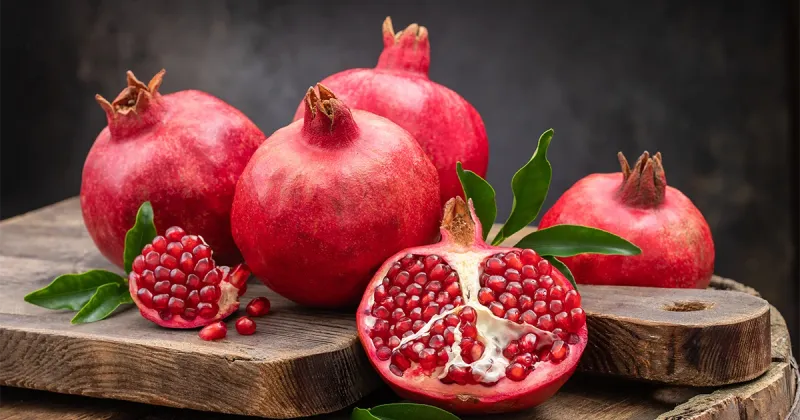
Pomegranates have grown across the Middle East and Mediterranean for thousands of years, and they were once cheap seasonal fruits sold in local markets without much fanfare or excitement.
A famous marketing campaign by POM Wonderful in the early 2000s positioned pomegranate juice as a powerful antioxidant health drink. The fruit’s exotic red seeds also became a visual favorite on food blogs and social media.
Prices for both fresh pomegranates and pomegranate products climbed noticeably as Western demand grew year after year.
20. Seaweed
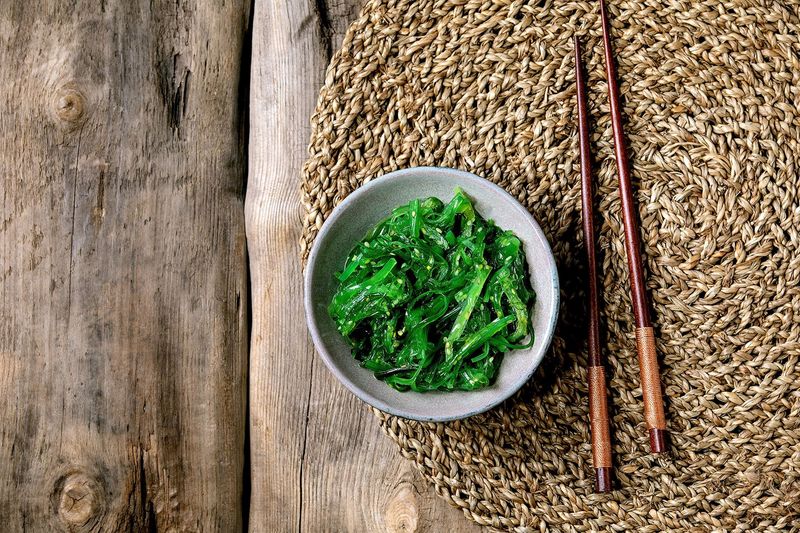
Seaweed has been eaten in Asian coastal communities for centuries as an extremely cheap and plentiful food source harvested straight from the ocean. In Japan, Korea, and China, it was everyday food.
Western health trends embraced seaweed as a mineral-rich superfood, and seaweed snacks, seaweed salads, and seaweed supplements started appearing on store shelves at prices that would surprise anyone who grew up eating it. Seaweed farming even became a hot sustainability topic, pushing its profile and price even higher in global markets.
21. Cacao Nibs
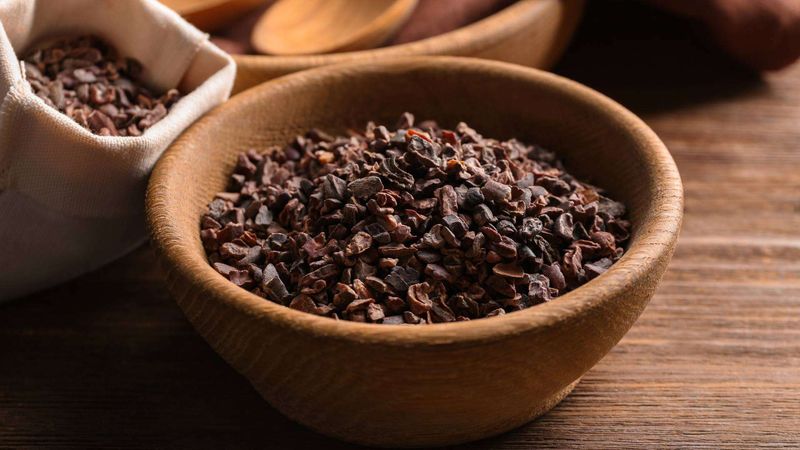
Raw cacao, the unprocessed form of chocolate, has been cultivated in Central and South America for thousands of years and was once a very affordable ingredient used in traditional recipes and local drinks.
The raw food and clean eating movements rebranded cacao nibs as a guilt-free superfood alternative to chocolate chips. Suddenly, small bags of cacao nibs appeared in health food stores at prices that seem shocking compared to regular chocolate.
Their bitter, crunchy texture became a badge of honor for health-conscious eaters everywhere.
22. Lobster
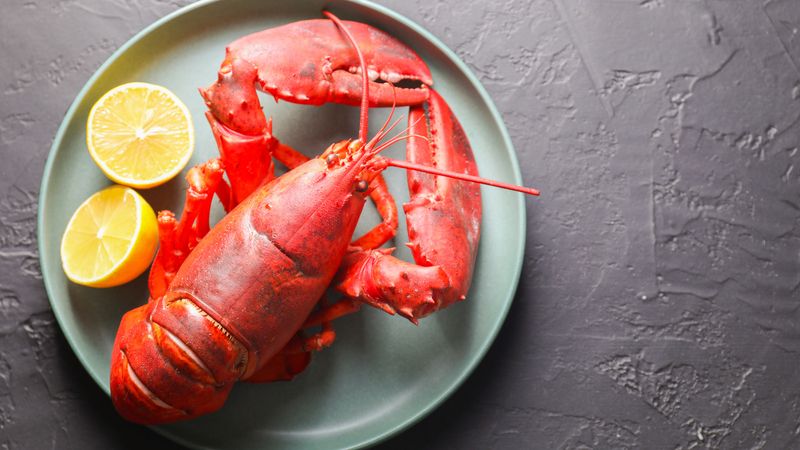
This might be the most surprising reversal on the list. Lobster was once considered trash food in colonial New England, fed to prisoners and servants because it was so plentiful and cheap that no one respected it.
As lobster populations became harder to harvest sustainably and its reputation shifted toward luxury dining, prices climbed dramatically over the twentieth century. Today, a single lobster dinner can cost thirty to sixty dollars or more at a restaurant.
The ultimate symbol of luxury dining was once a symbol of poverty.
23. Chia Seeds
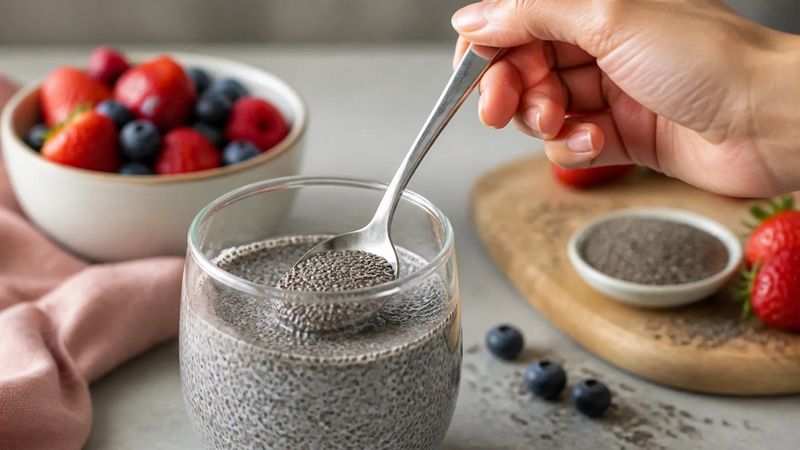
Chia seeds were grown by ancient Aztec and Mayan civilizations as a staple energy food, and for a long time they were barely known outside of Latin America, where they remained very affordable.
The superfood marketing machine picked up chia seeds in the early 2010s, promoting their omega-3 content, fiber, and ability to form a gel when soaked in liquid. Chia pudding became a breakfast trend, and prices for these tiny seeds climbed fast.
A bag that once cost almost nothing now sells for several dollars at most grocery stores.