
Long before electric refrigerators existed, people had to get creative about keeping their food from spoiling. Across centuries and cultures, clever methods like drying, salting, fermenting, and smoking helped people store food for weeks, months, or even years.
Many of the foods we enjoy today were born out of that very need for survival. Some of them might surprise you!
1. Hardtack
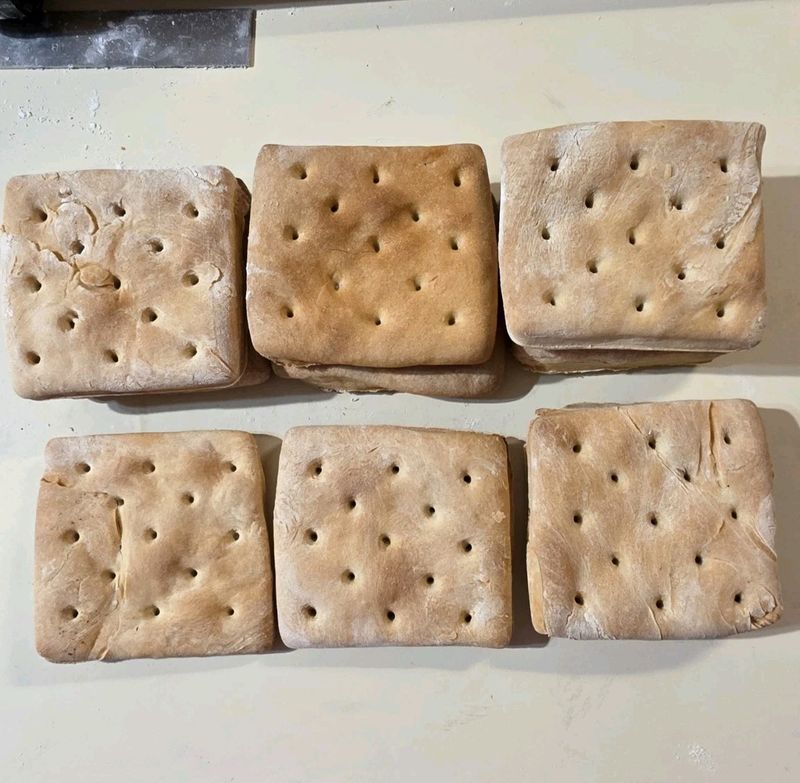
Sailors and soldiers once relied on hardtack to stay alive during long journeys with no way to store fresh food. Made from just flour, water, and salt, this rock-hard cracker could last for years without going bad.
It earned nicknames like “tooth dullers” and “sea biscuits” because biting into one was no easy task.
Today, hardtack is still made by survival enthusiasts and history buffs. It proves that simple ingredients, baked dry, can outlast almost anything in your kitchen pantry.
2. Beef Jerky
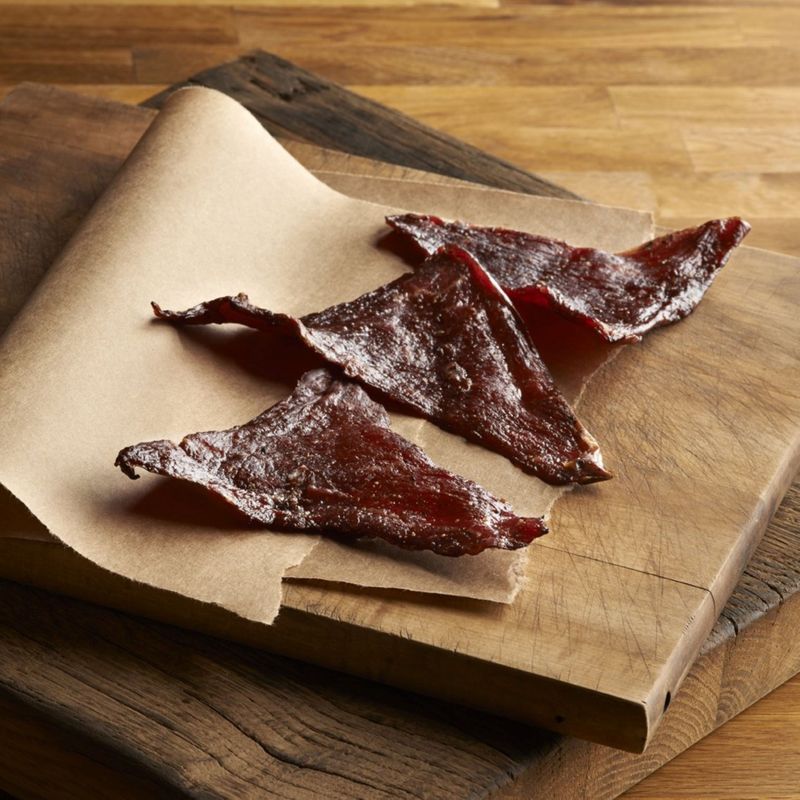
Ancient civilizations across South America, Africa, and North America figured out that drying meat in thin strips kept it from rotting. The word “jerky” comes from the Quechua word “ch’arki,” meaning dried, salted meat.
Without any refrigeration at all, tribes could carry protein-packed food on long hunts or migrations.
Today jerky comes in dozens of flavors and is a popular snack worldwide. Its origins, though, were purely about survival and making meat last as long as possible.
3. Cheese
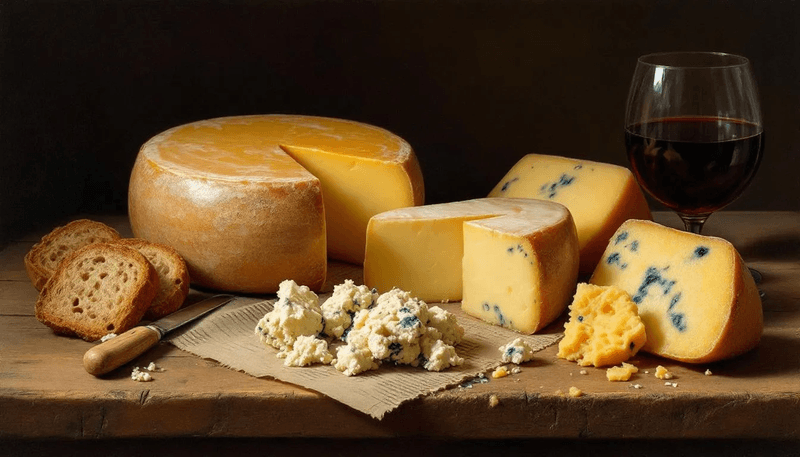
Cheese is basically milk that has been transformed through fermentation and aging so it does not spoil quickly. Historians believe cheese was discovered accidentally thousands of years ago when milk was stored in pouches made from animal stomachs.
The natural enzymes caused the milk to curdle and firm up into something edible and long-lasting.
Hard aged cheeses like Parmesan can last for months without refrigeration. That happy accident turned into one of the most beloved foods across every culture on Earth.
4. Salted Fish
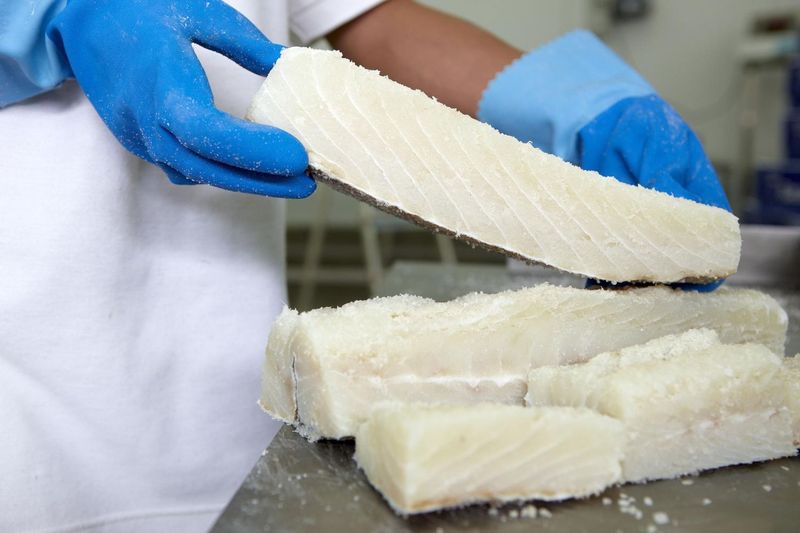
Salt draws moisture out of fish, and without moisture, bacteria cannot grow. Coastal communities around the world figured this out thousands of years ago.
Salted cod, for example, became a major trade item in Europe and fed entire populations through long winters and ocean voyages.
The process is simple but brilliantly effective. Fish are packed in salt or rubbed down heavily, then dried.
The result is a preserved food that can last for many months without any cooling at all.
5. Pemmican
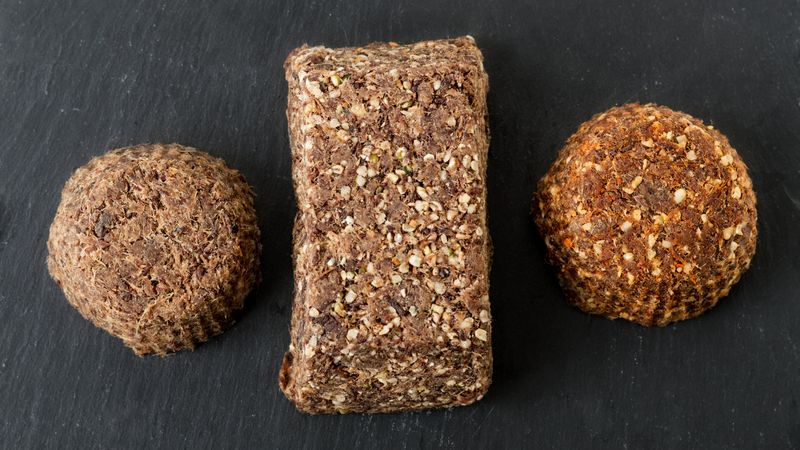
Pemmican might not win any beauty contests, but it was one of the most efficient survival foods ever created. Indigenous peoples of North America made it by mixing dried, ground meat with rendered fat and sometimes dried berries.
The fat acted as a sealant, keeping air and bacteria away from the meat.
Explorers and fur traders later adopted pemmican because it was incredibly calorie-dense and could last for years. A small amount could fuel a person through an entire day of hard physical work.
6. Soy Sauce
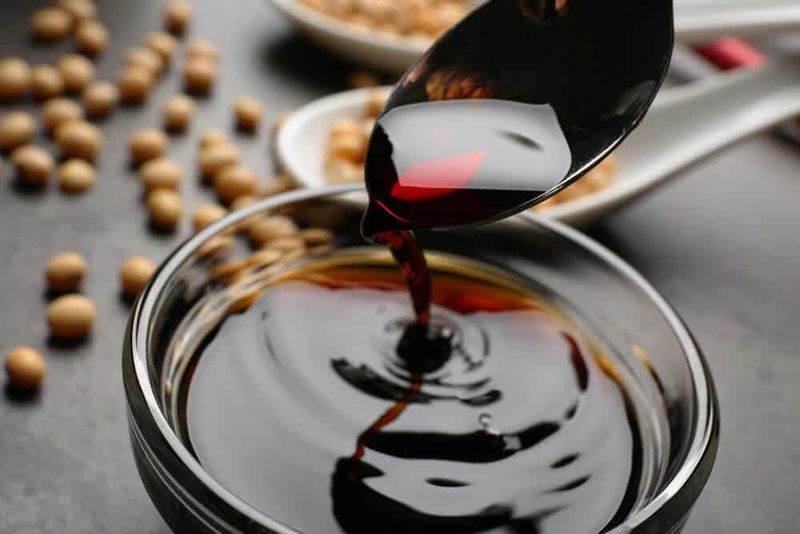
Soy sauce has been around for over 2,500 years, originating in ancient China as a way to stretch expensive salt. Soybeans were fermented with roasted grain, water, and salt over months, creating a liquid full of flavor that also resisted spoilage naturally.
The high salt content made it nearly impossible for harmful bacteria to survive.
Fermented foods like soy sauce were lifesavers before refrigeration existed. Today it seasons dishes worldwide and still sits comfortably at room temperature for extended periods.
7. Honey
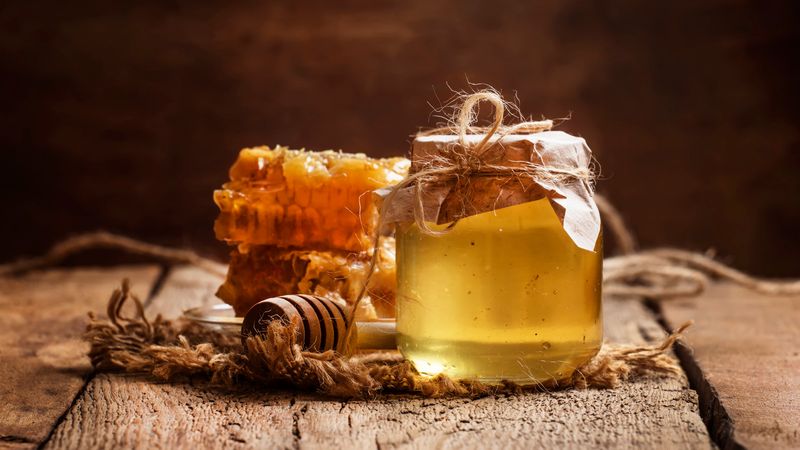
Archaeologists have found 3,000-year-old honey in Egyptian tombs that was still perfectly edible. Honey never spoils because its low moisture content, high sugar levels, and natural hydrogen peroxide make it completely inhospitable to bacteria.
Ancient Egyptians used it to preserve foods and even as a wound treatment.
Raw honey stored in a sealed container can technically last forever. No refrigeration needed, ever.
It is one of nature’s most impressive natural preservatives hiding in plain sight on grocery store shelves.
8. Vinegar
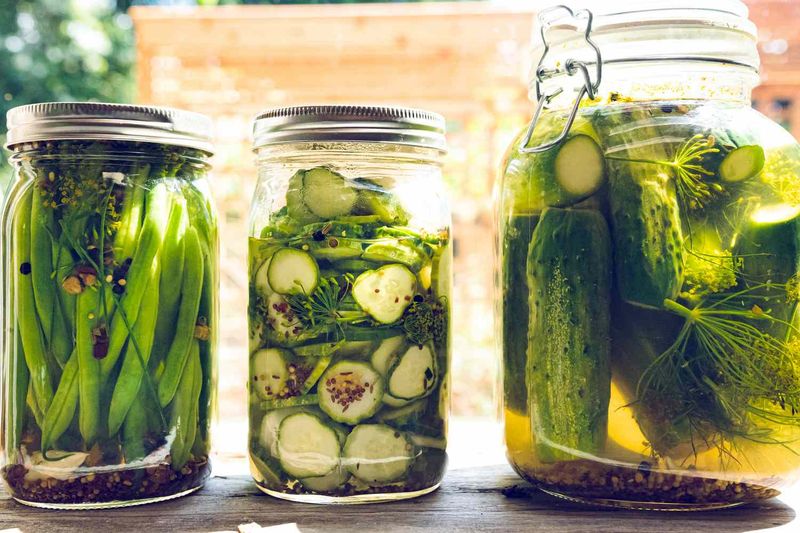
Vinegar has been used for thousands of years to preserve vegetables, fruits, and even meats. Its acidity creates an environment where most bacteria simply cannot survive, making it a powerful natural preservative.
Ancient Romans carried vinegar-soaked sponges and used diluted vinegar as a refreshing drink called “posca” during long military campaigns.
Pickling with vinegar is still popular today. From cucumbers to beets to peppers, vinegar keeps produce shelf-stable for months and adds a tangy punch of flavor at the same time.
9. Dried Beans
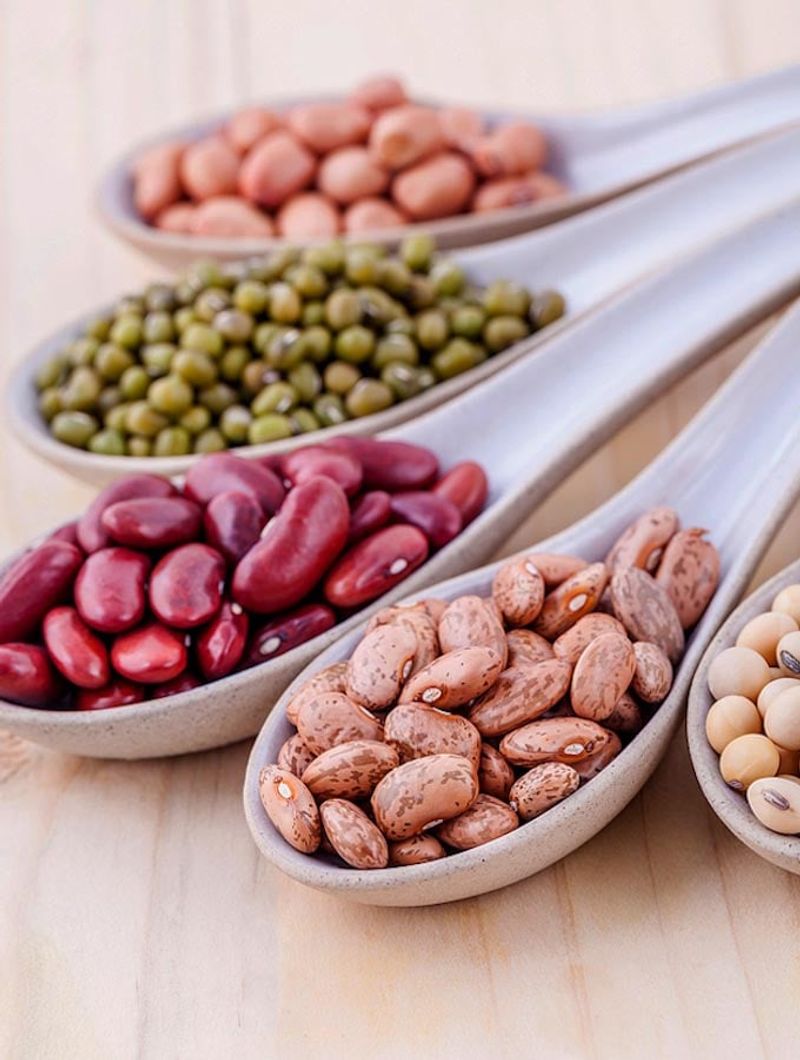
Dried beans have been a staple food for thousands of years across nearly every civilization. Removing moisture from legumes stops microbial growth completely, allowing beans to be stored for a year or more without spoiling.
Ancient farmers in the Americas grew beans alongside corn and squash, forming what they called the “Three Sisters” of agriculture.
A bag of dried beans is still one of the most affordable and nutritious pantry staples you can buy. Just add water, and you have a filling, protein-rich meal ready to go.
10. Crackers
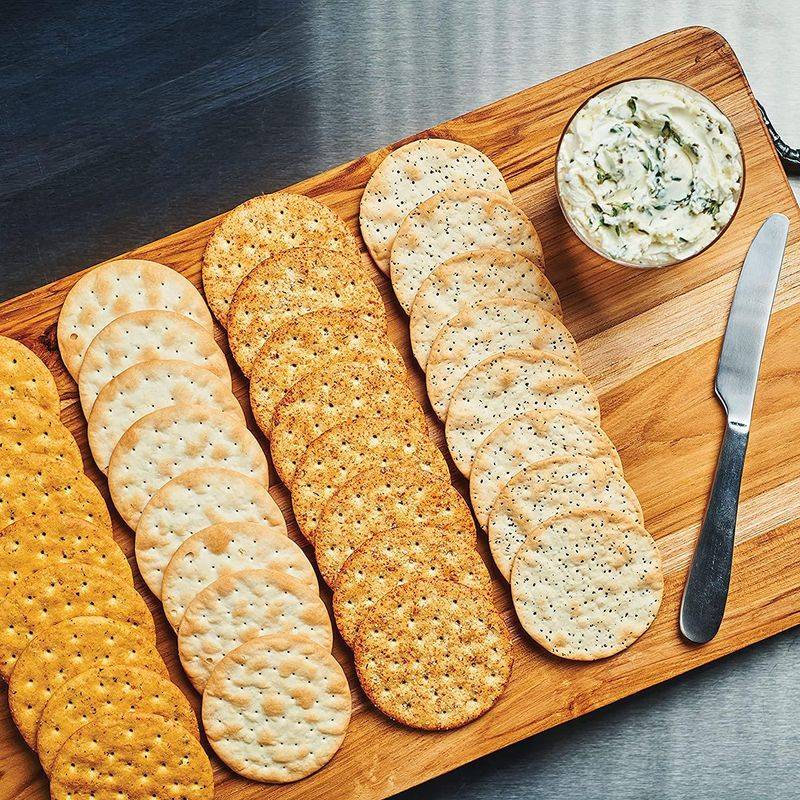
Before crackers became a snack-time favorite, they were designed purely to survive long storage without going bad. Low moisture content is the secret.
By baking out almost all the water, crackers become an unwelcoming environment for mold and bacteria. Ship captains stocked them by the barrel for ocean crossings that could take months.
The modern cracker aisle is huge, but every box traces back to that same simple idea. Dry it out, seal it up, and it will last a very long time.
11. Canned Foods
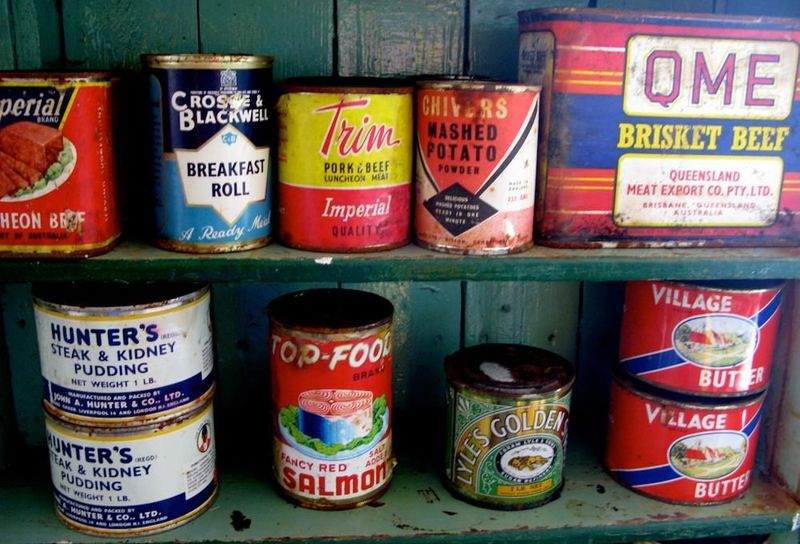
Nicolas Appert, a French chef, invented canning in the early 1800s after Napoleon offered a prize for whoever could find a way to feed his army on long campaigns. By sealing food inside airtight containers and heating them to kill bacteria, Appert created a preservation method that changed the world.
Tin cans replaced glass jars and became even more durable.
Canned foods can last for years and remain a global staple. That military problem sparked a food revolution still feeding billions of people every single day.
12. Kimchi
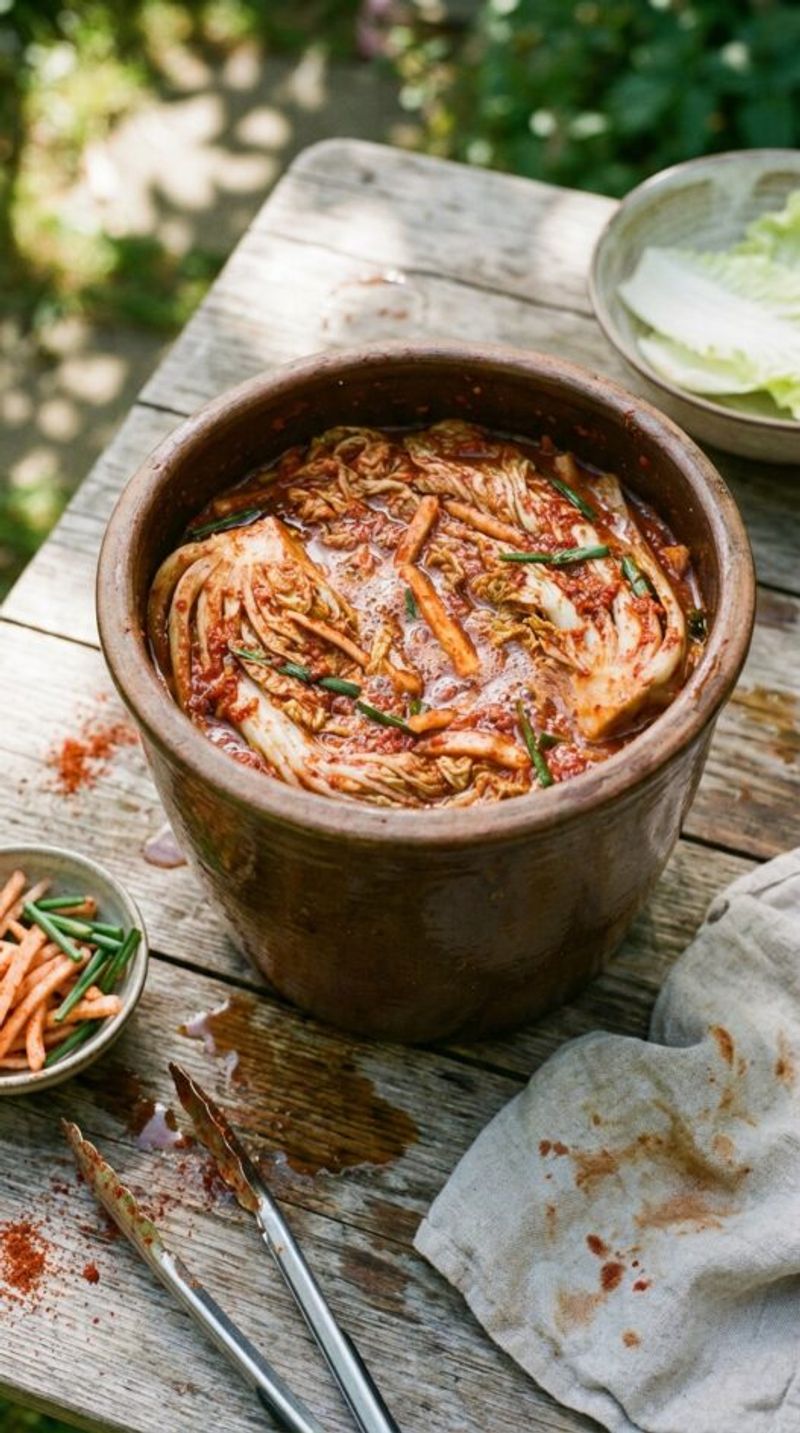
Kimchi is a Korean fermented vegetable dish that has been keeping people fed through harsh winters for thousands of years. Cabbage and other vegetables are salted, seasoned with chili paste and garlic, then left to ferment.
The lactic acid produced during fermentation naturally preserves the food and creates that signature sour, spicy kick.
Traditionally stored in clay pots buried underground to maintain a steady cool temperature, kimchi could last through entire winters. Today it is celebrated globally as a probiotic-rich superfood with serious staying power.
13. Hardboiled Eggs Preserved in Brine
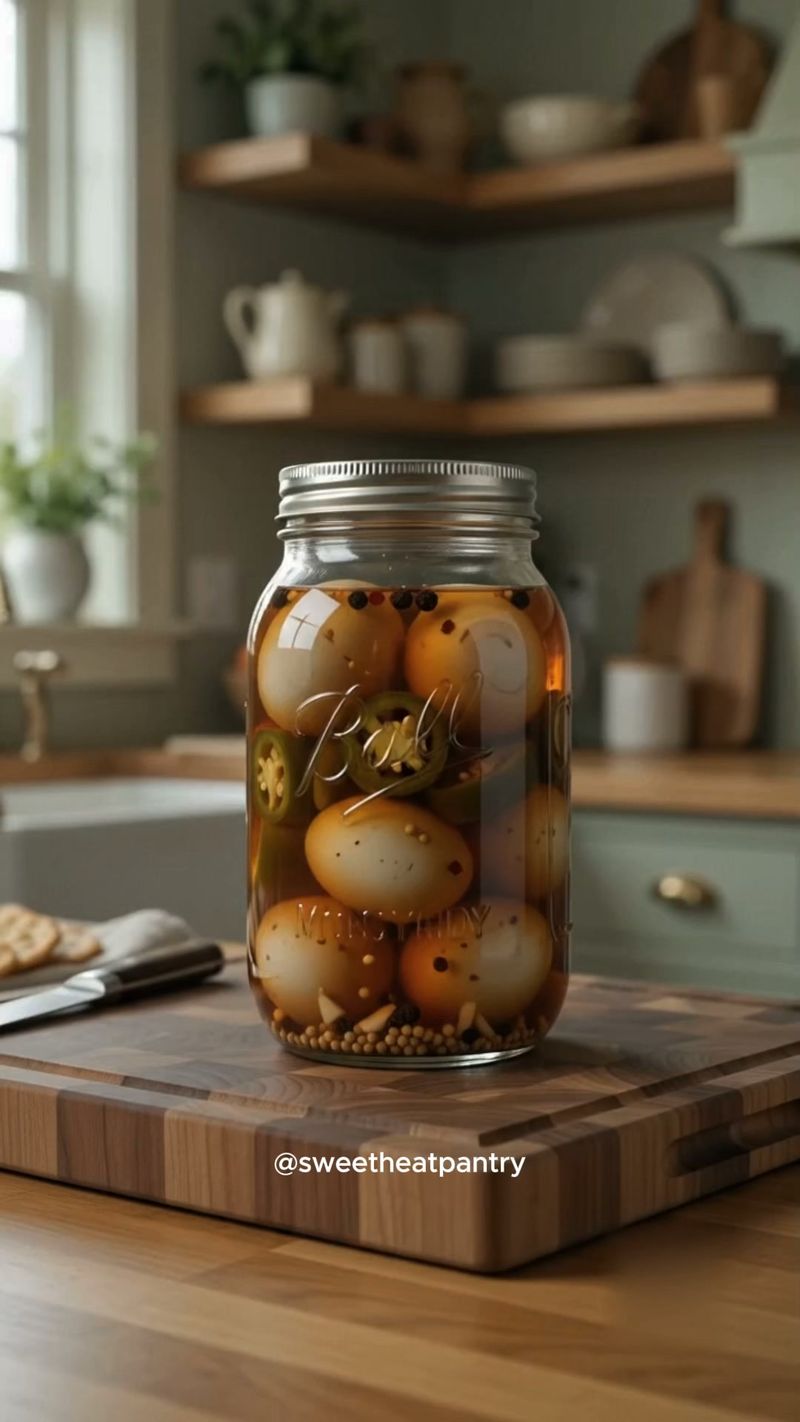
Pickling eggs in brine or vinegar was a clever way to extend their shelf life well beyond what a fresh egg could manage. Bars and pubs in 19th-century America kept big jars of pickled eggs on the counter for hungry customers.
The acidic brine prevented bacterial growth and gave the eggs a tangy, firm texture.
Pickled eggs can last several months without refrigeration if kept in a sealed, sterilized jar. They are a quirky but surprisingly tasty throwback to pre-refrigeration food preservation creativity.
14. Dried Pasta
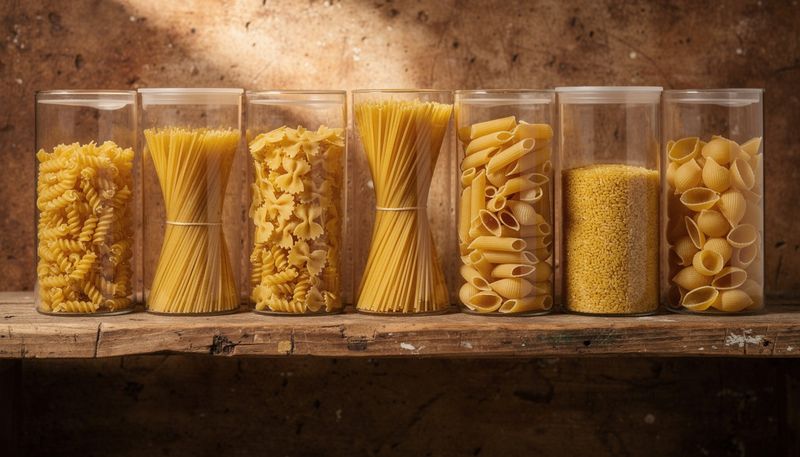
Fresh pasta spoils quickly, but dry pasta can last for years when stored properly. Italian communities discovered that drying pasta made from durum wheat semolina created a shelf-stable food that could be shipped across long distances without spoiling.
By the 12th century, Sicily was already exporting dried pasta throughout the Mediterranean region.
Removing moisture was the key to making pasta last. Today, a box of dried pasta is a kitchen essential in homes worldwide, still built on that same centuries-old preservation technique.
15. Miso
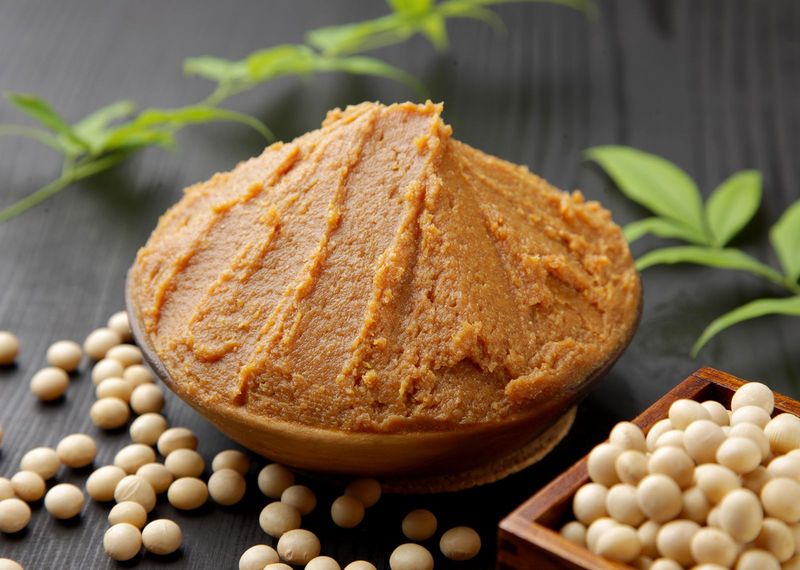
Miso is a thick fermented paste made from soybeans, salt, and a mold culture called koji. It has been a cornerstone of Japanese cooking for over a thousand years, valued not just for its deep, savory flavor but for its impressive shelf life.
The fermentation process creates a salty, acidic environment that keeps harmful bacteria at bay.
Depending on how it is made, miso can last for months or even years without refrigeration. It sustained Japanese communities through long winters and became a beloved base for soups, marinades, and sauces.
16. Sugar
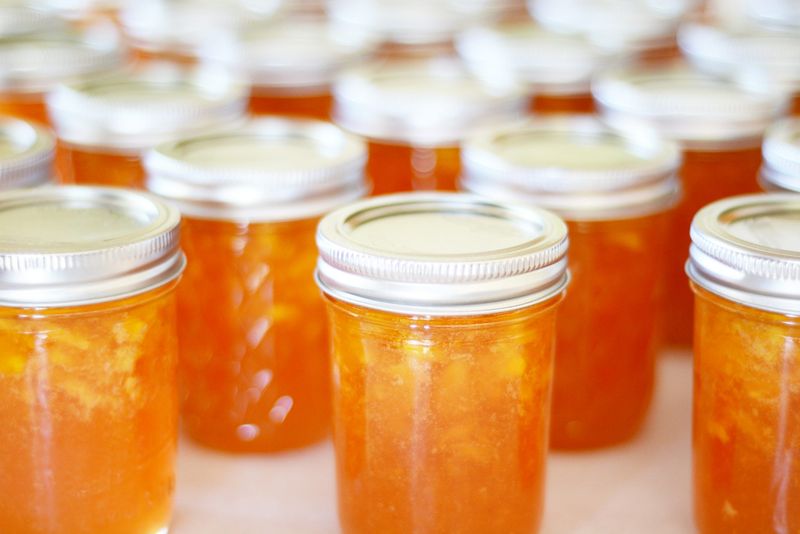
Sugar does not just sweeten food. It also preserves it.
Like salt, sugar draws moisture out of food and creates an environment where bacteria cannot thrive. Ancient cultures used honey as their primary sweetener and preservative, but refined cane sugar later became a key tool in making jams, candied fruits, and preserved sweets that lasted for months.
Before refrigerators, sugar-preserved foods were a luxury and a lifeline. Jams, marmalades, and candied peels all owe their long shelf lives to the preserving power of sugar.
17. Smoked Meats
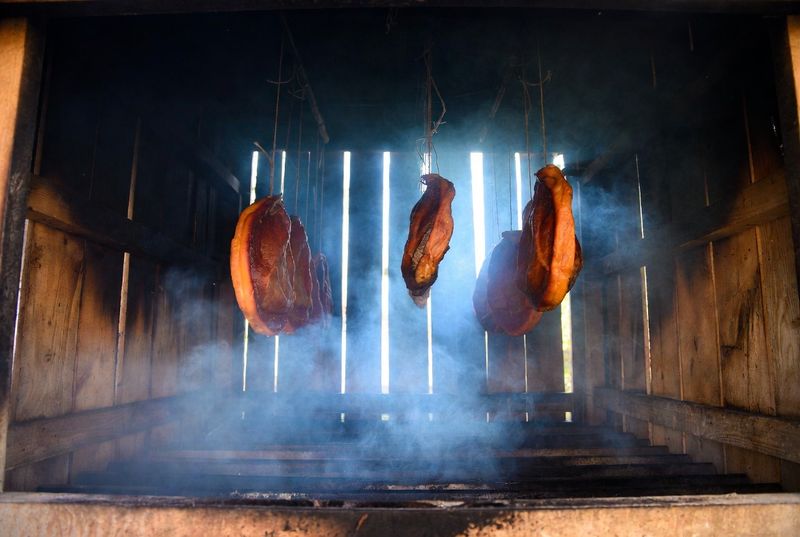
Smoking meat is one of the oldest food preservation methods known to humans, dating back tens of thousands of years. The smoke coats the surface of the meat with antimicrobial compounds that slow bacterial growth.
Combined with the drying effect of heat, smoked meats could last for weeks or months without refrigeration.
Every culture around the world developed its own smoking traditions, from American barbecue to German sausages to Scandinavian smoked salmon. That ancient technique lives on today, celebrated more for its rich flavor than its preservation power.
18. Lard
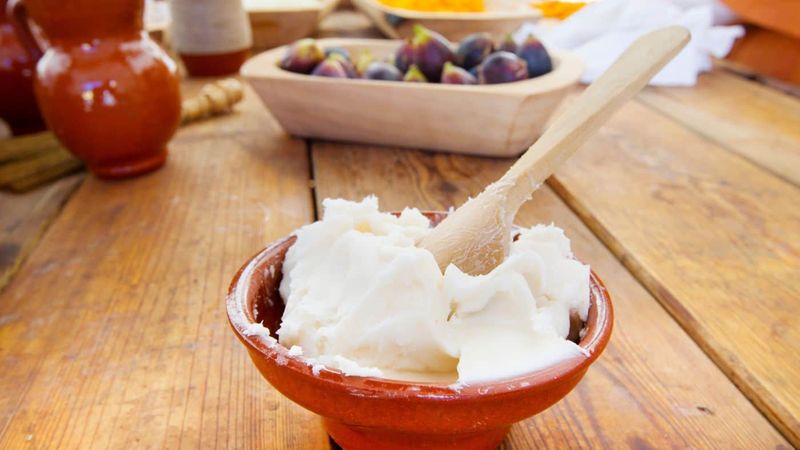
Before vegetable oils and butter became widely available, lard was the fat of choice in kitchens across the world. Rendered pork fat kept for months without refrigeration because of its very low moisture content.
Cooks also used lard as a preservation tool itself, pouring it over cooked meats to seal out air and bacteria in a technique called “confit.”
Duck confit, a beloved French dish, was born from this exact method. Lard was not just a cooking fat.
It was a preservation system that helped people survive long winters.
19. Raisins
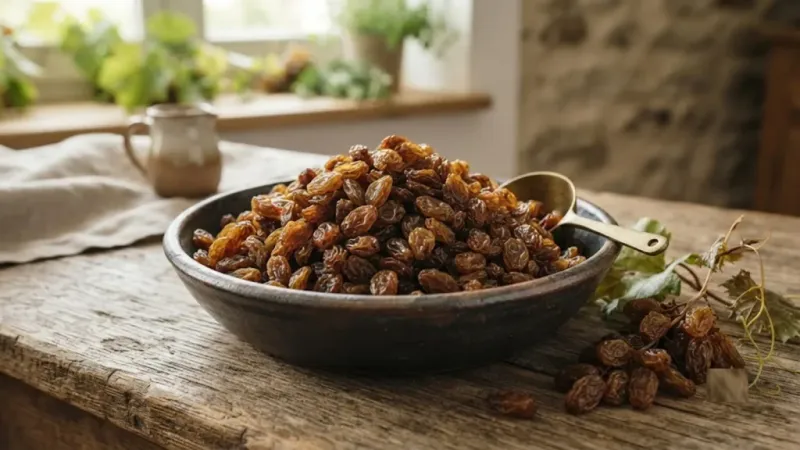
Raisins are simply grapes that have had almost all their moisture removed, either by sun-drying or mechanical drying. Ancient Egyptians and Phoenicians discovered that dried grapes lasted far longer than fresh ones and could be carried on long journeys without spoiling.
They were prized as a sweet, energy-rich snack for soldiers, traders, and travelers.
The drying process concentrates the natural sugars, which further protect against spoilage. Raisins are still a lunchbox favorite today, carrying a legacy of thousands of years of natural food preservation.
20. Sauerkraut
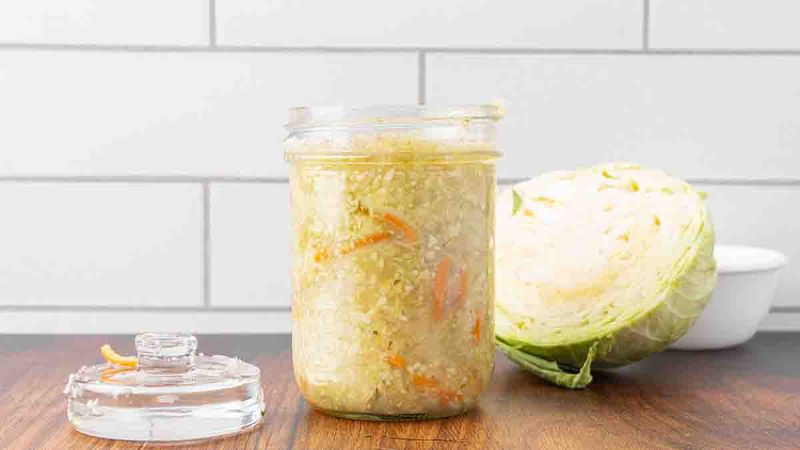
Sauerkraut is simply cabbage that has been fermented in its own juices with salt. The process creates lactic acid, which gives sauerkraut its sour taste and also acts as a natural preservative.
It was so effective that Captain James Cook famously loaded his ships with sauerkraut to prevent scurvy among his sailors on long ocean voyages.
Made without vinegar or any added preservatives, traditionally fermented sauerkraut could last for months in a cool cellar. It is a brilliant example of how simple ingredients, prepared correctly, can outlast almost anything fresh.
21. Hardened Chocolate
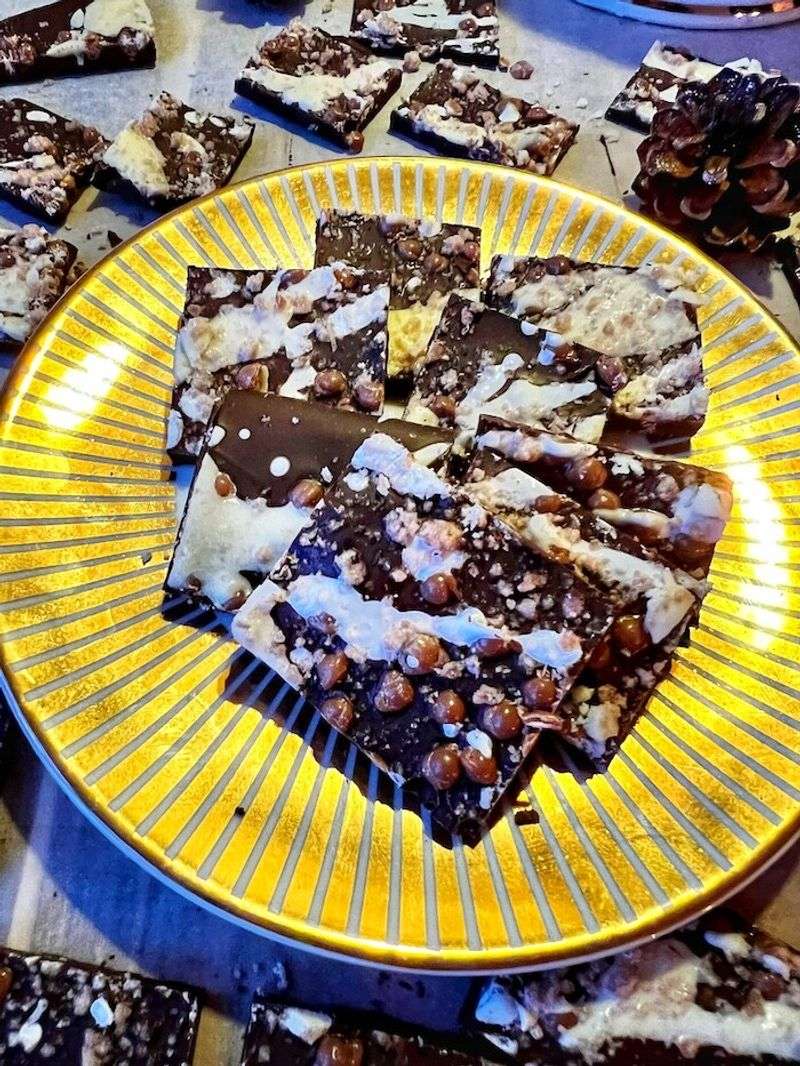
Early chocolate was a liquid drink consumed by the Aztecs and Maya, but Europeans transformed it into solid bars in the 19th century partly because solid chocolate traveled and stored far better. By removing moisture and adding sugar, solid chocolate resists spoilage remarkably well at room temperature compared to most other sweet treats.
Military rations during World War II included chocolate bars specifically because they were calorie-dense and shelf-stable. That same logic applies today, making chocolate one of the most travel-friendly and long-lasting indulgences humans have ever created.
22. Ghee
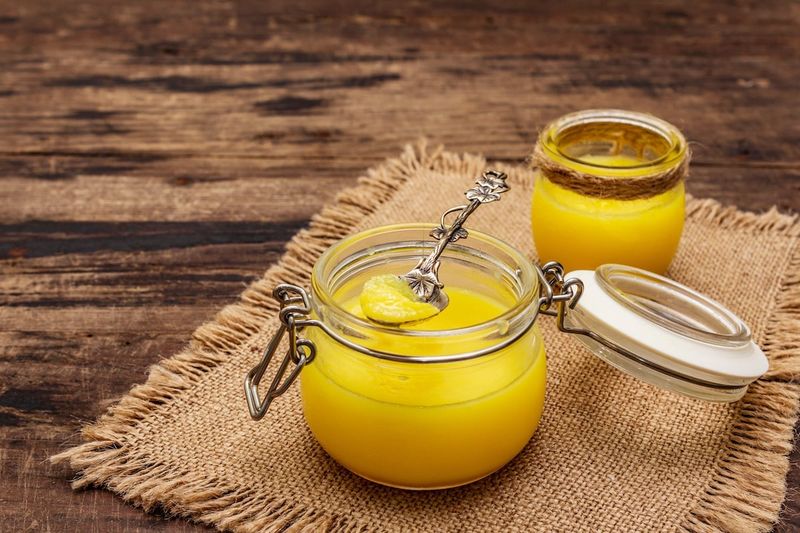
Ghee is butter that has been slowly cooked down to remove all its water and milk solids. What remains is pure, golden fat that can sit at room temperature for months without going rancid.
It has been a staple in Indian and Middle Eastern cooking for thousands of years, valued for both its rich, nutty flavor and its impressive shelf life.
Regular butter spoils within weeks without refrigeration, but ghee laughs at that timeline. Ancient traders carried it across deserts and mountains because it was a reliable, long-lasting source of cooking fat and calories.
23. Dried Herbs and Spices
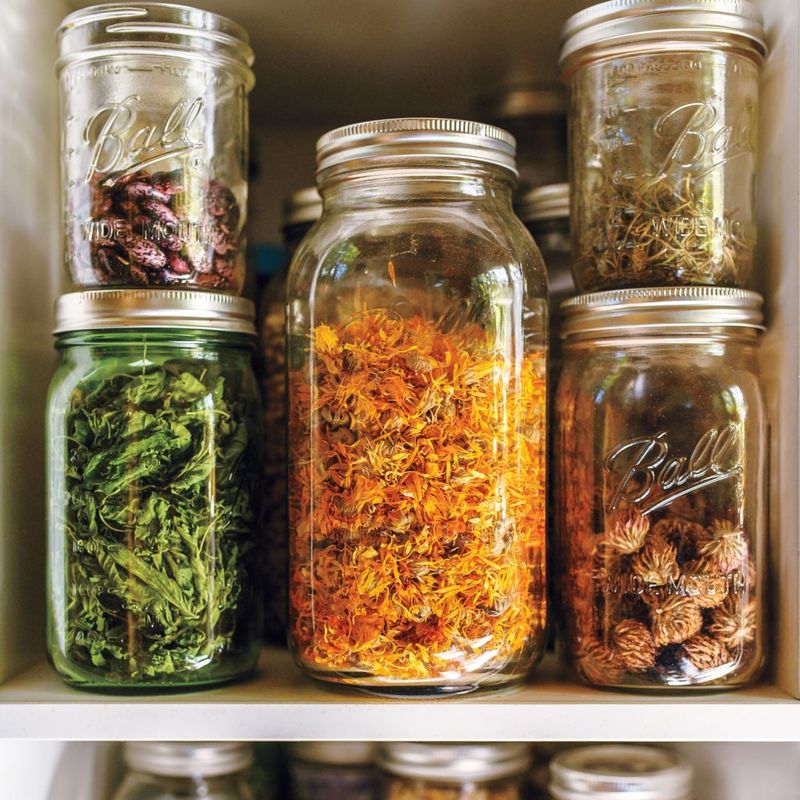
Spices and herbs were once so valuable that entire trade routes were built around them. Drying herbs removes the moisture that allows mold and bacteria to grow, making them shelf-stable for a year or more.
Ancient civilizations used dried spices not just for flavor but also as food preservatives, mixing them with meats and other perishables to slow spoilage.
Cinnamon, cloves, and black pepper were especially prized for their antimicrobial properties. That spice rack in your kitchen today is a direct descendant of one of the world’s oldest and most important food preservation strategies.