
Eating the same meals every week can get boring fast, and your body might be missing out on key nutrients. A varied diet helps you get a wider range of vitamins, minerals, and other good stuff your body needs to stay healthy and feel great.
The good news is that adding new foods to your routine does not have to be complicated or expensive. Here are 20 foods worth putting on your plate at least once a week.
1. Lentils
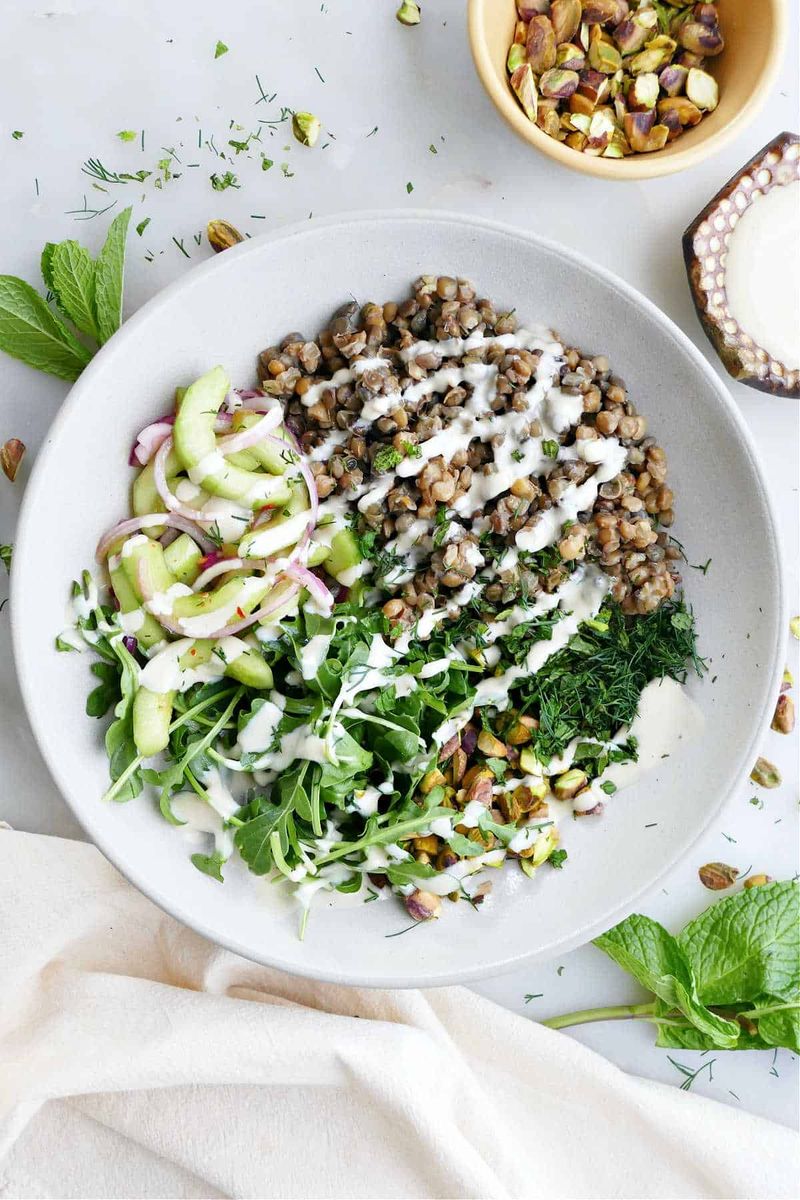
Lentils are one of those humble foods that quietly do a lot of heavy lifting for your health. Packed with plant-based protein and fiber, they keep you full for hours without breaking the bank.
You can toss them into soups, salads, or even make a simple lentil curry.
They cook faster than most dried beans and need no soaking. Adding lentils once a week is one of the easiest upgrades you can make to your diet.
2. Sardines

Sardines might not be the flashiest food at the grocery store, but they punch well above their weight when it comes to nutrition. Rich in omega-3 fatty acids, calcium, and vitamin D, they support heart and bone health in one small package.
Try them on whole grain crackers or mixed into a pasta dish. Once you find a way you enjoy them, sardines become a surprisingly easy weekly staple worth keeping around.
3. Kale
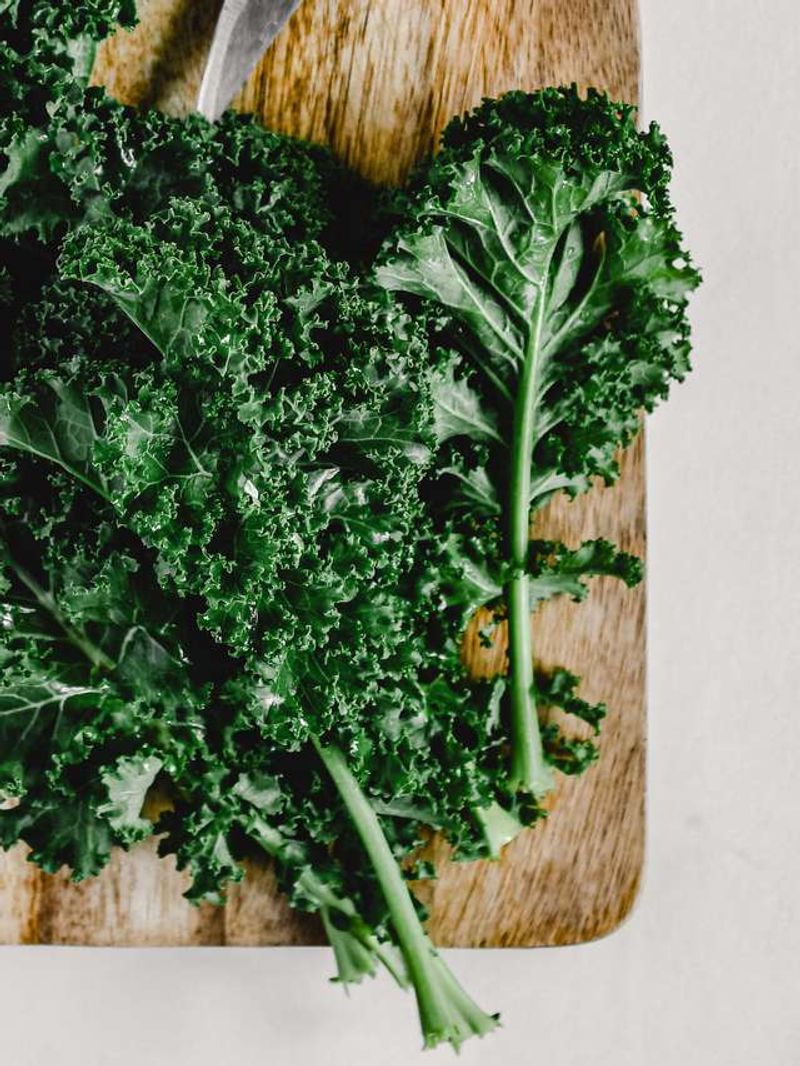
Kale earned its superfood reputation for good reason. It is loaded with vitamins K, A, and C, along with antioxidants that help protect your cells from damage.
Massaging raw kale with a little olive oil softens it and makes it much easier to eat.
You can also bake it into crispy chips or blend it into smoothies without a strong taste. One serving a week goes a long way toward hitting your green vegetable goals.
4. Quinoa
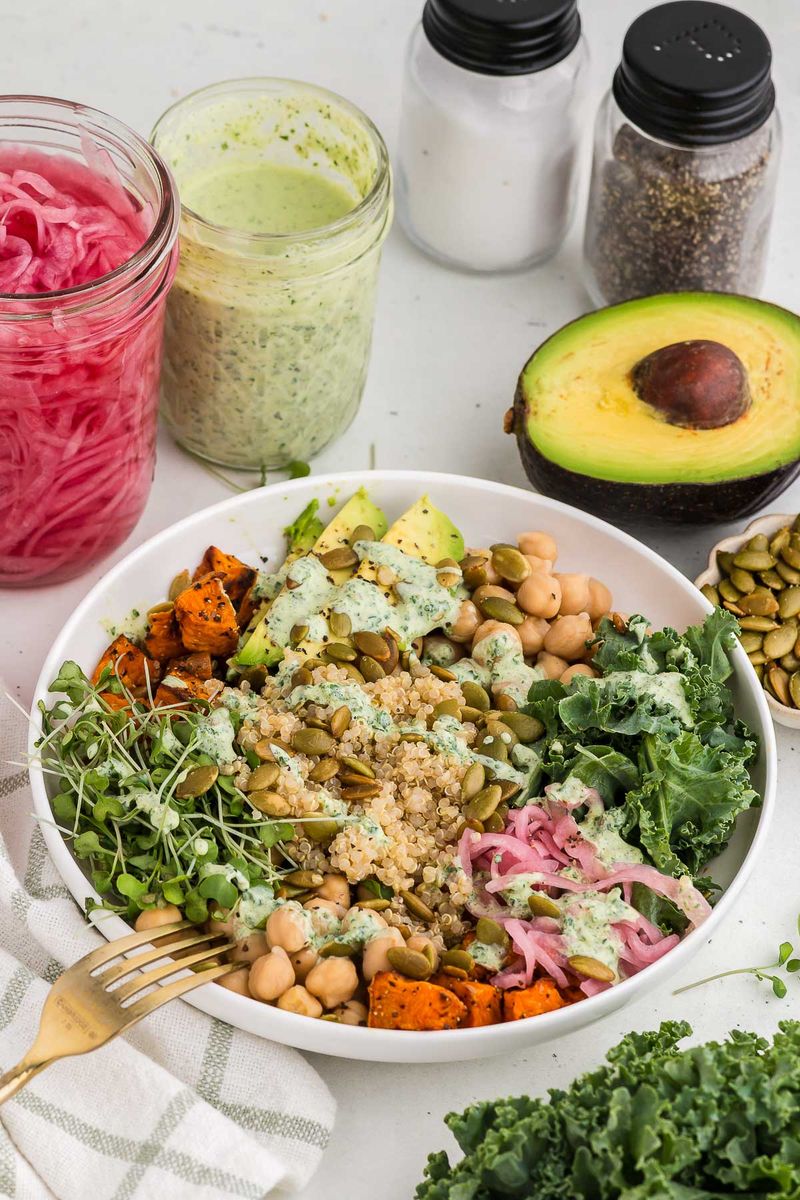
Unlike most grains, quinoa contains all nine essential amino acids, making it a complete protein. That is pretty rare for a plant food and makes it especially valuable for people who eat less meat.
It has a mild, nutty flavor that works well as a base for grain bowls or as a rice substitute.
Quinoa cooks in about 15 minutes and stores well in the fridge. Swapping it in once a week adds real nutritional variety to your meals.
5. Beets
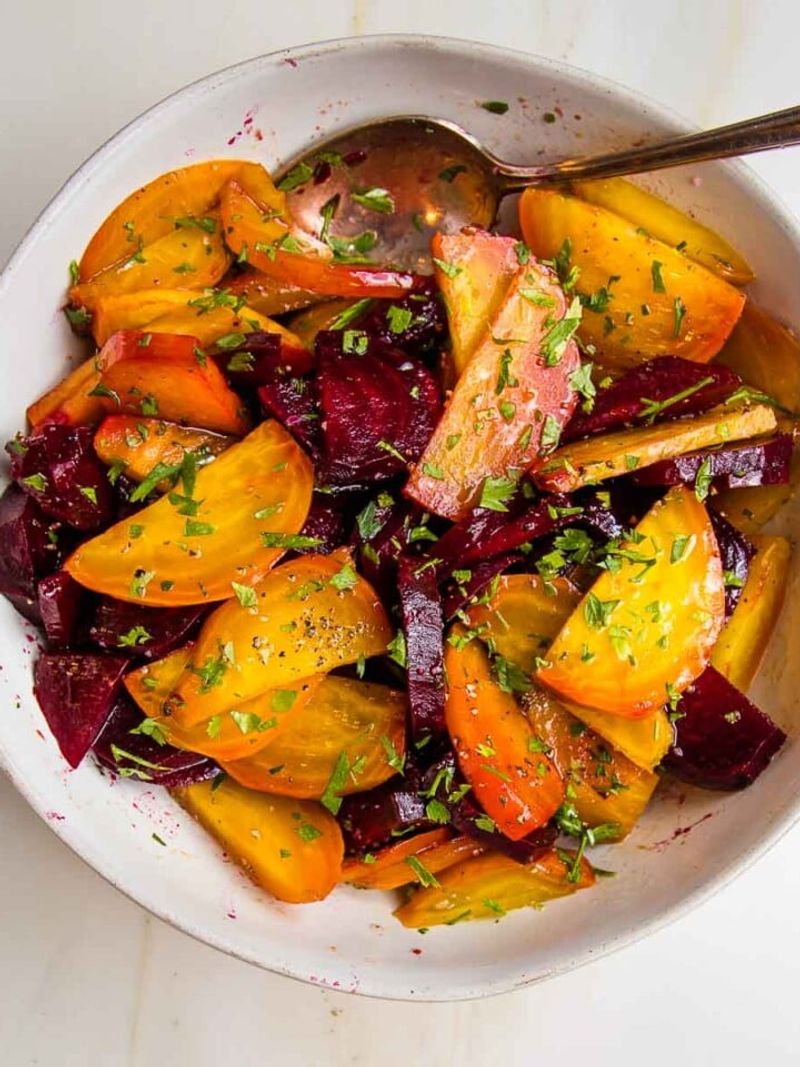
Beets have a natural sweetness that surprises most people who try them roasted for the first time. They contain nitrates that may help improve blood flow and exercise performance, which is why some athletes swear by beet juice before a workout.
Beyond their health perks, beets add a beautiful pop of color to salads and grain bowls. Roast a batch at the start of the week and keep them in the fridge for quick, colorful additions to any meal.
6. Greek Yogurt

Creamy, tangy, and incredibly versatile, Greek yogurt is a fridge staple that earns its place every single week. It is higher in protein than regular yogurt and packed with probiotics that support a healthy gut.
Swap it in for sour cream, use it as a base for dips, or enjoy it simply with fruit and honey.
The live cultures in Greek yogurt help keep your digestive system running smoothly. It is one of the most convenient nutritional wins available at any grocery store.
7. Sweet Potatoes
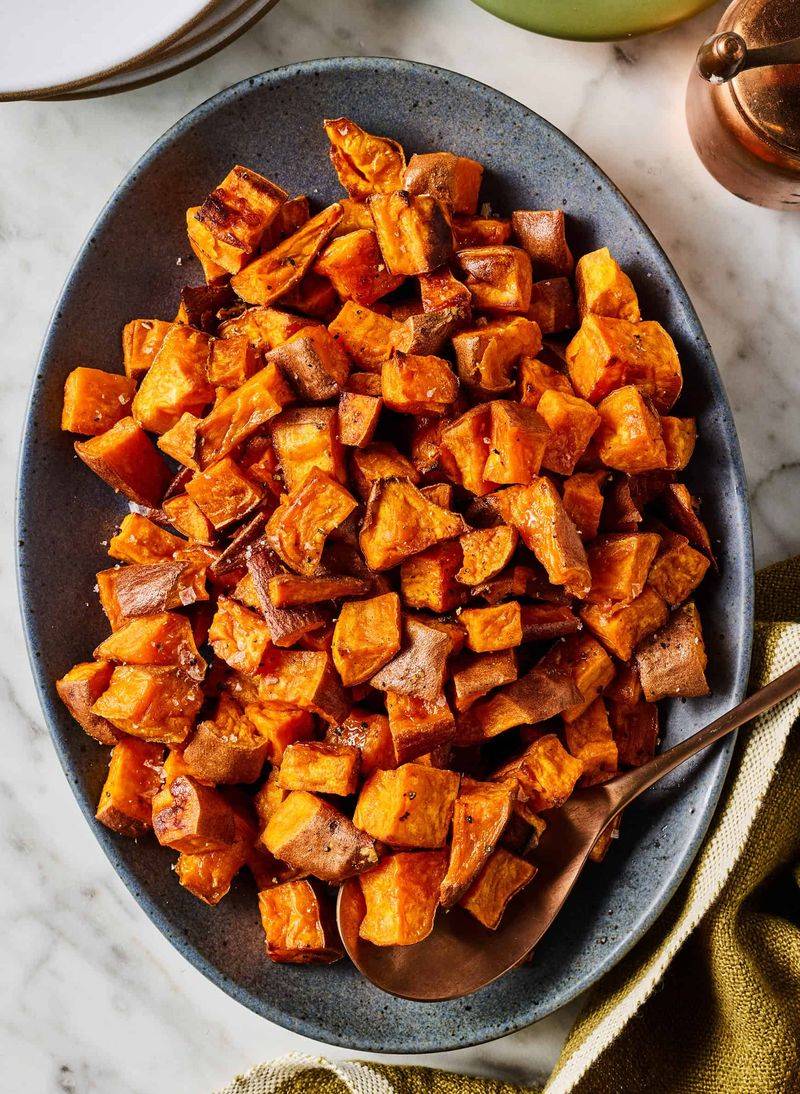
Few foods are as naturally satisfying as a well-roasted sweet potato fresh from the oven. They are rich in beta-carotene, which your body converts into vitamin A, supporting eye health and immune function.
Sweet potatoes also provide steady energy without causing a sharp blood sugar spike.
Bake them whole, mash them, or cut them into wedges for a simple side dish. Their natural sweetness means kids and adults alike tend to enjoy them without much convincing.
8. Edamame
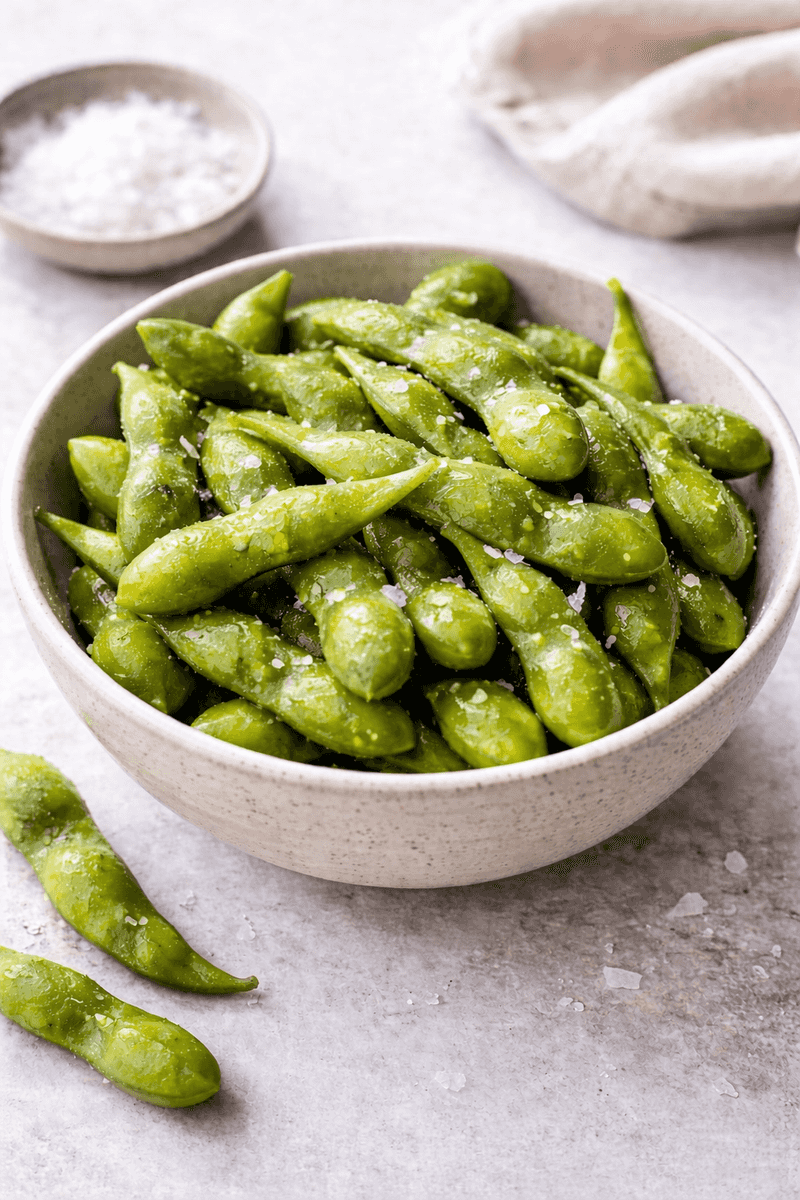
Edamame are young soybeans harvested before they harden, and they make one of the most satisfying snacks you can grab in a hurry. A single cup delivers around 17 grams of protein along with fiber, iron, and folate.
They are sold frozen at most grocery stores and take only a few minutes to steam.
Sprinkle them with a little sea salt and enjoy them straight from the pod. Adding edamame to your weekly snack rotation is a small change with a meaningful nutritional payoff.
9. Walnuts
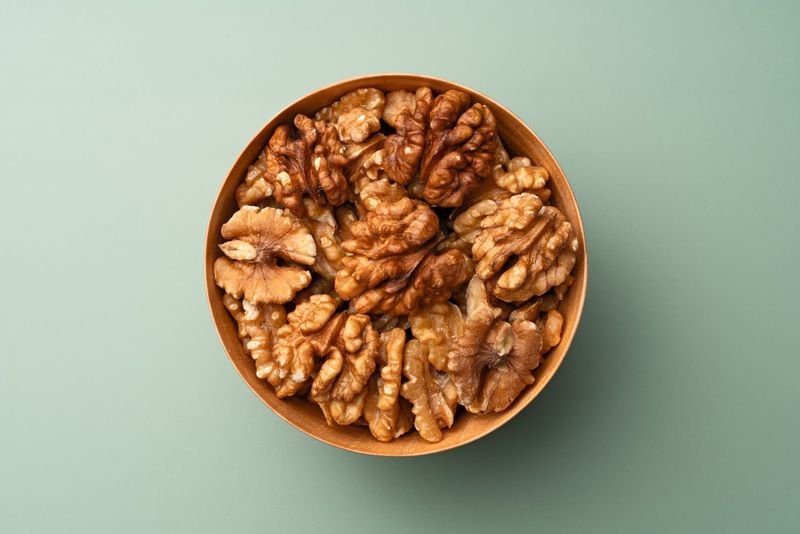
Of all the nuts you could reach for, walnuts stand out because of their exceptionally high omega-3 content. Research suggests that eating a small handful regularly may support brain health and help reduce inflammation in the body.
They have a slightly bitter, earthy flavor that pairs well with cheese, oatmeal, or dark chocolate.
You do not need much. About one ounce a few times a week is enough to see potential benefits.
Keep a bag in your pantry and snack on them throughout the week.
10. Cabbage

Cabbage is one of the most underrated vegetables in the produce aisle, often overlooked in favor of trendier greens. It is affordable, long-lasting in the fridge, and loaded with vitamin C and compounds that may support gut health.
Fermented cabbage, like sauerkraut or kimchi, adds the bonus of beneficial bacteria.
Raw cabbage makes a crunchy slaw, while braised cabbage becomes tender and sweet. Either way, working it into your week is a smart and budget-friendly nutrition move.
11. Eggs
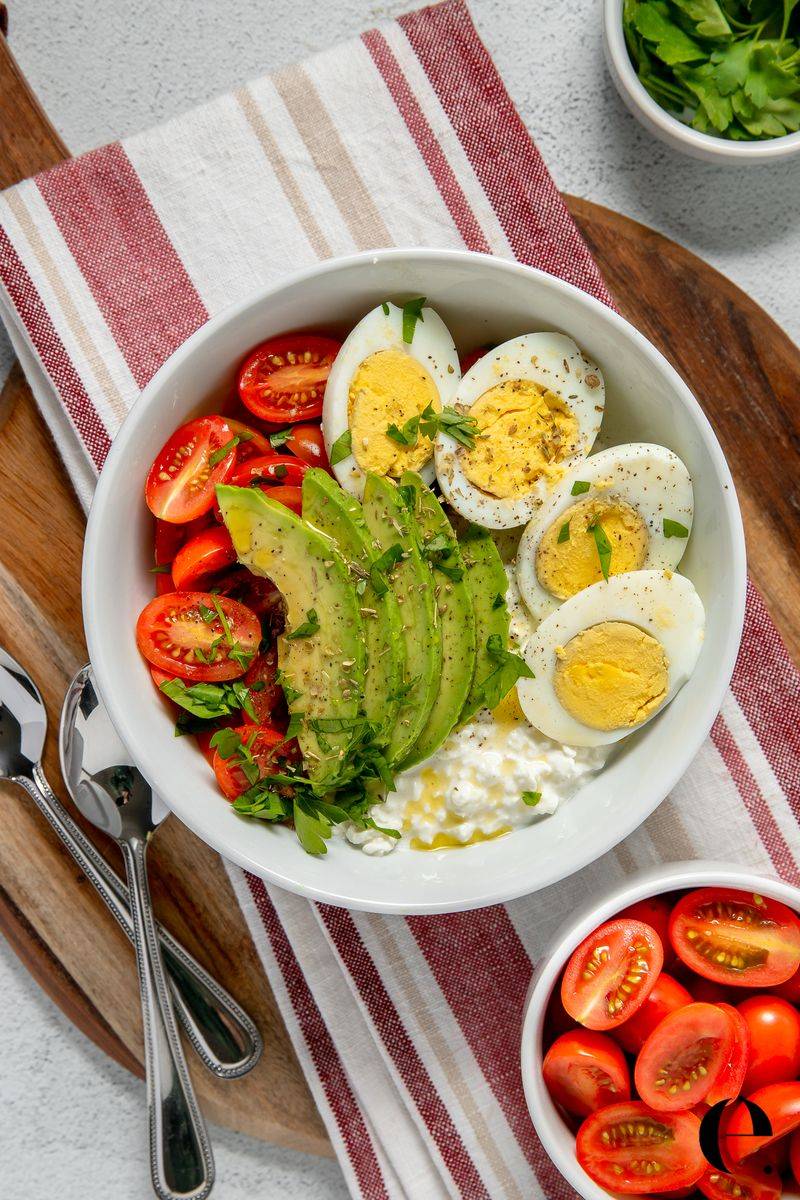
Eggs are one of nature’s most complete foods, delivering high-quality protein, healthy fats, and a range of vitamins in one tidy package. The yolk, once unfairly blamed for raising cholesterol, is actually full of choline, which supports brain function.
Scrambled, poached, boiled, or baked into a frittata, eggs adapt to just about any meal.
They are fast, affordable, and filling. If you are looking for one food that earns its spot on your weekly menu without much effort, eggs are it.
12. Blueberries
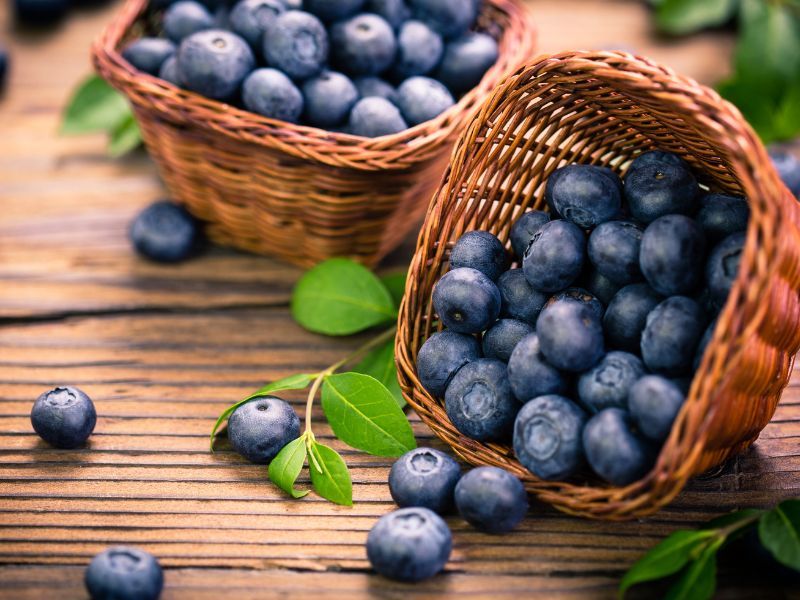
Small but mighty, blueberries are packed with antioxidants called anthocyanins that give them their deep blue color and may help protect the brain as you age. Studies suggest that eating them regularly is linked to better memory and lower inflammation.
Fresh or frozen, they taste just as good and offer the same nutritional value.
Toss them into oatmeal, blend them into a smoothie, or eat them by the handful as a snack. Few foods are this tasty and this good for you at the same time.
13. Salmon
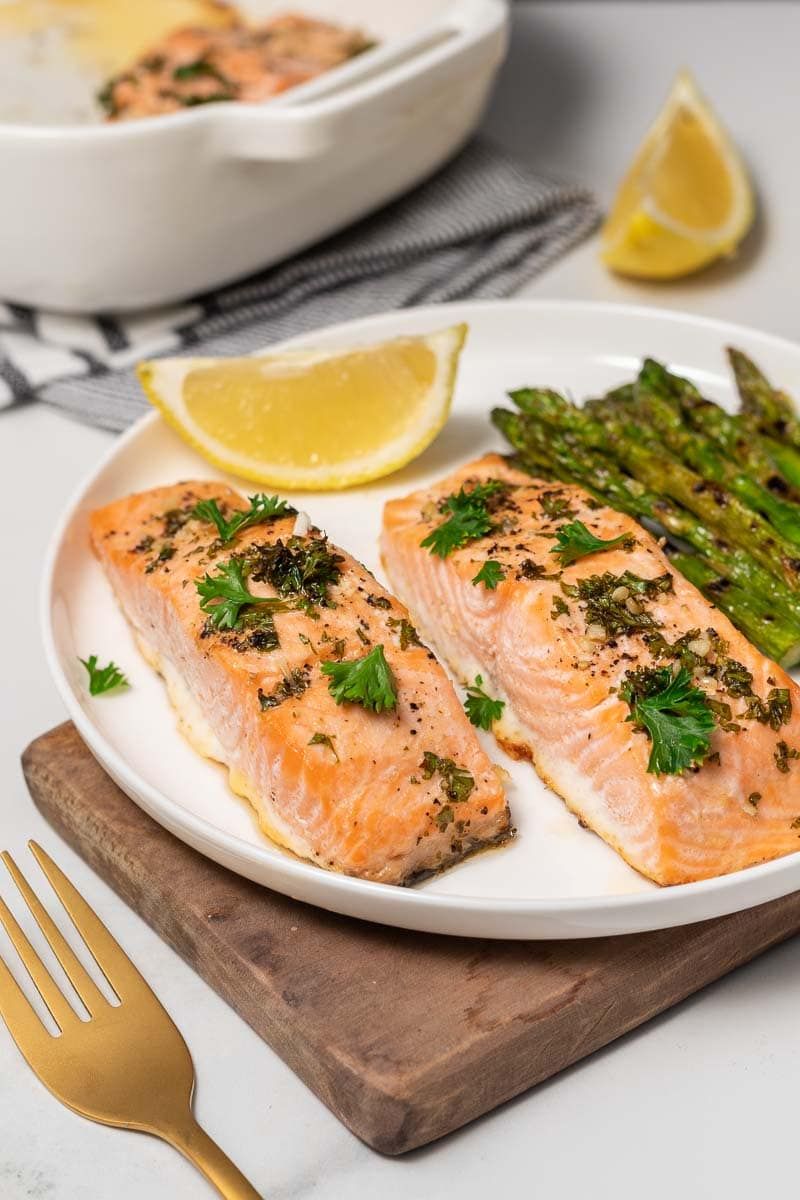
Salmon has earned its place as one of the most nutritionally dense foods you can eat. It is one of the best sources of omega-3 fatty acids, which support heart health, reduce inflammation, and may even improve mood.
Wild-caught salmon tends to have a slightly higher omega-3 content, though farmed salmon is still an excellent choice.
Bake it, pan-sear it, or flake it over a salad. Eating salmon once a week is a habit many nutrition experts genuinely stand behind.
14. Chickpeas
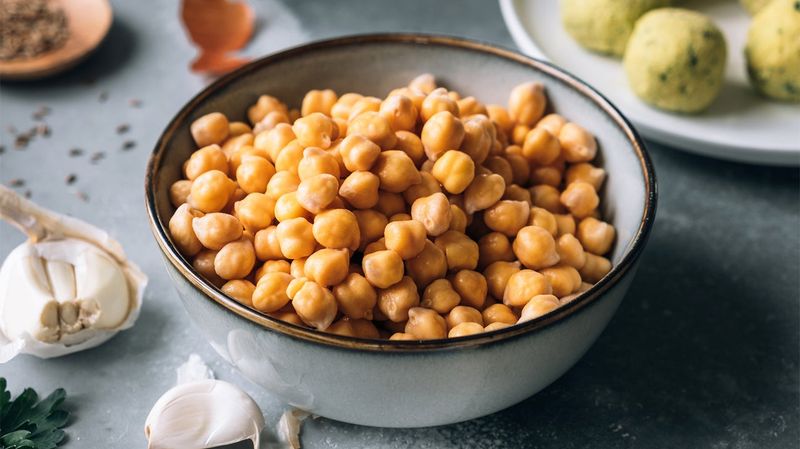
Chickpeas, also known as garbanzo beans, are one of the most flexible ingredients you can keep in your kitchen. Roast them for a crunchy snack, blend them into hummus, or toss them into a curry for a filling plant-based meal.
They are high in fiber and protein, which makes them great for managing hunger throughout the day.
Canned chickpeas are already cooked and ready to use in minutes. Their mild flavor means they absorb spices and sauces beautifully, making them endlessly adaptable.
15. Avocado
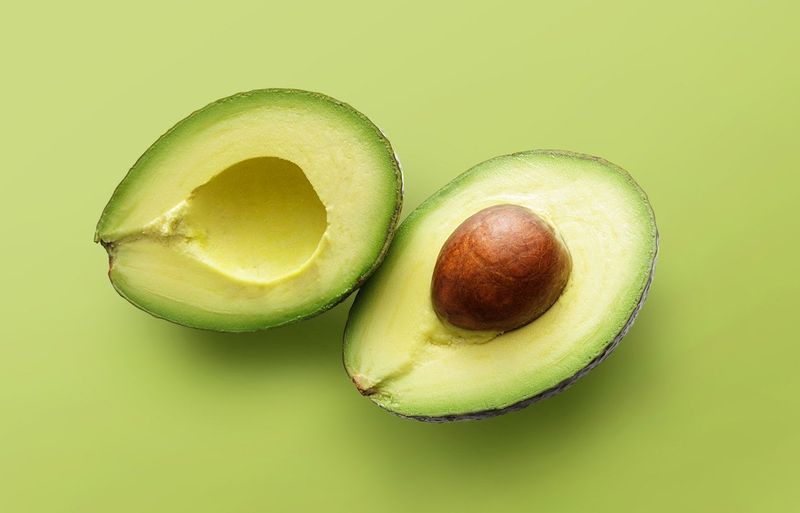
Avocados are one of the few fruits that are rich in healthy monounsaturated fats, the kind that support heart health and help your body absorb fat-soluble vitamins. They also provide potassium, folate, and a good dose of fiber in every serving.
Spread them on toast, slice them into salads, or blend them into a smooth, creamy dressing.
The richness of avocado makes meals feel more satisfying without relying on processed ingredients. Eating one a few times a week is a simple way to improve overall diet quality.
16. Spinach
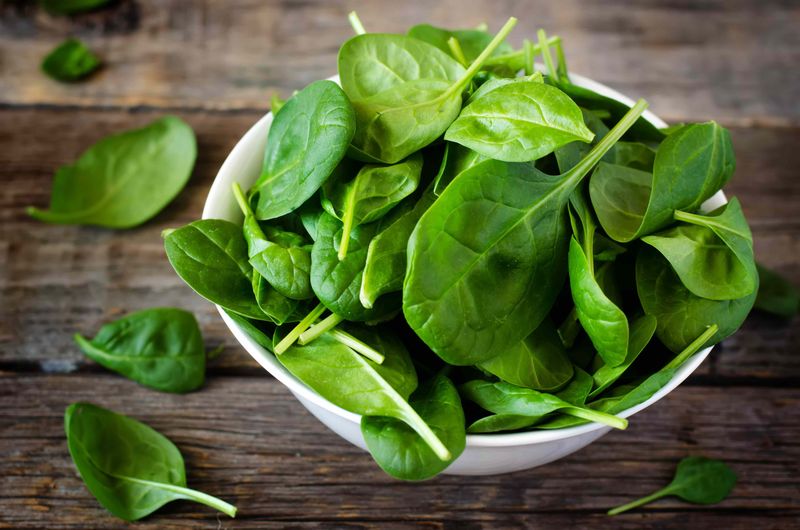
Raw spinach has a mild flavor that makes it one of the easiest vegetables to sneak into just about anything. Blend it into a smoothie and you will barely taste it, but your body will benefit from the iron, magnesium, and folate it delivers.
Cooked spinach shrinks down significantly, making it easy to eat a large amount in one sitting.
Saute it with garlic and olive oil for a quick side dish that takes under five minutes. It is a nutritional workhorse hiding in plain sight.
17. Fermented Foods – Kimchi
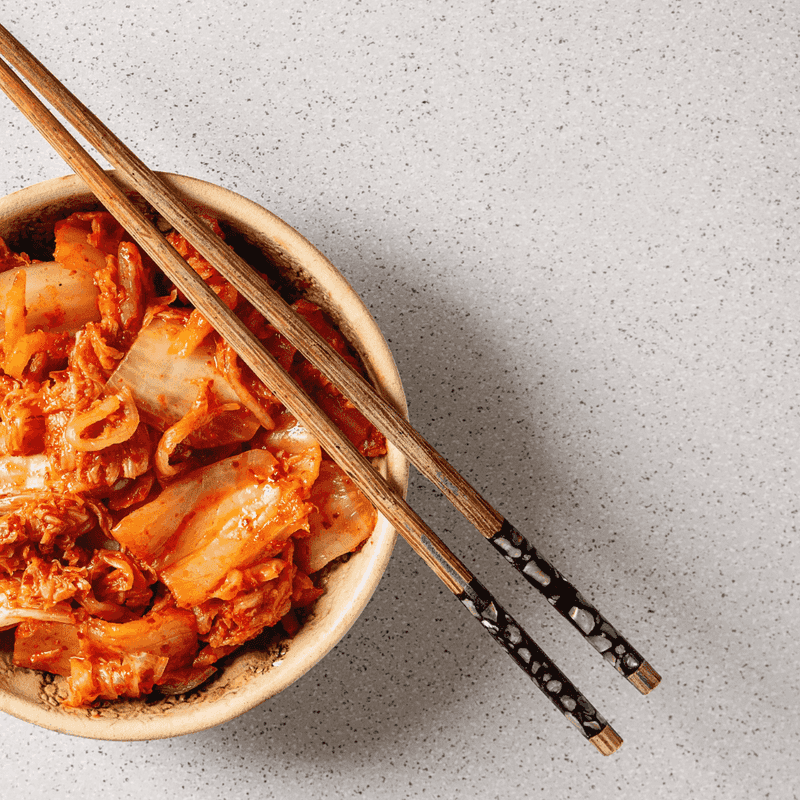
Kimchi is a traditional Korean fermented vegetable dish that has gained serious attention from nutrition researchers in recent years. The fermentation process creates beneficial bacteria that may improve gut health and support immunity.
It is spicy, tangy, and packed with flavor, making it a great condiment alongside rice, eggs, or noodles.
A small portion goes a long way. Even just a few tablespoons a week can contribute to a more diverse gut microbiome, which is increasingly linked to overall health and well-being.
18. Chia Seeds
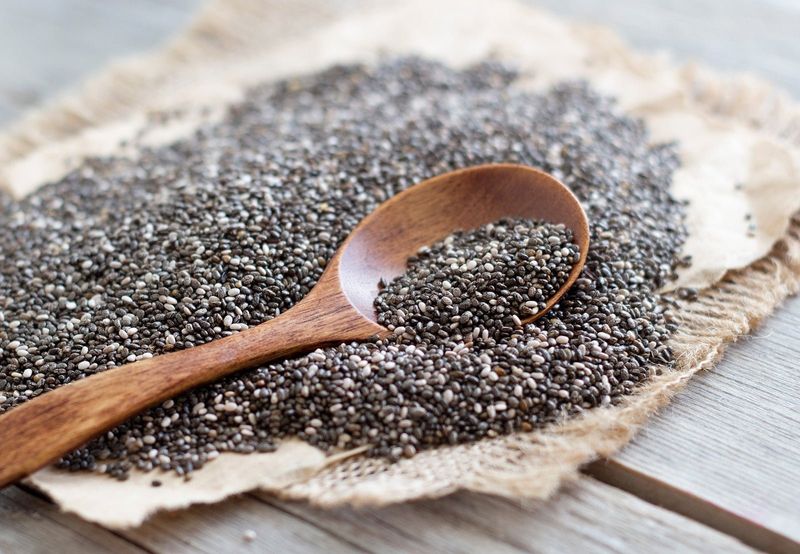
Tiny but surprisingly powerful, chia seeds are one of the most concentrated sources of omega-3s in the plant kingdom. They absorb liquid and expand into a gel-like texture, which slows digestion and helps you feel satisfied longer.
Mix them into yogurt, oatmeal, or make a simple overnight chia pudding with your favorite milk.
Just two tablespoons provide fiber, calcium, and plant-based protein. They have almost no flavor on their own, so adding them to your weekly meals requires almost zero effort.
19. Bell Peppers
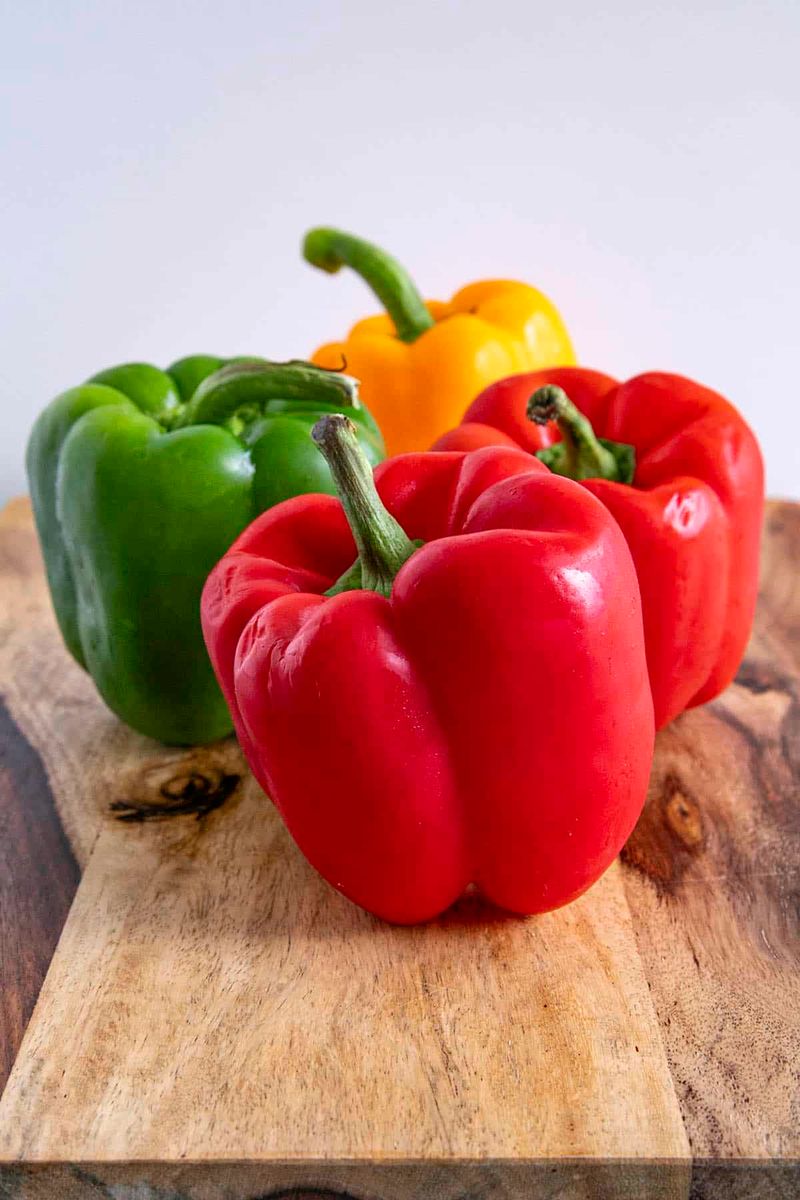
Bright, crunchy, and naturally sweet, bell peppers are one of the most vitamin C-rich foods you can find in the produce section. Red bell peppers in particular contain nearly three times the vitamin C of an orange, which is a fun fact worth sharing at the dinner table.
They are delicious raw as a snack with hummus or roasted until soft and caramelized.
Their vivid colors also signal a variety of antioxidants. Rotating different colored peppers throughout the week gives you a broader range of beneficial plant compounds.
20. Oats
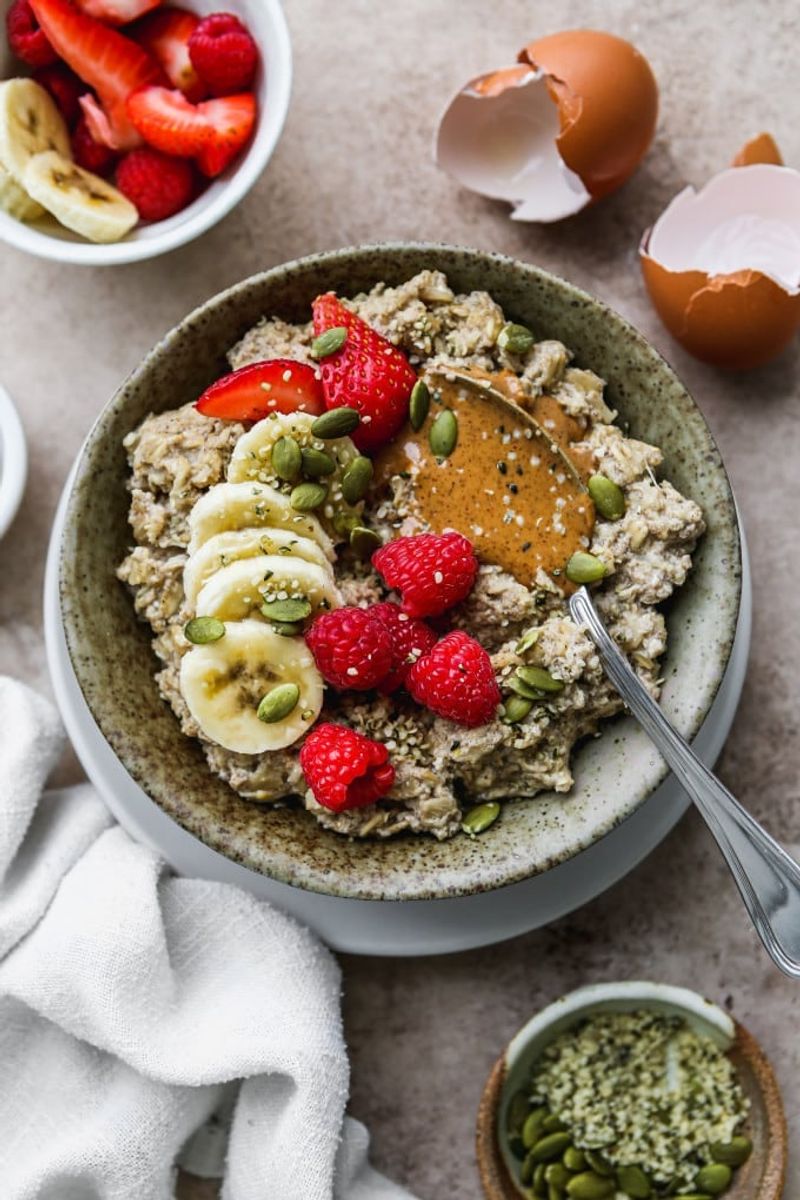
Oats have been a breakfast staple for generations, and there is solid science behind why they stuck around. They contain a type of fiber called beta-glucan that has been shown to help lower cholesterol and keep blood sugar levels steady.
Oatmeal in the morning sets a strong nutritional foundation for the rest of the day.
Steel-cut oats have a chewier texture and a lower glycemic index than instant varieties. Whether you prefer them hot, cold as overnight oats, or baked into granola, oats deserve a regular spot in your weekly routine.