
Some desserts are just too good to make in small amounts. Around the world, communities have long gathered to prepare sweets in massive quantities, whether for weddings, religious festivals, or neighborhood celebrations.
These treats carry deep cultural meaning and bring people together in the most delicious way possible. Get ready to explore 22 incredible desserts that are almost always made by the crowd, for the crowd.
1. Gulab Jamun (India)
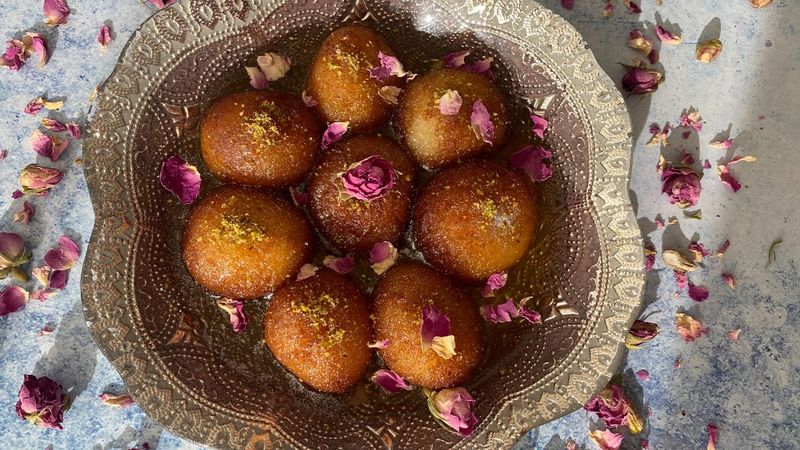
At Indian weddings and festivals, gulab jamun is never made in small amounts. Cooks fry hundreds, sometimes thousands, of soft milk-solid dough balls until golden, then soak them in fragrant rose and cardamom syrup for hours.
The result is a melt-in-your-mouth sweet that guests line up for every time. Making a big batch actually improves the flavor, since the syrup gets richer as more pieces soak together.
2. Basbousa (Egypt and Middle East)
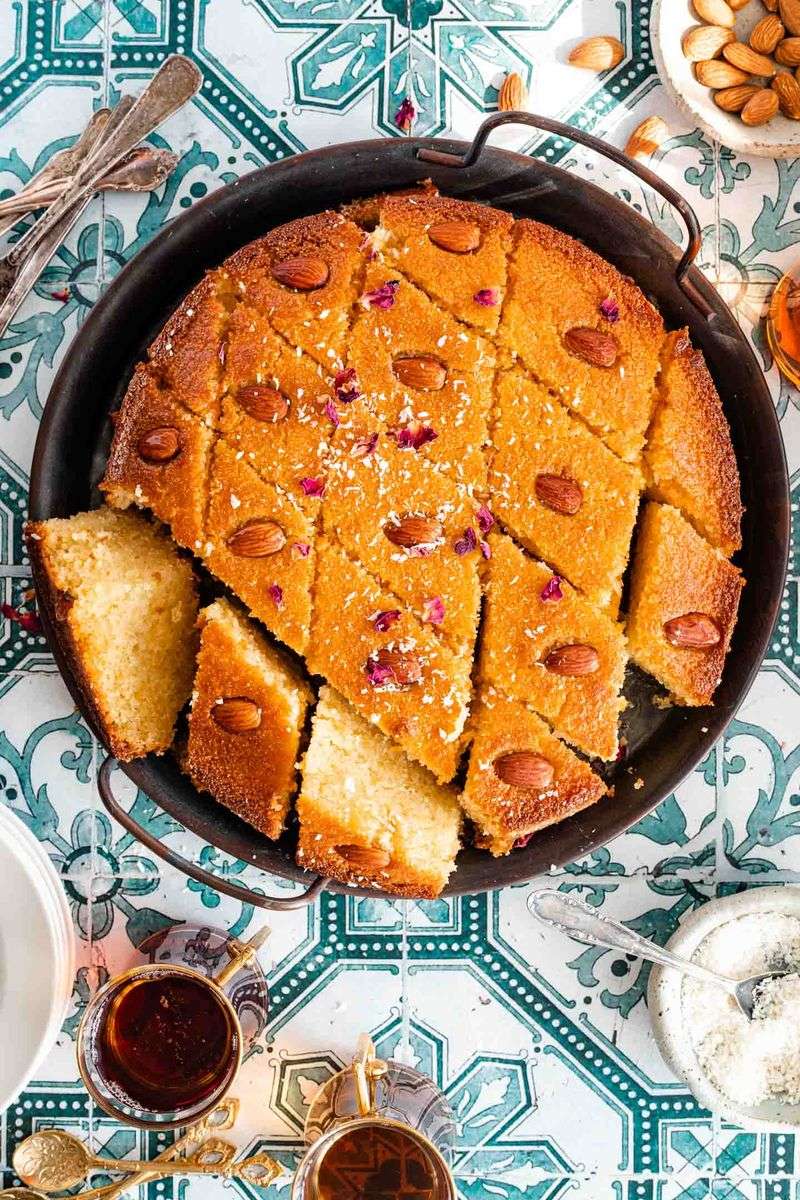
Basbousa is a semolina cake soaked in sugar syrup, and it is a staple at Egyptian celebrations. Families bake it in enormous sheet pans that feed dozens of guests at once, cutting it into diamond shapes before serving.
The texture is slightly grainy but wonderfully moist, thanks to generous amounts of syrup poured right after baking. Some families add coconut or rose water to make their recipe stand out from the neighbors.
3. Klecha (Iraq)
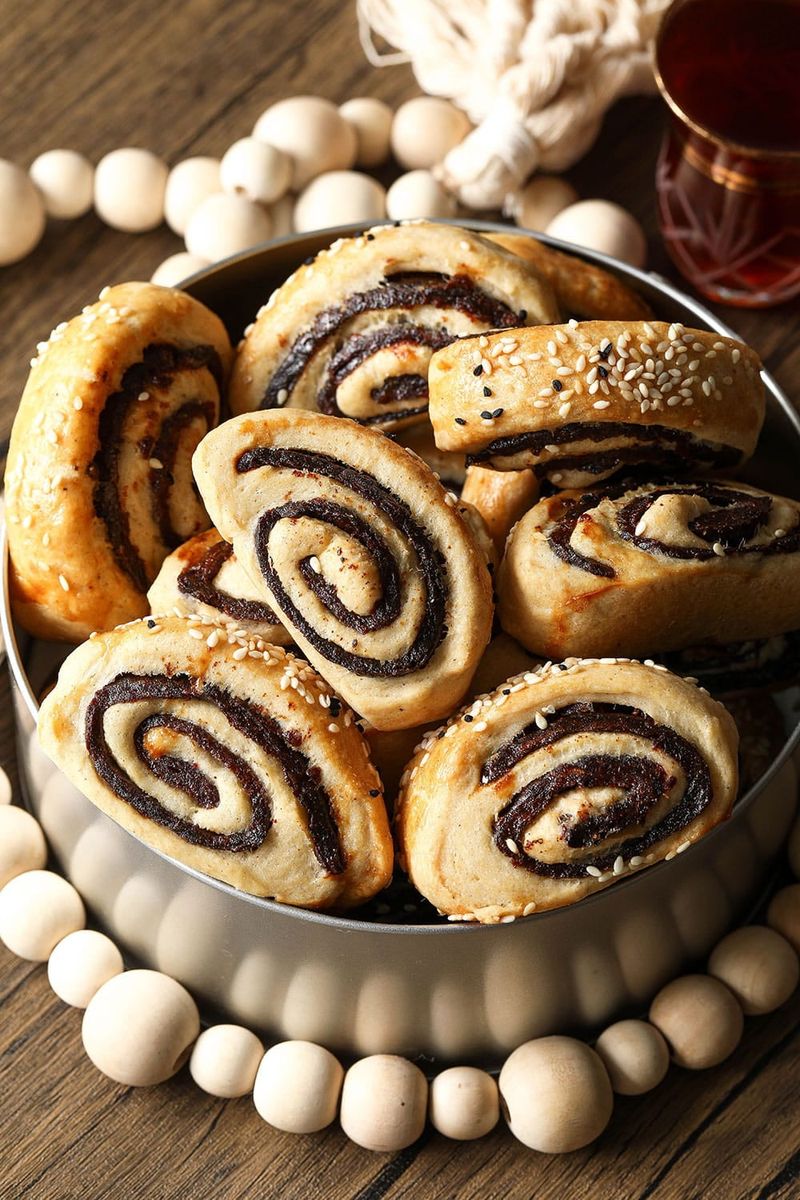
Klecha cookies are the heart of Iraqi Eid celebrations. Families spend entire days before the holiday rolling, filling, and stamping these date or walnut-filled pastries in quantities that fill multiple trays and boxes.
The process is communal by nature. Grandmothers, mothers, and daughters work side by side, each handling a different step of production.
The cookies are then gifted to neighbors and relatives, which is exactly why hundreds must be made at once.
4. Tres Leches Cake (Mexico and Latin America)
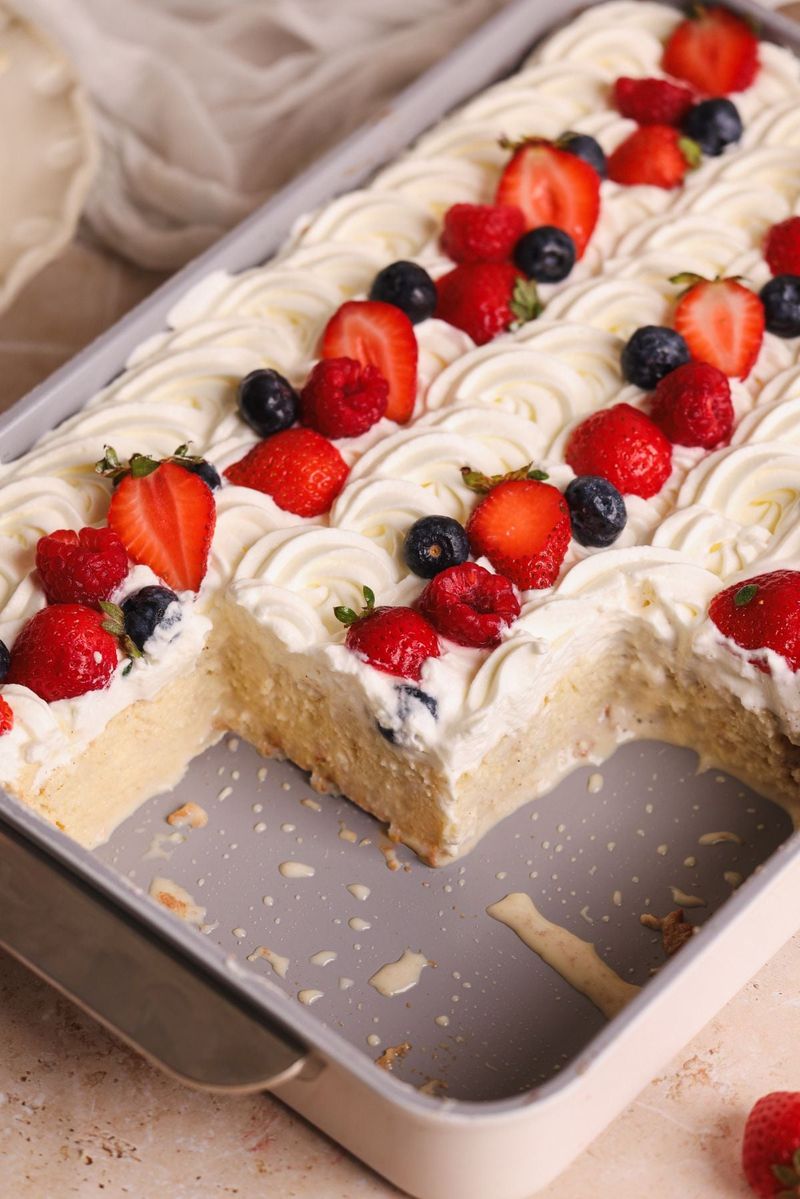
Tres leches cake is soaked in three kinds of milk, making it one of the moistest cakes you will ever taste. At quinceañeras and birthday parties across Latin America, bakers prepare it in enormous sheet pans to serve entire banquet halls.
The beauty of making it in bulk is that the milk mixture soaks more evenly when the cake is thick and wide. Every bite delivers the same creamy, pillowy texture from corner to corner.
5. Mochi (Japan)
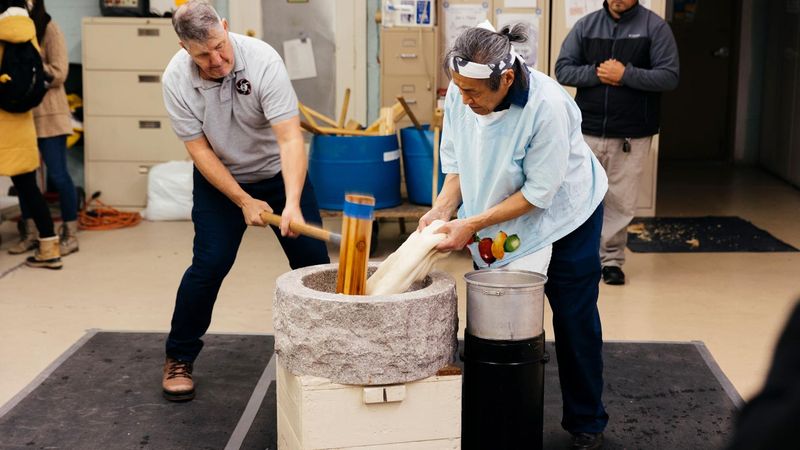
Making mochi is a full-on event in Japan. During the traditional mochitsuki ceremony held around New Year, communities pound steamed glutinous rice in giant wooden mortars, taking turns swinging heavy mallets while someone else turns the dough between strikes.
Hundreds of rice cakes are shaped and shared among neighbors and family members. The teamwork required is part of the tradition, and the rhythmic pounding is considered a symbol of unity and good fortune.
6. Kanafeh (Palestine and Levant)
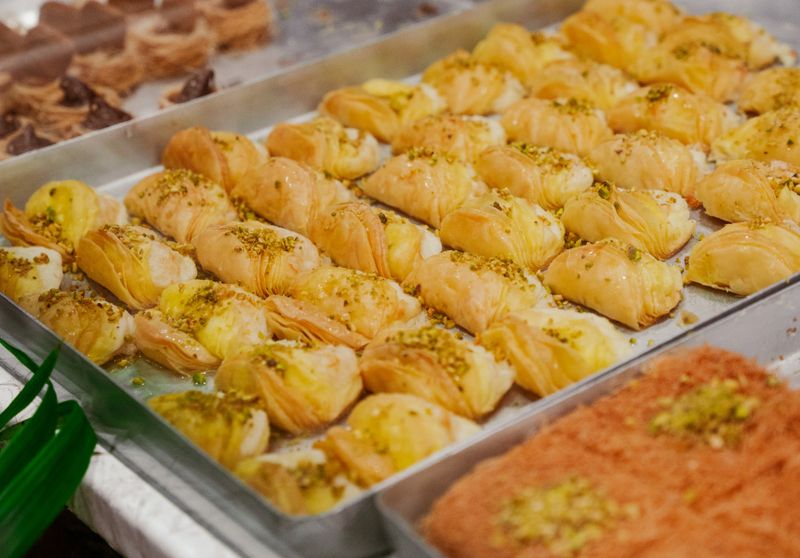
Kanafeh is a warm cheese pastry soaked in sweet syrup, and it is prepared in enormous copper trays at Palestinian celebrations and street stalls. The trays can measure several feet across, feeding dozens of people in one sitting.
Cooks layer shredded wheat dough over soft white cheese, bake it until crispy on the outside and gooey inside, then flood it with orange blossom syrup. Few desserts in the world look as dramatic when served fresh.
7. Bibingka (Philippines)
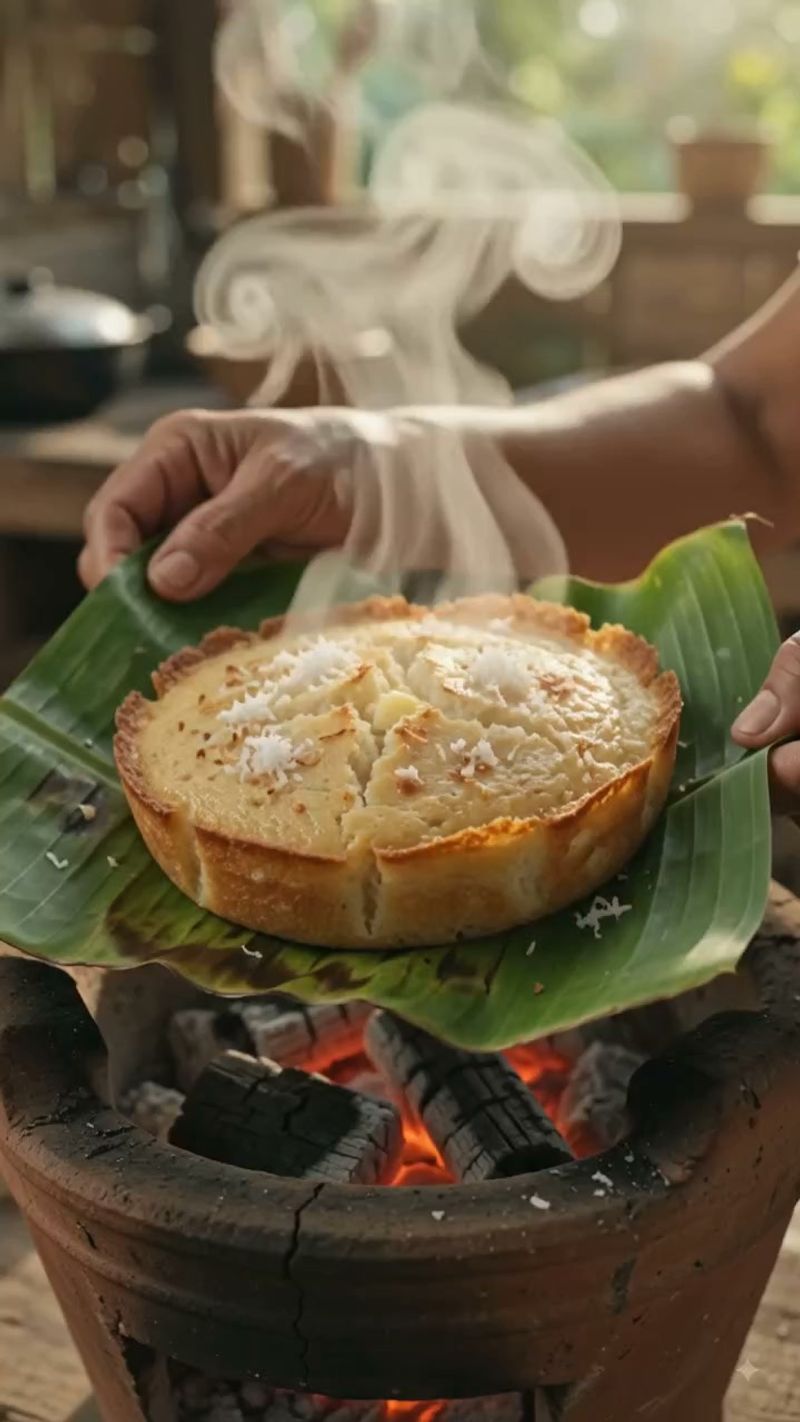
Bibingka is a beloved Filipino rice cake traditionally cooked in clay pots lined with banana leaves during the Christmas season. Vendors set up outside churches before early morning Mass, baking dozens of cakes at a time to feed the crowds.
The charcoal above and below the clay pot gives bibingka its signature slightly charred edges. Topped with salted egg and coconut, it is one of those once-a-year treats that Filipinos genuinely count down to.
8. Baklava (Turkey and Greece)
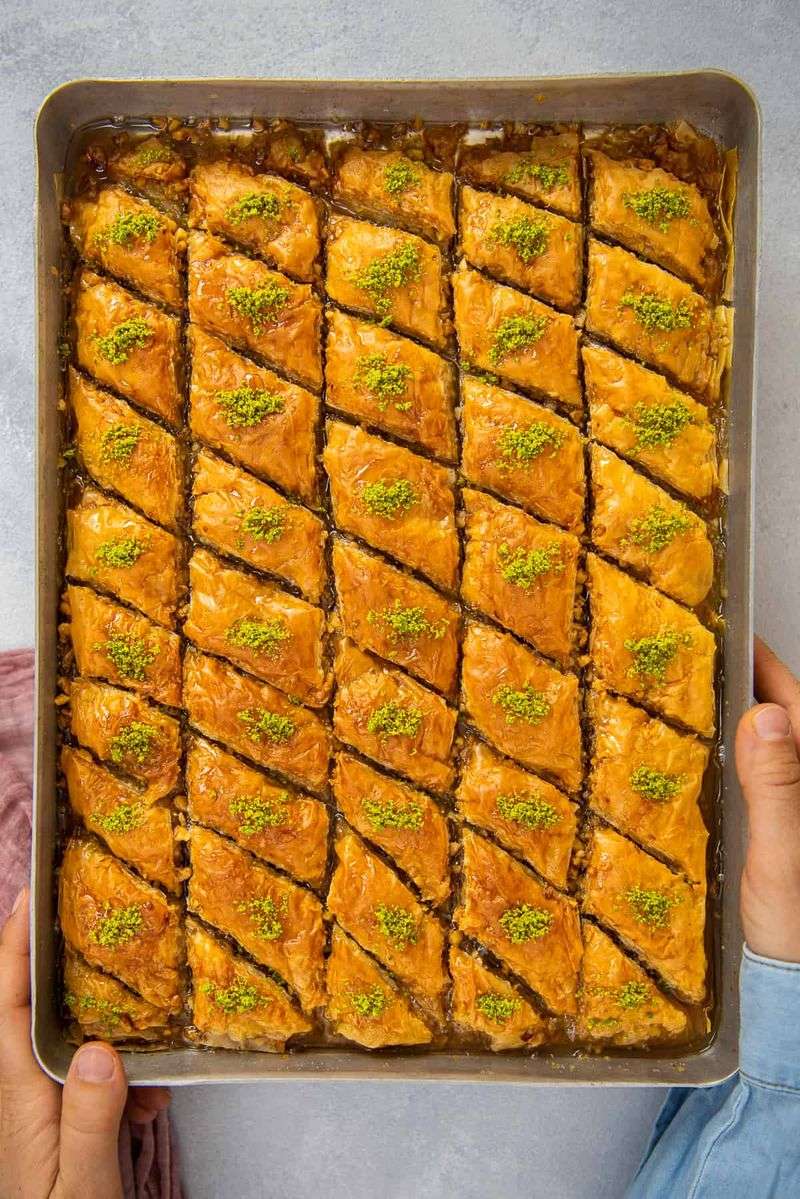
Baklava production is practically an art form in Turkey and Greece. Professional bakeries and home cooks alike prepare it in full sheet pans, layering dozens of paper-thin phyllo sheets with chopped nuts and butter before baking and drenching in syrup.
At weddings and religious holidays, families order or make trays that serve 50 to 100 guests easily. Turkish bakers take particular pride in cutting precise diamond shapes, making presentation just as important as taste.
9. Tamales Dulces (Mexico)
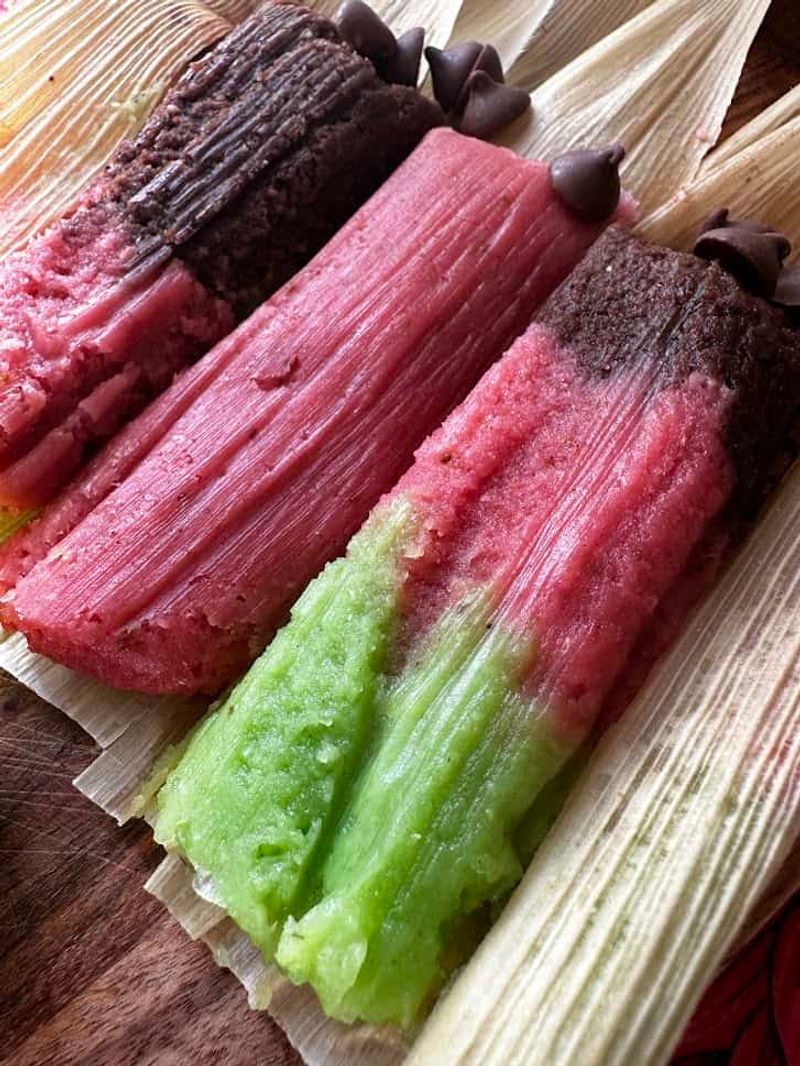
Sweet tamales, or tamales dulces, are a festive Mexican treat made in enormous batches for Christmas and Day of the Dead celebrations. Families gather for a tamalada, a tamale-making party, where everyone helps spread masa, fill, and wrap dozens of tamales together.
Pink, purple, and green versions filled with raisins, coconut, or strawberry are popular at these gatherings. Making fewer than 50 at a time is almost unheard of, since the whole point is sharing generously.
10. Halva (Middle East and Central Asia)
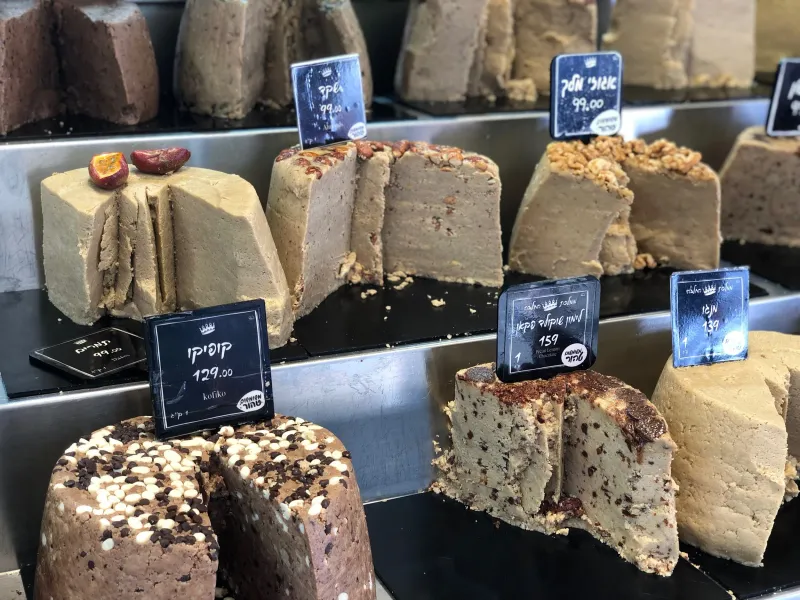
Halva is one of the oldest mass-produced sweets in the world, made from tahini or semolina and cooked in enormous vats in countries across the Middle East and Central Asia. Confectioners stir massive quantities over heat until the mixture reaches the right crumbly texture.
It is sold by the block, sliced to order at markets. During religious observances like Ramadan, demand skyrockets and production runs around the clock to keep up with hungry customers.
11. Puto (Philippines)
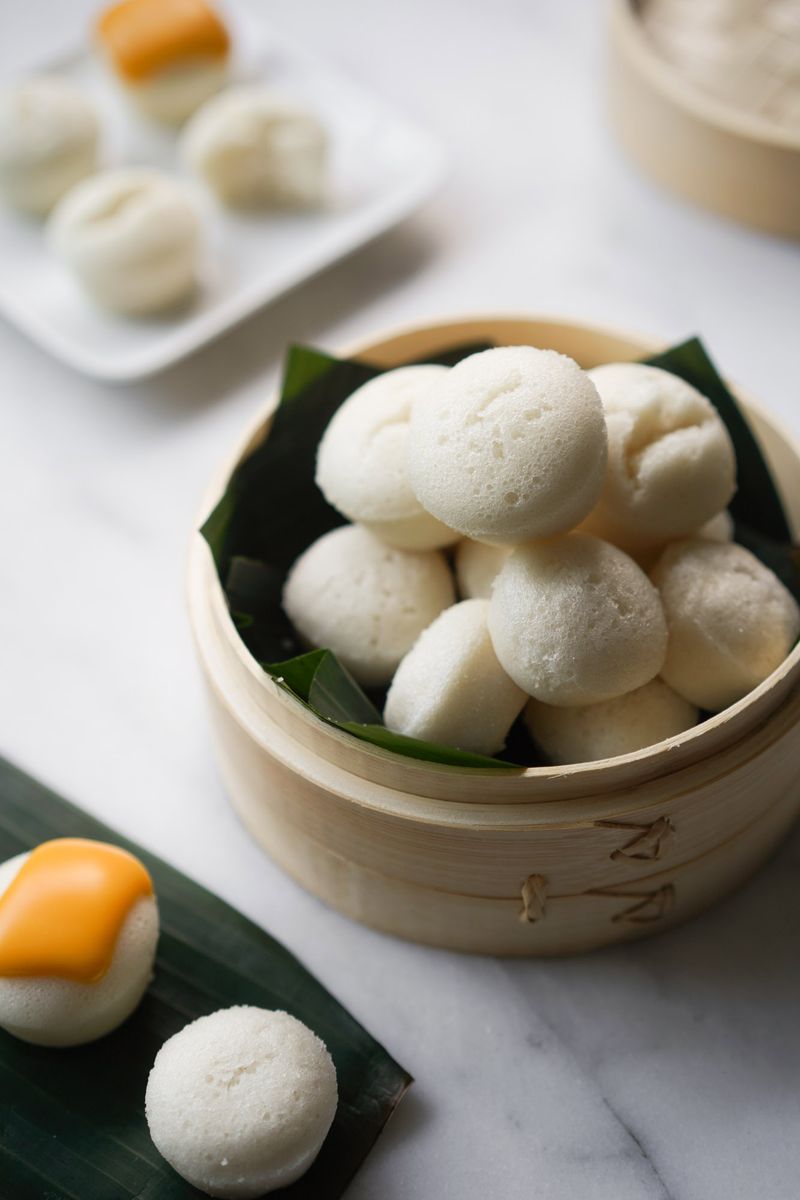
Puto is a steamed Filipino rice cake that is almost always made in bulk. At fiestas and family gatherings, cooks prepare hundreds of these small white cakes at once, stacking bamboo steamers high and working through the night to meet demand.
Each little puto is soft, slightly sweet, and often topped with a slice of cheese or salted egg. They are served alongside savory dishes too, which makes them one of the most versatile batch-cooked treats in Filipino food culture.
12. Kourabiedes (Greece)
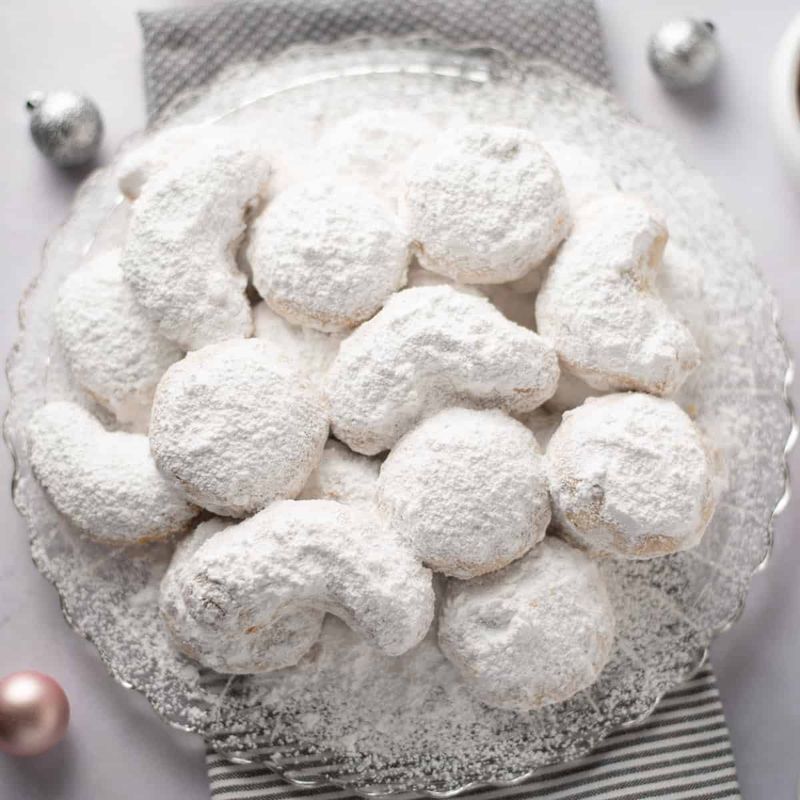
Greek households go into full production mode during Christmas to make kourabiedes. These buttery almond shortbread cookies are rolled into crescents or balls, baked until pale golden, and buried under thick drifts of powdered sugar while still warm.
A single family might make 200 or more cookies in one baking session, packaging them in boxes to give as holiday gifts. The powdered sugar coating is so thick that taking a bite almost always results in a cloud of white dust.
13. Kheer (India and Pakistan)
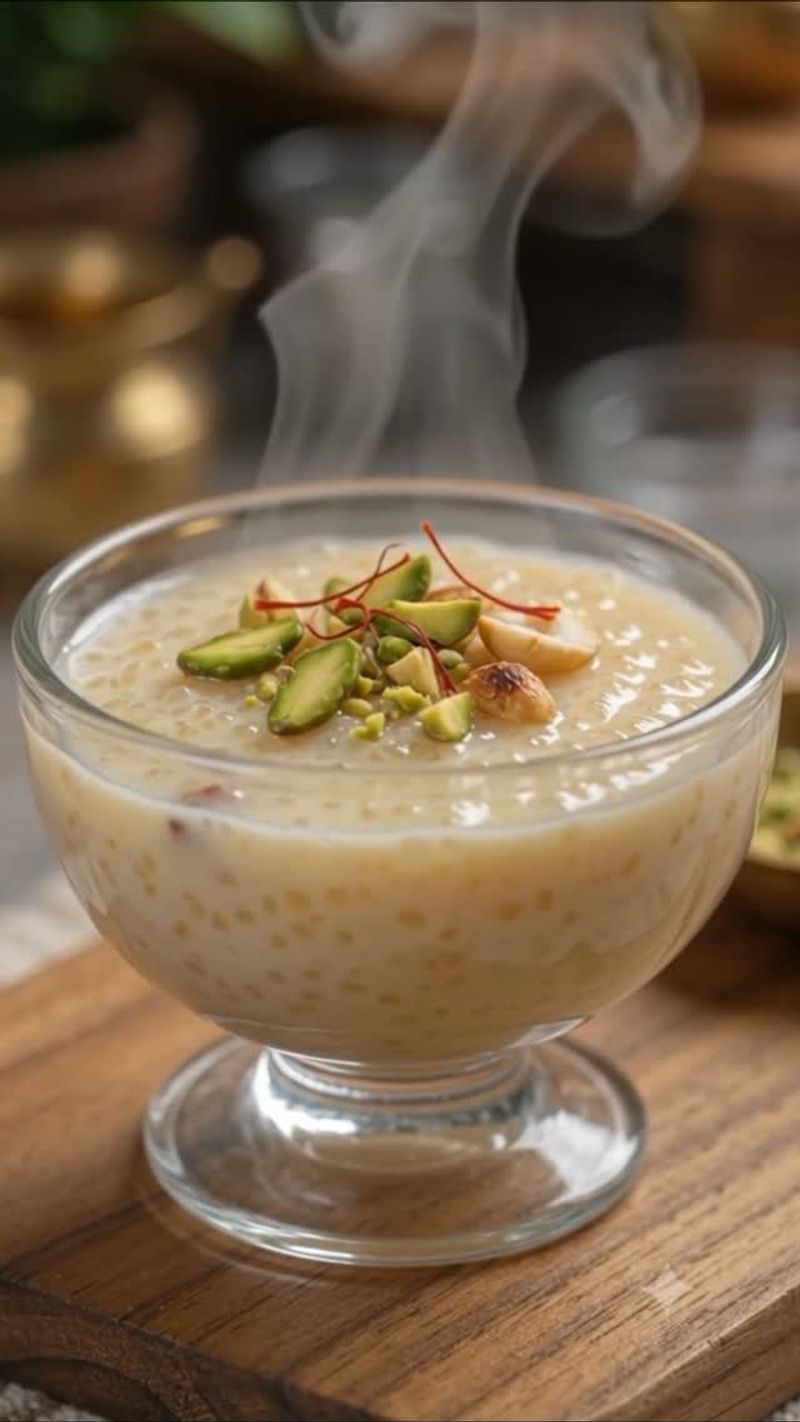
Kheer is a creamy rice pudding slow-cooked in milk with sugar and cardamom, and it is one of the most common desserts served at South Asian weddings and religious ceremonies. Cooks simmer enormous pots of it for hours, stirring constantly until thick and fragrant.
At large events, a single pot might hold enough kheer to fill 300 small cups. Garnished with saffron and crushed nuts, it looks as impressive as it tastes.
Getting the consistency just right is a matter of family pride.
14. Brigadeiro (Brazil)
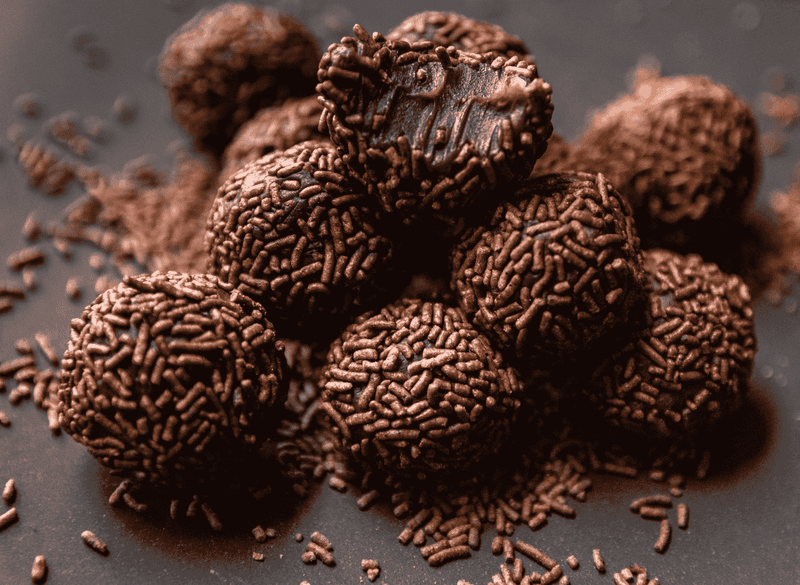
No Brazilian birthday party is complete without brigadeiros. These fudgy chocolate truffles, made from condensed milk, butter, and cocoa, are cooked in large pots and then rolled into dozens of little balls covered in chocolate sprinkles.
Making them in bulk is a beloved pre-party tradition. Families often prepare 100 or more at a time, since guests tend to grab multiple pieces throughout the celebration.
The rolling and decorating process often turns into a fun group activity for kids and adults alike.
15. Sfouf (Lebanon)
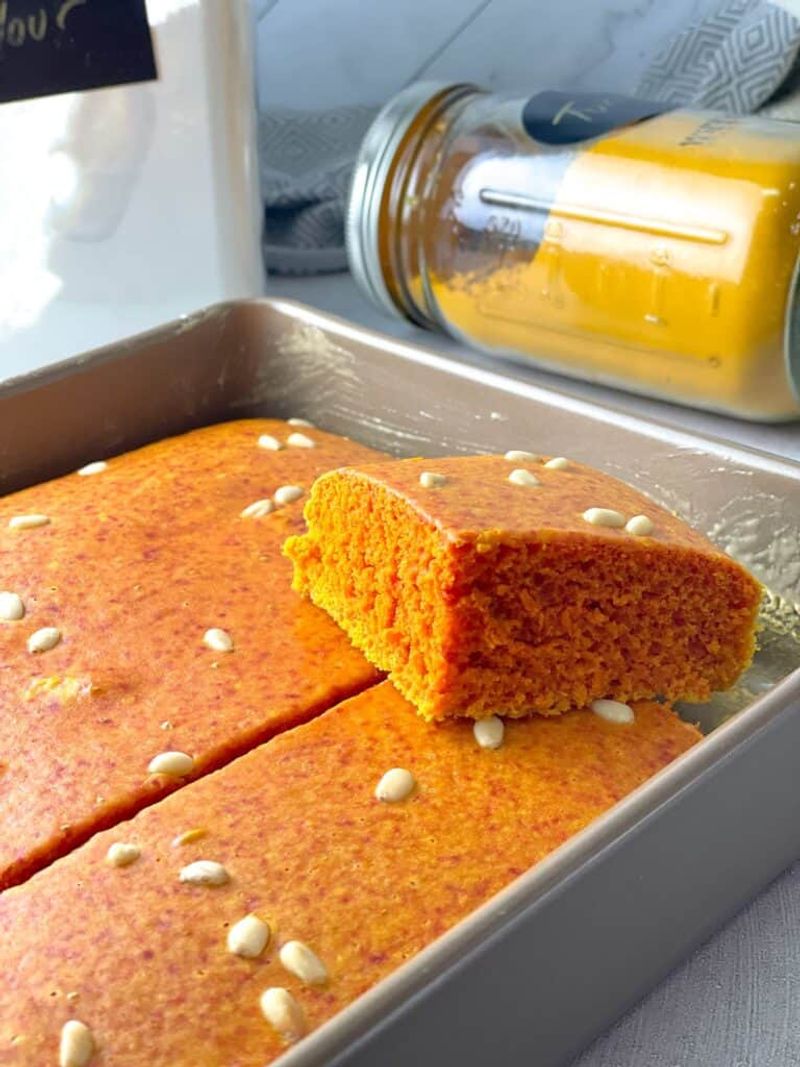
Sfouf is a Lebanese turmeric cake with a bold golden color and a lightly sweet, nutty flavor. It is traditionally baked in large sheet trays for family gatherings and religious celebrations, since it keeps well for several days without losing quality.
The turmeric gives it a warm, earthy undertone that pairs perfectly with the anise and pine nuts on top. Baking one small pan is almost considered a waste of effort, so families routinely make two or three trays at once.
16. Sheer Pira (Afghanistan)
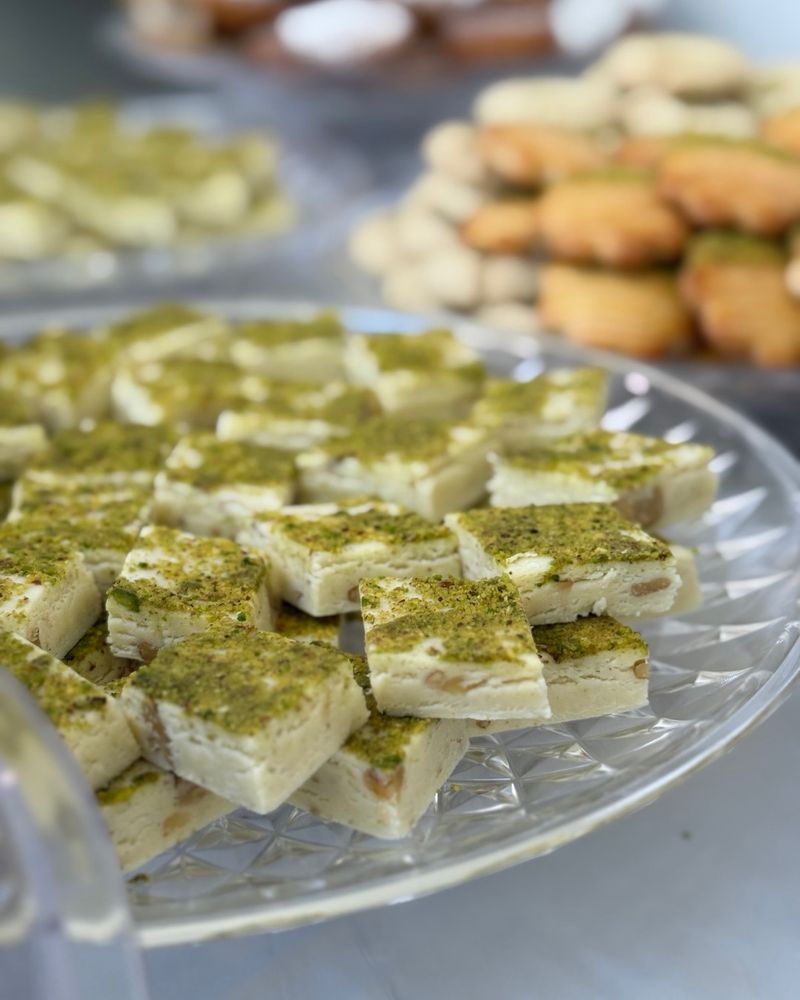
Sheer pira is a soft Afghan milk fudge flavored with rose water and cardamom, and it is a must-have at Afghan weddings and Eid gatherings. Cooks prepare it in enormous quantities, pouring the mixture into wide trays to set before cutting into squares.
The name literally means milk sweet, and the texture sits somewhere between a firm pudding and soft candy. Guests expect to take pieces home wrapped in foil, which means the host must always make more than enough.
17. Malasadas (Portugal and Hawaii)
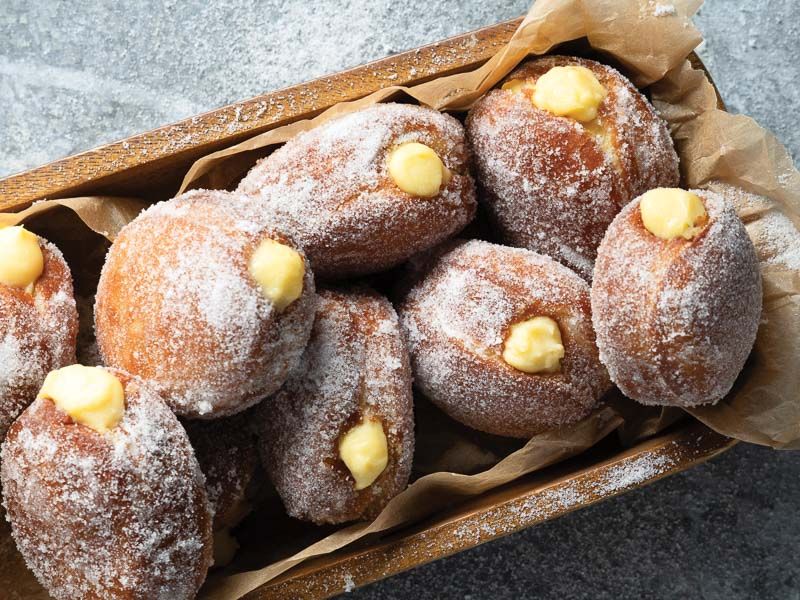
Malasadas are fluffy Portuguese doughnuts without a hole, deep-fried until golden and rolled in granulated sugar. In Hawaii, they became a Shrove Tuesday tradition, with bakeries and carnivals frying thousands in giant vats to feed long lines of eager customers.
Leonard’s Bakery in Honolulu is famous for selling hundreds of thousands of malasadas each year. The dough is yeasted and eggy, giving each one a pillowy interior that is almost impossible to eat just one of.
18. Modak (India)
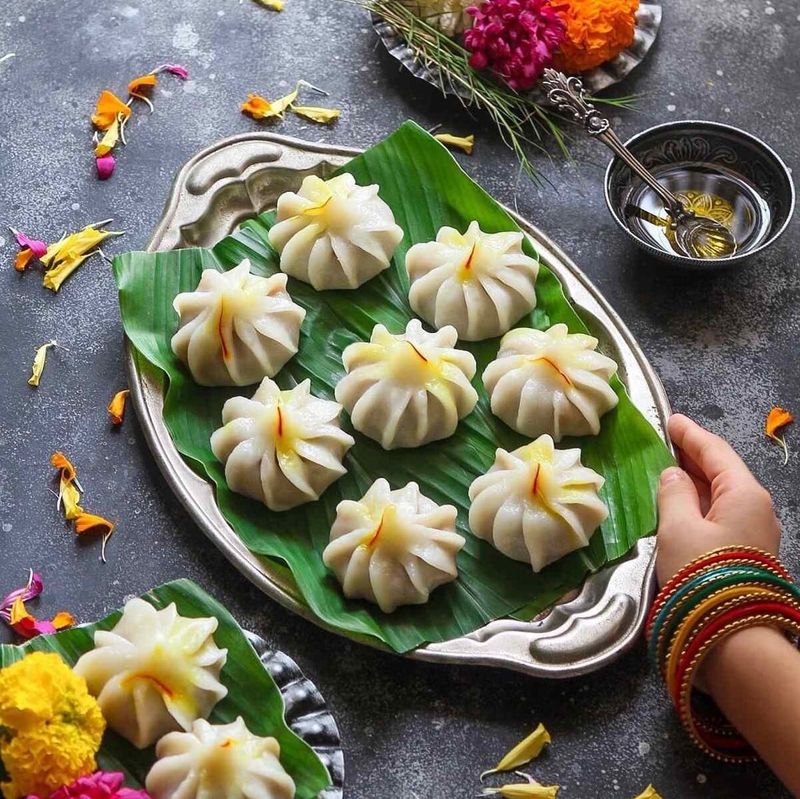
Modak is a steamed or fried dumpling stuffed with sweet coconut and jaggery filling, and it holds deep religious significance in India as the favorite food of Lord Ganesha. During Ganesh Chaturthi, families make 21 modaks as a ritual offering, though most households prepare many more for guests.
Shaping each modak by hand with pleated edges requires skill and patience. Grandmothers often teach younger family members during festival prep, turning the process into a meaningful annual tradition.
19. Panettone (Italy)
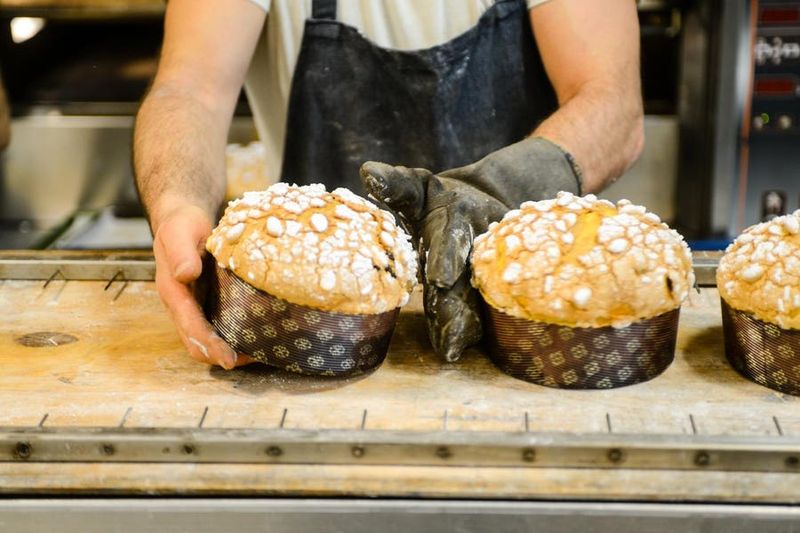
Panettone is a tall, dome-shaped Italian sweet bread studded with candied fruit and raisins. Bakeries in Milan and across Italy produce millions of them every Christmas season, starting production months in advance to meet nationwide demand.
The fermentation process for authentic panettone takes several days, which makes large-scale production both a science and a craft. Families buy them as gifts, and the distinctive cylindrical boxes are as recognizable as the bread itself during the Italian holiday season.
20. Loukoumades (Greece and Cyprus)
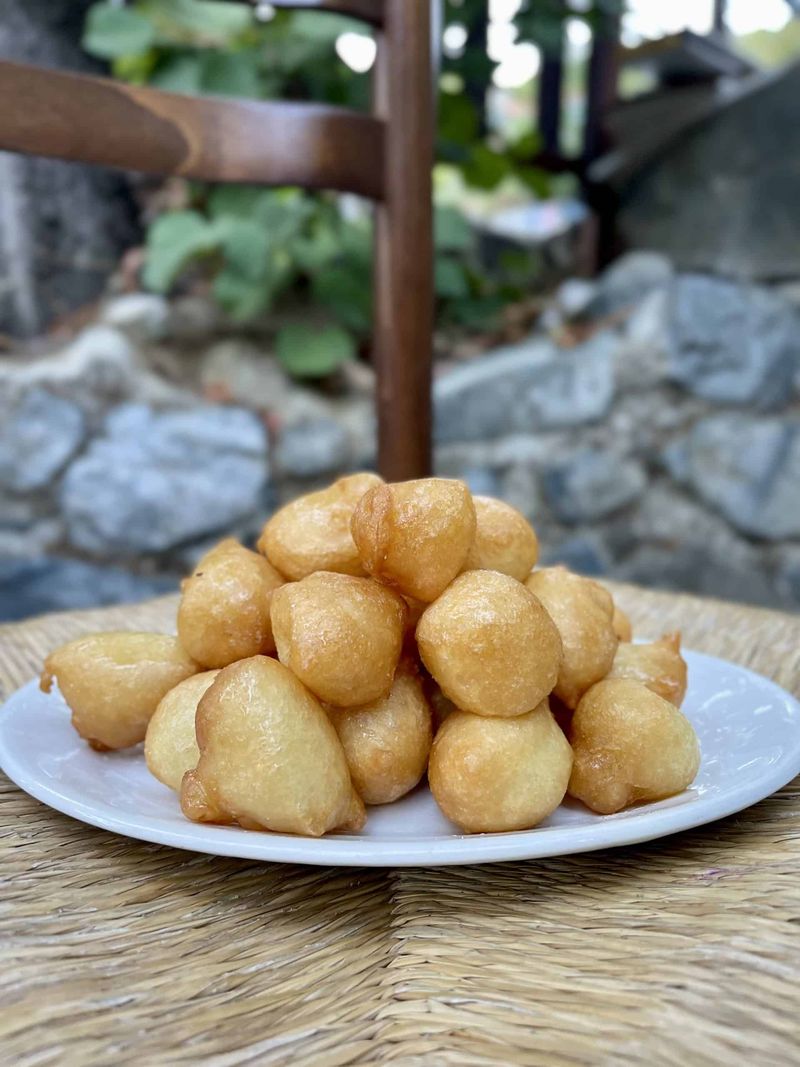
Loukoumades are tiny fried dough balls drizzled with honey and dusted with cinnamon. Street vendors at Greek festivals fry them in enormous batches, scooping the batter into hot oil with a special tool that creates perfectly round puffs every time.
They are one of the oldest recorded desserts in history, with references going back to ancient Greece. The key to getting them right in bulk is keeping the oil temperature consistent so every batch comes out golden, crispy, and light.
21. Sticky Rice with Mango (Thailand)
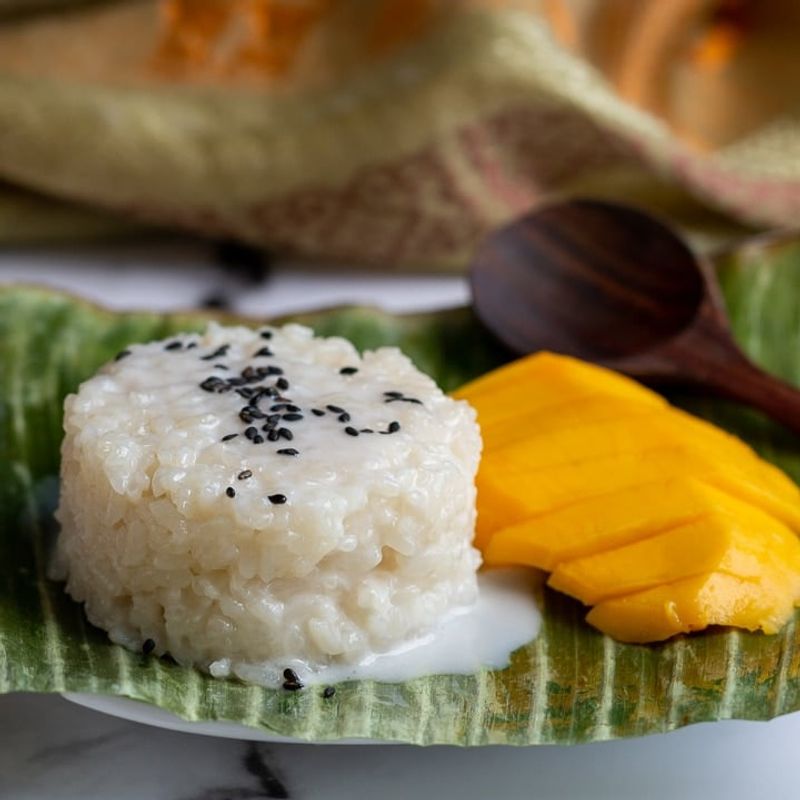
Mango sticky rice is Thailand’s most beloved dessert, and during mango season it is made in staggering quantities at street markets and family celebrations. Vendors cook enormous pots of glutinous rice, then ladle rich coconut milk sauce over each portion just before serving.
The pairing of warm sticky rice with cold, sweet mango slices is surprisingly perfect. At Songkran and other Thai festivals, families prepare large communal batches to share with neighbors, treating the whole process as a form of hospitality and care.
22. Rosca de Reyes (Mexico and Spain)
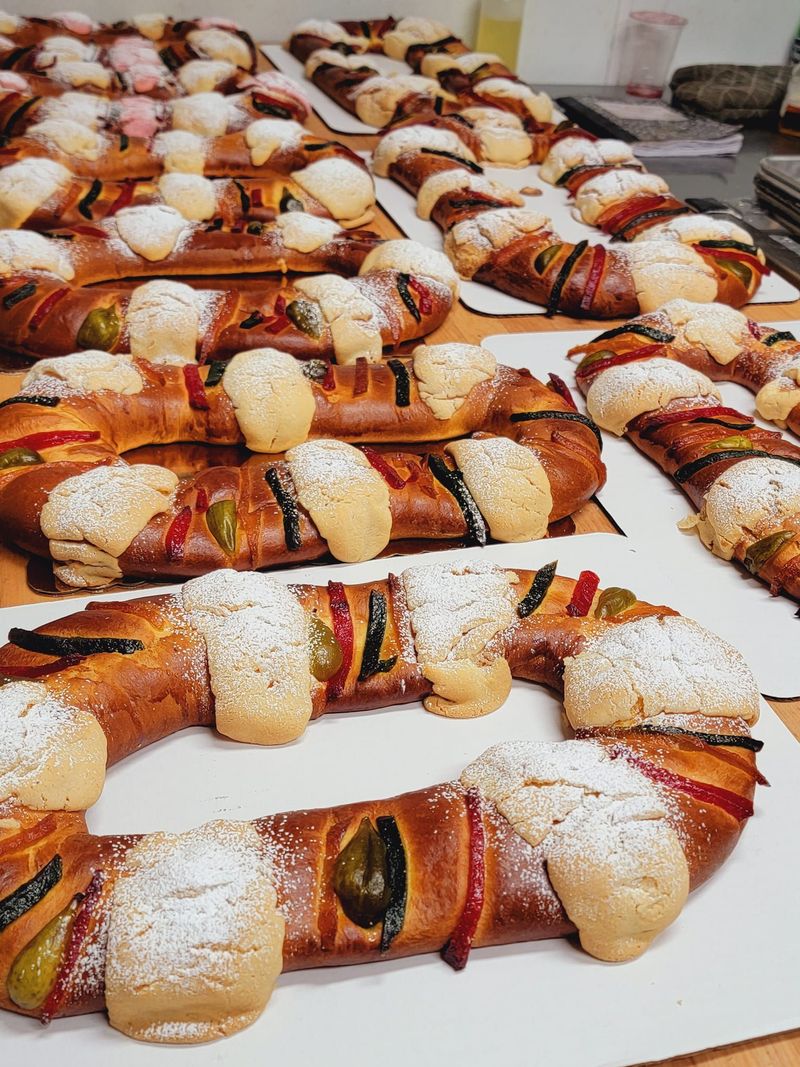
Rosca de Reyes is a ring-shaped sweet bread decorated with candied fruit and baked for Three Kings Day on January 6th. In Mexico, bakeries produce thousands of them in the days leading up to the holiday, with families ordering multiple rings to share at big gatherings.
Hidden inside each rosca is a tiny plastic baby figurine representing the baby Jesus. Whoever finds it in their slice is traditionally responsible for hosting a tamale party in February, keeping the celebration going long after the holidays end.