
Long before social media, television, or even photography, certain people managed to capture the world’s attention in remarkable ways. From ancient wrestlers to silent film stars, these trailblazers became household names through sheer talent, daring acts, or powerful personalities.
Their stories remind us that fame is not a modern invention. Get ready to meet 17 fascinating figures who became the first celebrities the world ever knew.
1. Milo of Croton
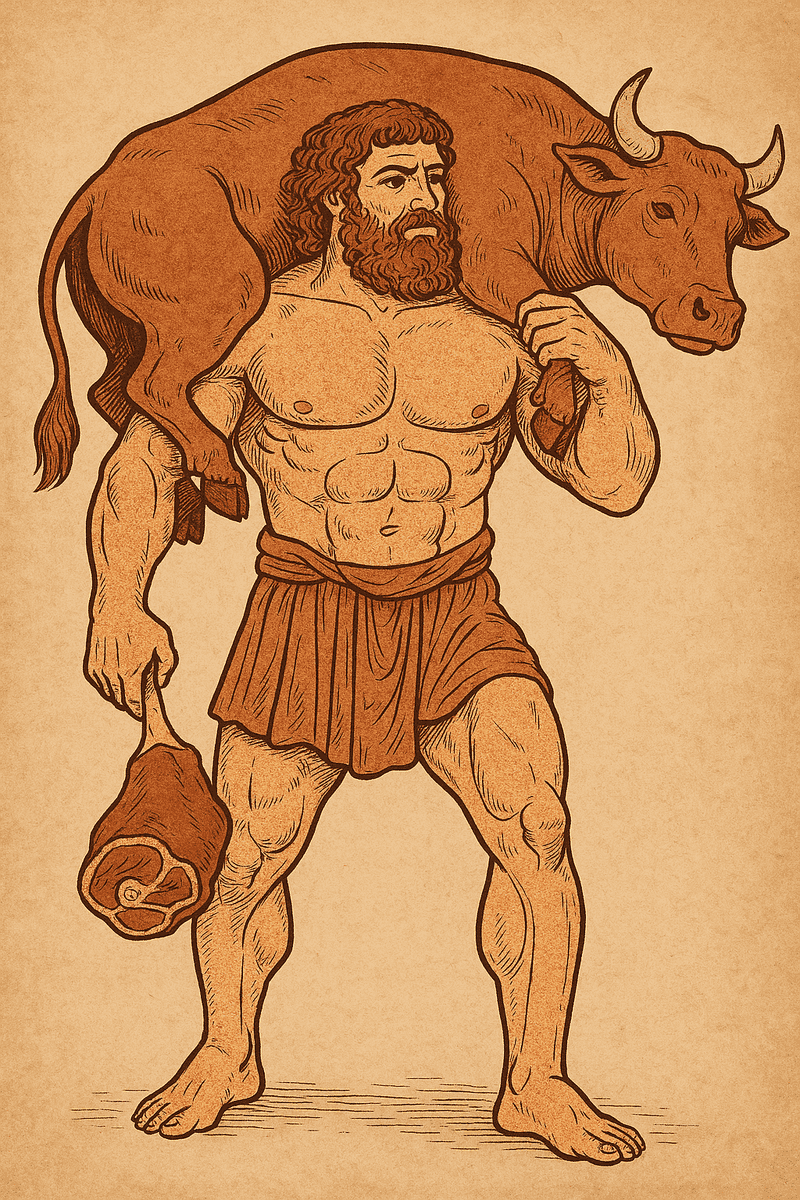
Imagine being so strong that people thought you were touched by the gods. Milo of Croton was an ancient Greek athlete who won six Olympic wrestling championships, racking up an astonishing 32 titles across major Greek games.
Crowds worshipped him like a hero straight out of mythology. Legend says he trained by carrying a growing calf daily until it became a full-grown bull.
His fame spread across the ancient world long before any media existed.
2. Socrates
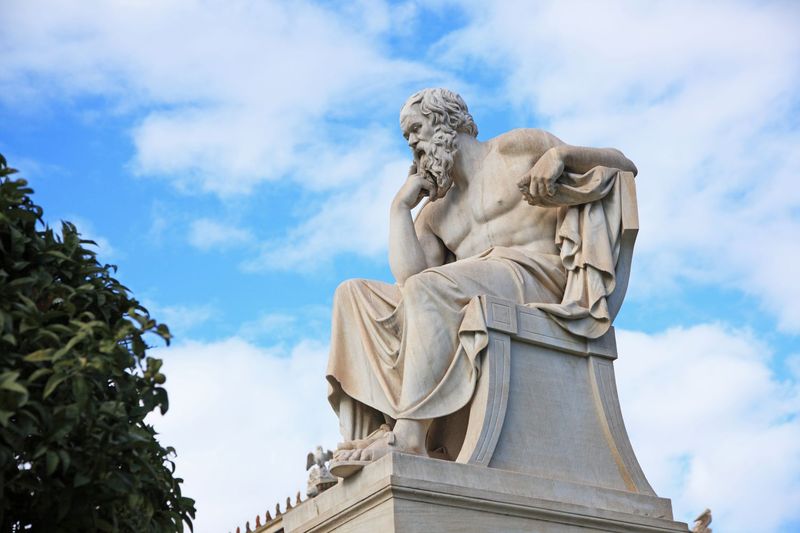
Most philosophers become famous after they die, but Socrates was already a celebrity while he was still alive. A popular Athenian comedian named Aristophanes built an entire play mocking him, and Socrates reportedly stood in the audience laughing along.
He never wrote a single book, yet his ideas changed the world forever. His method of asking probing questions to uncover truth is still taught in schools today.
Few thinkers have ever matched his cultural impact.
3. Alexander the Great
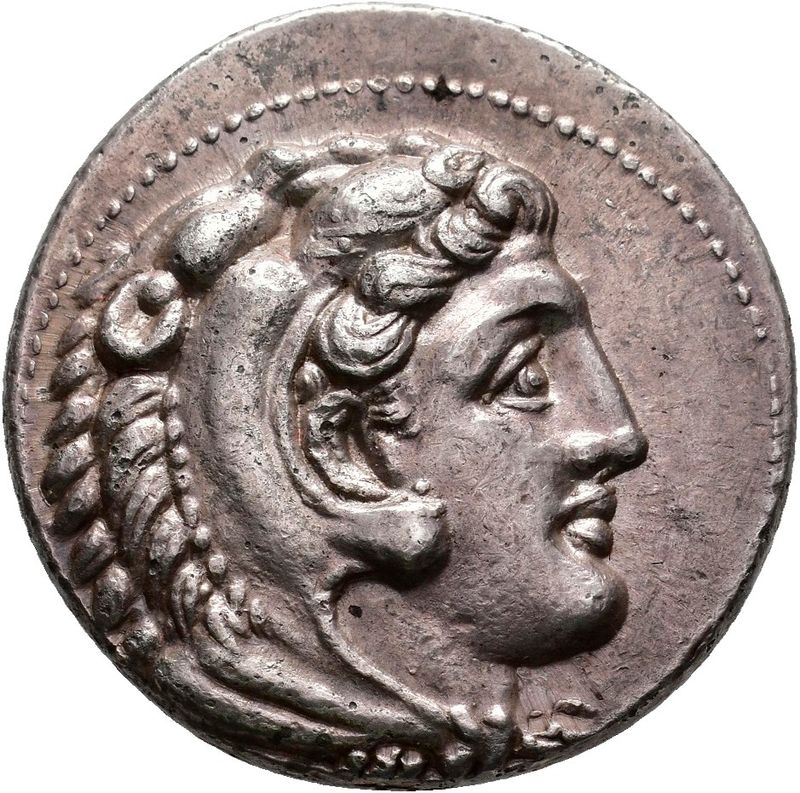
Before Instagram filters, Alexander the Great had his face stamped on millions of coins spread across three continents. That is one way to make sure everyone knows who you are.
As king of Macedon, he conquered a massive empire stretching from Greece to northwestern India by the time he was just 30 years old. His image and name were recognized from Europe to Asia and Africa.
Few rulers in history have ever achieved such universal name recognition so quickly.
4. Julius Caesar
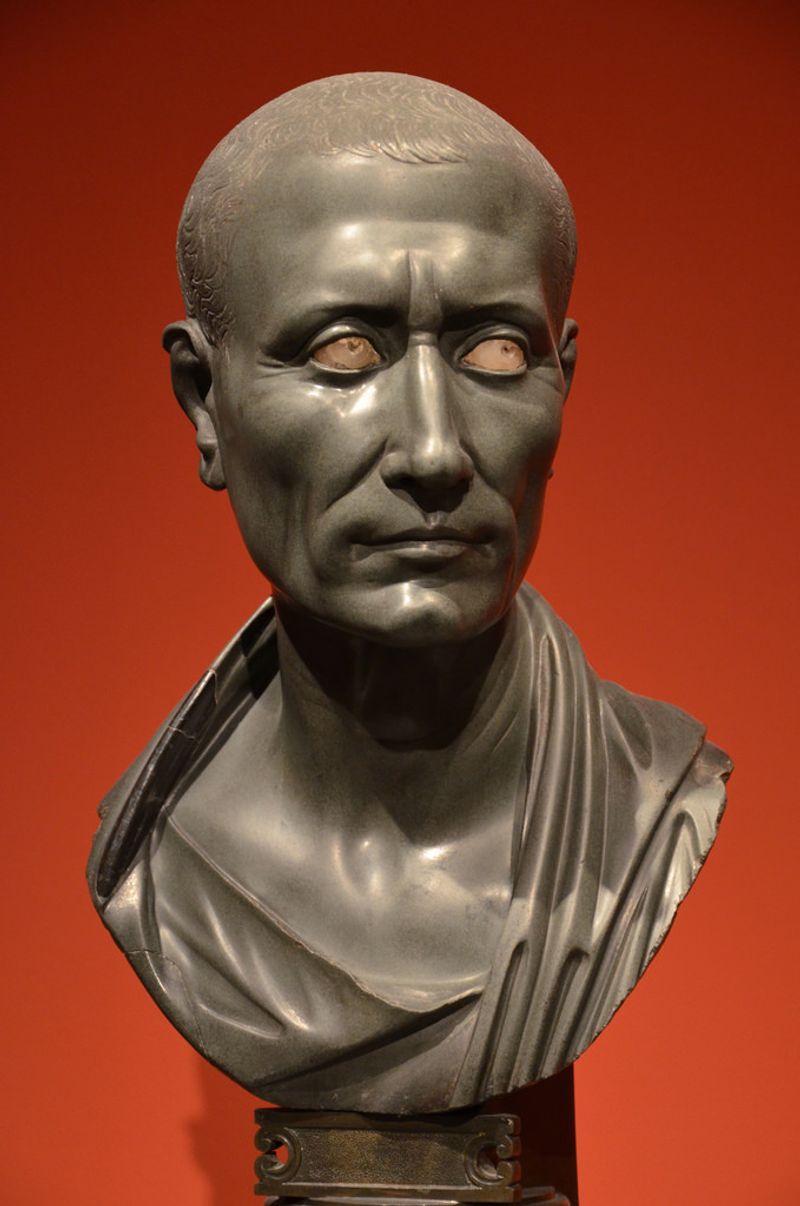
Julius Caesar did not just want to be powerful. He wanted everyone to know he was powerful, making him arguably history’s first true celebrity politician.
He used fame as a deliberate tool, crafting a cult of personality through military victories, public speeches, and carefully controlled storytelling. His name became so legendary that future rulers called themselves “Caesar” for centuries after his death.
Even today, the word lives on in titles like Kaiser and Czar.
5. Leonardo da Vinci
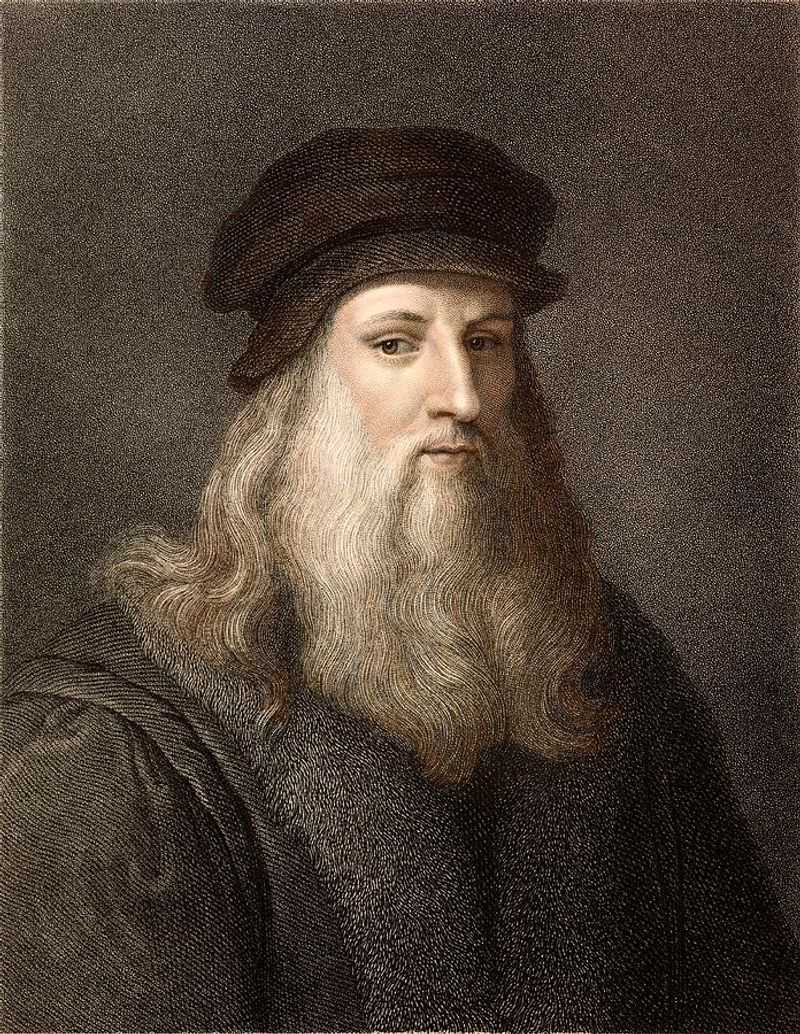
Few people in history have been as gifted across so many fields as Leonardo da Vinci. He painted the Mona Lisa and The Last Supper, sketched flying machines centuries before airplanes existed, and studied human anatomy with scientific precision.
His notebooks were filled with ideas so far ahead of their time that people are still amazed by them today. During the Renaissance, he was celebrated as a living genius by kings and nobles alike.
His work continues to inspire artists and scientists around the world.
6. William Shakespeare
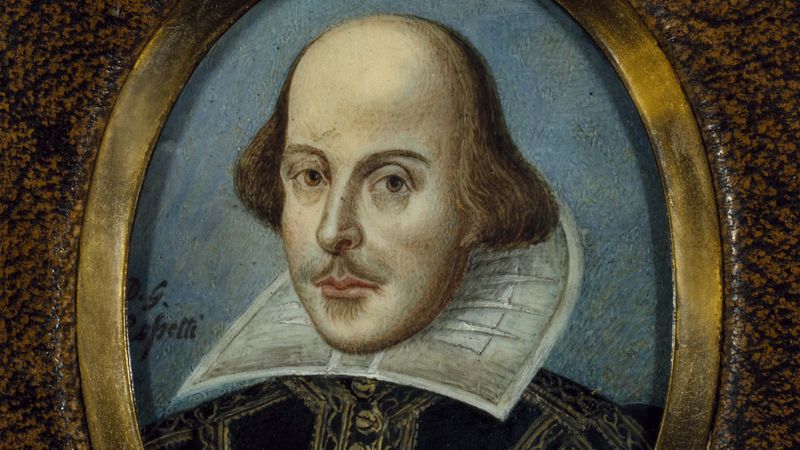
Romeo and Juliet. Hamlet.
Macbeth. These names alone tell you just how deeply William Shakespeare shaped storytelling forever.
Born in 1564 in Stratford-upon-Avon, England, he became the most celebrated playwright of his era and arguably of all time.
His plays tackled love, betrayal, ambition, and tragedy in ways that felt deeply human. Audiences packed the Globe Theatre to watch his work.
Centuries later, his plays are still performed on stages worldwide and studied in classrooms on every continent.
7. Orlande de Lassus
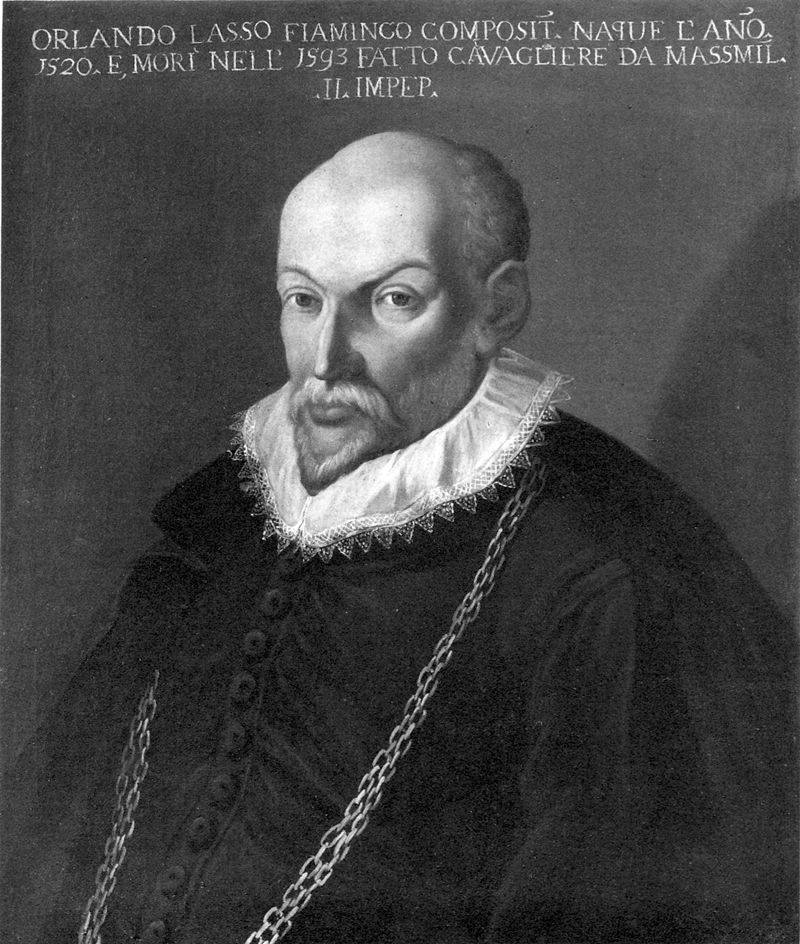
Most kids at age 12 are just starting middle school, but Orlande de Lassus was already touring European royal courts as a celebrated musical prodigy. Born around 1532 in what is now Belgium, he composed and performed for some of the most powerful rulers in Europe.
His music blended styles from different countries, making him a truly international star of the Renaissance era. He eventually became one of the most published composers of the 16th century, with his music spreading across the continent.
8. Isaac Newton
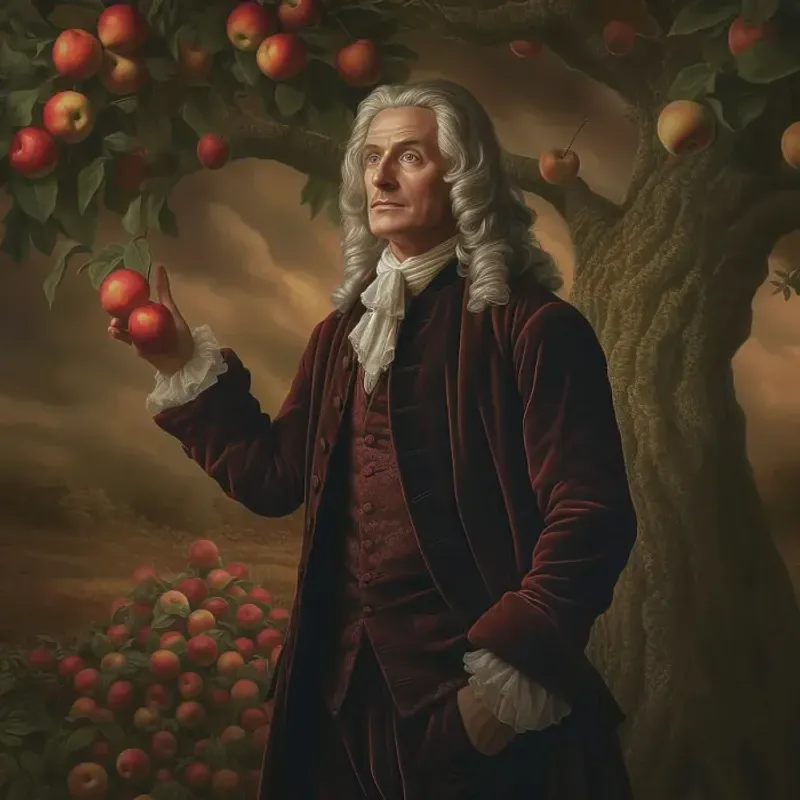
A falling apple and one of the greatest scientific breakthroughs in history. That is the story, at least, of how Isaac Newton began thinking about gravity.
Whether the apple tale is fully true or not, his discoveries genuinely changed how humans understand the universe.
Newton formulated the laws of motion and universal gravitation, laying the groundwork for modern physics. He also invented calculus and made major advances in optics.
By the time he died in 1727, he was already considered one of the greatest minds ever born.
9. Lord Byron
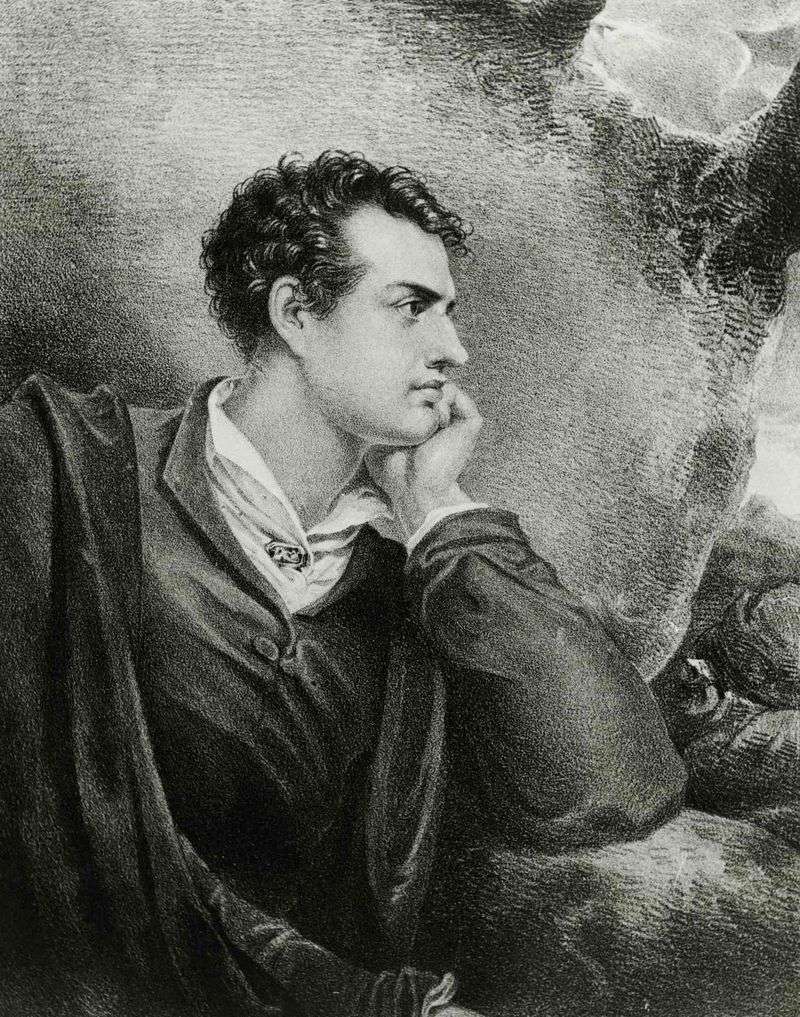
Overnight fame is not just a modern phenomenon. When Lord Byron published his poem “Childe Harold’s Pilgrimage” in 1812, he reportedly woke up the next morning to find himself famous across England.
Some historians believe he was the very first person ever explicitly called a “celebrity” in the modern sense of the word. Women adored him, men envied him, and newspapers obsessed over his every move.
His brooding, rebellious persona made him the original rock star of the literary world.
10. Queen Victoria
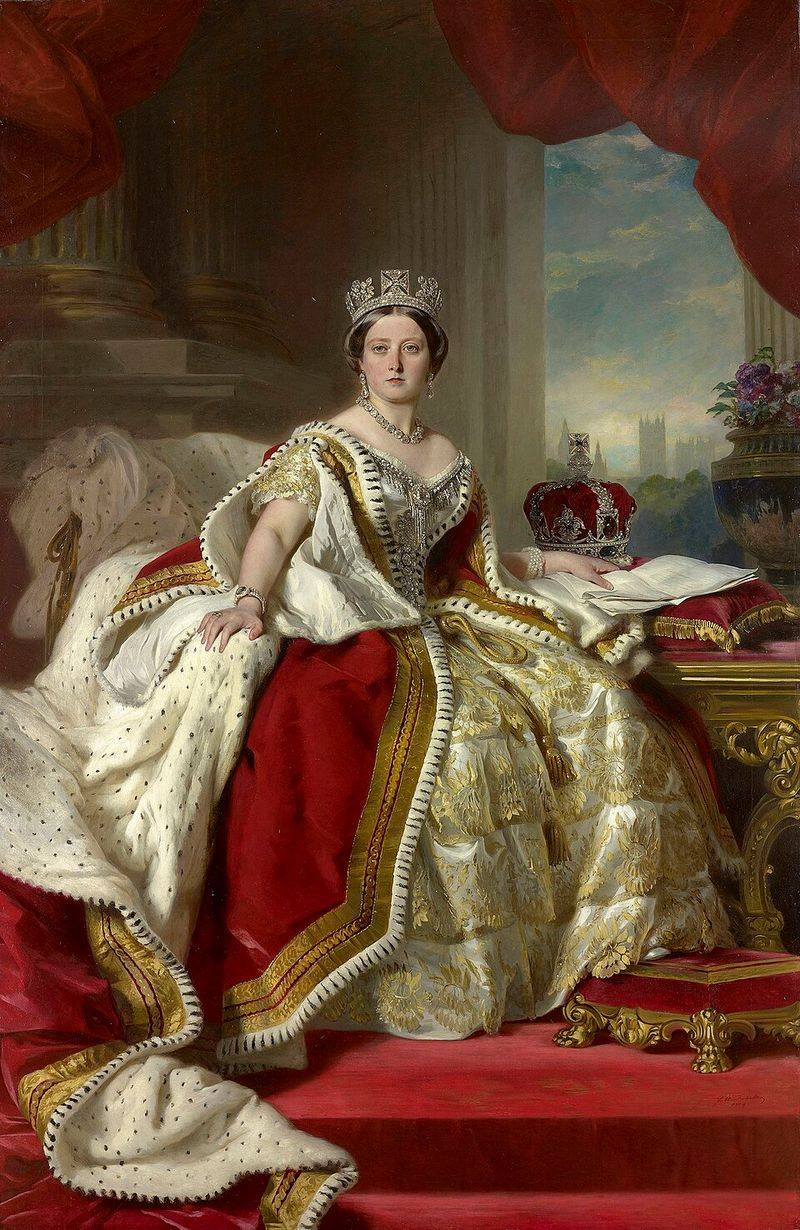
Queen Victoria reigned over the United Kingdom for 63 years, becoming one of the most recognized faces on the planet during the 19th century. Her image appeared on stamps, coins, and portraits distributed across a vast global empire.
She became a symbol of an entire era, so much so that the period is simply called the Victorian Age. Beyond royal duties, she was a devoted mother to nine children and corresponded with leaders worldwide.
Her influence stretched far beyond the borders of Britain.
11. Sarah Bernhardt
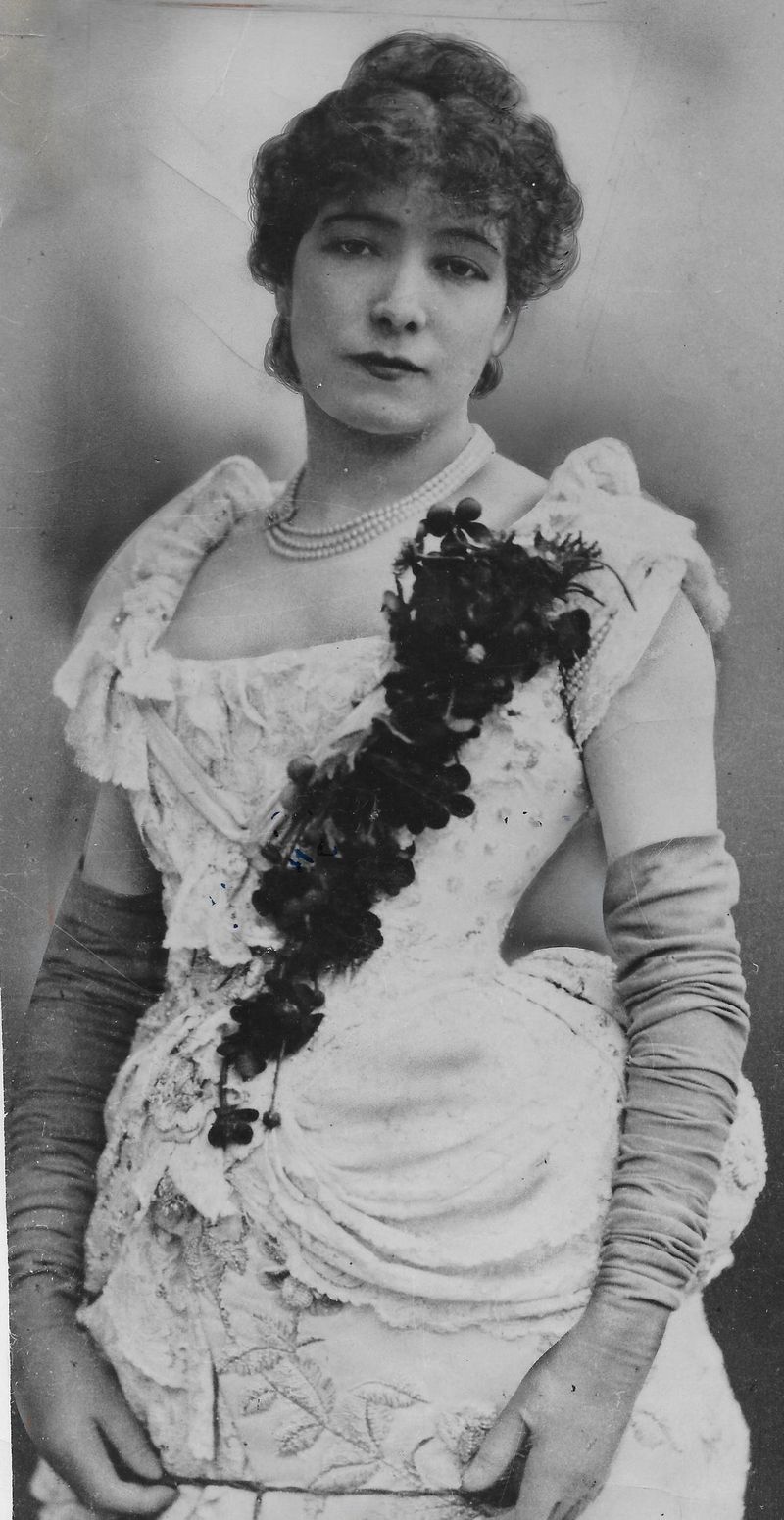
Long before Hollywood created movie stars, Sarah Bernhardt was already selling out theatres from Paris to New York. Known as “The Divine Sarah,” she was the most famous actress of the late 19th century, adored by audiences on multiple continents.
Her dramatic performances were legendary, and she even acted after having her leg amputated in 1915. Posters featuring her likeness became early examples of celebrity marketing.
She proved that a performer’s personality could be just as magnetic as any role they played.
12. Thomas Alva Edison
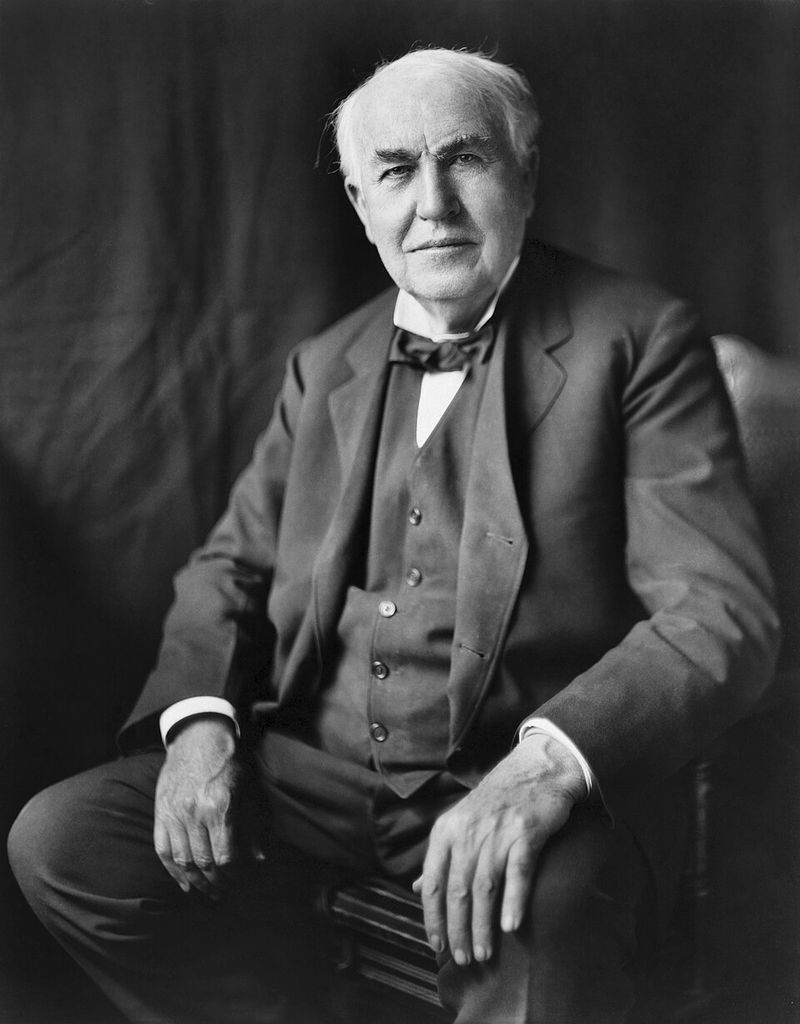
Thomas Edison once said genius is one percent inspiration and ninety-nine percent perspiration. That attitude helped him file over 1,000 patents during his lifetime, making him one of the most productive inventors in history.
His practical electric light bulb and the phonograph turned him into an international celebrity by the late 1800s. Newspapers called his New Jersey lab a “invention factory.” People traveled from around the world just to meet him.
His name became a symbol of American ingenuity and unstoppable ambition.
13. Buffalo Bill
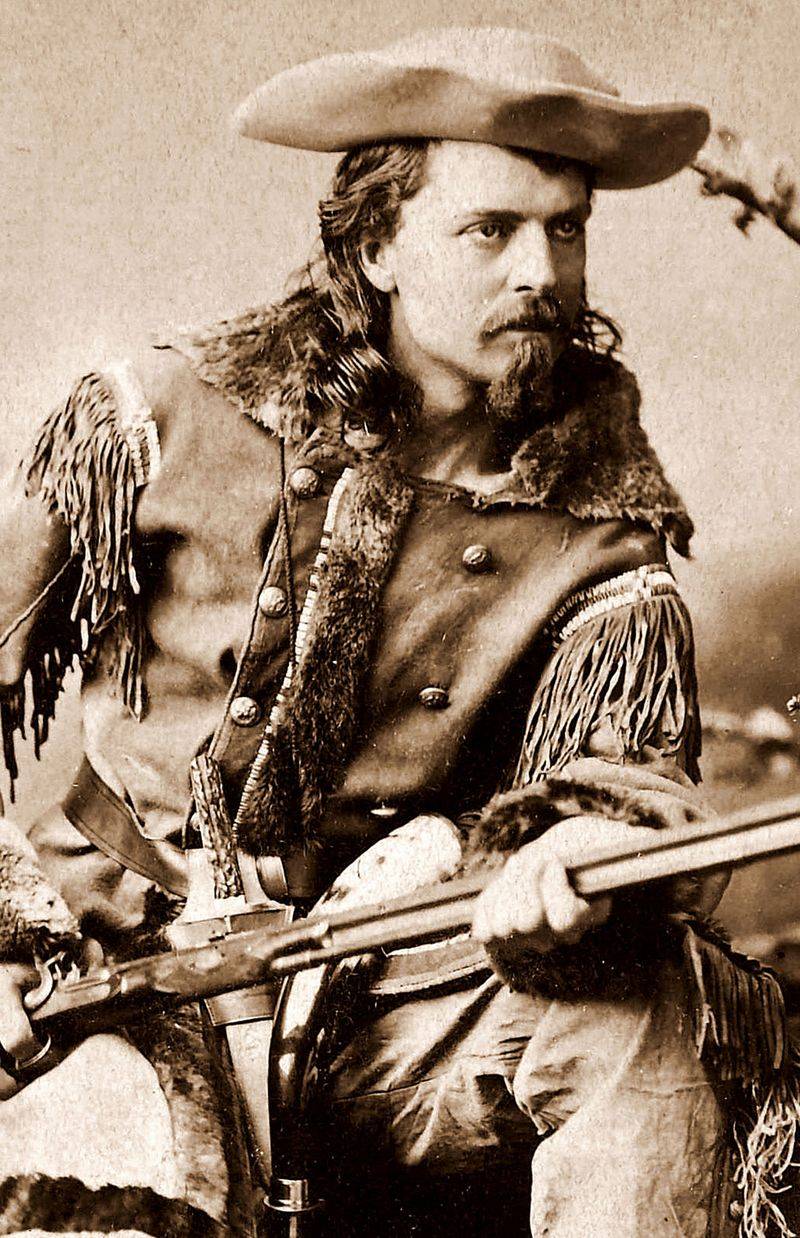
Few people turned their own life story into a global entertainment brand quite like Buffalo Bill. Born William F.
Cody in 1846, he worked as a soldier, bison hunter, and frontier scout before reinventing himself as a showman.
His Wild West shows toured the United States and Europe, thrilling audiences with staged gunfights, trick riding, and performances by real Native American performers. Queen Victoria herself reportedly watched one of his shows.
He made the American frontier feel exciting and legendary to people worldwide.
14. Marie Curie
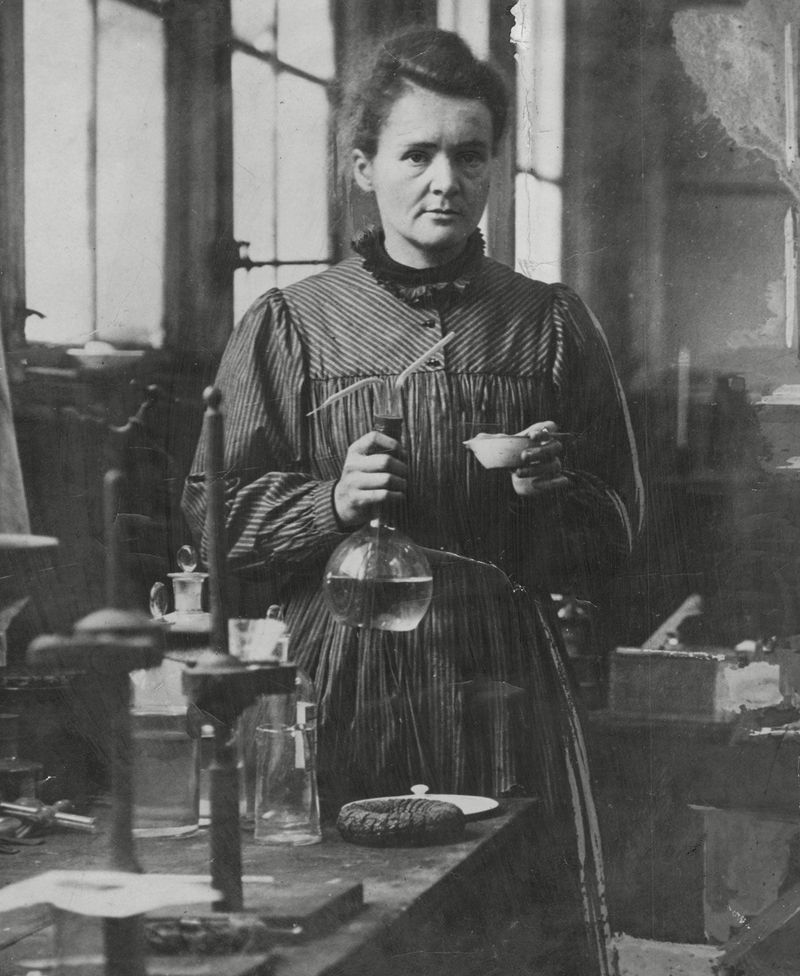
Marie Curie broke barriers that most people of her era did not even know existed. She became the first woman to win a Nobel Prize in 1903, then made history again by winning a second Nobel Prize in 1911 in a completely different scientific field.
Newspapers treated her like a superstar, and crowds gathered wherever she traveled. Her research on radioactivity changed medicine and physics forever.
She handled her fame with quiet determination, always insisting her work mattered more than her celebrity status.
15. The Wright Brothers
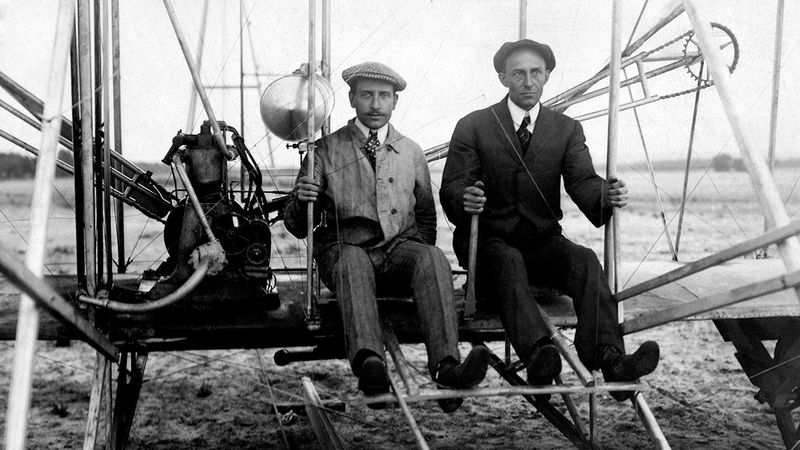
On December 17, 1903, Orville Wright piloted a fragile wooden aircraft for just 12 seconds, and the world was never the same again. Together, he and his brother Wilbur had built and flown the first successful powered airplane in history.
News of their achievement spread rapidly, turning the two bicycle mechanics from Ohio into international heroes. Crowds in Europe and America marveled at their demonstrations.
Their success sparked a global aviation revolution and cemented their place as two of the most celebrated inventors of the early 20th century.
16. Harry Houdini
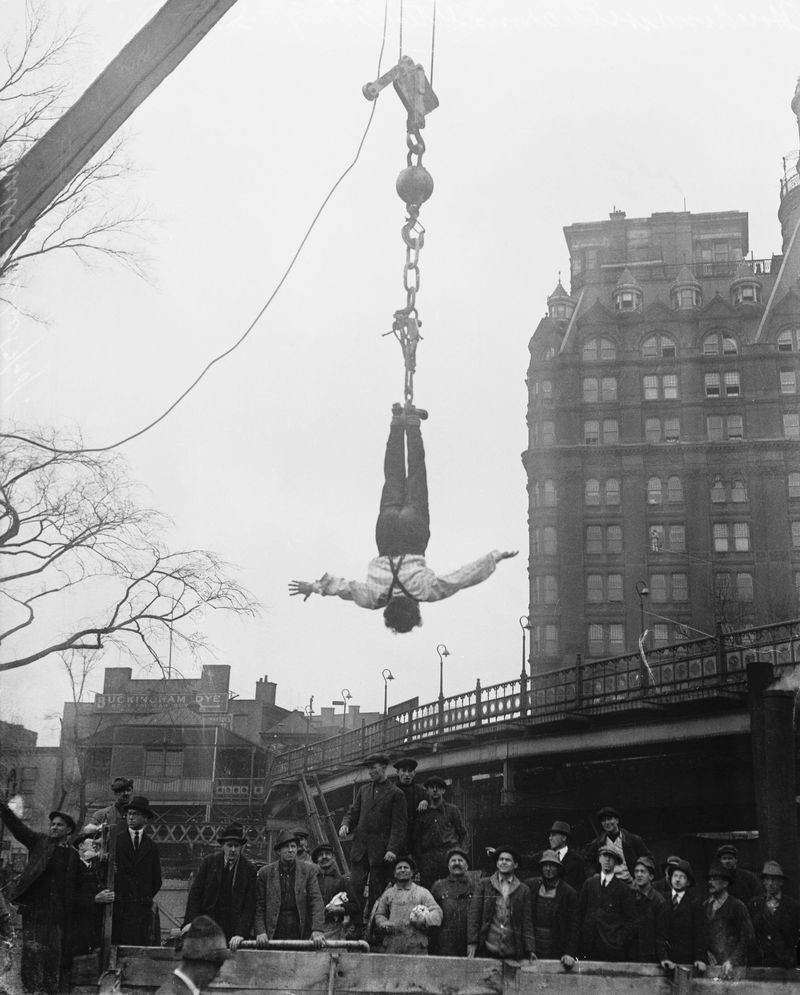
Locked in chains, sealed inside a water tank, buried underground. Harry Houdini turned escaping from impossible situations into a spectacular art form that left audiences breathless.
Born in Hungary in 1874, he became a global sensation in the early 1900s.
His death-defying stunts were front-page news everywhere he performed. He also worked to expose fraudulent spiritualists, adding a sharp, skeptical edge to his public image.
Even today, his name is synonymous with mystery, magic, and seemingly impossible feats of daring.
17. Florence Lawrence
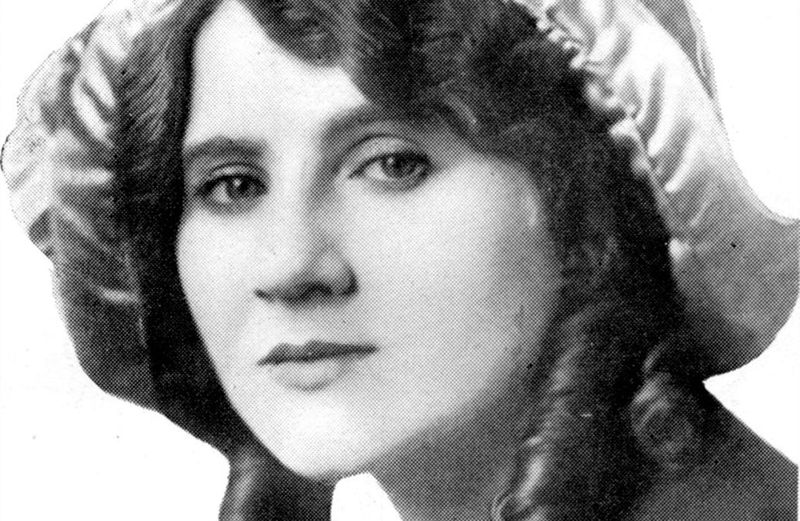
Before Florence Lawrence, movie actors had no names, at least not ones the public knew. Early film studios kept performers anonymous, fearing named stars would demand higher pay.
That all changed when a savvy publicity campaign revealed her identity to the world.
Hailed as the very first movie star, she had previously been known only as “The Biograph Girl.” Remarkably, she also invented early versions of the automobile turn signal and brake signal. Her contributions to both film history and everyday road safety are genuinely extraordinary.